2025 Study Architecture Student Showcase - Part III
Today’s installment of the 2025 Study Architecture Student Showcase highlights innovation in technology and artificial intelligence (AI). In Part III, we look at senior projects that reimagine how technology can transform architectural practices, human experiences, sustainability, and design workflows. You may find yourself asking: What happens when AI is used as a co-designer?
From smart cities in Puerto Rico to augmented reality, each project will broaden your perspective on the capabilities of technology in design.
Browse the projects below!
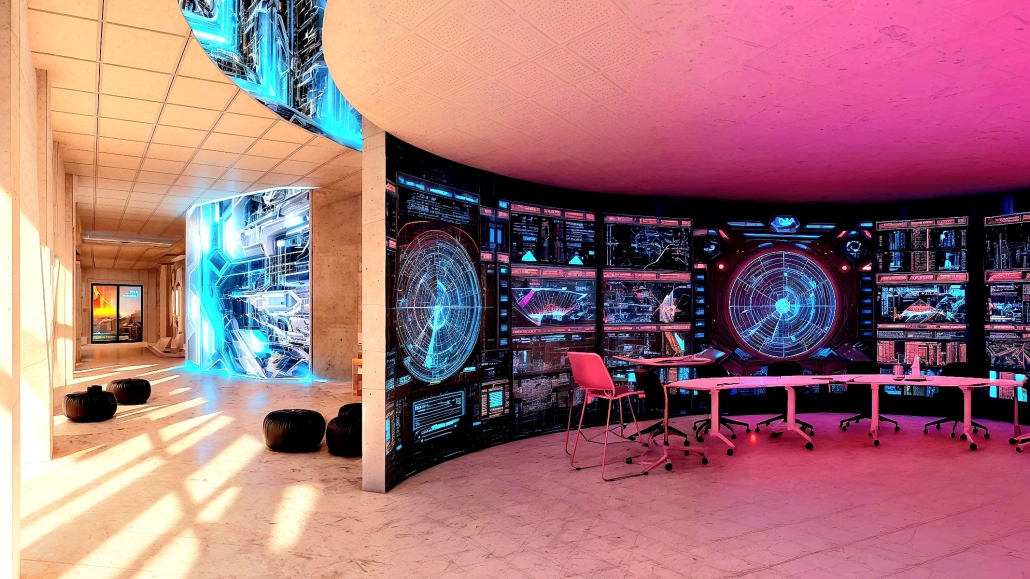
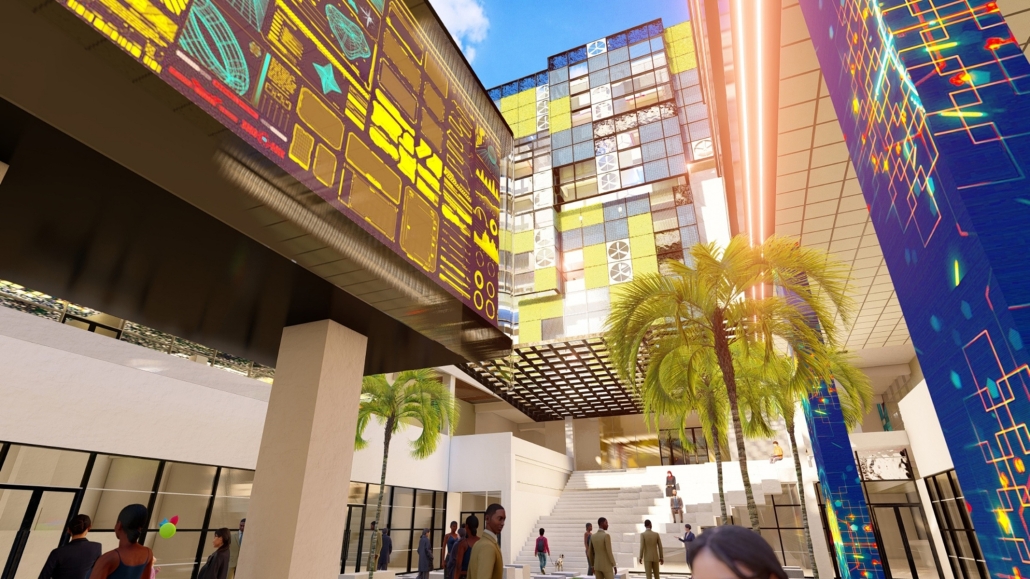
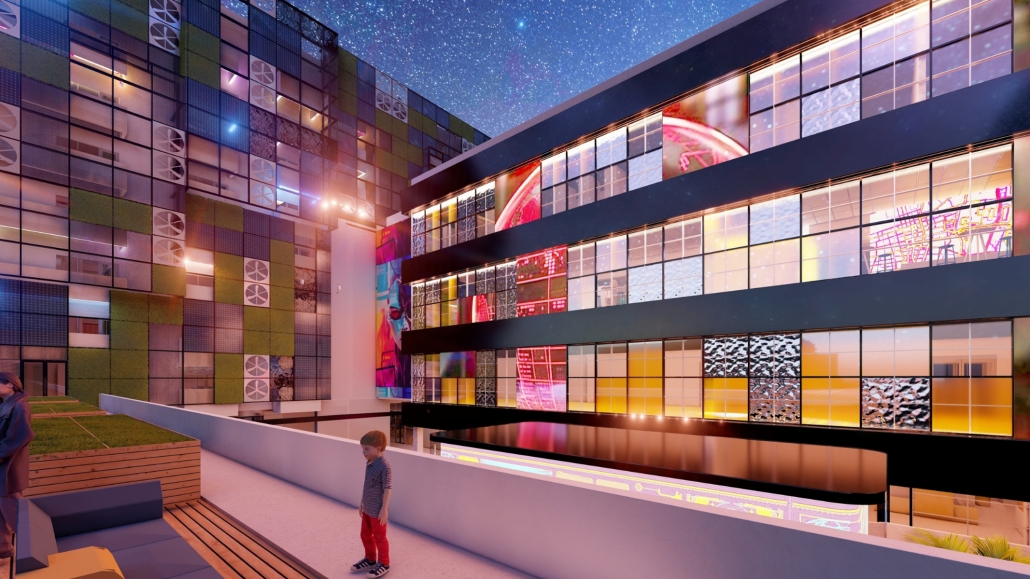
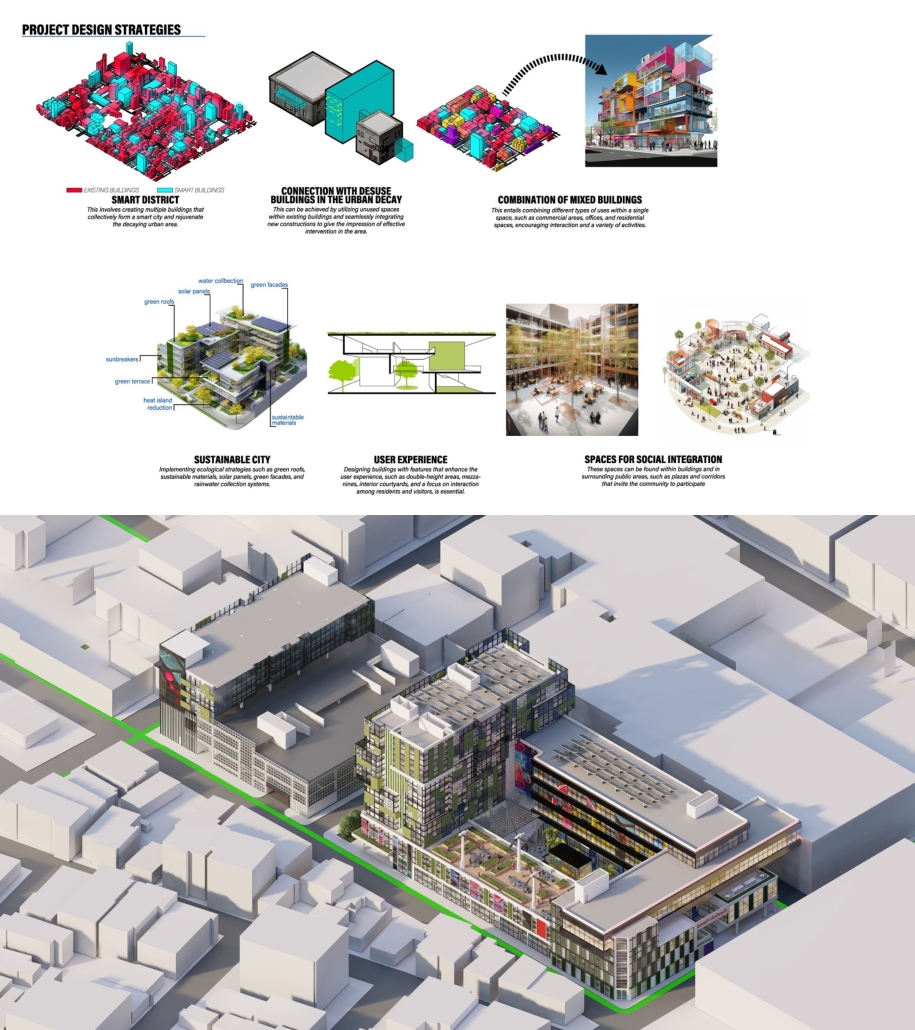
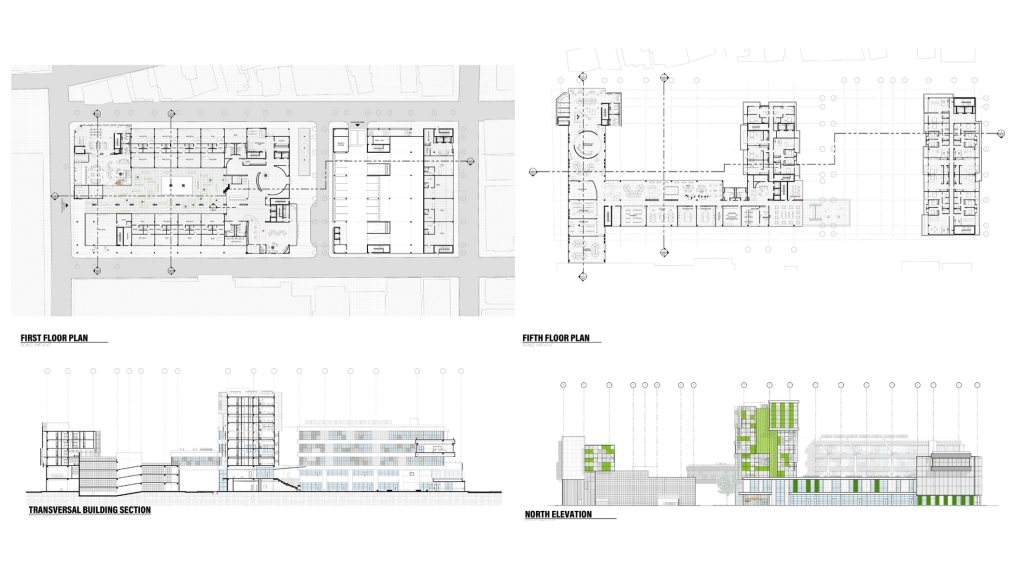
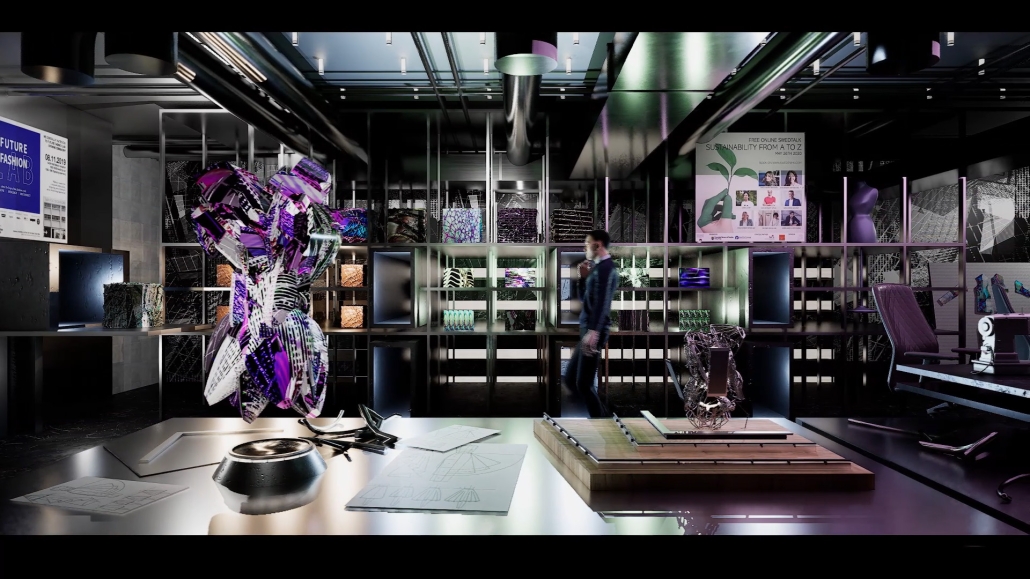
Urban Metamorphosis: Smart Cities Resignifying Spaces by Ramón L. Meléndez-García, B.Arch ‘25
Pontifical Catholic University of Puerto Rico | Advisors: Pedro A. Rosario-Torres & Juan C. Santiago-Colón
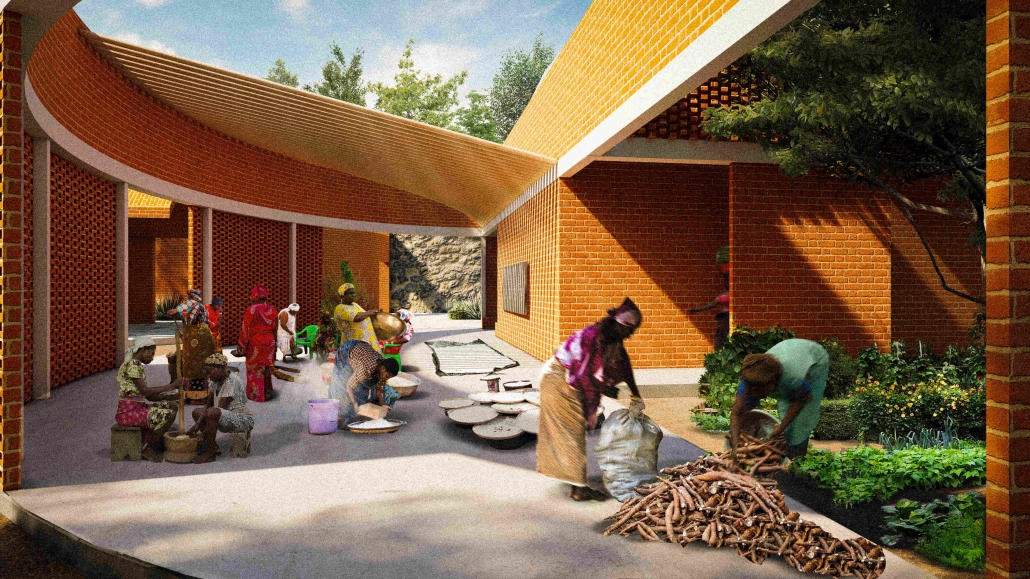
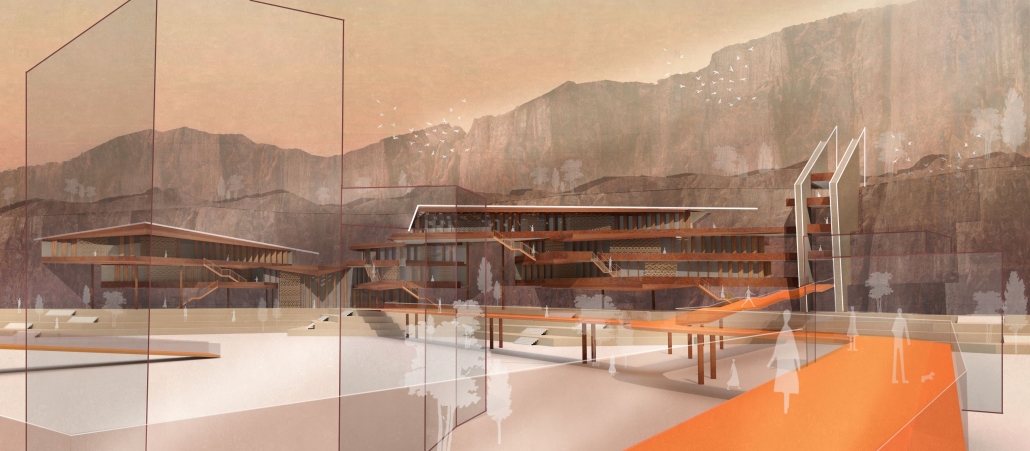
This research investigates the urban regeneration of Río Piedras, Puerto Rico, through the strategic implementation of smart city principles adapted to local needs. In response to widespread physical, social, and economic decay—evident in abandoned lots, deteriorated infrastructure, and declining public life—the study proposes a multidimensional framework that reimagines the urban fabric through technological innovation, sustainable development, and architectural intervention.
Departing from mainstream smart city models centered solely on digital efficiency, this study develops a localized smart city theory that combines cultural identity, community participation, and advanced technologies. The proposal includes the integration of smart housing, cultural and educational hubs with augmented reality capabilities, green infrastructure, efficient public transportation, and urban data nodes to improve services and connectivity. Core technologies such as the Internet of Things (IoT), Artificial Intelligence (AI), and Big Data are utilized to inform urban planning decisions, support sustainability, and foster civic engagement.
Río Piedras is positioned as a prototype for urban acupuncture, where vacant and underused parcels are reactivated as strategic anchors for community life, innovation, and economic growth. The intervention emphasizes not only technological transformation but also the importance of contextual design—bridging the gap between historic architecture and contemporary urban needs.
By transforming obsolete spaces into adaptive smart infrastructures, the project demonstrates how urban regeneration can be achieved through a balance of innovation and local identity. This research presents a replicable smart city model for Latin American contexts, focused on equitable access to services, environmental responsibility, and inclusive urban development.
Ultimately, the study reframes smart cities as people-centered ecosystems, where technology, space, and society coalesce to create resilient, livable, and forward-looking urban environments.
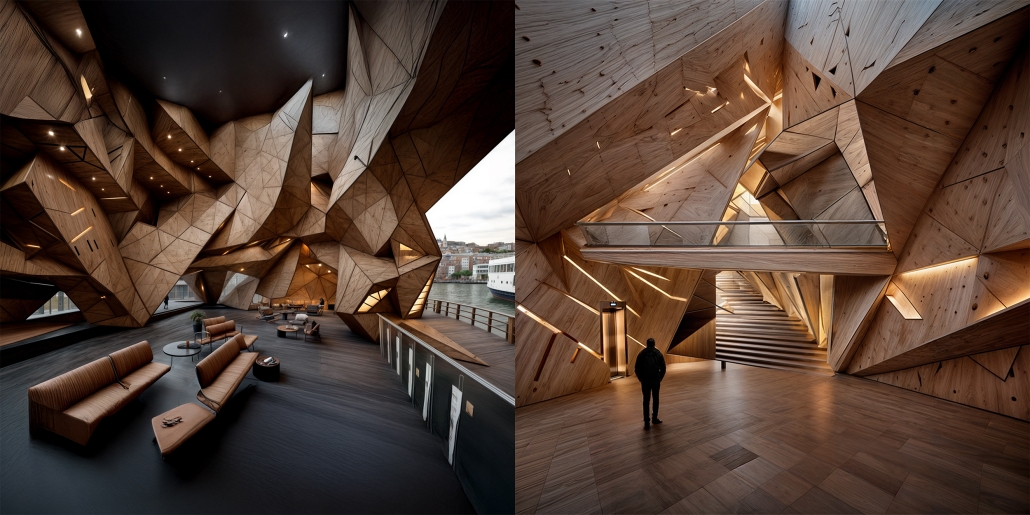
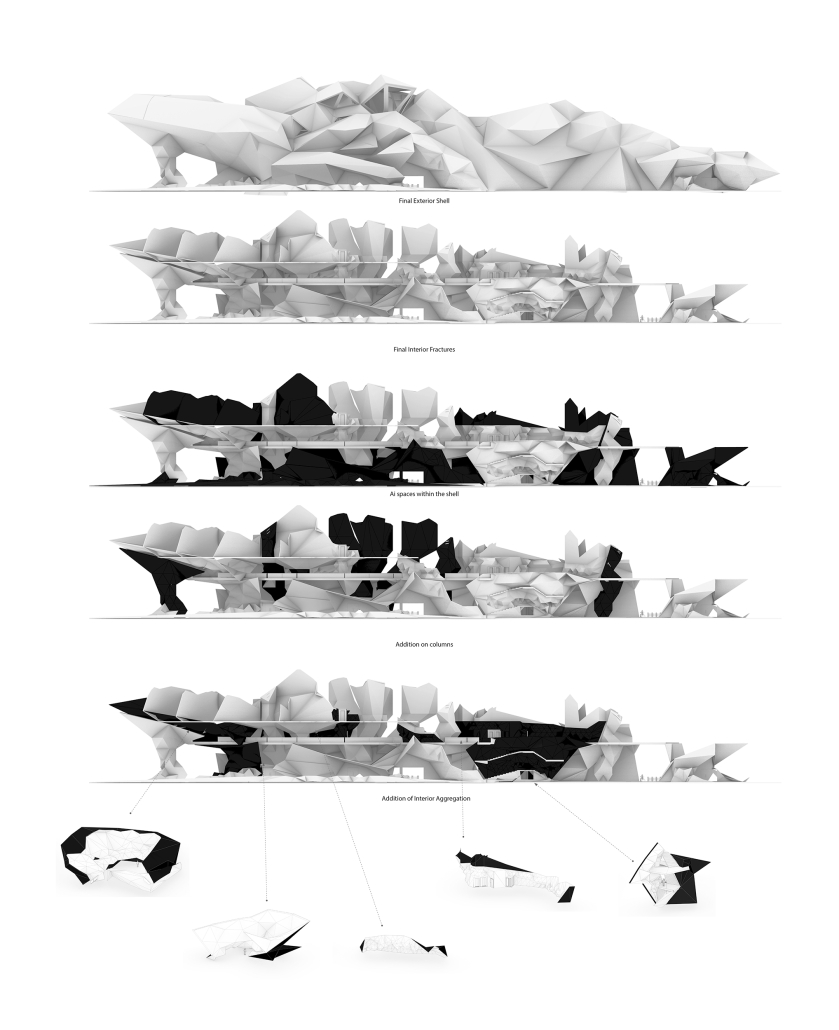
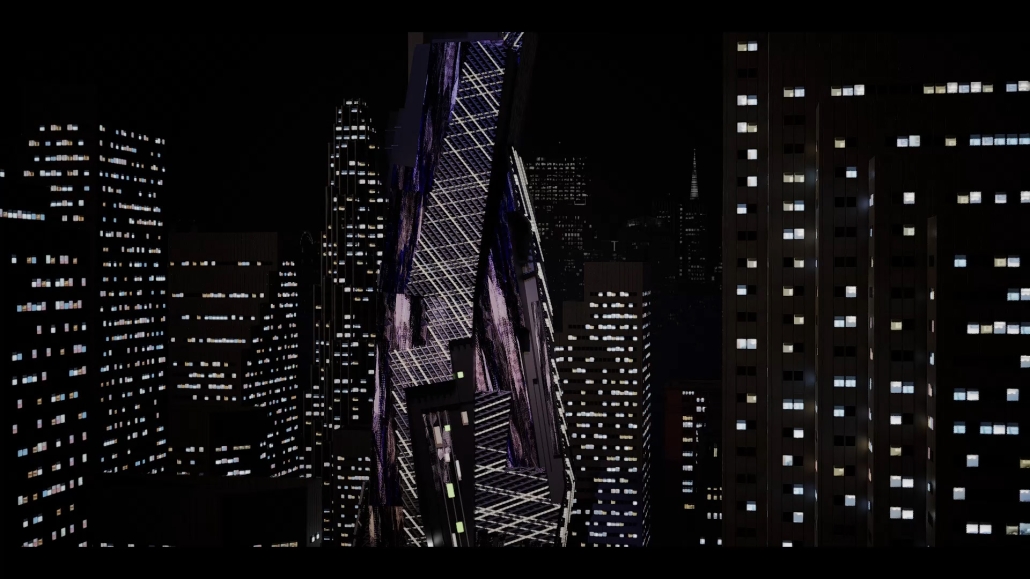
Fold Me a Path: An Experience of Fractured Flow by Farah Swilam, M.ArchD ’25
Oxford Brookes University | Advisors: Adam Holloway, Elliot Krause & Deniz Topcuoglu
Distortion:
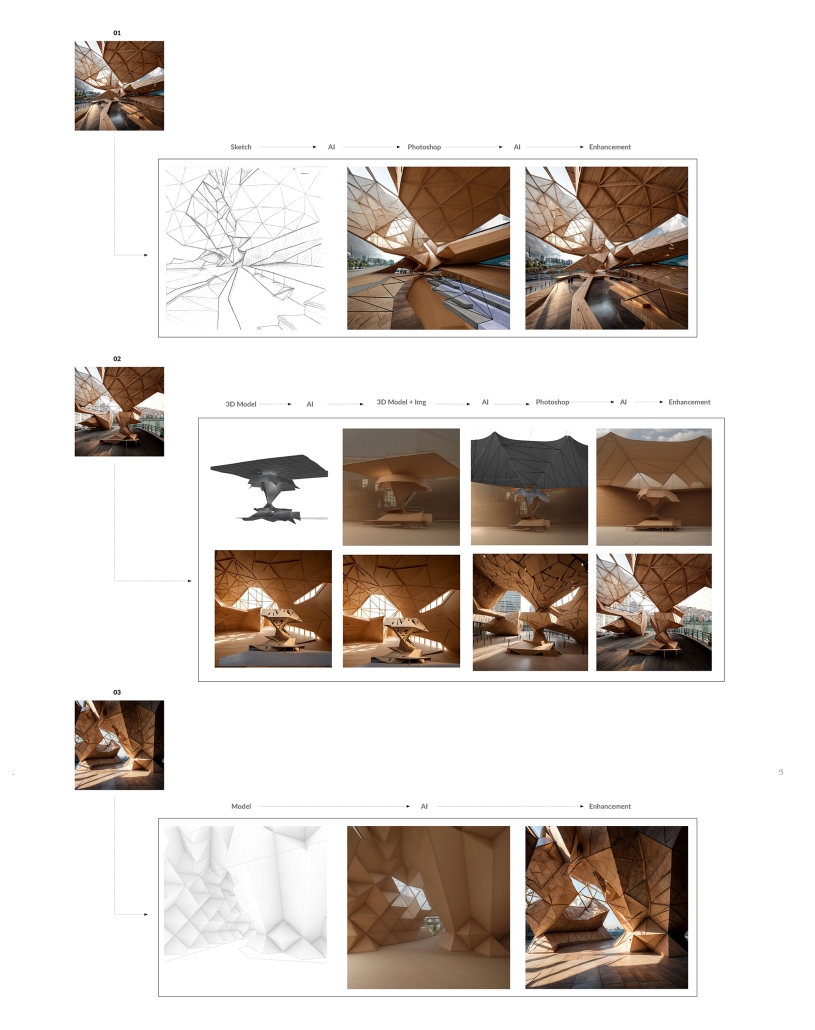
This project explores how fractured geometry and pattern-based aggregation can be reimagined through artificial intelligence to generate new kinds of human experiences in architecture. At its core is the idea of distortion—reshaping familiar systems like Islamic pattern growth and crystallographic expansion through AI to produce forms that feel intuitive yet unfamiliar.
Crystallization:
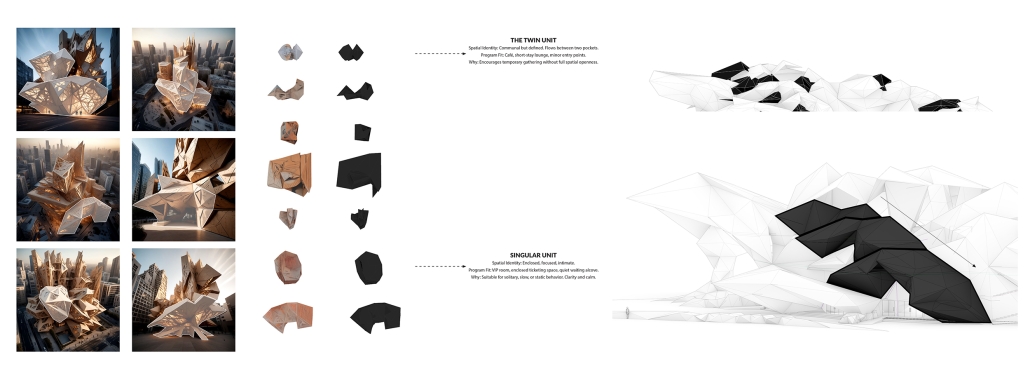
Inspired by how crystals grow—from a single point to complex geometries—the architecture builds on repetition, branching, and fracture. These logics were first tested physically and digitally, then handed over to AI as a co-designer. Trained on sketches, models, and prompts around fragmented patterns and public infrastructure, the AI generated outputs that became provocations, not solutions.
Narrative:
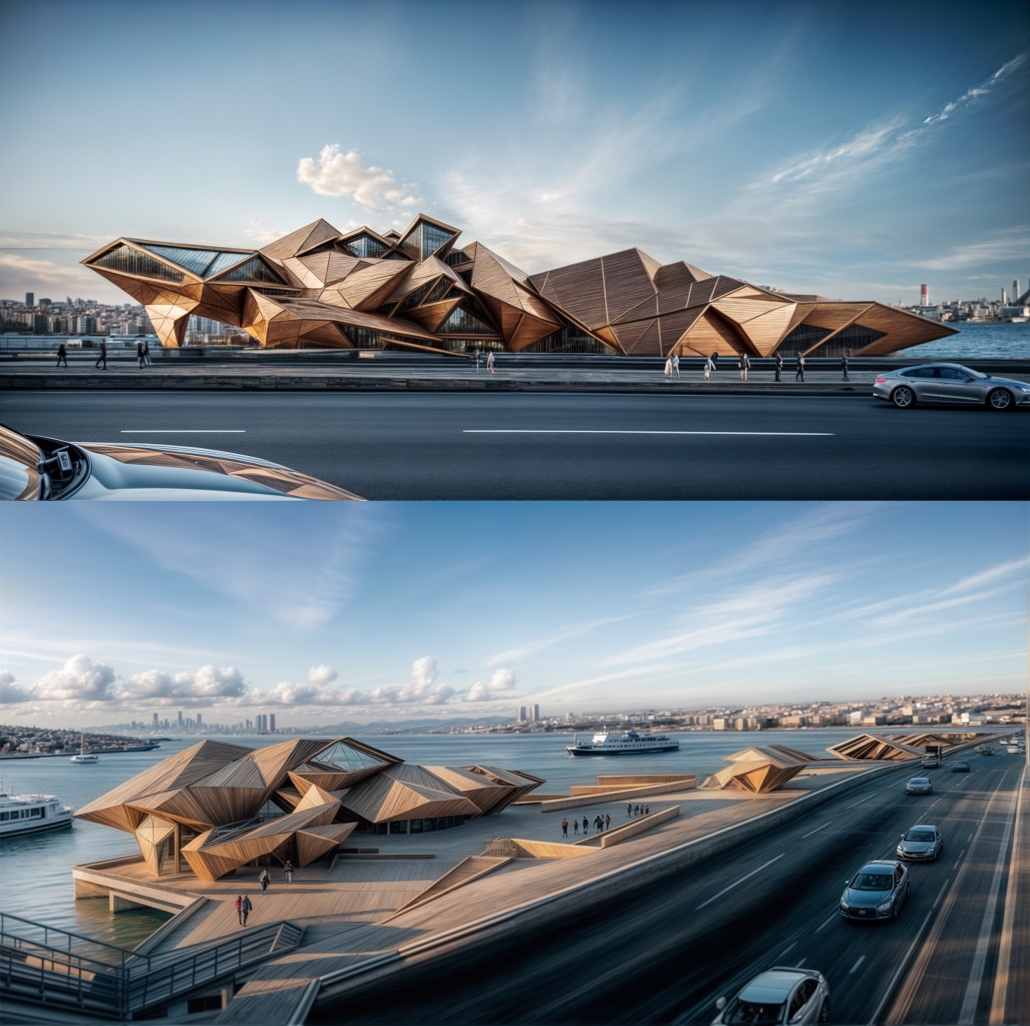
The result is a prefabricated ferry terminal on Istanbul’s Golden Horn waterfront—where infrastructure becomes a spatial narrative. Modular units cluster and grow across a path, shifting in orientation and size to guide a fractured journey from land to water, compression to openness.
Behavior:
AI simulations shaped the plan by mapping how curiosity, comfort, and pressure influence movement. These behavioral zones structured flows for tourists and commuters, varying path widths and densities to create both fast transitions and moments of pause.
Shell:
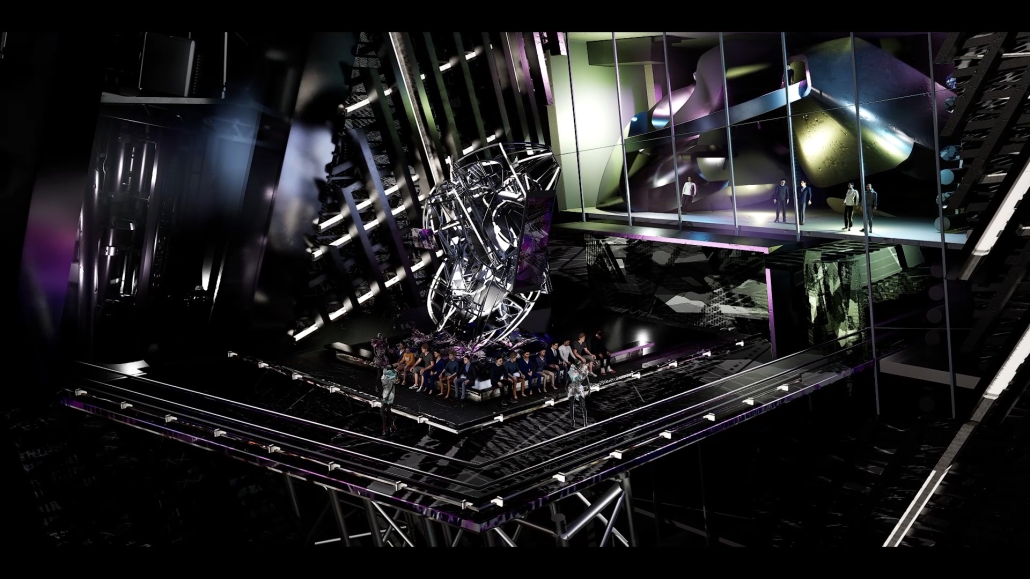
Externally, the terminal’s form draws from a library of AI-generated crystal geometries—clustered, mirrored, and oriented to respond to light, program, and views. The fragmented skin filters shadow and light, echoing Istanbul’s energy while remaining grounded in geometric order.
Assembly:
Constructed from prefabricated timber shells and CNC-milled panels, the structure sits lightly on steel piers over water. Brass cladding reflects the city’s historic palette. Passive strategies like cross-ventilation and rainwater harvesting are integrated into the system, and prefabrication minimizes urban disruption.
Resonance:
Ultimately, “Fold Me a Path” is a proposal for architecture that listens—guided by AI, rooted in culture, and attuned to human experience.
Instagram: @acciofxra7_, @holloway_arch
Gastro-Genesis by Dana Otoom, B.Arch ’25
American University in Dubai | Advisor: José Antonio Carrillo
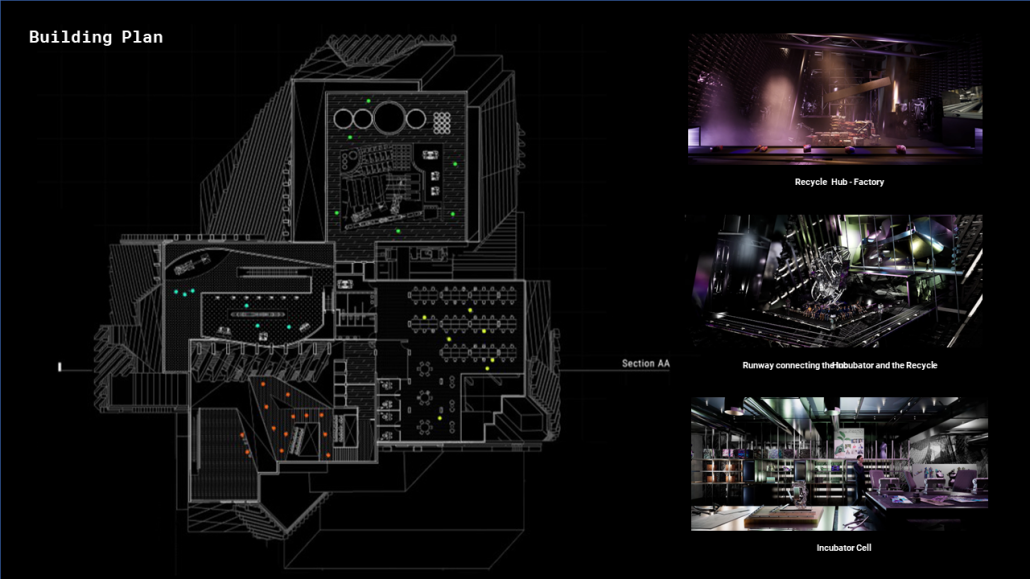
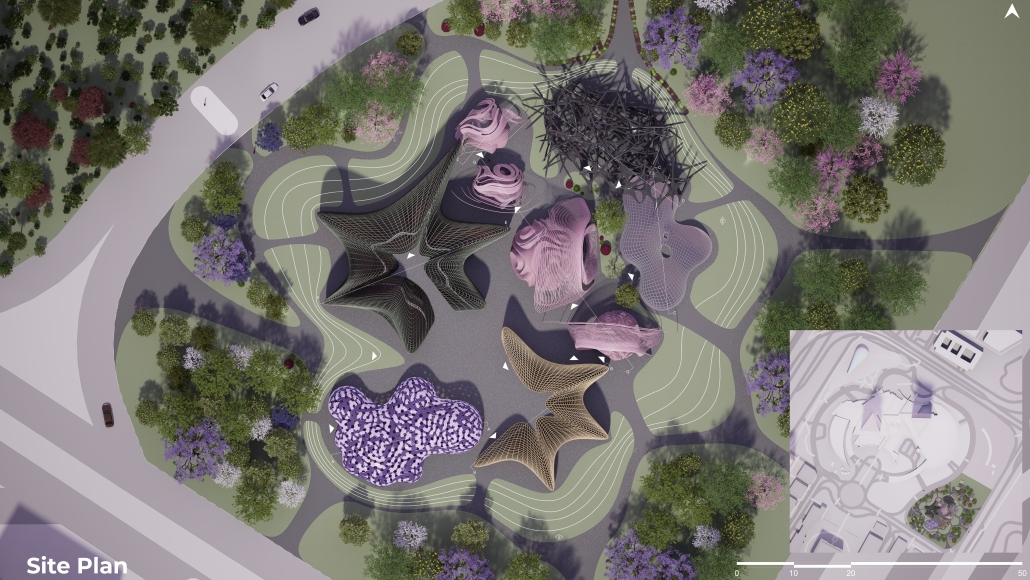
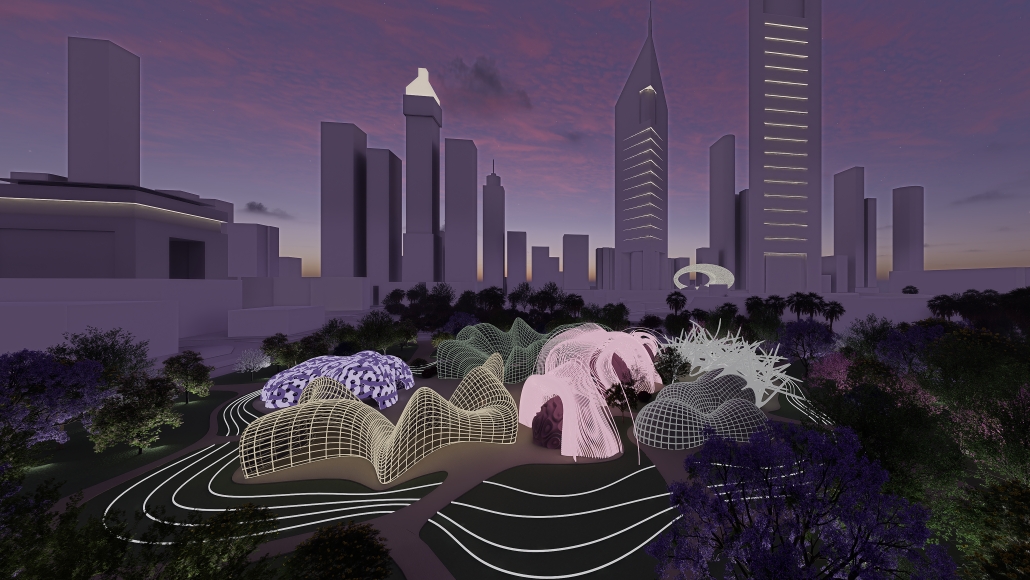
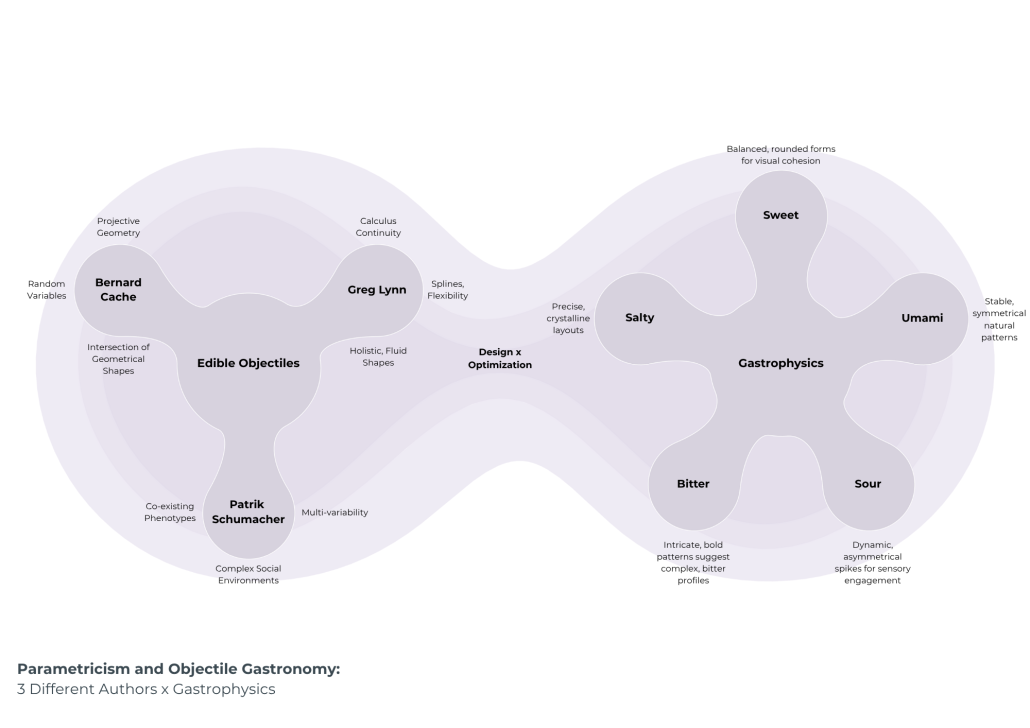
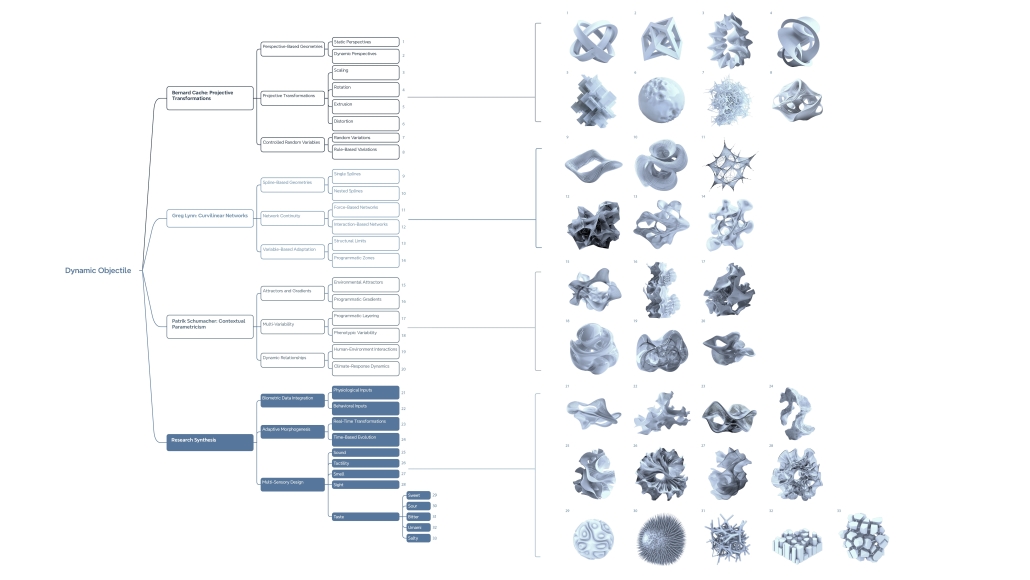
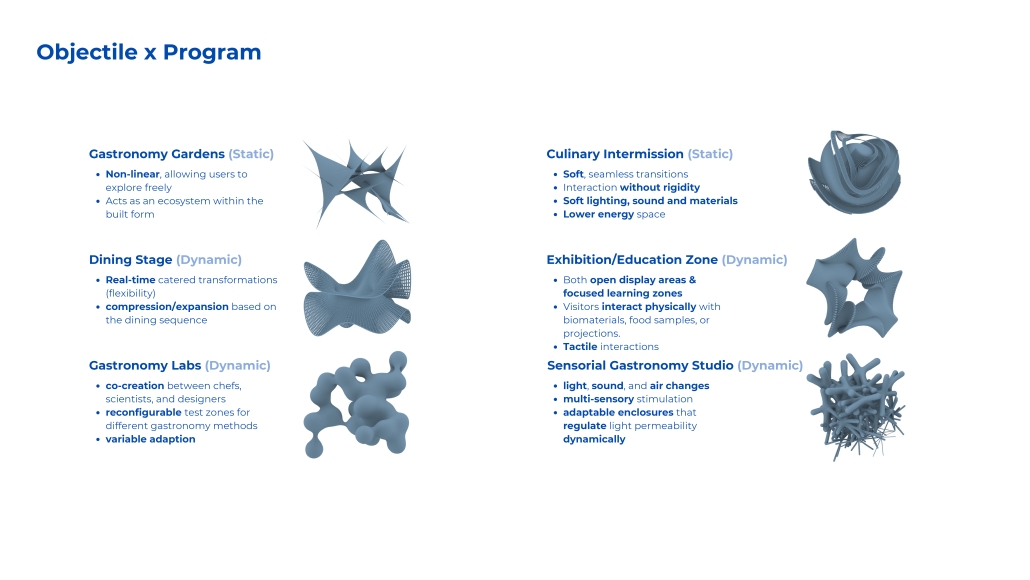
Exploring the intersection of architecture, gastronomy, and parametric design through the creation of edible objectiles-geometrically-driven food forms that act as catalysts for designing an entire multisensory dining experience. Drawing from the theories of Bernard Cache, Greg Lynn, and Patrik Schumacher, the project translates infinite variability into spatial and experiential diversity. Each objectile is generated through a parametric algorithm based on flavor perception, sensory attributes, and contextual cues such as temperature, aroma, and emotional response. The edible forms define not only the food but also influence the design of cutlery, furniture, spatial layout, and user journey within a dining environment. Set in the UAE, the project culminates in a metabolically inspired spatial sequence that mirrors digestion, transitioning from urban farming to sensory labs, with the buffer zone acting as a sensory terrain of sweet, rounded objectiles to ease entry and exit.
Instagram: @danaaotoom, @d.otoom, @j.carrilloandrada
Biosphere by Shrilaxmi Nair, Sharanya Mathrudev & Parth Solanki, M.Arch ’25
University of Illinois Urbana-Champaign | Advisor: Yun Kyu Yi
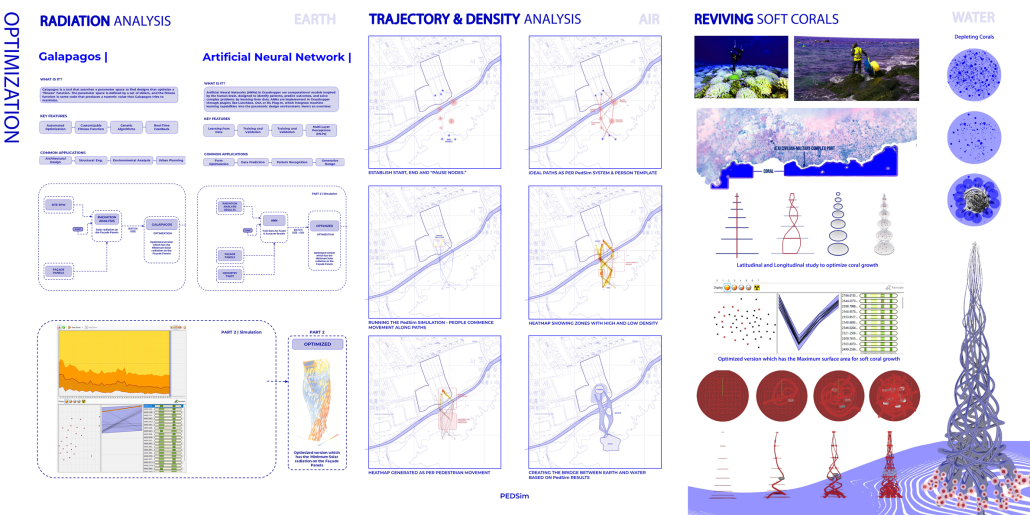
The landscape of architectural design is rapidly evolving with advances in 3D modeling, rendering software, and, more recently, artificial intelligence (AI). While tools like Stable Diffusion, DALL·E, and Midjourney have transformed illustration by allowing users to generate images from text prompts, architecture is now seeing its own set of AI tools tailored for design professionals. These tools can assist in generating building forms, interior styles, façade systems, and code-compliant floor plans, while also supporting layout optimization. As these tools become more powerful and accessible, they are beginning to reshape how architects approach the design process.
This shift is prompting reflection within architectural practice: Should traditional skills like manual representation and code literacy remain central, or should designers explore how to engage critically and creatively with AI? Rather than replacing the designer, AI has the potential to enhance creativity and support more thoughtful, design-driven decision-making.
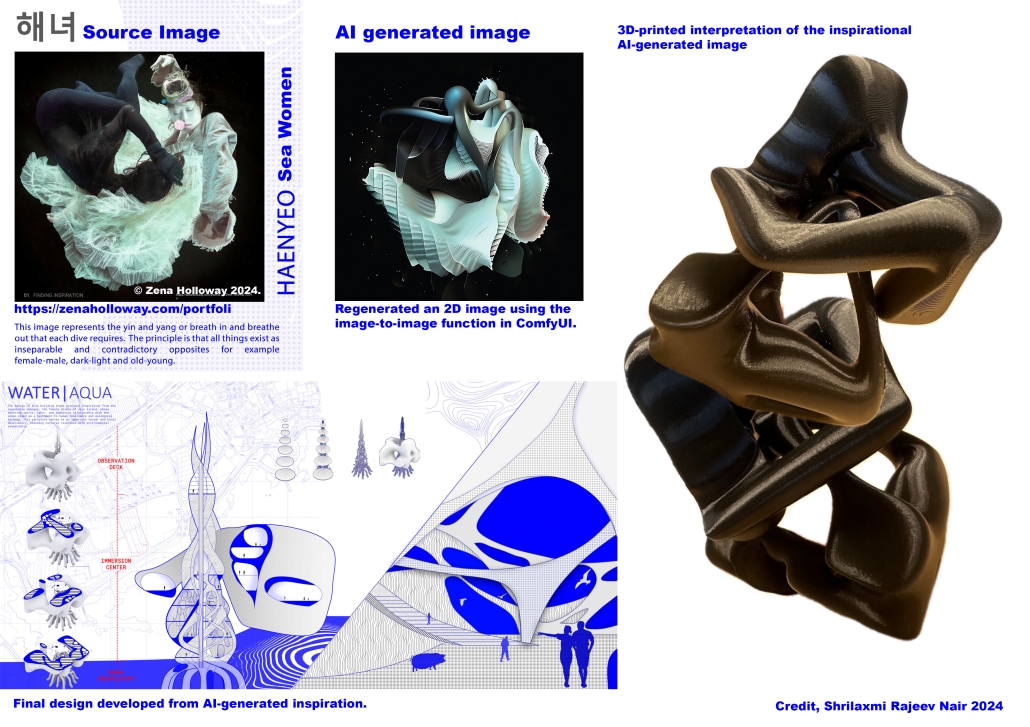
This project explored the role of AI not simply as a visualization tool, but as an active collaborator in the design process. The work focused on three key phases where AI tools were integrated into schematic design: Concept Development, Concept Actualization, and Objective-Based Form Finding. Through this exploration, the project aimed to understand how AI can shape design workflows, support ideation, and open new directions for architectural thinking and practice.
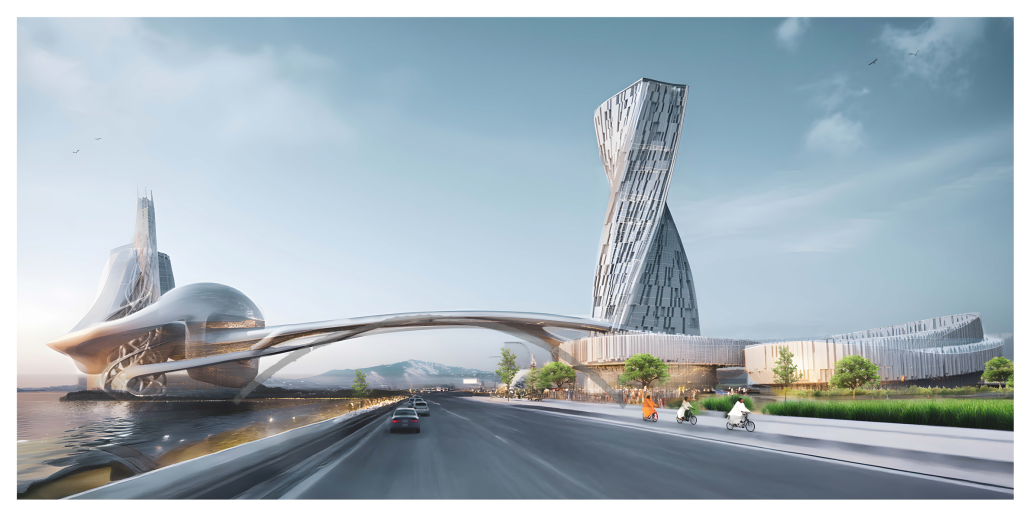
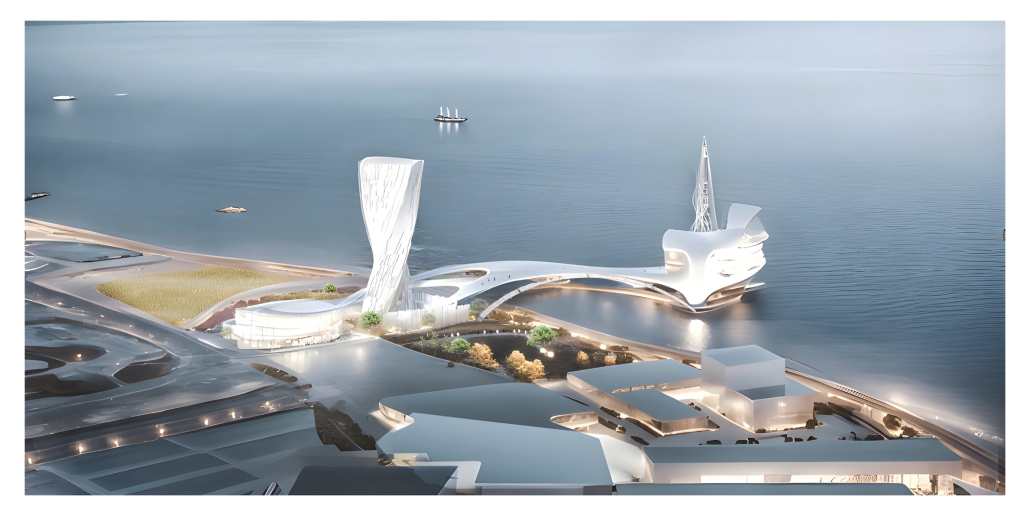
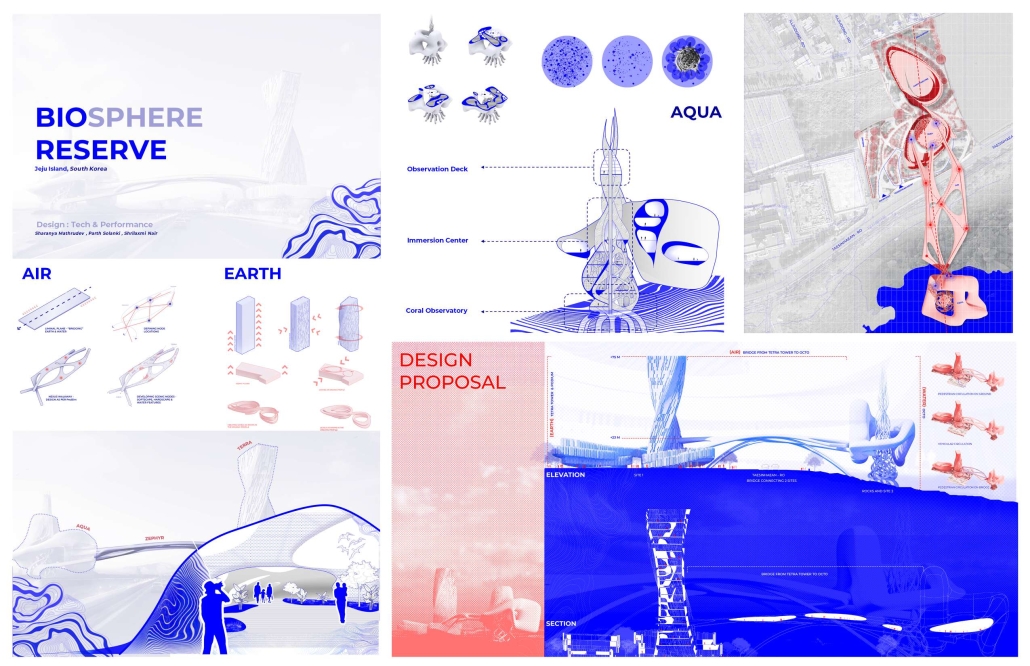
This project is inspired by Jeju Island, a UNESCO Biosphere Reserve. The design celebrates Earth, Air, and Water through architecture that blends with nature. Earth|Terra, the tower, reflects the volcanic rock found in Jeju and represents it through biomimicry and sustainability. Air|Zephyr, the bridge, flows seamlessly between land and water, evoking balance and calm. Water|Octo, inspired by Jeju’s Haenyo divers, serves as a cultural immersion center and coral observatory, honoring resilience and ecological harmony.
Instagram: @shrilaxmi_nair, @sharanya__2000, @iamparthsolanki, @ral_isoa
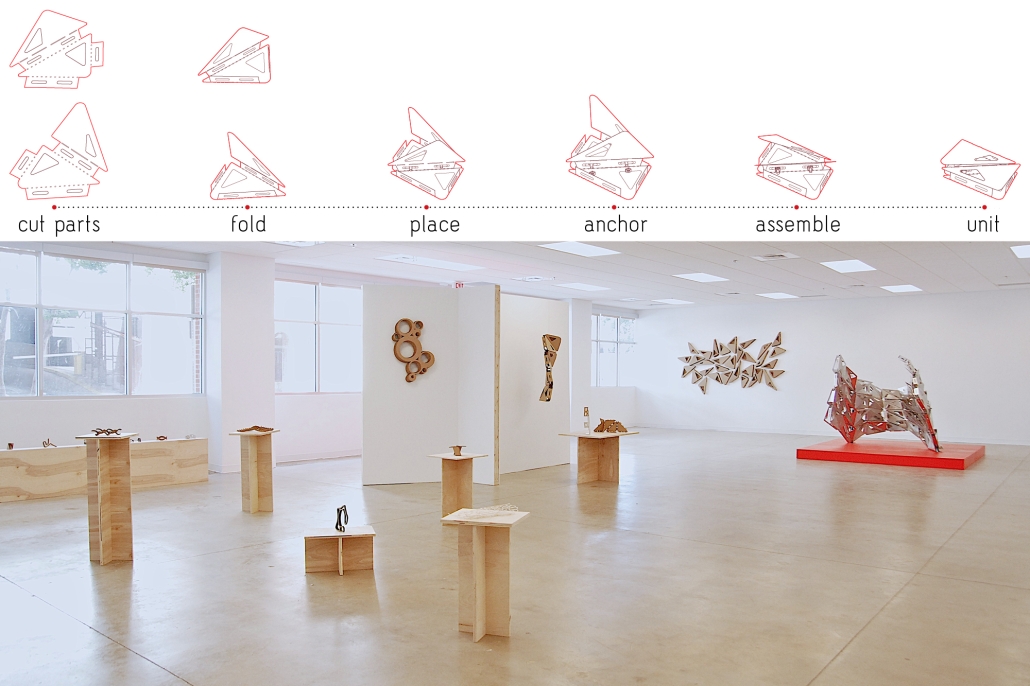
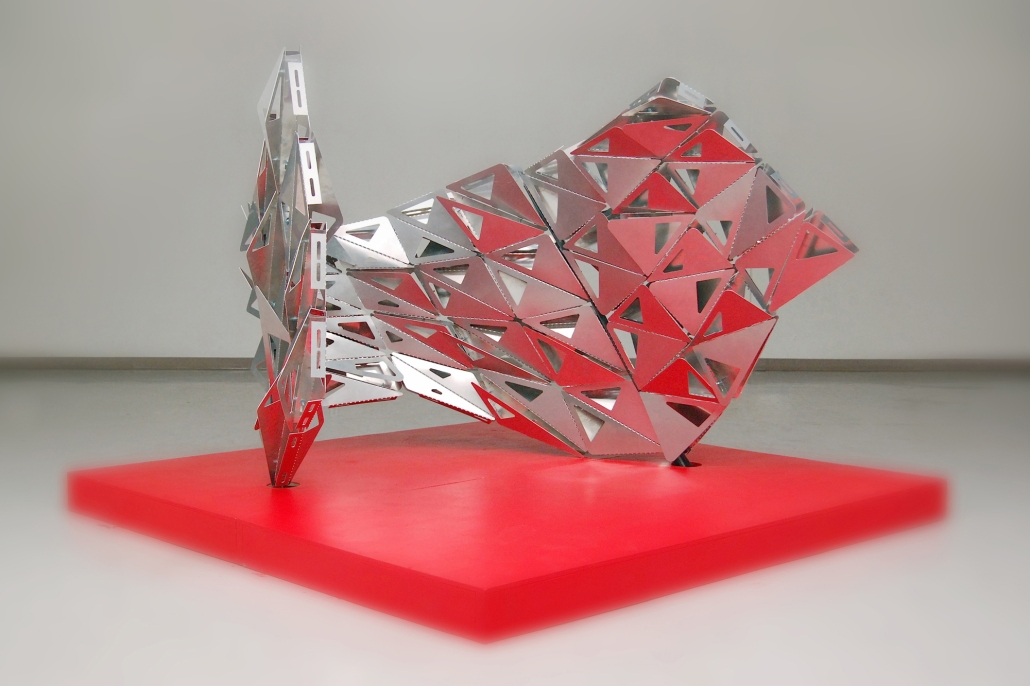
Embrace – Performative Connections by Alejandro Arizpe, Stephanie Balbin, Javier Fano, Emily Guerrero, Erica Herrera, Kevin Linton, Raul Montalvo, Danny Murray, Ricardo Reyes, Sarah Staten, Gustavo Tirado, Jennifer Villarreal & John Zerda, B.Arch ’25
University of Texas at San Antonio | Advisor: Armando Araiza
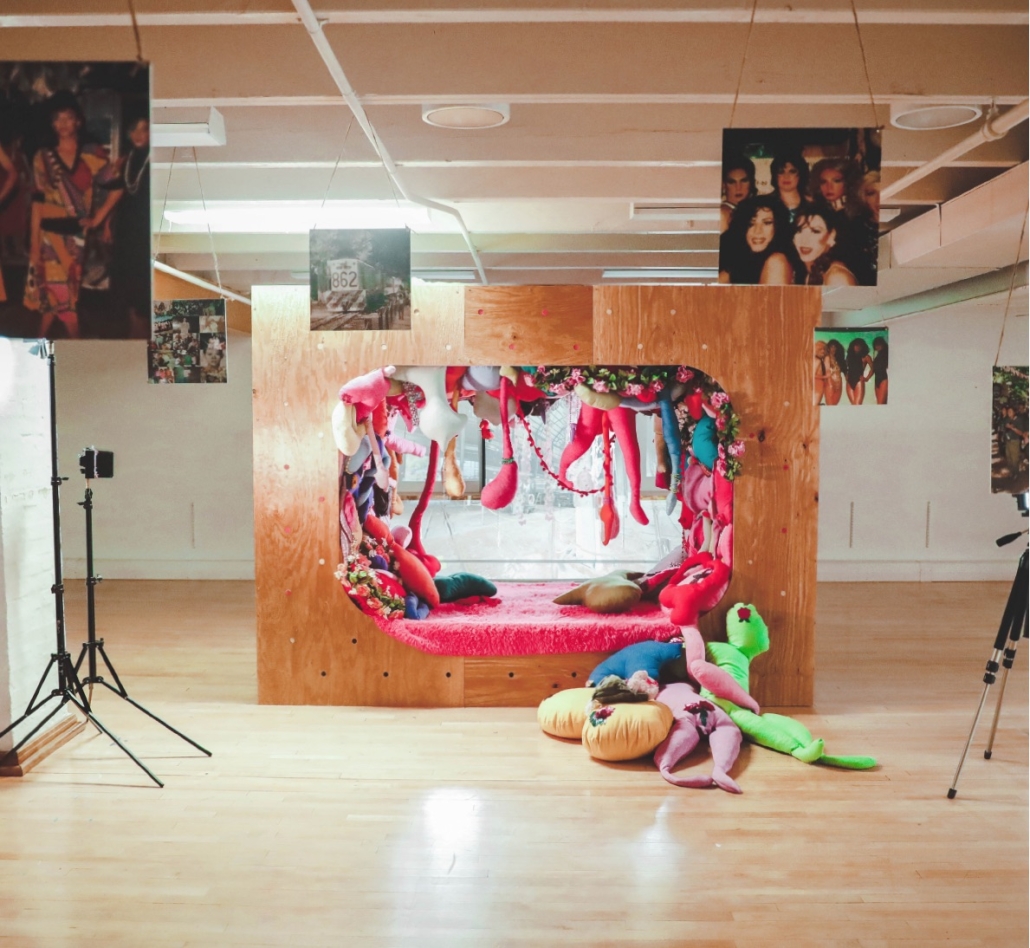
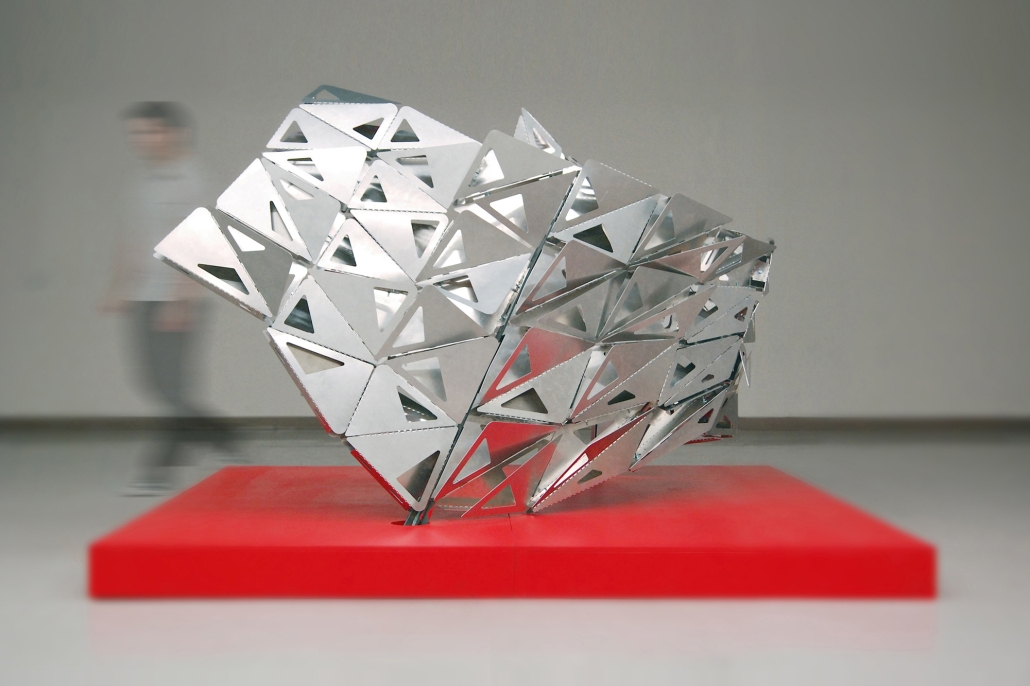
At its core, architecture is a choreography of connections. In this advanced research studio, students explored assembly not as an afterthought, but as the generative principle for design. Through a semester-long investigation, they studied how different elements, digital, material, and structural, come together to form performative wholes.
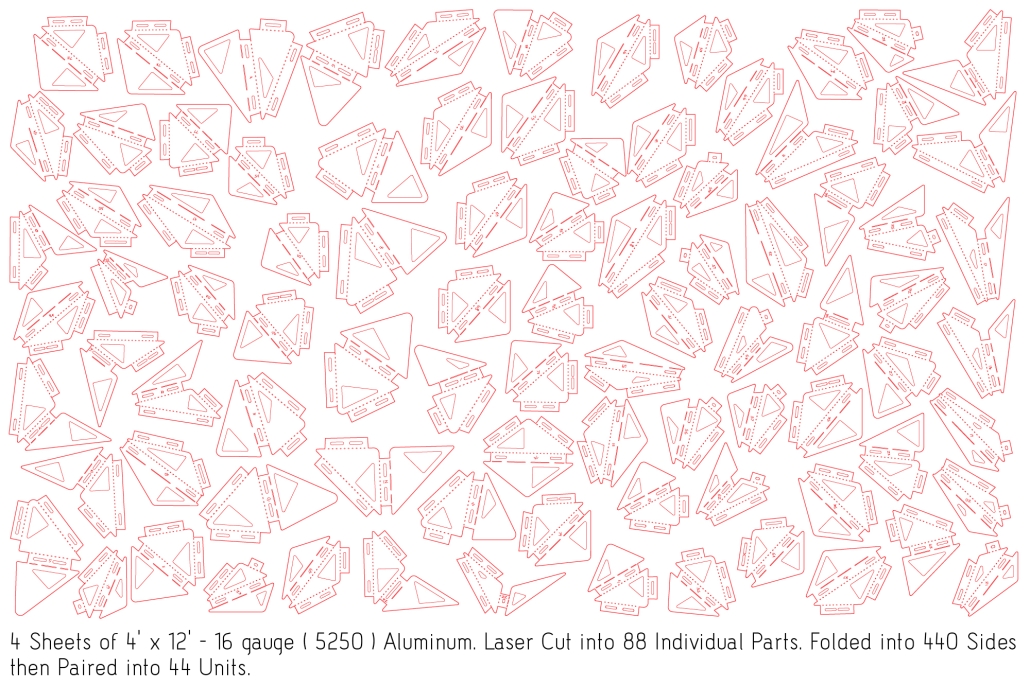
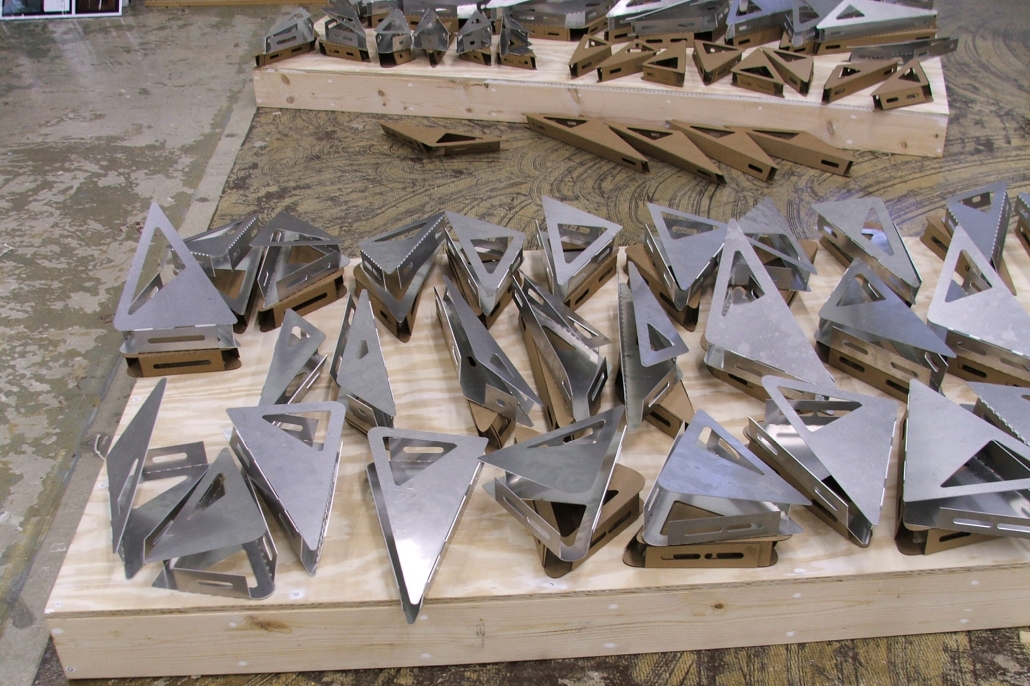
The studio began with an in-depth analysis of joints and bonding methods across disciplines and histories, treating the connection itself as both an aesthetic and structural act. From laser-cut prototypes to iterative digital models, each student developed a speculative connection system, refined through hands-on experimentation.
These efforts converged in the fabrication of a full-scale, inhabitable prototype. Built collaboratively and rapidly deployed, the final installation tested how a single connection logic could drive formal, spatial, and assembly decisions. With no hierarchy between part and whole, the project revealed how connection is not just a means of construction, it’s a way of thinking, making, and inhabiting space.
Instagram: @armando_araiza
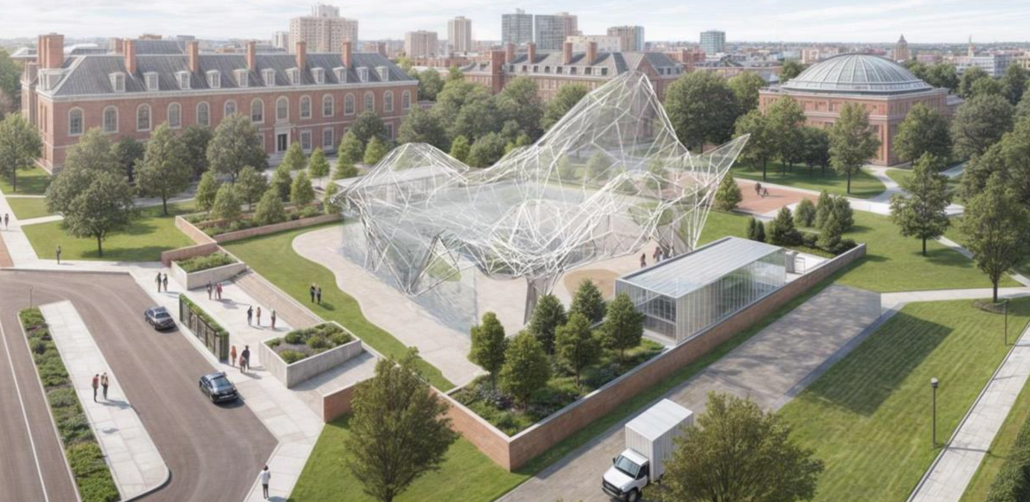
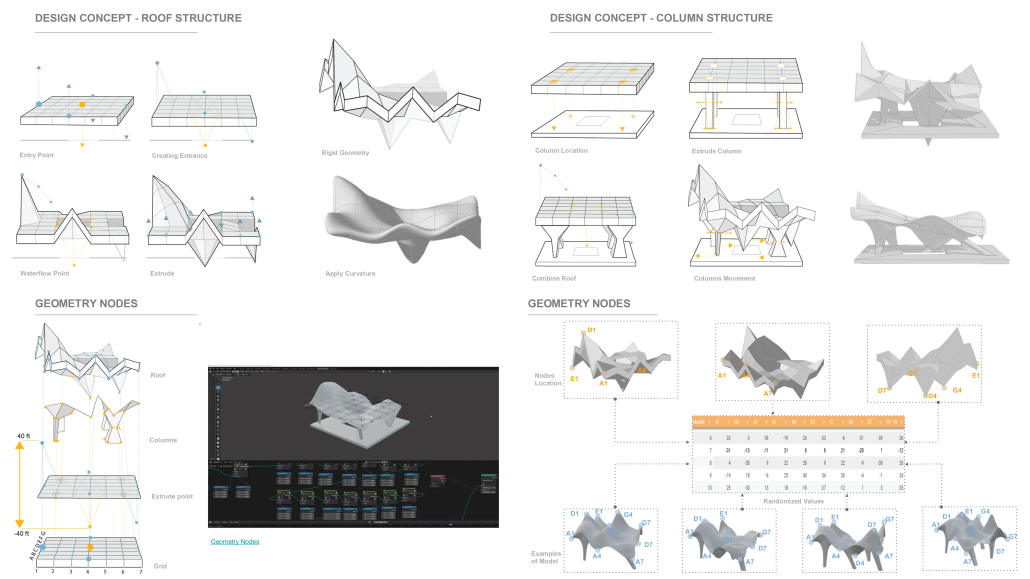
The Waterscape: UNDERGRADUATE LIBRARY by Kay Hau, Yogitha Reddi & Taylor Solomon, M.Arch ’25
University of Illinois Urbana-Champaign | Advisor: Yun Kyu Yi
Architectural design is undergoing a major transformation with advancements in 3D modeling, rendering software, and, more recently, artificial intelligence (AI). Tools like Stable Diffusion, DALL·E, and Midjourney have revolutionized illustration by enabling users to generate visuals from text prompts. Now, architecture is seeing the emergence of AI tools specifically developed for design professionals. These tools assist in generating building forms, interior designs, façade systems, and code-compliant floor plans, while also optimizing layouts. As they become increasingly powerful and accessible, AI technologies are redefining how architects approach the design process.
This evolution is sparking important questions within architectural practice: Should traditional skills like hand drawing and code literacy still hold central importance, or should designers embrace new ways to engage critically and creatively with AI? Rather than replacing the designer, AI has the potential to amplify creativity and encourage more thoughtful, design-driven decisions.
This project investigated the role of AI not just as a tool for visualization, but as a true collaborator in the design process. It focused on three key stages where AI was incorporated into schematic design: Concept Development, Concept Actualization, and Objective-Based Form Finding. The goal was to explore how AI can influence design workflows, spark new ideas, and open up innovative directions for architectural thought and practice.
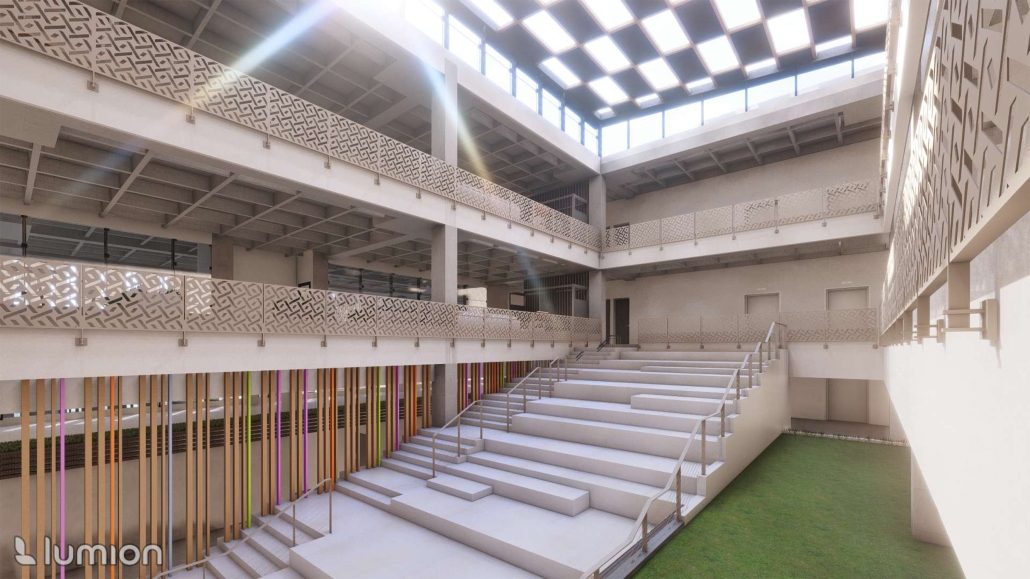
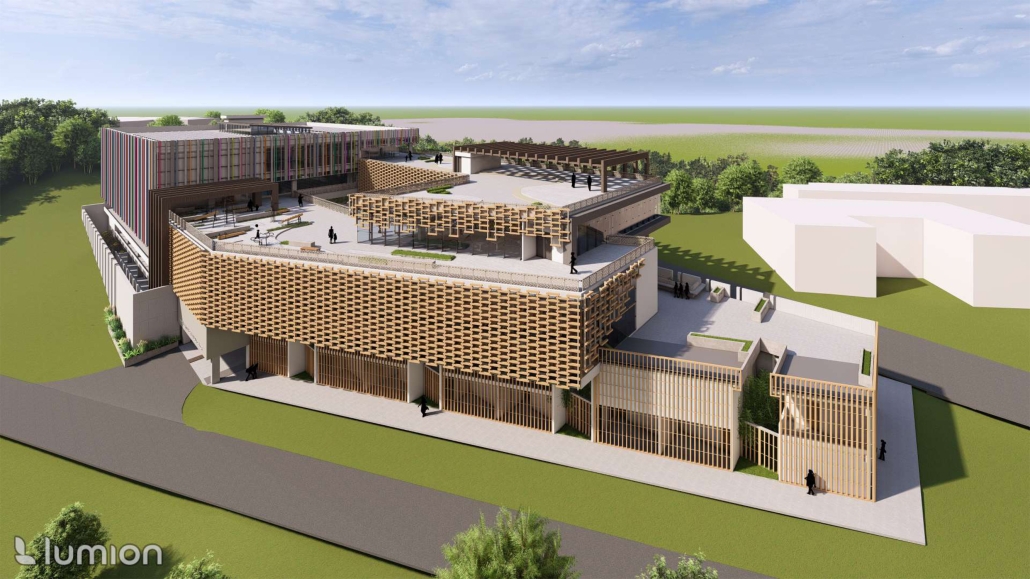
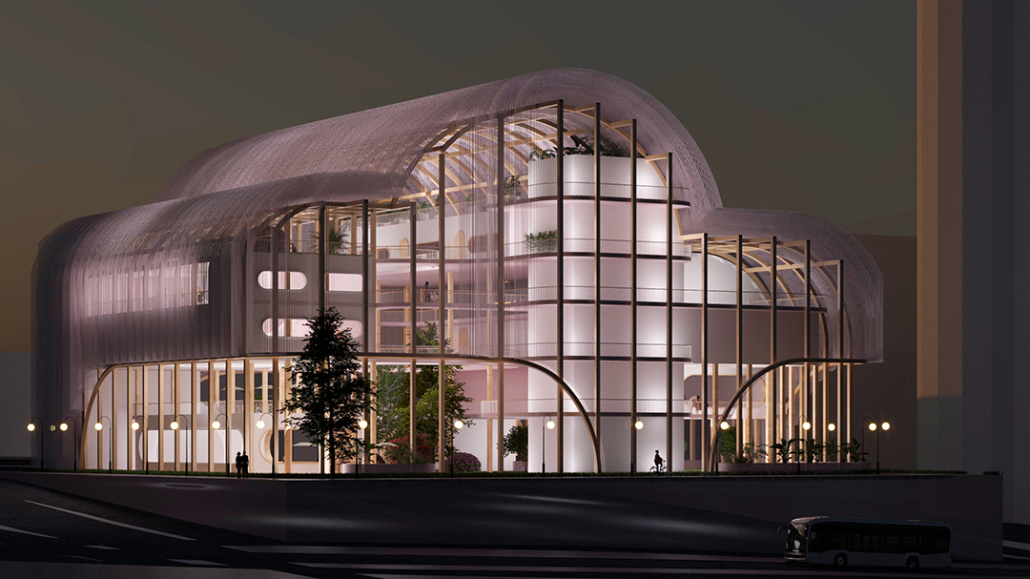
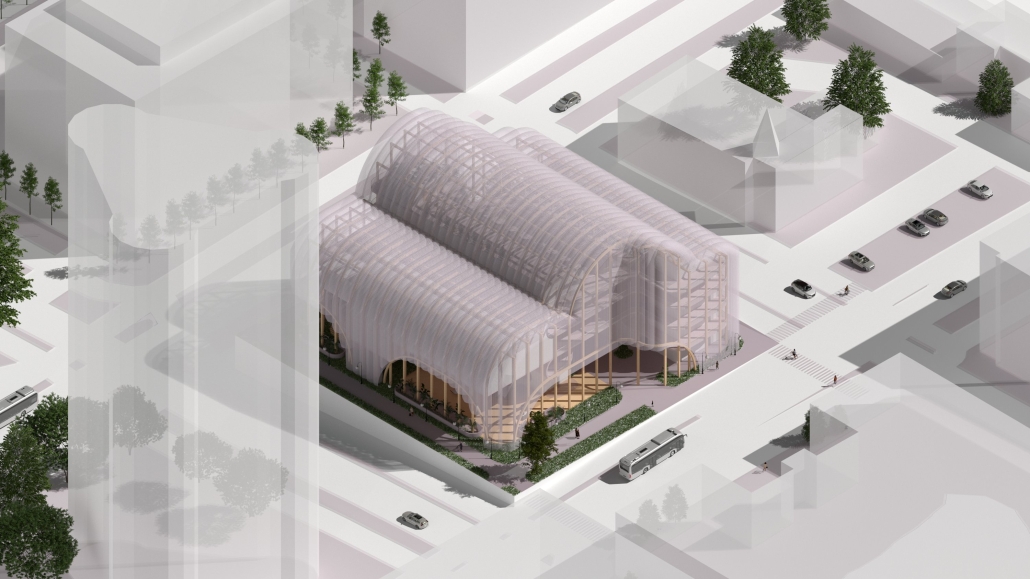
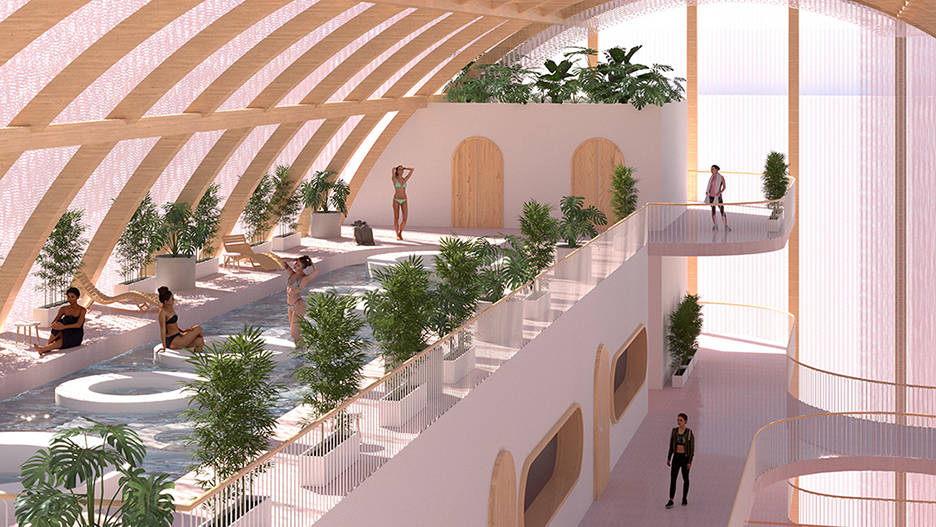
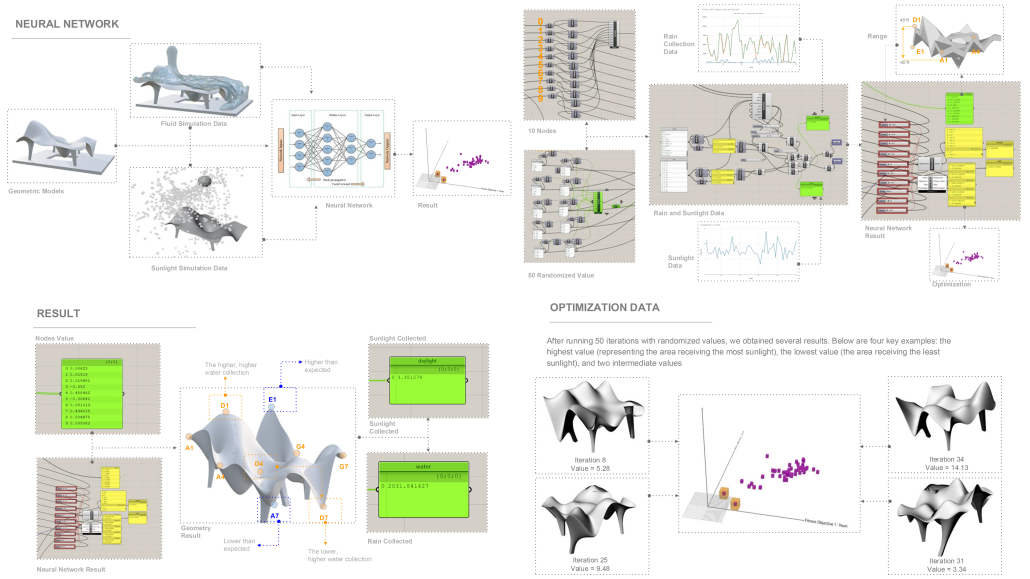
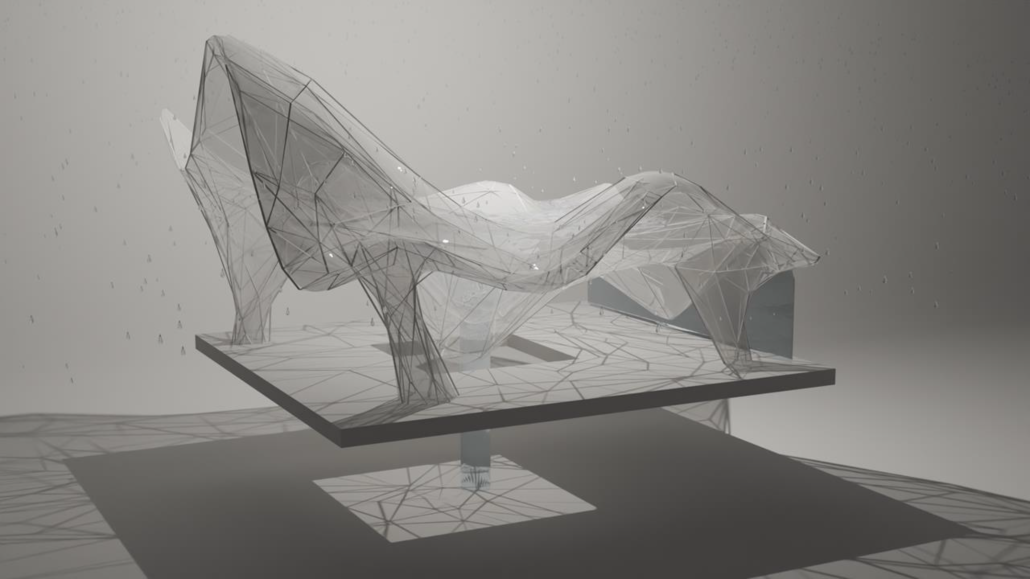
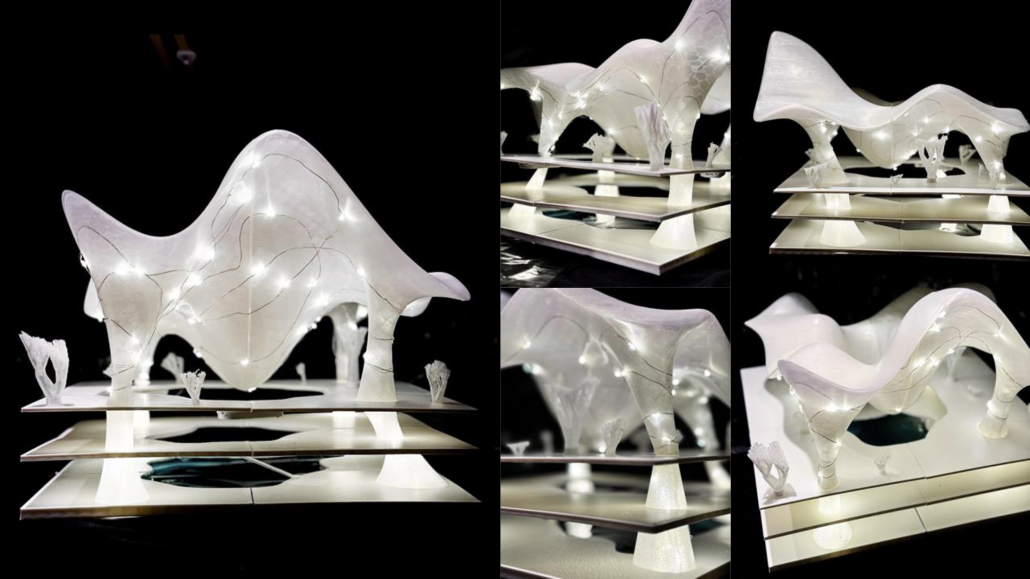
“The Waterscape” reimagines the UIUC Undergraduate Library site through three central ideas: Nexus, Senses, and Encapsulation. Drawing inspiration from the library’s legacy as a communal space, the design emphasizes sensory experiences—sight, sound, and touch—while maintaining the site’s natural environment and uncovering its hidden subterranean layers. Using AI tools such as ComfyUI, Neural Network, and DeepGaze, the design team explored form-making approaches that maximize daylight and collect water efficiently. The result is a passive cooling system that activates and unifies the three-tiered space.
This project received an Honorable Mention for the Ratio Prize, Spring 2025.
Sculpted Time by Layla Danelle Neira, B.Arch ’25
New Jersey Institute of Technology | Advisor: Andrzej Zarzycki
Project Description:
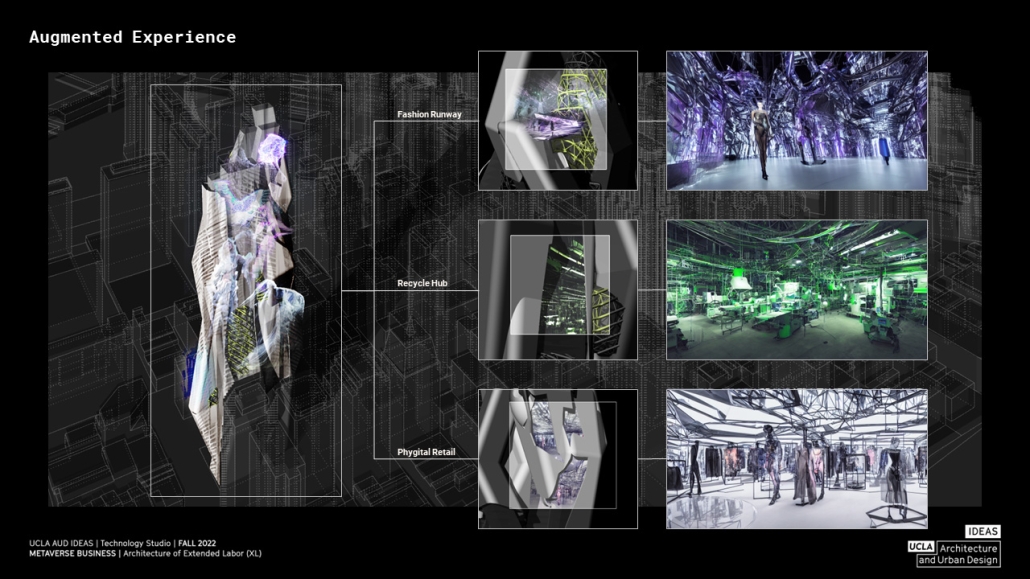
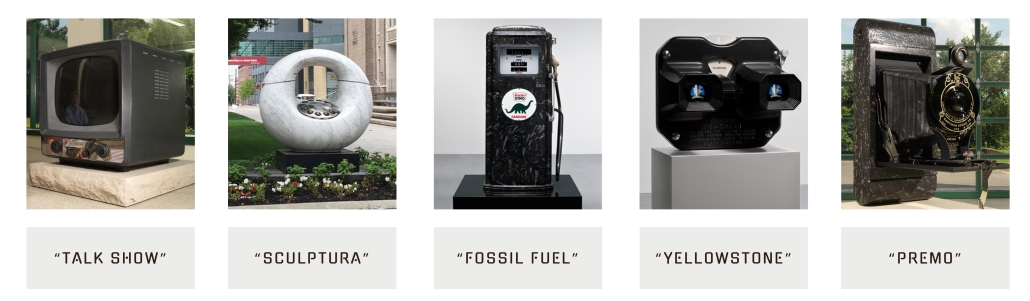
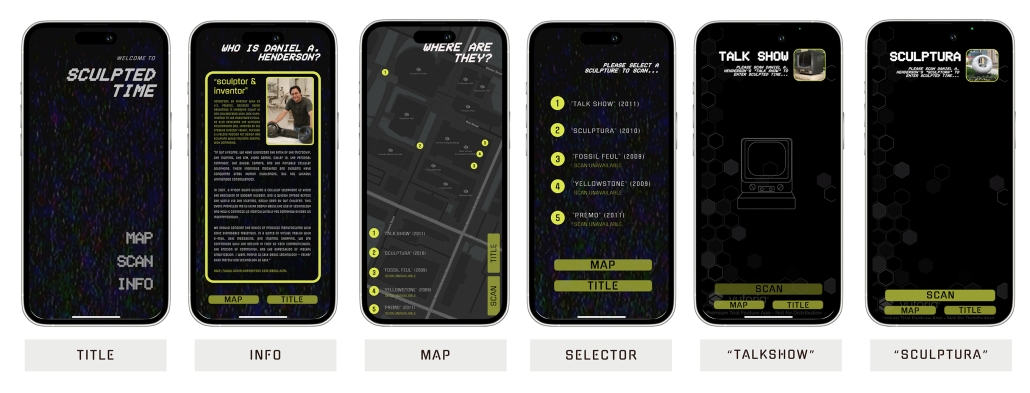
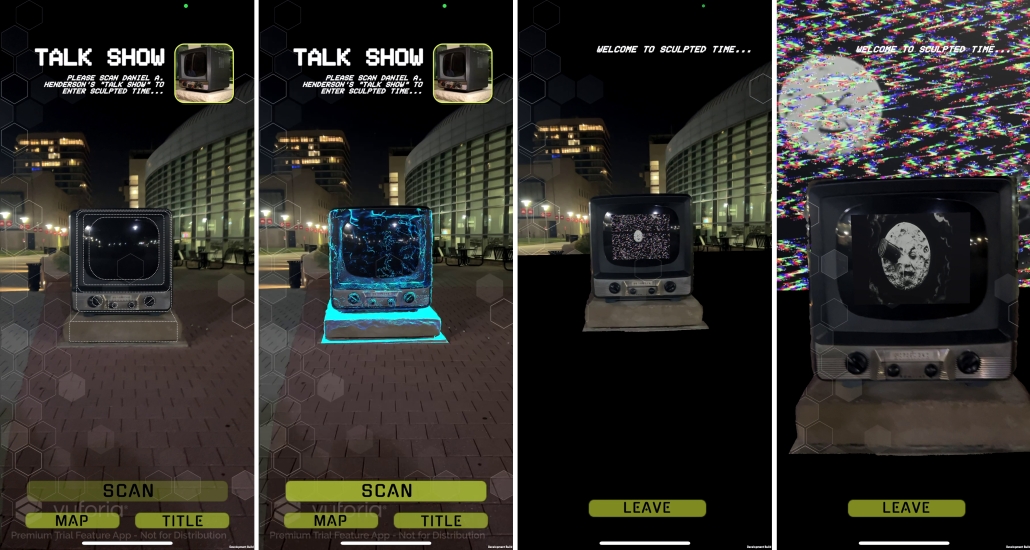
“Sculpted Time” is an augmented reality (AR) project designed to deepen community engagement with the large stone sculptures on NJIT’s campus. Despite their scale and presence, I noticed many students and visitors pass by them without knowing their significance. I wanted to create an experience that reintroduces these sculptures in a more dynamic and relatable way—inviting people to reflect on the tension between the permanence of stone and the fleeting nature of the technology these sculptures represent.
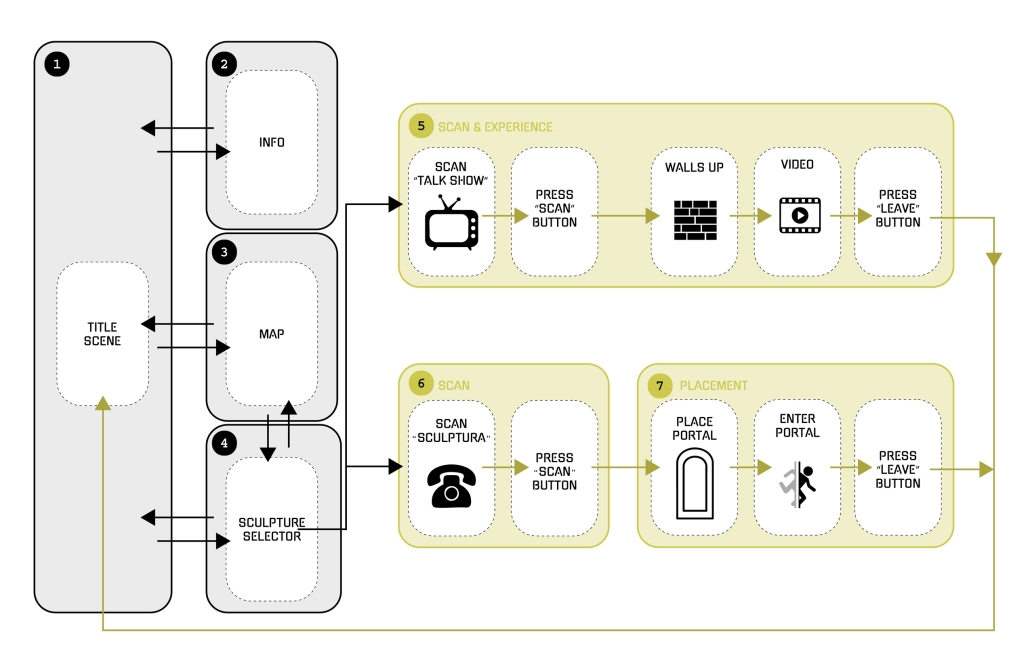
The project is ultimately an application where users can scan a sculpture and have immersive AR experiences that engage multiple senses. Through context-aware environments and storytelling, “Sculpted Time” aims to transform how we engage with public art on campus and rethink our role in an age of rapid technological change—especially within the context of NJIT, where many of us are preparing for careers in tech-driven fields.
Methodology:
This was my first time working with AR technology beyond social media filters, so much of the early stages were marked by experimentation and guidance from my studio professor, Andrzej Zarzycki. I developed the project using tools such as Unity for building the immersive AR environments, Kiri Engine for photogrammetry and 3D modeling, and Vuforia for marker-based AR tracking.
Since the final outcome was a functioning app prototype, I also had to learn and apply UI/UX design principles to ensure the experience was both user-friendly and intuitive. Designing the interface and user interactions became just as important as developing the AR content itself. This part of the process felt more familiar to me since my background in architecture helped me approach spatial planning, visual hierarchy, and user flow with confidence.
This project was recognized at NJIT’s Dana Knox Research Showcase, 2025.
Instagram: @laylan981, @andrzejzarzycki
Tame Your Mushroom by Tova Gold, M.Arch ’25
New York Institute of Technology | Advisor: Sandra Manninger
“How To Train Your Mushroom- Fungal Computation, Toward Sustainable Biocomputing in Architecture”
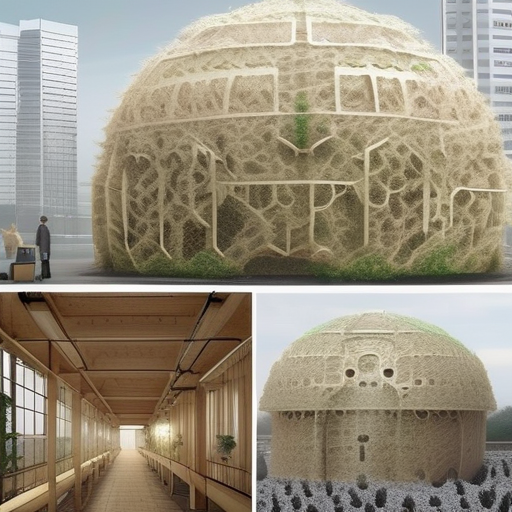
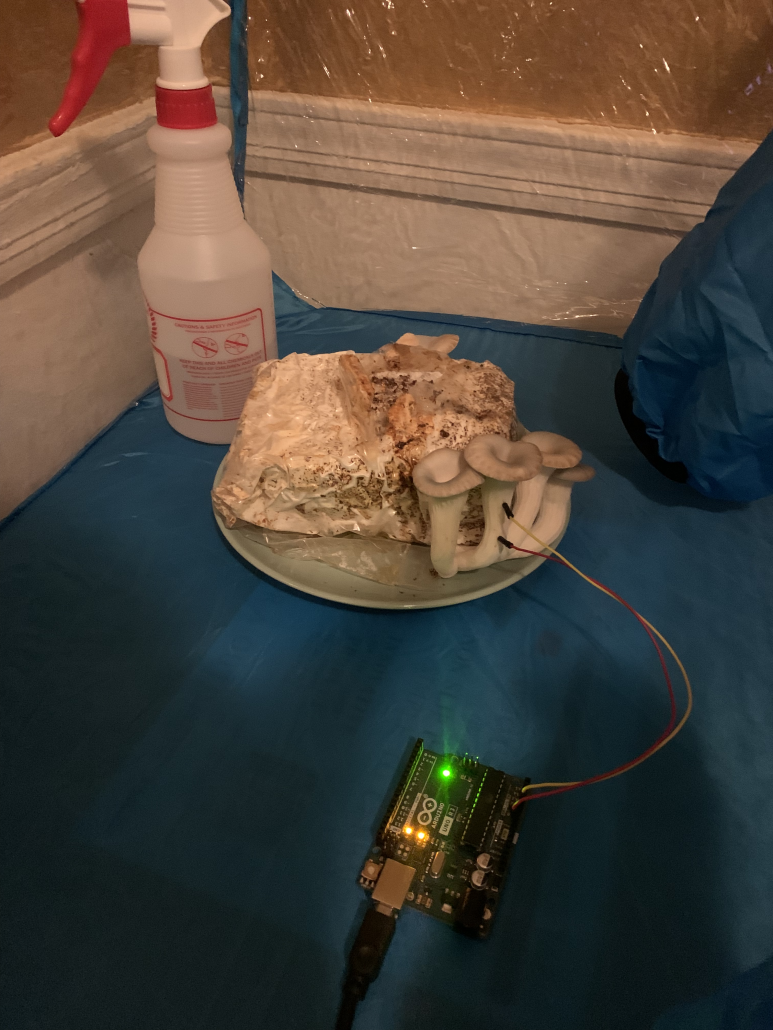
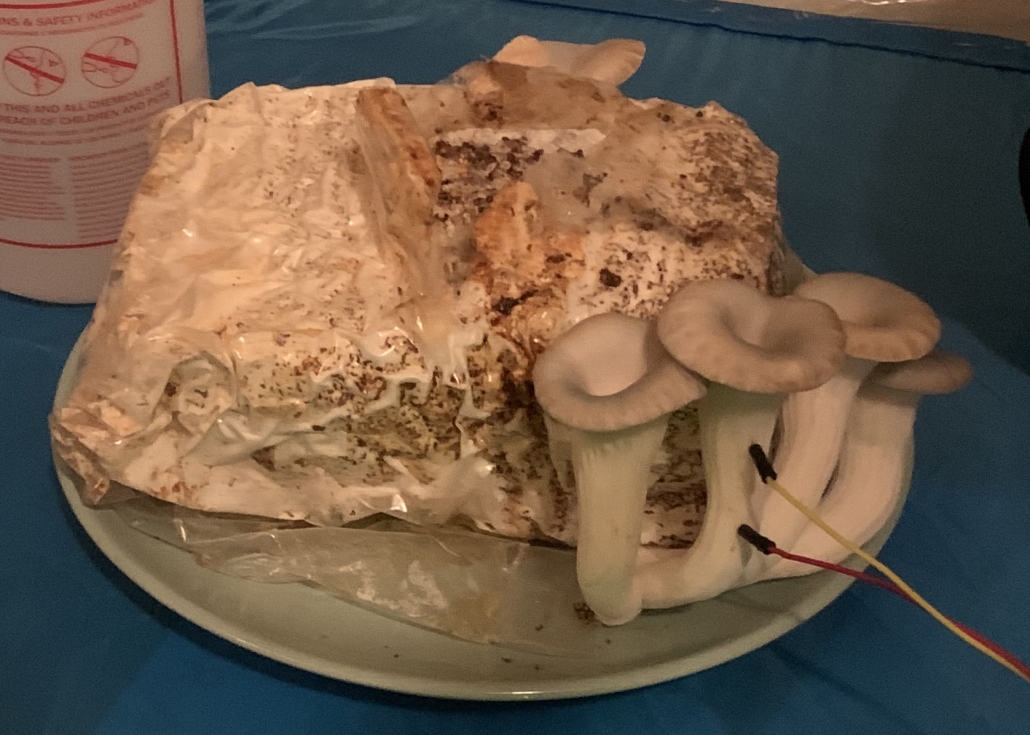
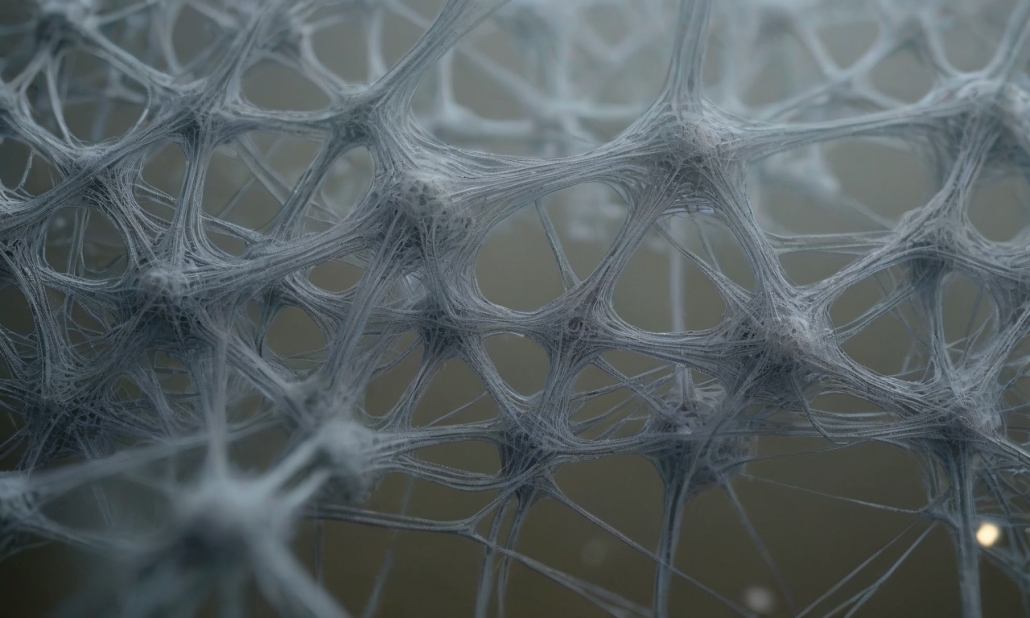
This research explores fungal bioelectricity as a foundation for sustainable, living computational systems with potential applications in architecture. Pleurotus ostreatus (oyster mushrooms) exhibit stimulus-responsive electrical activity analogous to neural computation. While traditionally studied for ecological roles, fungal mycelium demonstrates capacities for memory, adaptive behavior, and environmental sensing, positioning it as a viable substrate for biologically embedded computation within architectural systems.
Controlled experiments involved embedding electrodes into living fungal colonies to record voltage fluctuations under mechanical pressure, light exposure, and thermal stimuli. Time-series features from these electrical signals were processed and analyzed using convolutional neural networks to classify stimulus types. Preliminary results indicate distinct waveform patterns associated with different environmental inputs, suggesting that fungal networks encode information through structured bioelectrical signaling.
These findings highlight the potential of mycelium as a living sensor network capable of integration into architectural assemblies. Responsive to light, heat, mechanical stress, or air quality, fungal materials offer a pathway to architectural systems that adapt in real time to their environment. Unlike conventional computing systems, fungal substrates require minimal energy input, operate at ambient temperatures, and are biodegradable—aligning with goals of ecological design and regenerative material practices.
In architecture, fungal biocomputing implies a shift from inert, passive materials toward active, sensing infrastructures. Mycelium may serve not only as a sustainable building component but also as a medium for distributed computation, enabling novel forms of environmental interactivity and feedback. Moreover, fungal information processing—distributed, embodied, and chemically mediated—resonates with emerging paradigms in architecture that reject centralized control in favor of non-linear, rhizomatic systems.
By combining fungal electrophysiology, machine learning, and computational design, this research redefines the role of material intelligence in architecture and proposes a future in which built environments are both materially and computationally alive.
Instagram: @sandramanninger_studio
Stay tuned for Part III!