Posts

2025 Study Architecture Student Showcase - Part VIII

A city’s infrastructure has a large impact on its community. Part VIII of the 2025 Study Architecture Student Showcase features projects that reimagine infrastructure in innovative ways. With interconnectedness at the forefront, these designs re-envision highways, commuter routes, and hybrid energy sources. Each project presents a design solution that increases accessibility, promotes connection, and makes a positive difference in its respective community. 

Scroll down for a closer look at these outstanding projects!
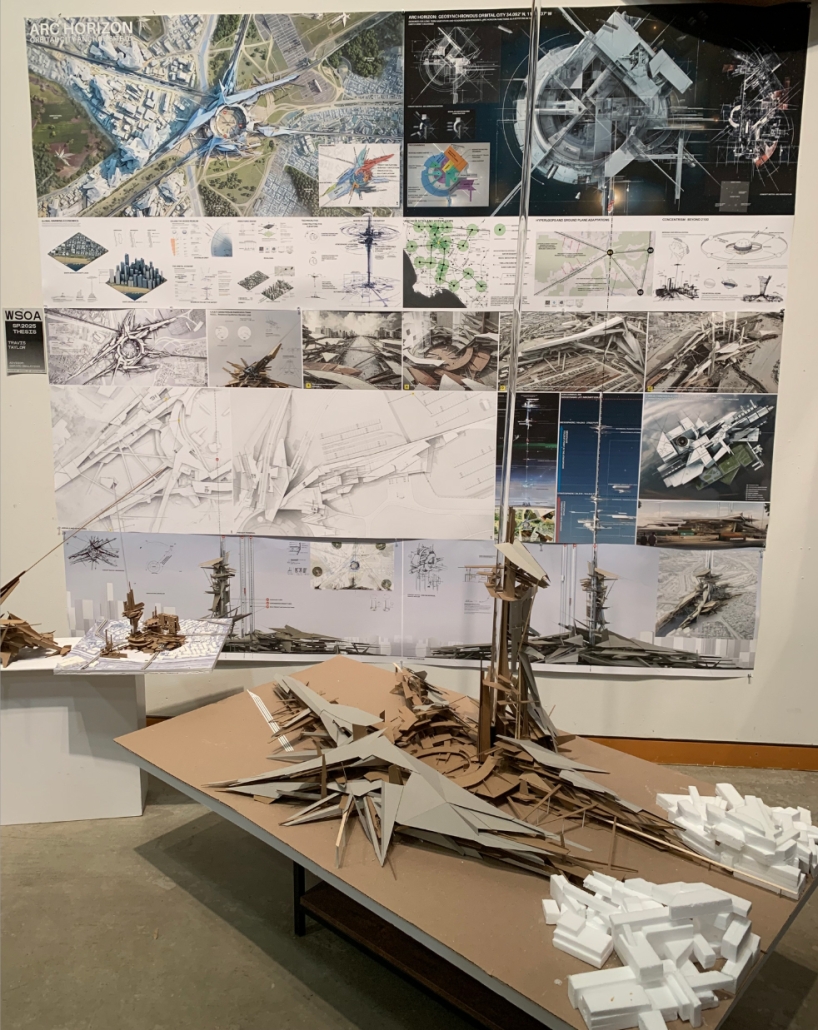
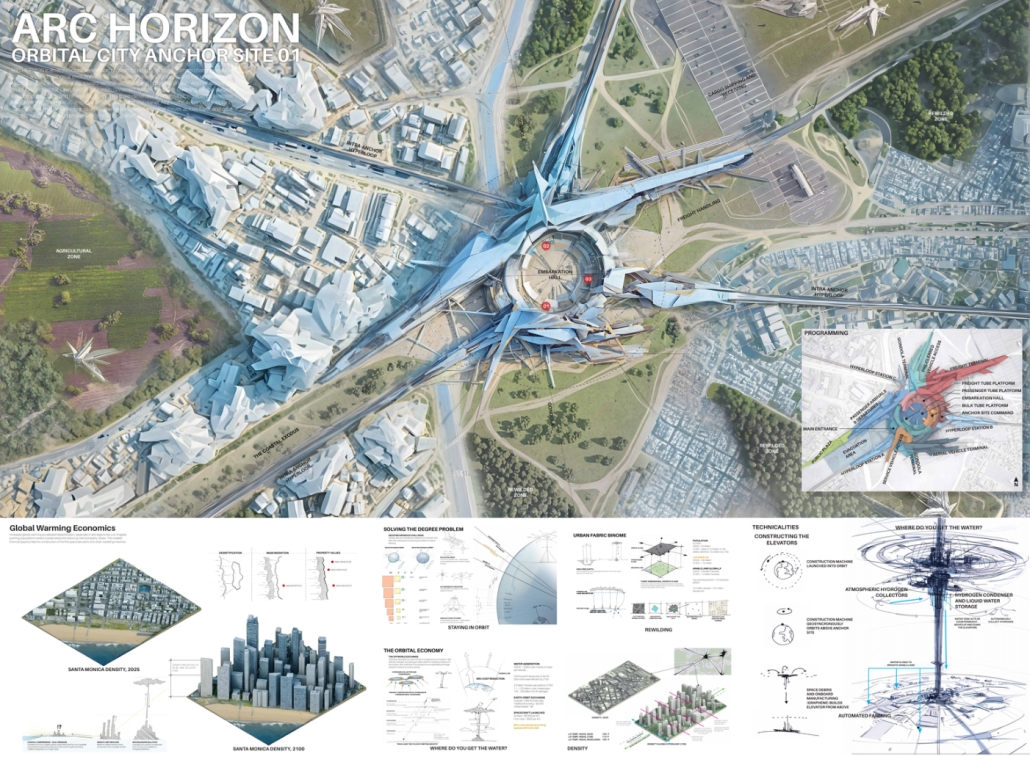
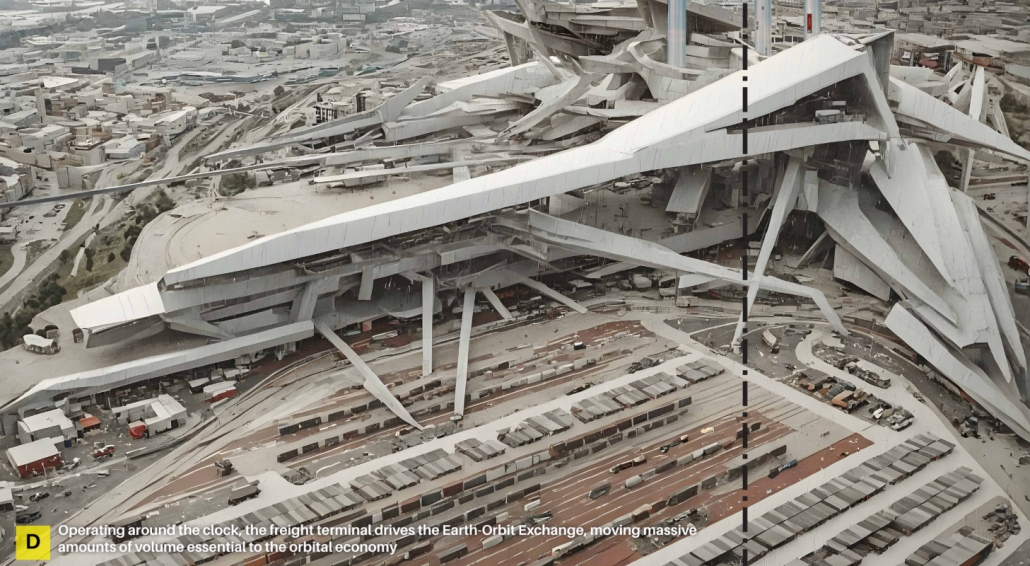
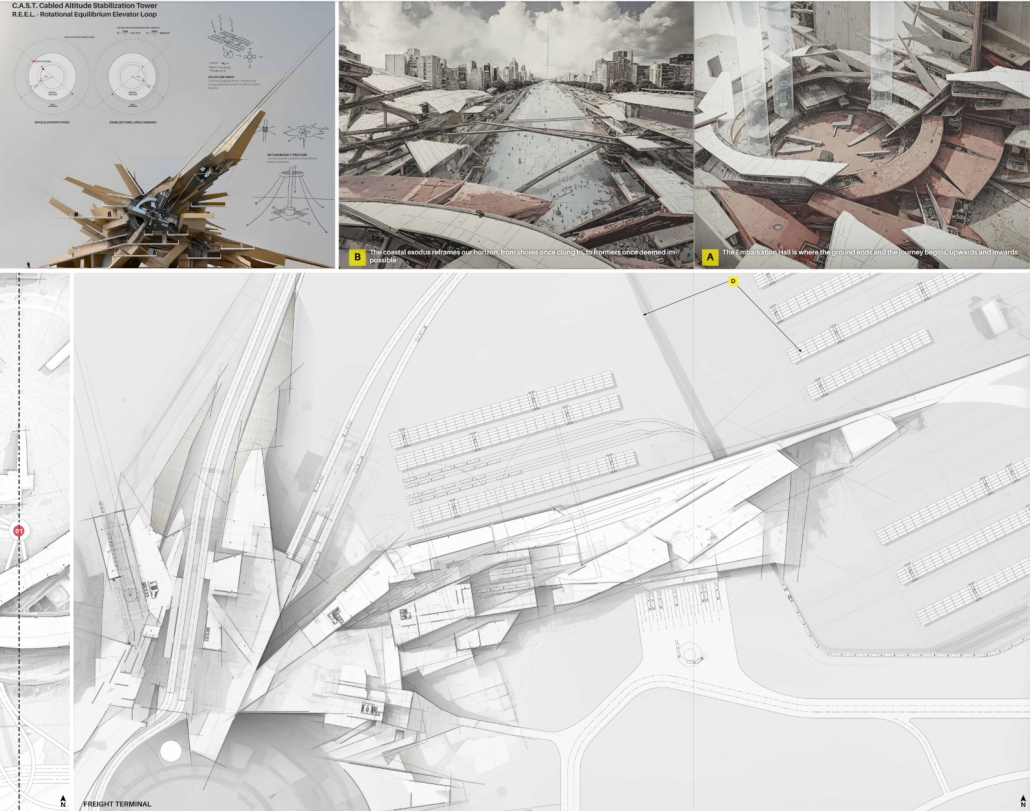
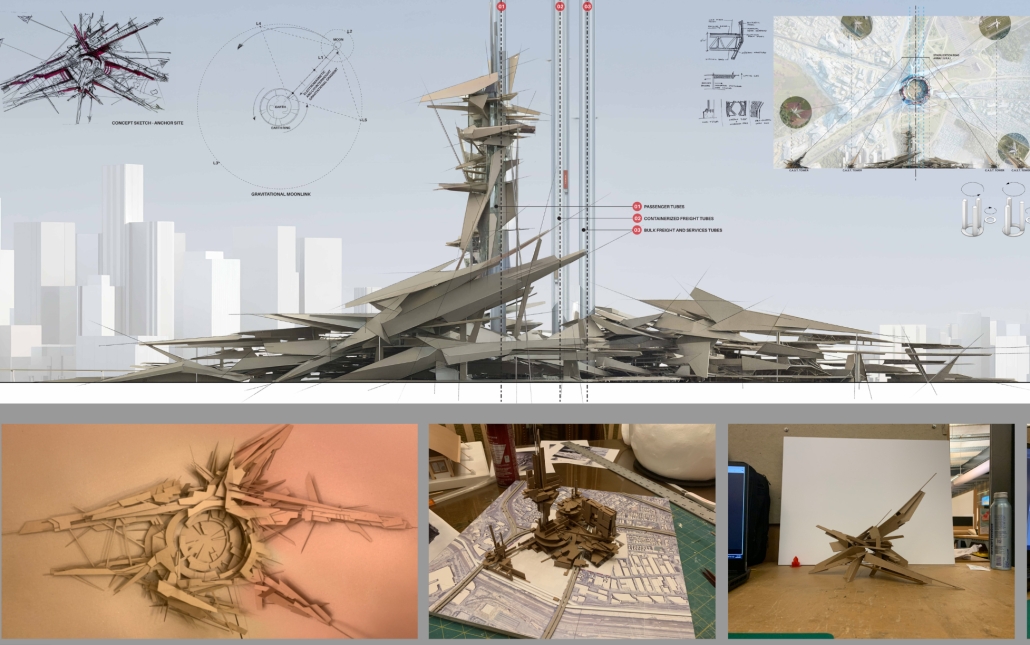
ARC HORIZON: Anchoring Humankind’s Future in the Orbital Era by Travis Colton Taylor, B.Arch ’25
Woodbury University | Advisor: Gerard Smulevich

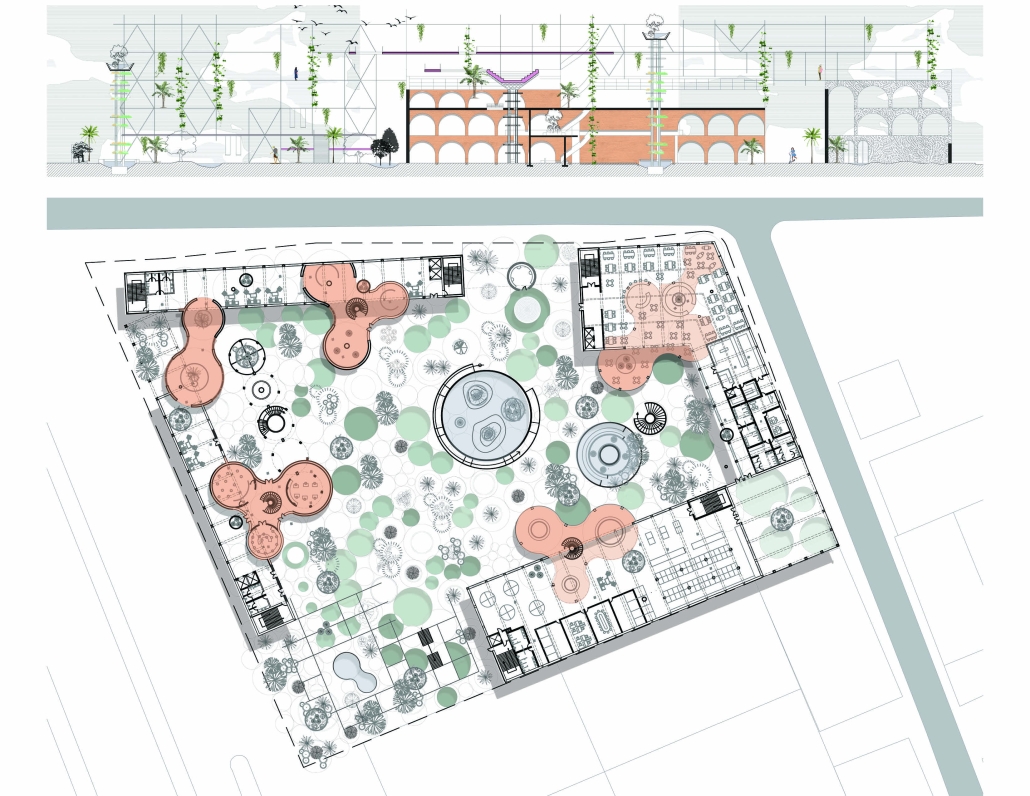
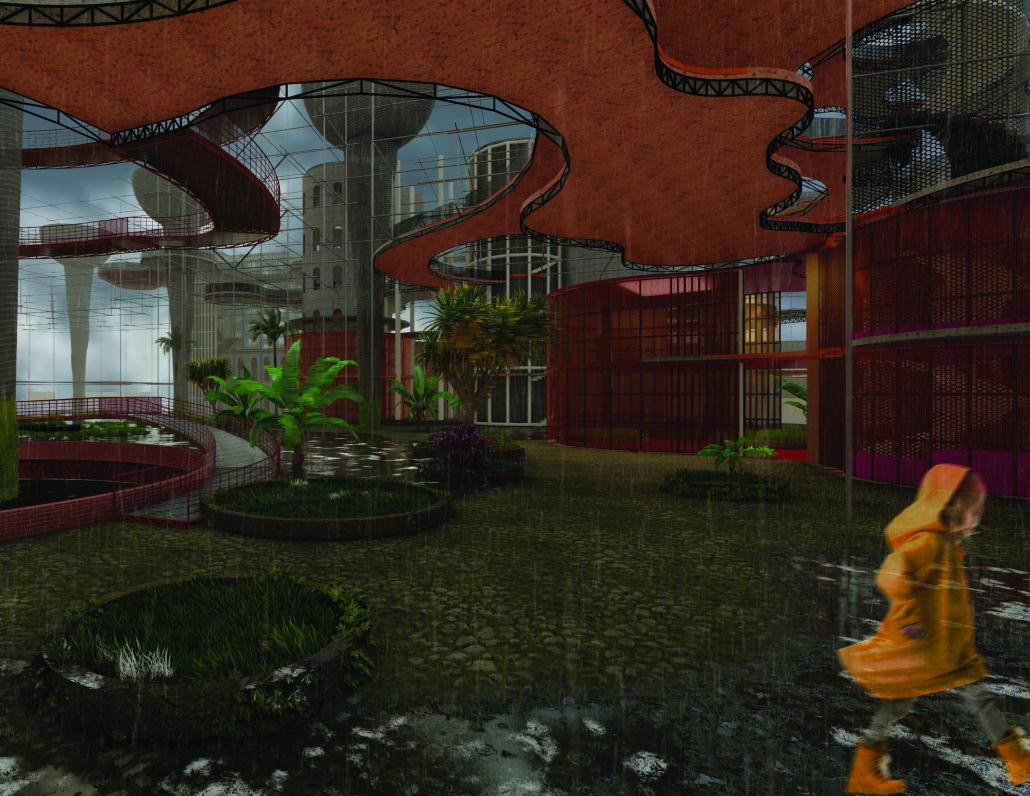
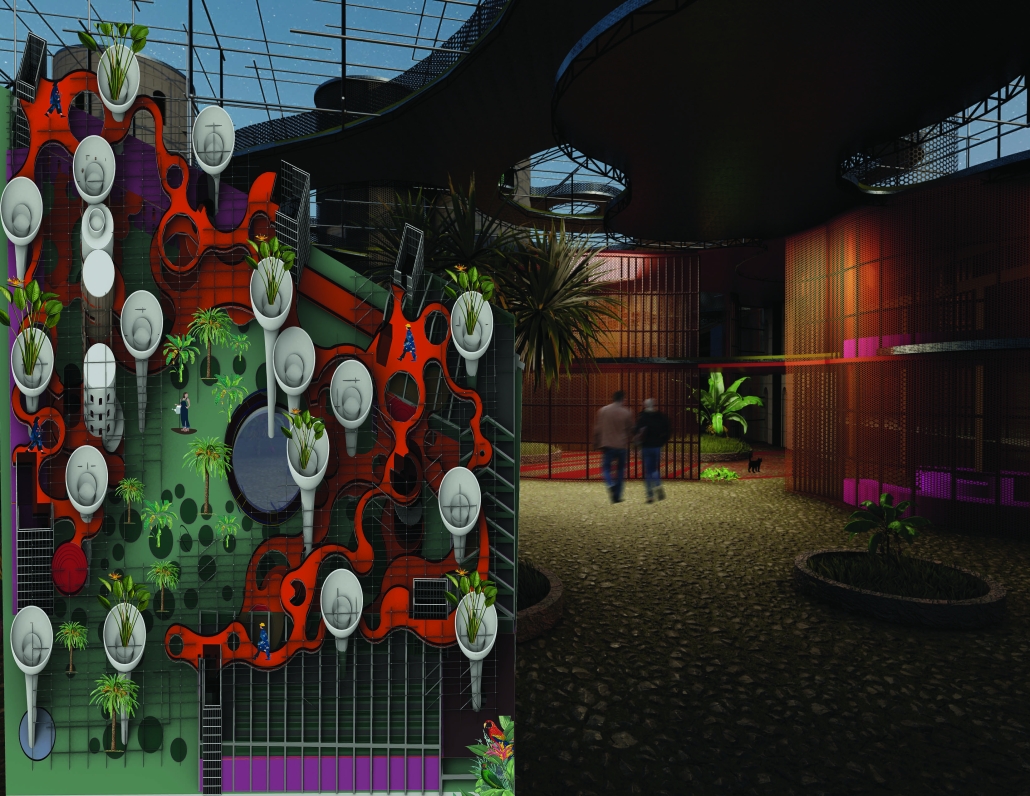
“Arc Horizon” is an architectural redefinition of urban fabric in response to climate change, resource scarcity, and technological evolution. Faced with desertification, migration, and the weaknesses in traditional cities, humanity shifts toward vertical urbanism and orbital expansion. Anchor site mega-structures and orbital cities form a new interconnected system, enabling rewilding on the surface, autonomous mobility, and off-world industry. This three-dimensional urban fabric transcends terrestrial limits, catalyzing a regenerative, symbiotic relationship with the planet. As the orbital economy supplants geopolitics, humanity transitions to an interplanetary species, one that thrives across Earth and orbit, united through innovation and stewardship of the planet.

This project received the Architecture Degree Project Design Excellence Award.
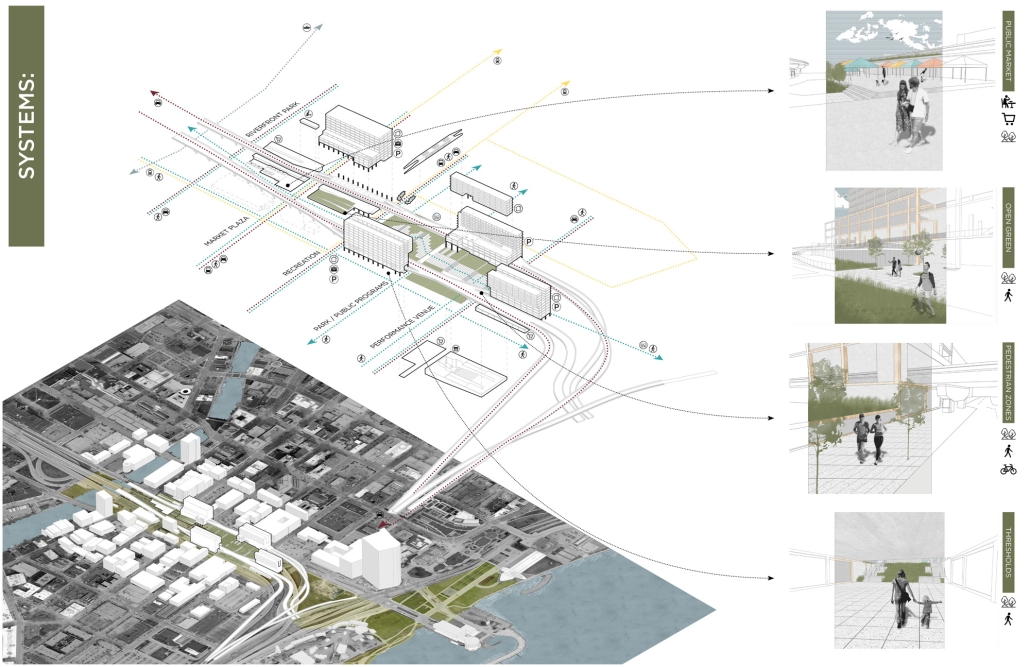
UNRAVEL & REWEAVE: I-794 AS MILWAUKEE’S URBAN GREEN SPINE by Sean Thiel, B.S. in Architecture ‘25
University of Virginia | Advisor: Mona El Khafif

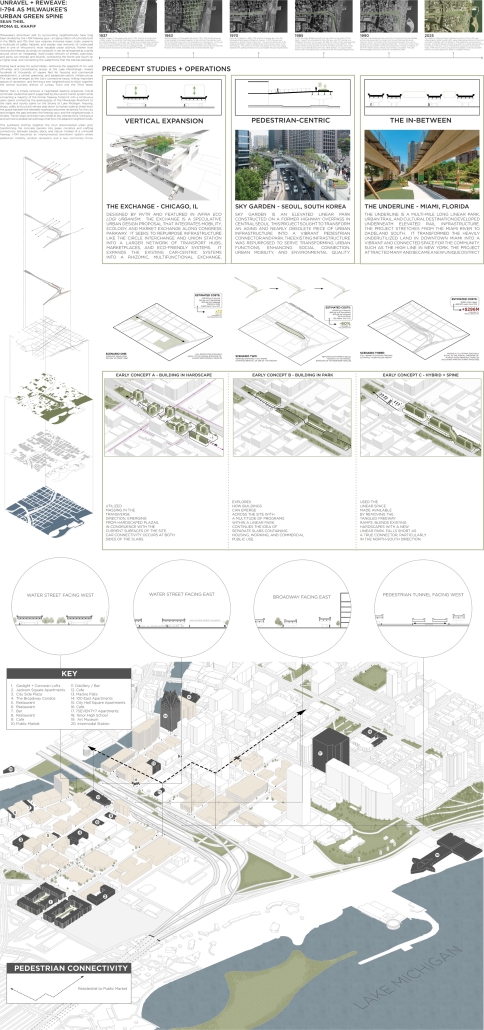
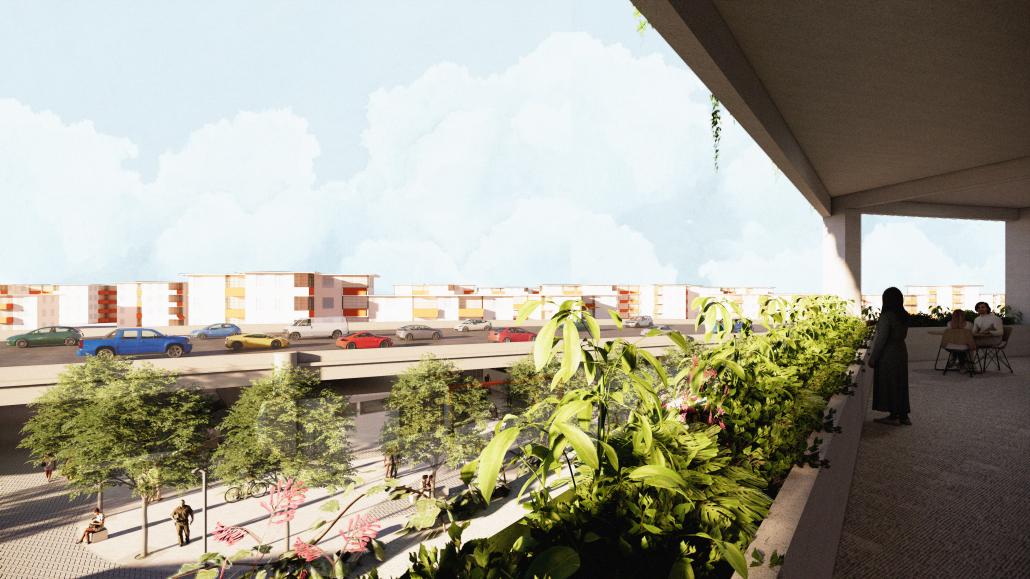
Milwaukee’s downtown and its surrounding neighborhoods have long been divided by the I‑794 freeway spur– an aging band of concrete built in the 1960s and ‘70s that now requires immense repair costs, poses a multitude of safety hazards, and leaves vast amounts of underused land in one of Wisconsin’s most valuable urban districts. Rather than viewing the freeway simply as an obstacle, it can be reimagined as a spine around which an integrated, multi‑modal network of streets, pathways, programs, and parks can emerge and flourish, connecting the North and South on a higher level, and connecting the waterfronts that the site lies between.

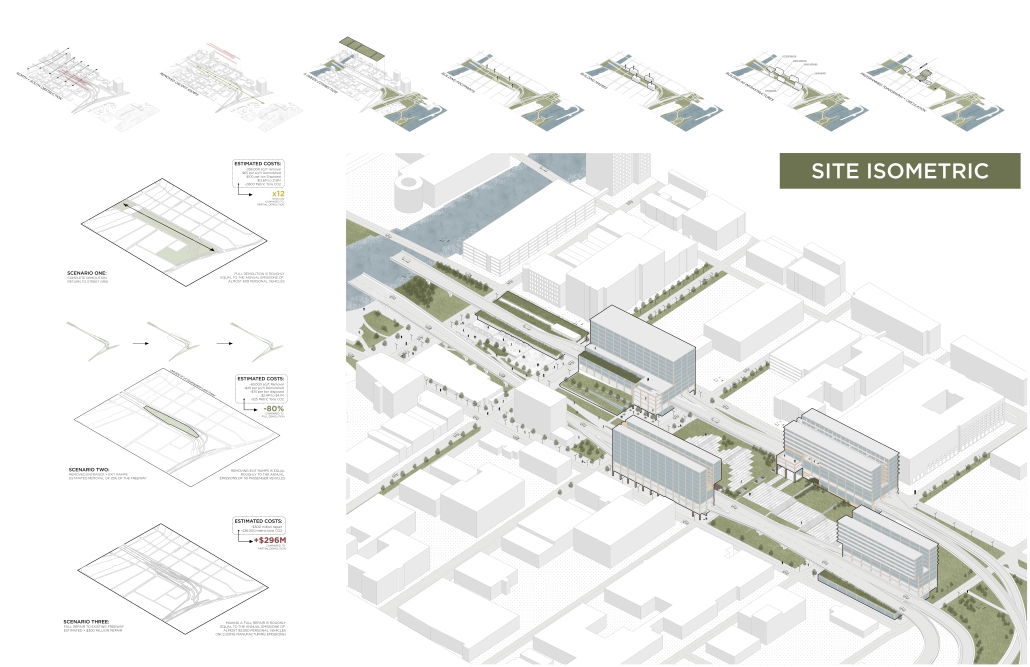
Scaling back access for automobiles— removing the “spaghetti” of on‑ and off‑ramps and consolidating access eastward at the Lake Interchange —reveals hundreds of thousands of square feet for housing and commercial development, a central greenway, and pedestrian-centric infrastructure. This new land emerges as the city’s connective tissue, linking important spaces of recreation and forming a new neighborhood to stitch together the central business district of Juneau Town and the Third Ward.   

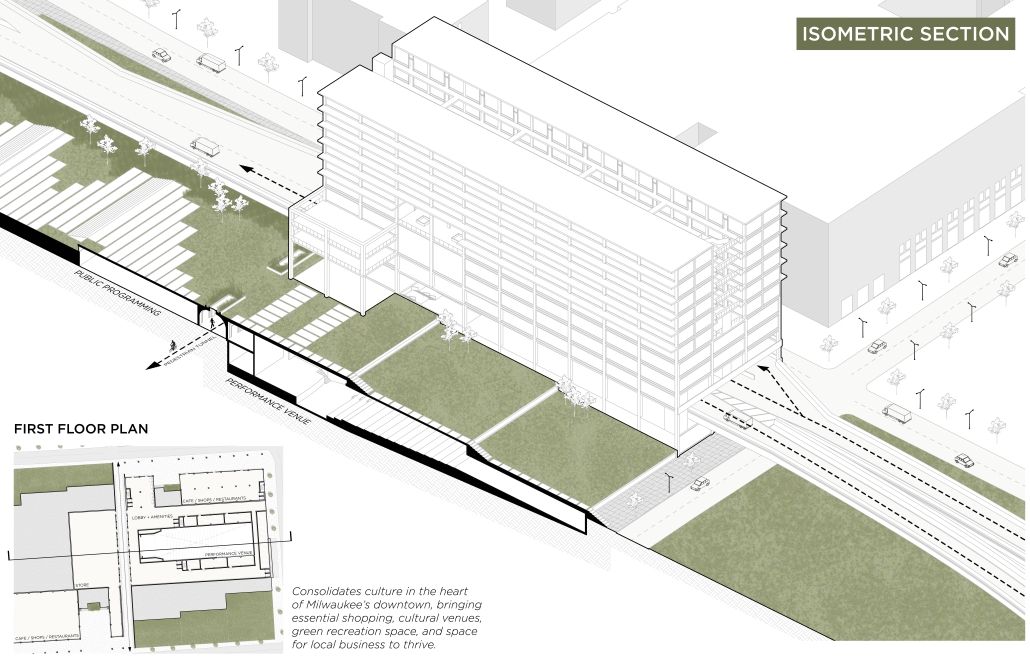
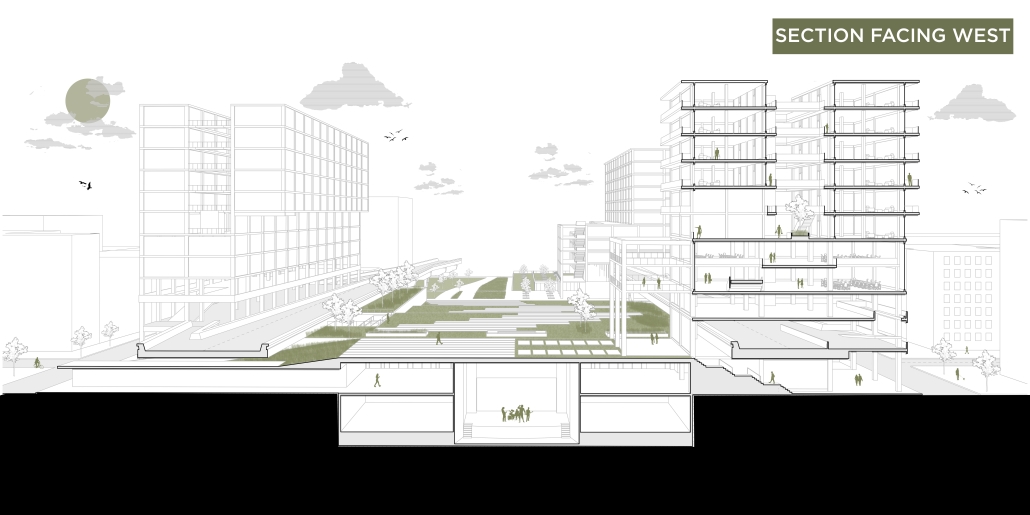
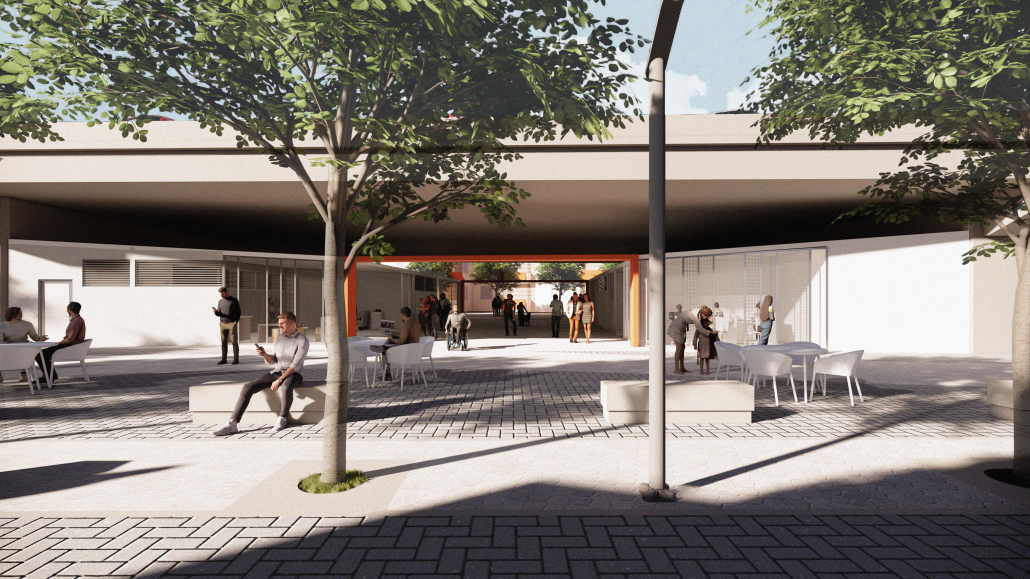
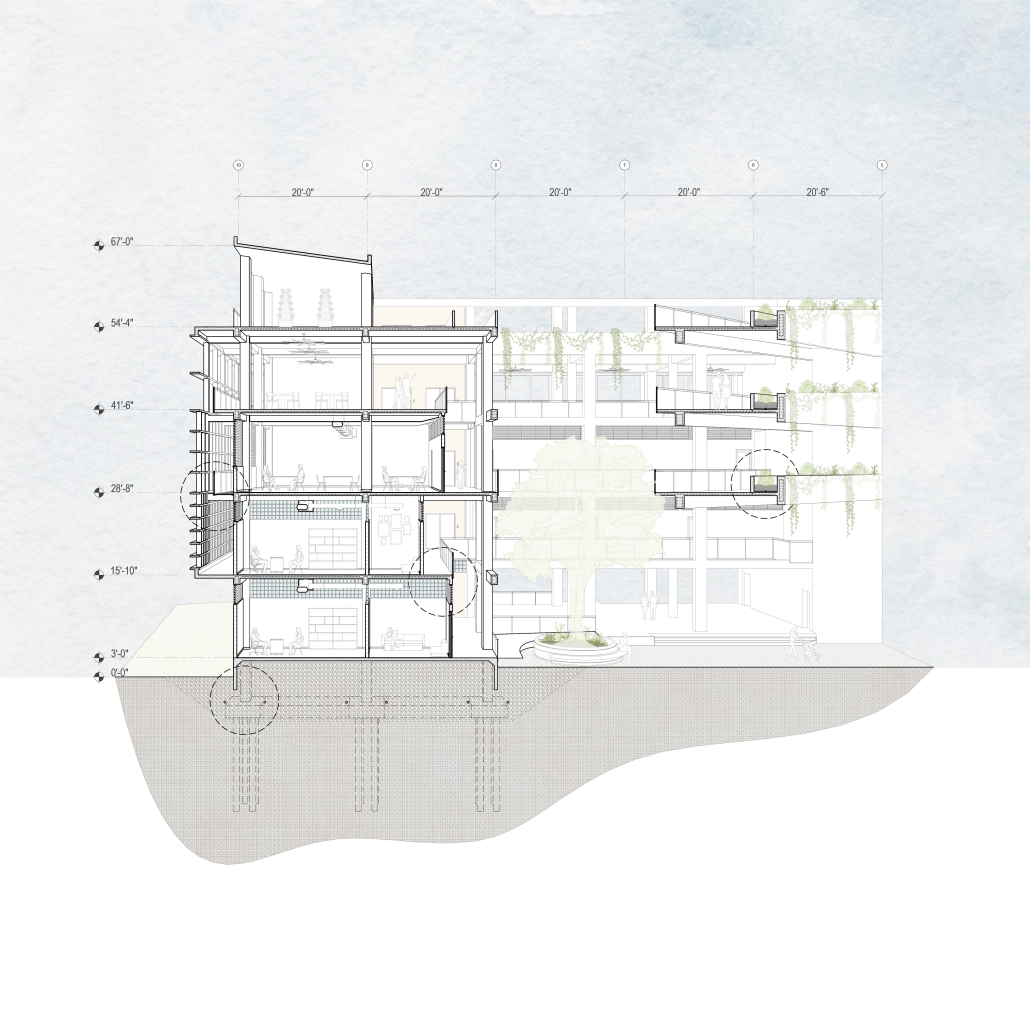
Rather than a simple removal, a negotiated balance preserves critical commuter routes that aren’t supported by the current transit system while converting a majority of the former freeway footprint into a continuous open space connecting the greenspaces of the Milwaukee Riverfront to the state and county parks on the Shores of Lake Michigan. Housing, shops, cafés, and cultural venues step down to human scale at street level; the space beneath the elevated roadways becomes reclaimed for the city and bridges the gap between the freeway spur and the neighborhoods it divides. These new buildings integrate parking garages that are directly accessible from the I-794 overpass, allowing vehicles to enter and exit without encroaching on street-level activity. This approach helps relegate car traffic away from pedestrian spaces, promoting a vibrant street life and encouraging ‘park-and-walk’ rather than driving directly to one’s destination. Transit stops and bike hubs nestle at key intersections, linking bus and rail lines to pedestrian pathways that flow seamlessly into adjacent neighborhoods.

This symbiosis stitches together the city’s disconnected urban grid, transforming the concrete barriers into green corridors and crafting connectivity between people, place, and nature. Instead of a unimodal freeway, I‑794 becomes an interconnected downtown system where pedestrian mobility, outdoor recreation, and a new community thrive.

Instagram: @sean.thiel, @smt_arch, @monaelkhafif
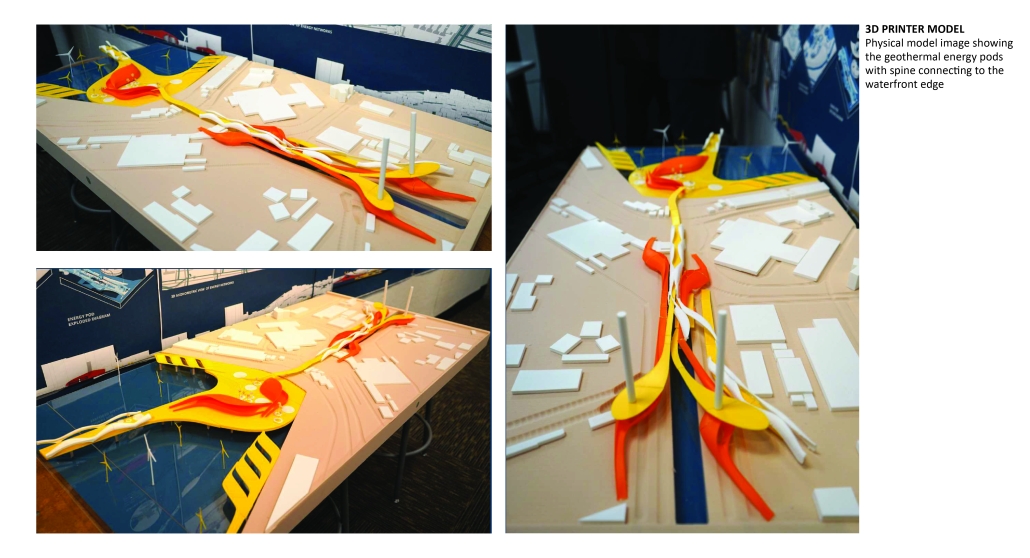
Energy Networks: Stitching Infrastructure through Land & Water by Neha Mudu & Sarvesh Joshi, M.Arch ’25
New York Institute of Technology | Advisors: Marcella Del Signore & Evan Shieh

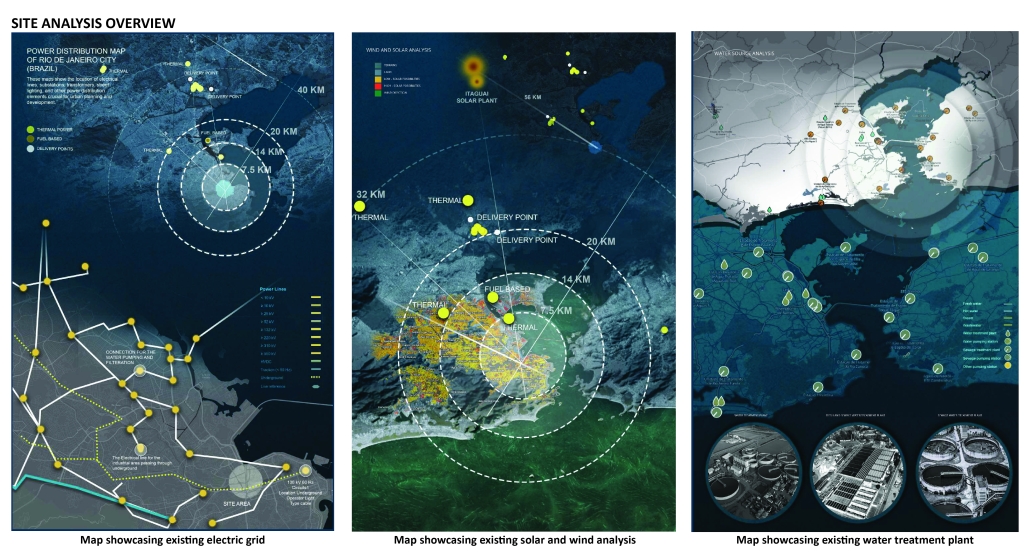
[This] proposal envisions a renewable energy power plant designed to act as a resilient backup system for Rio de Janeiro’s industrial zones, addressing the city’s recurring power outages while supporting long-term sustainable urban development. The design responds not only to the functional need for energy resilience but also to the environmental and social challenges faced by rapidly urbanizing coastal cities.

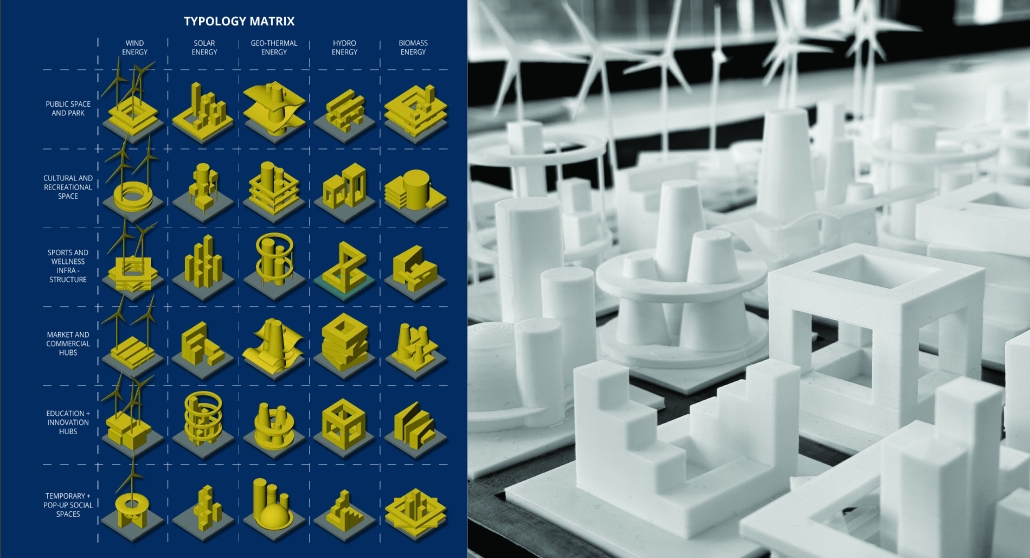
At the heart of the project is a hybrid energy infrastructure that integrates four key renewable sources — hydroelectric, geothermal, solar, and wind. These systems are carefully sited and layered across the landscape, forming a continuous network that blends with both the urban and natural context. The infrastructure is not hidden away, but exposed and celebrated, functioning as both a power-generating engine and a public experience.

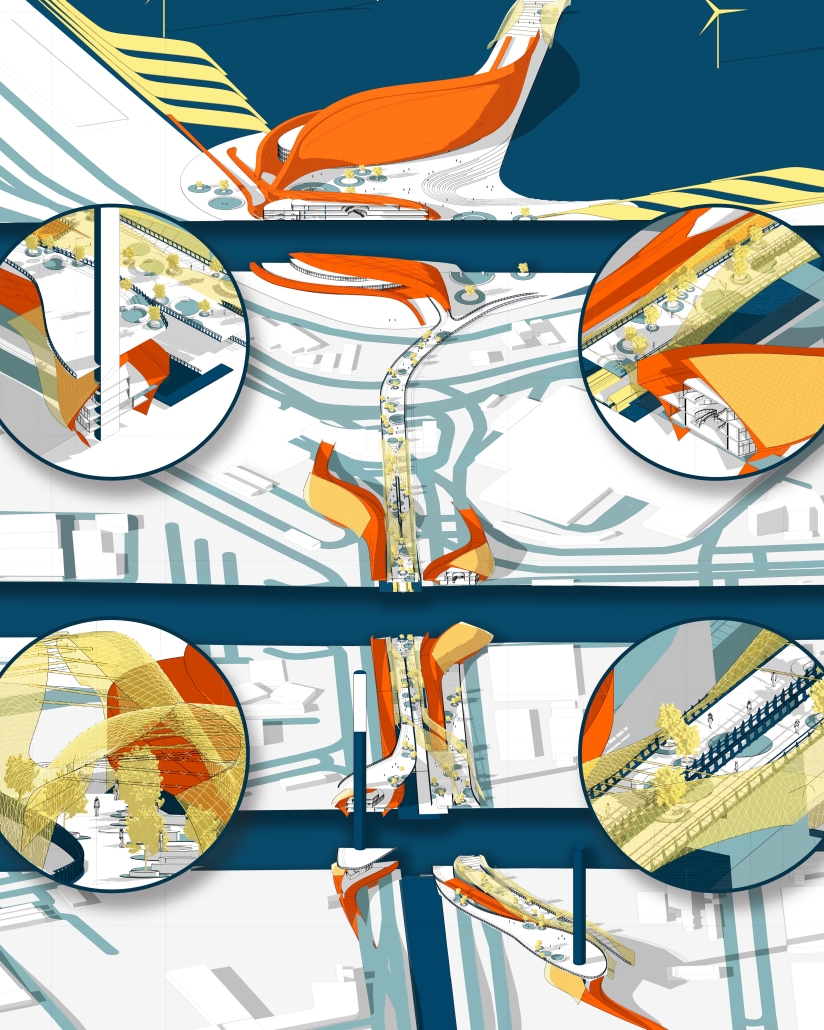
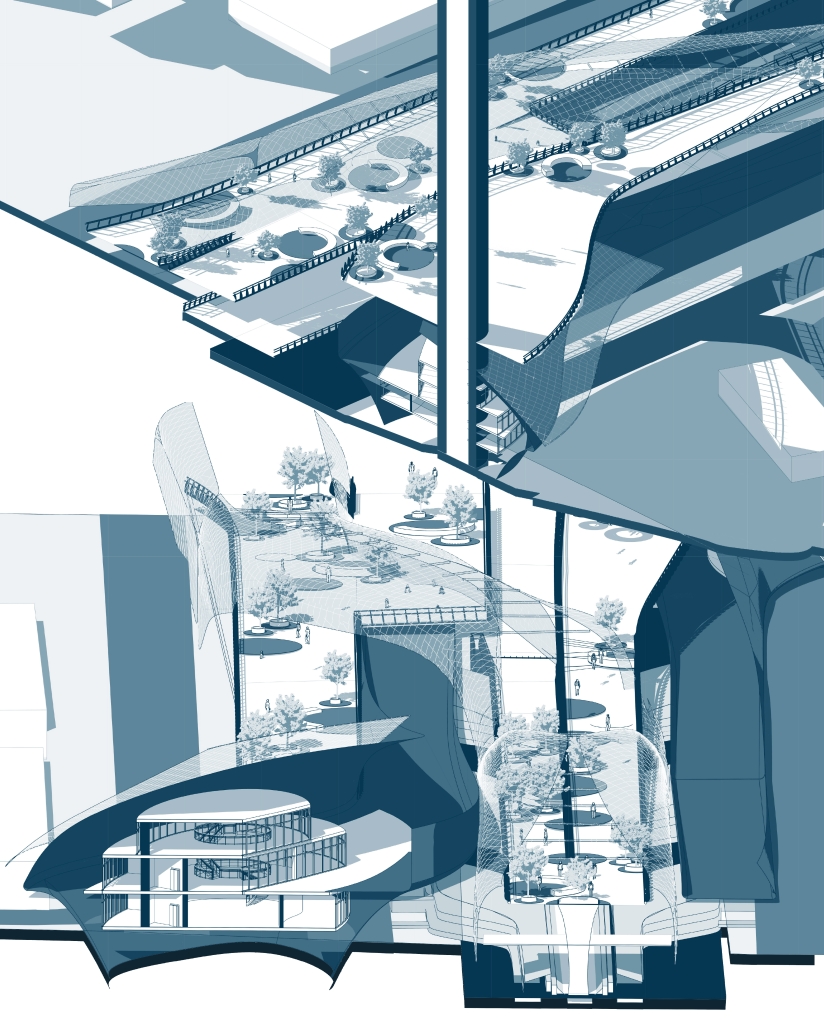
A central feature of the project is a spine-like elevated pedestrian walkway. This linear path connects the energy-producing nodes across the site, guiding movement and interaction while educating the public about sustainable energy systems. The walkway is embedded with piezoelectric panels that convert foot traffic into electricity, symbolizing how everyday public activity can contribute to a collective energy future.

Along this spine, key programmatic zones unfold — including educational centres, community spaces, research pods, and waterfront public areas. The project becomes more than a utility; it transforms into a civic landscape where infrastructure, technology, and people converge.

By treating renewable energy infrastructure as a public asset, this proposal aims to blur the boundaries between utility and urban experience. It supports energy independence, encourages public engagement, and creates a resilient framework that can adapt to future environmental and social needs.

This project was featured in the NYC X DESIGN Presentation Showcase.

Instagram: @nehamudu, @sarveshjoshi2697, @ev07, @marcelladelsi
ELEVATE: Rethinking Urban Mobility Infrastructure by  Luke Stefanchik, B.Arch ’25
New York Institute of Technology | Advisor: Farzana Gandhi

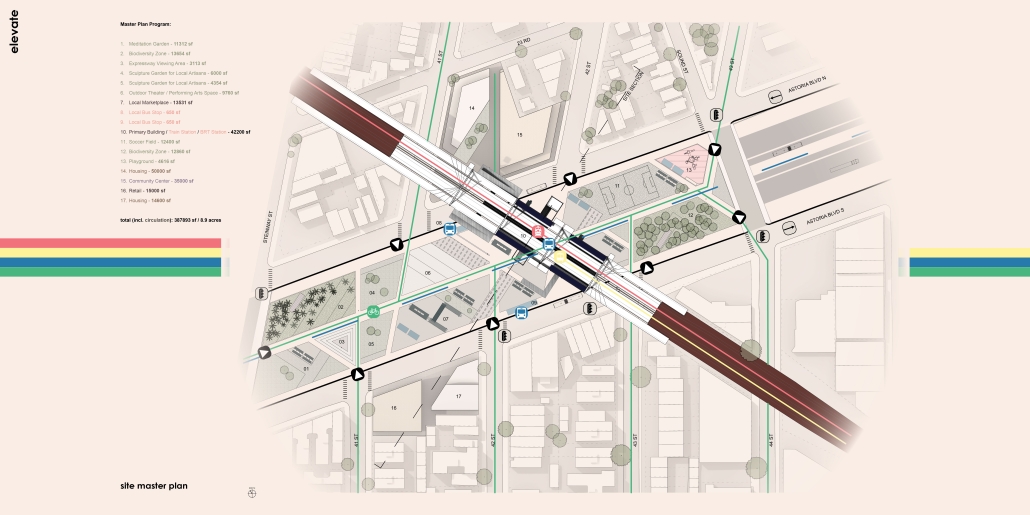
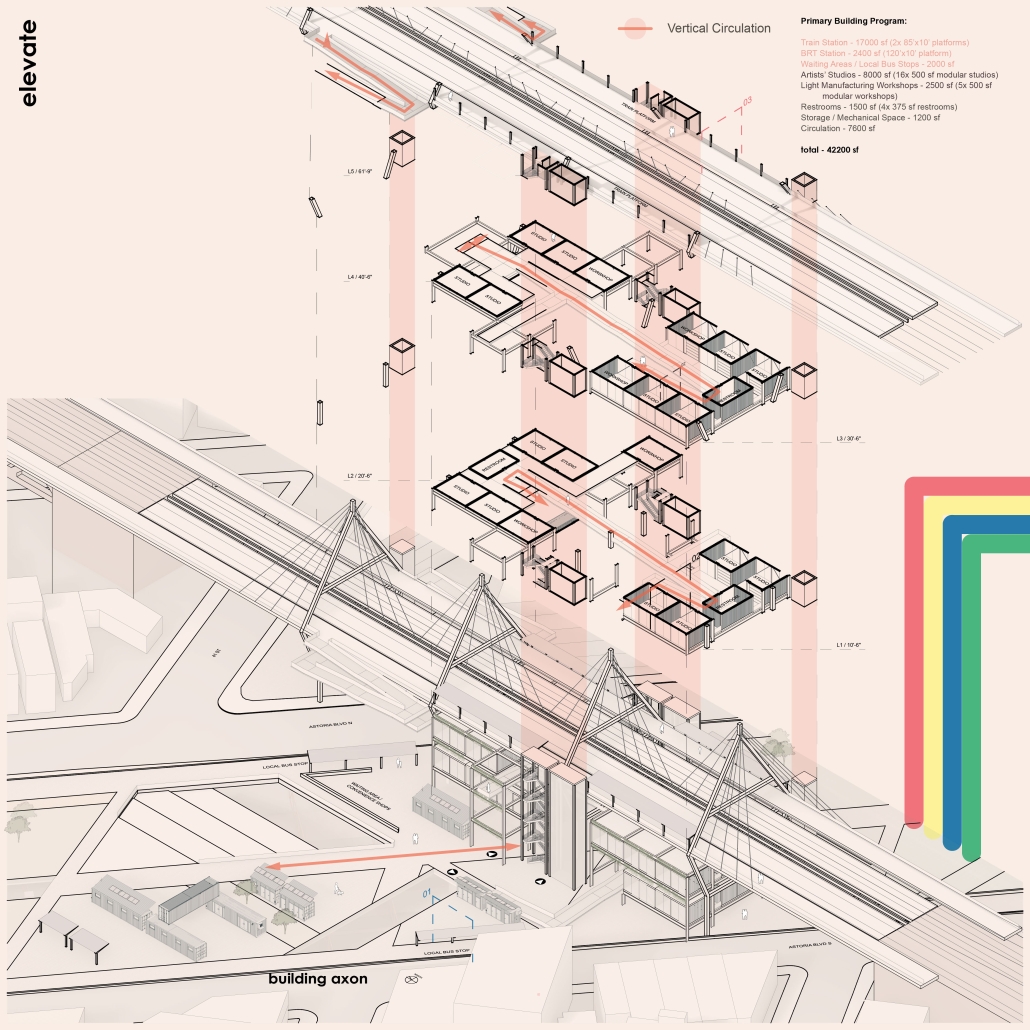
Cities around the world are removing or decking over their highways in favor of linear parks and boulevards. Is this enough to repair decades of damage caused by highways and car-centric infrastructure? We need to develop a new typology that weaves public transit with community services and adaptive reuse, and bridges the divide created by highways. New public transit projects in NYC and innovations in architecture and infrastructure provide an opportunity to rethink the city’s existing transit corridors. [This project redevelops] the intersection of the sunken Brooklyn-Queens Expressway with the elevated Hell Gate rail bridge along Astoria Boulevard between Steinway Street and 43rd Street in Queens. This is a densely-populated and diverse area that lacks recreation and community spaces, and was split in half by the highway. 

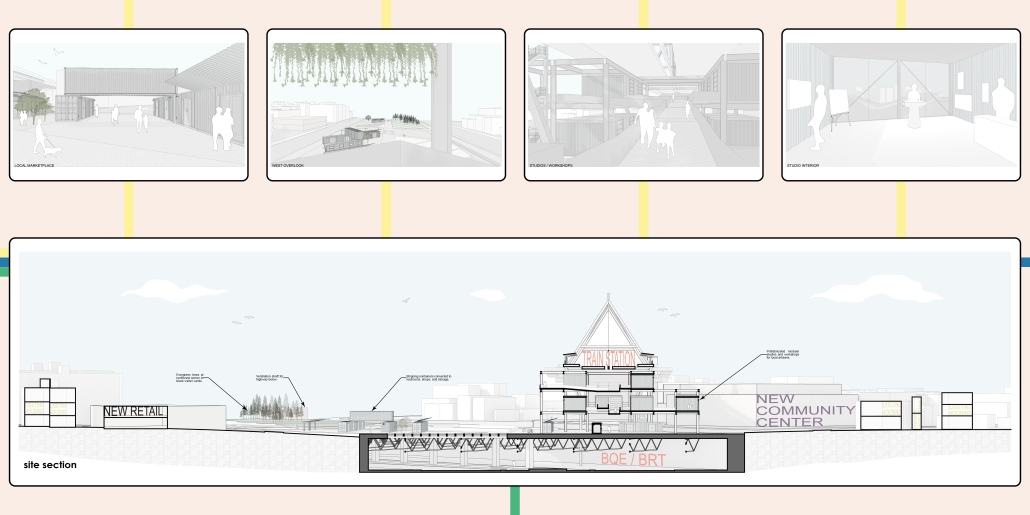
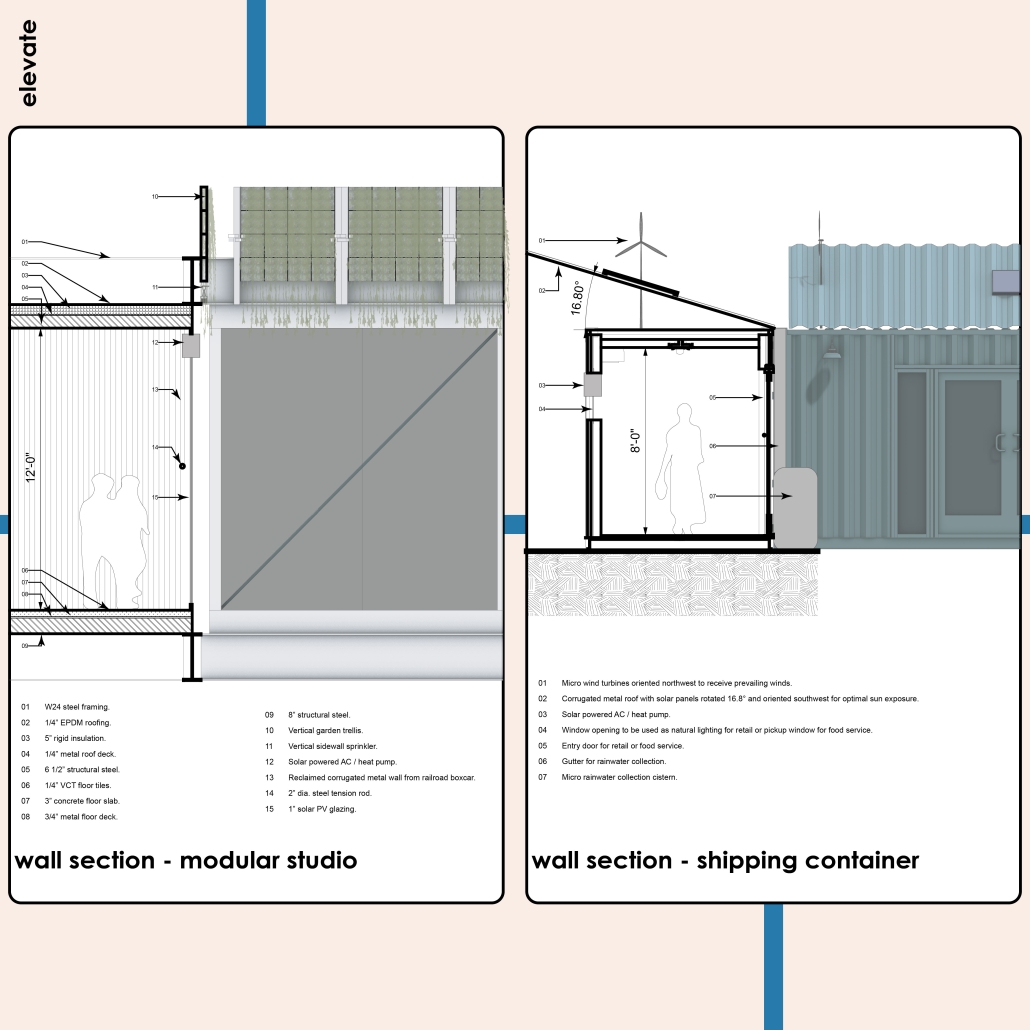
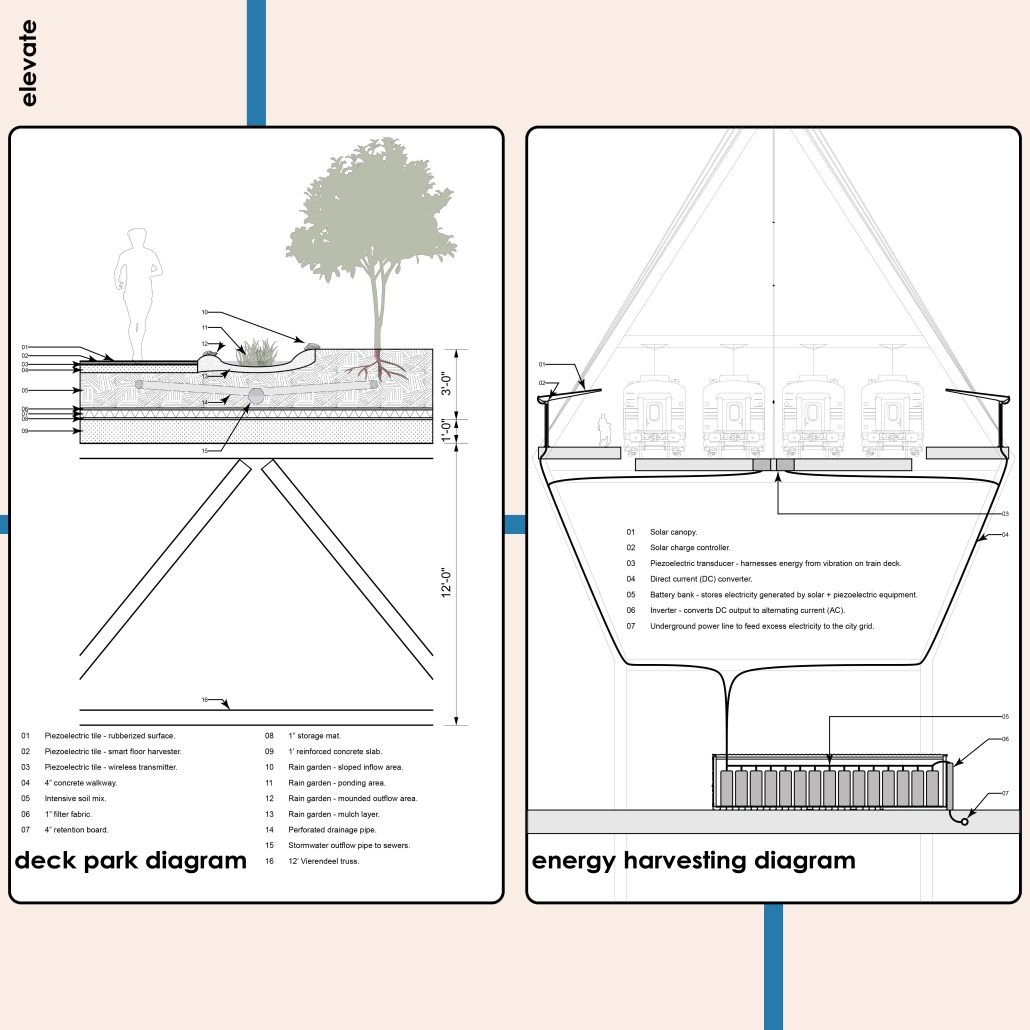
Right now, two different projects plan to make use of the railway — Metro-North’s Penn Station Access and MTA’s Interborough Express — which is currently only used by Amtrak and freight trains. Merging these projects creates an opportunity to develop this new typology. I am proposing to add two bus rapid transit lanes to the BQE for the M60 bus to LaGuardia Airport. At street level, the expressway will be decked over to create a park with exhibition and performance spaces for local artists. A section of the bridge will be torn down and rebuilt with modern, lightweight materials to support a new train station for the Metro-North, Amtrak, and Interborough Express. The space under the bridge will house prefabricated, modular workshops for local artisans to create and sell their work. Sustainable aspects incorporated into the project include hanging vegetation, solar canopies, and retrofitted shipping containers in the park. This hub will bridge the divide created by the expressway and serve as a catalyst for future transit design.

Click here to learn more. 

This project received the Dean’s Award for Excellence in Architecture and was featured during the 2025 NYIT Symposium of University Research and Creative Expression (SOURCE) and the 2025 NYCxDesign Festival.

Instagram: @luke.js, @fg_architecture
The SVX Pavilion: EL Salvador At Expo 2030 by Elaine Bonilla-Villatoro, B.Sc. in Architecture ’25
University of the District of Columbia | Advisor: Golnar Ahmadi

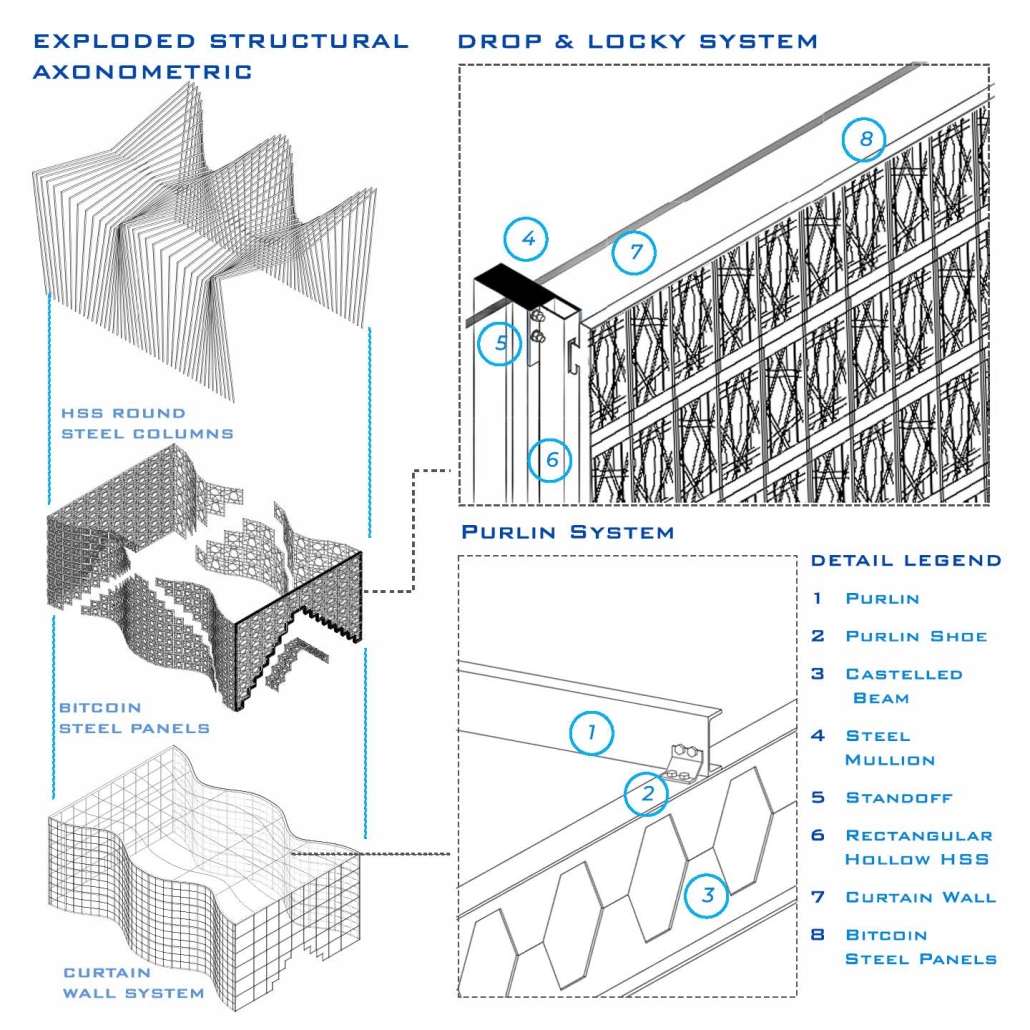
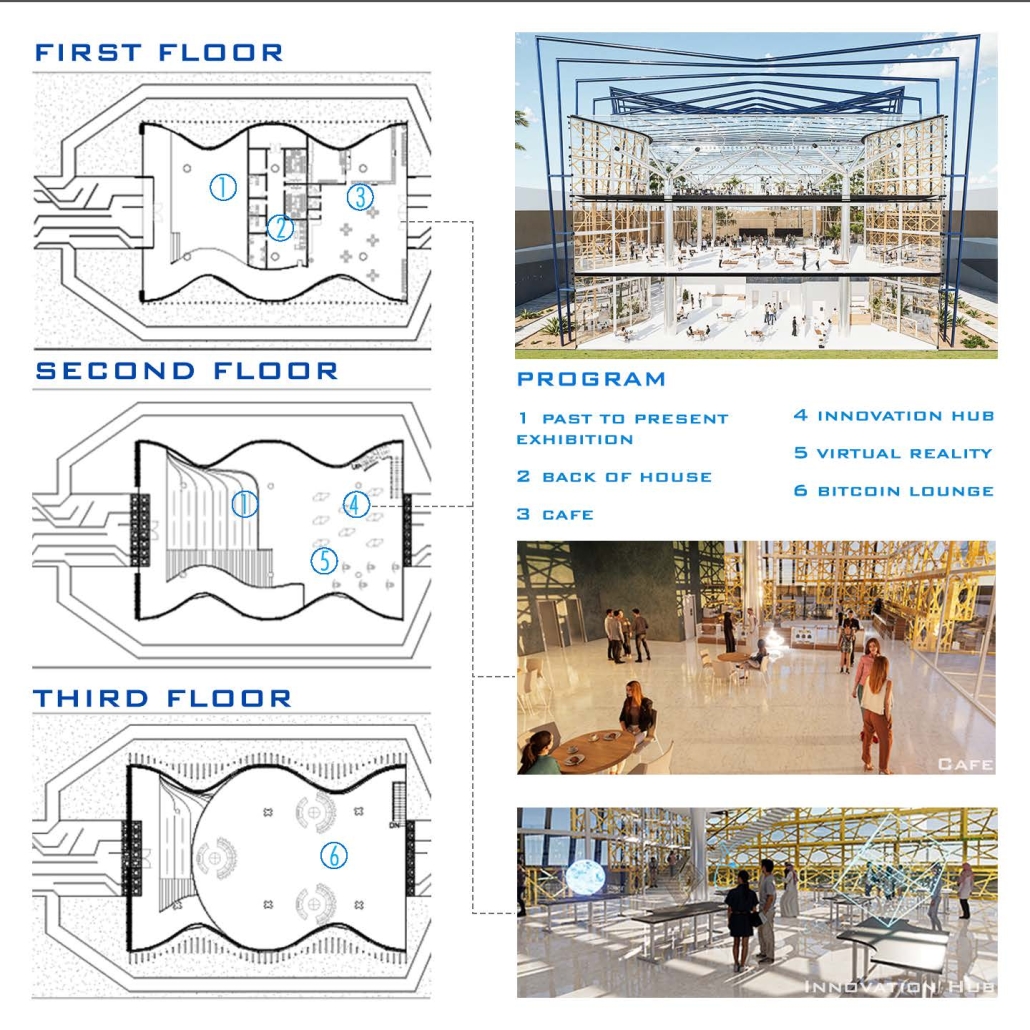
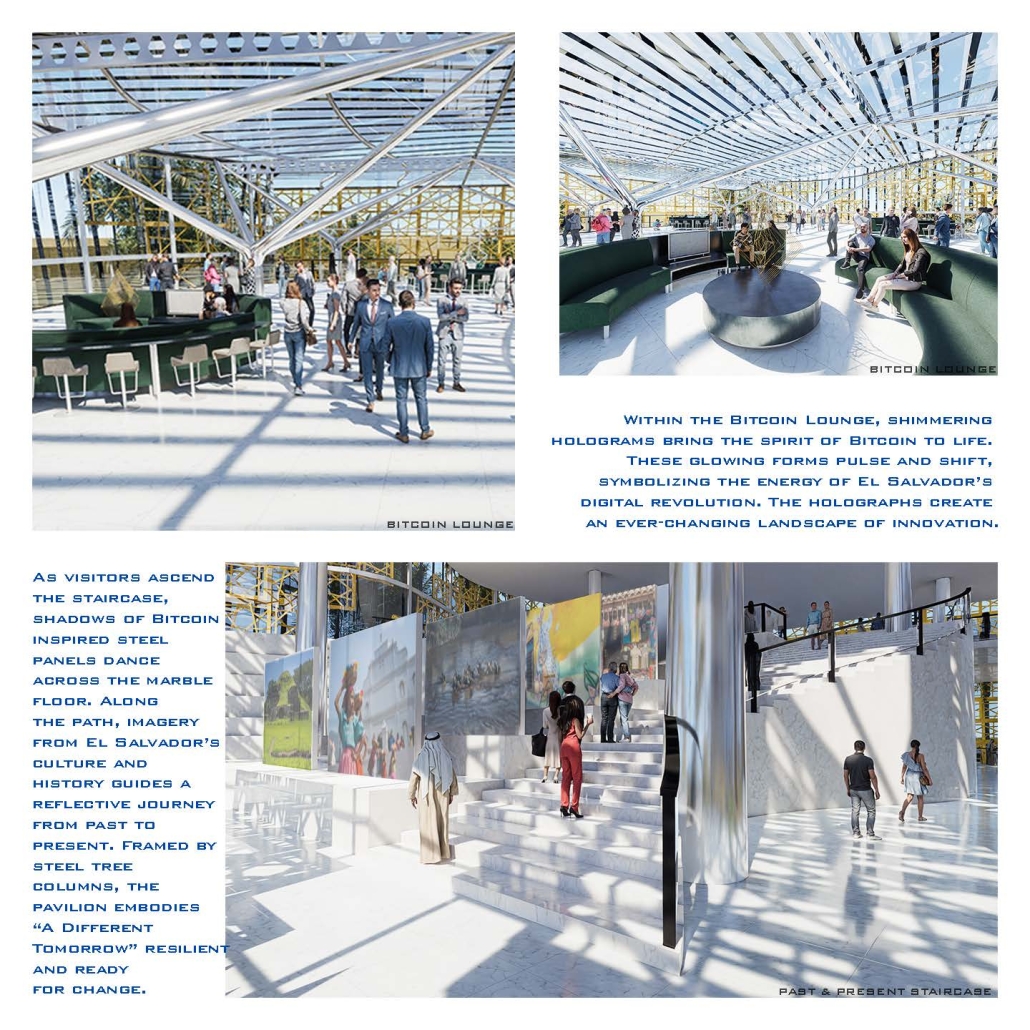
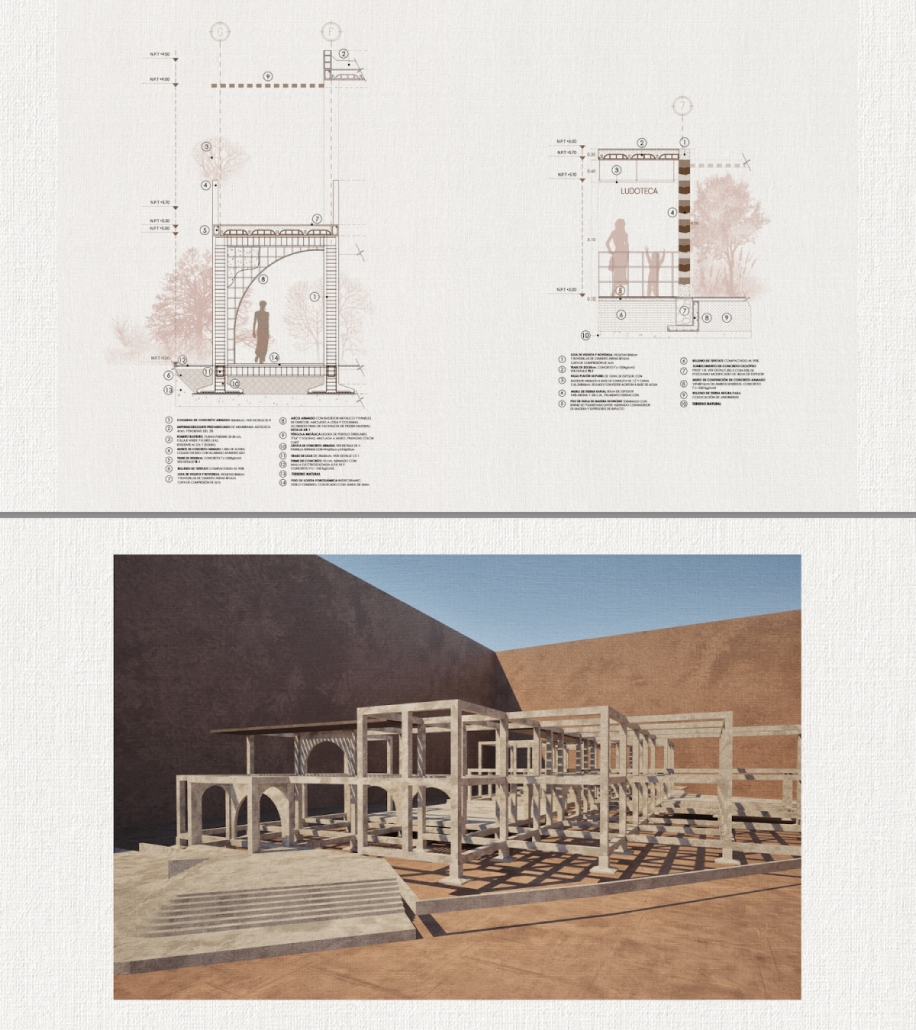
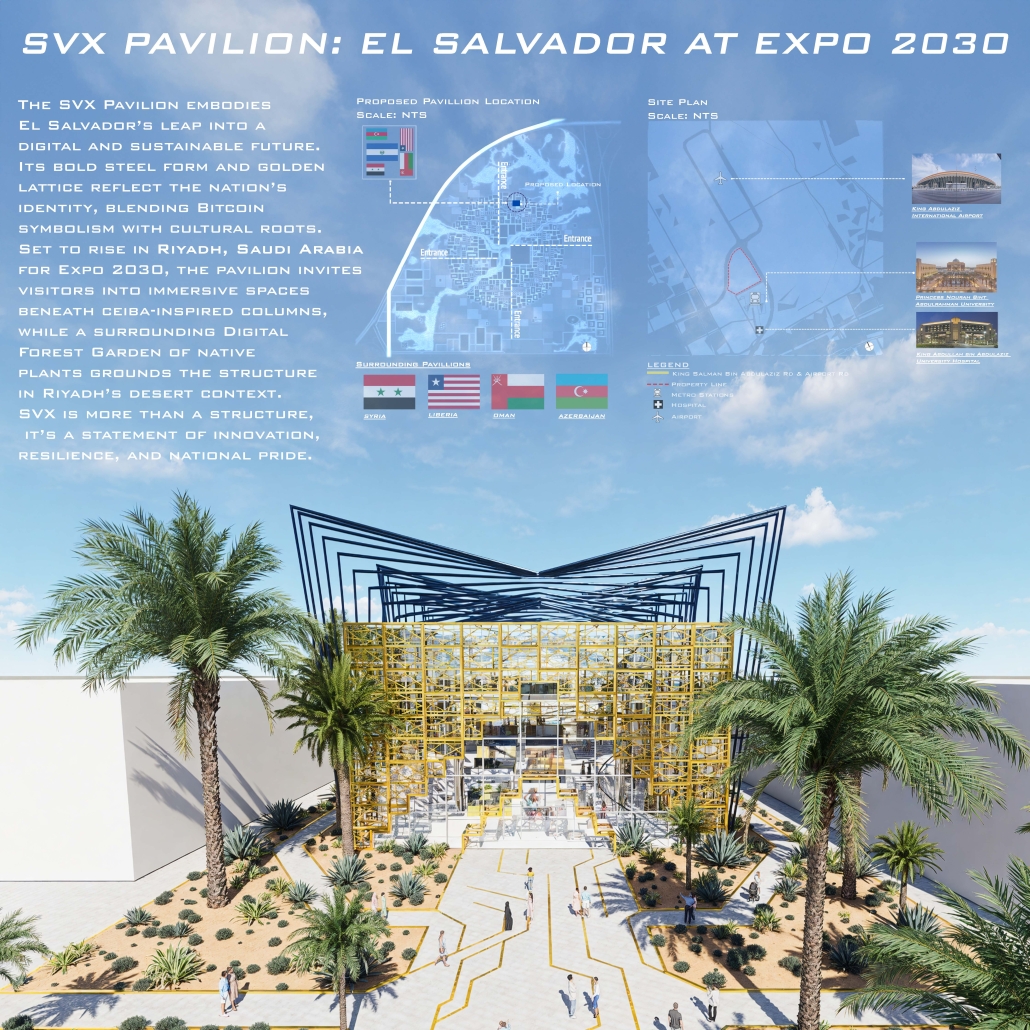
The SVX Pavilion, designed for Expo 2030 in Riyadh, Saudi Arabia, symbolizes El Salvador’s bold leap into a digital and sustainable future. Rooted in an expressive steel structure, the pavilion expresses a national identity through architectural elements, merging cultural roots with the country’s adoption of Bitcoin as a legal tender, which makes it the first nation to do so.

Inspired by the Ceiba tree, the pavilion features branching rolled steel columns that rise continuously from the ground floor to the roof and support a canopy and the glazed roof, which allows the spaces to be filtered with desert light. These structural columns shape the main circulation spaces and frame key exhibition zones while representing strength and interconnectedness, a metaphor for El Salvador’s digital network. A golden perforated panel facade references blockchain technology’s traditional craft and digital mesh, creating a visual connection between the past and future.

At its core, the SVX Pavilion includes the Bitcoin Lounge and Innovation Hub, with holographic displays representing El Salvador’s digital economy. These spaces offer a platform for education, interaction, and diplomacy while inviting global visitors to reflect on how emerging technologies shape sovereign futures and redefine national narratives.

Surrounding the pavilion, the “Digital Forest Garden” combines native Salvadoran plants that can adapt to Riyadh’s desert climate. This makes the futuristic structure belong in nature and promotes ecological resilience. The landscape is a metaphor for sustainable adaptation and a thermal buffer that enhances passive climate control.

Steel is not only the structural core of the SVX Pavilion but also a symbol of strength, modularity, and meaningful possibilities. Its use enables rapid fabrication and bold sculptural identity, which supports the project’s narrative of innovation and transformation. The SVX Pavilion is more than a national exhibition. It is a statement of El Salvador’s emerging role in the global dialogue on technology and sovereignty.

Instagram: @golnarahmadi

Stay tuned for Part IX!
2025 Study Architecture Student Showcase - Part VI

Today’s installment of the 2025 Student Showcase highlights projects with a focus on landscape and agriculture. Part VI features student work that takes place in diverse settings, including New Mexico, Brazil, Chile, Alaska, and more. Each project utilizes architecture as a tool to promote sustainability, social equity, and community resilience. 

Scroll down for a closer look at these outstanding student projects!
The Agrarian City by Aneesha Muthuraj & Rajni Kathiriya, M.Arch ‘25
New York Institute of Technology | Advisors: Marcella del Signore & Evan Shieh

In a time when urban centers face growing food insecurity and rural traditions risk being forgotten, architecture has the potential to bridge the gap between cultural heritage and contemporary urban challenges. 

This project began with two key questions: 

  • How can architecture reconnect Brazil’s deep agrarian identity with its current urban food insecurity?
  • And how can we transform abandoned structures into systems that grow food, share knowledge, and empower local communities?

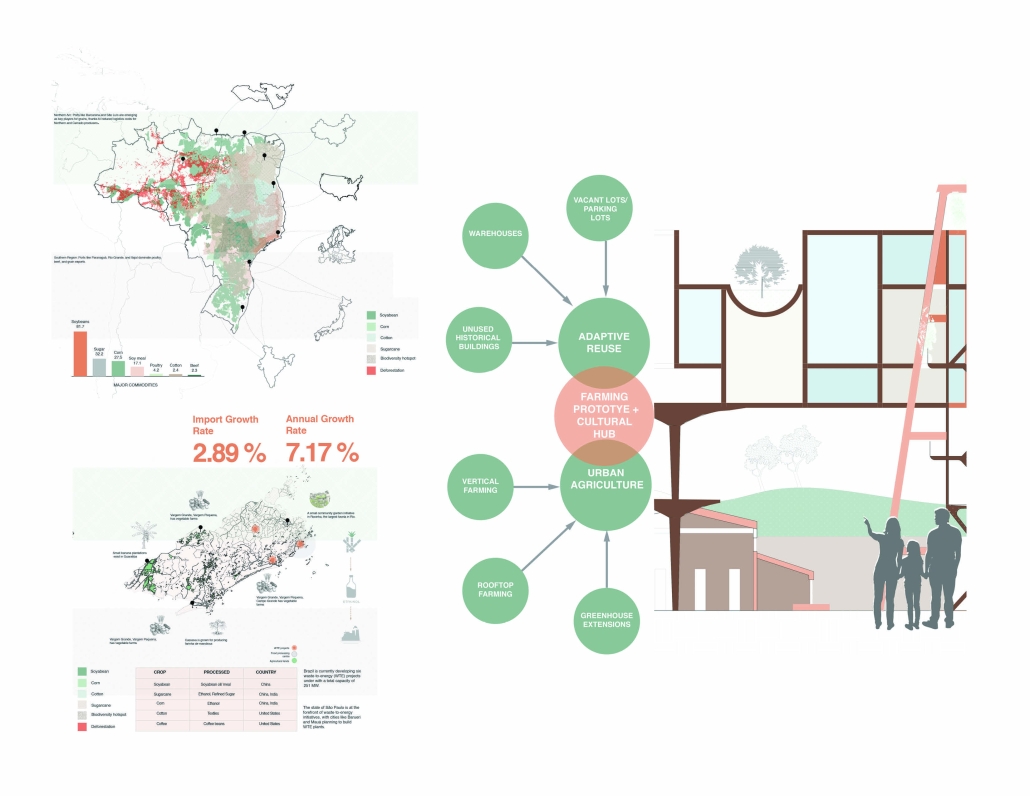
 From these questions, “The Agrarian City” was born, a design framework that proposes scaffolding systems and modular toolkit insertions to retrofit unused buildings into vertical teaching farms. These structures not only produce food but also serve as platforms for education, skill-building, and community gathering. 

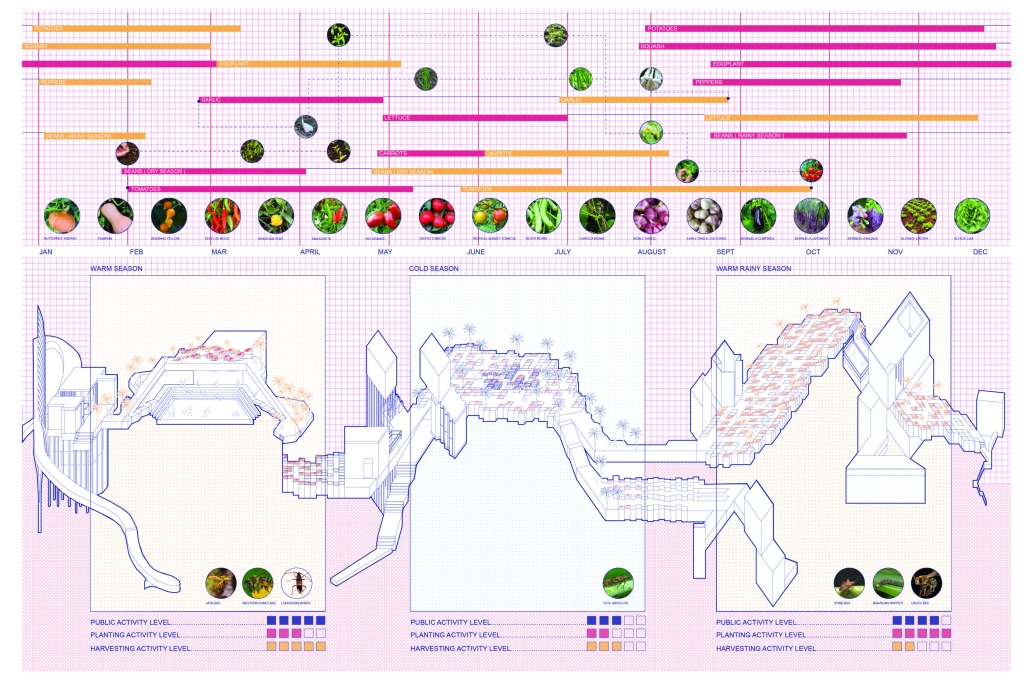
Our pilot site in São Cristóvão, Rio de Janeiro, is rooted in the principles of adaptive reuse, seasonal crop planning, and integrated spatial systems that blur the lines between agriculture, learning, and public life. By treating architecture as an evolving, regenerative system rather than a static form, the project aims to demonstrate how the built environment can support ecological restoration, food justice, and social empowerment. At its core, The Agrarian City is about growing, reusing, and educating, rethinking the role of architecture as a living system that cultivates resilience and belonging within the urban fabric.

Instagram: @aneesha_muthuraj, @ev07, @marcelladelsi

Nuclear Landscapes of New Mexico by Amanda Champion, Master of Landscape Architecture (MLA)’25
University of New Mexico | Advisors: Catherine Page Harris, Chris Wilson, Nora Wendl & Dr. Myrriah Gomez

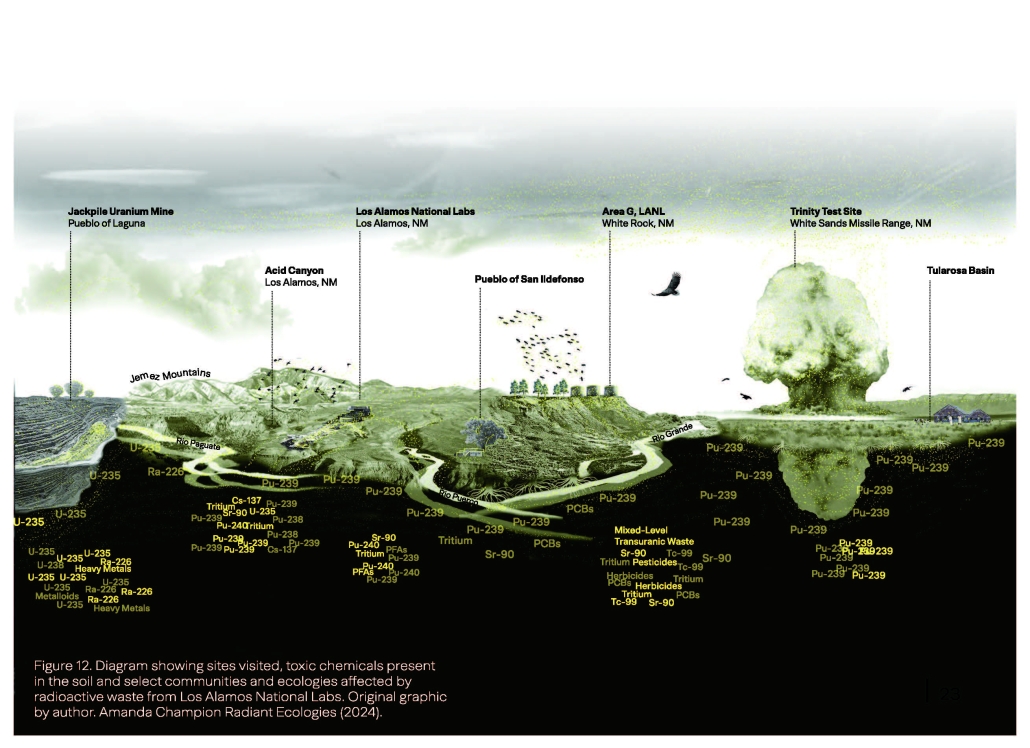
Champion (MLA 2025) investigated Acid Canyon, Los Alamos, NM, through her master’s project, making visible water moving plutonium through public recreational landscapes into the Rio Grande. Champion wrote, “The landscapes of nuclear sites, both historic and contemporary, are designed spaces that tell specific stories about the societies we live in. Whether highly visible industrial infrastructure or naturalistic spaces touched by the invisible yet toxic hand of radiation, these landscapes are woven into the fabric of the New Mexican landscape … Many of these landscapes are unknown due to the intentional secrecy of the federal government around the nuclear weapons industry.”

This project received a master’s distinction.

Instagram: @a_man_dog, @cph_landart

Roots and Rails by Alyssa Ascani, Naomi Metzger & Siraphat Sukarom, M.Arch ’25
New York Institute of Technology | Advisors: Marcella Del Signore & Evan Shieh

“Roots and Rails” is a design thesis focused on reimagining food distribution infrastructure in Brazil at a micro scale, specifically in the São Cristóvão neighborhood of Rio de Janeiro. The project addresses issues of food insecurity, infrastructure inequality, and community disconnection, proposing a local food network.

Brazil is a major exporter of agricultural goods, but simultaneously imports rising amounts of processed food. In neighborhoods like São Cristóvão, this results in food deserts and traffic congestion from export-driven transport. Mapping studies revealed that large portions of the population live beyond walkable distances to grocery stores, especially in dense areas like favelas.    

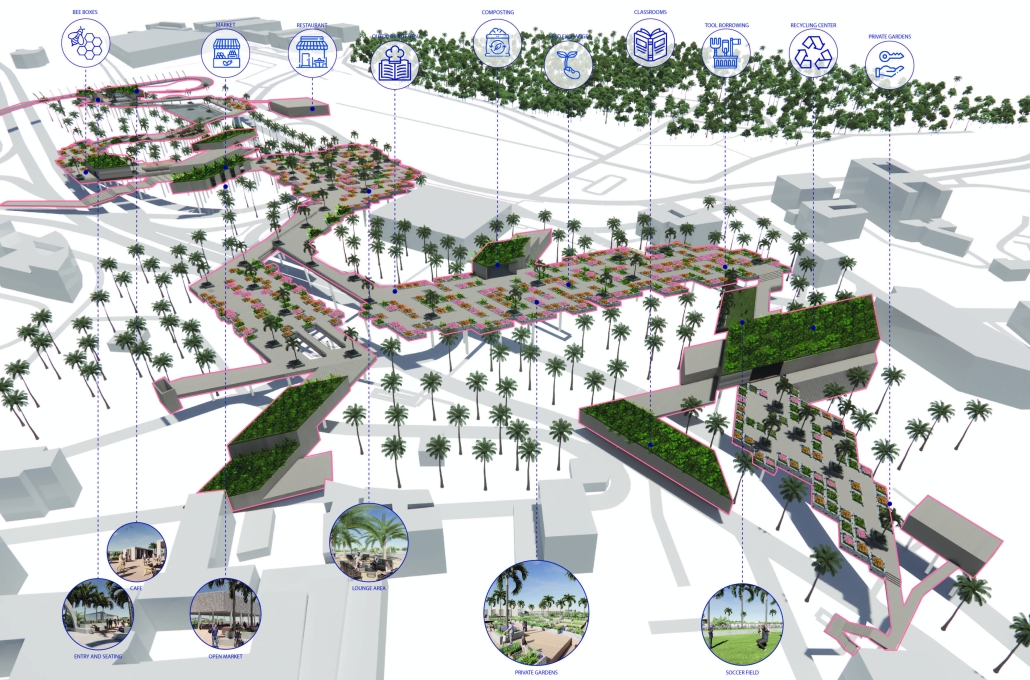
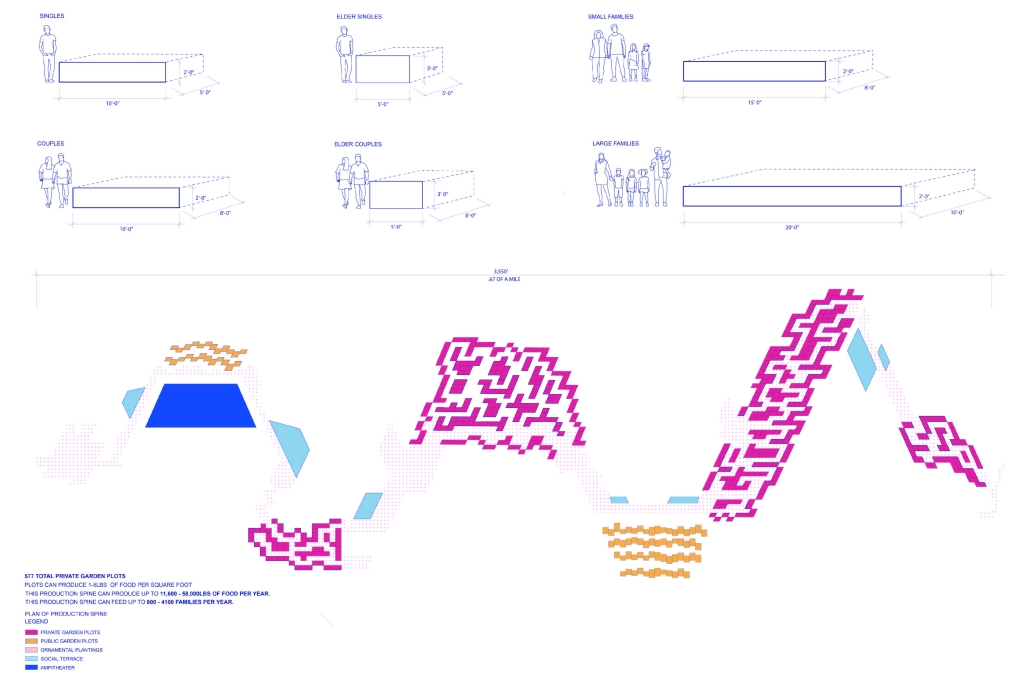
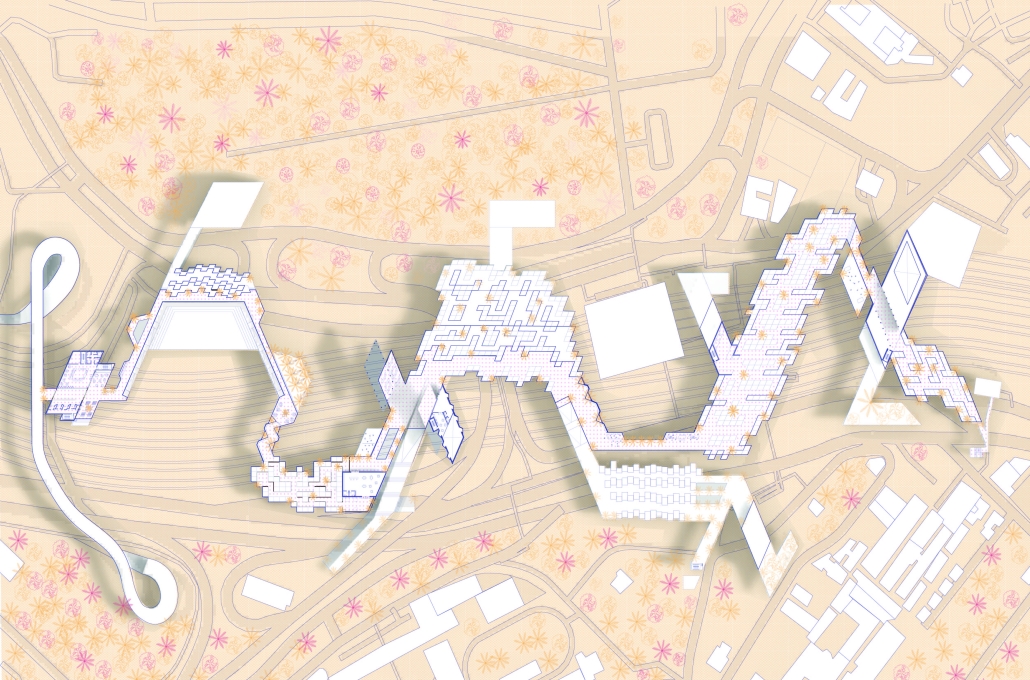
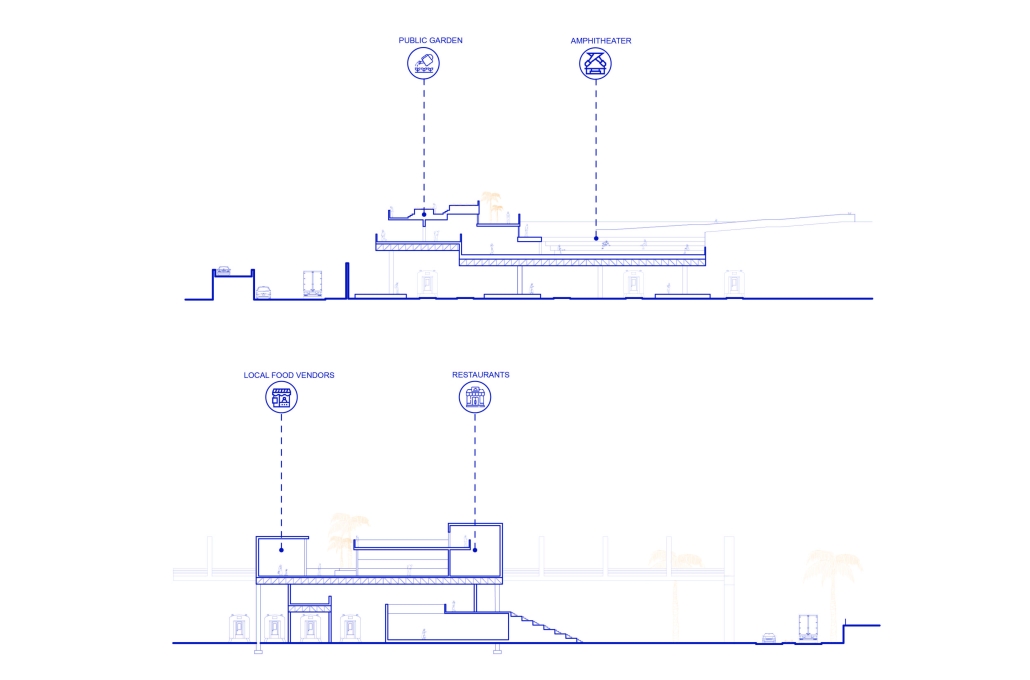
Our solution transforms underutilized land and divides urban infrastructure, specifically the railway corridor, into a linear public food system. We identified three vacant or unproductive sites along the railway and connected them with a continuous “spine” built above the tracks. This elevated path hosts production, consumption, exchange, and celebration programs, forming the core of a new community-based food network.

The spine includes community gardens, open markets, dining areas, and public spaces. It is accessible via existing pedestrian bridges and integrates with surrounding neighborhoods, connecting local businesses, bars, restaurants, and homes. The spine’s design allows programs to “bleed” into adjacent areas, transitioning from large-scale infrastructure to neighborhood-scale interventions.

Gardens are divided into private, communal, and market plots, with varied sizes to serve individuals, families, and elders. These plots supply fresh produce to local vendors and cafes located along the spine, and excess goods can be distributed via the adjacent railway. Additional elements include amphitheaters, educational classrooms, seed exchange hubs, and compost stations.

A management team oversees garden plot rentals, market operations, and waste management. Organic waste is collected, composted, and returned as fertilizer, creating a sustainable loop that reduces pollution and supports local agriculture.

Roots and Rails reclaim neglected infrastructure to serve the local community, transforming a divisive element of the city into a unifying, productive space. The project not only tackles food insecurity but also fosters local economies, environmental sustainability, and community resilience through thoughtful urban design

Instagram: @ascaniarchitecture, @naomilewinter, @pattapsp, @ev07, @marcelladelsi

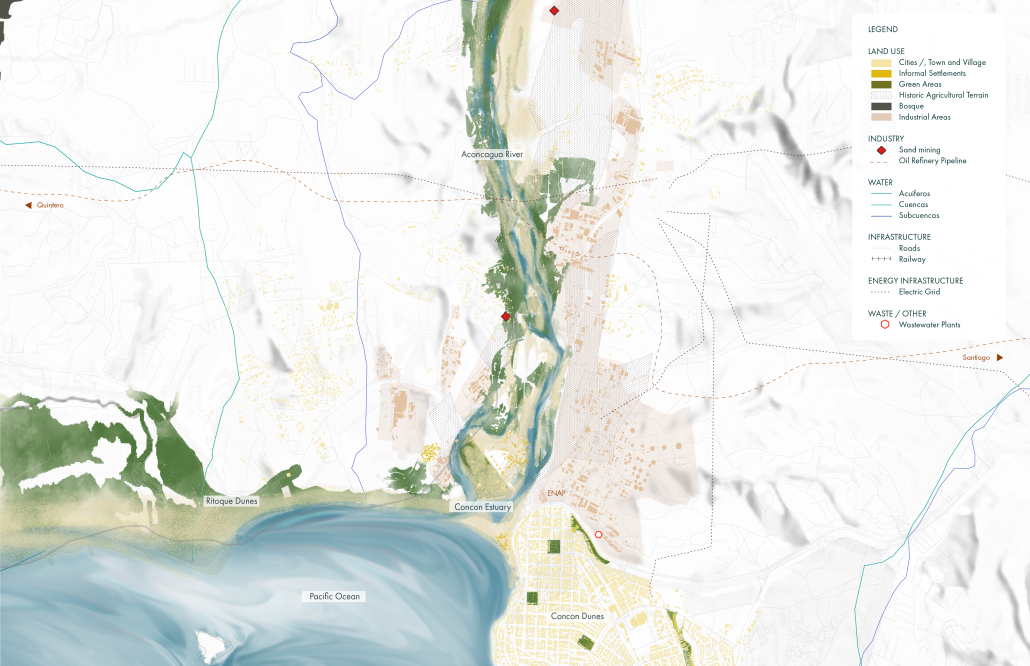
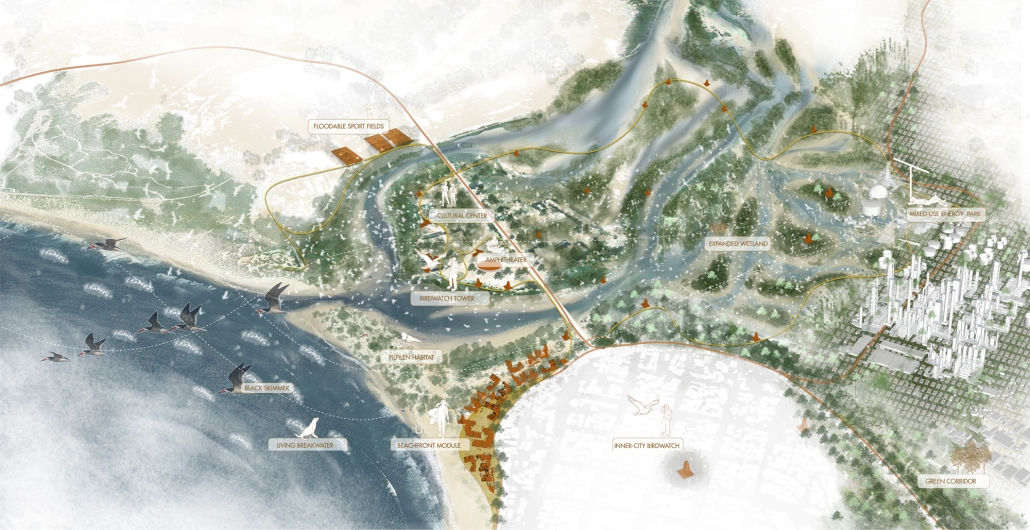
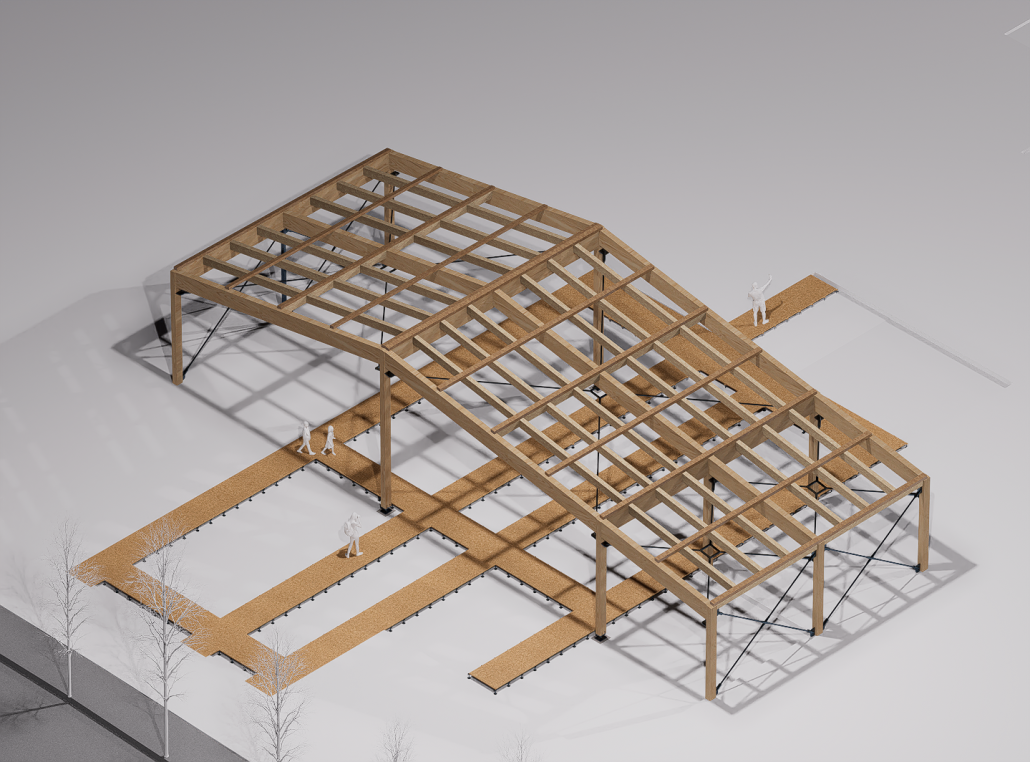
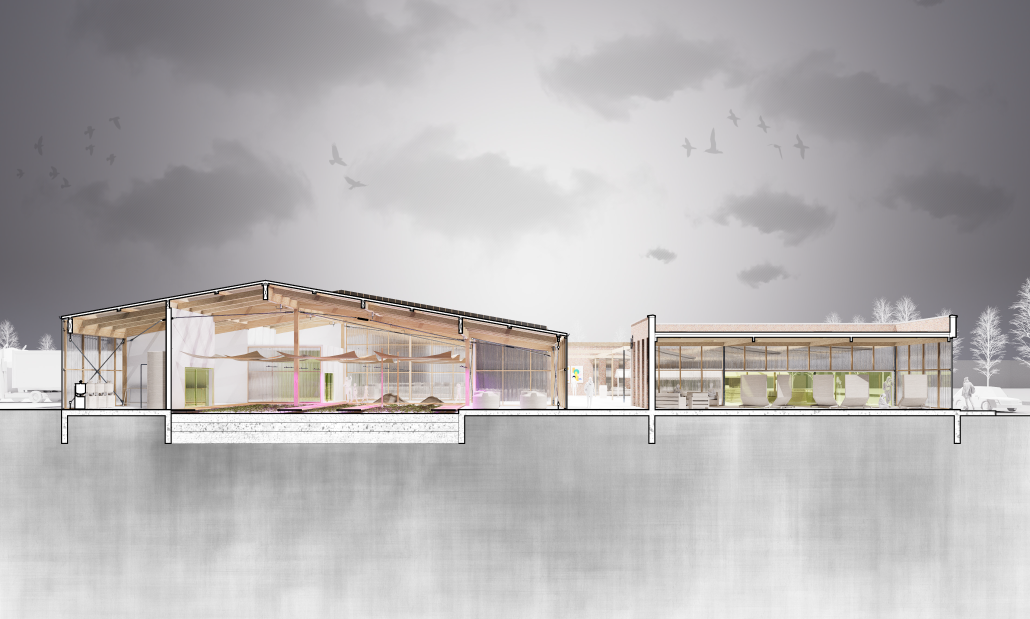
Reimagining Concon Estuary: Reclaiming Concon With Community-Led Catalysts by Mutita (Maeve) Ouk, Vicky Sindac Gomez, Daisy Castro & Qingyi (Eva) Gan, M.S. Architecture and Urban Design (MSAUD) ’25
Columbia University | Advisors: Kate Orff, Geeta Mehta, Sebastian Delpino, Gabriel Vergara, Emanuel Admassu & Lucas Coelho Netto

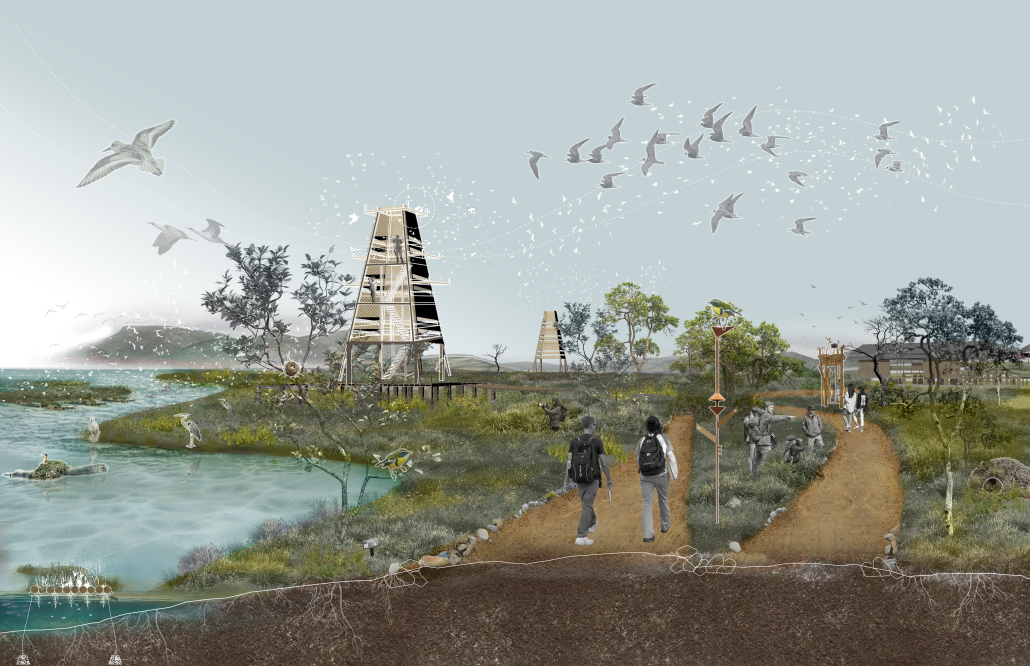
What if the Concon Estuary and the surrounding wetland ecosystem were restored to enhance the well-being of local flora, fauna, and community?

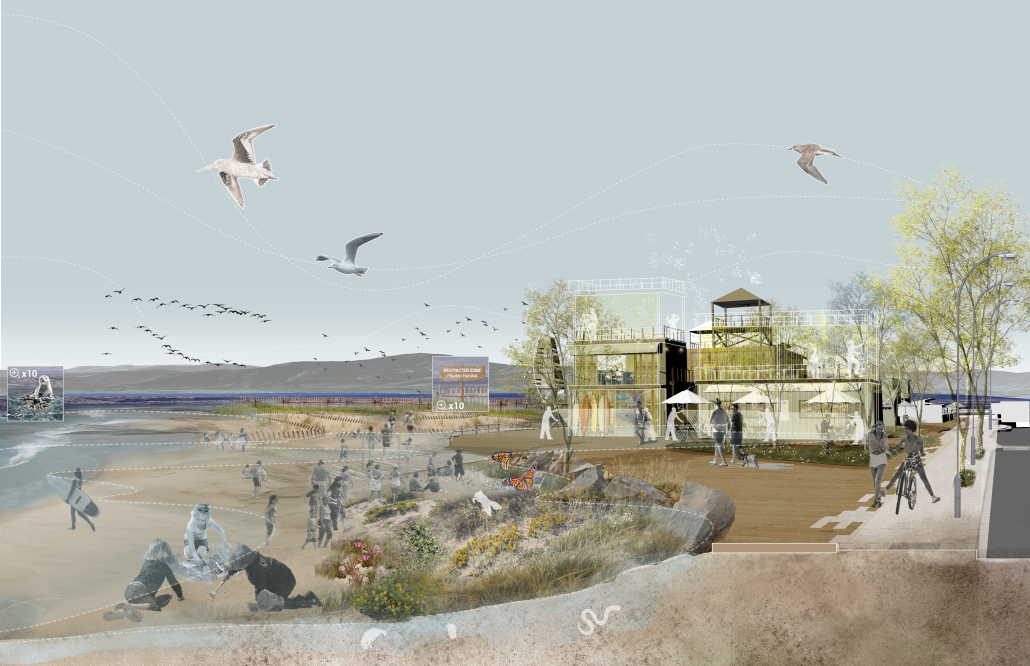
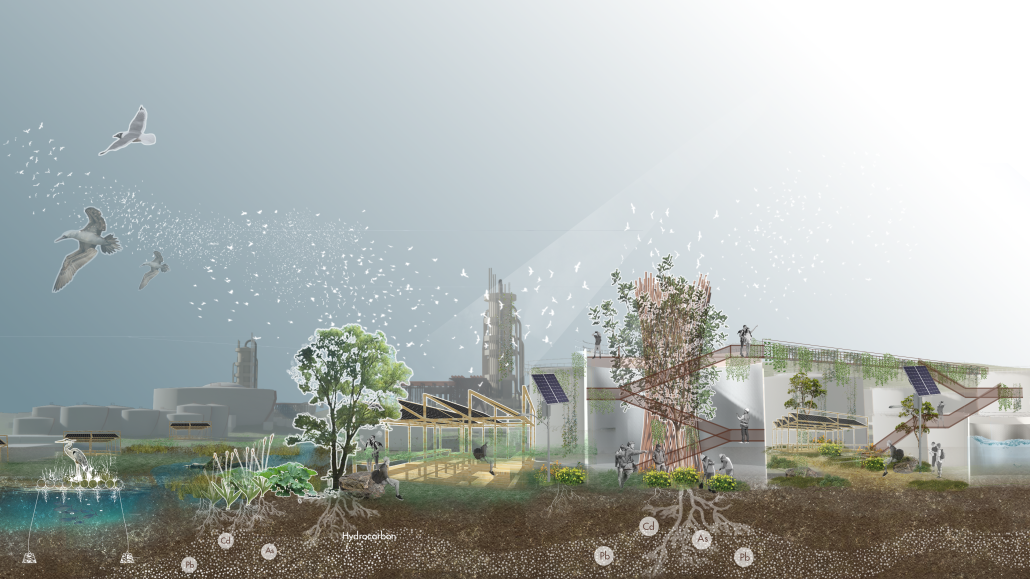
The Concon Estuary, located in the coastal region of Valparaiso, Chile, is a vital transitional zone between the Aconcagua River and the Pacific Ocean. It boasts rich biodiversity and a dynamic landscape that constantly changes throughout the days, seasons, and years– where river meanders, ocean tides fluctuate, sediment flows, and birds are free to come and go. However, human activities, including urban development, pollution from the ENAP oil refinery, the Asfalcom cement factory, sand mining, waste dumping, and unregulated recreational activities, have placed significant pressure on the ecosystem. This constant resource extraction and exploitation has led to more frequent and intense storm surges, increased flood risks due to rising sea levels, habitat loss, saltwater intrusion, shifting river course, and unregulated activities. 

ENAP, the primary polluter, contributes little to the local economy. Locals rely on small businesses along the beach that are poorly constructed and are exposed to flood risks due to the abrupt transition between the coastline and the urban area. Given Chile’s policy goals of replacing fossil fuels with renewable energy and the risk of sea level rise, we envision a future where ENAP is gradually phased out, paving the way for sustainable energy sources. Throughout this transition, the existing industrial structures and operations will be integrated into the design process to mitigate pollution and environmental impacts. Additionally, sand mining will be banned to facilitate the regeneration of the wetland ecosystem and restore its natural space. This will also create new job opportunities, supporting a more resilient and sustainable way of life for the community.

Click here to learn more.

Instagram: @mutita.ouk.arch, @vsg.arch, @dyc_urbdesign, @gsapp_aud, @mehtageeta999, @gabrielvergarag, @sdelpino_arq, @eadmassu, @lucascoelhonetto

Mount Baker Urban Farm [CLT Cannibalism Studio] by David Oluwamayowa Asokeji, M.Arch ’25
University of Washington | Advisor: Susan Jones

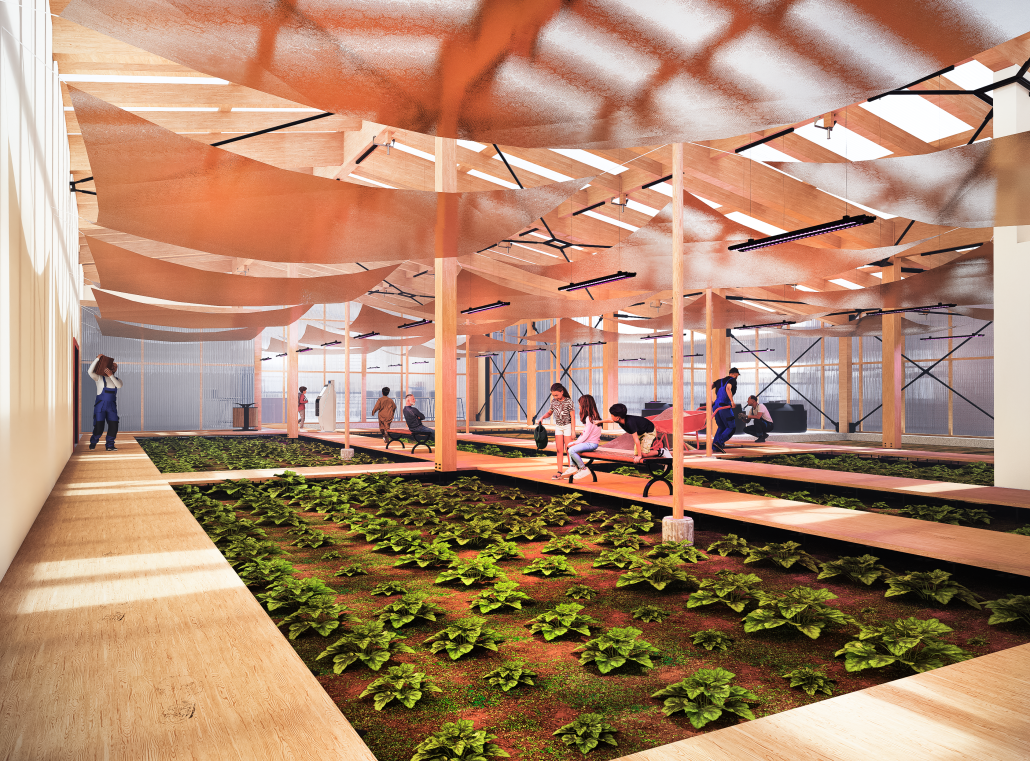
“Mount Baker’s Urban Farm” is a transformative community-based project that confronts food insecurity and economic disinvestment in Seattle’s Black and African American neighborhoods. Designed as a local response to systemic inequities in food access, the project reimagines urban agriculture as both a cultural anchor and a platform for environmental resilience.

At its heart is the Cassava plant—an essential staple crop widely used across West Africa, Southeast Asia, and South America. Known for its versatility and low-waste processing, cassava becomes both the functional and symbolic backbone of the farm. The crop supports not only flour-based food production but also textile, paper, and material research initiatives, making it a dynamic resource for community-building and circular design.

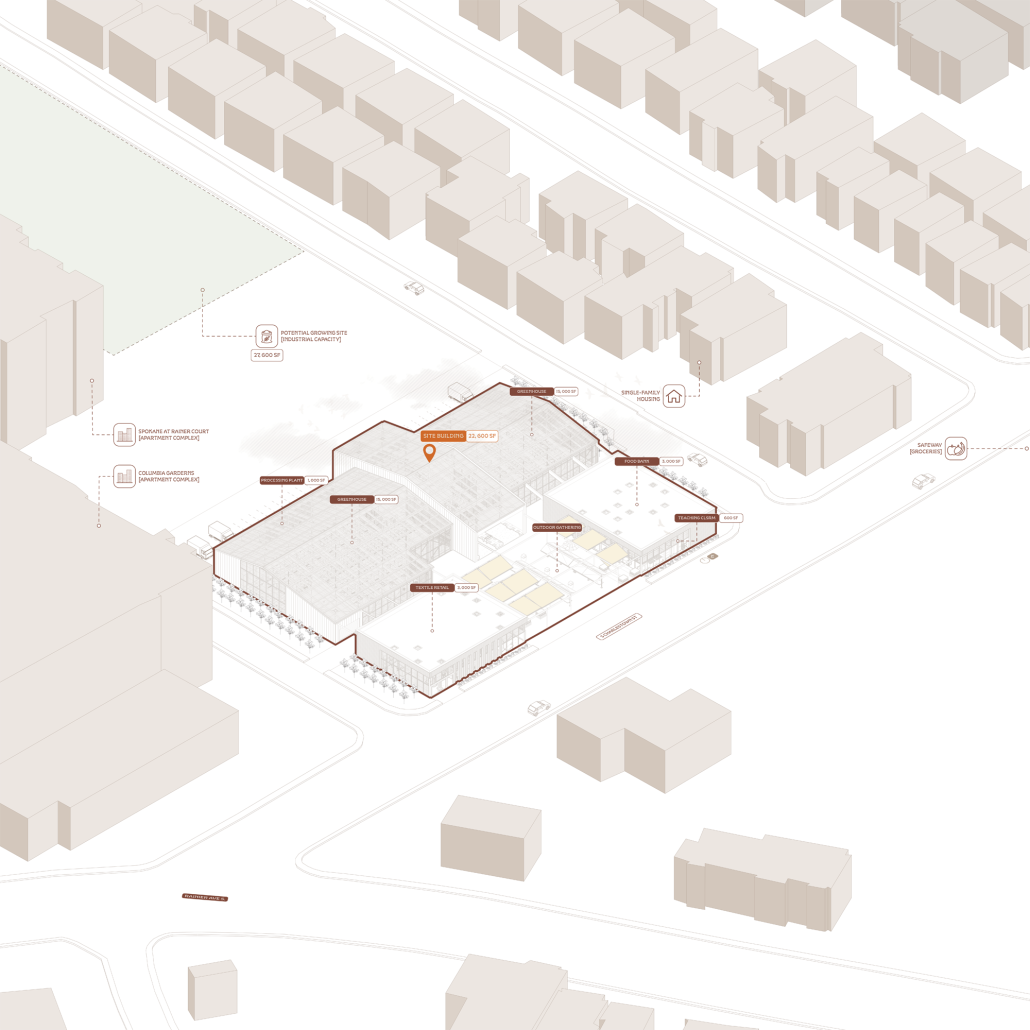
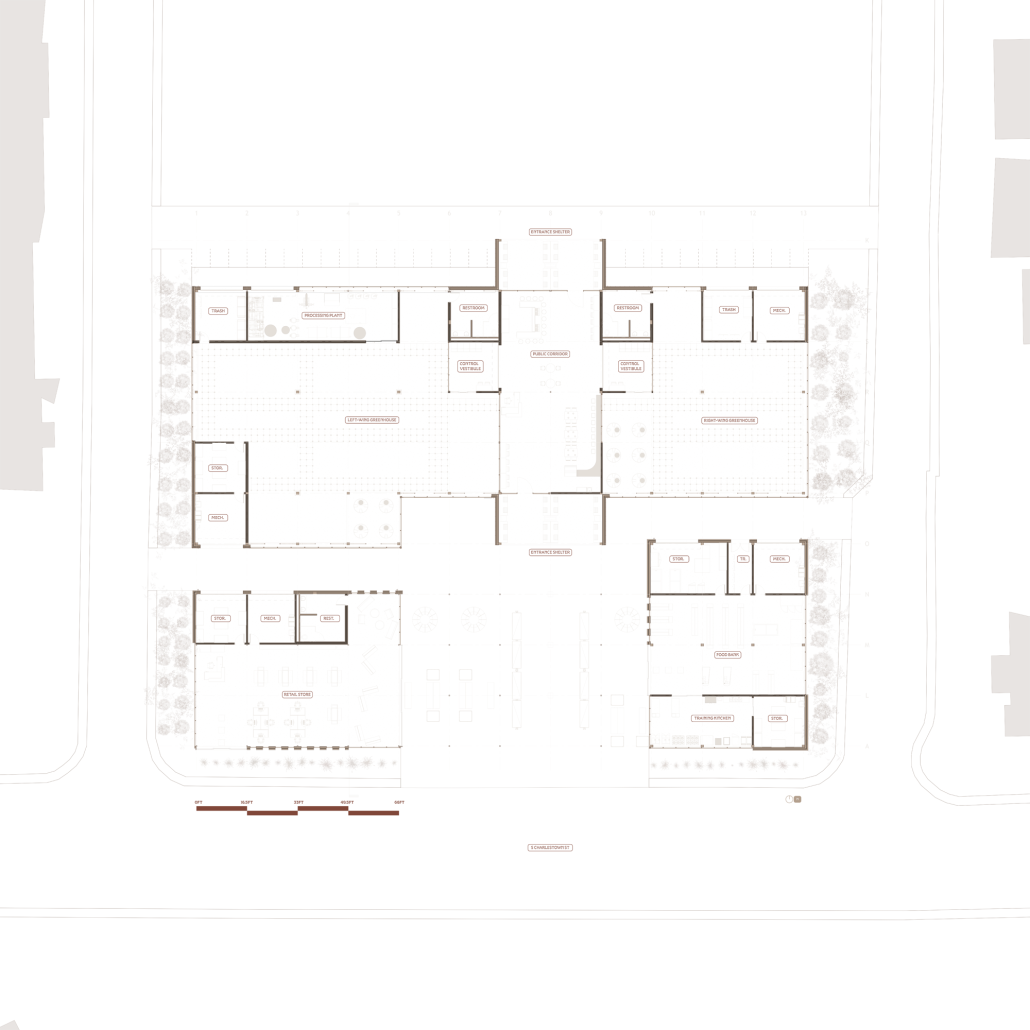
This urban farm integrates a greenhouse, processing plant, teaching kitchen, community food bank, textile fabrication studio, and a public-facing retail space. Together, these programs create a closed-loop system of cultivation, education, and empowerment. The design fosters hands-on learning through cooking classes and sustainable farming workshops, while simultaneously supporting food relief through onsite distribution.

An open-air courtyard anchors the project, acting as a communal gathering space and visible nexus of exchange. Here, architecture supports transparency, wellness, and social cohesion—inviting the public into the often-hidden processes of food production and collective stewardship.

More than just a farm, Mount Baker’s Urban Farm positions architecture as a tool for social equity, ecological intelligence, and economic resilience. It exemplifies how built environments can honor cultural heritage, activate underutilized spaces, and nourish both people and place.

Click here to learn more.

Instagram: @davidasokeji_0, @dbaarchitecture, @atelierjones

Equinox House: Contextual Materiality of a Residence by Austin Small, B.S. in Architecture ’25
University of Virginia | Advisor: Peter Waldman

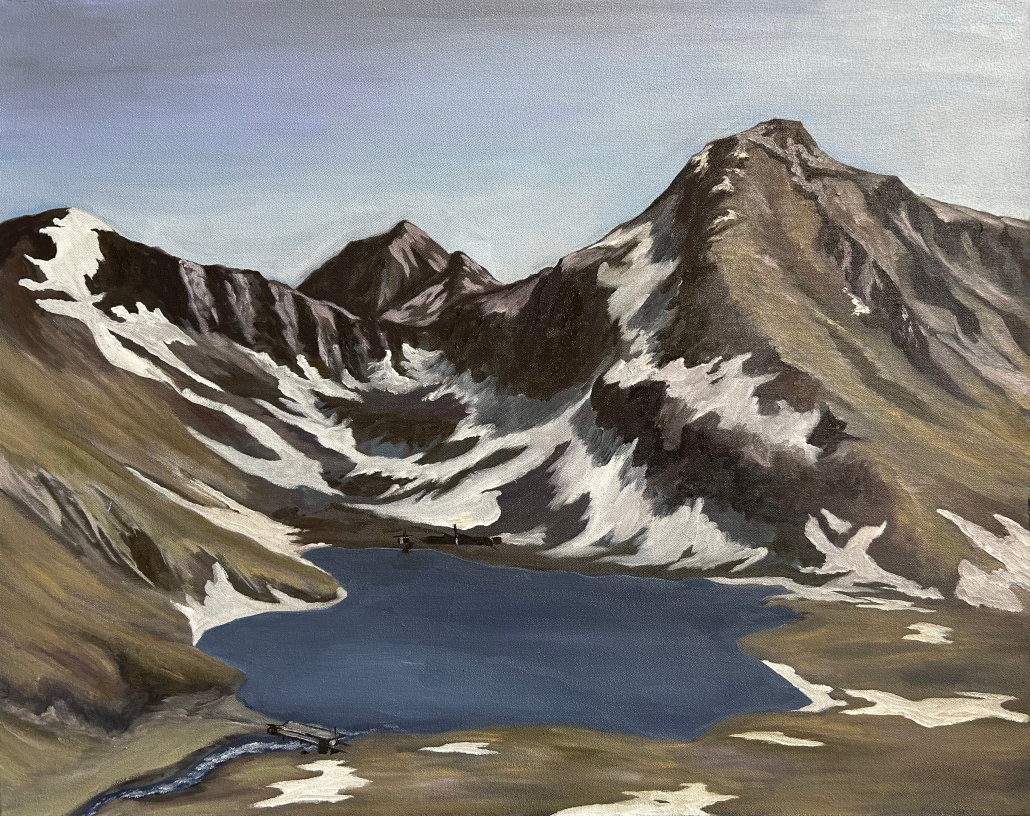
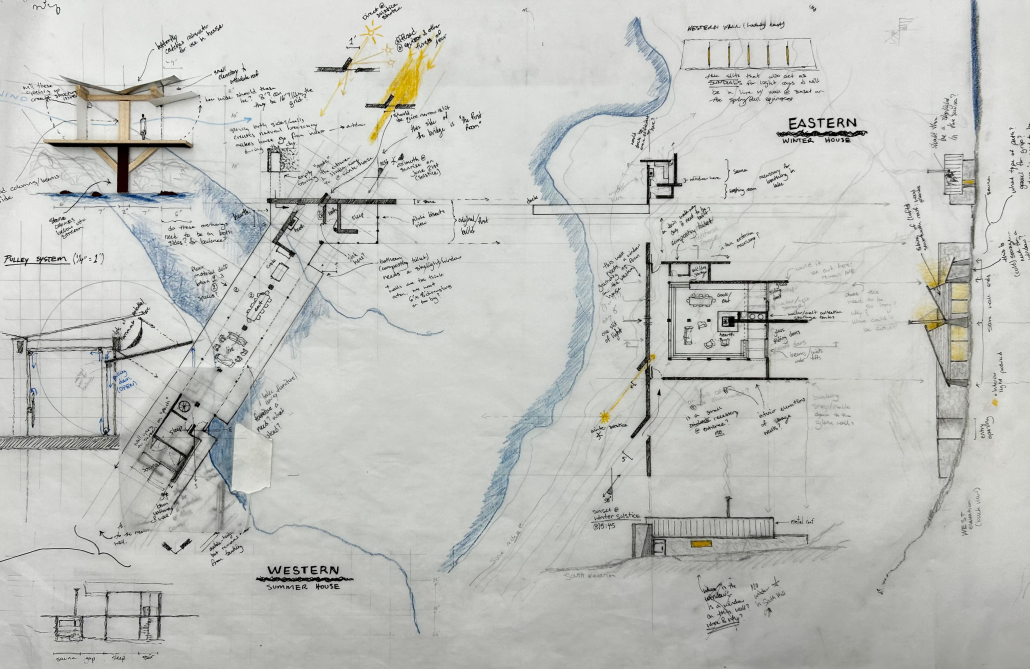
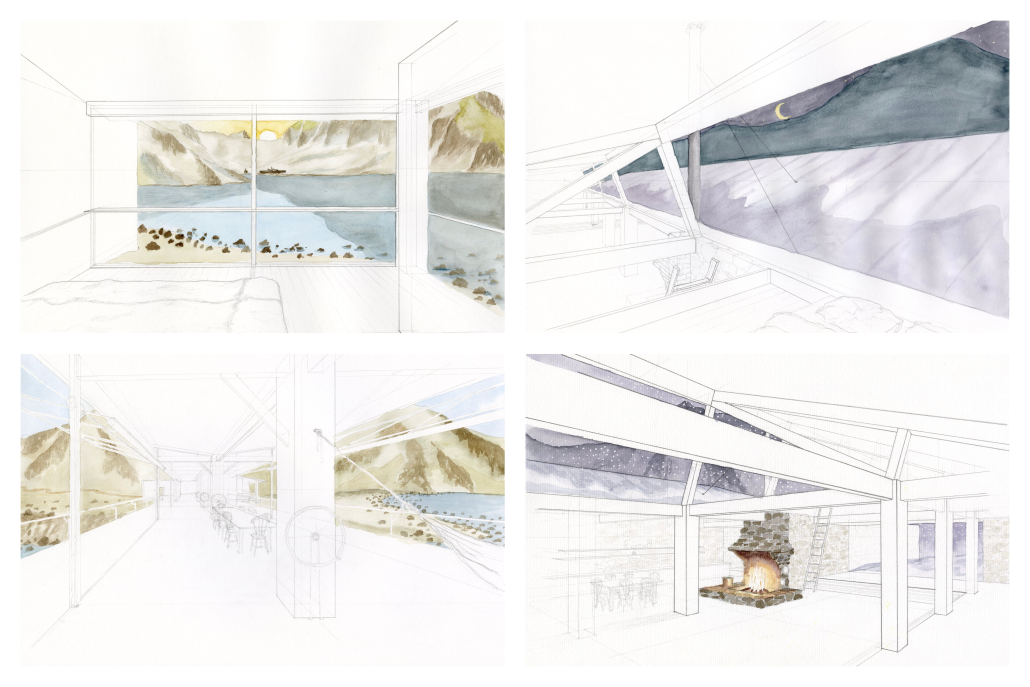
Rabbit Lake, southeast of Anchorage, Alaska, is a peacefully calm, yet brutally intense landscape tucked into a corner of the Chugach Mountains. Reaching the lake involves a two-mile hike from the nearest road access point after driving 10 miles out of the city. Sitting higher than the alpine line, roughly 3200ft above sea level, the lake and its surrounding mountains are void of trees; the shores instead are dotted with shrubs and littered with rocks that have been shed in avalanches over the years. 

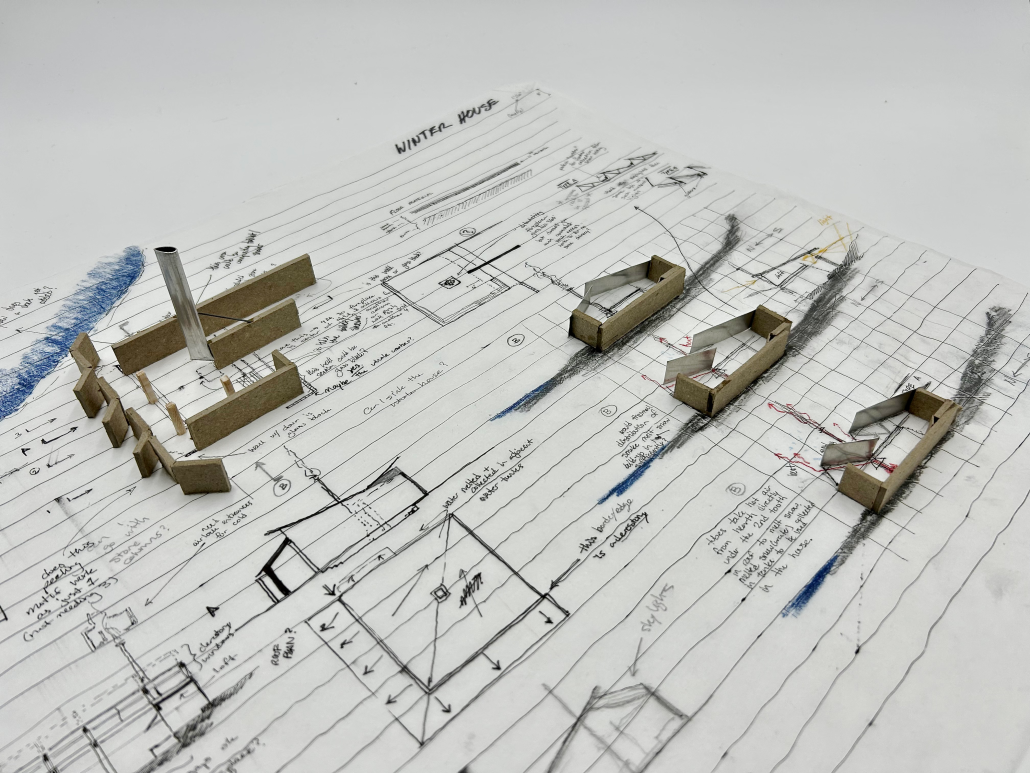
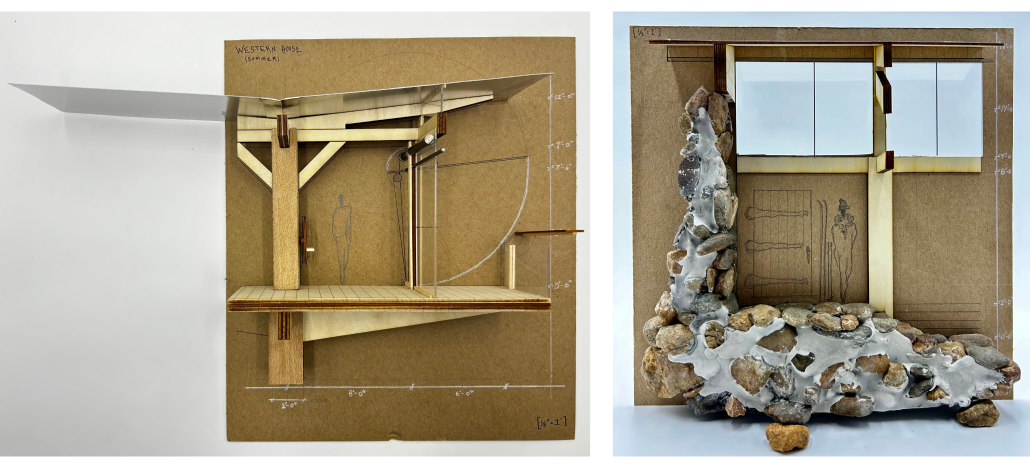
One half of the project sits atop a bluff on the western bank, bridging a creek fed by the lake: this is the summer house. Across the lake, directly to its east and braced into the mountain behind, lies the opposing winter house. The two dwellings are connected by their compass alignment and the journey made between them; one that the project proposes is initiated by the solar path on both the vernal and autumnal equinoxes. With one window in both structures directly facing the other, the sunrise and sunset on the equinoxes act as a seasonal sundial, initiating the changeover journey between winter and summer. 

A more immediate indication of movement, the long covered bridge of the summer dwelling is a kinetic structure proposing a blend of interior and exterior. The glass walls on each side of the bridge are designed to rotate and open upward, transforming the span into a livable breezeway. While the Western dwelling is light, breathable, and tectonic, the Eastern house is a burly cave in contrast. Made from the stone found on site, [its] thick walls and a centrally located hearth offer protection and comfort from the sub-zero temperatures of the winter months. The protective western wall guards the structure from harsh winds coming off the lake, while the clerestories of the saw-toothed roof take in as much of the minimal daylight as possible and offer views of the “Aurora Borealis” in the northern night sky.

In an attempt to design a house precisely unique to its setting, this project proposes a response both to the seasonally extreme nature of Rabbit Lake and to the traditional Alaskan lifestyle, a way of living that is intrinsically exterior. The proposal imagines a cast of characters: a nomadic countryman with a possible family, living off the land and lake as much as possible, and maintaining the dwellings in a simple and slow lifestyle by returning to nature. As a result of the drastic seasonal differences in both light and temperature, the project splits the home into two respective dwellings, living not only on the site but with the site; allowing the landscape, and interaction thereof, to complete the proposed design.

This project received the Highest Honors for the 2025 Fourth Year Thesis at the UVA School of Architecture.

Stay tuned for Part VII!

2025 Study Architecture Student Showcase - Part V

In Part V of the 2025 Study Architecture Student Showcase, we take a look at projects centered on equity. From natural highways to aid centers, the featured student work includes design solutions catered toward migrants, widows, and other historically marginalized groups. By providing culturally sensitive architectural interventions, each project fosters resilience, equity, and empowerment. 

Scroll down to learn more!

BARRA DA TIJUCA MARITIME TERMINAL by Justyn D. Grant, M.Arch ‘25
Florida A&M University | Advisors: George Epolito, Andrew Chin & Ronald B. Lumpkin

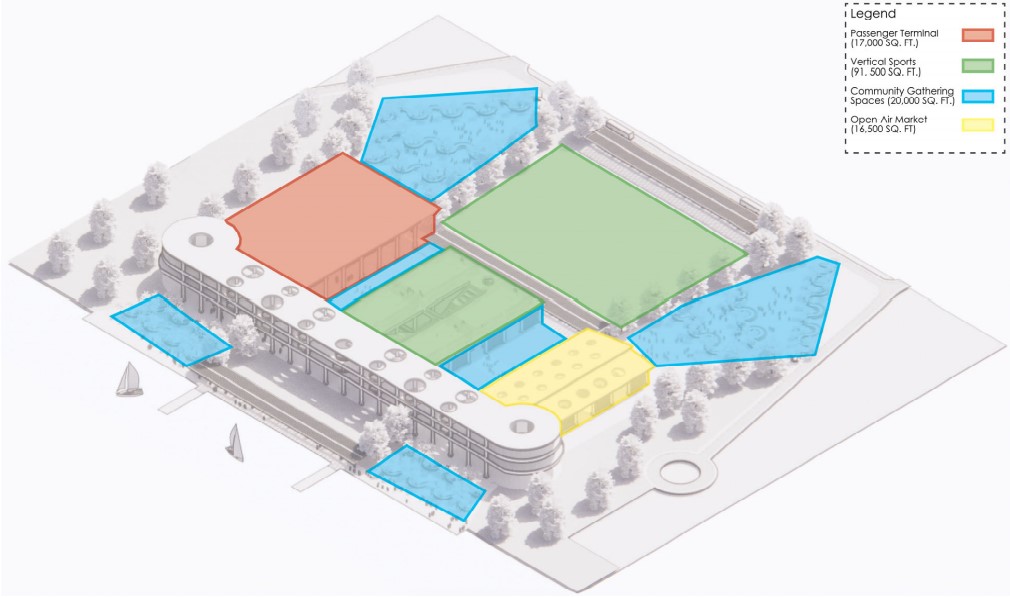
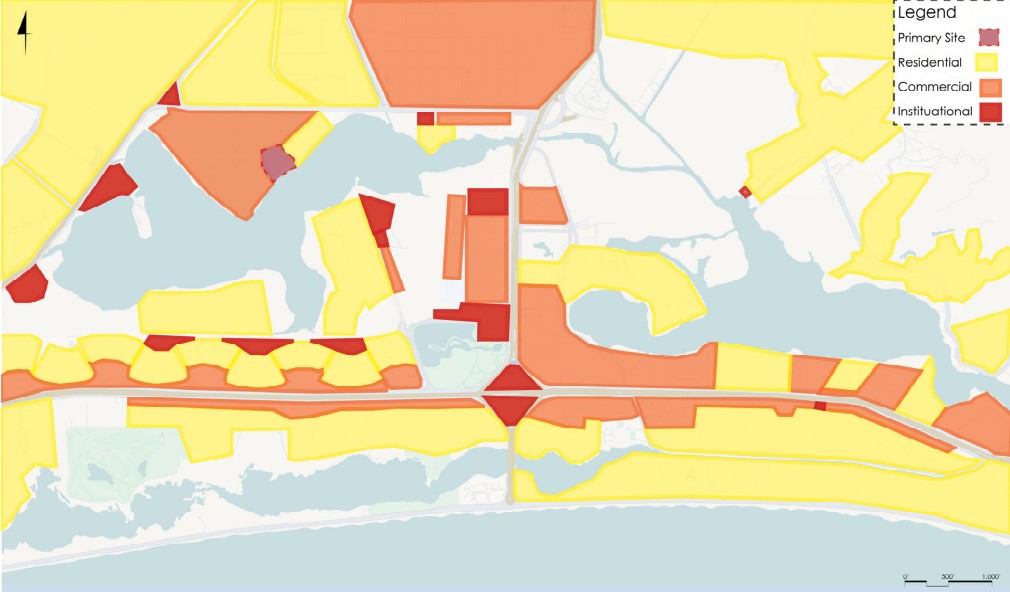
Barra da Tijuca Maritime Highway Terminal responds to a long-standing pattern of neglect toward disenfranchised communities impacted by large-scale global events like the Olympics. This thesis focuses on Rio das Pedras, a self-built favela in Rio de Janeiro, Brazil, that, despite being in proximity to the 2016 Olympic sites, remains disconnected from the infrastructural and economic benefits promised during the event’s planning and execution.

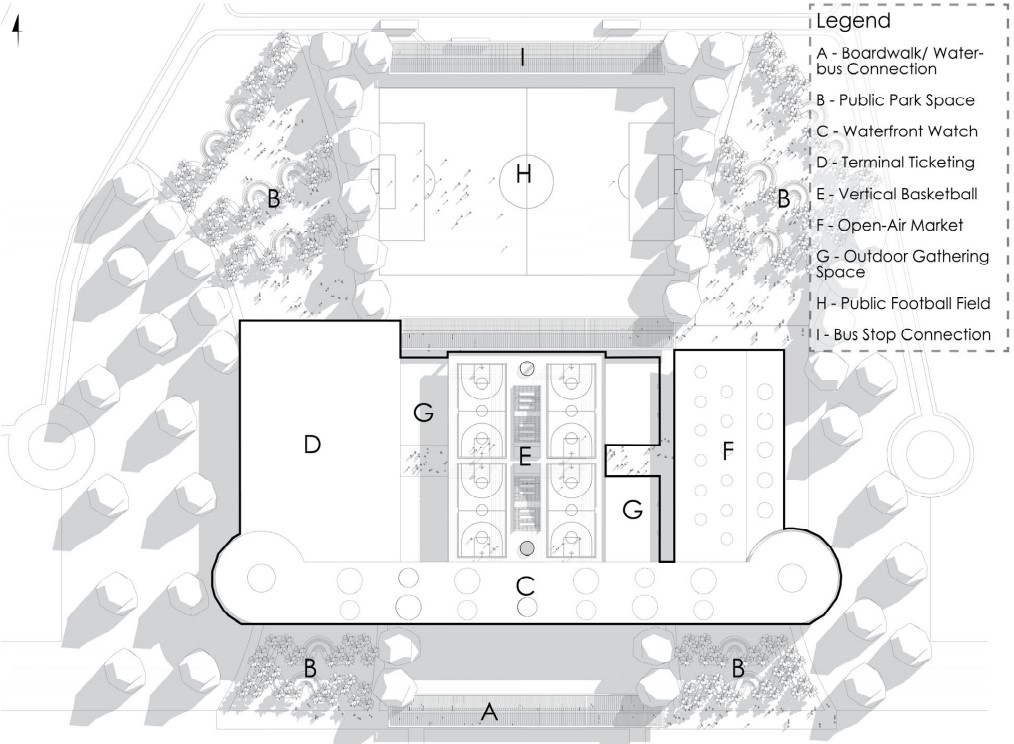
The project proposes a bold intervention: a maritime terminal located at Athlete’s Park that connects Rio das Pedras with the broader Barra da Tijuca area via the lagoon system. This “natural highway” avoids disruption within the favela while offering a culturally sensitive, environmentally harmonious transit solution. The terminal is envisioned as more than a transportation node—it will be a space for economic empowerment, community gathering, and cultural exchange, serving both residents and tourists.

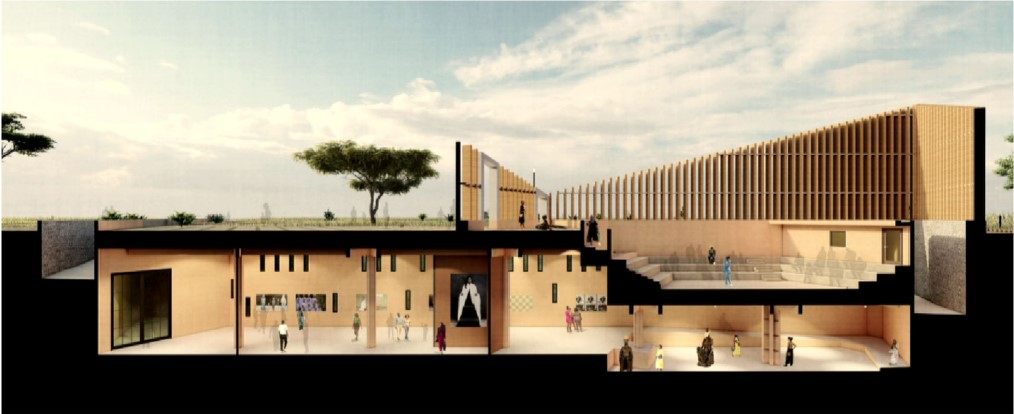
Architecturally, the design draws from the spatial and material logic of Rio das Pedras to promote familiarity, dignity, and inclusivity. By integrating construction practices and vernacular forms found in the favela, the terminal becomes a home away from home—bridging class divides and reshaping perceptions of informal urbanism.

This thesis critiques the post-Olympic urban landscape and interrogates the broken promises of legacy investments. It reframes infrastructure as a tool for equity, proposing design strategies that center the needs and aspirations of historically marginalized communities. In doing so, it advocates for a model of development that honors cultural identity, fosters connection, and plants the seeds for long-term resilience and economic vitality.

Instagram: @famusaet, @famu_masterofarch

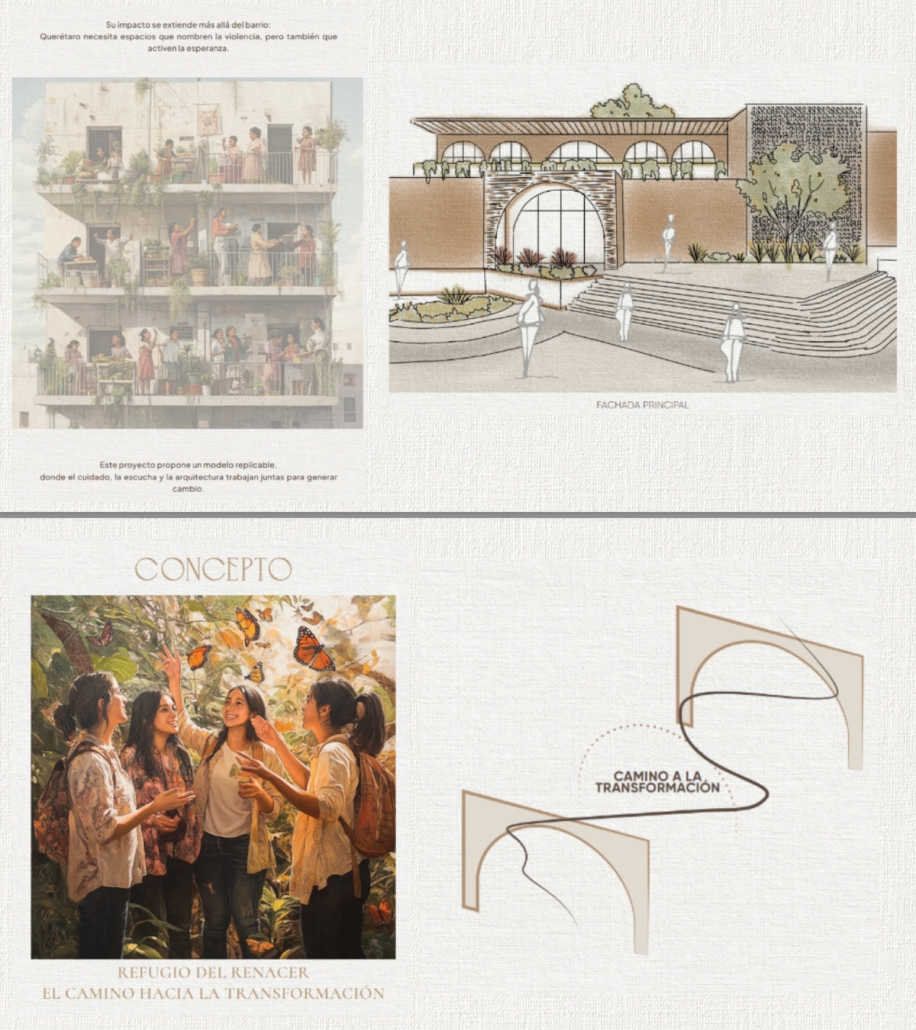
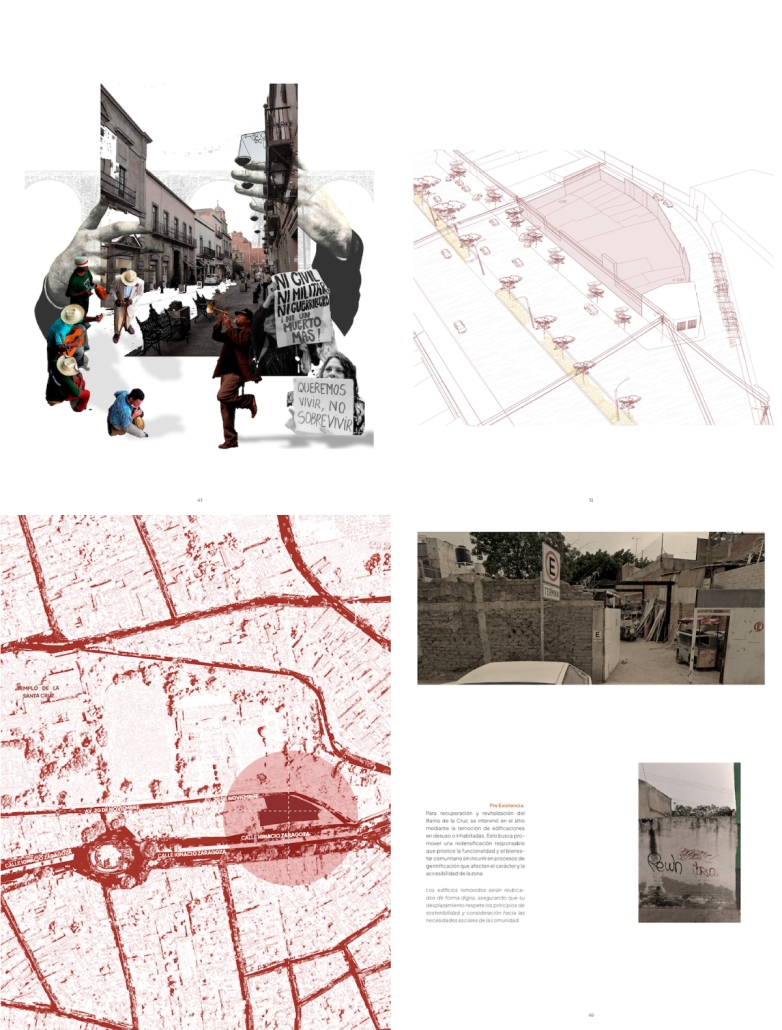
Centro Mariposa: The Refuge of Wings, Women’s Shelter, Querétaro by  Leslie Bocanegra Valdivia, B.Arch ’25
Universidad Anáhuac Querétaro | Advisors: Guillermo Márquez, Patricia Cutiño & Jorge Javier

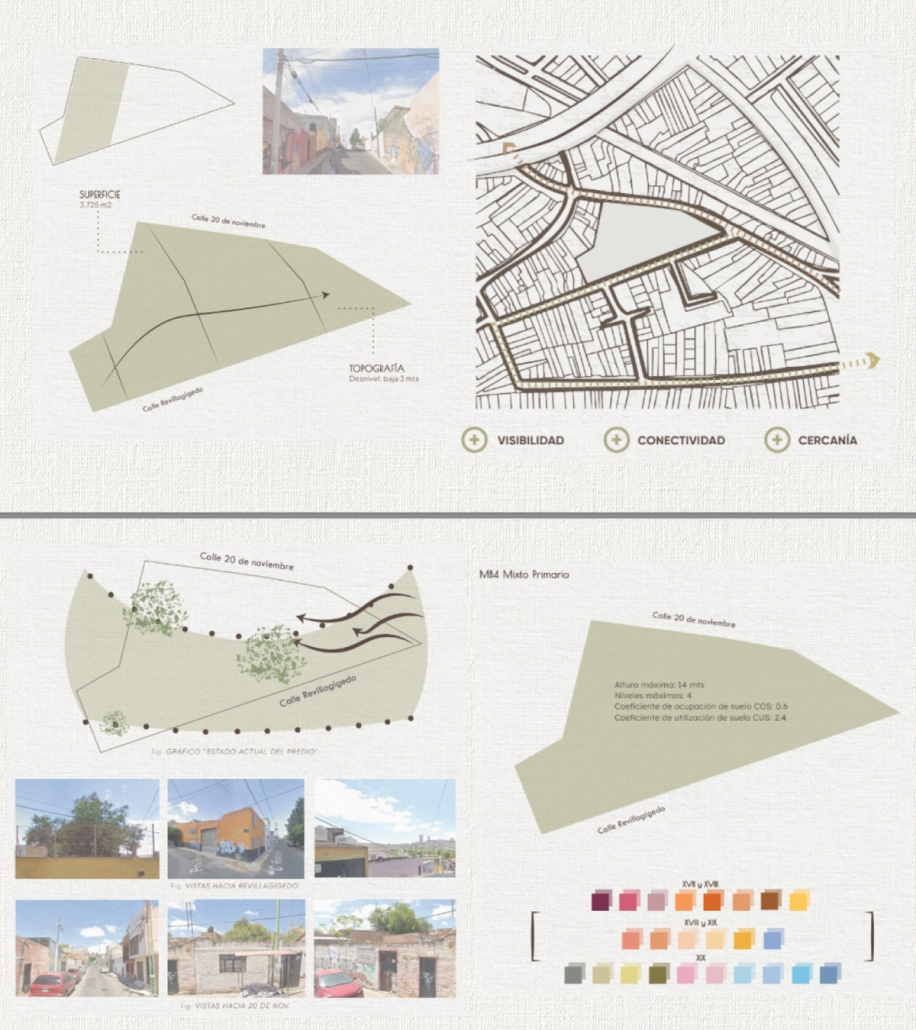
At the heart of the indigenous neighborhood of San Francisquito, Querétaro — a city affected by gender violence and inequality — [is] CENTRO MARIPOSA, inspired by the butterfly’s journey of rebirth, emerges as an architectural space for transformation. In response to the lack of safe spaces for women, the project offers more than refuge; it provides a place to heal, rebuild identity, and begin anew, surrounded by physical, symbolic, and collective protection.

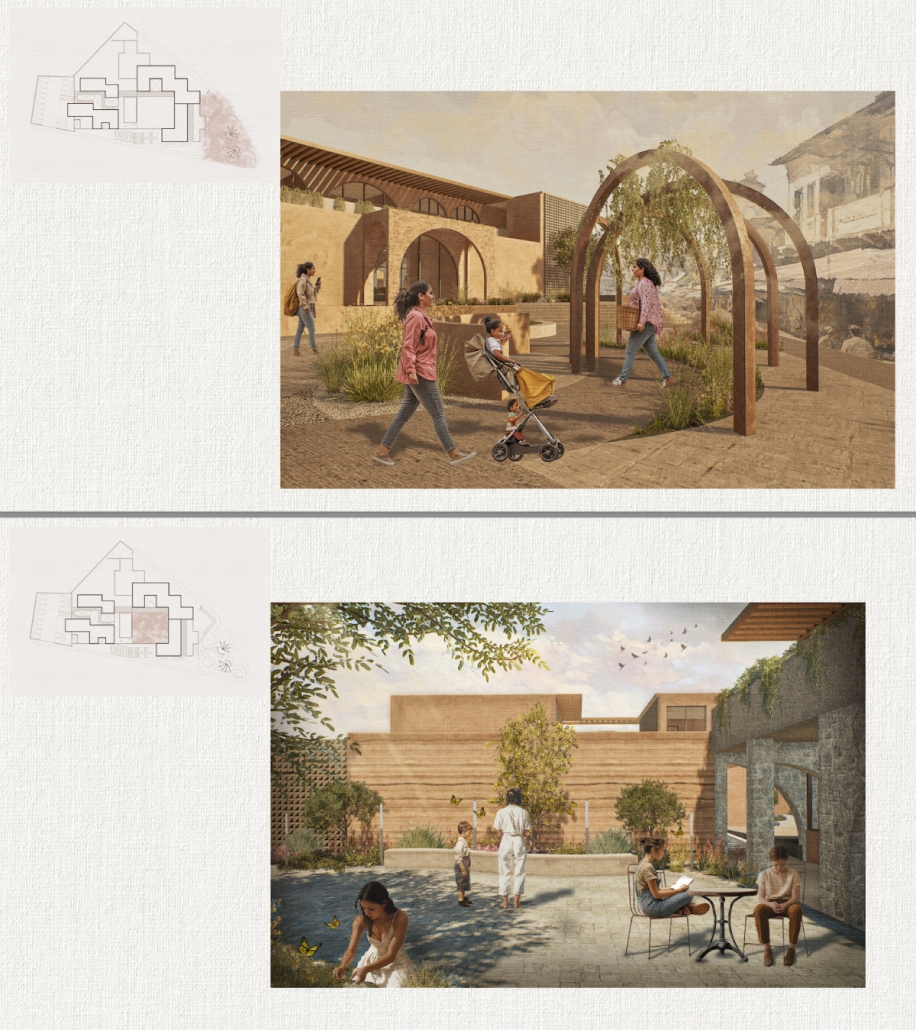
A pavilion marks the entrance — a civic gesture that transforms a neglected corner into a new community anchor. More than a threshold, this space invites gathering and recreation, intervened with messages of resistance. It is here — where the intimate and the public intertwine — that the transition from pain to rebirth begins.

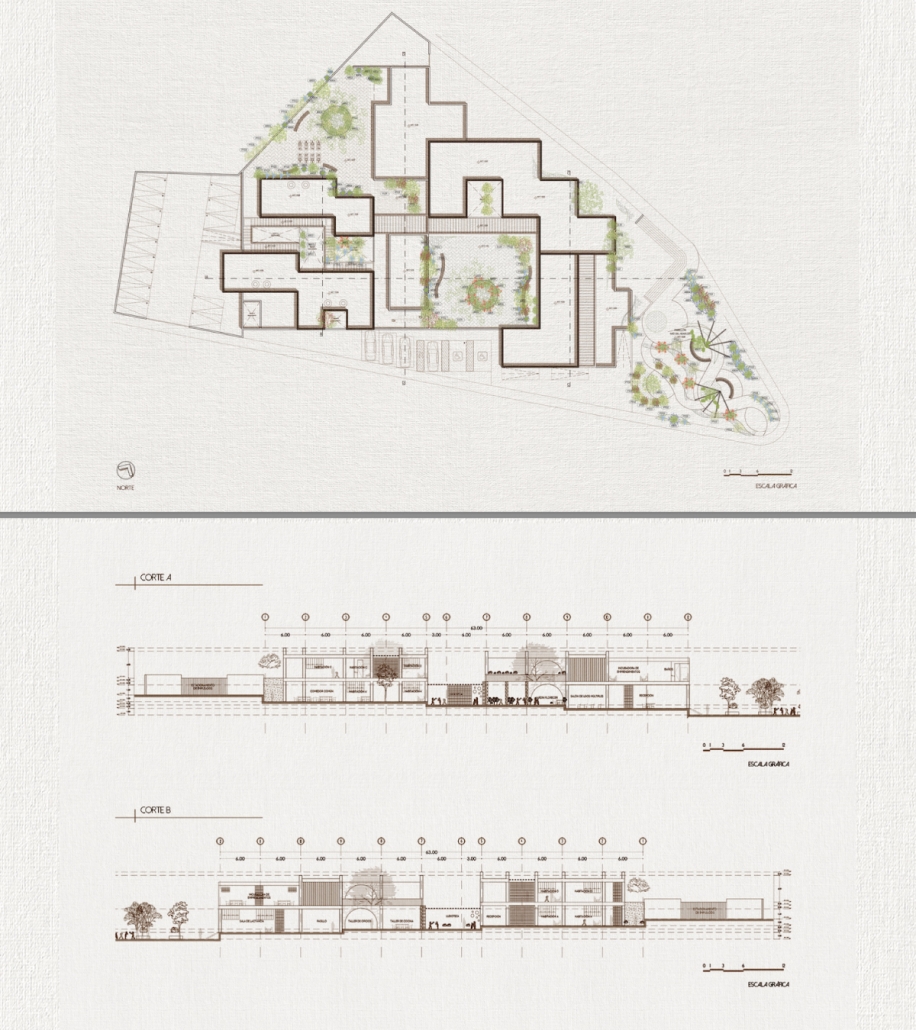
The proposal integrates a network of spaces that respond to women’s needs: medical, legal, psychological, and physical support combine with workshops on crafts, art, recreation, connection, entrepreneurship, and empowerment — all within an atmosphere of mutual care and healing. A temporary shelter area offers safety, professional support, and dignity to those in urgent need, the architecture draws inspiration from metamorphosis: Organic paths, contemplative patios, and warm materials create a nurturing environment. Every architectural gesture is an act of care. The design respects the neighborhood’s heritage and connects with the land and its people.

The impact of CENTRO MARIPOSA extends beyond its walls. It seeks to heal a community, rekindle hope in forgotten spaces, and offer Querétaro a model of architecture grounded in social justice and gender equality.

Like a butterfly, each woman who finds strength here takes flight — lighting the way for others to rise, transform, and soar.

Instagram: @leslie_bocanegra, @bocle.architecture, @arquitectura_anahuac, @arqwave

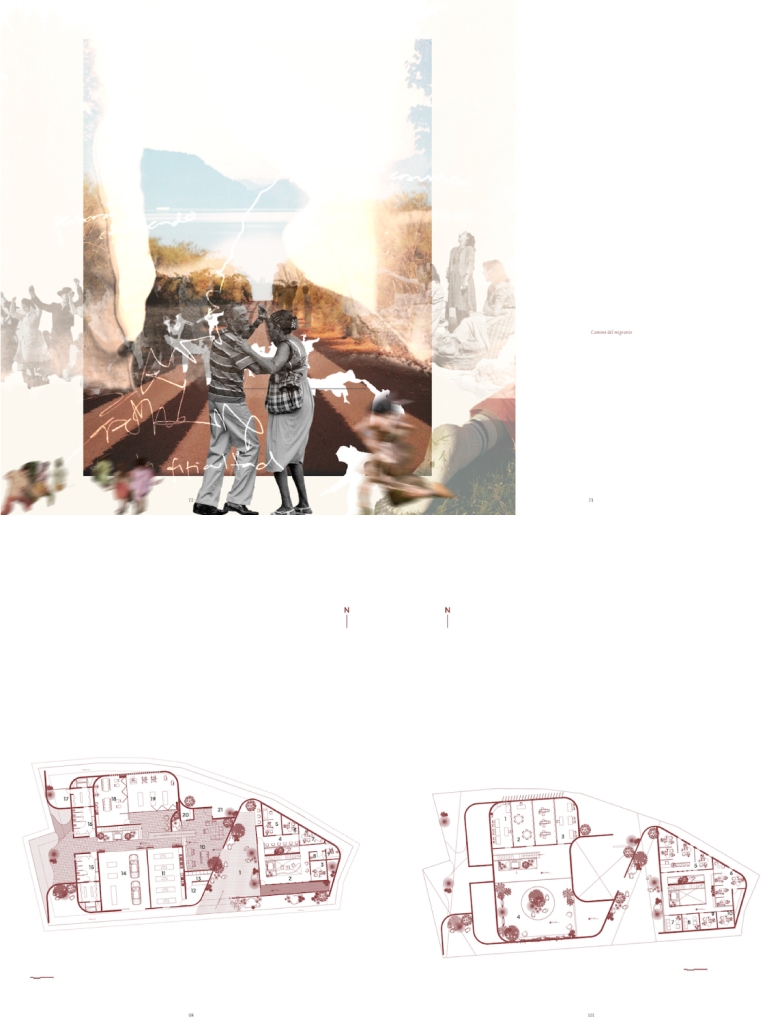
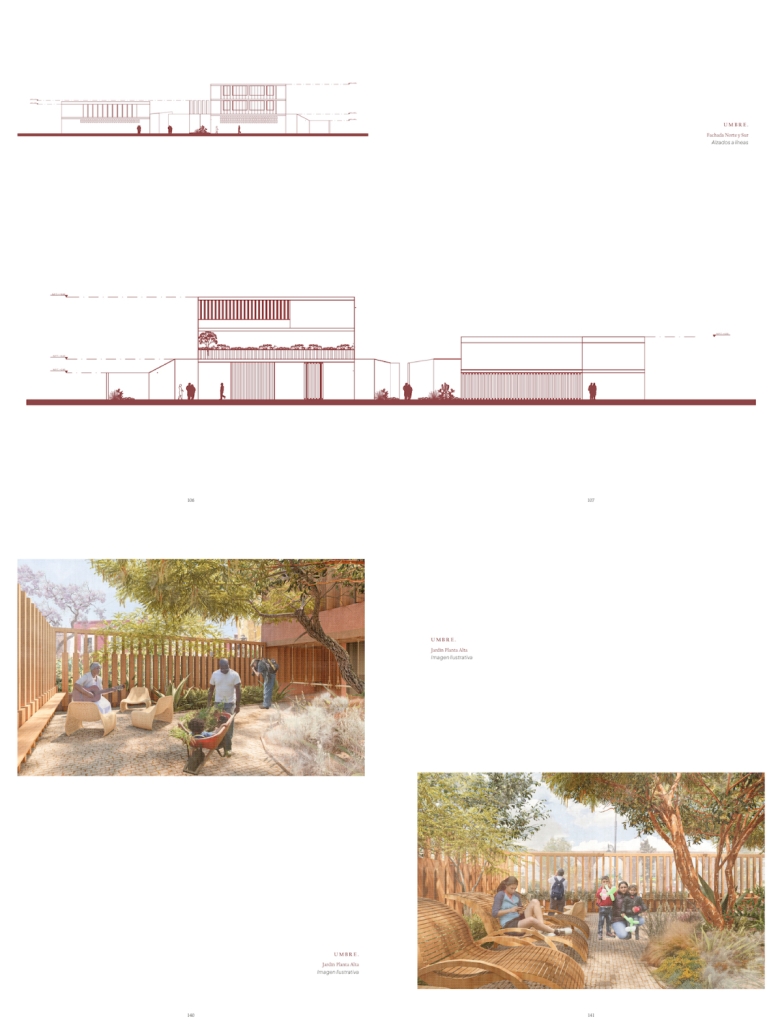
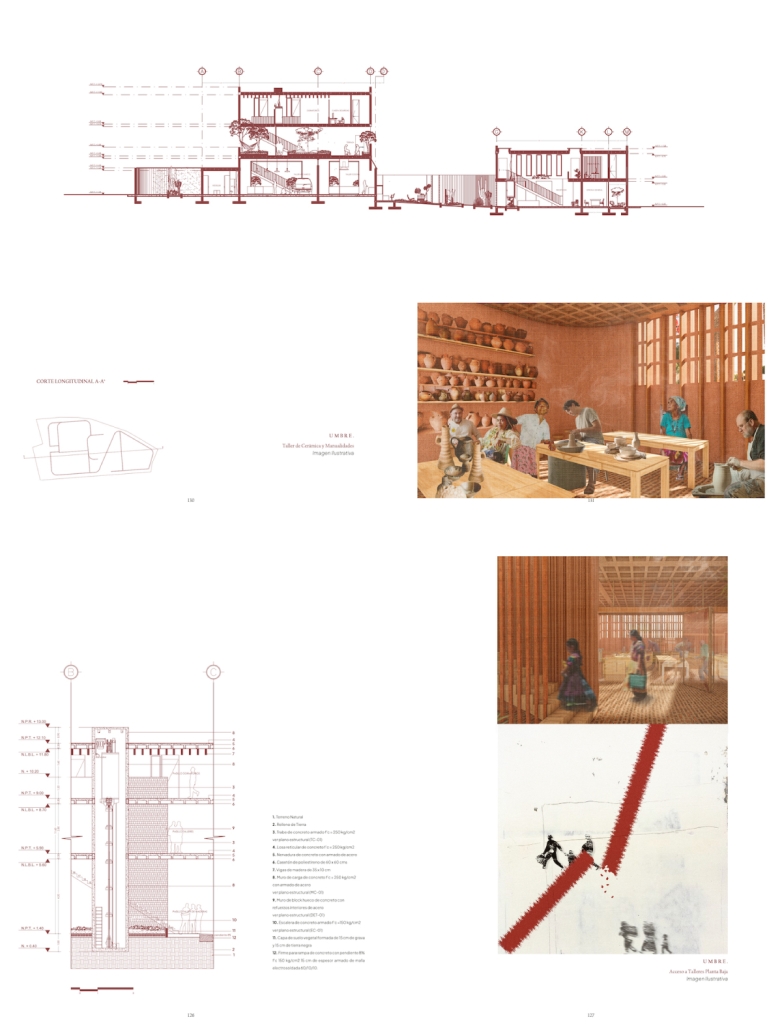
UMBRE Comprehensive Aid Center for Migrants by Natalia Pérez Pereyra, B.Arch ’25
Universidad Anáhuac Querétaro | Advisors: Guillermo Márquez, Patricia Cutiño & Jorge Javier

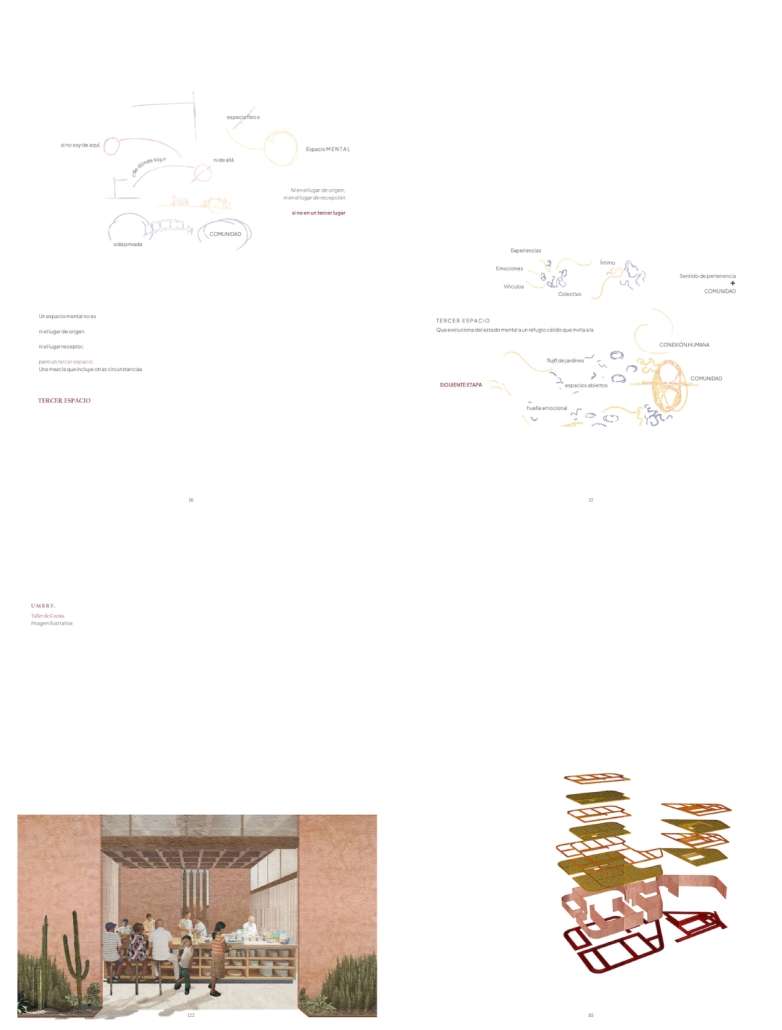
The project offers a temporary stay of up to six months, intended as a preparation and support period so that people on the move can decide their next step: settling in Querétaro or continuing their journey. During this time, workshops, talks, and training sessions are held focused on their labor and social integration. In addition, the center provides outpatient services for those not temporarily housed there. This includes food, sanitation, medical and psychological care, legal assistance and support, training workshops in various sectors, and support in finding employment.

These services do not have a strict time limit, allowing them to be adapted to the migrants’ different trajectories and needs. In coordination with volunteers and specialists, support is also offered in finding housing and managing legal documentation, such as a humanitarian visa, which can be completed in approximately 20 days. The goal is to offer a safe, dignified, and connected environment to the city, strengthening users’ autonomy and integrating them into the social fabric of Querétaro.

Instagram: @nataliaprzp, @perezparch, @arquitectura_anahuac, @arqwave

URBAN FRAGMENTATION AND SOCIAL ISOLATION: The Impact of High-Speed Expressways and the Reconnection of the Luis Lloréns Torres Public Housing Complex with Its Surrounding Communities by Lara S. Pérez-Fuentes, M.Arch ’25
University of Puerto Rico | Advisors: Omayra Rivera Crespo, José R. Coleman-Davis & María Helena Luengo

In the Luis Lloréns Torres Public Housing Development and its neighboring communities, such as Shanghai and Villa Palmeras, physical and symbolic barriers, resulting from its architectural design and the Baldorioty de Castro Expressway, have generated urban fragmentation and social isolation. This isolation has limited mobility, access to essential services, and economic opportunities, while perpetuating the social stigma associated with public housing. Based on this context, the study proposes designing an integrative public space as a strategy to mitigate barriers, foster social cohesion, and improve residents’ quality of life.

The research combines qualitative and quantitative approaches, including interviews and surveys, which highlight the challenges of mobility, community disconnection, and lack of adequate infrastructure. Key elements of identity and belonging are also identified, guiding the proposed interventions. The design program includes a pedestrian corridor, a Community Connection Center, and a Cultural Center, along with strategies to revitalize informal commercial spaces and promote social interaction. 

This integrative approach not only responds to the functional needs of accessibility and connectivity, but also seeks to transform the perception of residents and neighboring communities, fostering a sense of unity and active participation. The research underscores the importance of inclusive and collaborative urban planning as a means to overcome exclusion and build resilient, cohesive, and equitable communities.

Click here to learn more.

Instagram: @larita0013, @uprarchitecture

Jackson Center for the Blind and Visually Impaired by Anna Kate Horn, B.Arch ’25
Mississippi State University | Advisors: Jassen Callender, Mark Vaughan, Aaron White, David Perkes & David Buege

“Jackson’s Center for the Blind and Visually Impaired” is a training facility that empowers individuals with vision loss to gain greater independence. This project explores the understanding that design solutions addressing the needs of the blind and low-vision communities are universally beneficial—enhancing the spatial experience for all users by deepening the sensory richness of the environment. Located at one of the most prominent and sensory-rich intersections in Jackson, Mississippi, the training center creates a space for its user group within the city that celebrates the acceptance of diverse perspectives in urban environments.

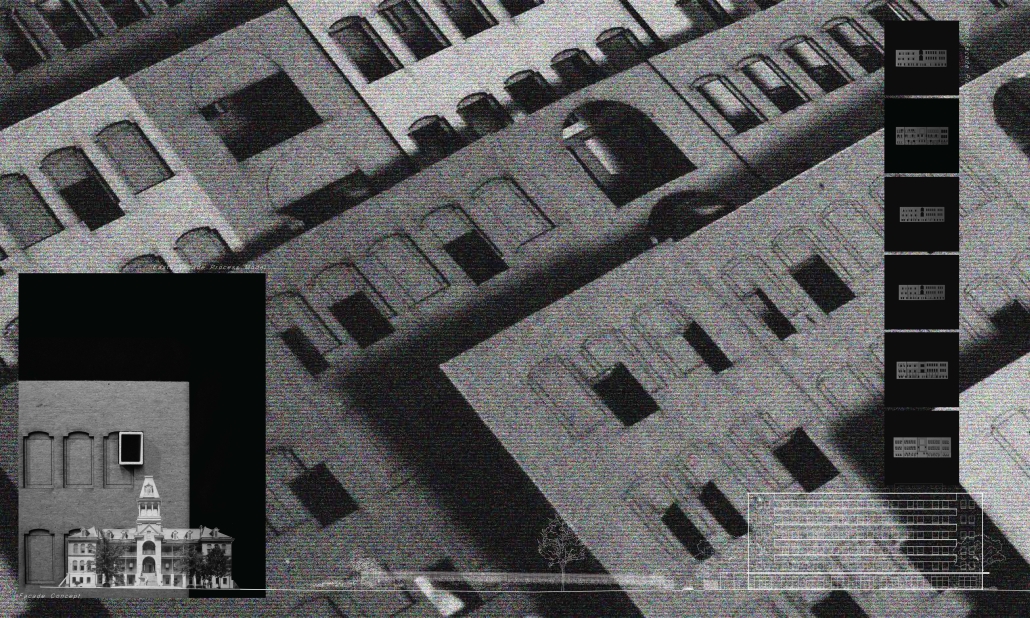
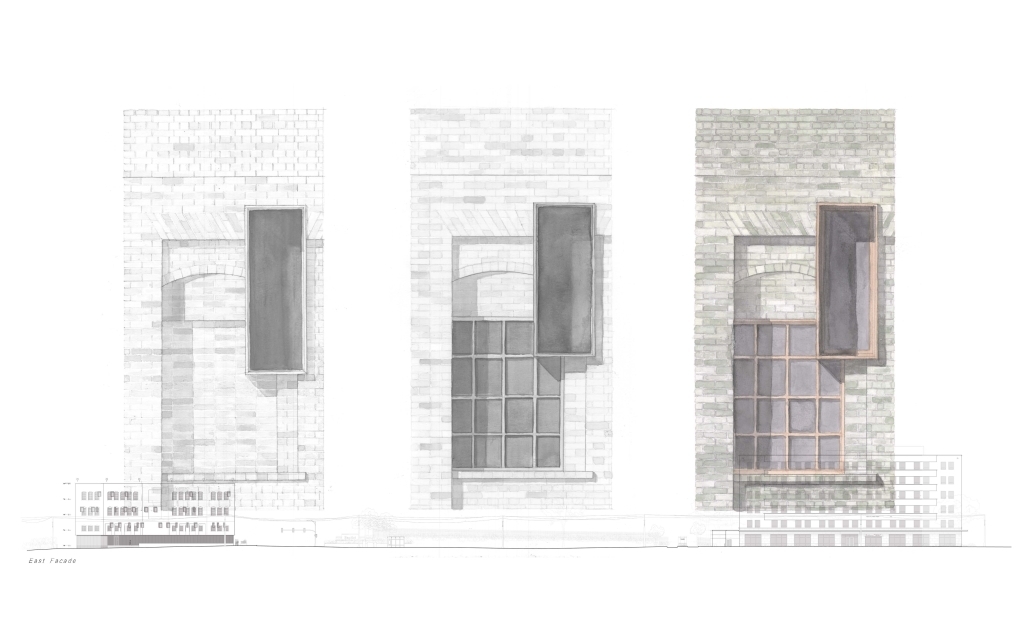
Across the street once stood the first location of the Institute for the Blind in Jackson. The geometry of this original building has become the base of the façade, which is intentionally disrupted with boxed bronze window openings that pierce through the underlying rhythm, contradicting the established grid to create moments of tension. Sculpted from green glazed brick with medium gray mortar, the materiality speaks to the context and historic structure without attempting to replicate the past, while celebrating the primary user group’s history within the community. The green glazed mass levitating above the ground reveals a district condition of light and sound from the street at the entry to indicate arrival.

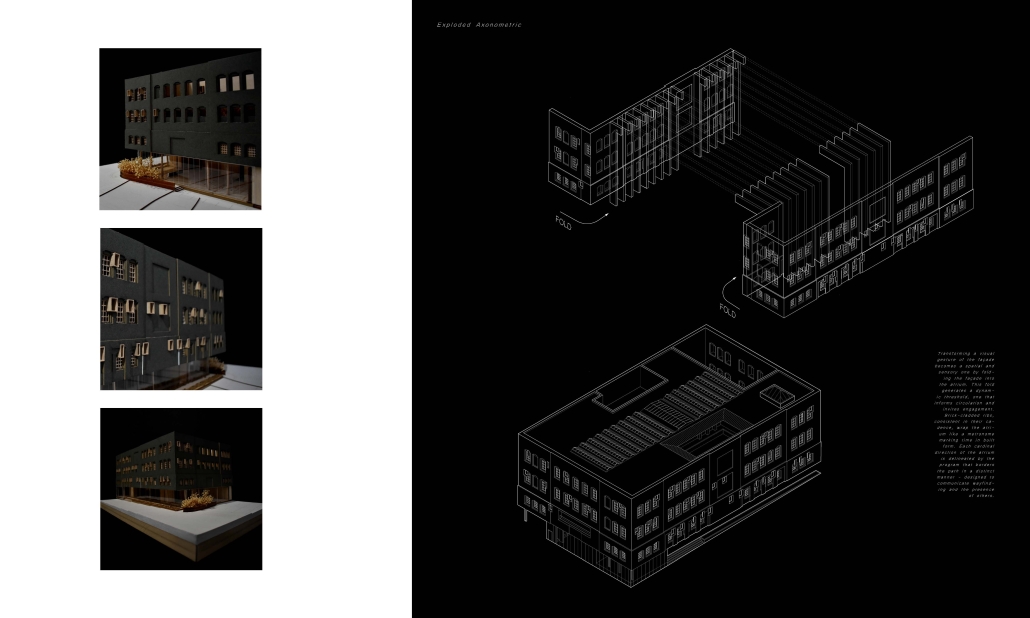
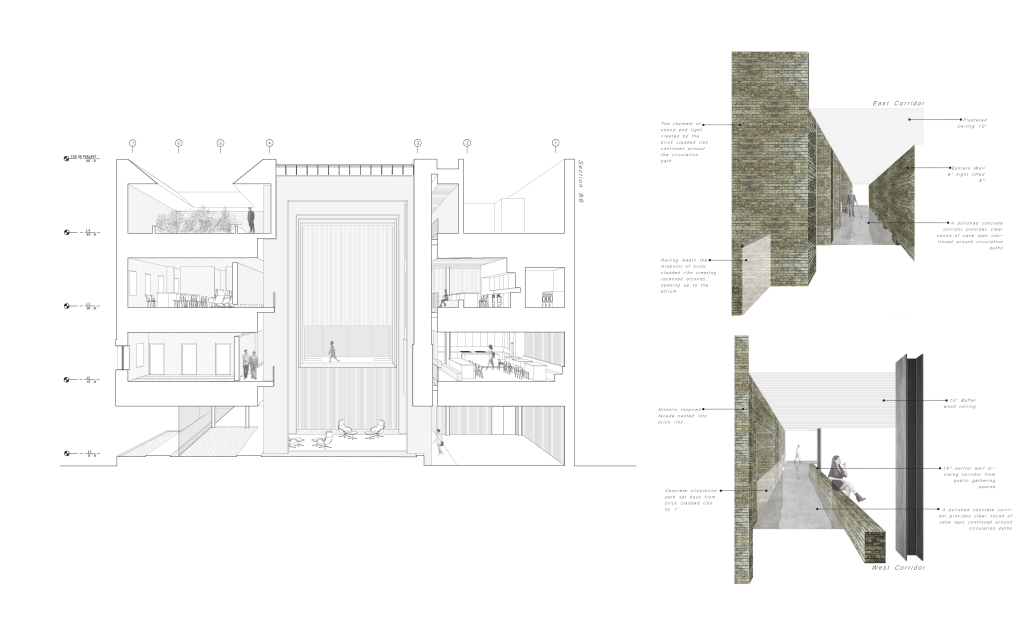
Transforming a visual gesture of the façade becomes a spatial and sensory one by folding the façade into the atrium. This fold generates a dynamic threshold, one that informs circulation and invites engagement. Brick-cladded ribs, consistent in their cadence, wrap the atrium like a metronome marking time in built form. Each cardinal direction of the atrium is delineated by the program that borders the path in a distinct manner – designed to communicate wayfinding and the presence of others.

This project received the CDFL Capstone Studio Travel Award. 

Instagram: @designs_by_akhorn, @jassencallender

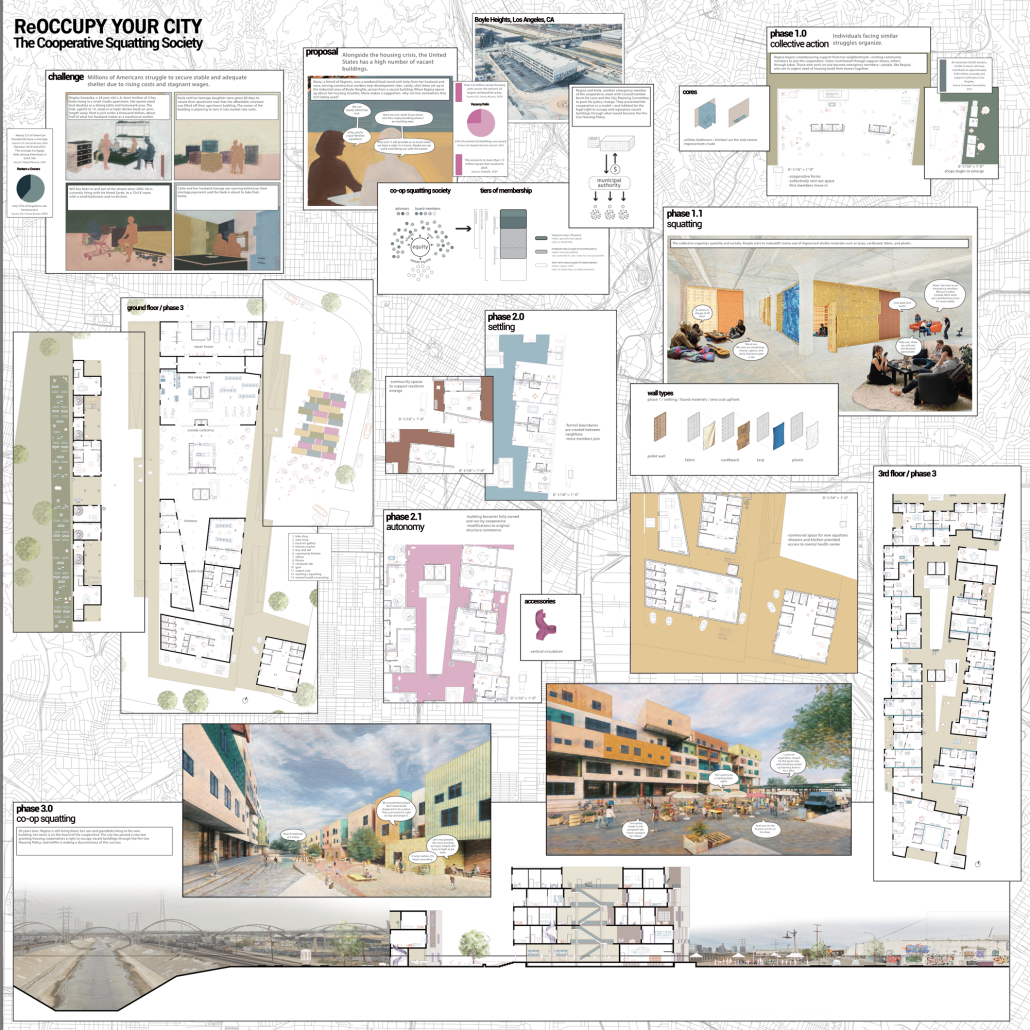
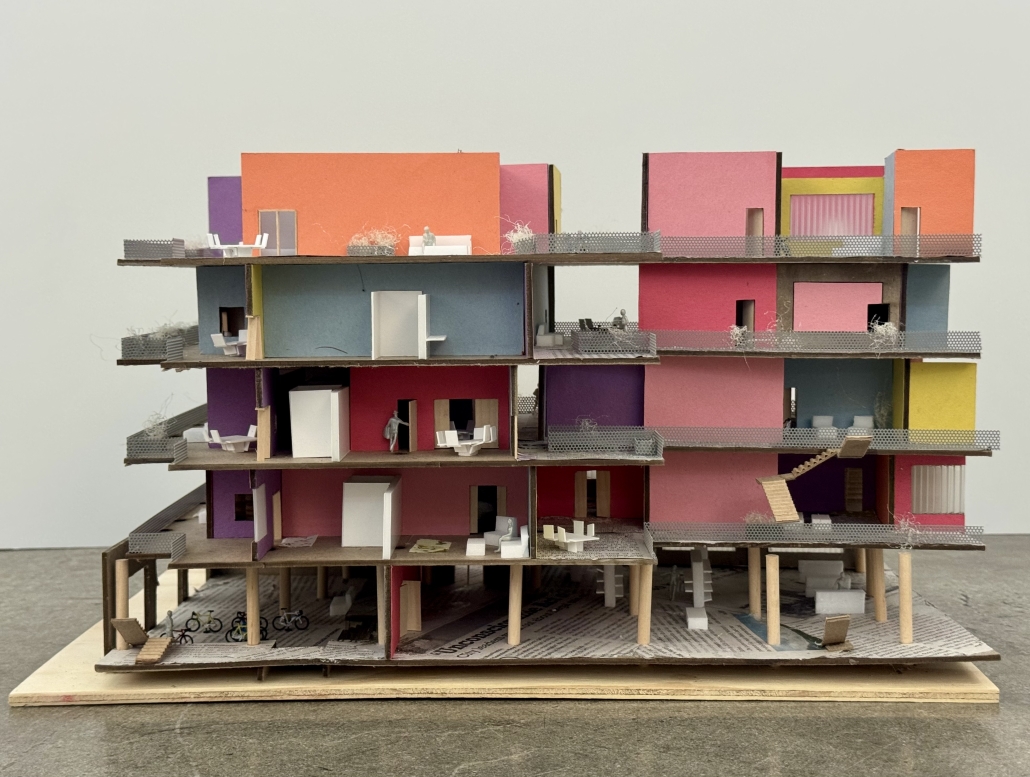
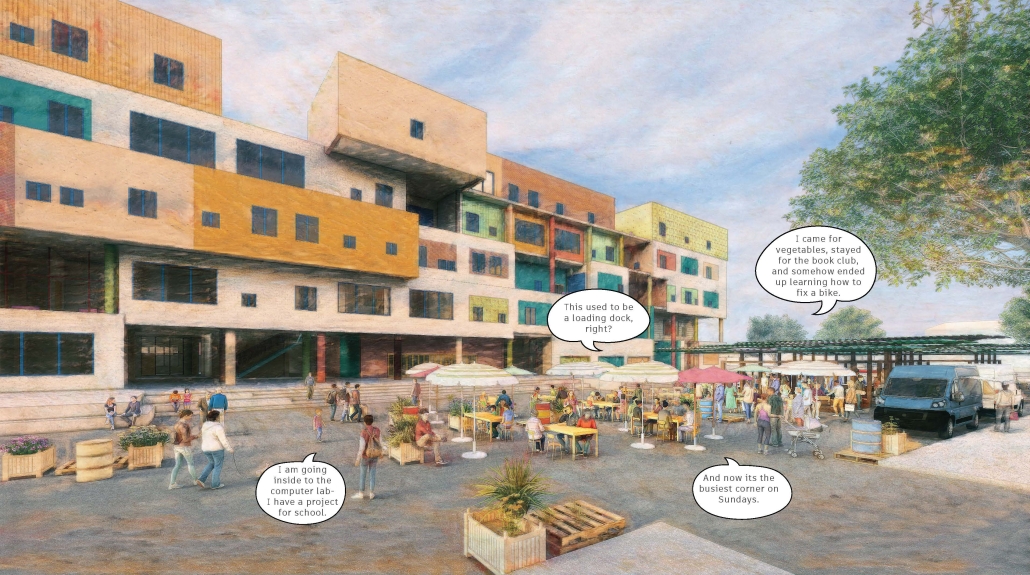
ReOCCUPY Your City – The Co-operative Squatting Society by Nour Kaddoura, M.AARS City Design + Housing (CDH) ’25
University of Southern California | Advisor: Sascha Delz

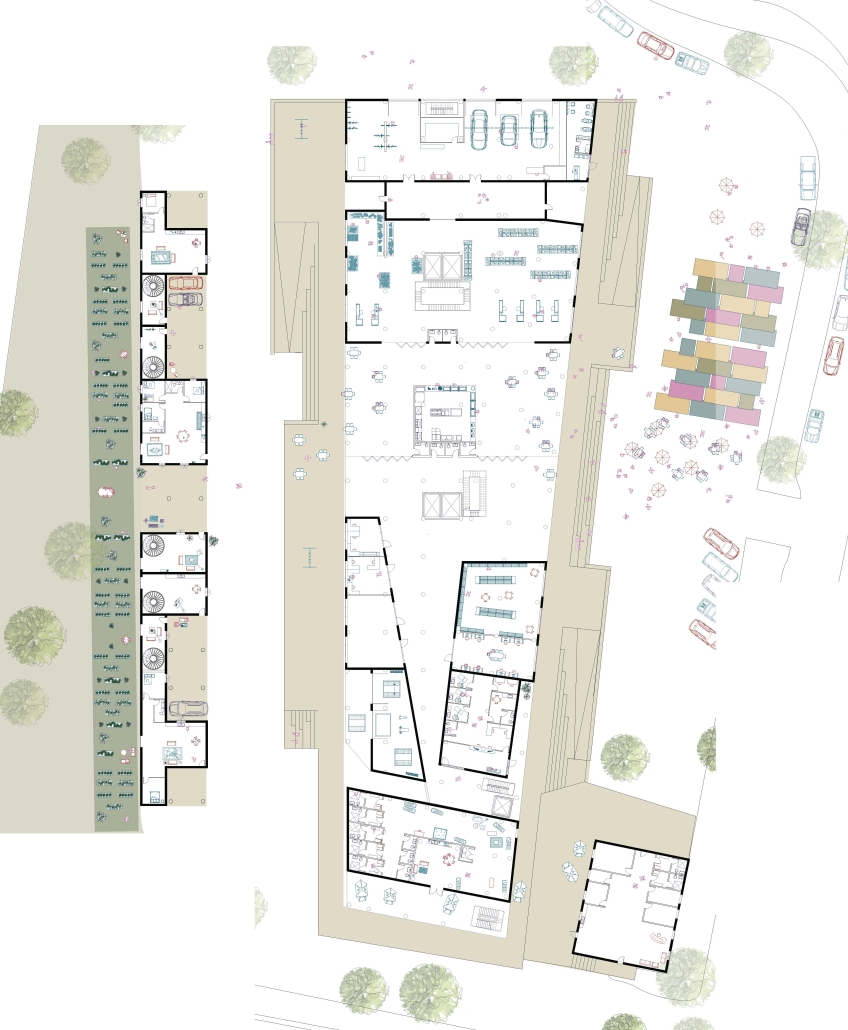
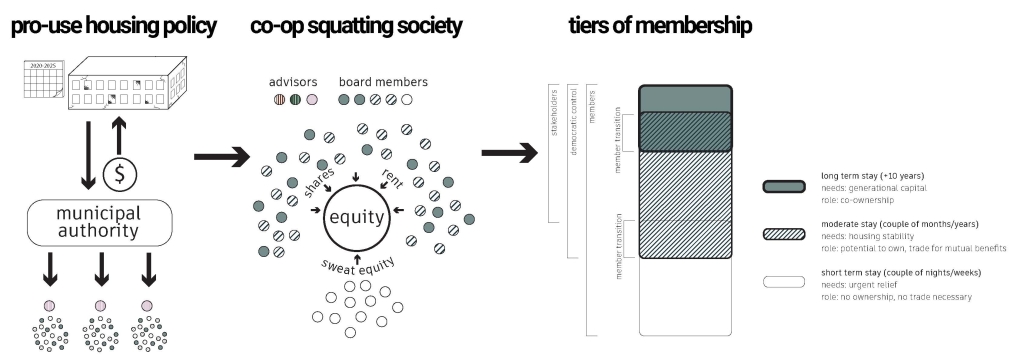
For many marginalized individuals and communities, informal practices are an essential means of gaining access to services and spaces that are otherwise unavailable or unaffordable. This is especially true for shelter and housing, where squatting often serves as a last resort. While property owners have broad legal means to evict squatters, squatters also hold limited rights, leading to often adversarial and protracted legal battles.”ReOCCUPY Your City” offers an alternative approach to squatting. By combining a supportive legal framework, a Pro-use Housing Policy, and formalized Co-operative Squatting Societies, it empowers squatters to take control of vacant industrial properties, transforming them into collaborative spaces that provide affordable housing for Los Angeles. 

Under the Pro-use Housing Policy, a group of dwellers can form a Co-operative Squatting Society, claim collective ownership of an abandoned building, and gradually inhabit and manage it democratically over time. As residents join, their involvement in the co-operative can evolve from emergency occupancy to transitional and ultimately permanent residency. ReOCCUPY Your City thus enables a community-driven, democratic reuse of vacant buildings, empowering squatters to not only claim and improve these structures but also to contribute to the city’s housing stock. The project also allows the city’s housing administration to make underutilized spaces progressively productive, offering affordable, self-governed housing solutions.

Instagram: @coop_urbanism

B.lab Community-Based Design by Lowai Ghaly, Mazen Ghaly, Mohamed Meawad, Andrew Hart, Kim Ebueng, Kenny Soriano, Edgar Castillo, Peter Peritos, Shadi Vakilian, Amanda Estrada, Giewel David, B.Arch ’25
Academy of Art University | Advisor: Sameena Sitabkhan

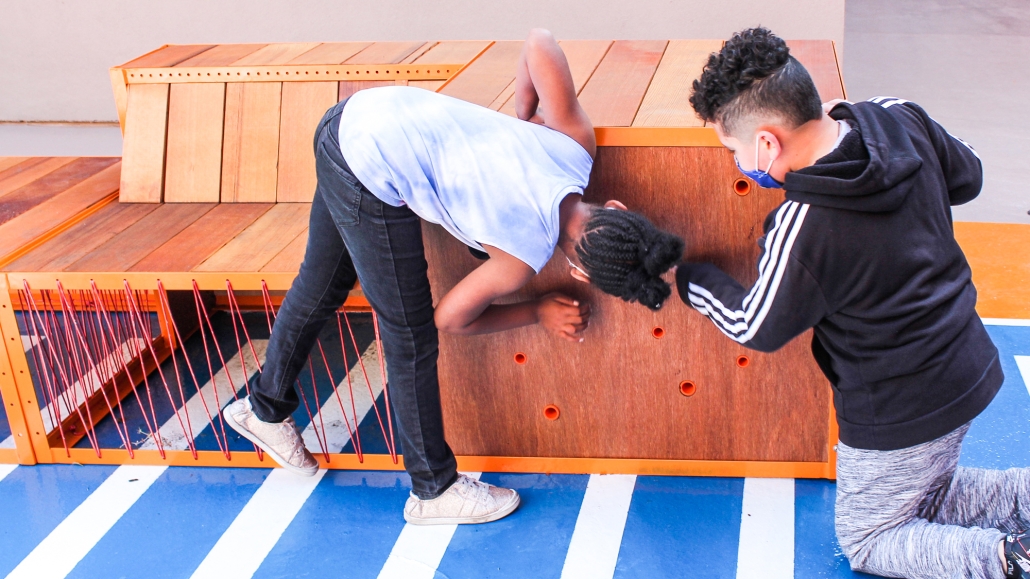
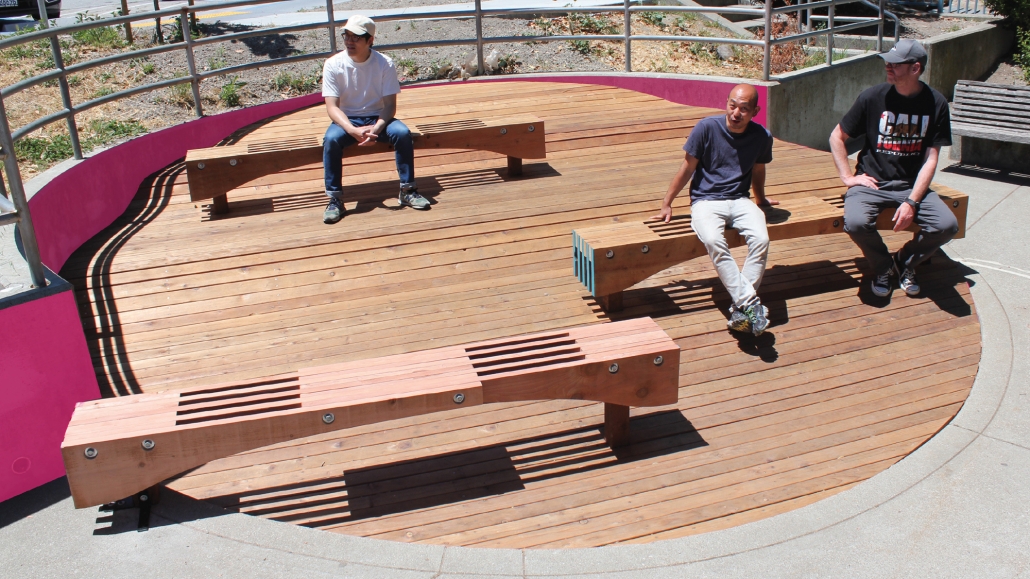
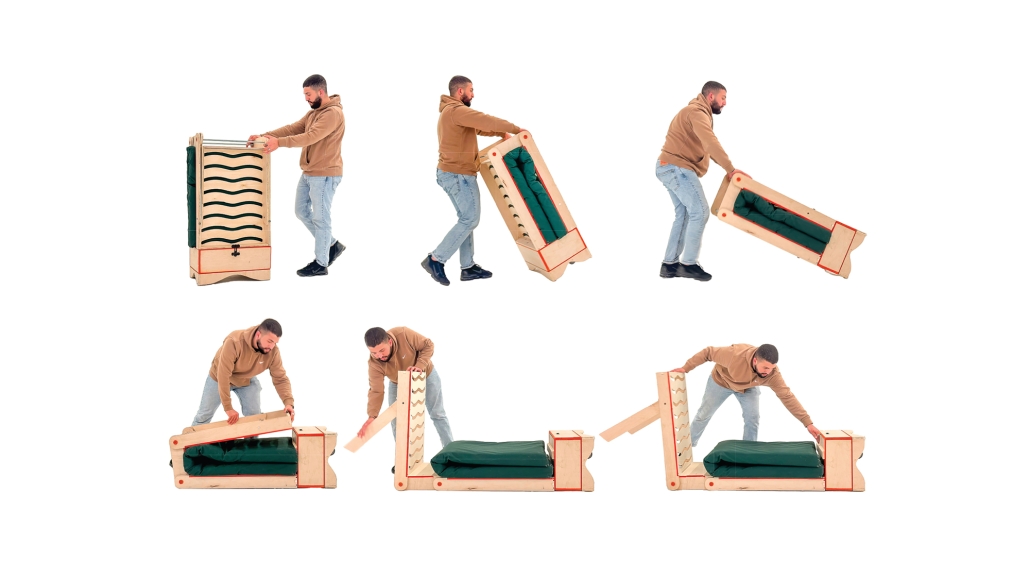
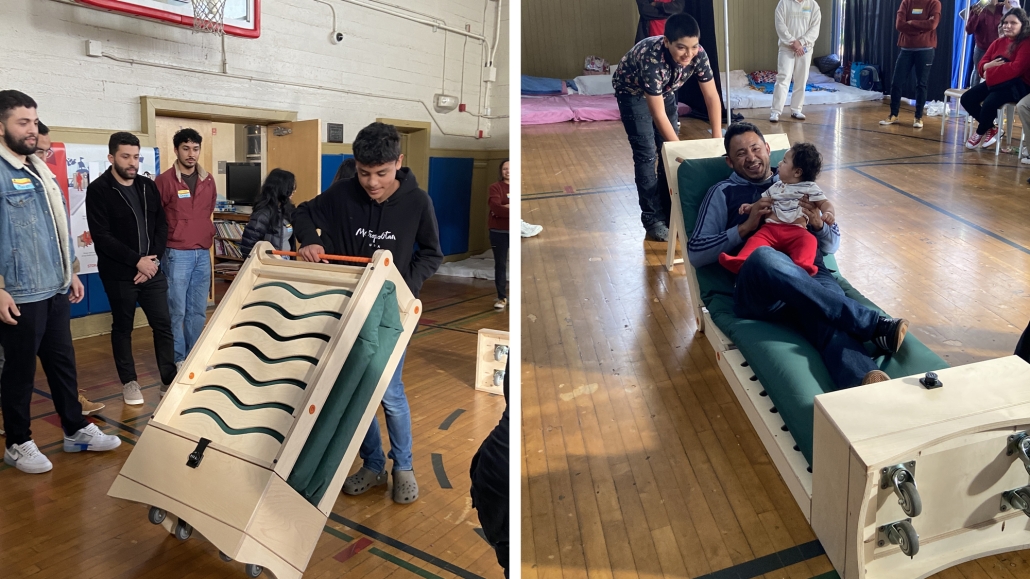
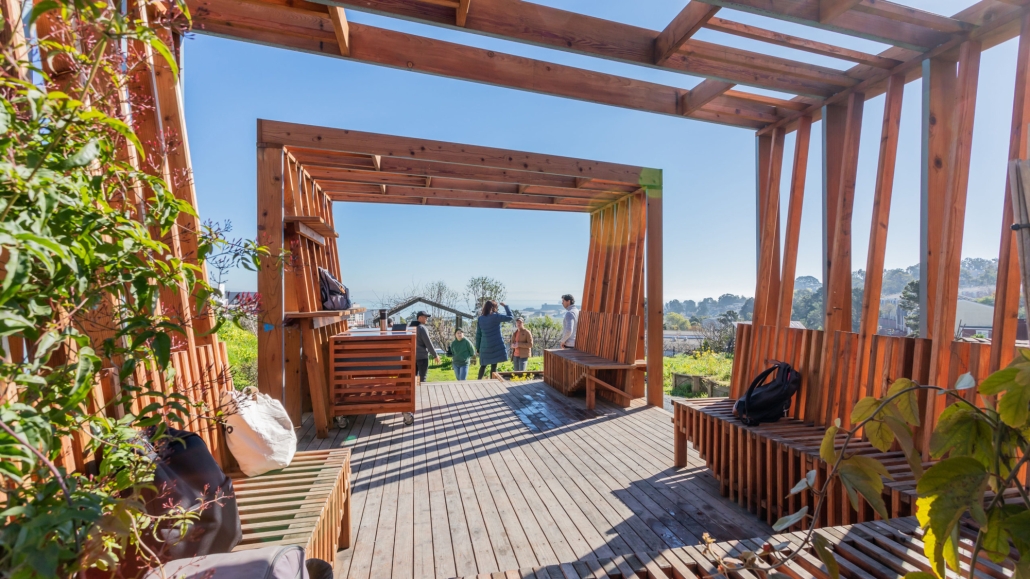
The B.lab program at the Academy of Art University was founded in 2018. Through robust partnerships with our neighbors and local nonprofit organizations, the program has implemented several projects in the Bay Area. At its core, the B.lab program is a community-based design program promoting spatial justice and advocacy for future designers. Through radical listening and co-creation, we empower communities and bring positive change to the built environment.

This project received the B.Arch Community Building Award.

Instagram: @studio.sideproject

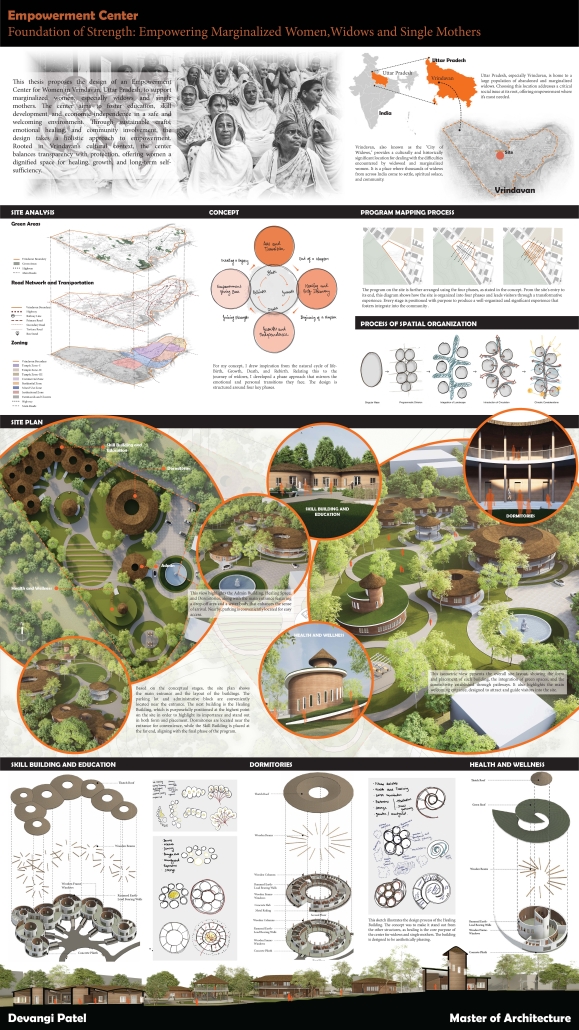
Empowerment Center by Devangi Patel, M.Arch ’25
Boston Architectural College | Advisors: Emeline Gaujac, AIA. & Ian F. Taberner, AIA.

This thesis proposes the design of an Empowerment Center for Women in Vrindavan, Uttar Pradesh, India, as a response to the social, cultural, and economic marginalization of widows and single mothers in the region. Vrindavan, often referred to as the “City of Widows,” is a place of profound spiritual importance. It is home to thousands of women who are abandoned and forced to live in poverty, social isolation, and emotional distress.

The Empowerment Center aims to restore dignity, independence, and resilience to these women by offering a comprehensive, community-based center that integrates education, skill development, emotional healing, and economic empowerment. The architectural vision emphasizes a balance between safety and openness, combining secure, private zones with transparent and inclusive spaces that encourage connection, confidence, and personal growth.

Key features of the design include sustainable green areas such as gardens and courtyards, and also form is Inspired by inspired by local vernacular architecture and supported by research. These spaces foster mindfulness, promote physical and emotional well-being, and create opportunities for community interaction and collective healing. The project incorporates flexible, adaptive spaces for workshops, training, and communal living to support the evolving needs of its users.

Using techniques including demographic analysis, community participation, and contextual site study, this thesis, which is based on collaborative research and cultural sensitivity, informs an inclusive, accessible, and responsive design. The Empowerment Center seeks to establish a standard for gender-sensitive, socially conscious architecture that not only meets immediate needs but also sparks long-term structural change.

In conclusion, this thesis demonstrates how architecture can serve as a cause for social transformation by addressing the needs of marginalized women in Vrindavan. The Empowerment Center offers a dignified, inclusive, and healing environment that fosters education, independence, and community. By integrating cultural sensitivity with sustainable design, the project aims to empower women and inspire broader change toward gender equality and social resilience.

This project received “Commends for Thesis.”

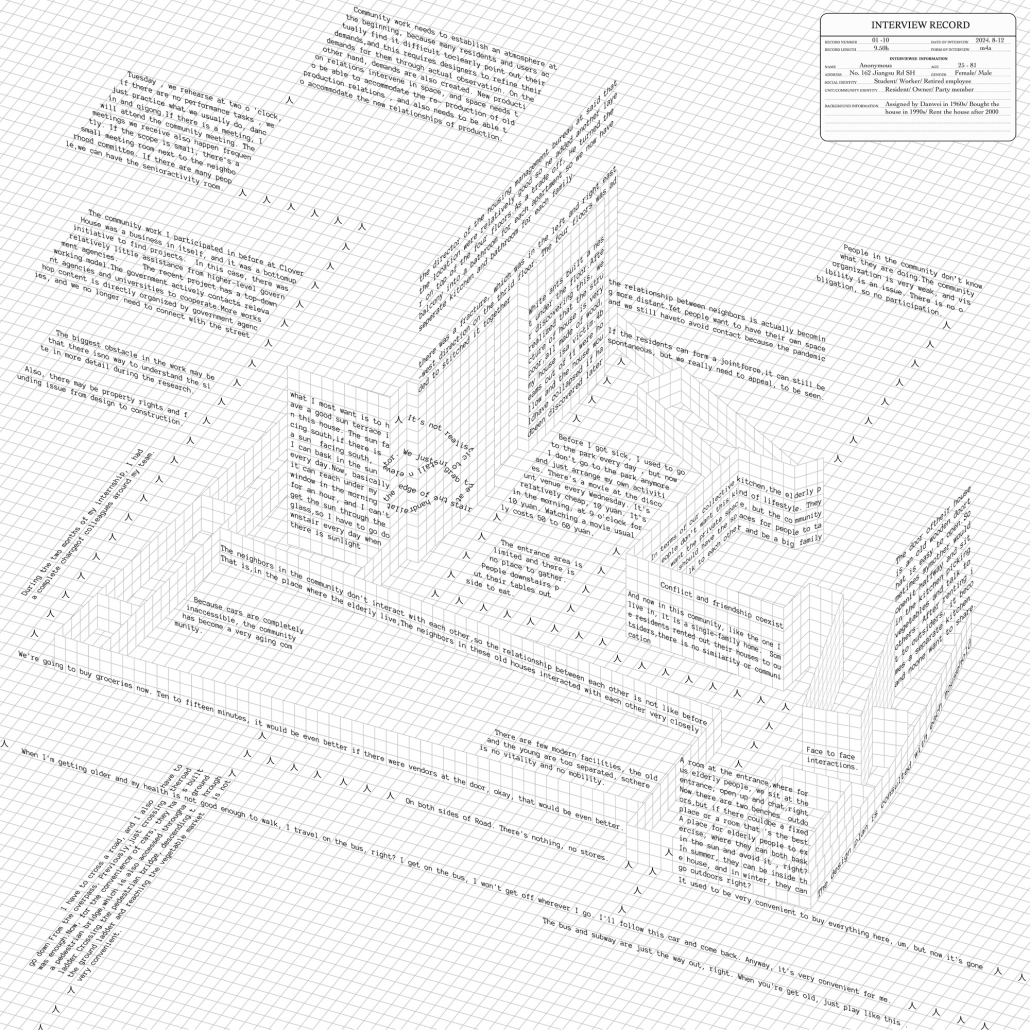
The right to the city by Cindy Caitong Duan, M.Arch II ’25
Yale University | Advisors: Andrei Harwell & Alan Plattus

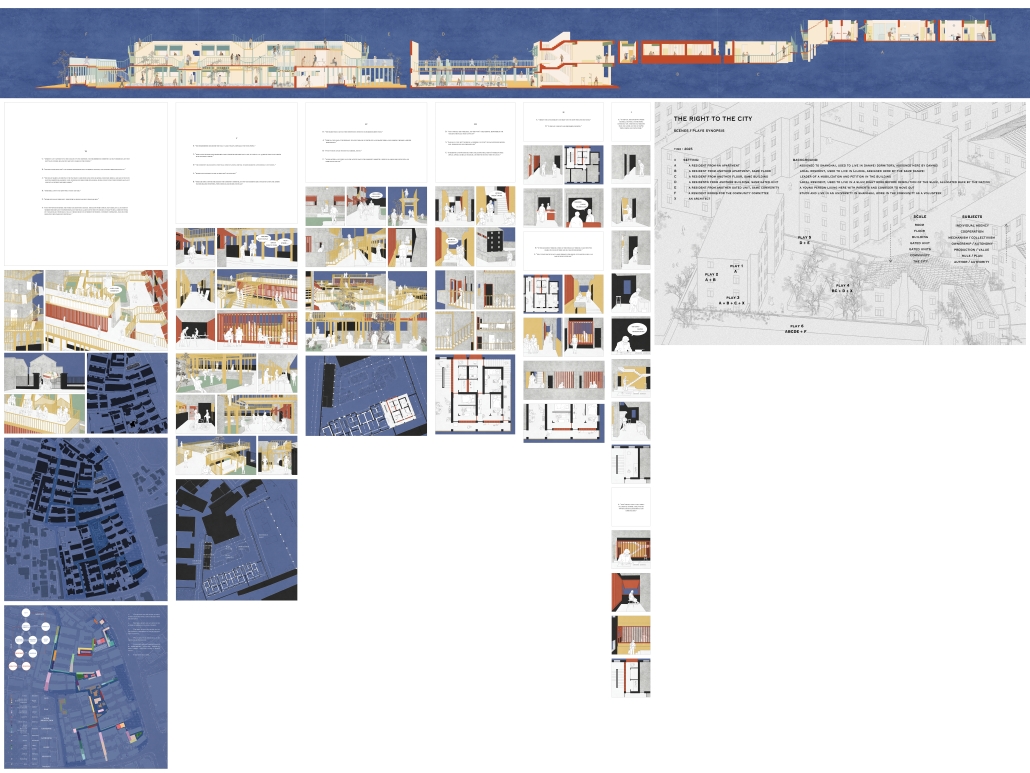
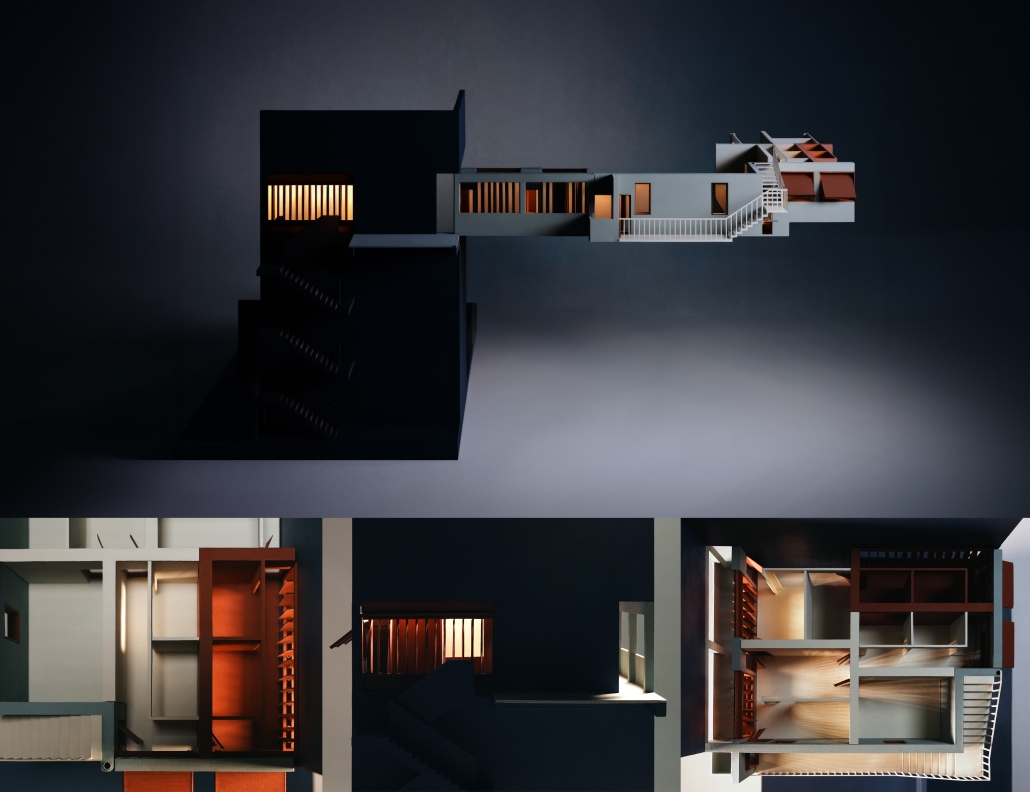
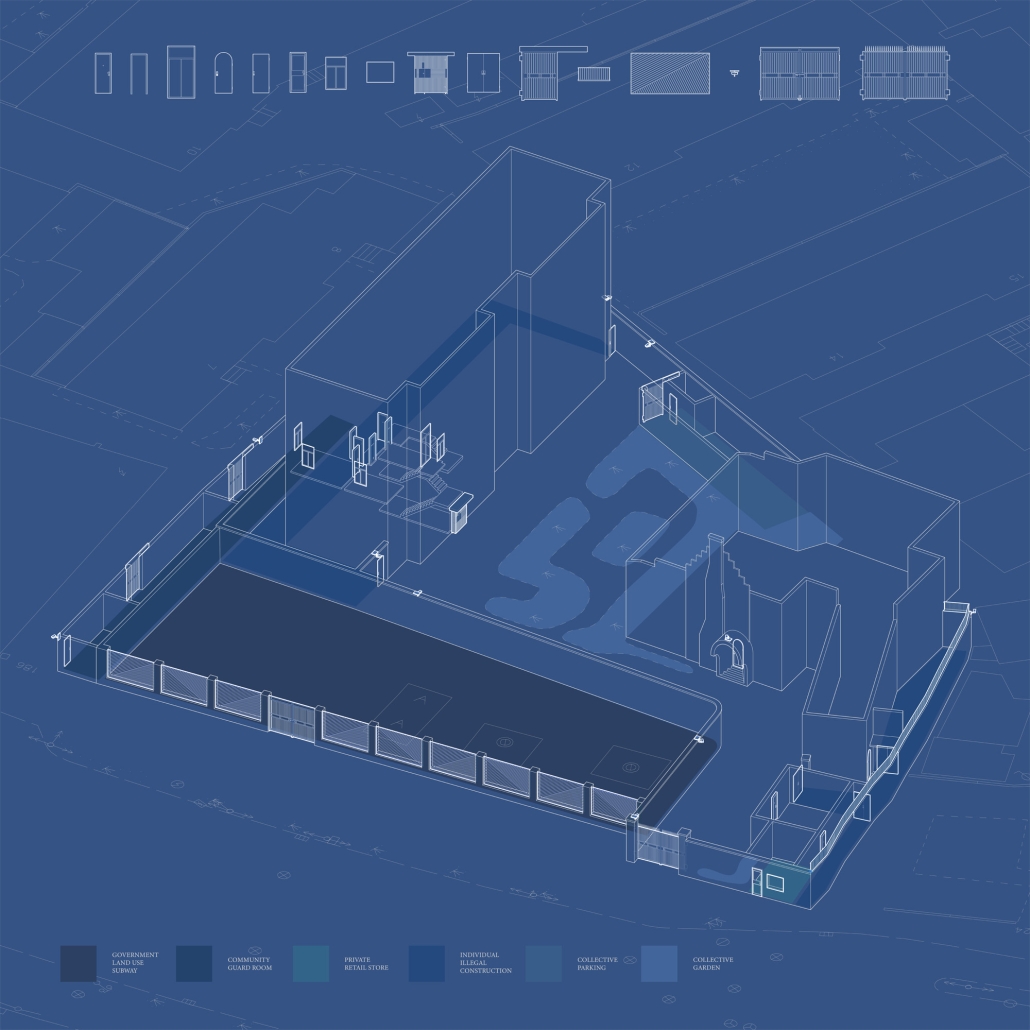
The cities in China have a long tradition of planning based on the gated unit – a collective residential form strictly controlled by entrances, walls, and different levels of thresholds. People live within walls, which define the space of a gated unit; and in the wall that is the building itself. Walls gather us but also limit us, until their imprints are etched into our minds and build obedience and indifference to life. These spaces are both the metaphor and the embodiment of power in Chinese society. 

In this way, I feel it is necessary to ask: What is a city? What should the balance be between governance and defending people’s rights to the city? 

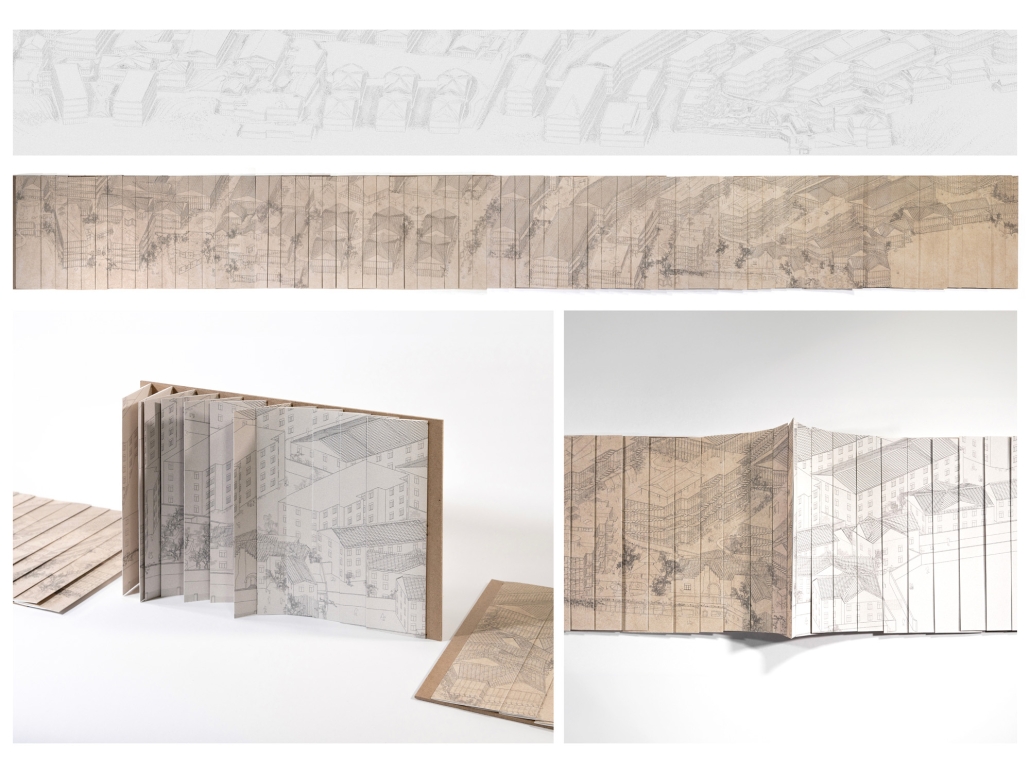
This thesis addresses these questions through a close study of the gated unit where my grandaunt lives in Shanghai, China. The project comprises two parts: first, research analyzing the formation of collectivism and the gated unit; second, a design proposal exploring how gated communities can actively foster local identity and autonomy while mitigating surveillance and urban segmentation. 

The concept of “collectivism” fosters a stronger sense of solidarity but also poses the risk of deindividuation by homogenizing people. As a result, the notion of collective space shifts from being a symbolic space of belonging to a geographically defined common space, diminishing the notion of individual residents’ rights. 

However, I believe a city and its built form should be the second self of the individual, responding to and encouraging open narratives. Gated units and their communities can be transformative, connecting individuals while forming a new entity based on shared agency. More importantly, whenever the collective emerges, it arises from countless “I”s—each independent, each different—reaching a timely commonality through mutual agreement. There is no single form. 

Thus, this project is not the solution but a demonstration of how to regain an individual’s right to the city. It can strike a balance between you and “I”, between us and “I”, and between them and “I”, and the city is its metaphor and site. 

This project received the Yale Drawing Prize.

Instagram: @Cindycaitongd, @andrei__simon

Stay tuned for Part VI!