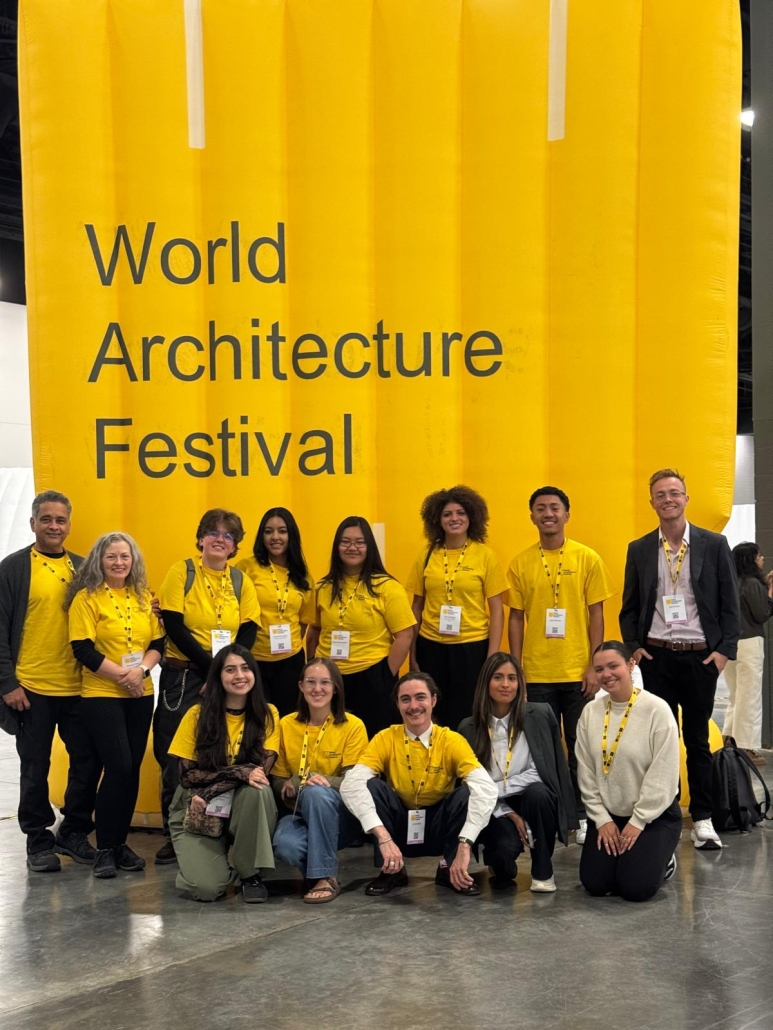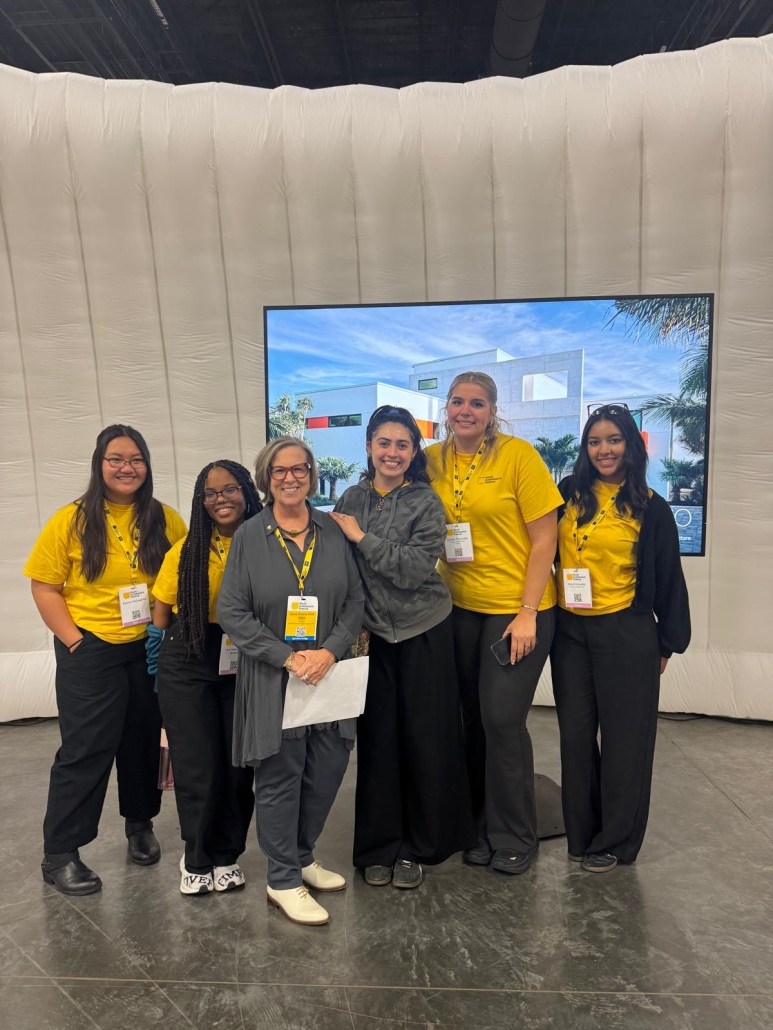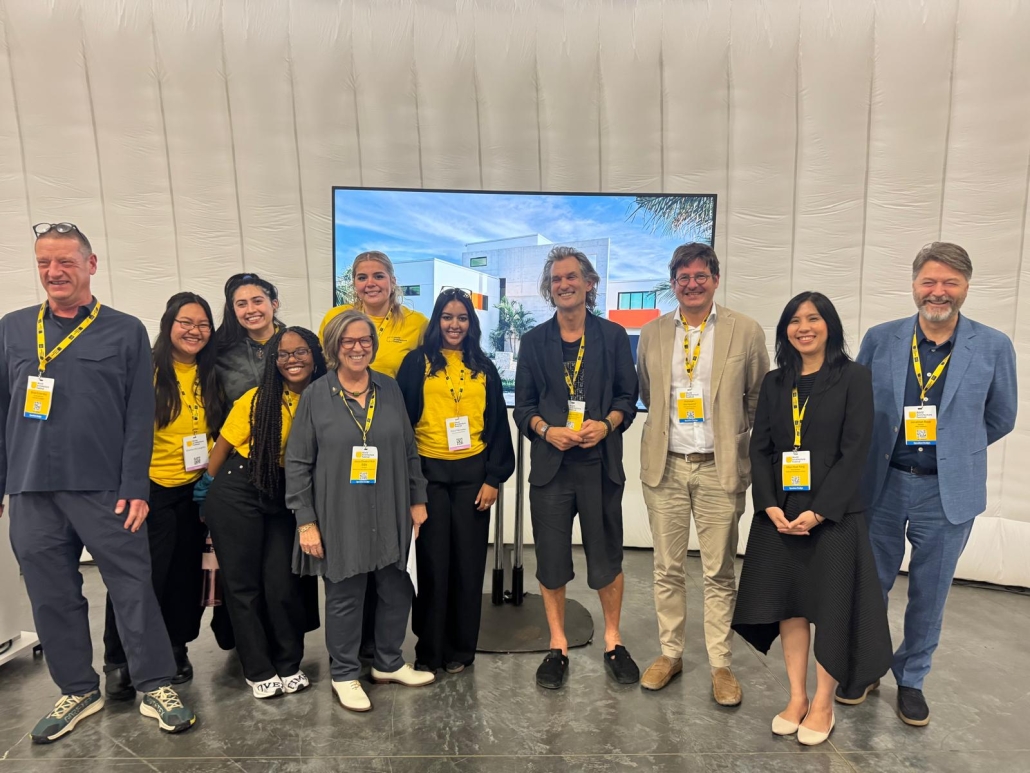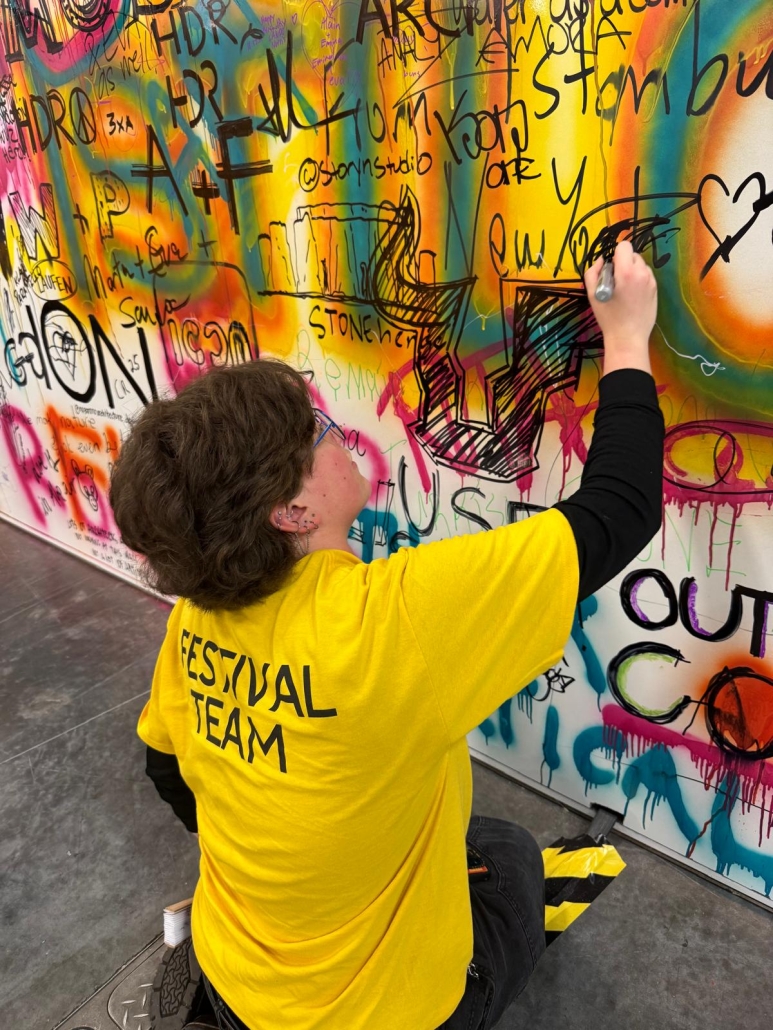
Getting Involved: Student Volunteering at the 2025 World Architecture Festival (WAF)
From coordinating career fairs to supporting logistics and student participation at world-renowned architecture festivals, M.Arch student Alejandra Mateus De La Torre is no stranger to volunteering.
Today, she joins Study Architecture to share her experience volunteering at the World Architecture Festival (WAF) as a WAF Student Representative — connecting with students and designers from across the globe. Read on to hear her insights and get inspired!
1. What inspired you to get involved in WAF?
Alejandra: In February 2025, the USF School of Architecture & Community Design (SACD) hosted Joyce Owens, FAIA, RIBA, as a guest speaker for our Spring Lecture Series. As the SACD Events & Lectures Graduate Assistant, I worked closely with her to coordinate the logistics of the event and ensure the lecture ran smoothly. During that time, I had the opportunity to speak with her more personally, and after the lecture, Professor Josue Robles and I invited a group of students to join her for dinner so that more students could connect with the guest speaker in an informal setting.
During that conversation, Joyce shared exciting news about the World Architecture Festival (WAF), one of the most internationally recognized architecture events in the world. Each year, WAF brings together architects, designers, and students from across the globe to present and critique built and future projects, attend lectures and panels, and celebrate innovation in architecture and the built environment. For the first time in its history, the festival would be held in the United States, and the selected location was Miami, Florida. Coincidentally, a friend and I had recently come across an Instagram post about the festival, so hearing about it directly from Joyce made the opportunity feel even more exciting. During that conversation, she asked if I would be interested in serving as a student representative working with the WAF team to help encourage and coordinate student volunteers for the event.
It was an incredible opportunity to help connect students with an international architecture event happening so close to home, and I immediately accepted. I saw it as a chance to help students experience a global architectural conversation and gain exposure to practitioners and ideas from around the world.
2. What did planning look like?
Alejandra: Once I accepted the opportunity to serve as the WAF Student Representative, I began sharing information about the festival with students at the USF School of Architecture & Community Design and through the AIAS South Quad network, which connects architecture students across Florida. As AIAS USF Chapter President, I created an interest form to understand how many students were interested in volunteering and traveling to Miami for the event.
Our AIAS USF team also developed a flyer that summarized the information provided by the WAF team, including the responsibilities of student volunteers and the benefits of participating in the festival. Once the flyer was complete, we shared it with AIAS chapters across Florida to encourage students from other schools to participate.
After identifying how many students from the University of South Florida and Florida Southern College needed transportation, I worked with my school to help secure support for travel expenses, so students would not have to worry about driving individually. I then coordinated the travel logistics, including reserving a rental van, organizing departure and pickup times from the SACD building, and arranging shared housing in Miami so our group of students could stay together during the festival.
To further support student participation, I also asked our School Director to provide a letter of support, recognizing attendance at the World Architecture Festival as both an academic and professional learning opportunity. Since the festival took place during the academic semester, this letter helped students communicate with their professors and more easily request excused absences while participating in the event.
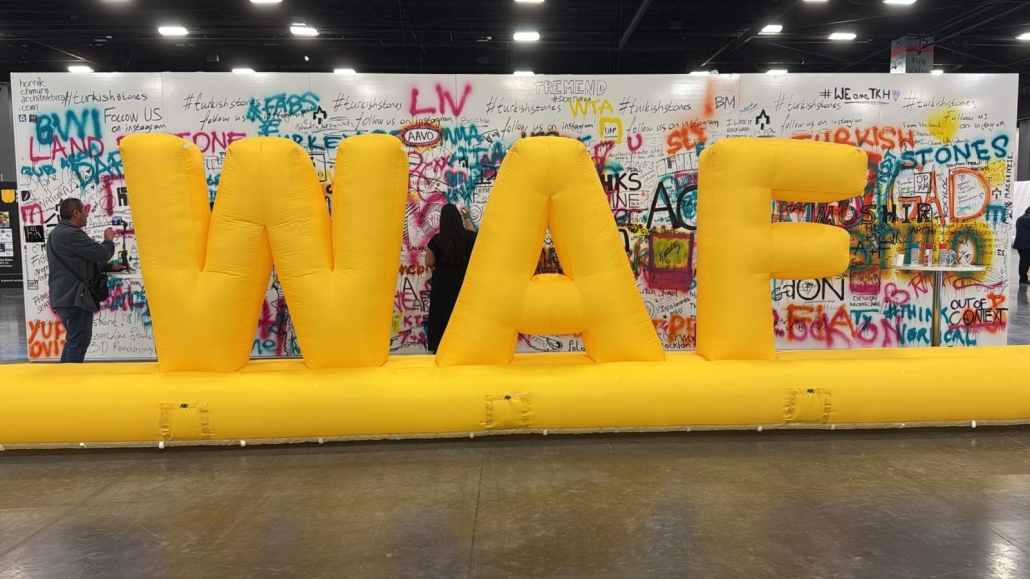
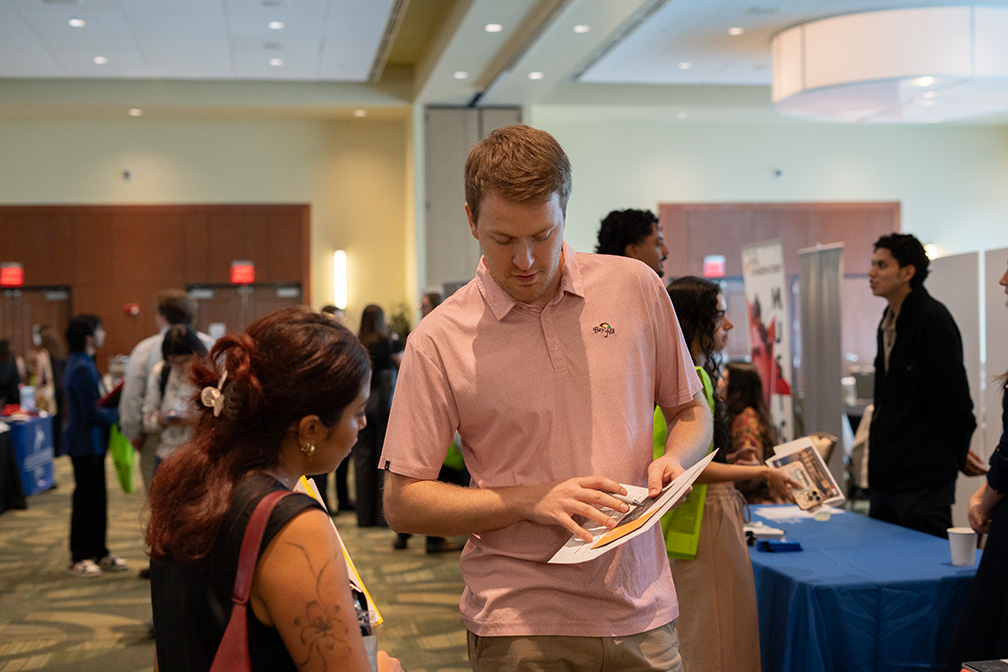
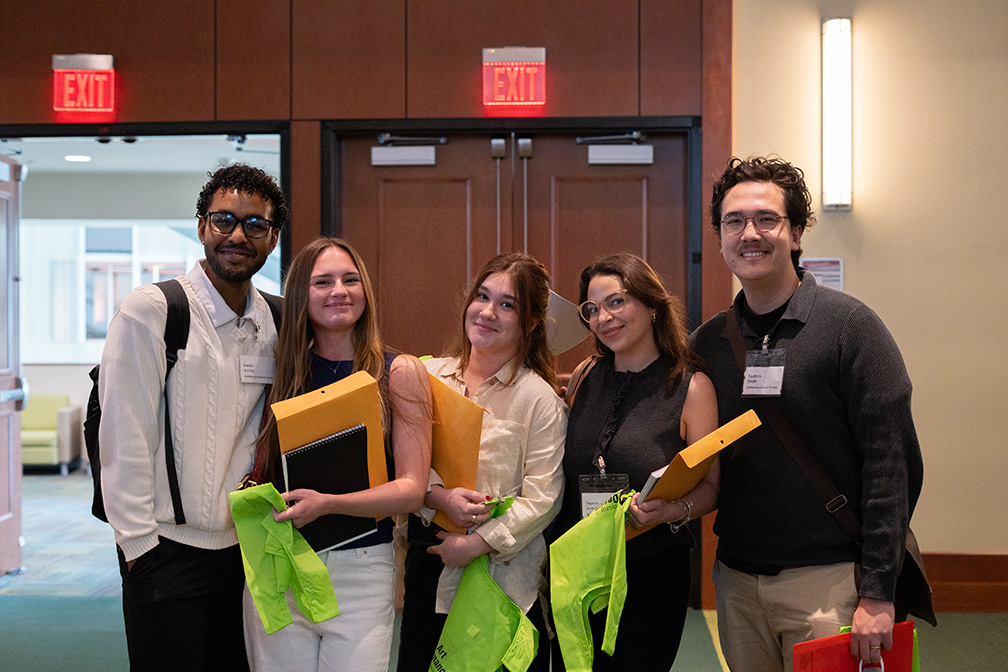
As the WAF Student Representative, I also worked with the WAF team to ensure that all volunteer shifts were filled and that students had the information they needed before arriving at the event. Since the festival team was managing a large international event, I helped answer questions from students and coordinate communication when needed. During the festival itself, I volunteered in multiple roles. I assisted with the main stage operations, helping maintain the setup during live lectures and Q&A sessions. I also volunteered in Crit Room 7, where I helped coordinate presentations in the Completed Buildings: Health category, ensuring that presentations ran smoothly and stayed on schedule.
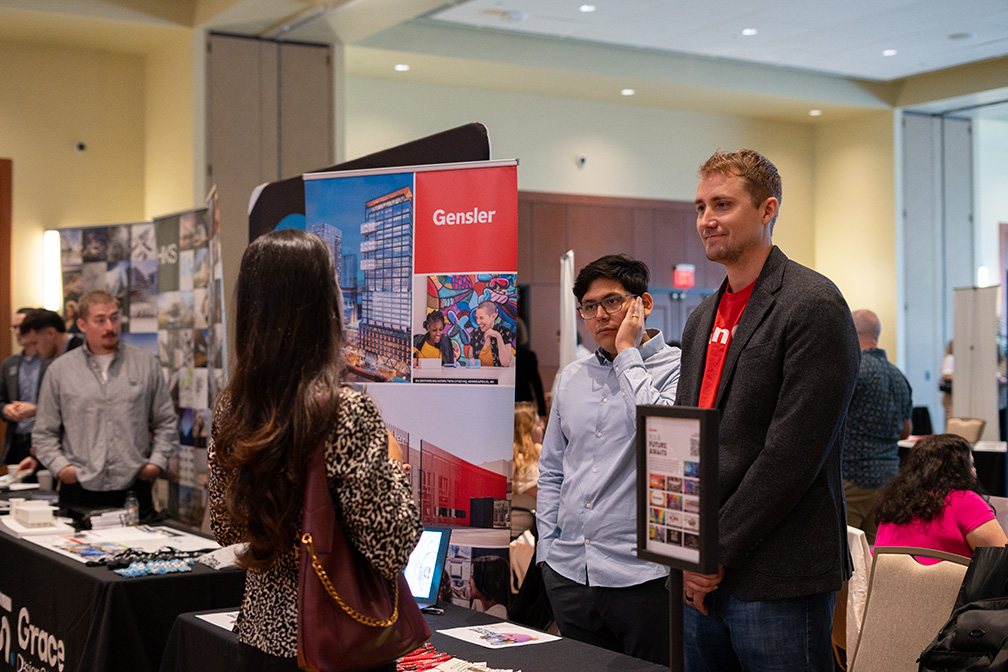
Beyond volunteering, the event created meaningful opportunities for students to connect. I met in person for the first time a student from Eastern Florida State College, whom I had previously connected with online and encouraged to attend the festival. Our USF students also met students from Miami-Dade College, which led to new friendships and collaborations. In fact, some of the students we connected with at WAF later joined us at the 2026 AIA Florida Legislative Day, continuing the relationships that began during the Festival.

3. What type of students and professionals were in attendance?
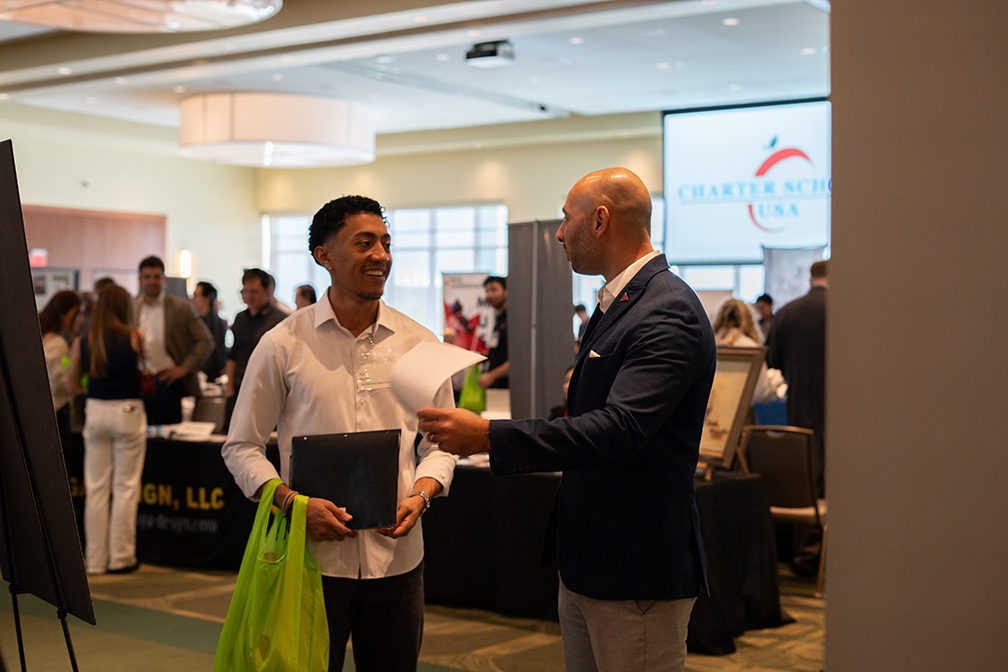
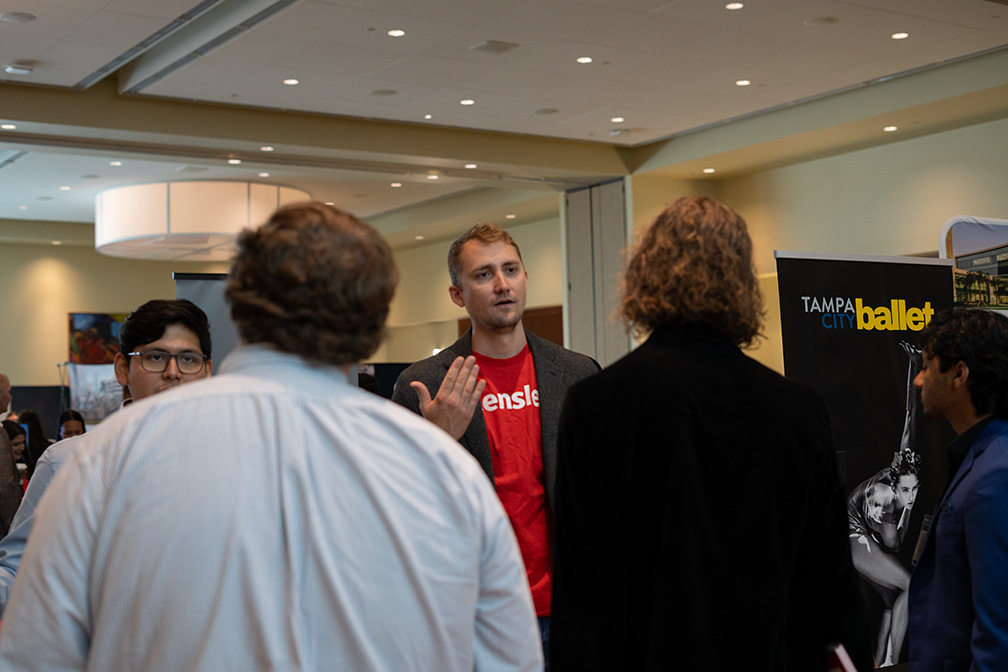
Alejandra: The World Architecture Festival (WAF) brings together architects, designers, academics, and students from around the world. At the 2025 festival in Miami, professionals representing architecture firms, design studios, universities, and organizations from many different countries gathered to present and discuss projects shaping the future of the built environment.
Students attending the festival came from architecture programs across Florida and beyond, including universities, community colleges, and international schools. Through the volunteer program, students were able to assist with lectures, project presentations, and critique sessions while interacting with architects and designers from around the world. One of the most exciting opportunities for students at the festival was the student design charrette, where teams of students collaborate on a design challenge within a limited amount of time and present their ideas to a jury of international architects. The charrette encourages creative problem solving, teamwork, and exposure to different design perspectives, allowing students to engage directly with the global architectural conversation happening at the festival.
The festival also features architects presenting their projects in front of international juries as part of WAF’s design awards program, where built and future projects are critiqued and discussed in a public setting. For many students, this was a rare opportunity to observe how leading architects communicate their ideas, respond to critique, and engage in design dialogue at an international level.
What advice would you share with students preparing to attend their first World Architecture Festival?
Alejandra: The World Architecture Festival will return to the United States in 2026, taking place at the Broward County Convention Center in Fort Lauderdale from November 18–20. My first piece of advice for students is to save the date early and start planning ahead. Events like WAF bring together architects, designers, and students from around the world, and attending can be an incredibly valuable academic and professional experience. If possible, start conversations with your AIAS chapter, professors, or school leadership about organizing a group to attend. Schools or local AIA components may sometimes help sponsor transportation or other travel expenses, and collaborating with nearby AIAS chapters can help divide costs and make it easier for students from multiple schools to attend together.
Students should also consider applying to the WAF Student Charrette, which is one of the most exciting opportunities at the festival. The charrette brings together teams of students from different schools to work collaboratively on a design challenge within a limited amount of time and present their ideas to an international jury of architects. Applications for the charrette are typically announced on the World Architecture Festival website, and students can apply individually or through their schools, depending on the year’s format. Keep an eye on their website for more information.
Another great way to participate is through the WAF Student Volunteer Program. Volunteers help support the festival by assisting with lectures, presentations, and event coordination, while also gaining valuable exposure to the international architecture community. As student volunteers, participants do not have to pay the festival registration fee, which makes attending the event much more accessible for students.
Finally, I recommend speaking with your school director or faculty about providing a letter of support for student attendance. Since WAF is both an academic and professional experience, having institutional support can make it easier for students to participate while classes are in session.
Most importantly, take advantage of the opportunity to meet students and professionals from around the world. Events like WAF allow you to see how architects communicate their ideas, present their work, and engage in design conversations at a global level. Students who would like to see more about what the experience looked like can also view highlights from the 2025 festival that we shared on social media here.