Posts

2025 Study Architecture Student Showcase - Part VI

Today’s installment of the 2025 Student Showcase highlights projects with a focus on landscape and agriculture. Part VI features student work that takes place in diverse settings, including New Mexico, Brazil, Chile, Alaska, and more. Each project utilizes architecture as a tool to promote sustainability, social equity, and community resilience. 

Scroll down for a closer look at these outstanding student projects!
The Agrarian City by Aneesha Muthuraj & Rajni Kathiriya, M.Arch ‘25
New York Institute of Technology | Advisors: Marcella del Signore & Evan Shieh

In a time when urban centers face growing food insecurity and rural traditions risk being forgotten, architecture has the potential to bridge the gap between cultural heritage and contemporary urban challenges. 

This project began with two key questions: 

  • How can architecture reconnect Brazil’s deep agrarian identity with its current urban food insecurity?
  • And how can we transform abandoned structures into systems that grow food, share knowledge, and empower local communities?

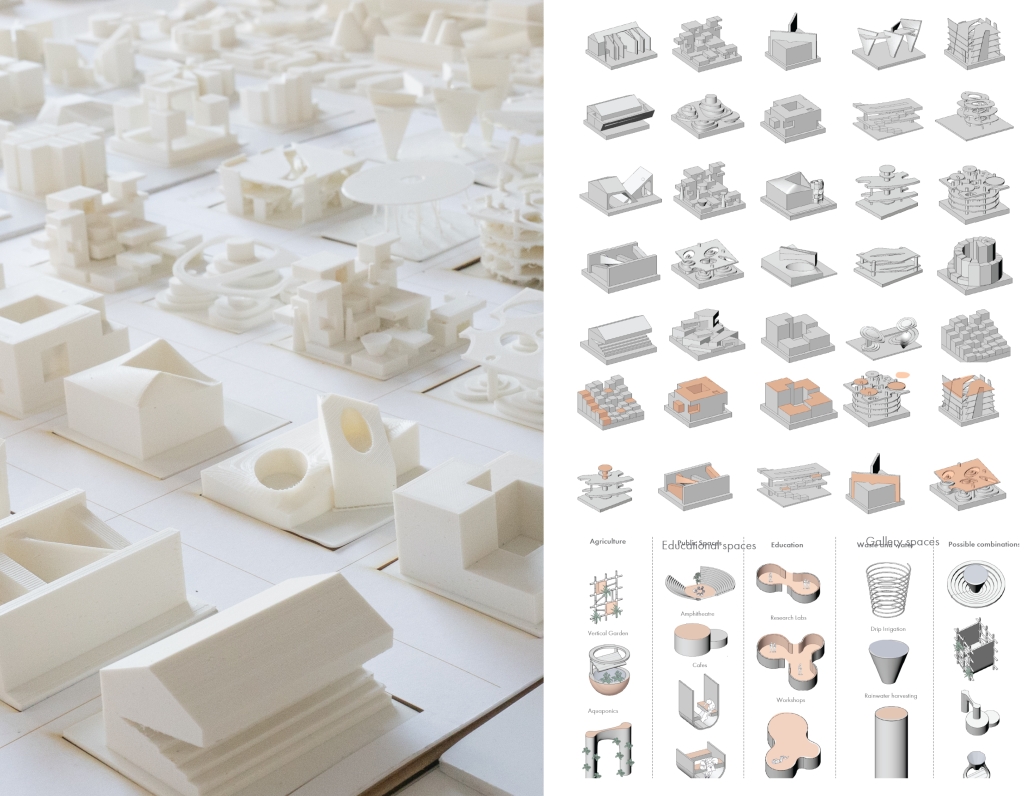
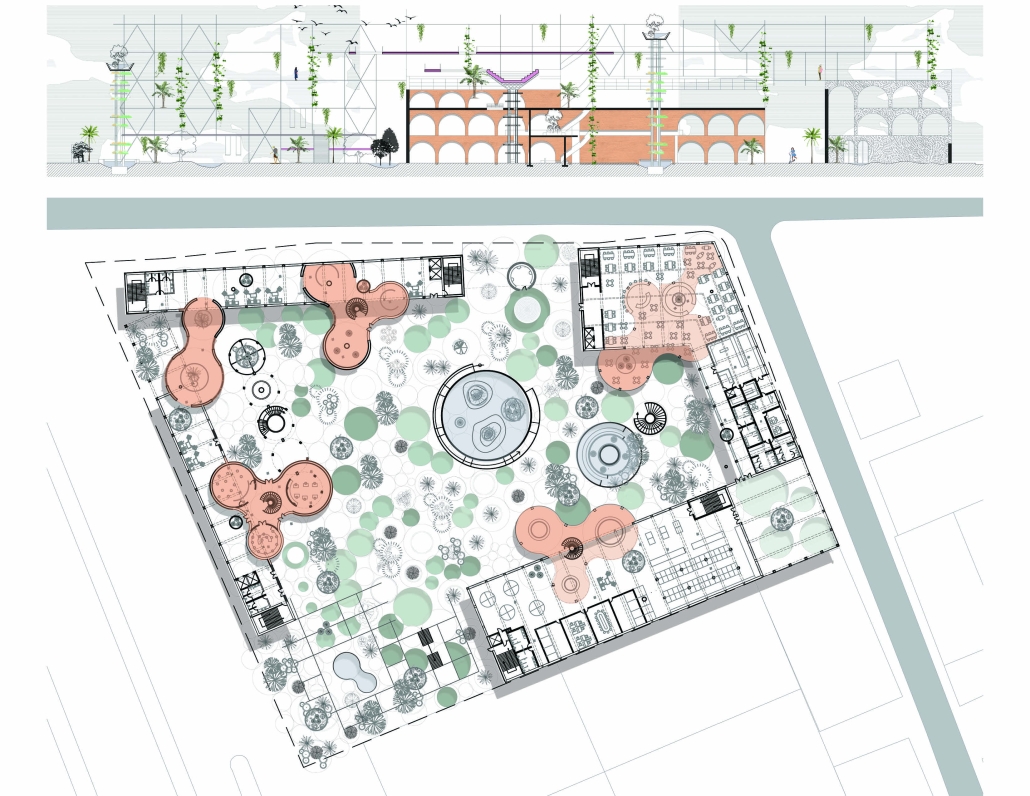
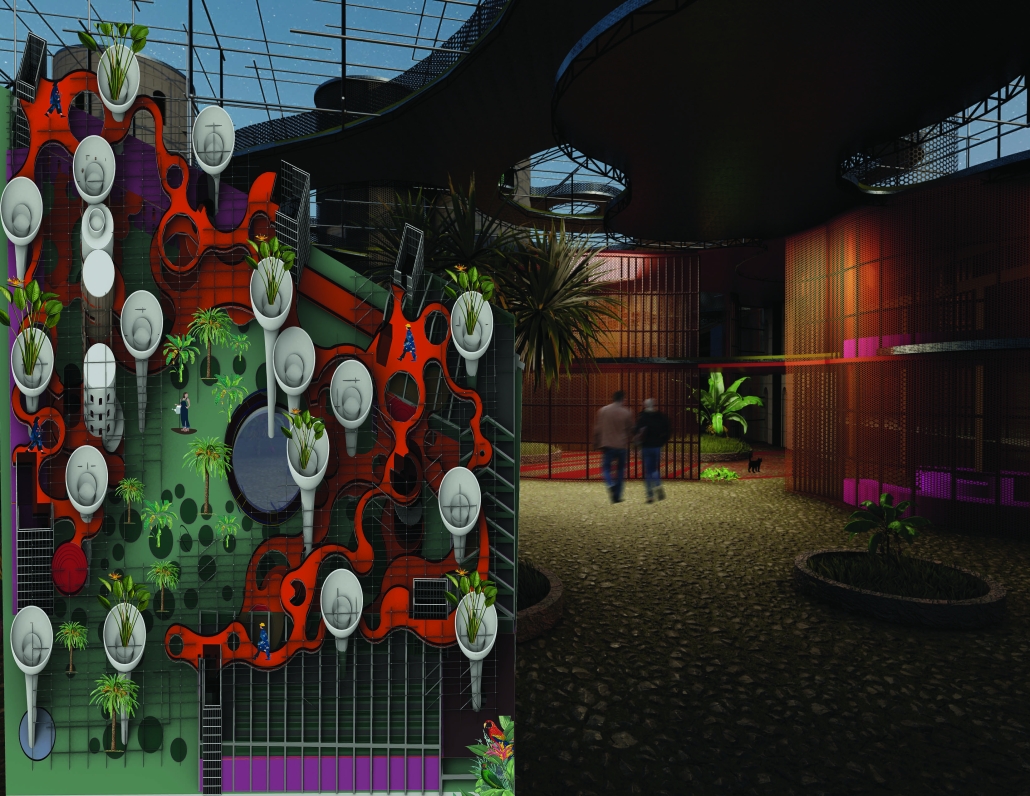
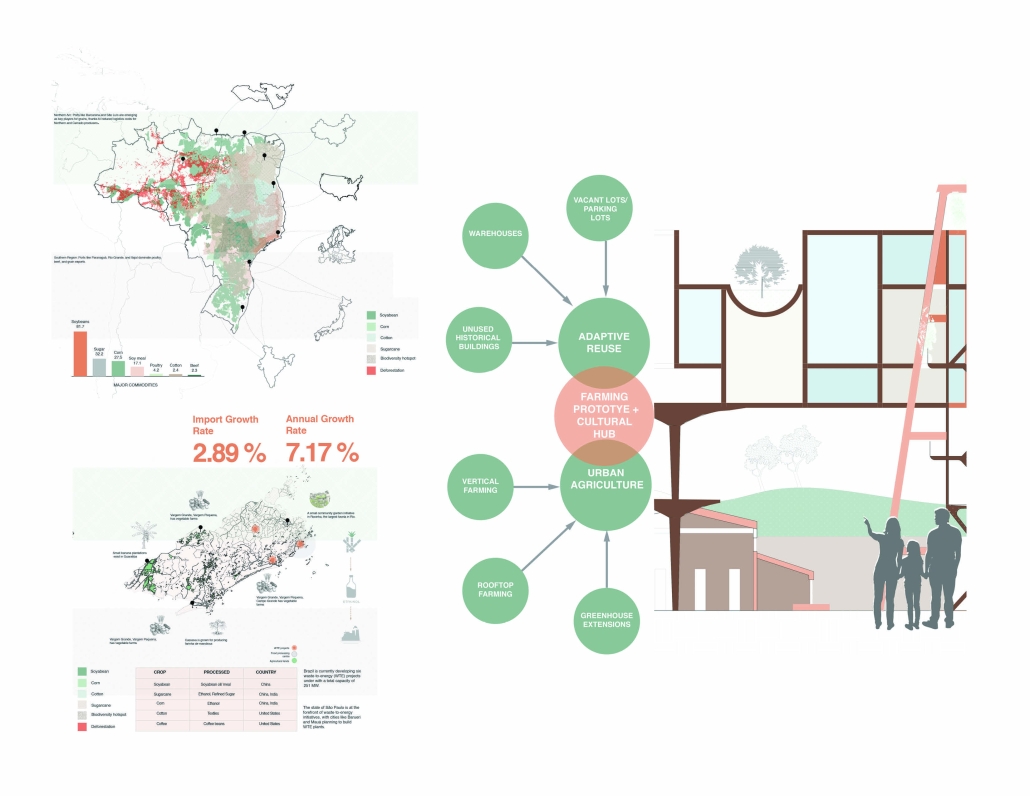
 From these questions, “The Agrarian City” was born, a design framework that proposes scaffolding systems and modular toolkit insertions to retrofit unused buildings into vertical teaching farms. These structures not only produce food but also serve as platforms for education, skill-building, and community gathering. 

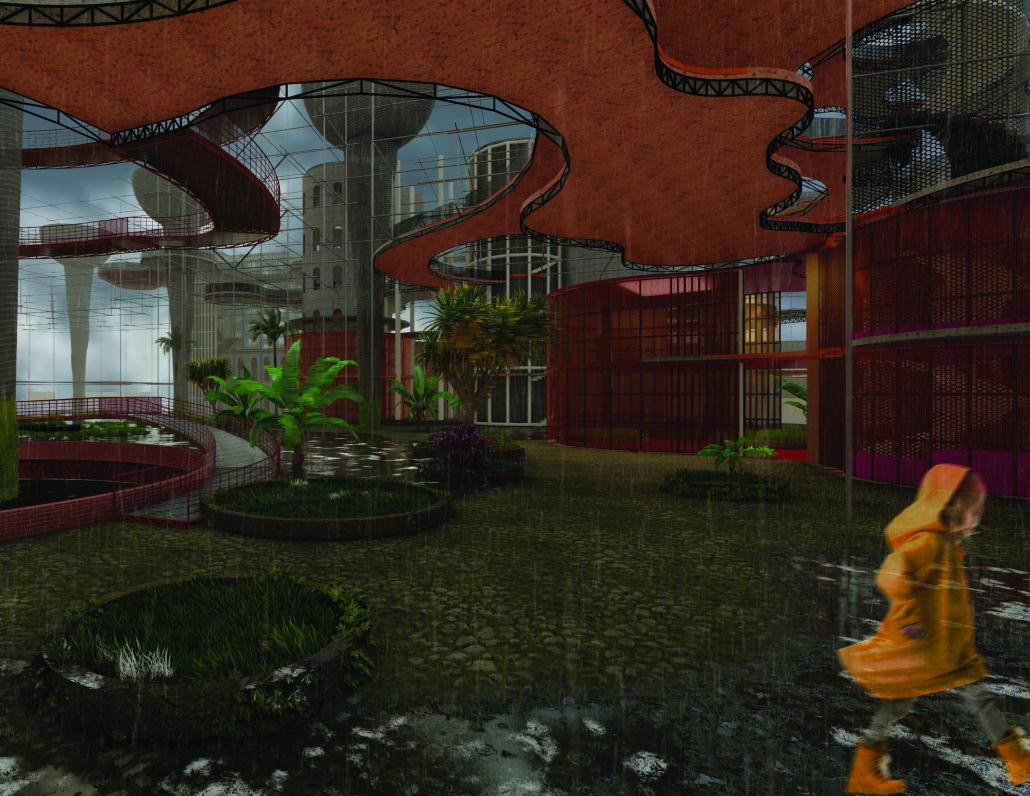
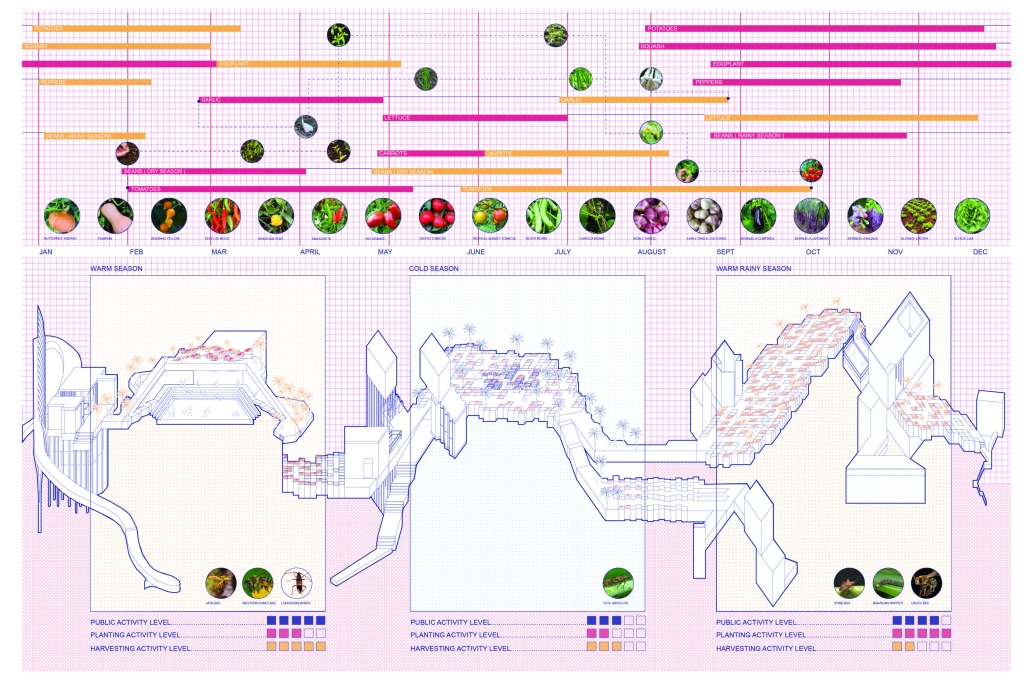
Our pilot site in São Cristóvão, Rio de Janeiro, is rooted in the principles of adaptive reuse, seasonal crop planning, and integrated spatial systems that blur the lines between agriculture, learning, and public life. By treating architecture as an evolving, regenerative system rather than a static form, the project aims to demonstrate how the built environment can support ecological restoration, food justice, and social empowerment. At its core, The Agrarian City is about growing, reusing, and educating, rethinking the role of architecture as a living system that cultivates resilience and belonging within the urban fabric.

Instagram: @aneesha_muthuraj, @ev07, @marcelladelsi

Nuclear Landscapes of New Mexico by Amanda Champion, Master of Landscape Architecture (MLA)’25
University of New Mexico | Advisors: Catherine Page Harris, Chris Wilson, Nora Wendl & Dr. Myrriah Gomez

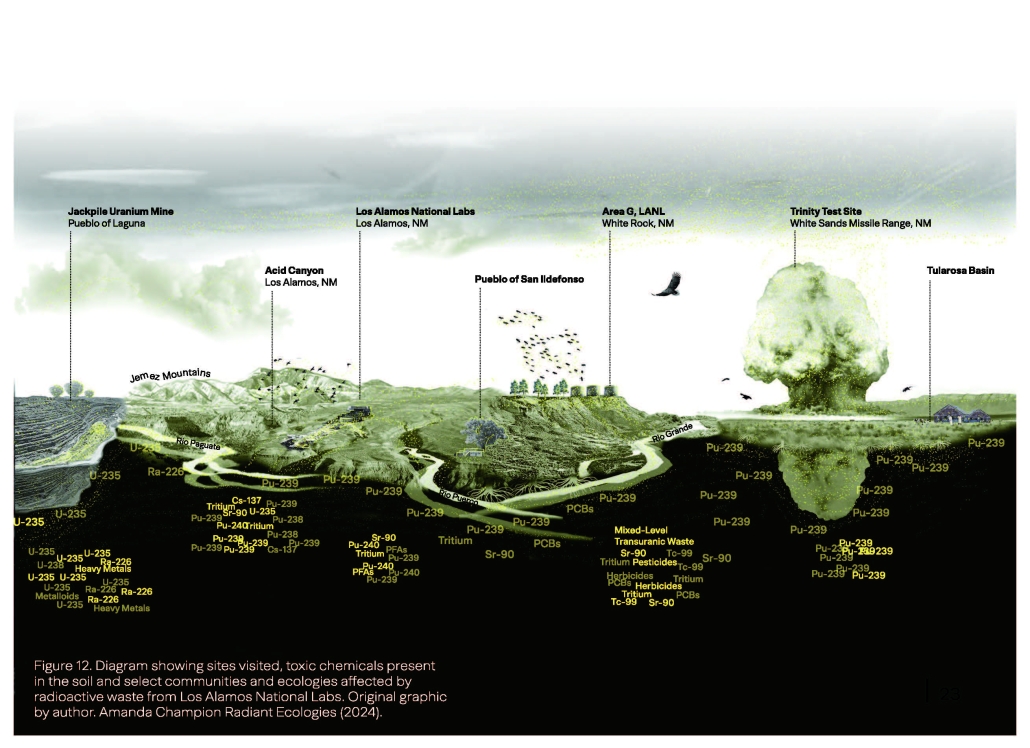
Champion (MLA 2025) investigated Acid Canyon, Los Alamos, NM, through her master’s project, making visible water moving plutonium through public recreational landscapes into the Rio Grande. Champion wrote, “The landscapes of nuclear sites, both historic and contemporary, are designed spaces that tell specific stories about the societies we live in. Whether highly visible industrial infrastructure or naturalistic spaces touched by the invisible yet toxic hand of radiation, these landscapes are woven into the fabric of the New Mexican landscape … Many of these landscapes are unknown due to the intentional secrecy of the federal government around the nuclear weapons industry.”

This project received a master’s distinction.

Instagram: @a_man_dog, @cph_landart
Roots and Rails by Alyssa Ascani, Naomi Metzger & Siraphat Sukarom, M.Arch ’25
New York Institute of Technology | Advisors: Marcella Del Signore & Evan Shieh

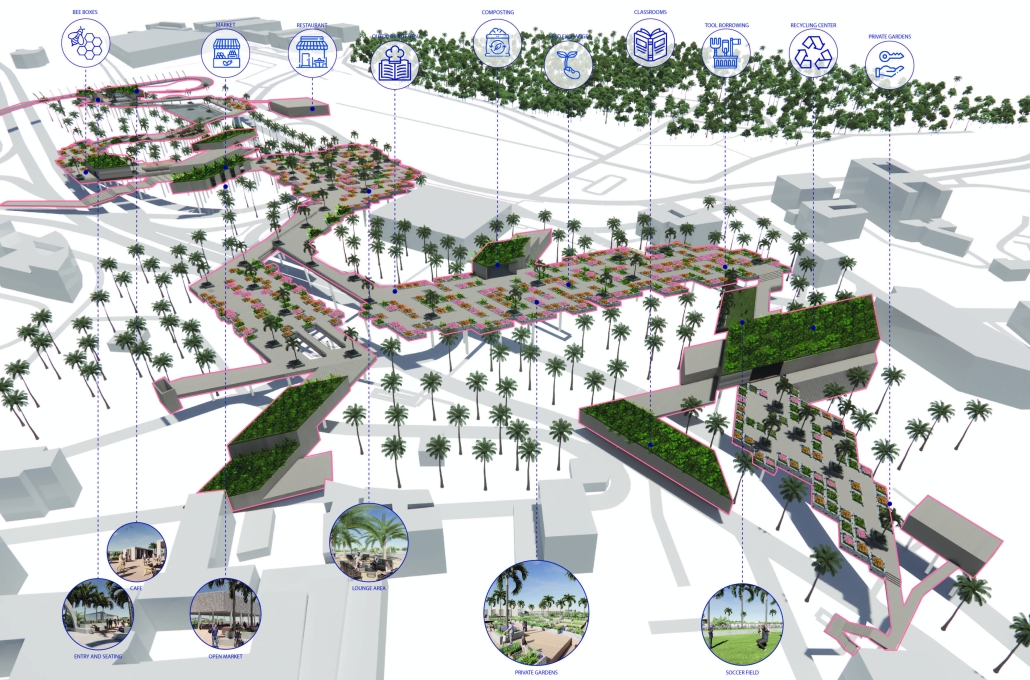
“Roots and Rails” is a design thesis focused on reimagining food distribution infrastructure in Brazil at a micro scale, specifically in the São Cristóvão neighborhood of Rio de Janeiro. The project addresses issues of food insecurity, infrastructure inequality, and community disconnection, proposing a local food network.

Brazil is a major exporter of agricultural goods, but simultaneously imports rising amounts of processed food. In neighborhoods like São Cristóvão, this results in food deserts and traffic congestion from export-driven transport. Mapping studies revealed that large portions of the population live beyond walkable distances to grocery stores, especially in dense areas like favelas.    

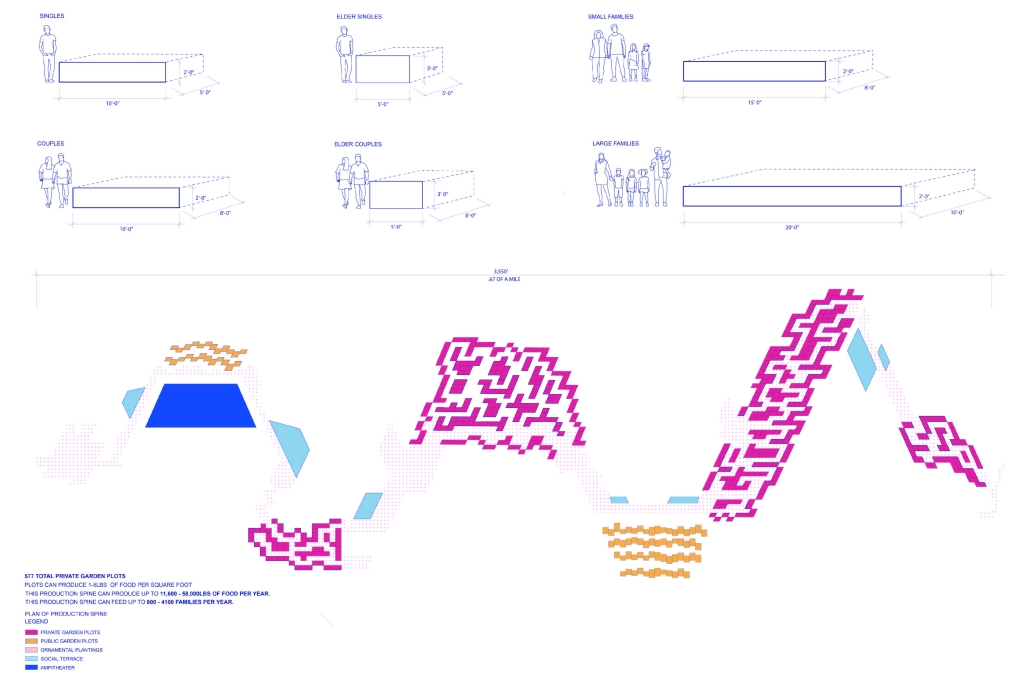
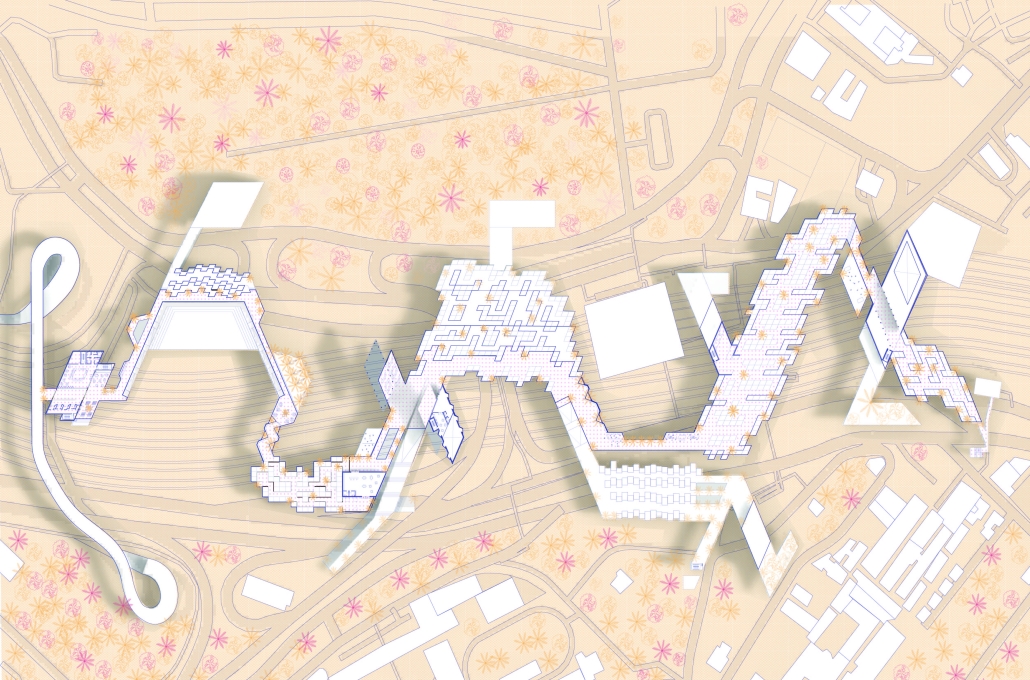
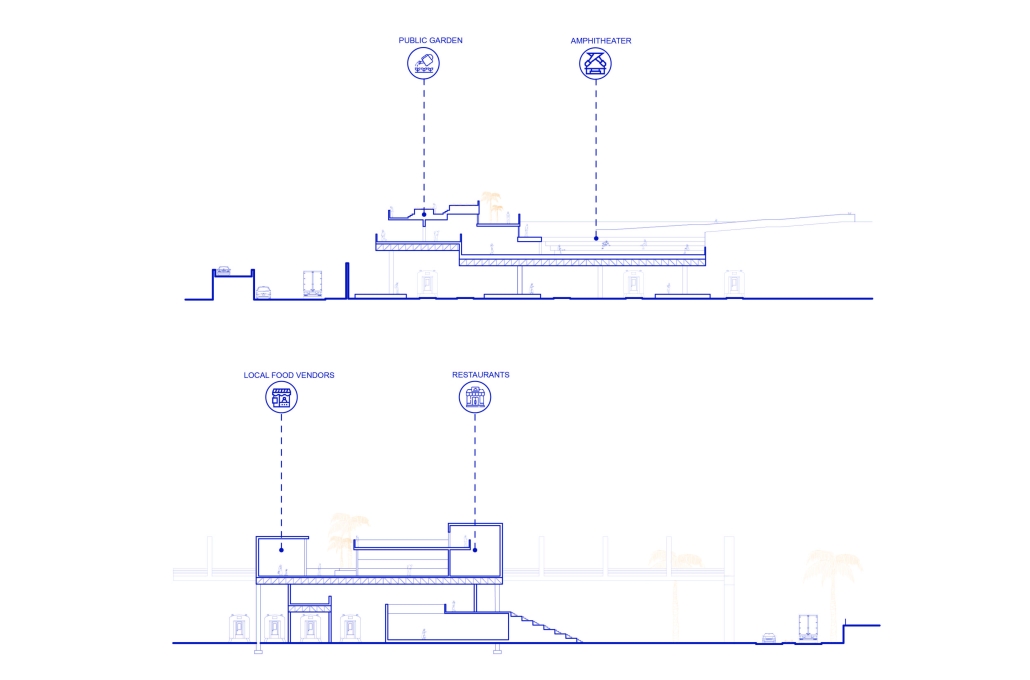
Our solution transforms underutilized land and divides urban infrastructure, specifically the railway corridor, into a linear public food system. We identified three vacant or unproductive sites along the railway and connected them with a continuous “spine” built above the tracks. This elevated path hosts production, consumption, exchange, and celebration programs, forming the core of a new community-based food network.

The spine includes community gardens, open markets, dining areas, and public spaces. It is accessible via existing pedestrian bridges and integrates with surrounding neighborhoods, connecting local businesses, bars, restaurants, and homes. The spine’s design allows programs to “bleed” into adjacent areas, transitioning from large-scale infrastructure to neighborhood-scale interventions.

Gardens are divided into private, communal, and market plots, with varied sizes to serve individuals, families, and elders. These plots supply fresh produce to local vendors and cafes located along the spine, and excess goods can be distributed via the adjacent railway. Additional elements include amphitheaters, educational classrooms, seed exchange hubs, and compost stations.

A management team oversees garden plot rentals, market operations, and waste management. Organic waste is collected, composted, and returned as fertilizer, creating a sustainable loop that reduces pollution and supports local agriculture.

Roots and Rails reclaim neglected infrastructure to serve the local community, transforming a divisive element of the city into a unifying, productive space. The project not only tackles food insecurity but also fosters local economies, environmental sustainability, and community resilience through thoughtful urban design

Instagram: @ascaniarchitecture, @naomilewinter, @pattapsp, @ev07, @marcelladelsi
Reimagining Concon Estuary: Reclaiming Concon With Community-Led Catalysts by Mutita (Maeve) Ouk, Vicky Sindac Gomez, Daisy Castro & Qingyi (Eva) Gan, M.S. Architecture and Urban Design (MSAUD) ’25
Columbia University | Advisors: Kate Orff, Geeta Mehta, Sebastian Delpino, Gabriel Vergara, Emanuel Admassu & Lucas Coelho Netto

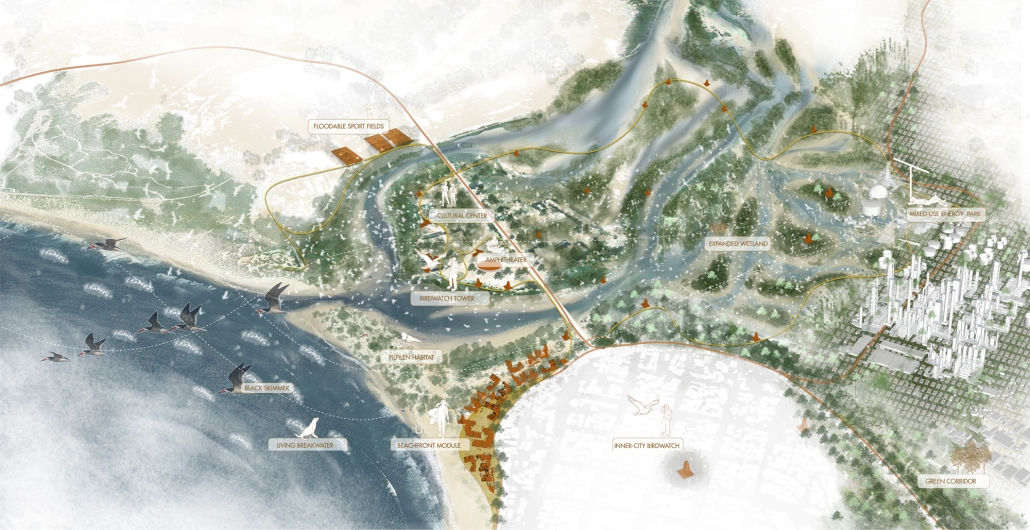
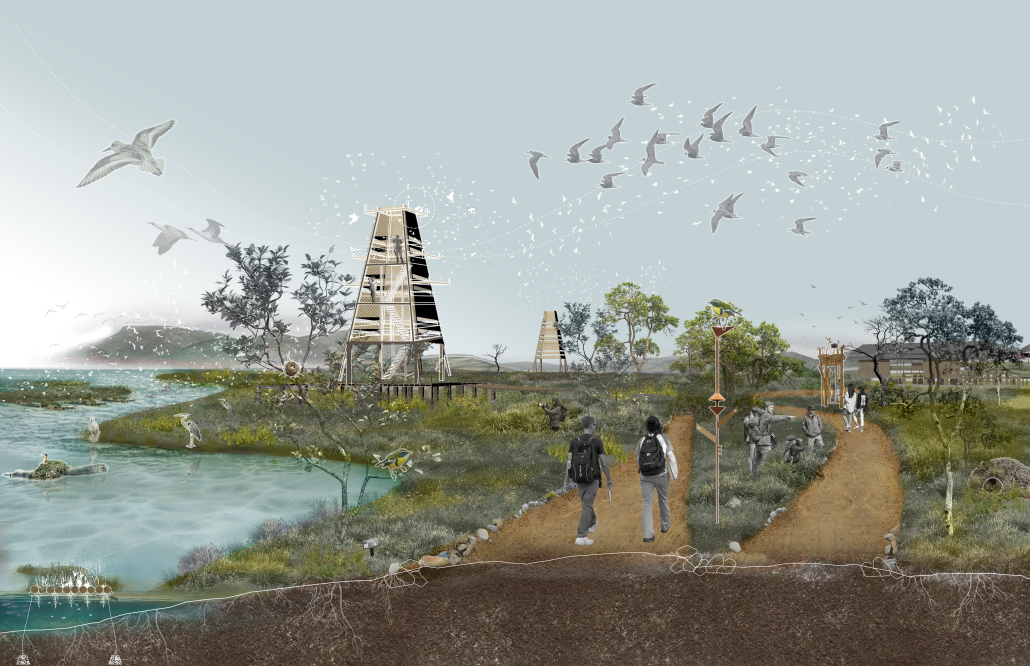
What if the Concon Estuary and the surrounding wetland ecosystem were restored to enhance the well-being of local flora, fauna, and community?

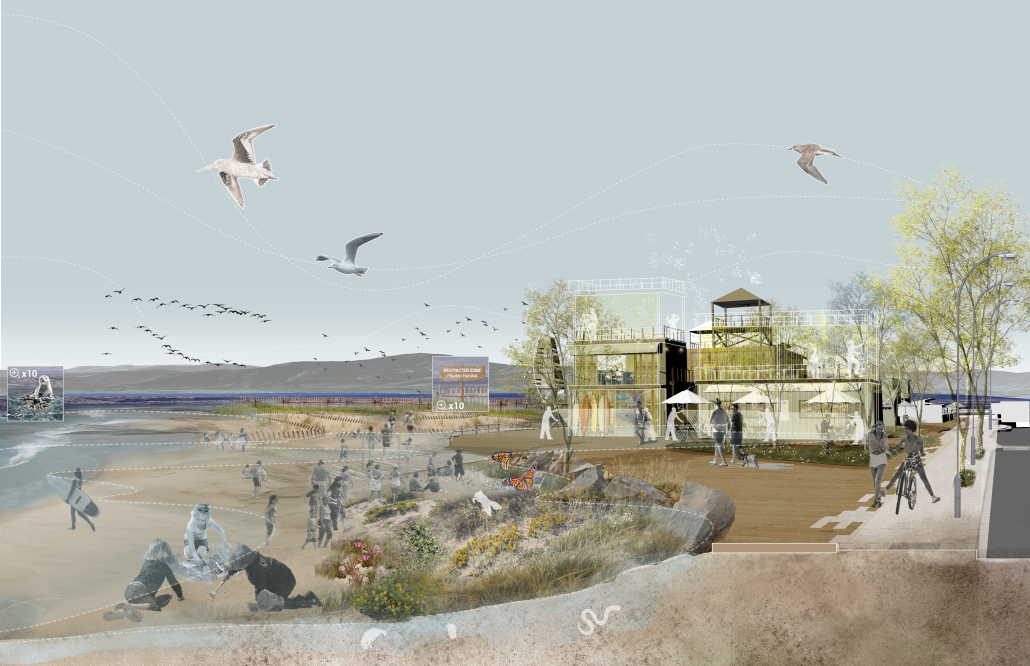
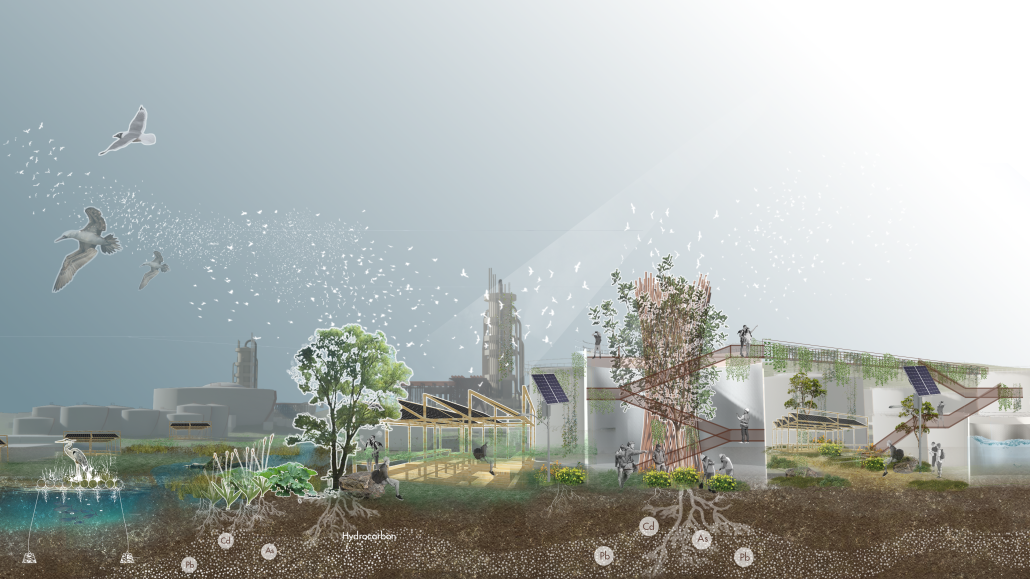
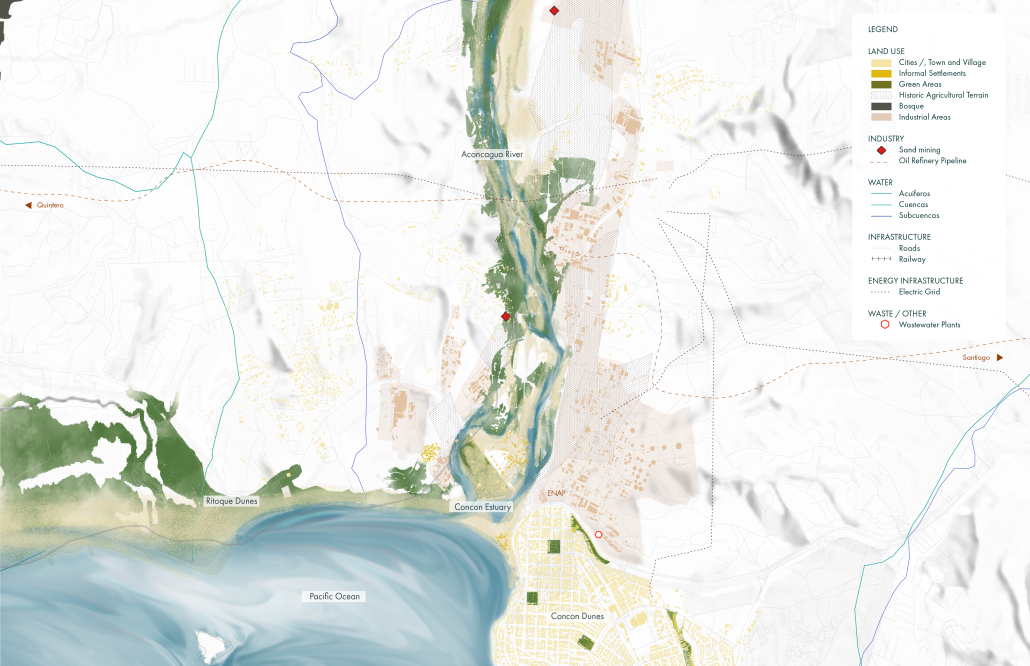
The Concon Estuary, located in the coastal region of Valparaiso, Chile, is a vital transitional zone between the Aconcagua River and the Pacific Ocean. It boasts rich biodiversity and a dynamic landscape that constantly changes throughout the days, seasons, and years– where river meanders, ocean tides fluctuate, sediment flows, and birds are free to come and go. However, human activities, including urban development, pollution from the ENAP oil refinery, the Asfalcom cement factory, sand mining, waste dumping, and unregulated recreational activities, have placed significant pressure on the ecosystem. This constant resource extraction and exploitation has led to more frequent and intense storm surges, increased flood risks due to rising sea levels, habitat loss, saltwater intrusion, shifting river course, and unregulated activities. 

ENAP, the primary polluter, contributes little to the local economy. Locals rely on small businesses along the beach that are poorly constructed and are exposed to flood risks due to the abrupt transition between the coastline and the urban area. Given Chile’s policy goals of replacing fossil fuels with renewable energy and the risk of sea level rise, we envision a future where ENAP is gradually phased out, paving the way for sustainable energy sources. Throughout this transition, the existing industrial structures and operations will be integrated into the design process to mitigate pollution and environmental impacts. Additionally, sand mining will be banned to facilitate the regeneration of the wetland ecosystem and restore its natural space. This will also create new job opportunities, supporting a more resilient and sustainable way of life for the community.

Click here to learn more.

Instagram: @mutita.ouk.arch, @vsg.arch, @dyc_urbdesign, @gsapp_aud, @mehtageeta999, @gabrielvergarag, @sdelpino_arq, @eadmassu, @lucascoelhonetto
Mount Baker Urban Farm [CLT Cannibalism Studio] by David Oluwamayowa Asokeji, M.Arch ’25
University of Washington | Advisor: Susan Jones

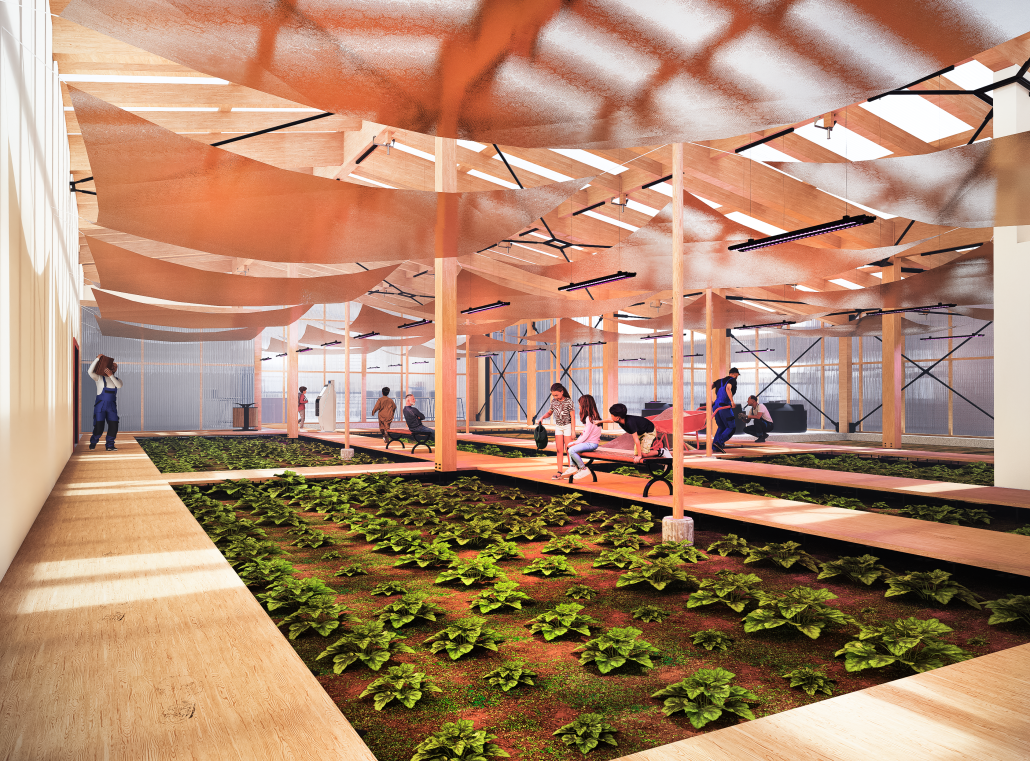
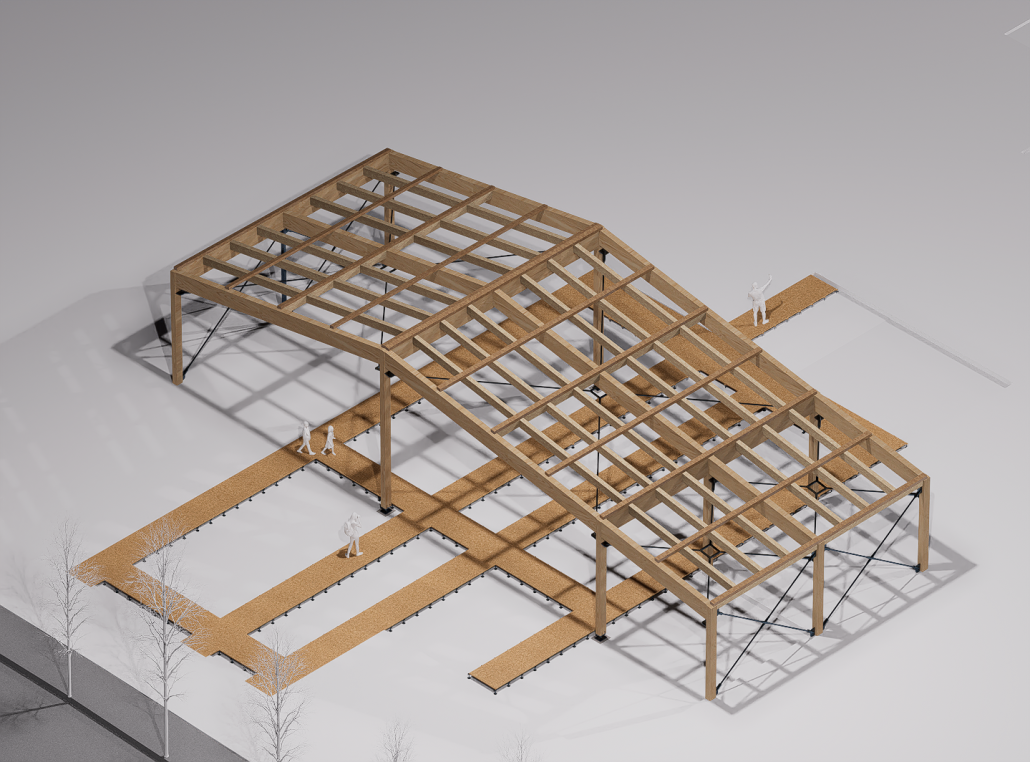
“Mount Baker’s Urban Farm” is a transformative community-based project that confronts food insecurity and economic disinvestment in Seattle’s Black and African American neighborhoods. Designed as a local response to systemic inequities in food access, the project reimagines urban agriculture as both a cultural anchor and a platform for environmental resilience.

At its heart is the Cassava plant—an essential staple crop widely used across West Africa, Southeast Asia, and South America. Known for its versatility and low-waste processing, cassava becomes both the functional and symbolic backbone of the farm. The crop supports not only flour-based food production but also textile, paper, and material research initiatives, making it a dynamic resource for community-building and circular design.

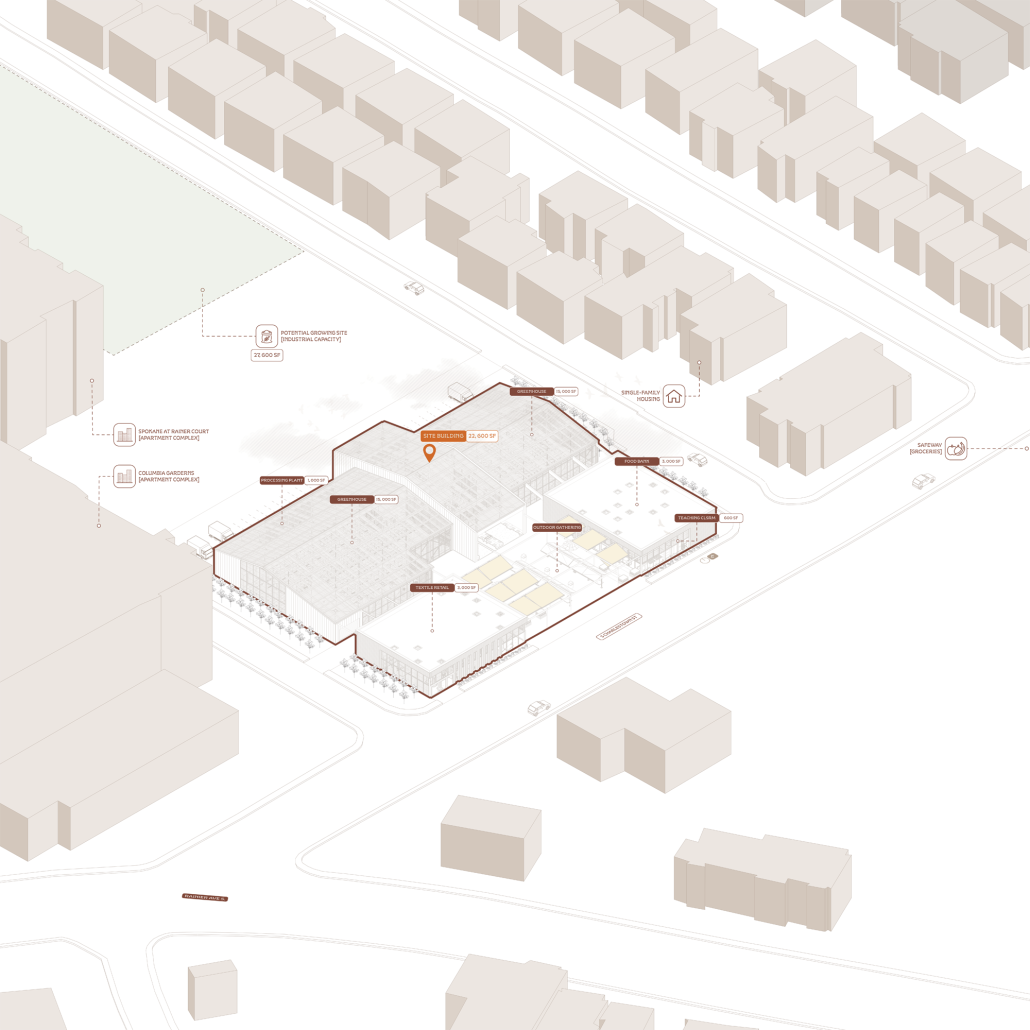
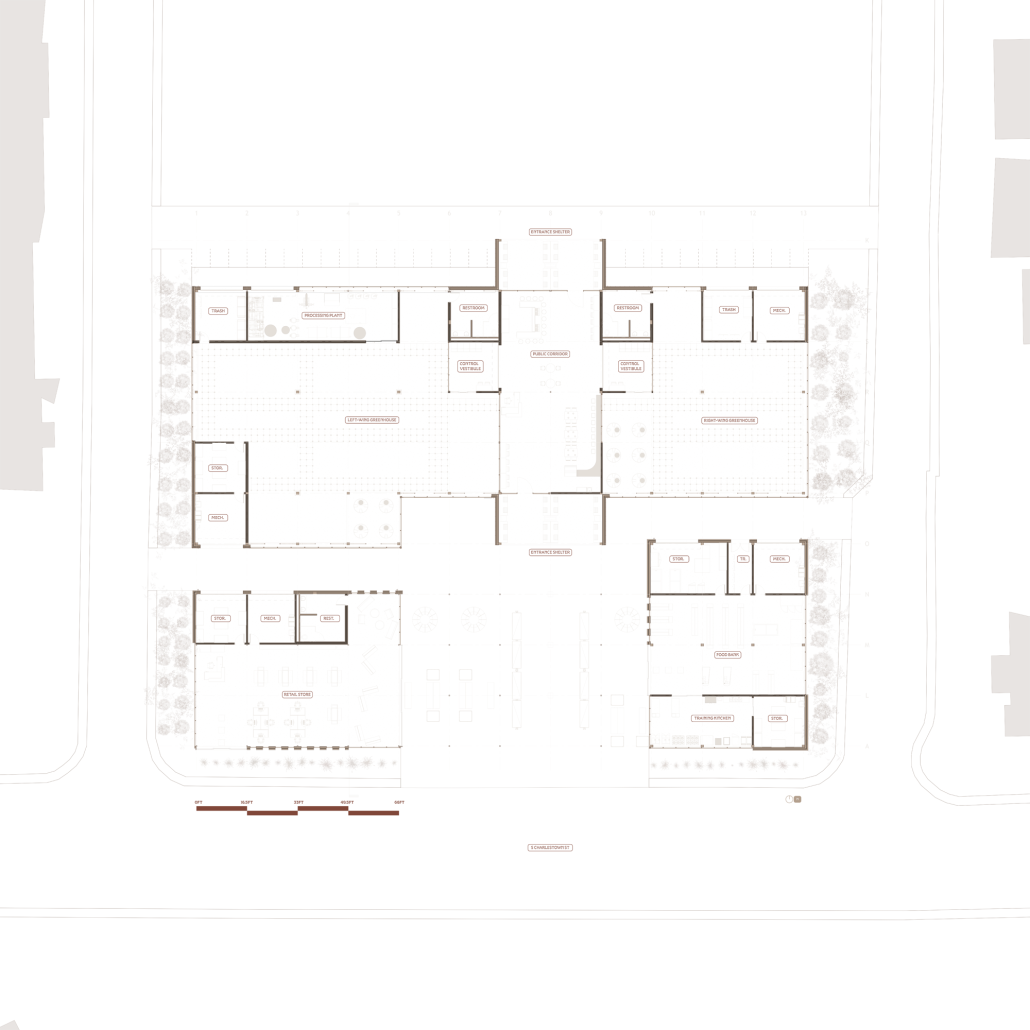
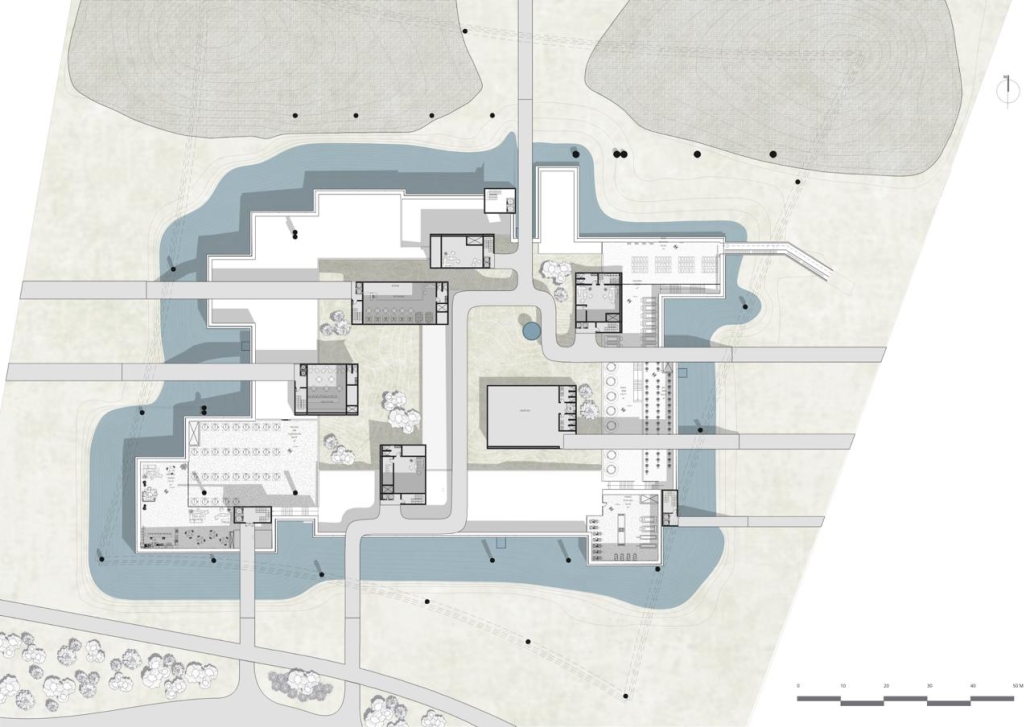
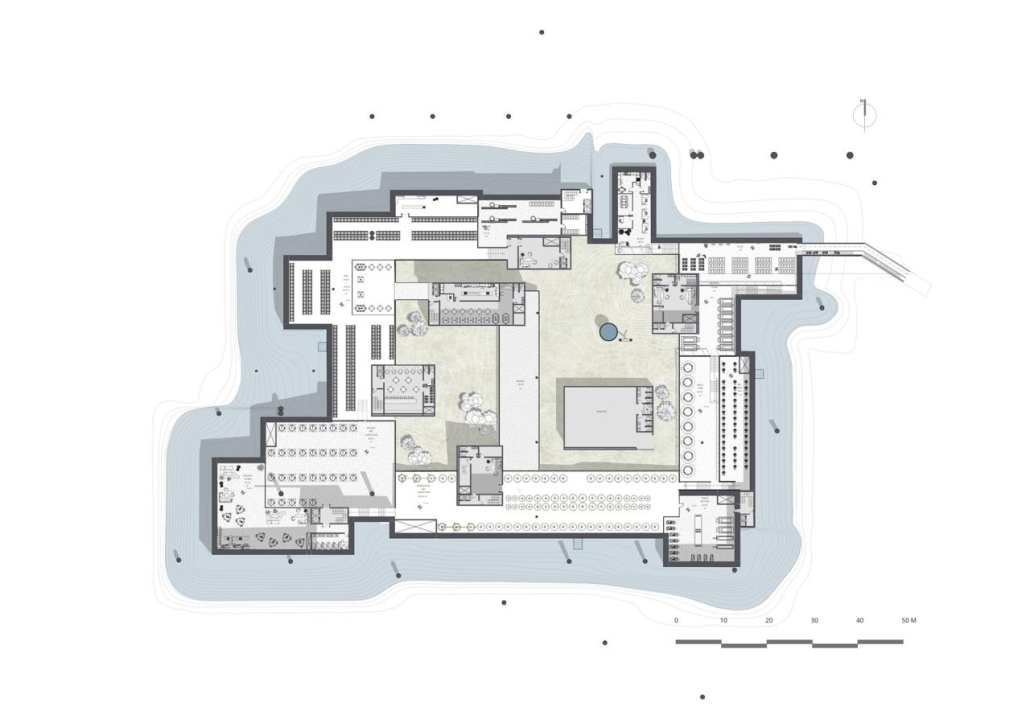
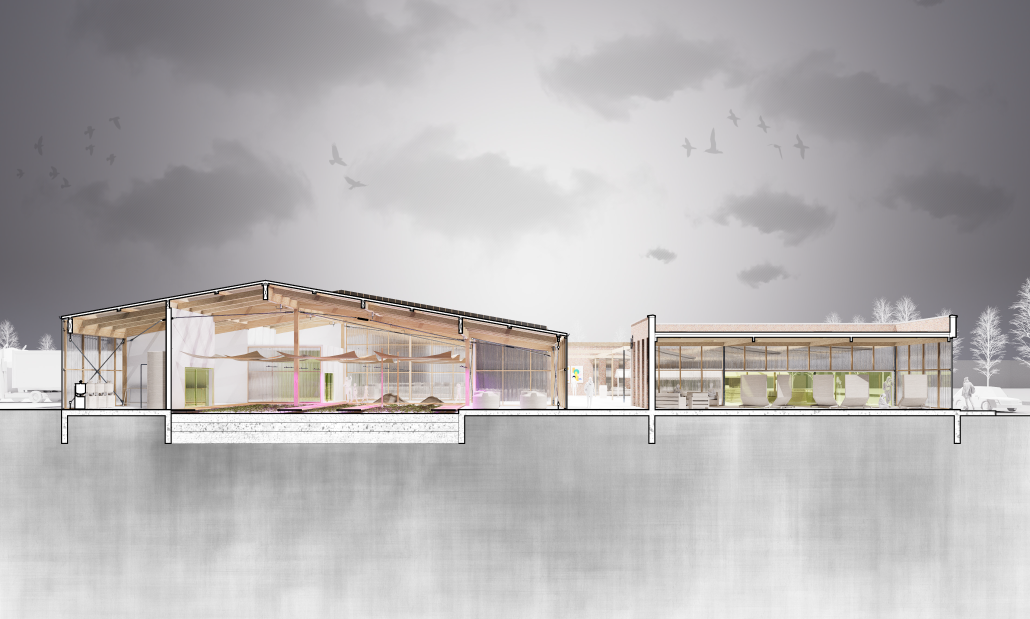
This urban farm integrates a greenhouse, processing plant, teaching kitchen, community food bank, textile fabrication studio, and a public-facing retail space. Together, these programs create a closed-loop system of cultivation, education, and empowerment. The design fosters hands-on learning through cooking classes and sustainable farming workshops, while simultaneously supporting food relief through onsite distribution.

An open-air courtyard anchors the project, acting as a communal gathering space and visible nexus of exchange. Here, architecture supports transparency, wellness, and social cohesion—inviting the public into the often-hidden processes of food production and collective stewardship.

More than just a farm, Mount Baker’s Urban Farm positions architecture as a tool for social equity, ecological intelligence, and economic resilience. It exemplifies how built environments can honor cultural heritage, activate underutilized spaces, and nourish both people and place.

Click here to learn more.

Instagram: @davidasokeji_0, @dbaarchitecture, @atelierjones
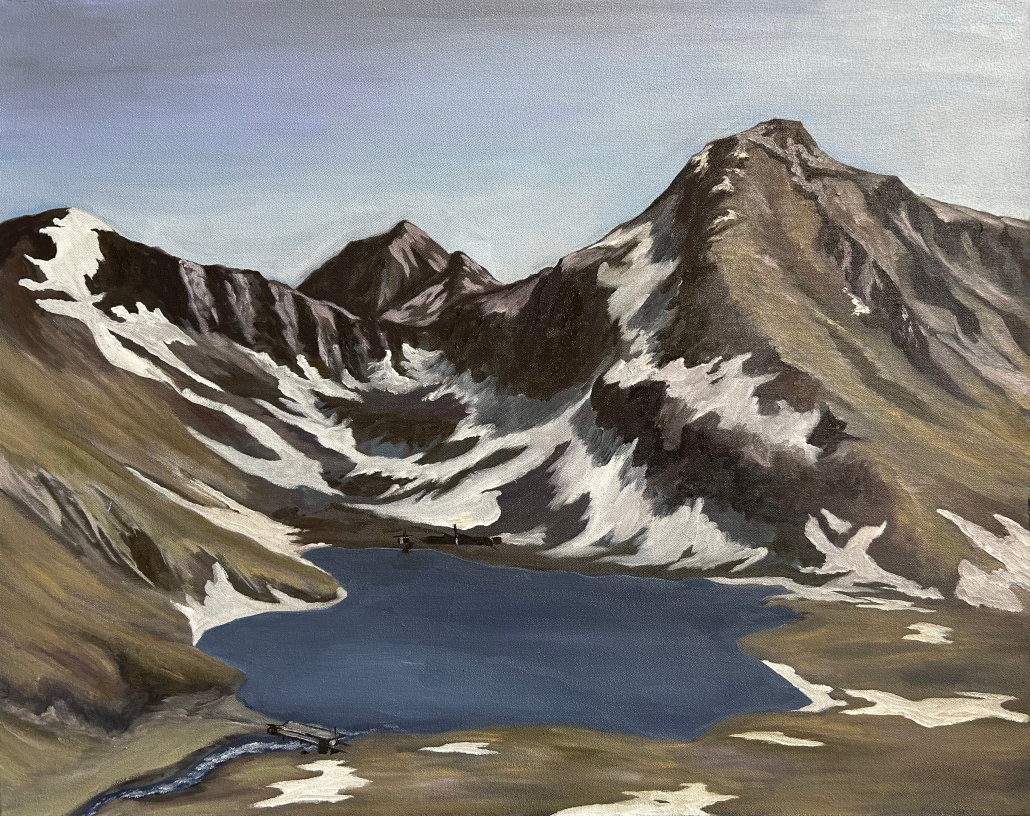
Equinox House: Contextual Materiality of a Residence by Austin Small, B.S. in Architecture ’25
University of Virginia | Advisor: Peter Waldman

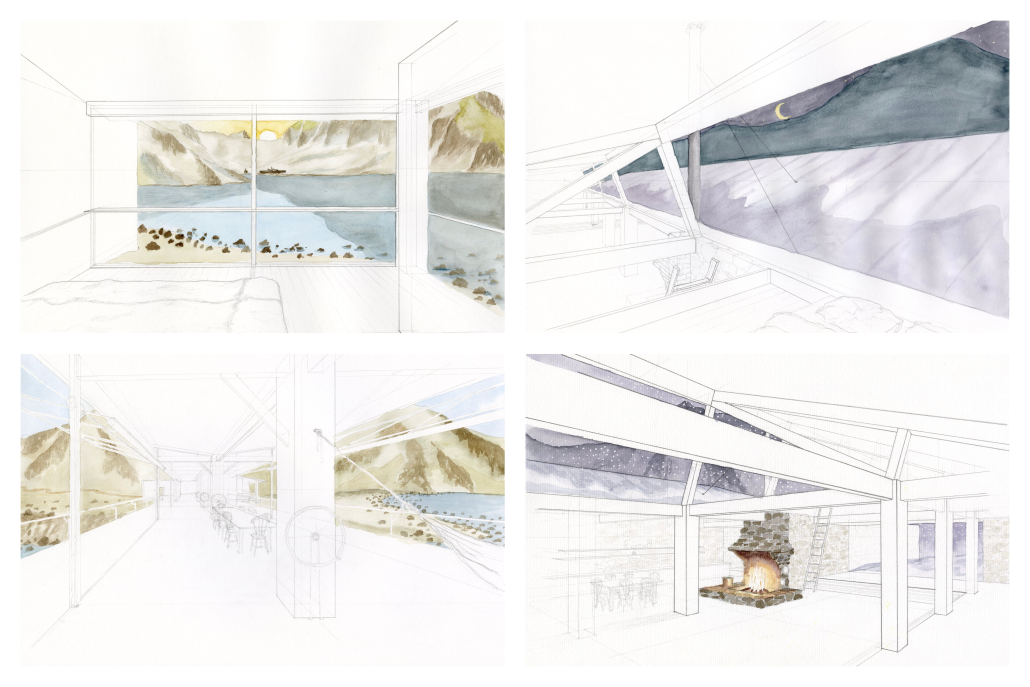
Rabbit Lake, southeast of Anchorage, Alaska, is a peacefully calm, yet brutally intense landscape tucked into a corner of the Chugach Mountains. Reaching the lake involves a two-mile hike from the nearest road access point after driving 10 miles out of the city. Sitting higher than the alpine line, roughly 3200ft above sea level, the lake and its surrounding mountains are void of trees; the shores instead are dotted with shrubs and littered with rocks that have been shed in avalanches over the years. 

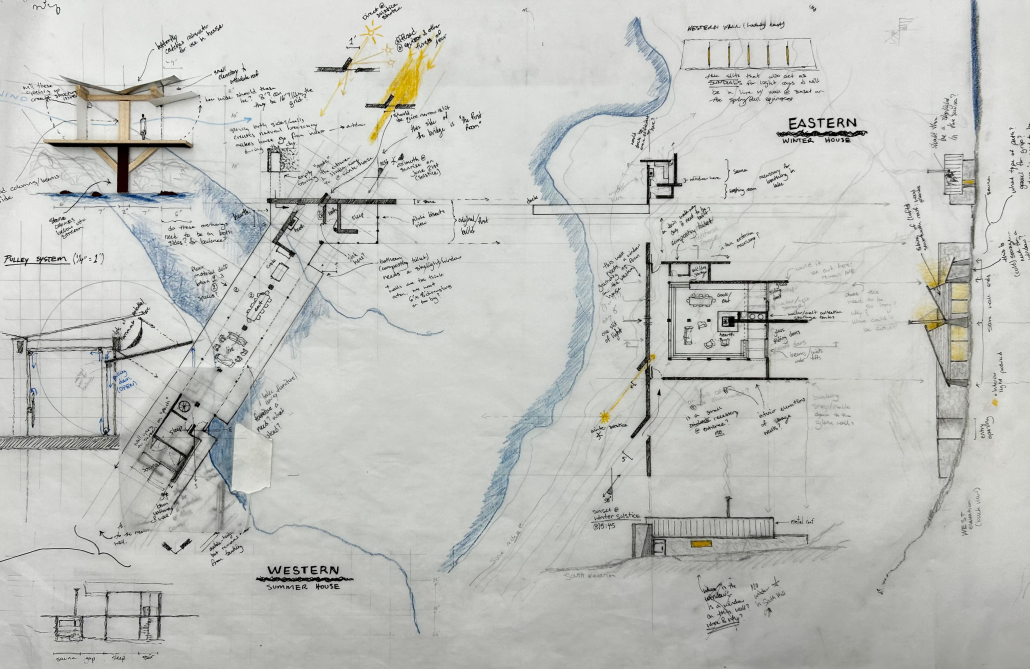
One half of the project sits atop a bluff on the western bank, bridging a creek fed by the lake: this is the summer house. Across the lake, directly to its east and braced into the mountain behind, lies the opposing winter house. The two dwellings are connected by their compass alignment and the journey made between them; one that the project proposes is initiated by the solar path on both the vernal and autumnal equinoxes. With one window in both structures directly facing the other, the sunrise and sunset on the equinoxes act as a seasonal sundial, initiating the changeover journey between winter and summer. 

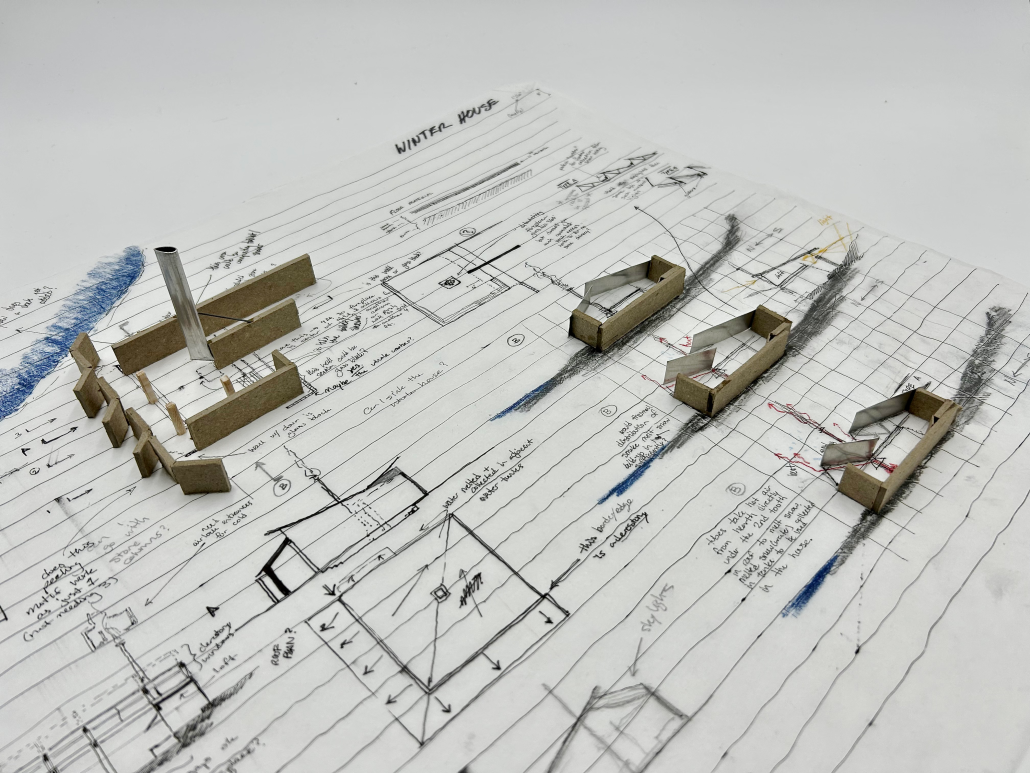
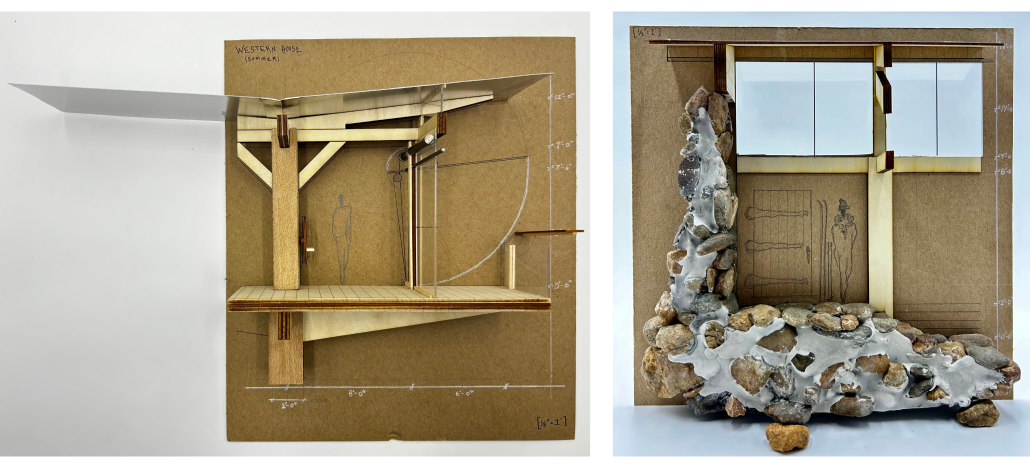
A more immediate indication of movement, the long covered bridge of the summer dwelling is a kinetic structure proposing a blend of interior and exterior. The glass walls on each side of the bridge are designed to rotate and open upward, transforming the span into a livable breezeway. While the Western dwelling is light, breathable, and tectonic, the Eastern house is a burly cave in contrast. Made from the stone found on site, [its] thick walls and a centrally located hearth offer protection and comfort from the sub-zero temperatures of the winter months. The protective western wall guards the structure from harsh winds coming off the lake, while the clerestories of the saw-toothed roof take in as much of the minimal daylight as possible and offer views of the “Aurora Borealis” in the northern night sky.

In an attempt to design a house precisely unique to its setting, this project proposes a response both to the seasonally extreme nature of Rabbit Lake and to the traditional Alaskan lifestyle, a way of living that is intrinsically exterior. The proposal imagines a cast of characters: a nomadic countryman with a possible family, living off the land and lake as much as possible, and maintaining the dwellings in a simple and slow lifestyle by returning to nature. As a result of the drastic seasonal differences in both light and temperature, the project splits the home into two respective dwellings, living not only on the site but with the site; allowing the landscape, and interaction thereof, to complete the proposed design.

This project received the Highest Honors for the 2025 Fourth Year Thesis at the UVA School of Architecture.

Stay tuned for Part VII!
2024 Study Architecture Student Showcase - Part VII

Welcome to Part VII of the 2024 Study Architecture Student Showcase! Today’s featured projects highlight spaces that serve their local communities. The student work below functions as more than just community centers, but as cultural and educational hubs as well. Each design presents an opportunity to transform communities by supporting the local economy, enhancing sustainability, creating an enriching environment, and more!

Tarboro Road Community Center by Maggie Kroening,  B. Arch ‘24
NC State University | Advisor: Doug Pierson

Tarboro Road Community Center

Anchors: Connecting Community to Landscape

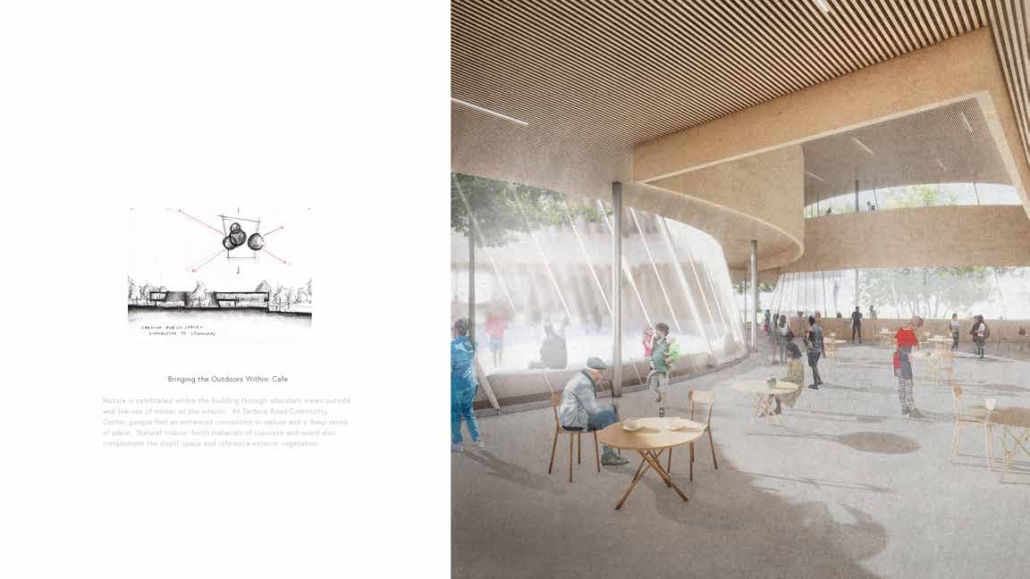
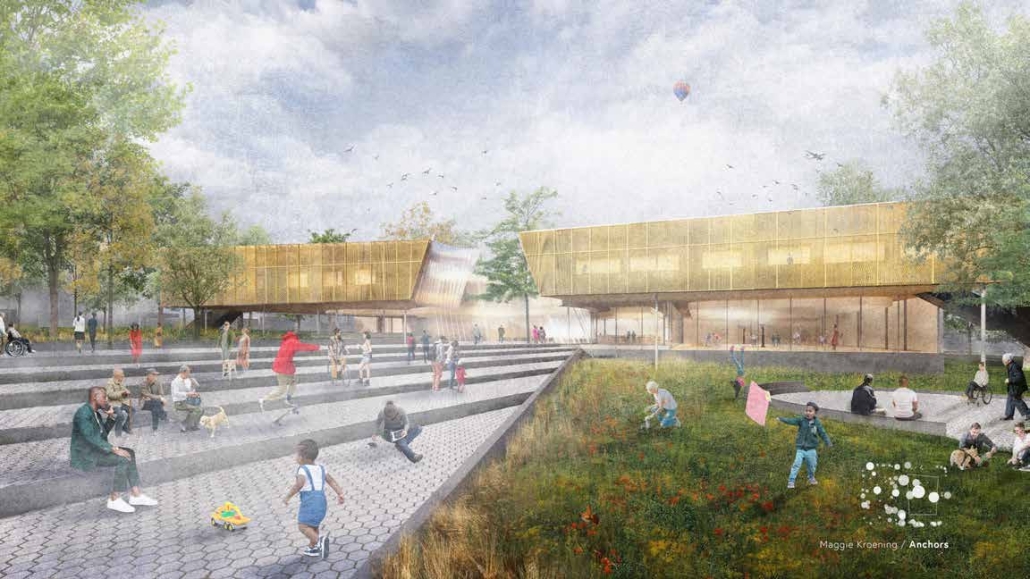
Architecture has the power to include or exclude, establish connections, foster pride, and generate emotion. In turn, when considering public projects, architects have the choice to design for all, promoting a more equitable built environment. This philosophy is exemplified in my design for Tarboro Road Community Center, called “Anchors,” bridging design aspects of both landscape and architecture.  

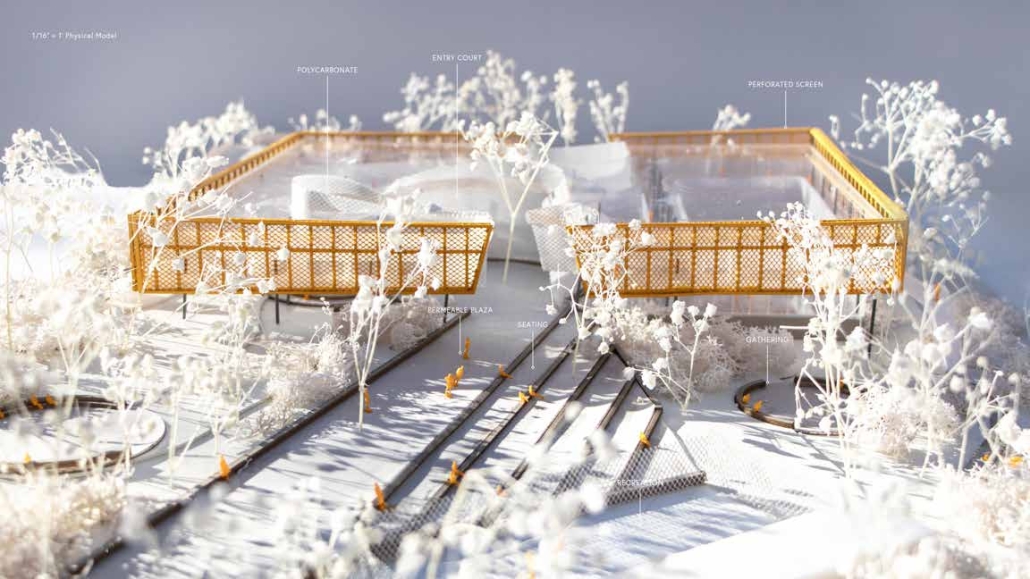
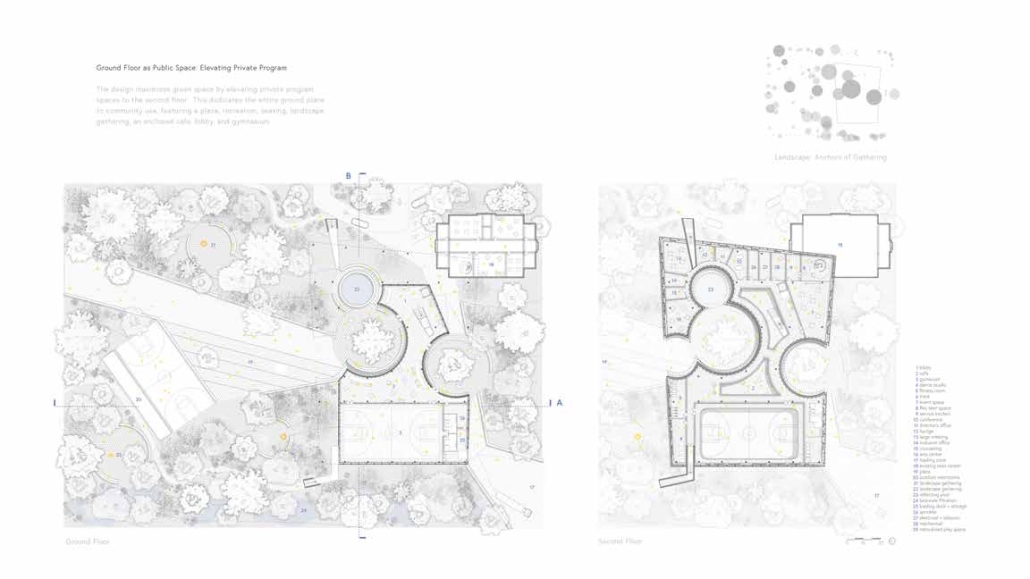
This informed my project parti: landscape as anchors of gathering. After delineating existing trees on site, the program is placed at the least intrusive spaces, preserving the canopy. Overall, the enclosure is created for the program, and mass is subtracted to reveal entry, instilling a beacon and public park for the community. This site resides in the historically underserved community of East Raleigh. Thus, my project, “Anchors” needed to function larger than a community center, acting as a social nexus as the region urbanizes.

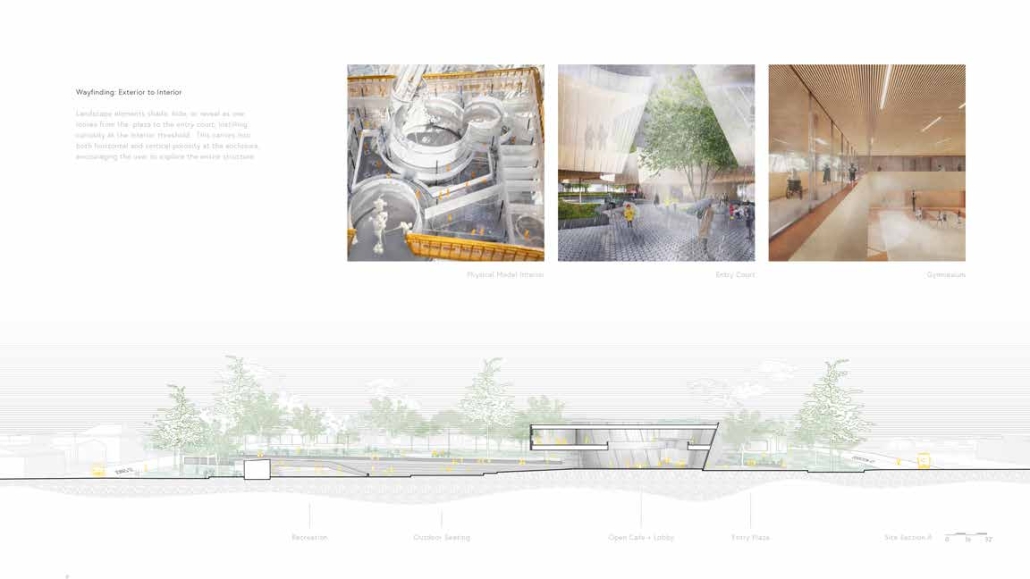
The design maximizes green space by elevating private program spaces to the second floor. This dedicates the entire ground plane to community use, featuring a plaza, recreation, seating, landscape gathering, an enclosed café, lobby, and gymnasium. By creating an urban plaza and elevating private amenities to the second floor, the entire ground plane functions as a public space for the community.  

In designing a space for a community, it is important to reflect on memories of what makes a space meaningful, which are often rooted in nature.  At Tarboro Road Community Center, nature is not just integrated, but celebrated. The landscape incorporates elements that evoke memories of meaningful outdoor experiences. The terraced seating also overlooks the recreation court, allowing viewership during games.  A naturalized playspace not only offers children a safe environment but also incorporates bioswales for sustainable runoff filtration, reinforcing the center’s commitment to ecological celebration.

The Tarboro Road Community Center exemplifies the integration of architecture and landscape, where the natural environment and community needs converge. By preserving the historic trees and maximizing public green space, the center not only honors the past but also prepares for the future as East Raleigh evolves.  

This project won the 2024 AIA Triangle Student Design Award

Instagram: @maggie.k, @podarchitecturedesign, @ncstatedesign

Aguirre Cultural and Visitor Center: The Revitalization of Abandoned Industrial Areas in the Communities by Sebastián R. Medina-Colón, B. Arch ’24
Pontifical Catholic University of Puerto Rico | Advisors: Pedro A. Rosario-Torres & Juan C. Santiago-Colón

The project is located in the Aguirre community in Salinas, Puerto Rico, and focuses on the former Aguirre Sugar Mill, situated near the coast and the community. This sugar mill was an economic pillar of the southern region in Puerto Rico since its establishment in the late 19th century. It spurred an economic boom centered on sugar production, becoming one of the largest and most productive facilities in the Caribbean. However, over time, the sugar industry faced economic challenges, and the sugar mill closed its operations in the 1990s. This closure caused several problems in the community, including the loss of jobs, population, commercial areas, and hospitals, leaving a forgotten and ruined community.

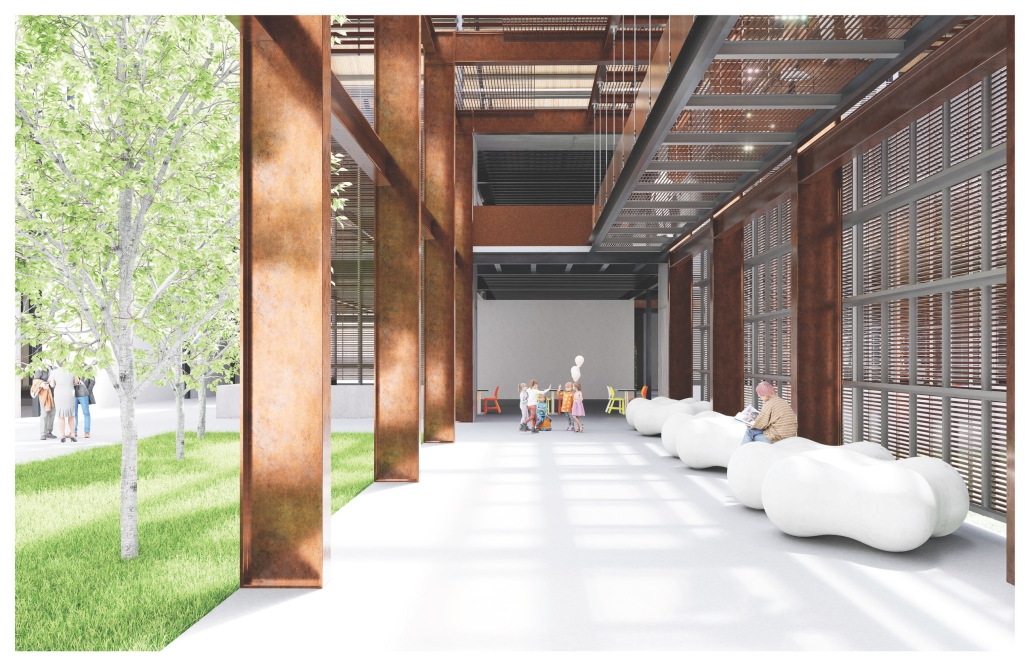
As a solution to this problem, the architectural proposal focuses on highlighting the area’s cultural, historical, and economic aspects. The main programs include a cultural and community center with recreational spaces, auditoriums for various local activities, a community market, and exhibition spaces with educational facilities to stimulate artistic and cultural interest in the area. Additionally, a visitor center is implemented to promote the local economy, which includes a virtual and interactive exhibition to present the history of the place and the processes used during that time, as well as commercial spaces, restaurants, and more.

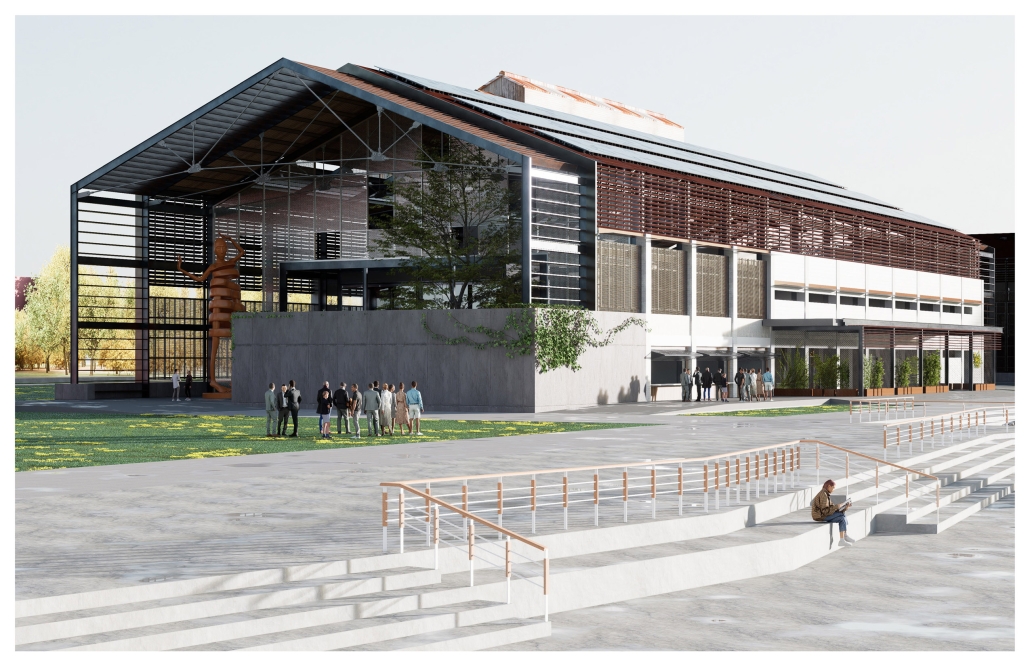
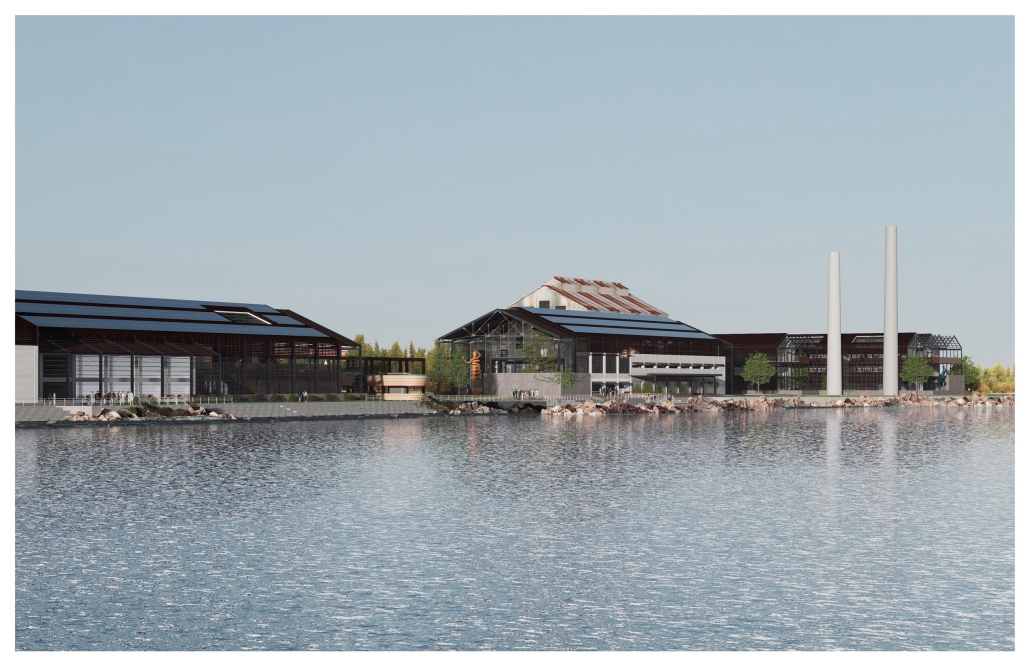
The project advocates for returning the waterfront to the community by removing visual barriers and obstacles that currently restrict access to the coast. The intervention involves using part of the existing structures to preserve the sense of place, while new interventions are carried out in the deteriorated areas, fostering a strong urban node that highlights the cultural, economic, historical, and artistic activities of the place. The project focuses on three buildings selected for preservation. Two of them, formerly two-level warehouses, are proposed as the building for art and culture, oriented towards the community, and the community building facing the sea. The third and largest building of the sugar mill is designated for a commercial and exhibition space.

Instagram: @sebastianmedinacolon

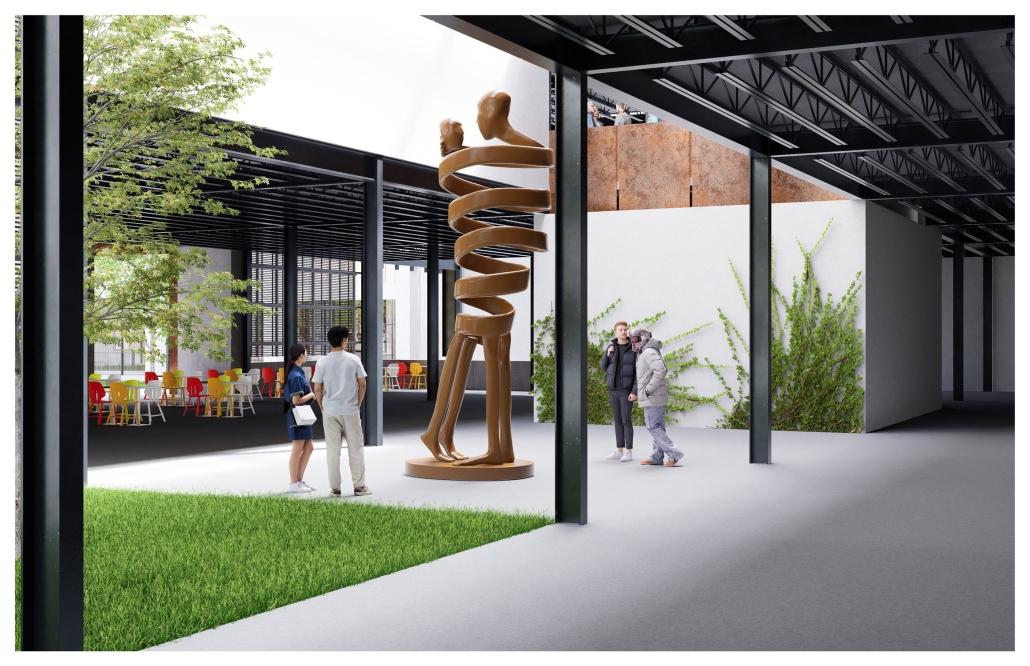
Centro Juvenil Reginal, De Fomento Educativo y Cultural by Salma Orozco Orozco, B. Arch ‘24
Universidad Anáhuac Querétaro | Advisors: Alfonso Galván & Jorge Javier

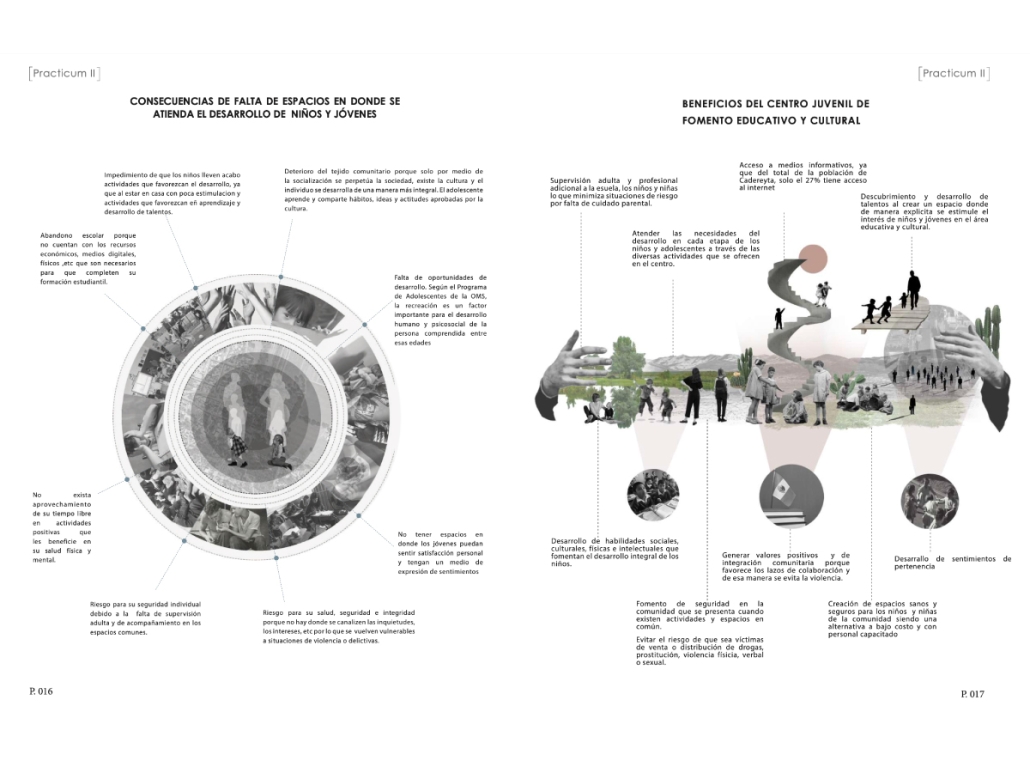
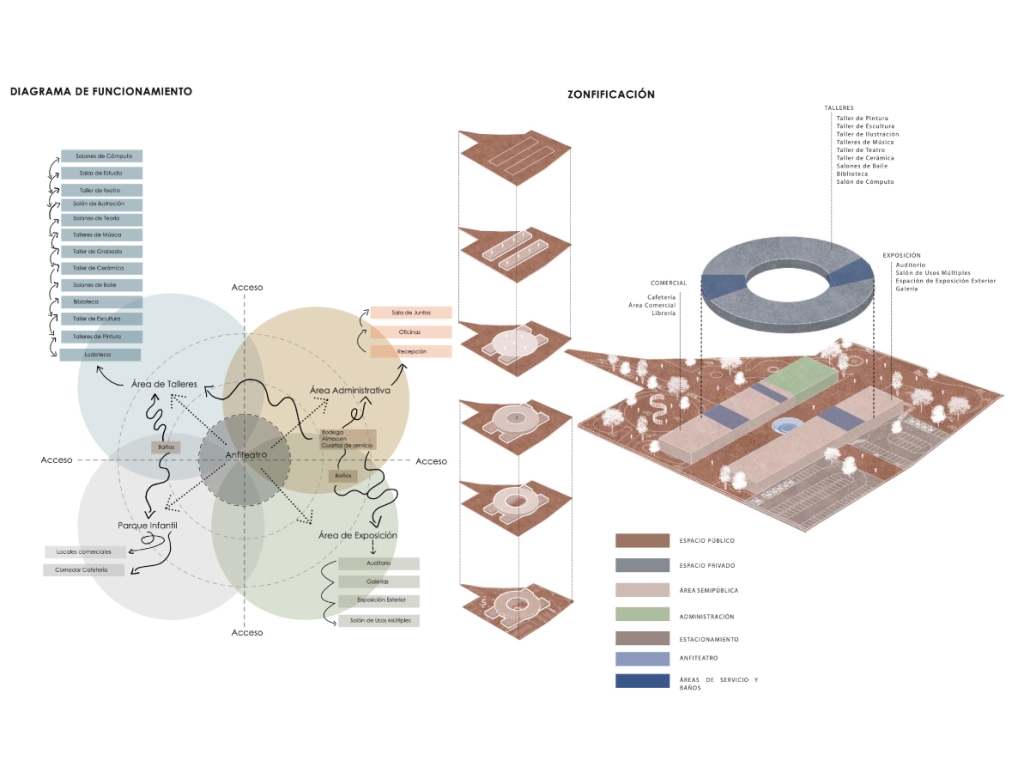
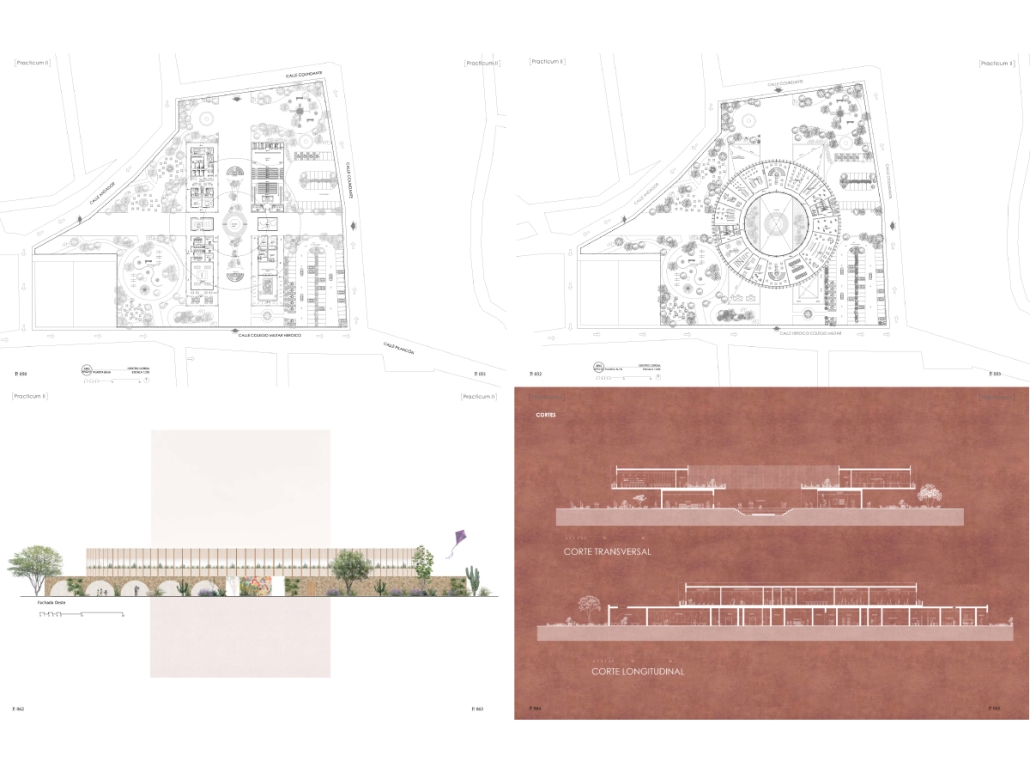
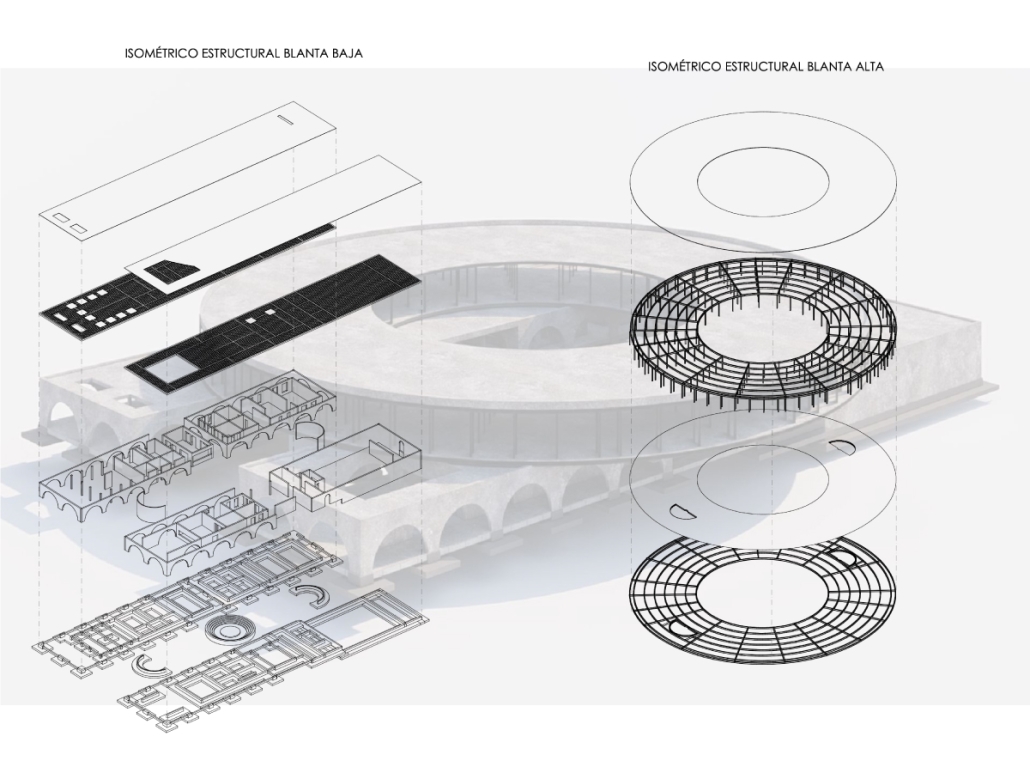
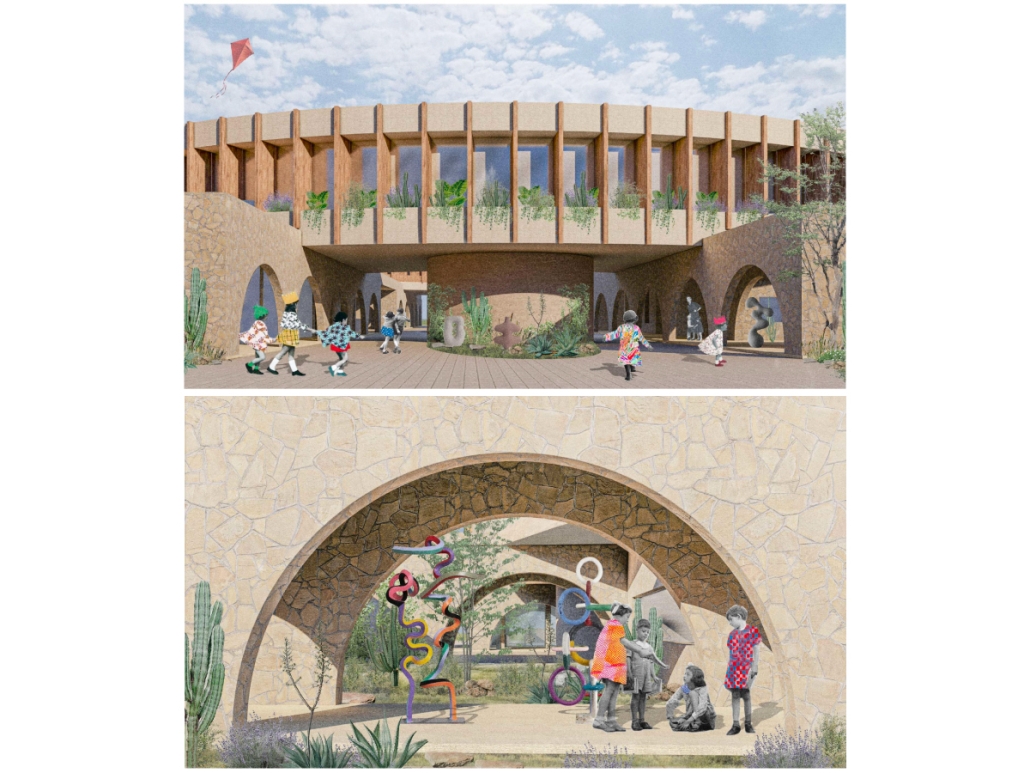
The project aims to create an innovative youth centre that will become the heart of the social and cultural life of Cadereyta de Montes, radiating its influence to neighbouring states. This space will be designed so that young people can explore and enhance their talents and skills in both the educational and cultural spheres. In addition to fostering individual development, it will seek to promote positive values and community integration, strengthening ties between the inhabitants of the area and reducing violence rates. 

The project also contemplates the revitalisation of urban spaces in Cadereyta de Montes, turning the youth centre into a tourist reference point in the region. It will seek to stimulate urban activity in the city, generating economic and cultural opportunities for its inhabitants. In short, the youth centre aspires to be much more than a meeting place for young people; it will be an engine of social and urban transformation in the entire community.

Instagram: @orsa.mx, @salma_orozco123, @arqwave, @arquitectura_anahuac

HYOO•GUH by Cristian Salvador Díaz Castillo & Lian Alejandro de la Puente Pozada, B. Arch ’24
Tecnológico de Monterrey | Advisors: María Guadalupe Peñuñuri Soto, Jocelyn Erandi Reyes Nieto, Luis Antonio Valle Cordero & Marco Tulio Muñoz Lopez

Hyoo Guh is an architectural project strategically located in Hermosillo, Sonora, Mexico, inspired by the Danish philosophy of “hygge,” which promotes the enjoyment of life’s simple pleasures. On a site of almost 30,000m², 11 towers will be built, including 4 mixed-use towers and 6 residential towers, generating a population density of 600 inhabitants. However, the project aims to attract all people who seek to celebrate life and generate community through architecture. Promoting this, Hyoo Guh’s main attraction is a central library, which along with the overall project, seeks to create an inclusive ecosystem for all, especially for children, in a way that promotes education and cultural development in an accessible and stimulating way for all ages.

The Danish philosophy of “hygge”, which focuses on warmth, intimacy, and the enjoyment of simple, cozy moments, has guided every aspect of Hyoo Guh. This approach is reflected in every detail of the design, creating an environment that invites relaxation and shared enjoyment, where users not only want to be, but to live, and spend most of their time. 

In addition, Hyoo Guh offers three different paths, each one of a distance under 600 meters, and marked with a different color that defines a different route, adapted to different users, these paths are intended to allow users to explore and experience the project in unique ways. Completing all three tours once adds up to one mile of distance, enriching the visitor’s experience.

The vision for Hyoo Guh is to become a landmark in the city, a place where people will go not only for necessity but for the pleasure of enjoying a welcoming and enriching environment.

Finally, Hyoo Guh aims to set a new standard for community and wellness in Hermosillo, creating an environment where every person feels not only welcome but deeply connected and enriched. Its library will not only be a center of knowledge, but a place where community flourishes, inspiring everyone to live with gratitude and full enjoyment.

Instagram: @teccampusson, @tecdemonterrey, @eaad.tec, @yochi_02

Wine, Water and Architecture: A Multiscale Approach to Terroir Expression by Carmen Al Chahal, B. Arch ’24
American University of Beirut | Advisors: Sandra Frem & Makram El Kadi

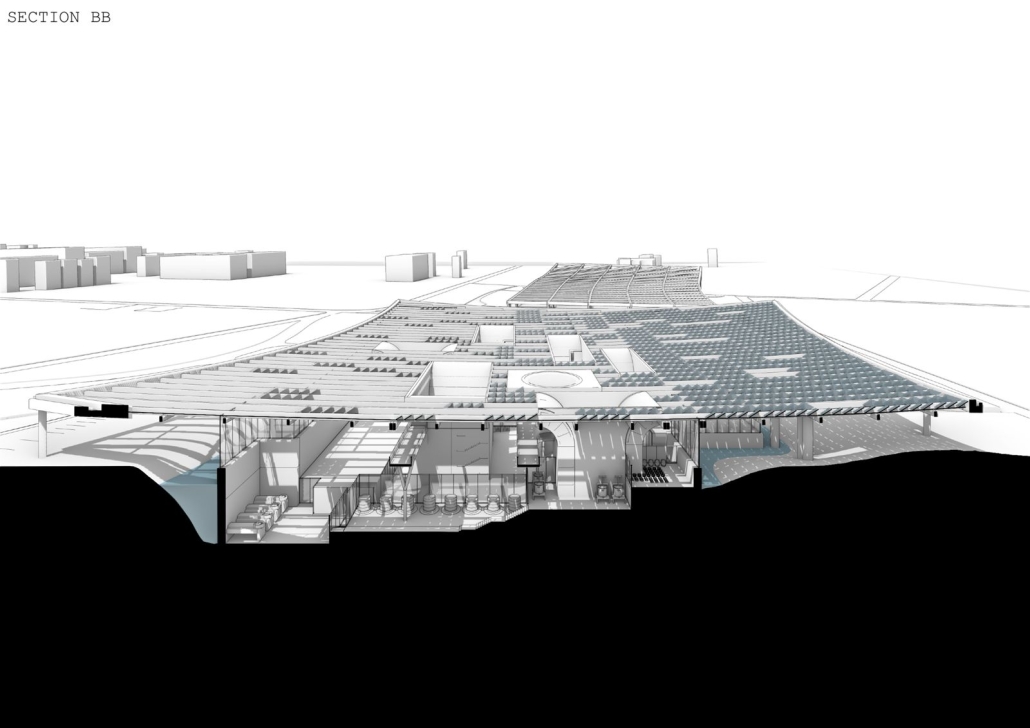
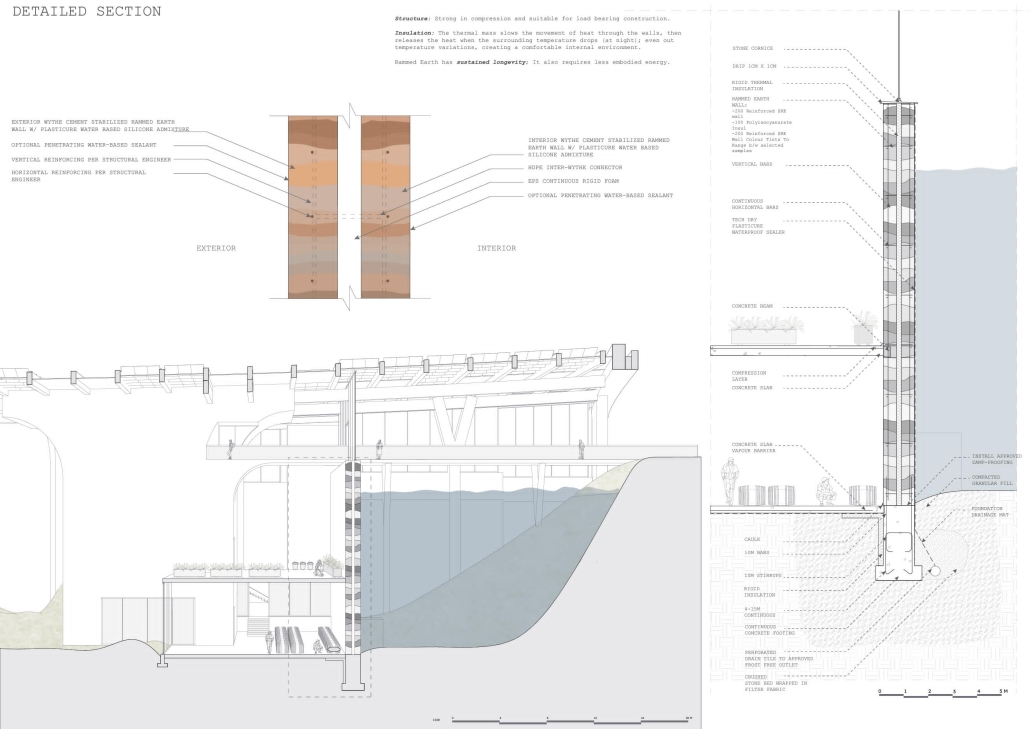
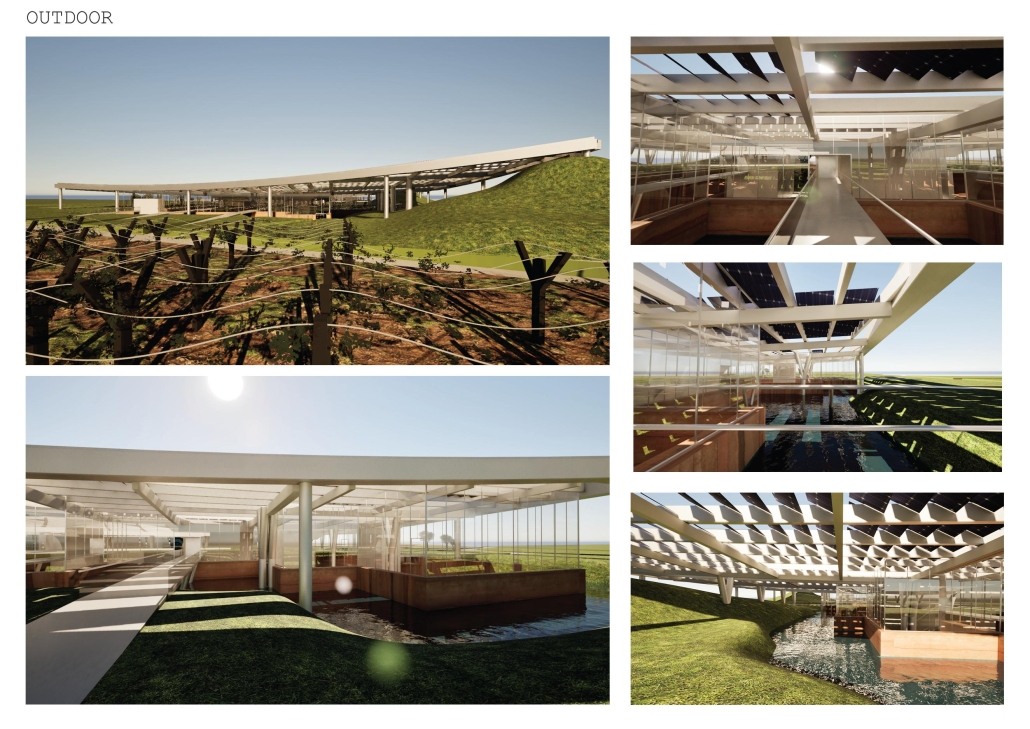
Focusing on Anjar within the expansive 215,000 sqm plot of the Bekaa Valley, this thesis seeks to demonstrate that architecture, when thoughtfully integrated into the wine-making process, has the potential to materialize and strengthen the links between terroir and wine production at multiple scales. By addressing water-sensitive processes responding to the challenges, fostering wineries as cultural hubs for local communities, and drawing inspiration from the site’s nature and potential, architecture can play a pivotal role in enhancing the sustainability, connectivity, and cultural richness of the wine industry.

Instagram: @ard_aub

Stay tuned for Part VIII!

Resource: Scenario Journal

Scenario Journal is an online project focused on the next generation of urban landscapes. Scenario seeks to create a free and accessible platform for showcasing conversations that spark collaboration, rethink urban landscape performance, and lay down a framework for design innovation. 

The online journal is co-edited by Stephanie Carlisle, Principal at KieranTimberlake and a lecturer of Urban Ecology at the University of Pennsylvania School of Design and Nicholas Pevzner, full-time lecturer in the Department of Landscape Architecture at the University of Pennsylvania School of Design.

The latest issue, Migration, contains fourteen articles ranging from human to plant migration and everything in between. See the list below for specific articles. Visit ScenarioJournal.com for more information on future calls, past issues, and more.

Introduction: Migration 
by Stephanie Carlisle and Nicholas Pevzner

Migrations in Our Habitats, Scaling from the Clone to the Continent
by Steven N. Handel

Fluid Geographies: Strategies for the Landscape Left Behind
by Karl Kullmann

The Continental Compact: Eastward Migration in a (New) New World
by Ian Caine and Derek Hoeferlin

Ode to Joy
by Traumnovelle

Flood + Forest: A Migration Corridor for Reconnecting the Brussels Landscape
by Wim Wambecq and Bruno De Meulder

Movebank: An Interview with Roland Kays
by Nicholas Pevzner and Stephanie Carlisle

Trade as Form
by Alex Klatskin

Coding Flux: Redesigning the Migrating Coast 
by Fadi Masoud

Landscape and Displacement: A Practical Intervention on a Syrian Informal Settlement in Lebanon
by Maria Gabriella Trovato

The Spatialization of Migration Policy in Europe
by Tami Banh and Antonia Rudnay

Segunda Vida: an Architecture of Resilience
by Mike Yengling

Travel by Night
by Audrey Burns Leites

Urban Sanctuary Network
by Eduardo Rega

Check out the previous 5 issues on Extraction (5), Building the Urban Forest (4), Rethinking Infrastructure (3), Performance (2), and Landscape Urbanism (1).

To learn more about University of Pennsylvania’s Architecture, Urban Ecology, or Landscape Architecture programs, visit their website.

Cornell Professor named NYC Parks Historian-in-Residence

(via Cornell Chronicle)

Cornell University Professor Named NYC Parks Historian-in-Residence

Faculty member Thomas J. Campanella, MLA ’91, is the new historian-in-residence at the New York City Department of Parks and Recreation. An associate professor and director of undergraduate studies in Cornell’s Department of City and Regional Planning, he was appointed by Parks and Recreation Commissioner Mitchell J. Silver.

In this volunteer capacity, Campanella will conduct independent research on the development of the city’s parks and will assist Jonathan Kuhn, the parks department’s director of art and antiquities, with strategic research projects related to parklands history.

A team of graduate and undergraduate students will assist Campanella with a project to research, write and update brief narratives on the design history and cultural significance of several hundred parks, playgrounds and natural areas throughout the city. The narratives will be used for on-site historical markers and the parks department website, and will be compiled in an official publication co-edited by Kuhn and Campanella, “A Field Guide to the Parklands of New York City.”

Campanella is a Brooklyn native who divides his time between Ithaca and Brooklyn’s Marine Park neighborhood, where he grew up. His writings for popular and scholarly publications include essays in The Wall Street Journal on the 1964 World’s Fair Unisphere and how the London plane became Gotham’s iconic tree, and an article on Marine Park’s design history for the Journal of the Society of Architectural Historians. He is the author of three books including “Republic of Shade: New England and the American Elm” (2003) and has received Guggenheim, Fulbright and Rome Prize fellowships.

He is working on a book about the evolution of his native borough, “Brooklyn: A Secret History,” as well as a study of influential landscape architects Gilmore D. Clarke, Class of 1913, and Michael Rapuano ’27, whose firm, founded in 1934, designed many of New York’s parks and parkways in association with master builder Robert Moses. Clarke (1892-1982) was a Cornell professor of architecture from 1935 to 1950, and dean of the College of Architecture from 1939 to 1950.

(via Cornell Chronicle)

Learn more about Cornell University’s Architecture Program on StudyArchitecture.com!