Posts

2025 Study Architecture Student Showcase - Part XI

Architecture has the power to transform a space. In Part XI of the 2025 Study Architecture Student Showcase, we put a spotlight on revitalized spaces. These projects take their pre-existing sites and create new spaces that promote sustainability, community connection, accessibility, and resiliency. The transformed sites include naval bases, power plants, industrial sites, local landmarks, abandoned city centers, underserved neighborhoods, and more. Each project incorporates design, construction, policy, and infrastructure to reimagine new spaces that serve their communities. 

Take a closer look below!

The Greenest Building, The One That is Already Built by Audrey Barnhart, M.Arch ’25
Roger Williams University | Advisor: Rubén Alcolea

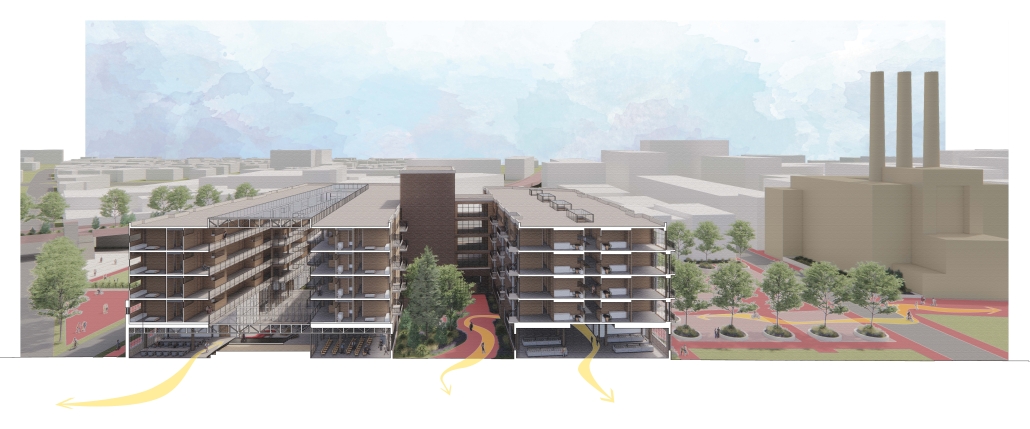
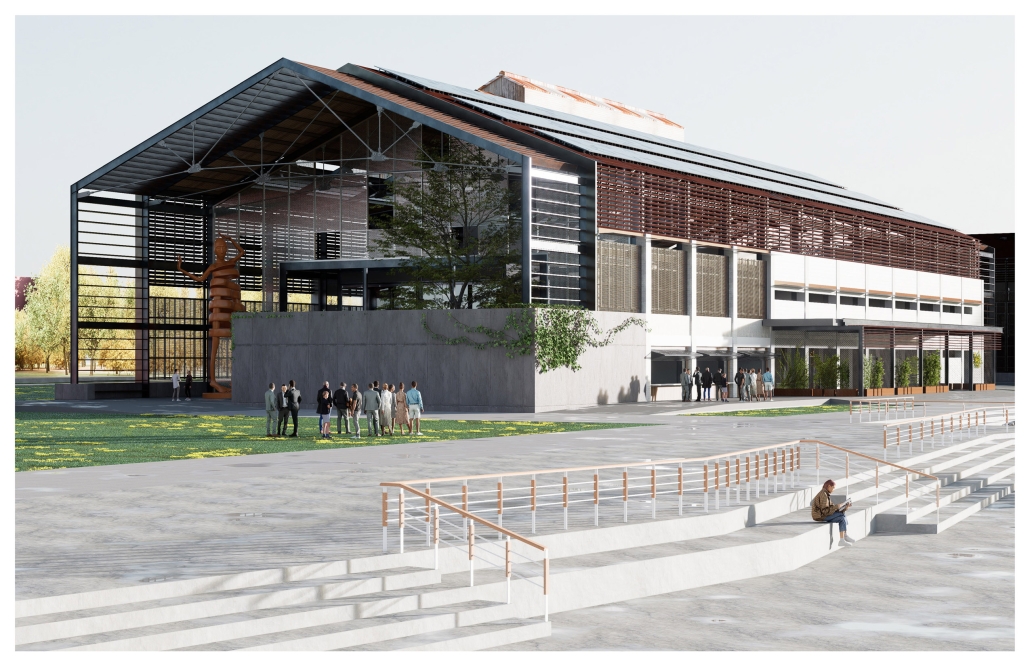
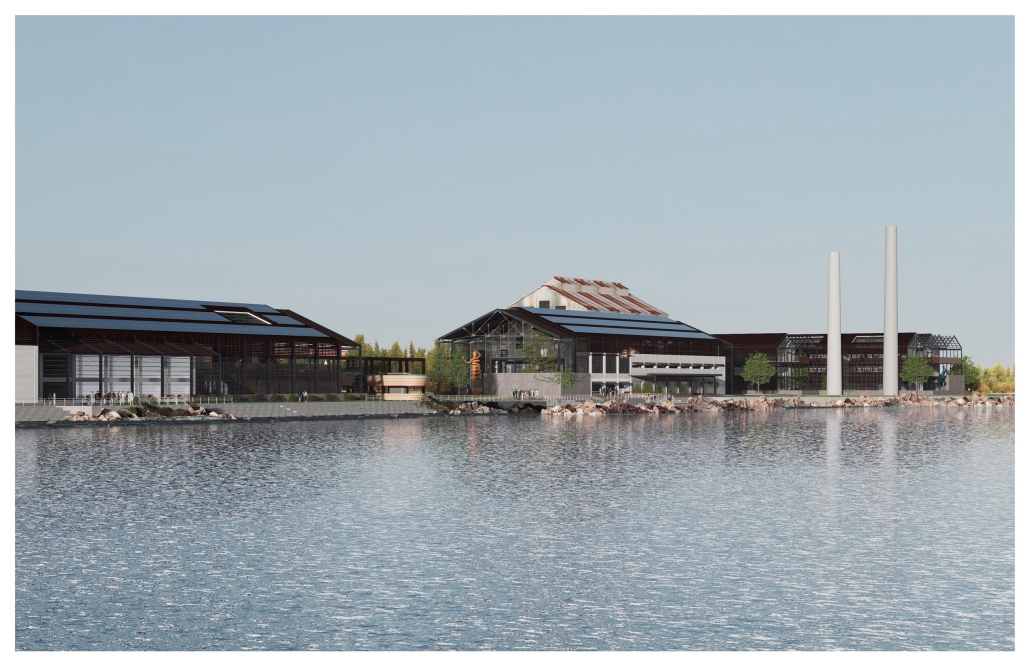
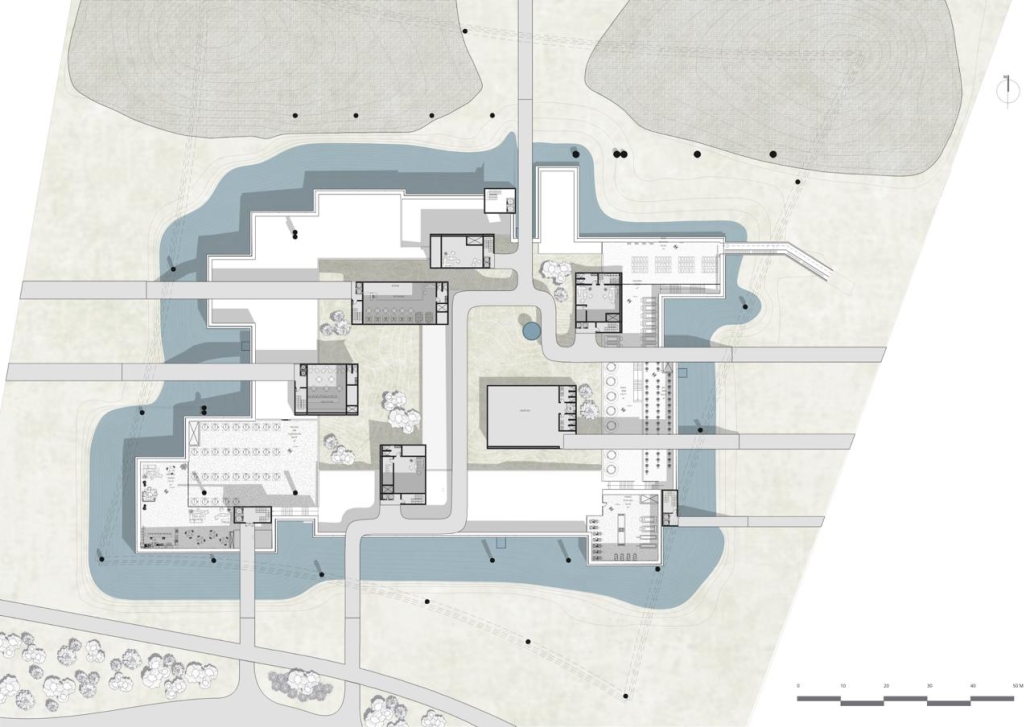
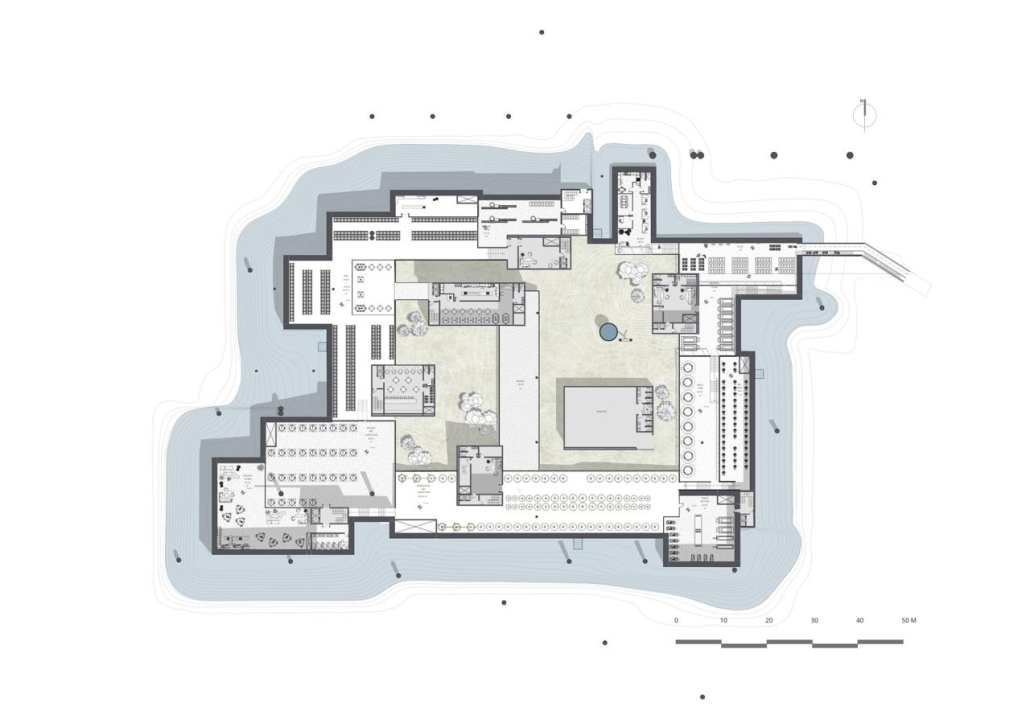
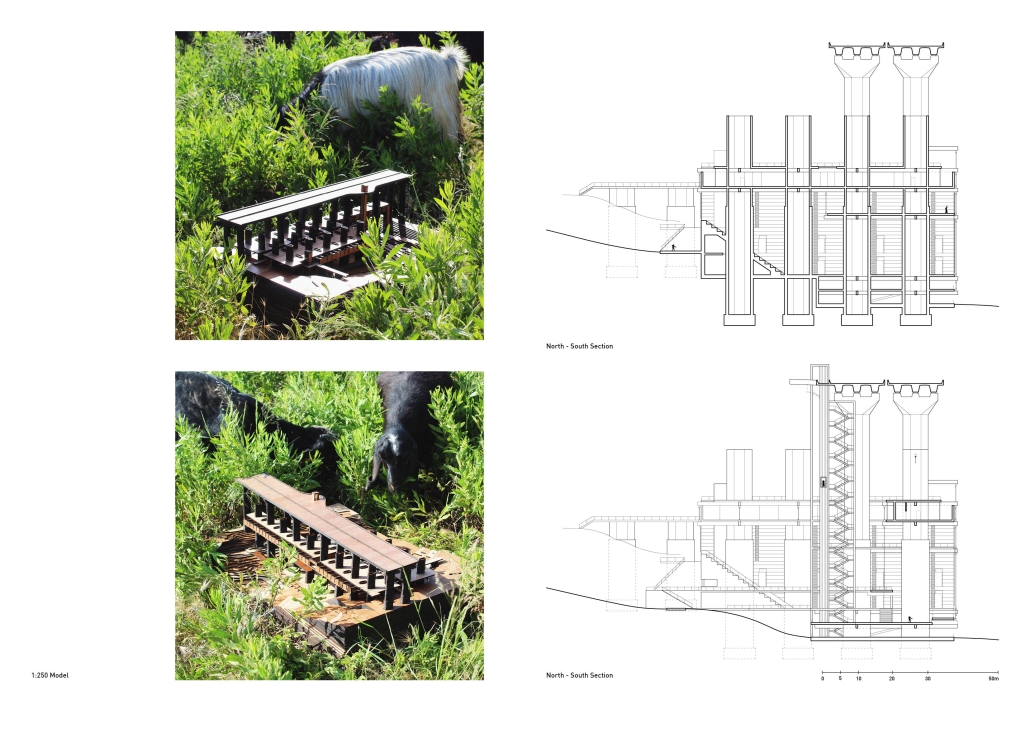
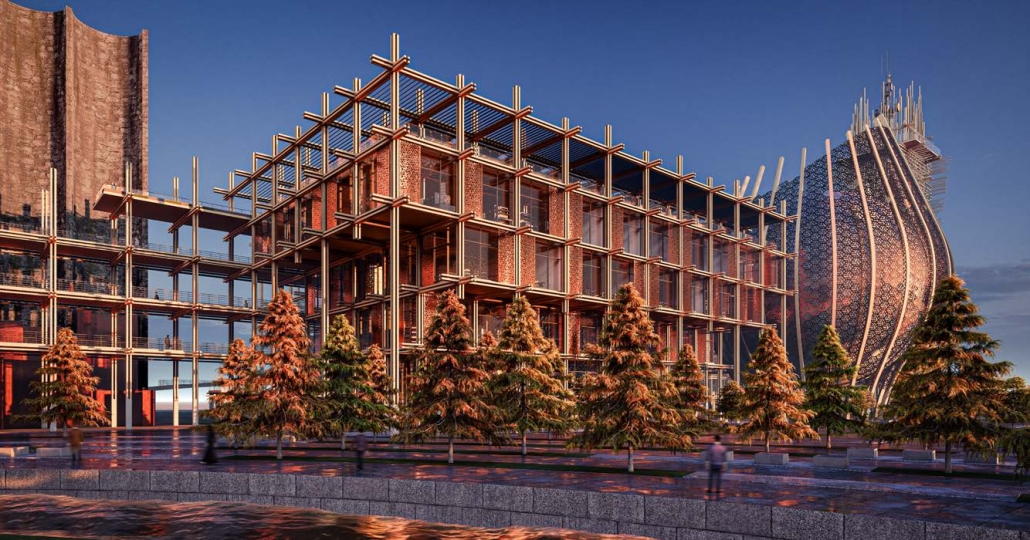
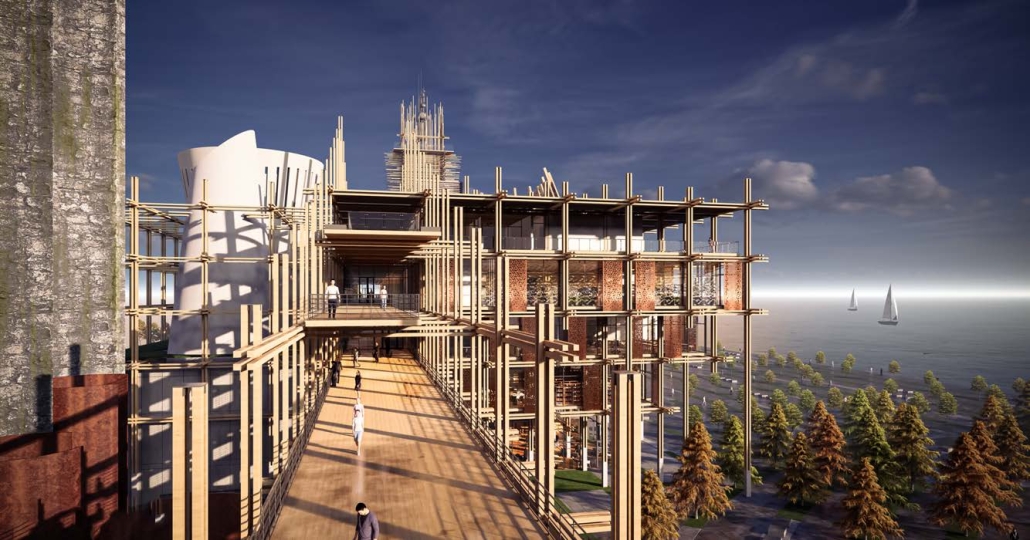
This thesis explores adaptive reuse and sustainability by transforming a retired coal-fired power plant into a conservation center. With over 300 decommissioned coal plants across the U.S., the project asks: Should these monumental industrial relics be demolished, or reimagined to serve communities once again? The selected site is located on Mare Island, California, a former naval base now undergoing revitalization. Positioned near polluted waters and existing conservation efforts, the site becomes a strategic place for ecological restoration.

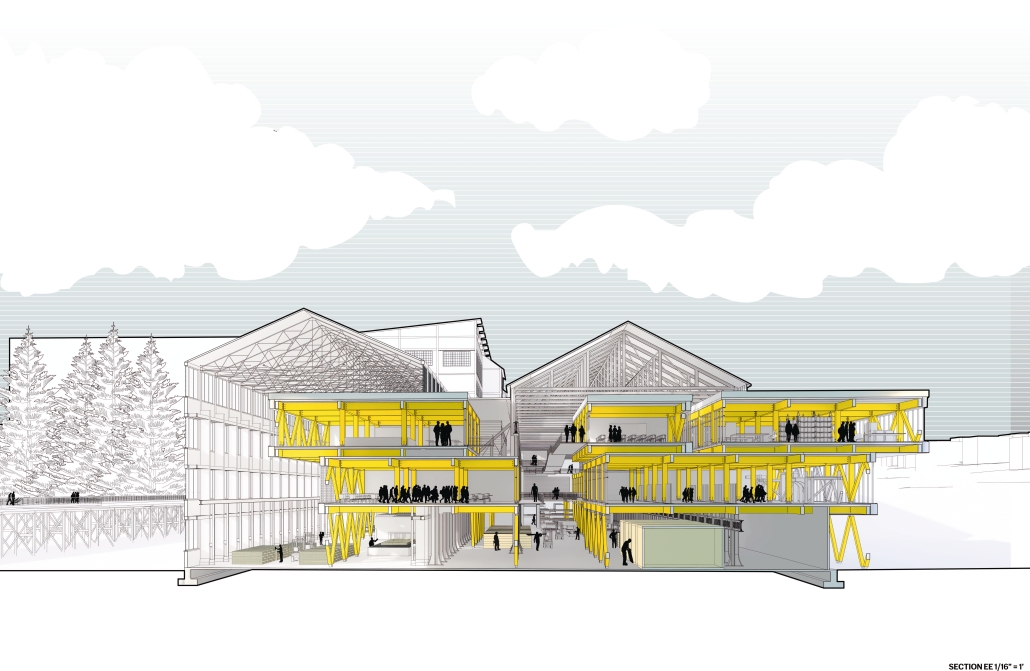
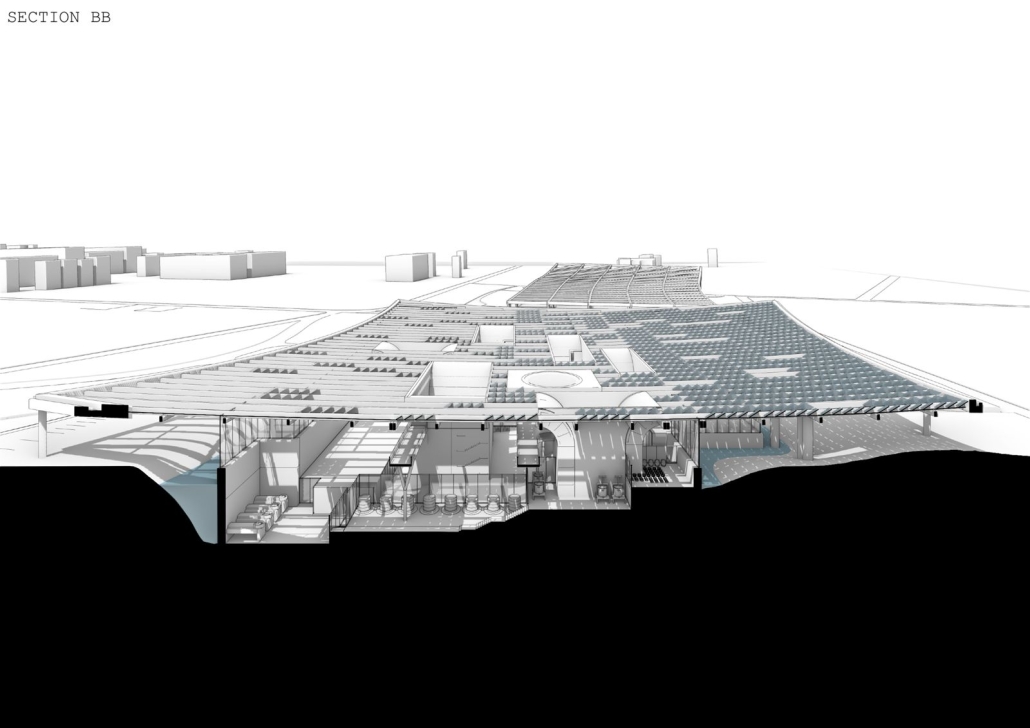
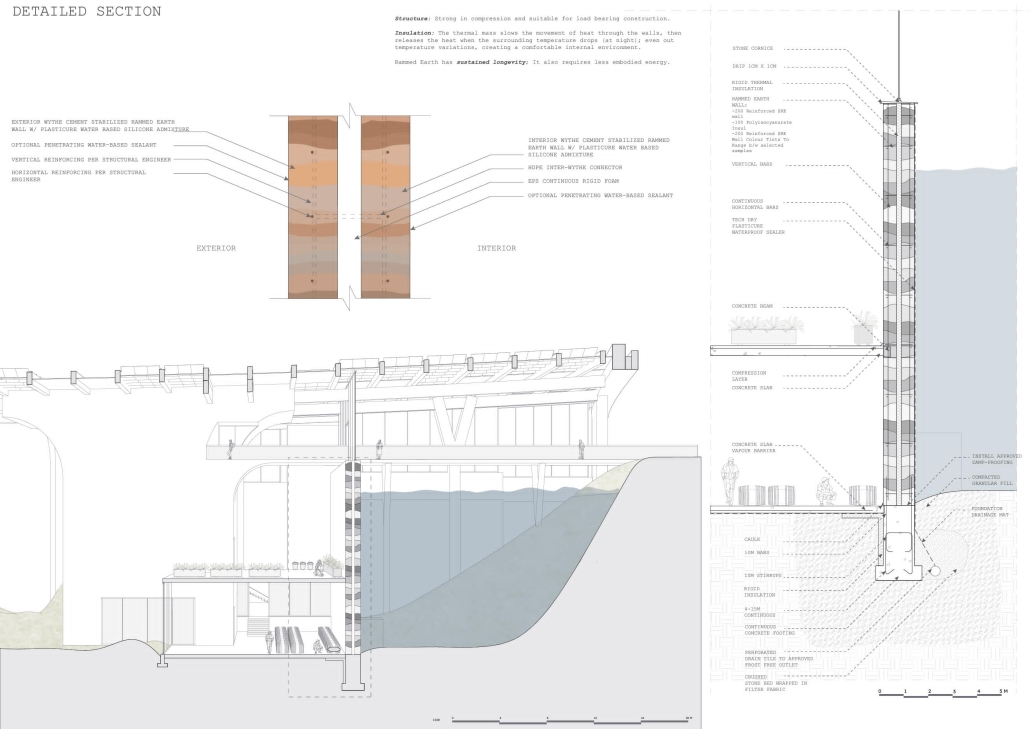
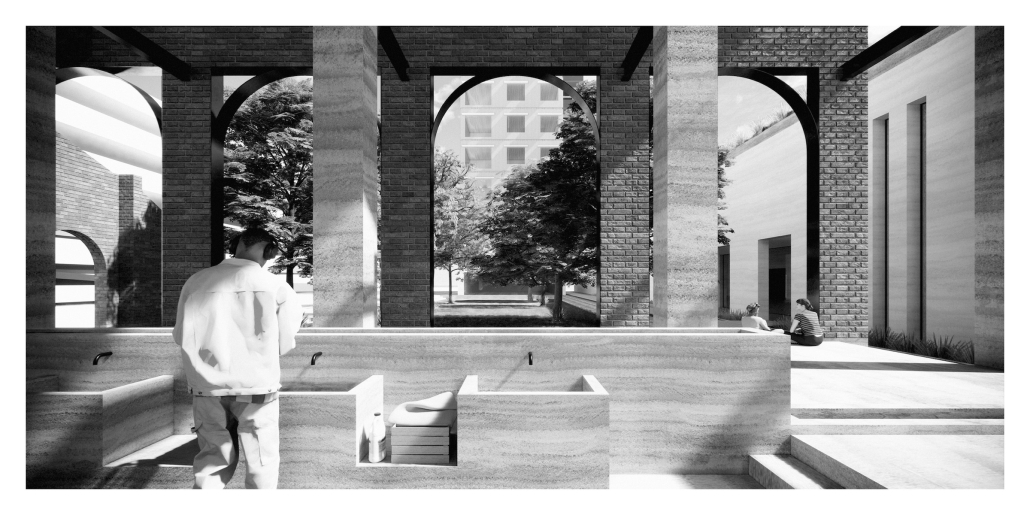
The design preserves the historic brick and concrete shell of the power plant, inserting a self-supporting mass timber structure within. This new framework uses sustainably sourced CLT panels and glulam beams, forming a light-filled, naturally ventilated interior that supports vegetation between the old and new structures. Only at vertical circulation points do the two structures physically meet, symbolizing a transition between past and future.

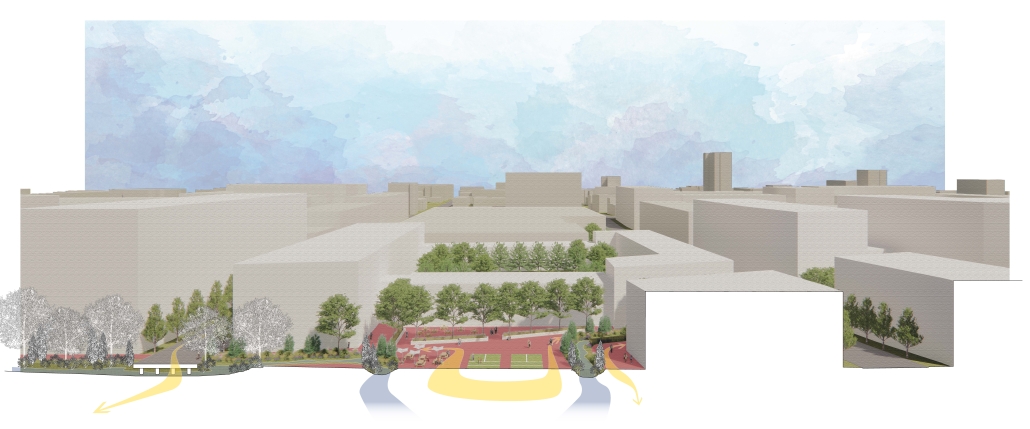
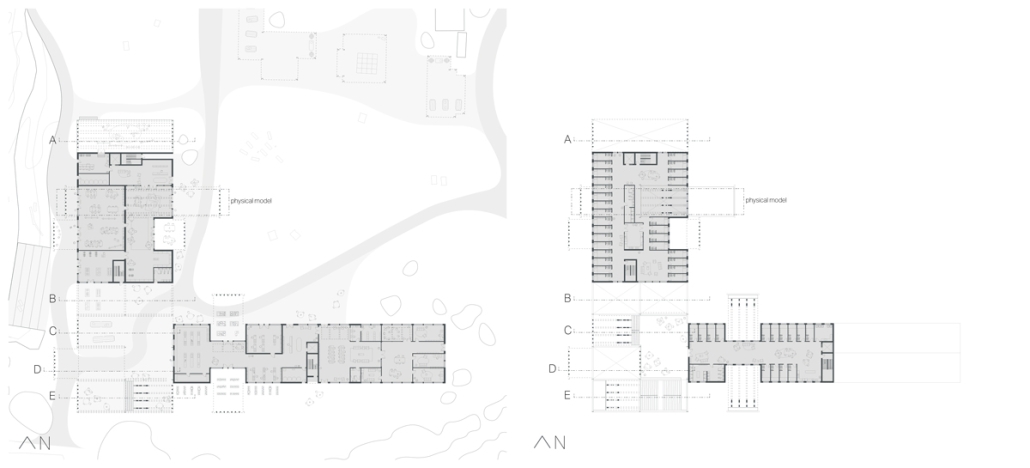
Programmatically, the conservation center includes public education spaces, research labs, and residential units. A rewilded landscape replaces paved surfaces, reducing the urban heat island effect and encouraging biodiversity. A narrow water channel brings Bay water into the site for ecological engagement, while a nearby storage hangar is converted into a ferry terminal to enhance sustainable transportation.

Passive design strategies guide the intervention, with large open-air windows providing daylight and ventilation. Prefabricated timber elements reduce site impact. Overall, the project demonstrates how industrial heritage can support ecological recovery, creating a dialogue between decay and renewal, nature and structure, and the old and the new.

This project won the Thesis Honor Award.

Instagram: @rwu_cummingsarch, @alcoleatarrago

Turning Tides: Holistic Remediation by Hannah Moore, B.Arch ‘25
Academy of Art University | Advisors: Simon McKenzie, Philip Ra & Ricardo Solar

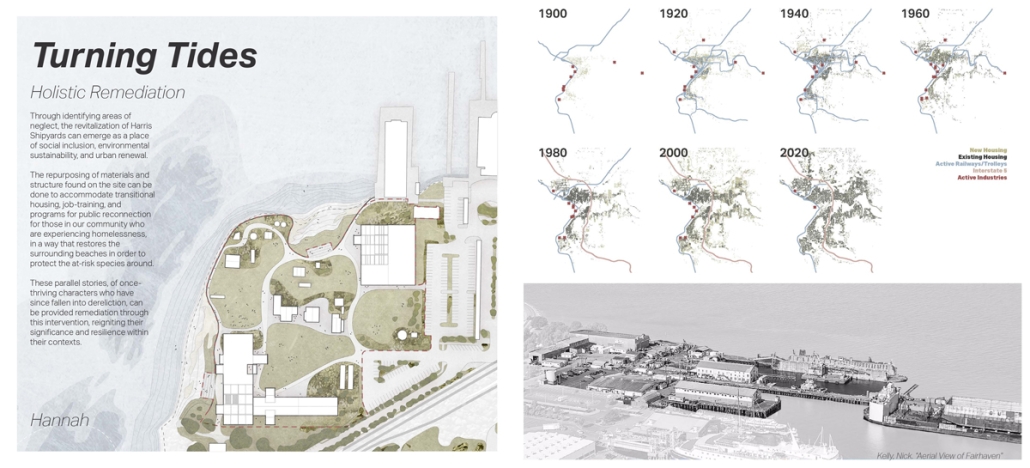
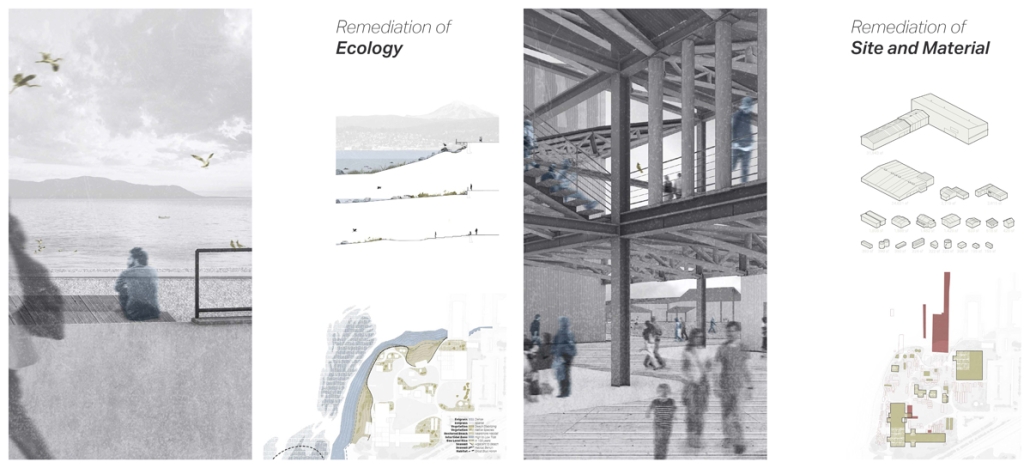
Through identifying areas of neglect, the revitalization of Harris Shipyards can emerge as a place of social inclusion, environmental sustainability, and urban renewal.

The repurposing of materials and structure found on the site accommodates transitional housing, job-training, and programs for public reconnection for those in our community who are experiencing homelessness. In addition, the project restores the surrounding beaches in order to protect at-risk species.

These parallel stories, of once-thriving characters who have since fallen into dereliction, can be provided remediation through this intervention, reigniting their significance and resilience within their contexts.

This project won the B.Arch Thesis Award. 

Click here to learn more.

Instagram: @hannah.3, @smckenzie23, @ricardo_solar_architecture

Rebuild From Decay: An Industrial Solution for A Post-Industrial Age by Kyle Sylvester, M.Arch ’25
Wentworth Institute of Technology | Advisors: Lauren McQuistion & Tom Chung

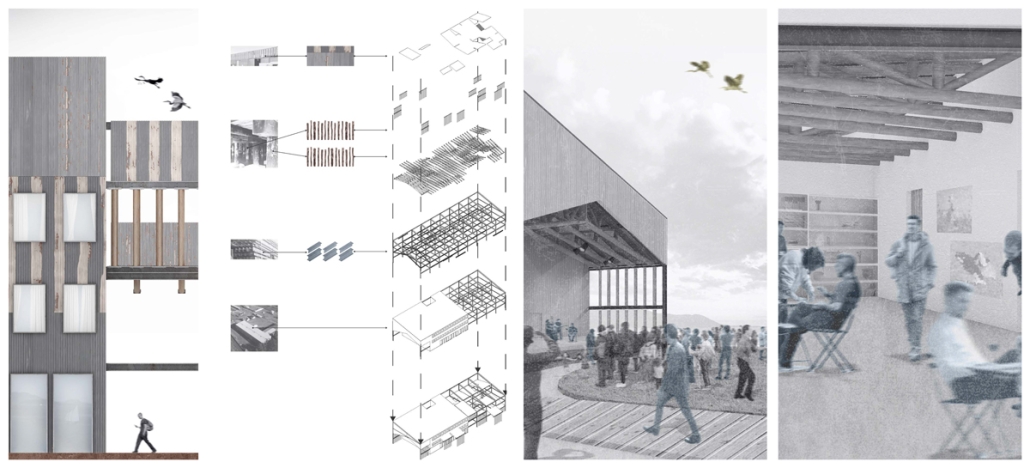
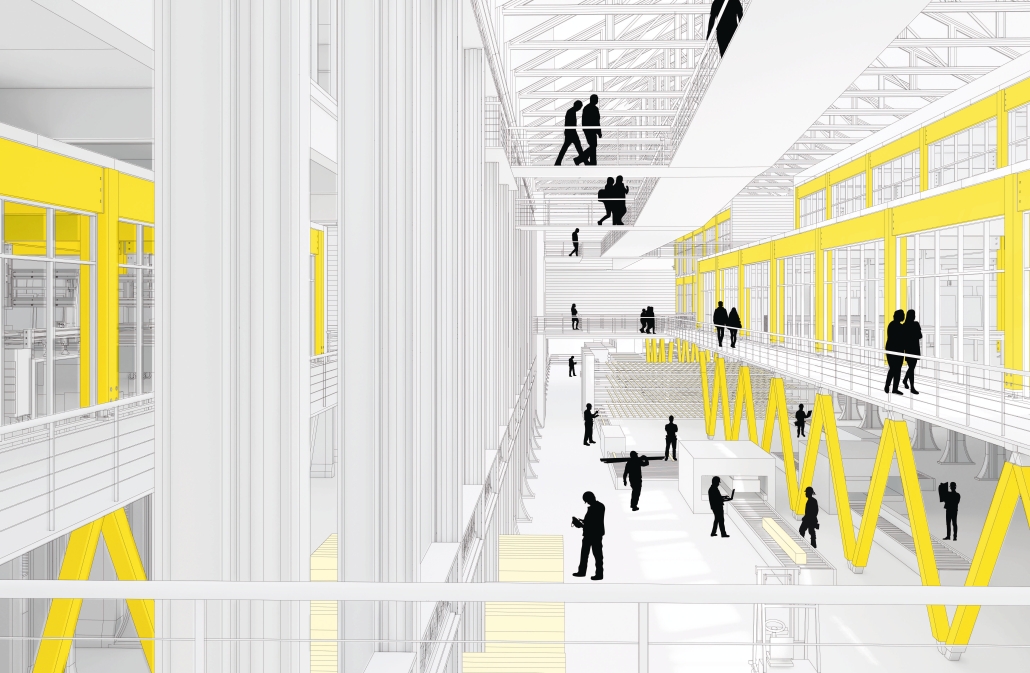
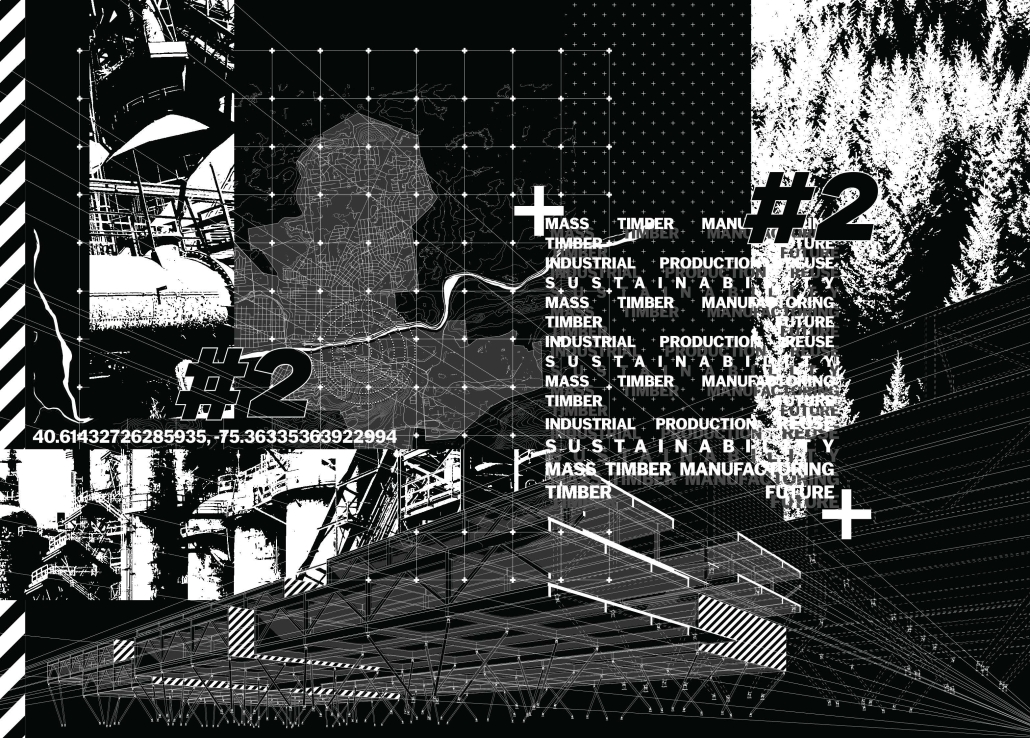
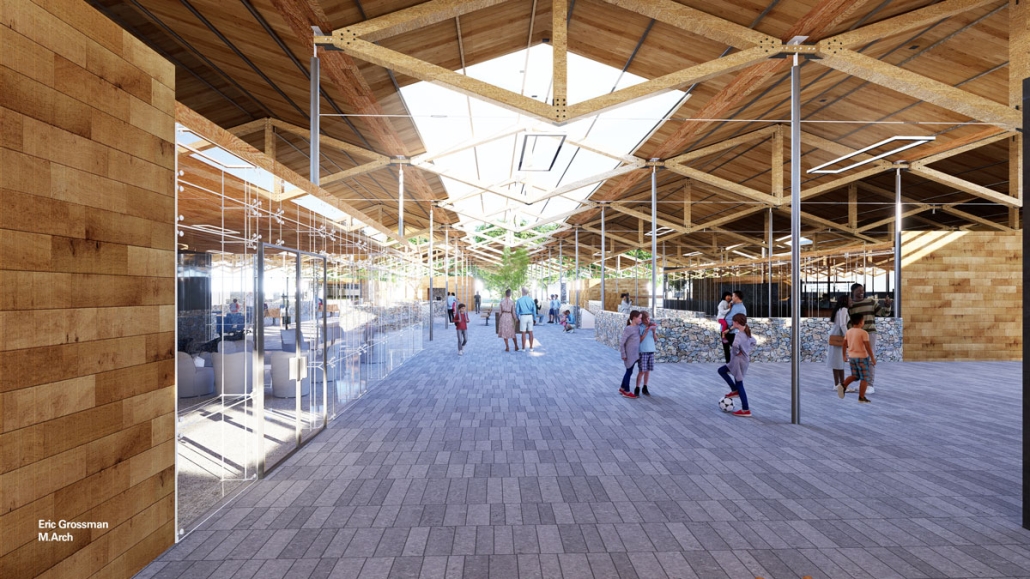
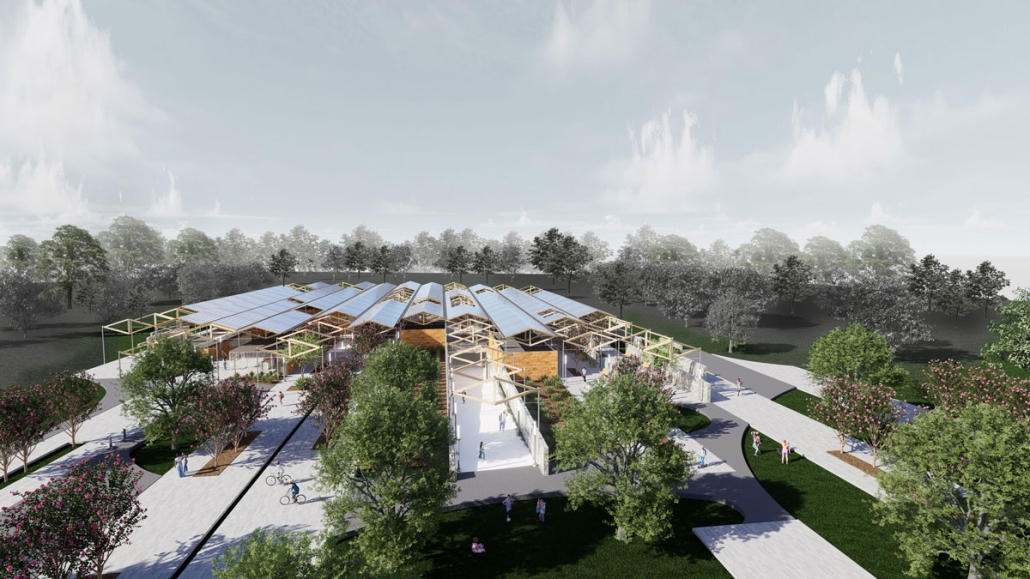
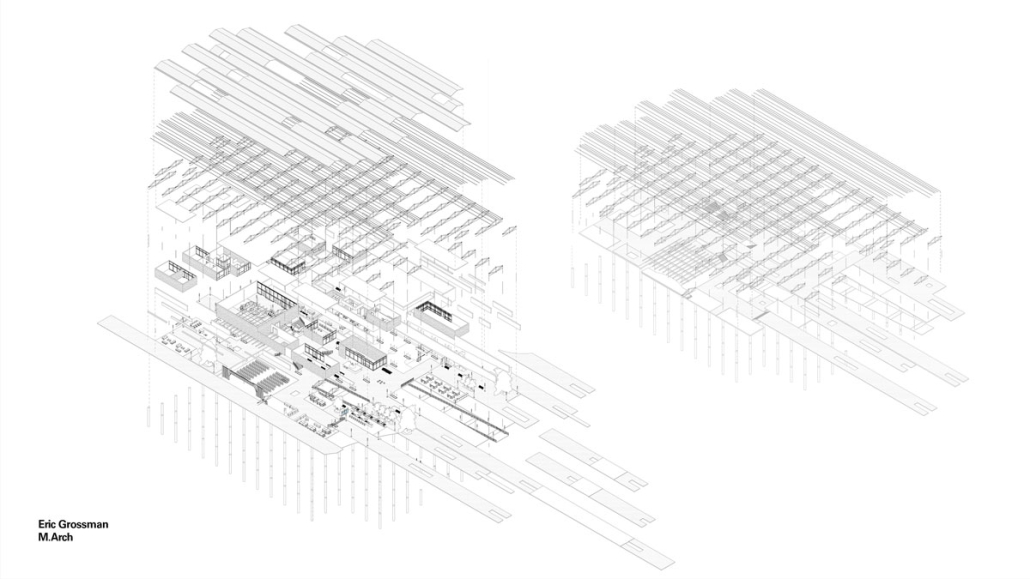
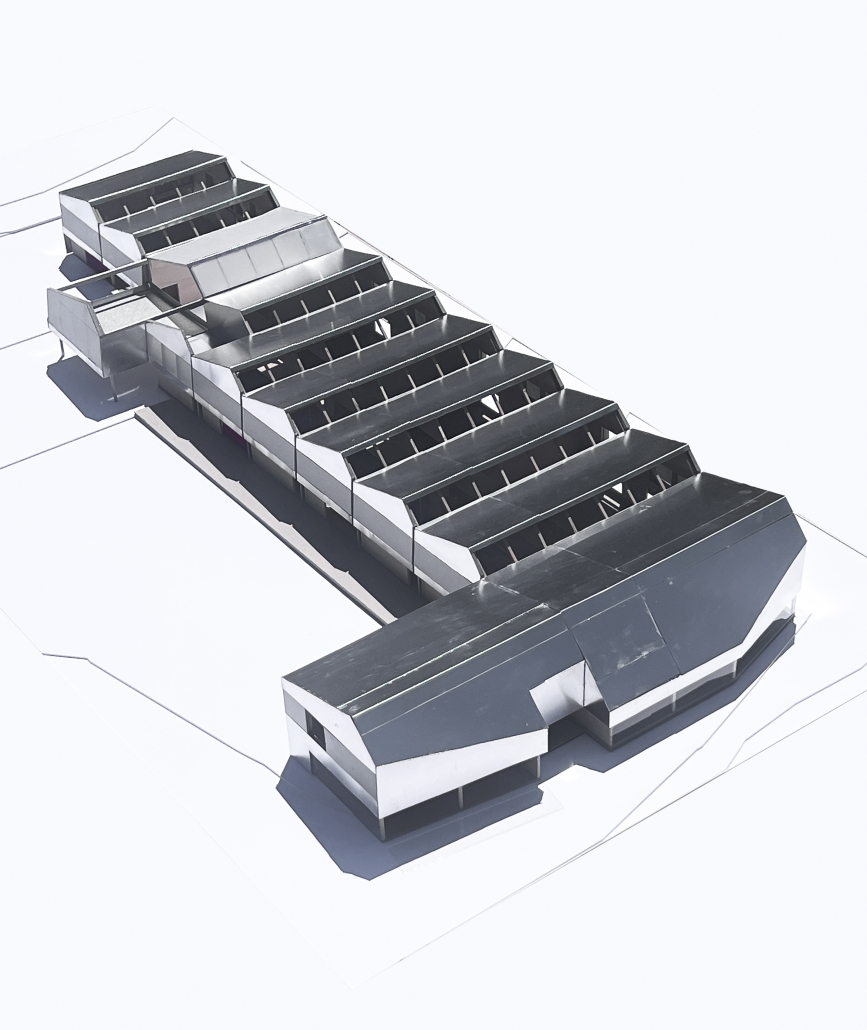
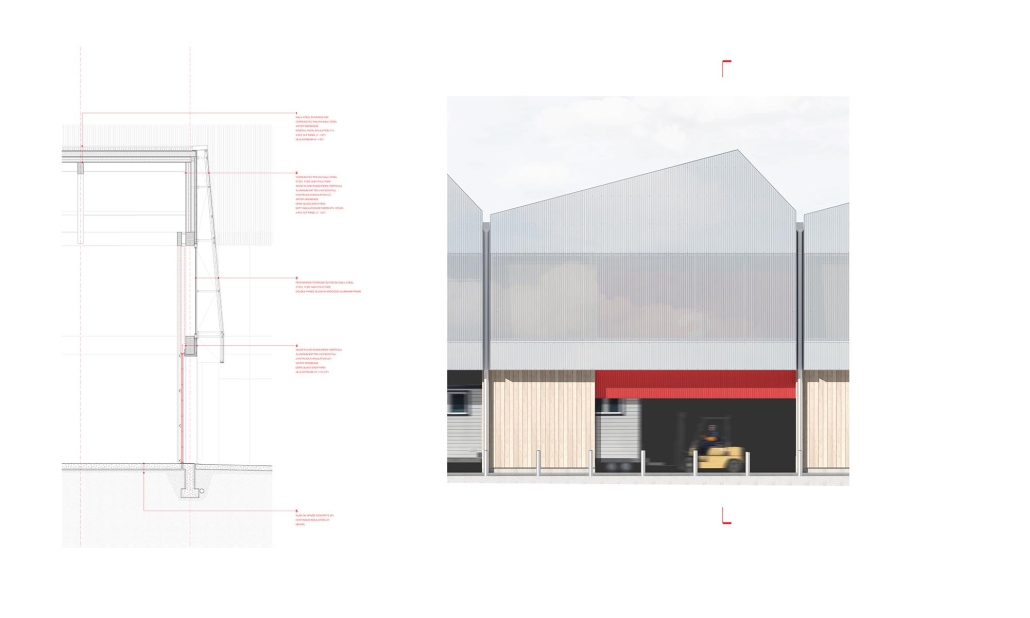
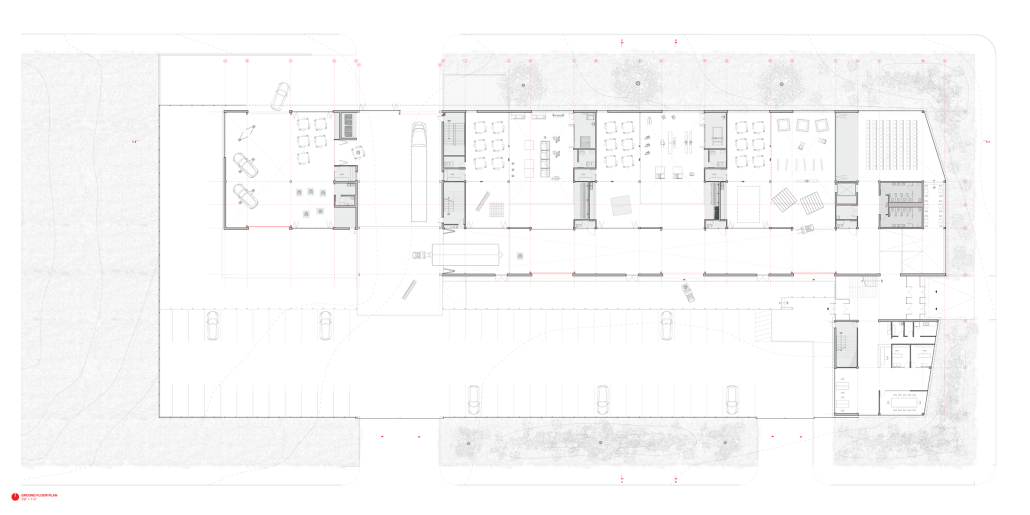
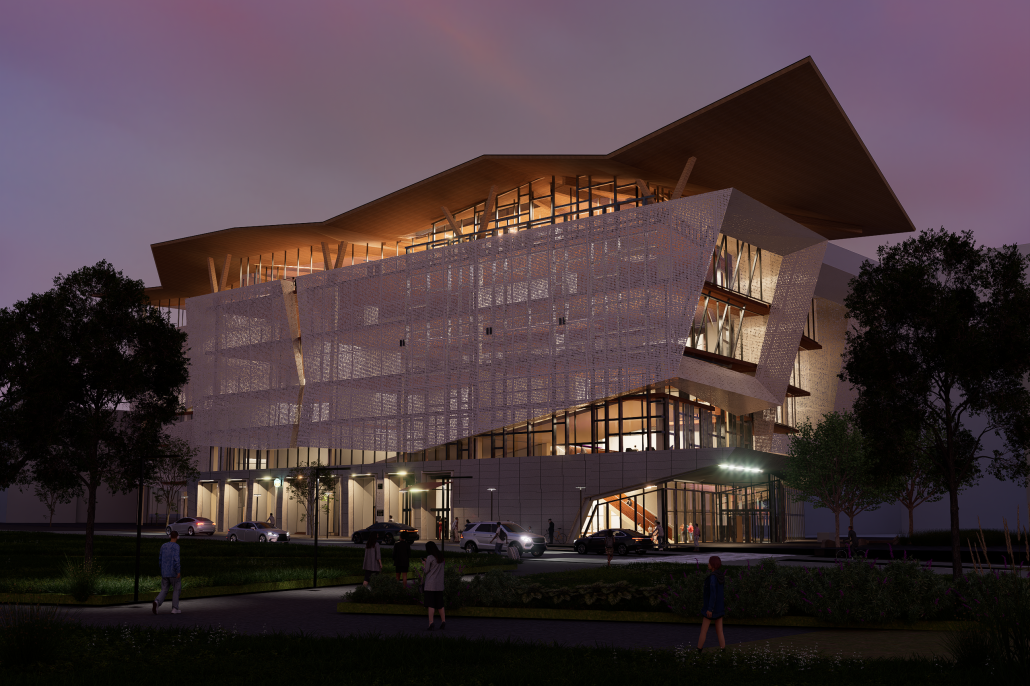
Mass timber presents an opportunity to redefine the future of abandoned industrial sites through the introduction of a new industry. While many of these sites have been repurposed as cultural and landscape parks, this approach often reduces their industrial identity to just a facade for new programs, disconnecting them from their manufacturing past. By integrating mass timber manufacturing and education within the fabric of an industrial wasteland, this model preserves the site’s historical significance while also creating a hub for sustainable industry, ensuring its continued use in the 21st century. 

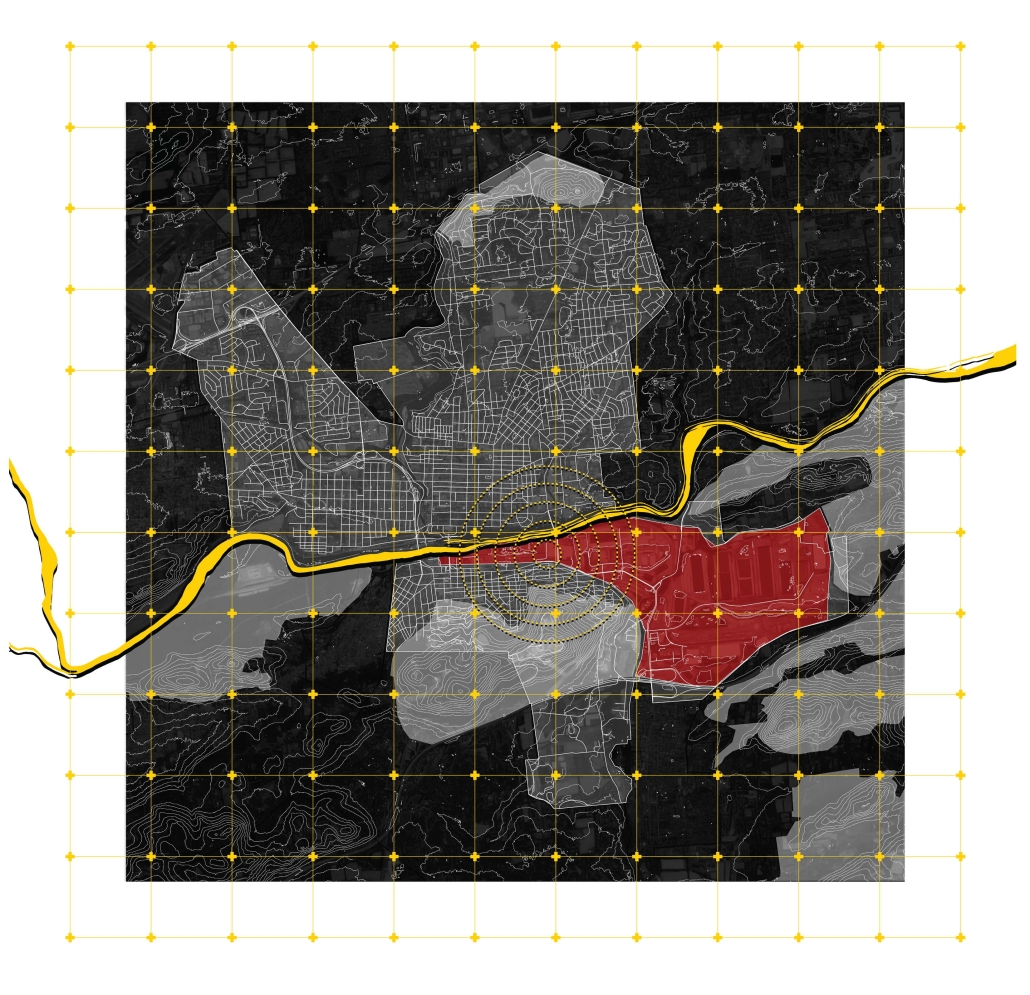
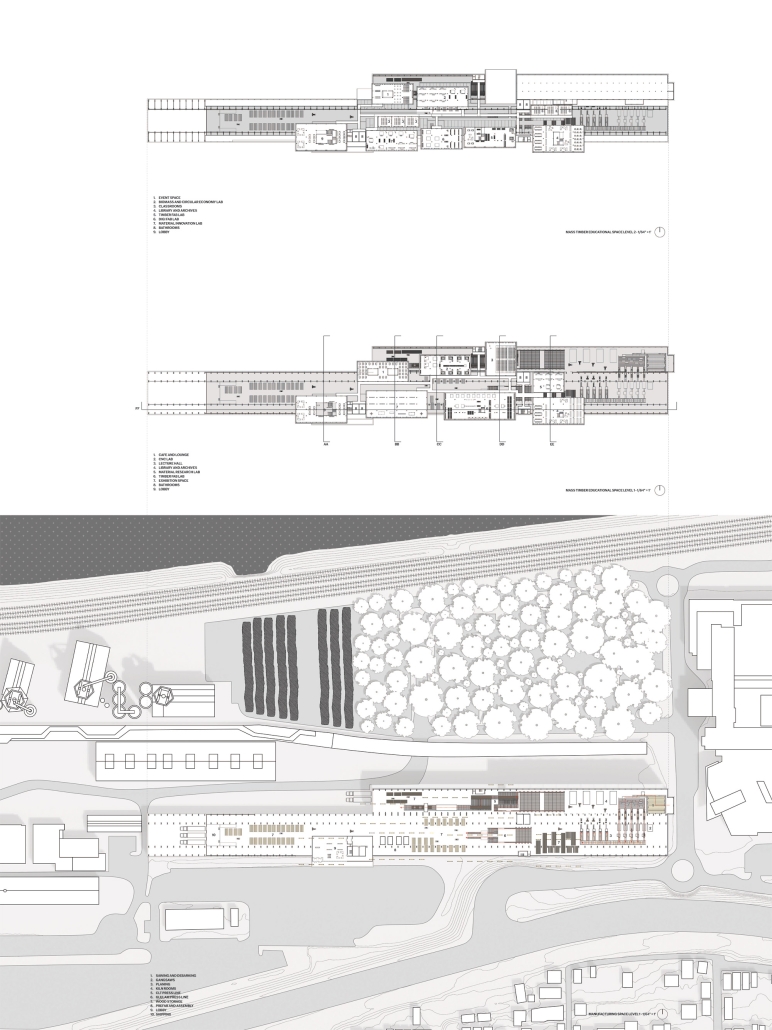
This thesis revitalizes Machine Shop No. 2 at Bethlehem Steel Mill by maintaining and reinterpreting its industrial legacy. Typically, industrial wastelands are repurposed as landscape parks or cultural centers, stripping away the site’s industrial memory and using its infrastructure as a facade. By integrating sustainable mass timber construction, this proposal offers a forward-thinking approach to revitalizing post-industrial spaces through the use of mass timber construction. The existing machine shop has been transformed into a mass timber manufacturing facility and educational center for renewable materials, blending production and education through layered programming. This approach preserves the site’s identity while addressing the need for sustainable construction practices.

This project won the Wentworth School of Architecture and Design: Design Excellence Award. 

Instagram: @ksly5, @mc.quistion

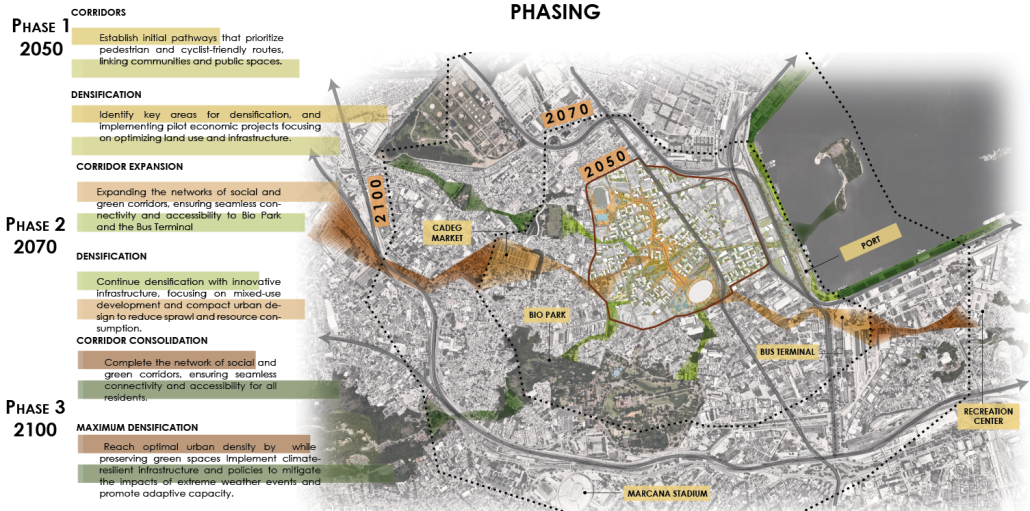
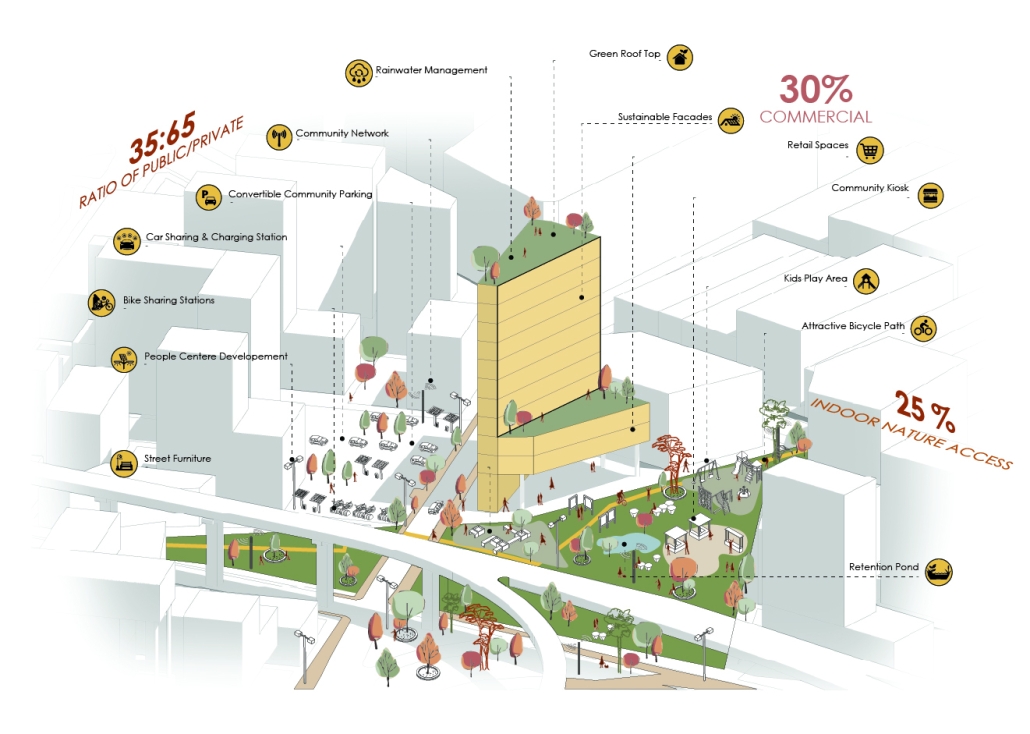
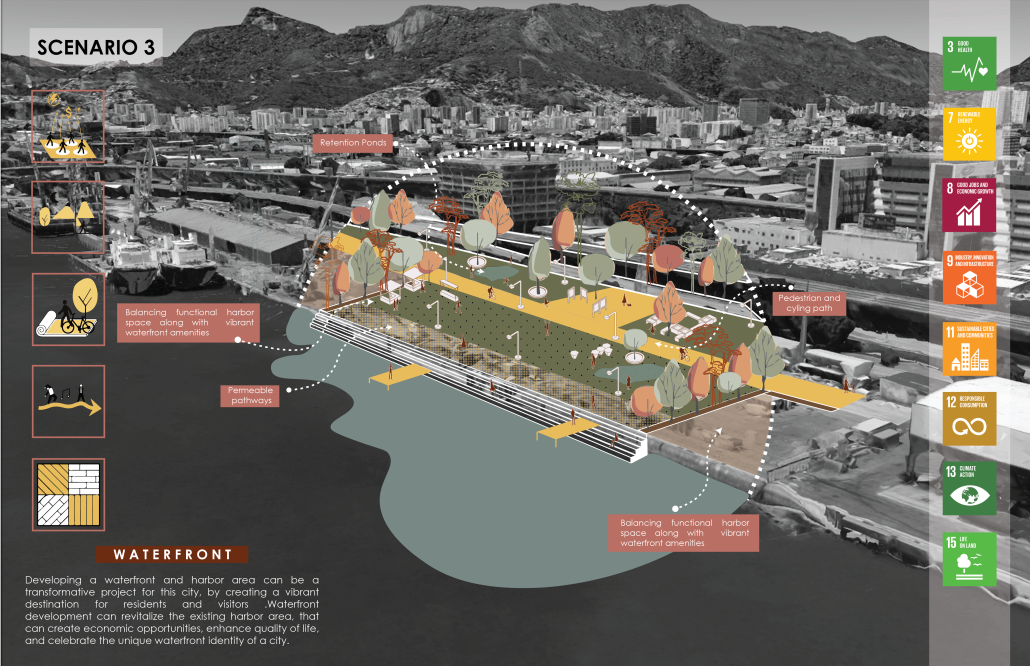
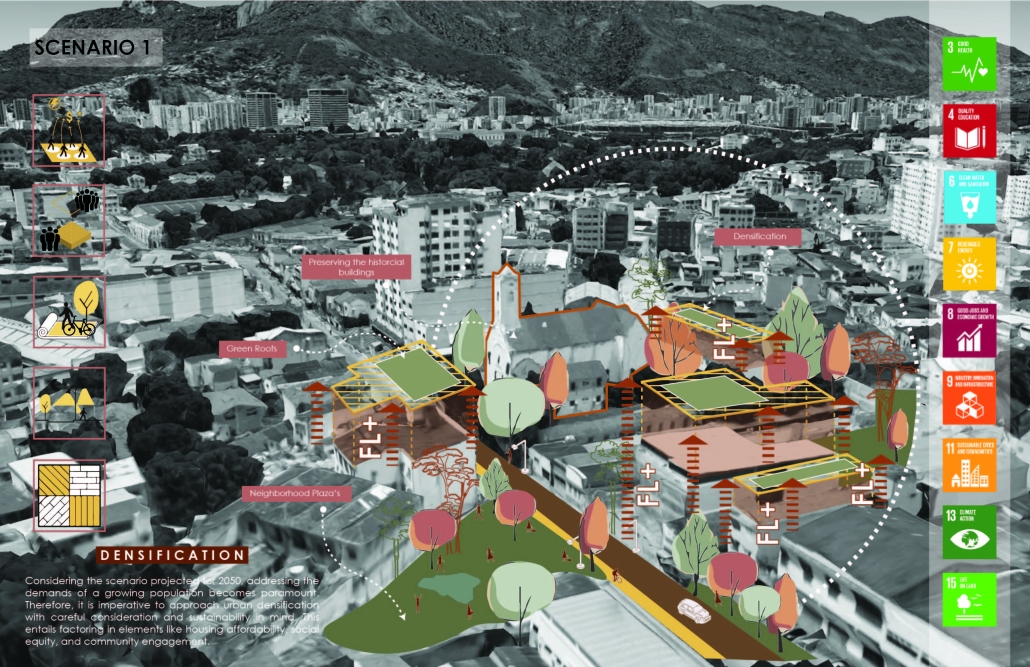
From Wrecks to Wonders: Reclaiming Shorelines, Enriching Communities by Karunia Ayu, Hongxiang Wang & Tianqi Zhao (Enoch), MSAUD (Master of Science in Architecture and Urban Design) ’25
Columbia University | Advisors: Kate Orff, Geeta Mehta, Emanuel Admassu, Sebastian Delpino, Gabriel Vergara, Lucas Coelho Netto & Shrey Patel

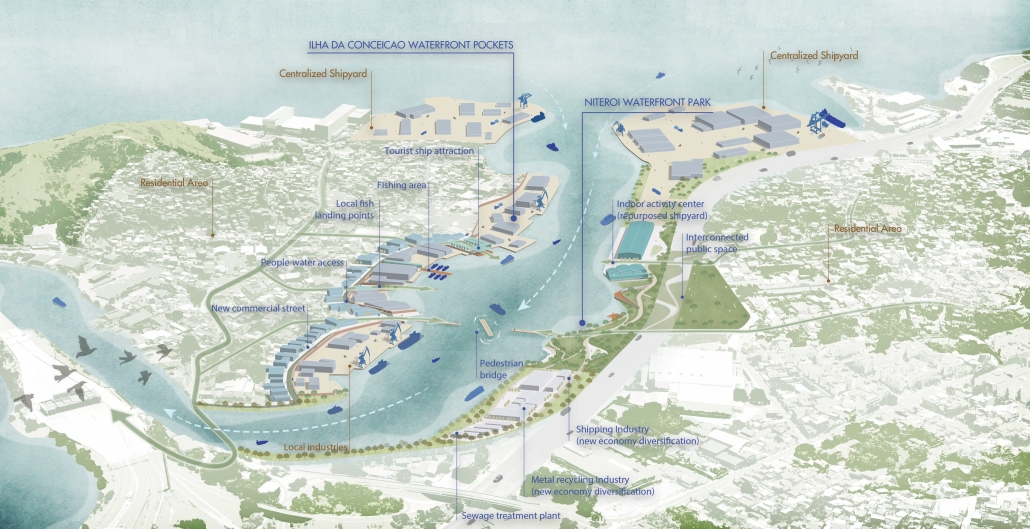
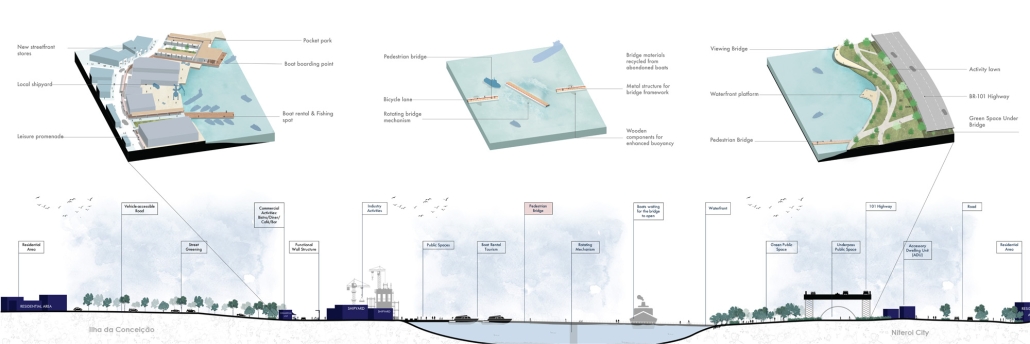
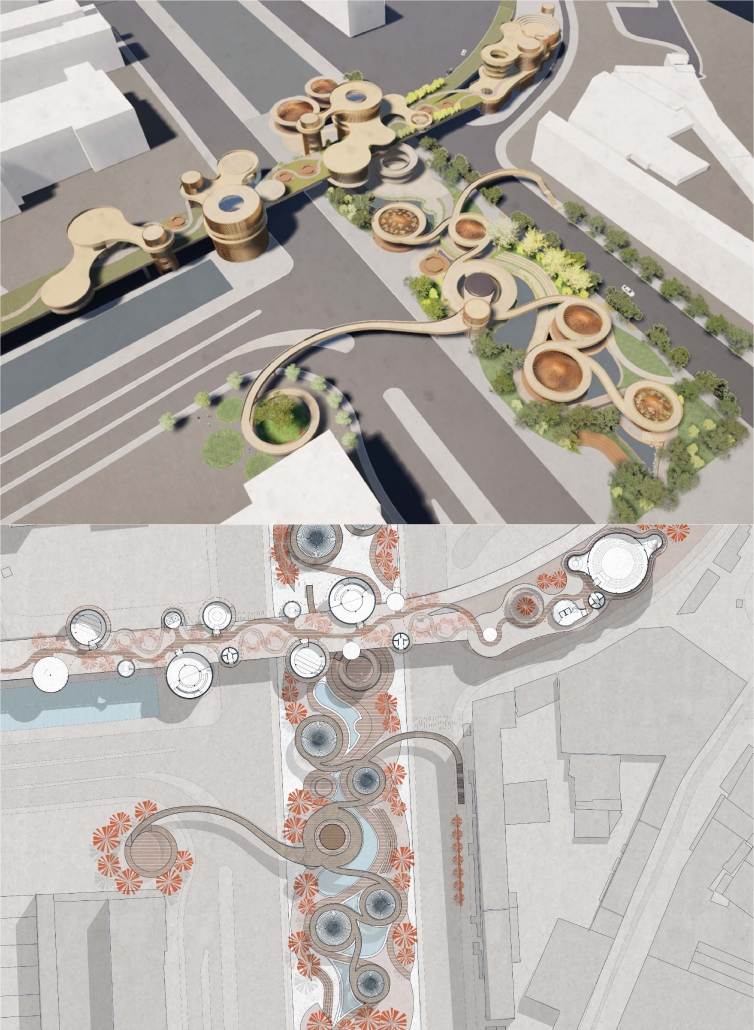
WHAT IF THE WATERWAY IS REOPENED, BROUGHT COMMUNITY ACTIVITIES TO ITS SHORES, AND REIMAGINED THE ECONOMY AND INDUSTRY ALONG THE BANKS?

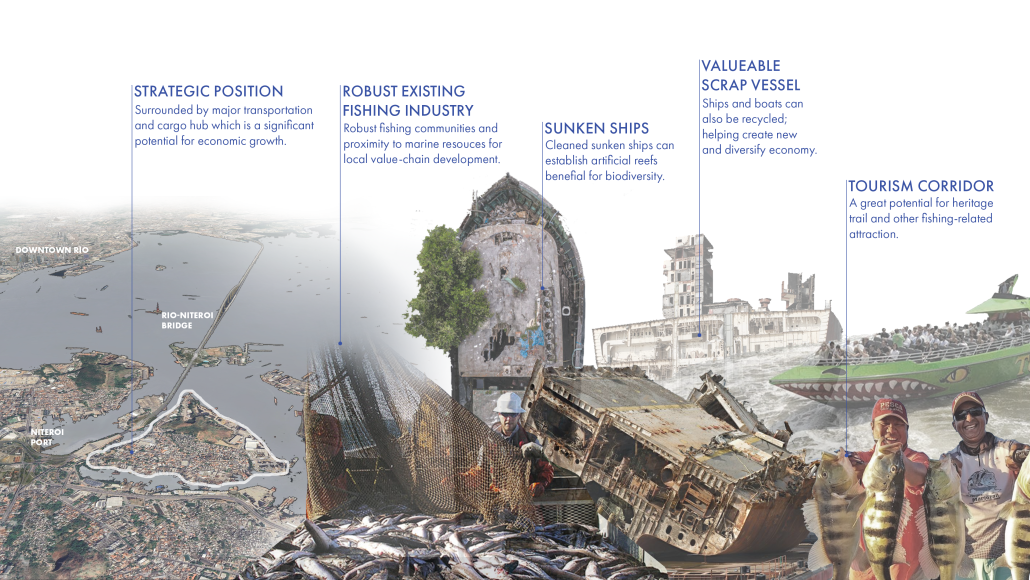
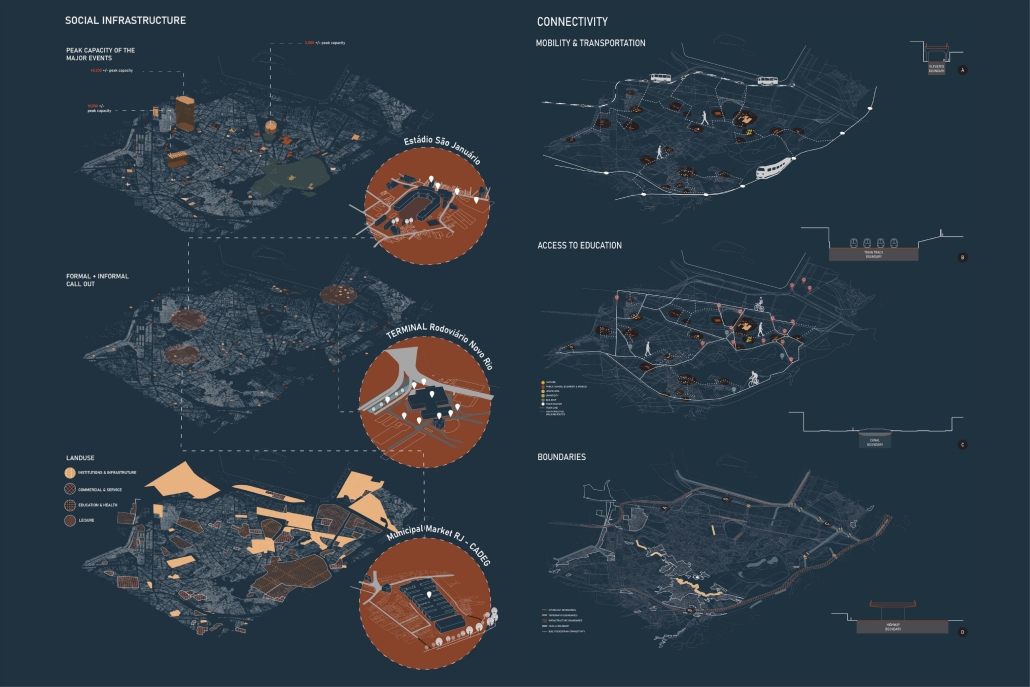
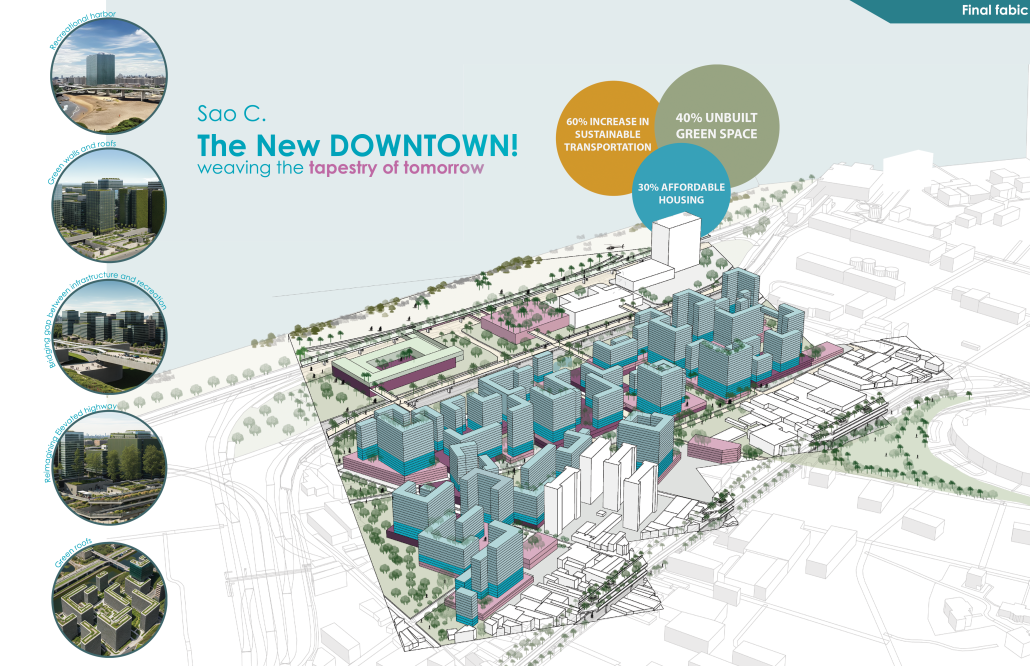
In the past, the island of Ilha da Conceição was composed of three separate islets located within Guanabara Bay. The construction of Niterói’s port and the later Rio–Niterói Bridge, which was driven by the expanding oil industry, filled in the channels that separated the two islands. This effectively annexes the islands to the city while also obstructing the natural flow of water. In addition to the accumulation of derelict ships, this land reclamation has resulted in the accumulation of wastewater and industrial runoff, which has resulted in the transformation of once-clean currents into polluted pools that are stagnant.

The shoreline is now dominated by industrial activity, which has cut off communities from the water and undermined both the quality of the catch and traditional ways of making a living. Local fishermen used to thrive in this area previously.

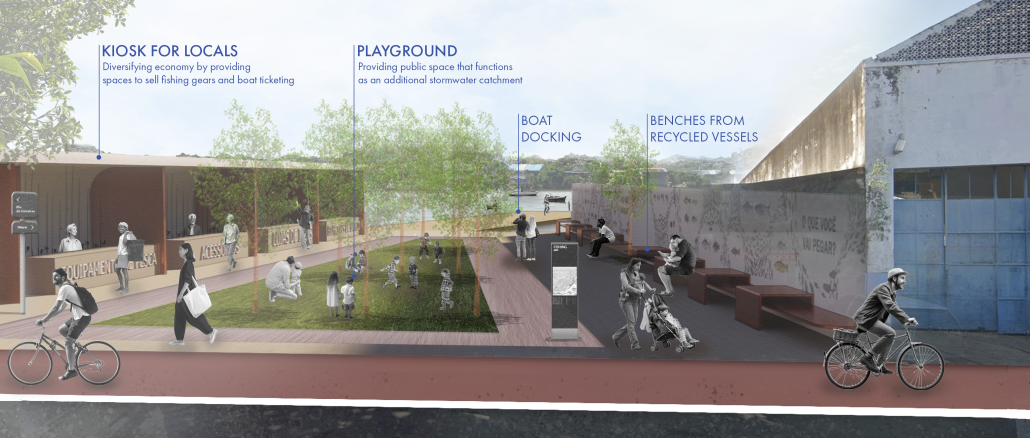
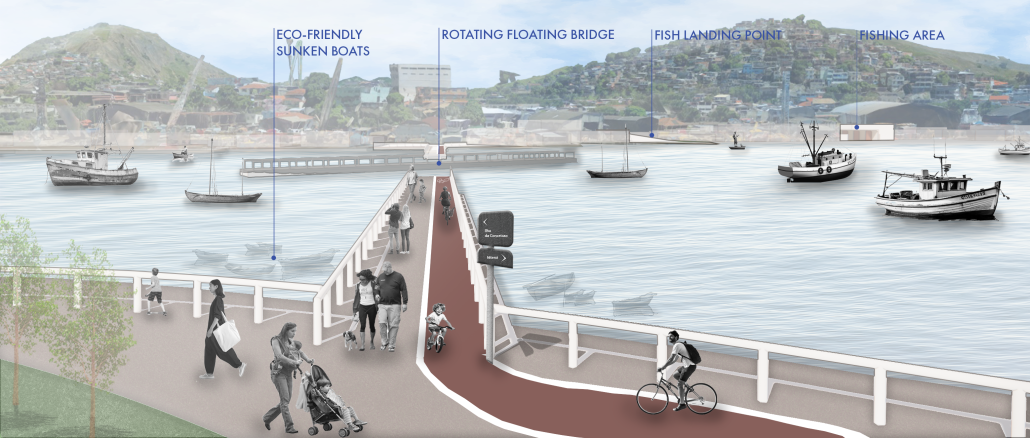
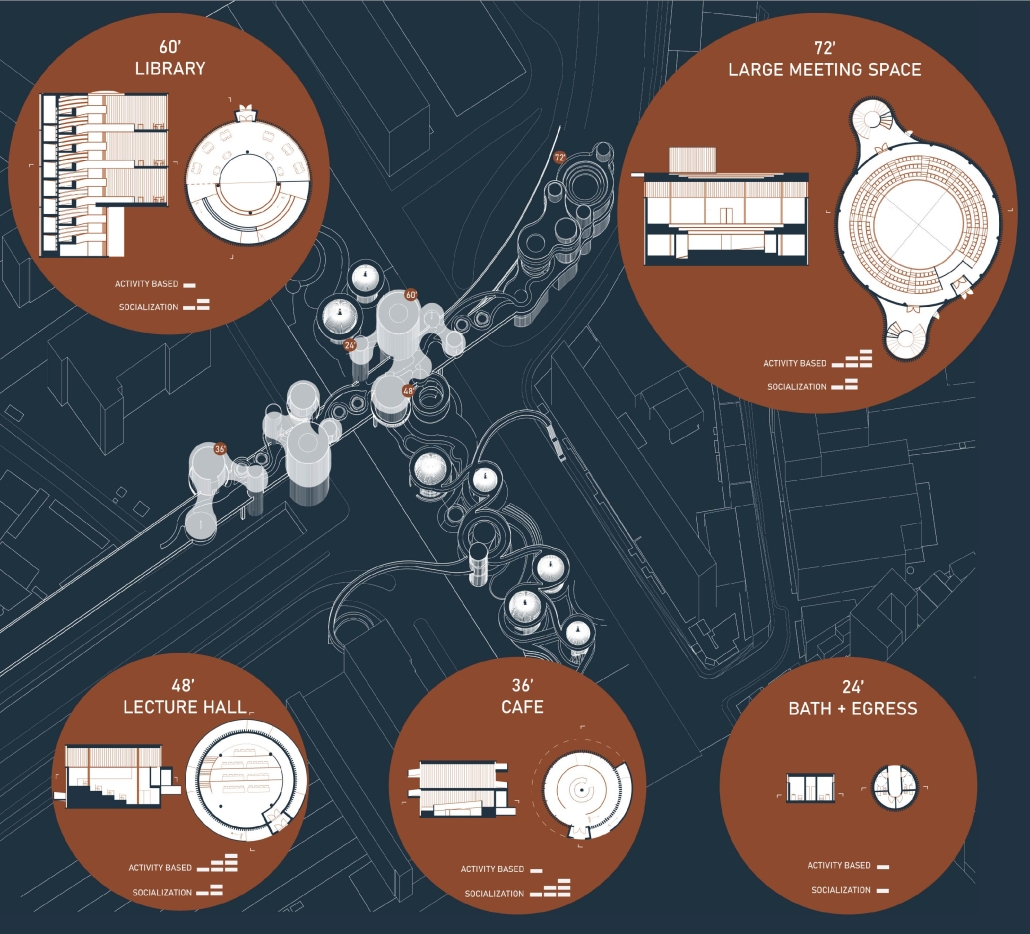
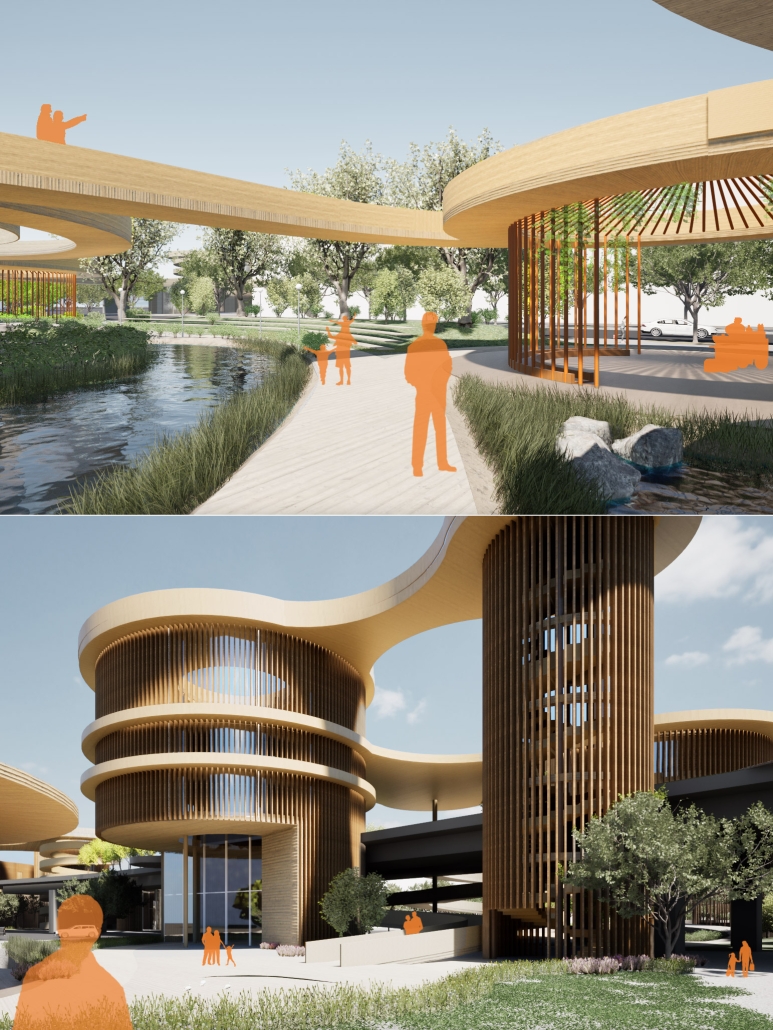
The ‘what if’ scenario that we have envisioned involves reestablishing water circulation without displacing any industry. By relocating factories to nearby locations and innovatively repurposing vessels that have been abandoned, we could bring back a canal that is cleaner and flows more freely. Residents of Ilha da Conceição and Niterói would be brought together through the creation of new public spaces along its banks. These spaces would serve as natural filtration zones and social connectors.

What is the end result? improved water quality, revitalized community fishing, and parks along the water’s edge that are very inviting. The demonstration that industry, ecology, and community can coexist in harmony would be [highlighted] by the fact that improved access to the bay would stimulate the creation of jobs, broaden access to goods and services, and ignite local economic growth.

Click here to learn more. 

Instagram: @runikarunia, @enoxizi, @mehtageeta999 @eadmassu, @sdelpino_arq, @gabrielvergarag, @lucascoelhonetto, @cauecapille, @shrey_patel1999

City Within a Shell, Reclaiming underutilized buildings for living learning and belonging. by Kush Choganwala, M.Arch ’25
Boston Architectural College | Advisors: Ralph Jackson &  Ian F. Taberner

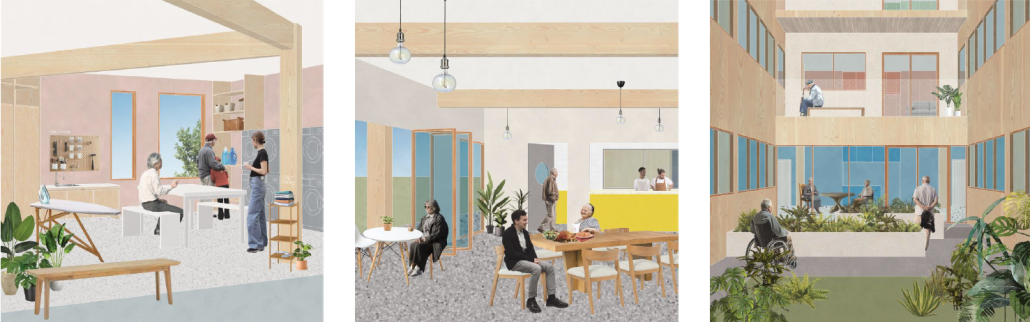
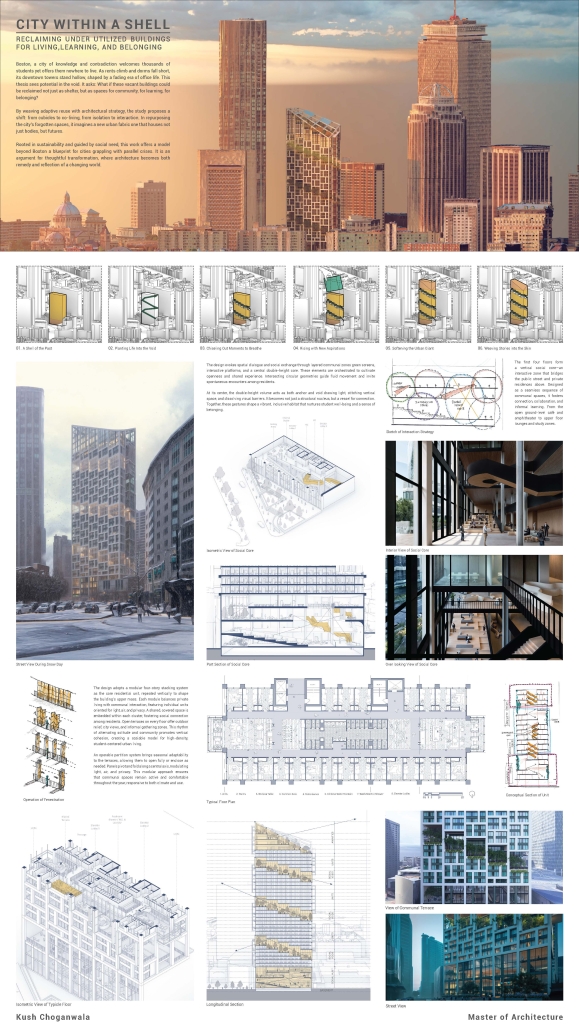
In a city defined by knowledge and ambition, where students arrive with dreams larger than their square footage, a quieter truth rises between the lines of the skyline: vacancy. Beneath the towers of Back Bay, amid the noise of commerce and culture, stand buildings built for another time empty, waiting, still. “City Within a Shell” is a thesis rooted in this urban contradiction. It asks: What if the city’s forgotten rooms could be reimagined for those still finding their place within it? What if architecture, instead of beginning with demolition, began with listening to the structures that remain, and the lives that need them?

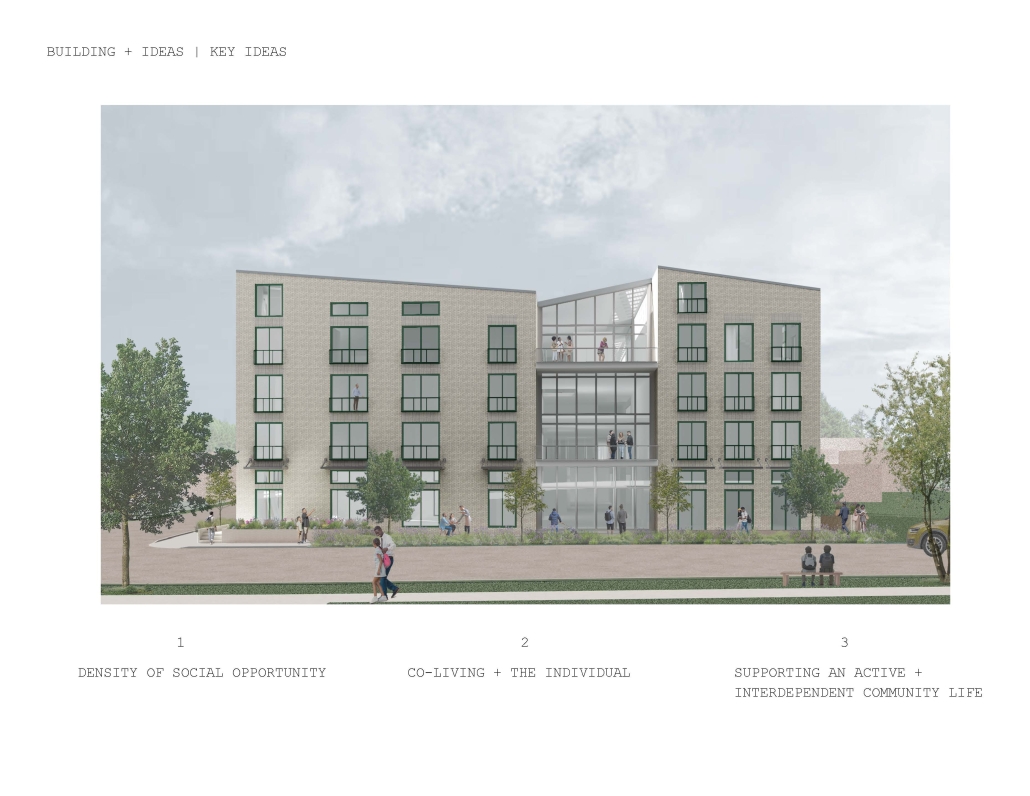
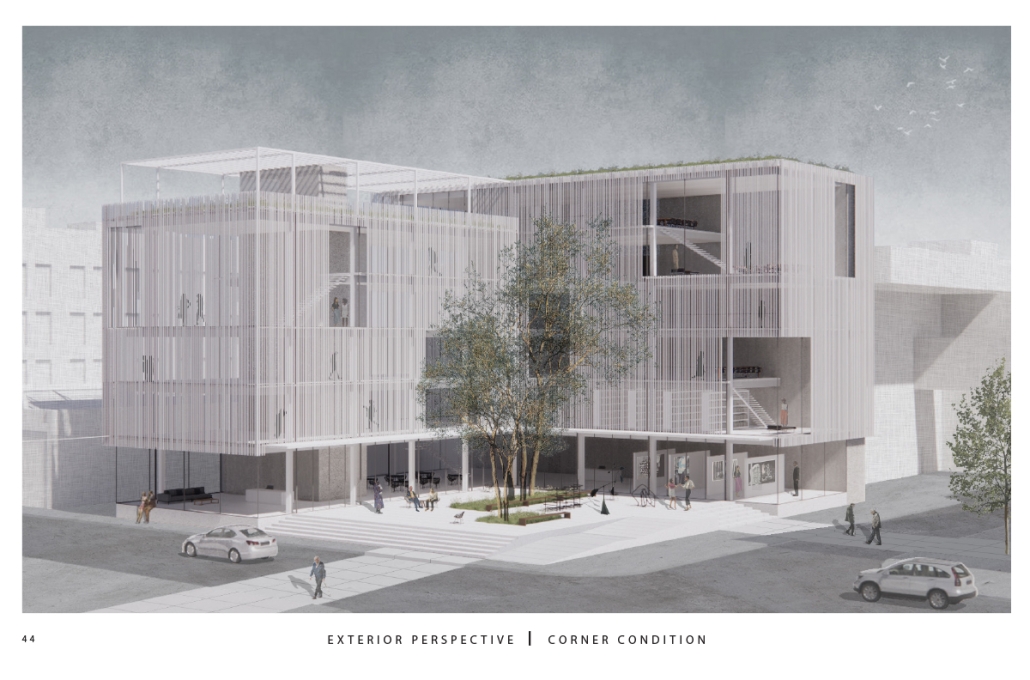
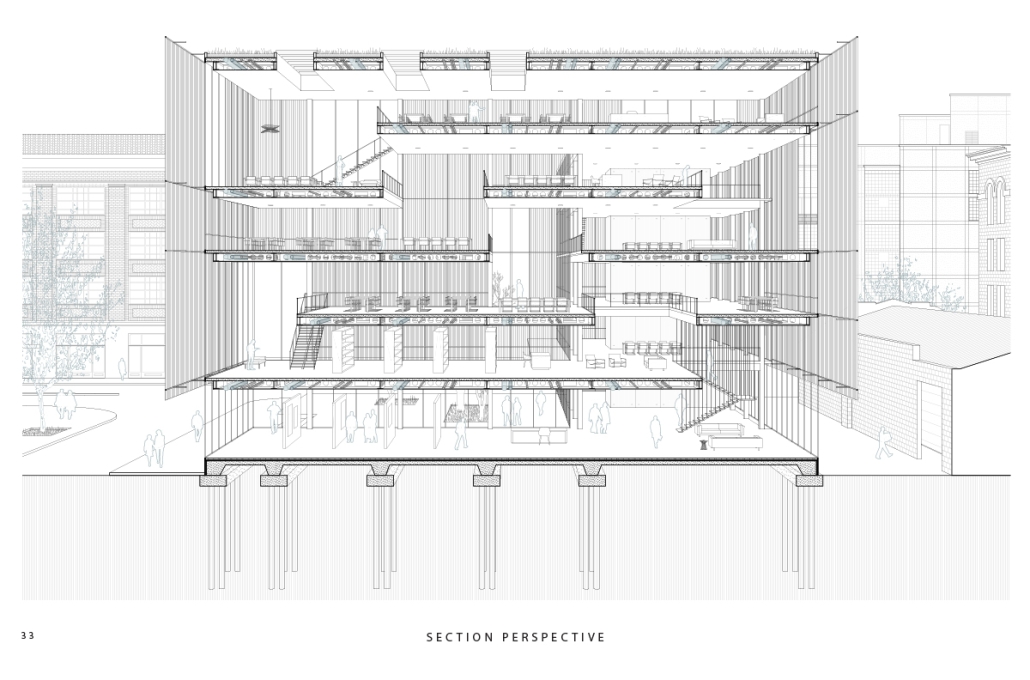
This project proposes the adaptive reuse of the Sheraton Boston Hotel’s South Wing, transforming a vacated hospitality structure into a vertical co-living environment for students. Located in the academic epicenter of Boston, surrounded by institutions like Northeastern, Berklee, and the Boston Architectural College, the site holds the potential to serve the very population it has long overlooked. 

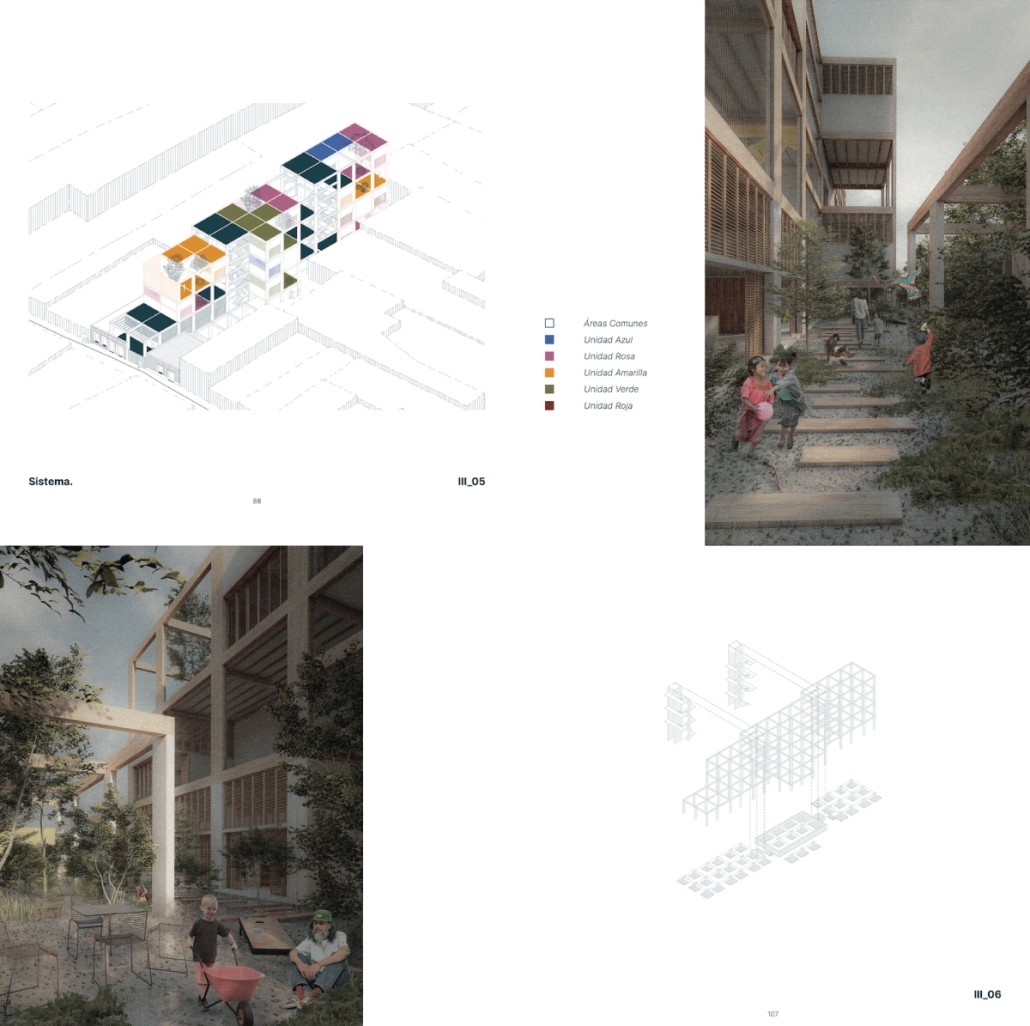
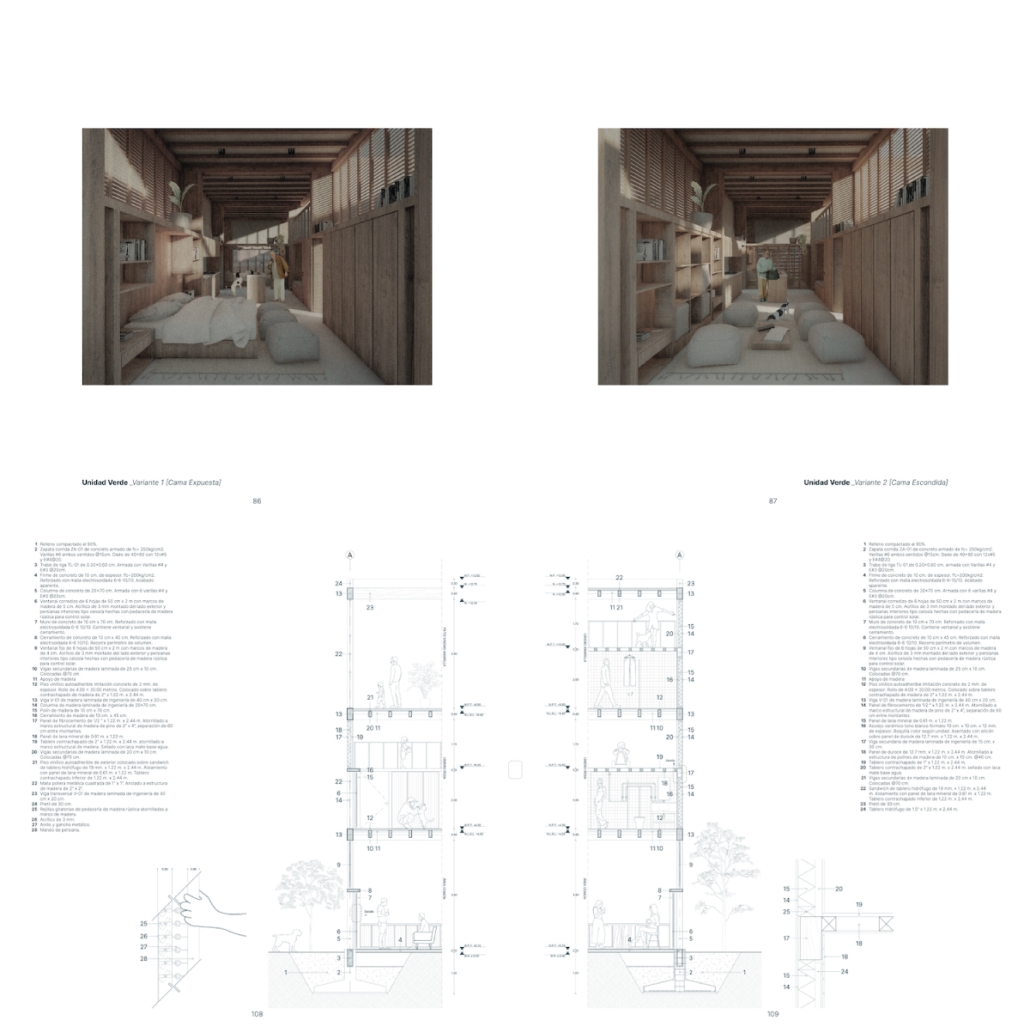
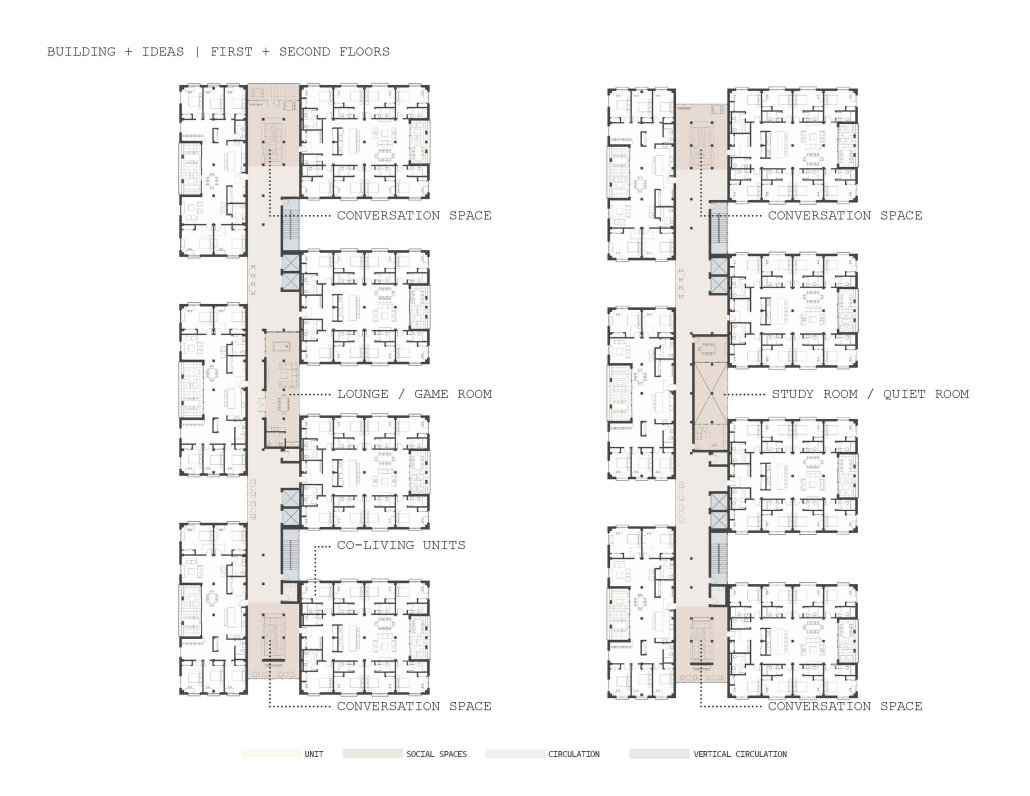
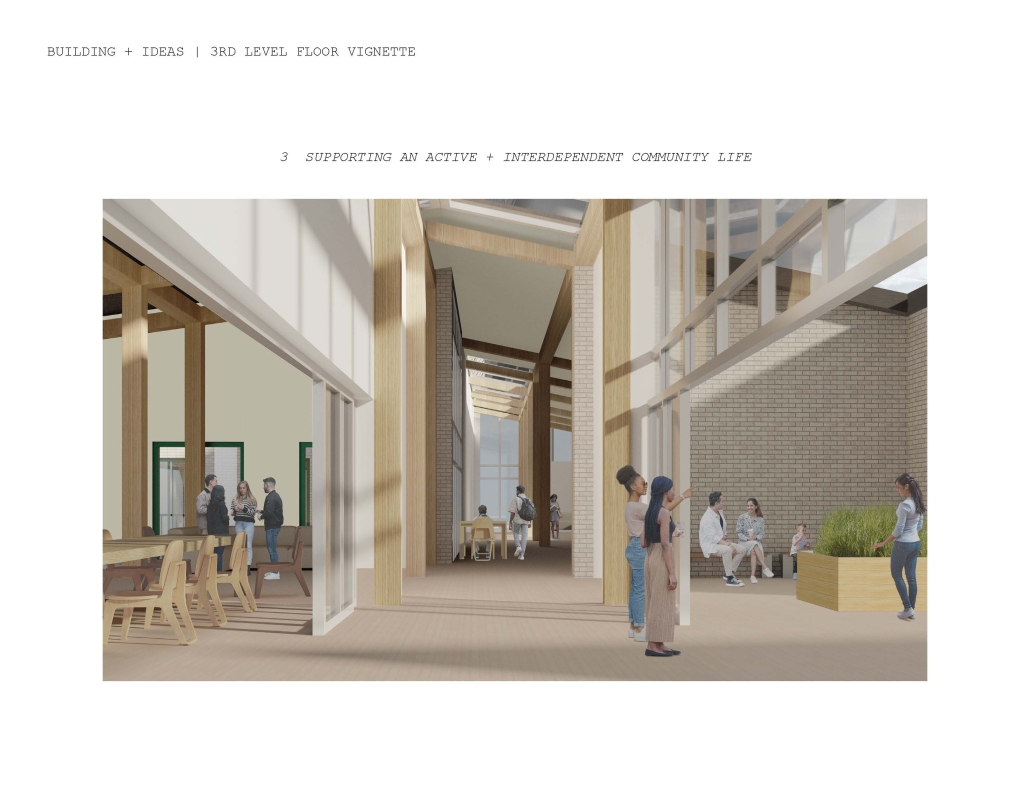
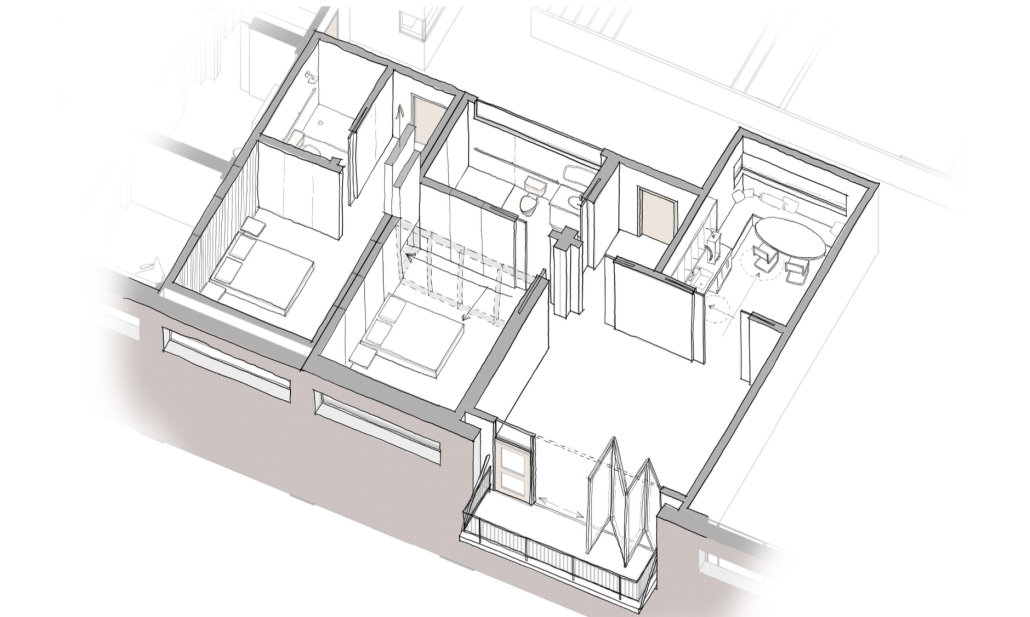
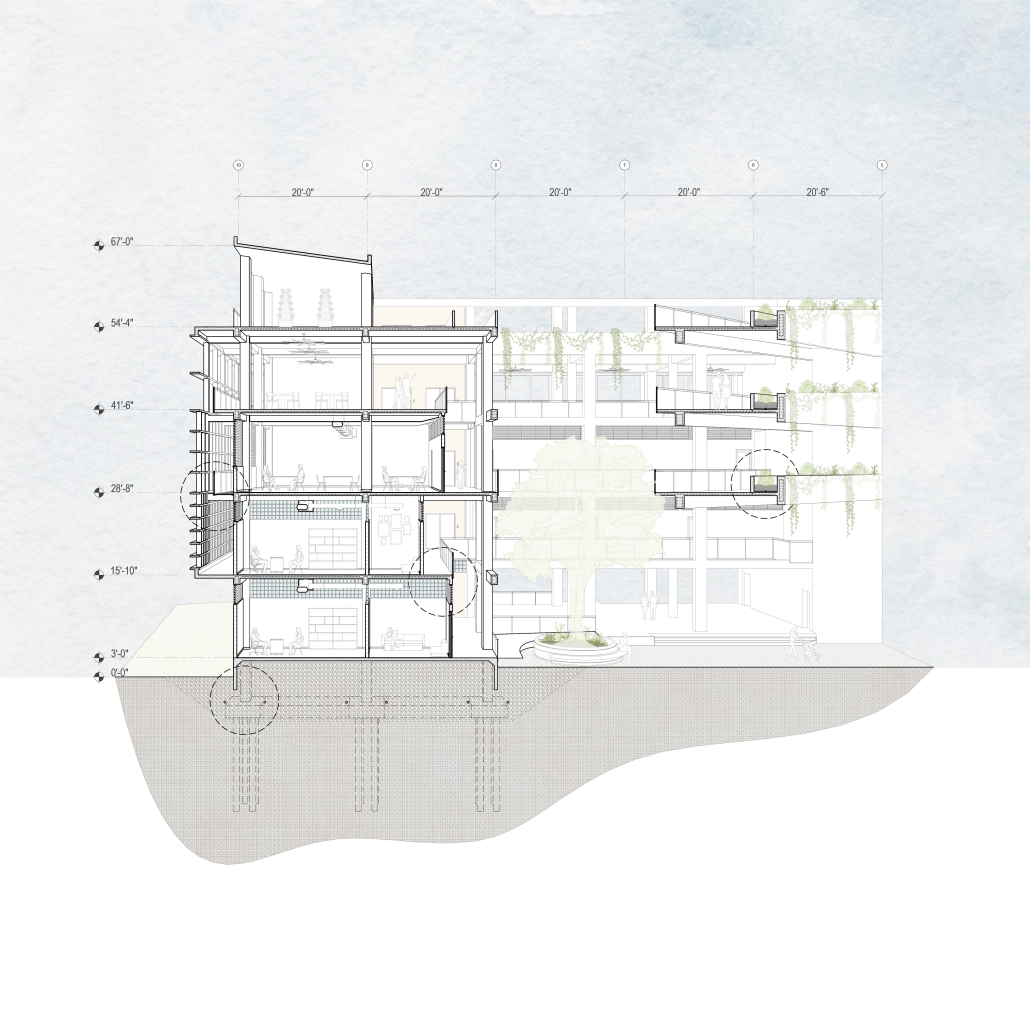
The design strategy centers on a modular four-story stacking system that integrates living units with shared kitchens, study lounges, wellness pods, and green terraces. These clusters spiral around a central spine, a vertical social core that weaves moments of interaction into the daily rhythm of living. The new facade becomes a living skin: softened with balconies, filtered with light, wrapped in green, inviting the city to witness a transformation not just of form, but of purpose. Methodologically, the thesis draws from precedent case studies in New York, Philadelphia, and Berlin, where adaptive reuse and cooperative housing models have reshaped the residential landscape. Site analysis, zoning and policy review, economic feasibility studies, and environmental performance simulations ground the proposal in practical viability while guiding its architectural expression. But beyond numbers and plans, this work is a meditation on belonging. It acknowledges that housing is not just a commodity, but a condition for well-being. It positions design as a tool not only for efficiency, but for empathy. And it offers a replicable framework—both spatial and strategic for cities grappling with similar imbalances between abundance and need.

City Within a Shell challenges the idea that buildings expire when their original function fades. Instead, it proposes that architecture can evolve layered, resilient, and generous. It suggests that within the walls we inherit, there is room to imagine something better: a city where vacancy is not a failure, but a beginning. Through this thesis, architecture becomes an act of reclamation of space, of purpose, and of the right to belong.

This project won the Edwin T. Steffian Award, Best of M.Arch Thesis. 

the informal Formal: a third way out by Yamen al Mohtar, B.Arch ’25
American University of Beirut | Advisor: Makram Al Kadi

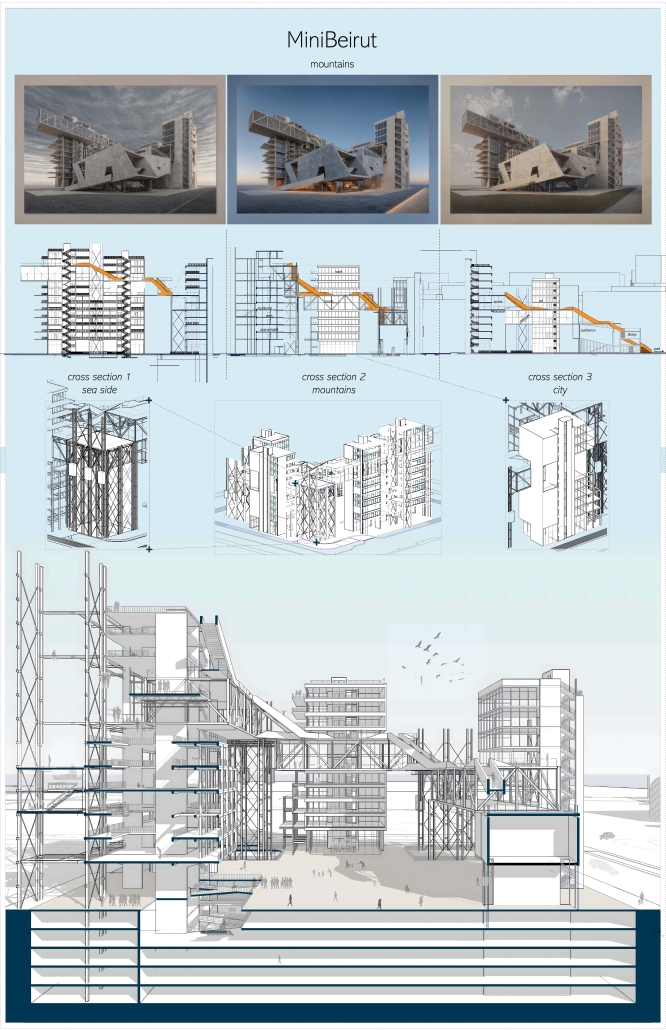
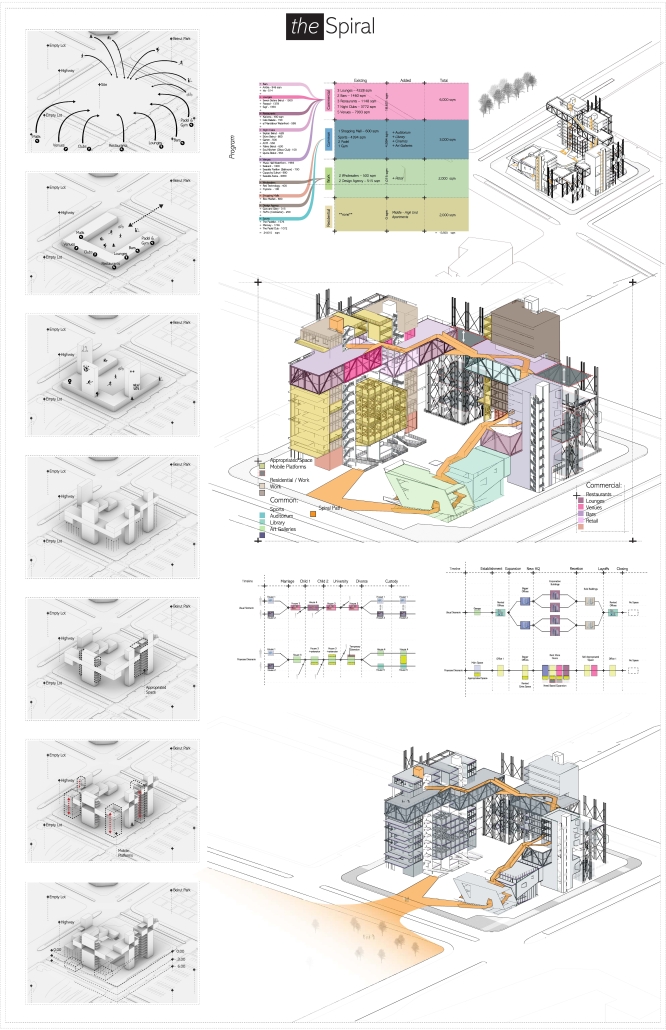
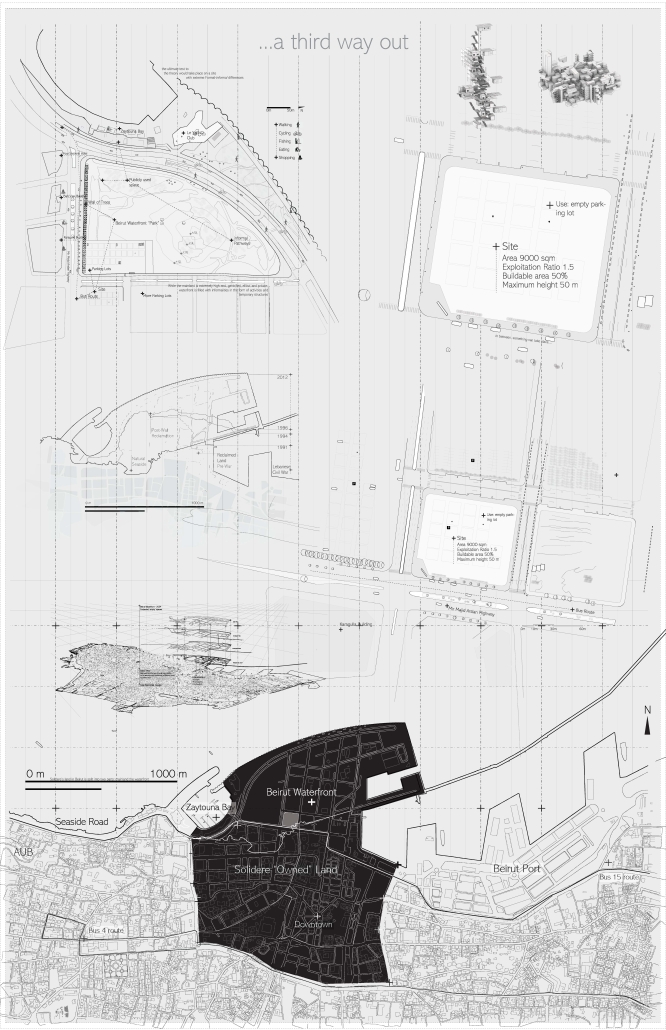
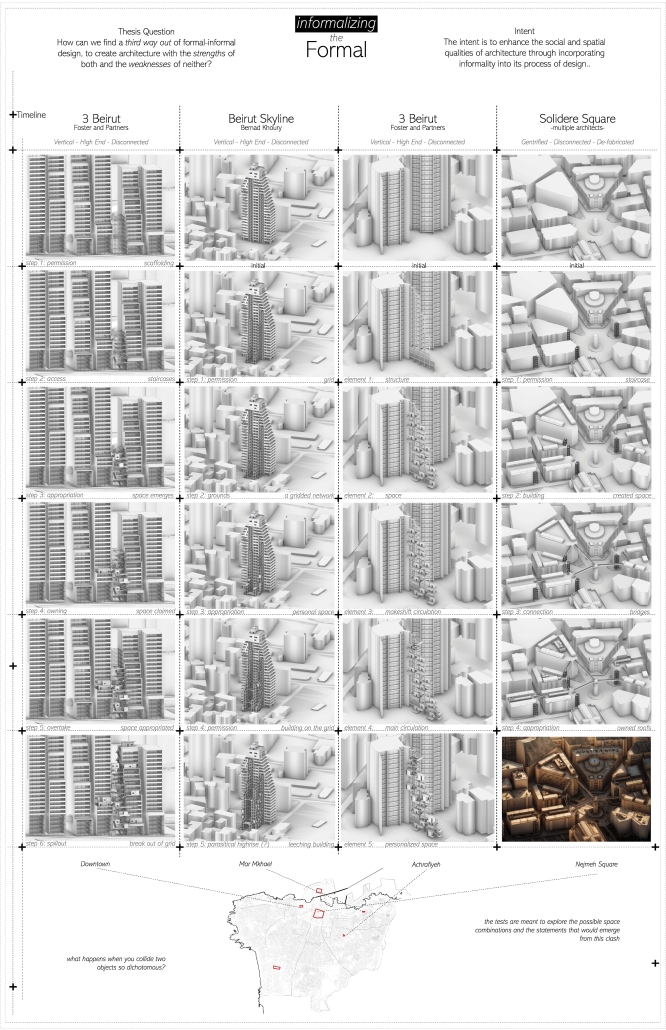
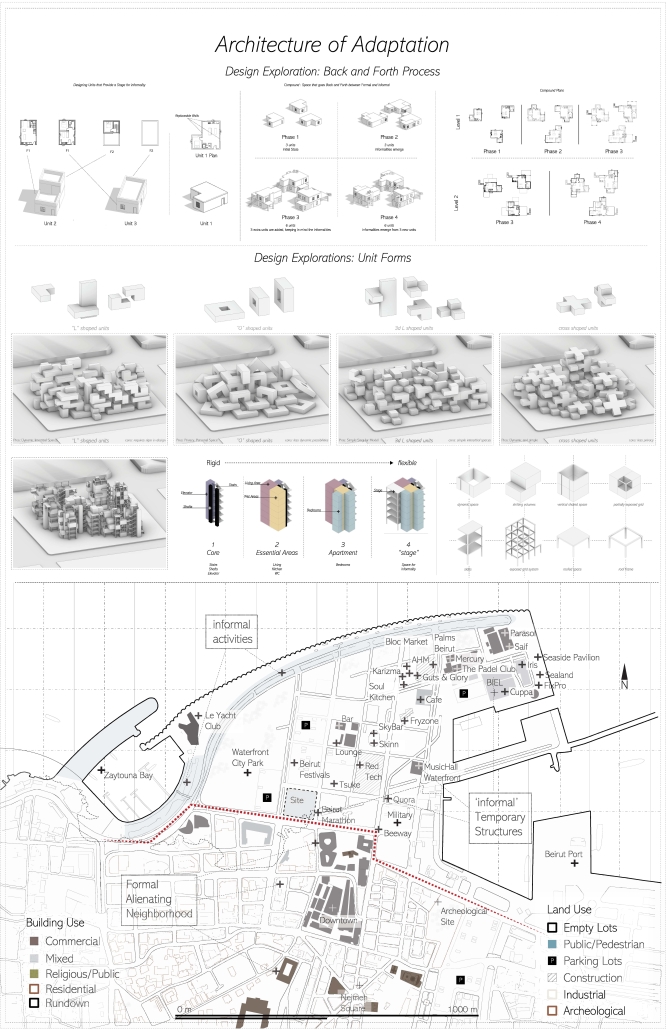
In today’s world, where architecture is designed down to every small detail, spontaneity has been cast aside in favor of control. However, while being true in certain cities, this reality is in no way universal. That is because in most countries and cities, designed architecture is only a fraction of what is built. Most buildings are built without architects, without engineers or professionals, sometimes even without builders. This language of architecture is embodied in various informalities, ranging from informal neighborhoods and slums to temporary structures and “spontaneous” buildings built out of necessity.

This thesis exploration delves into questions regarding this untapped space, asking questions like: What if informality emerges not as a product of circumstance, but as a personalized method of design? What if different classes of society can be brought together through the incorporation of the informal into formal design? How can we use informality as a design method that could be applied universally, providing unique spatial qualities that would otherwise be exclusive to a few? What if there’s a new design process? One which is neither formal nor informal, but one which has the virtues of both and the downsides of none?

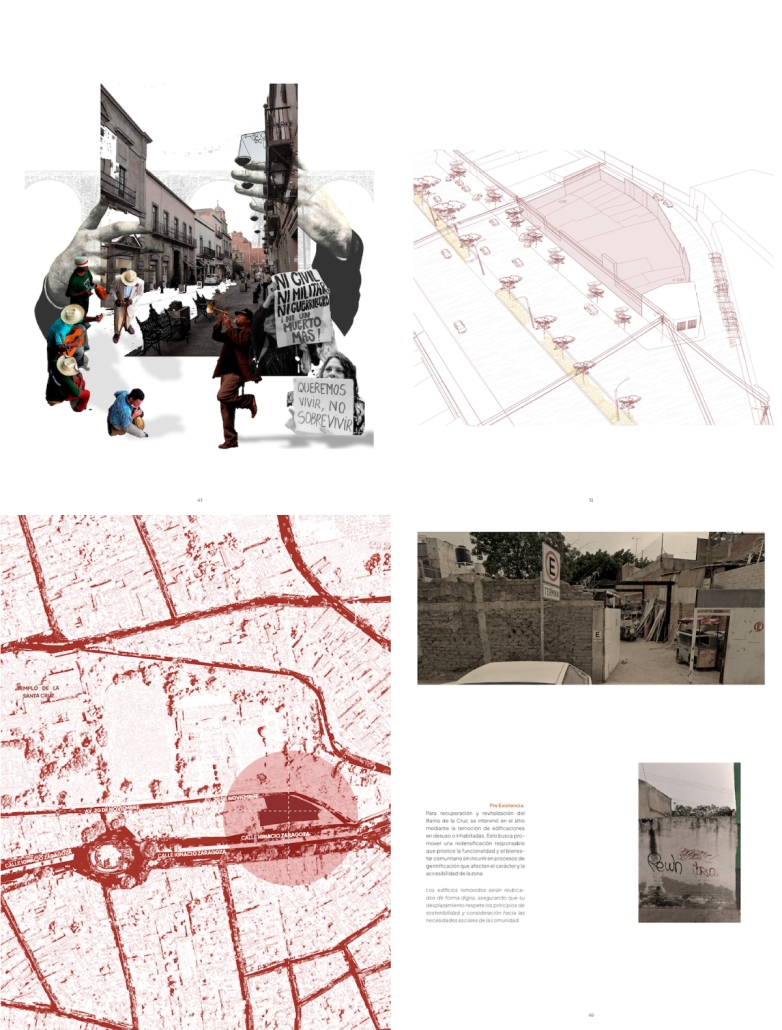
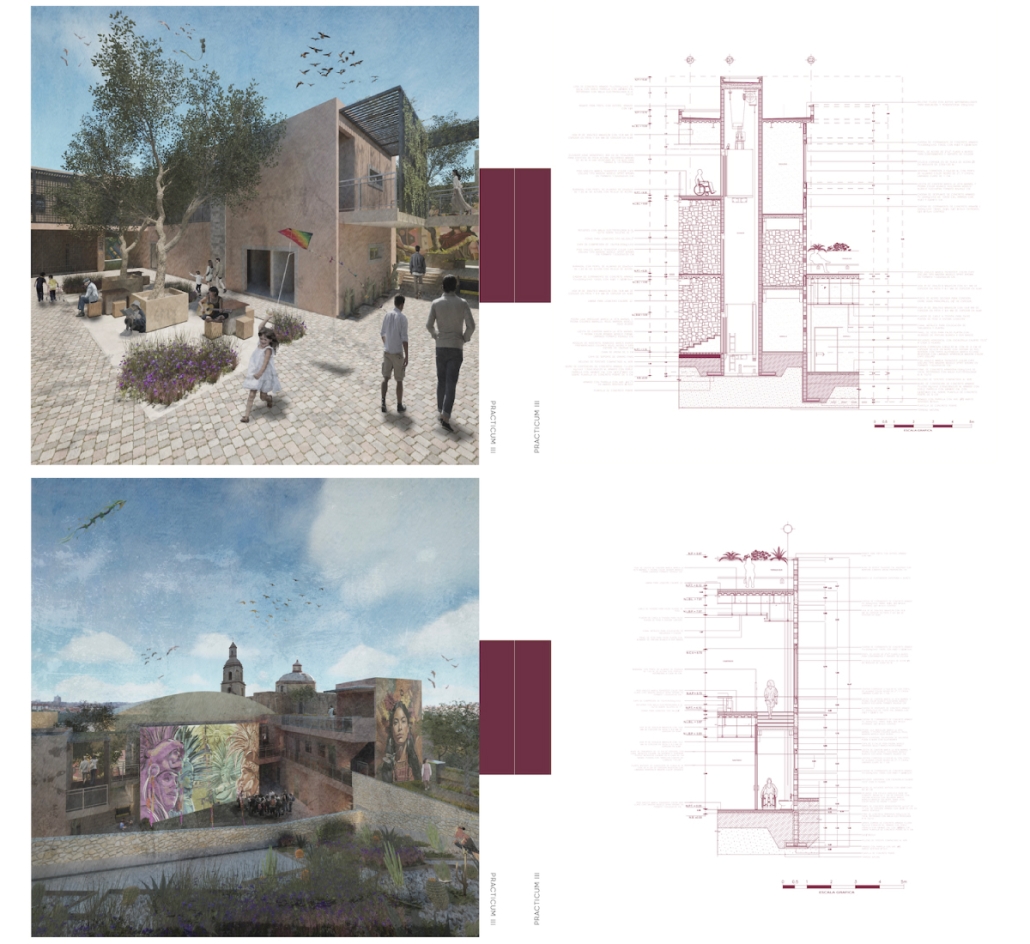
The Corridor, Neighborhood Center by Alejandro Rodríguez Torres, B.Arch ’25
Universidad Anáhuac Querétaro | Advisors: Guillermo Márquez, Patricia Cutiño & Jorge Javier

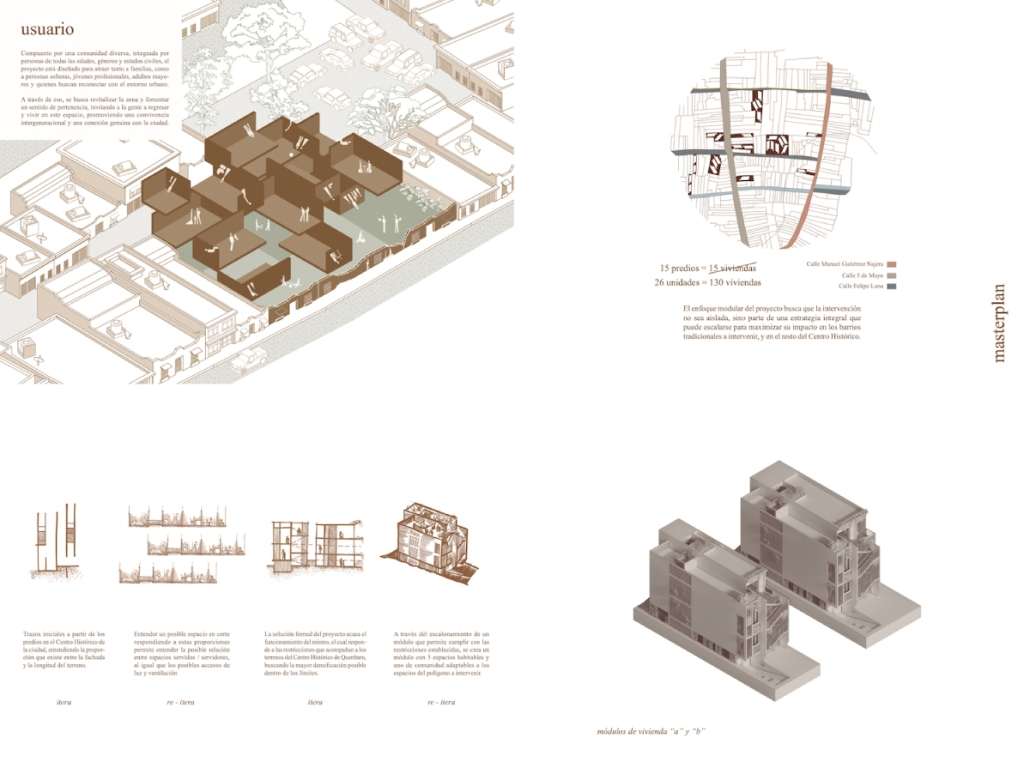
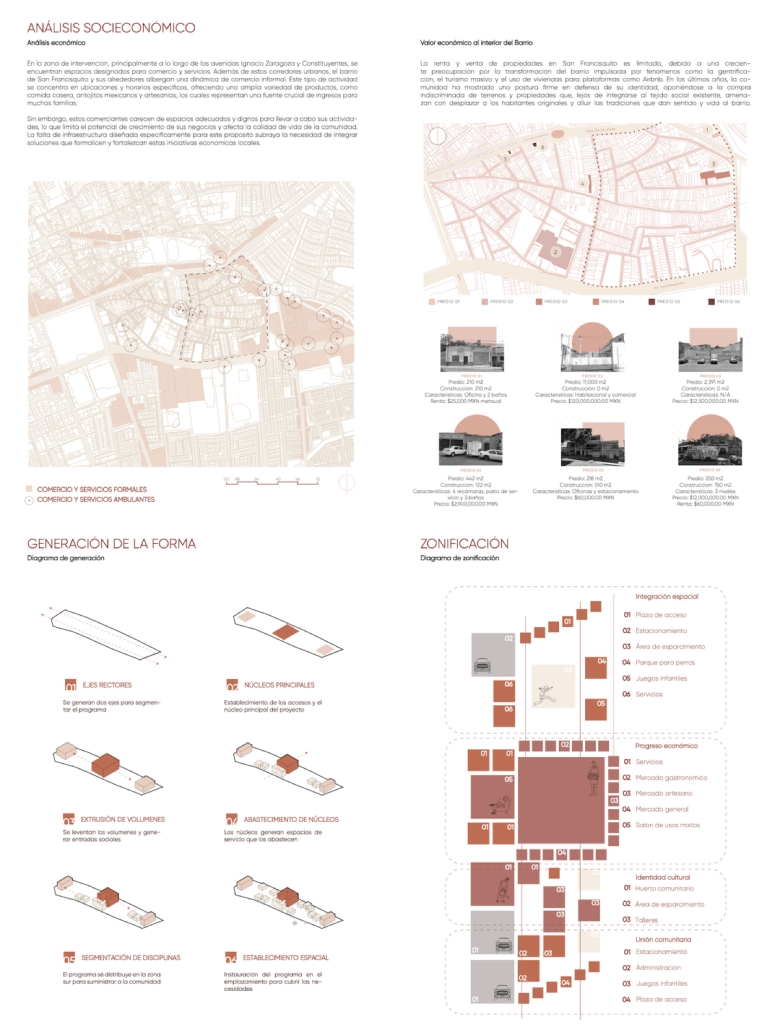
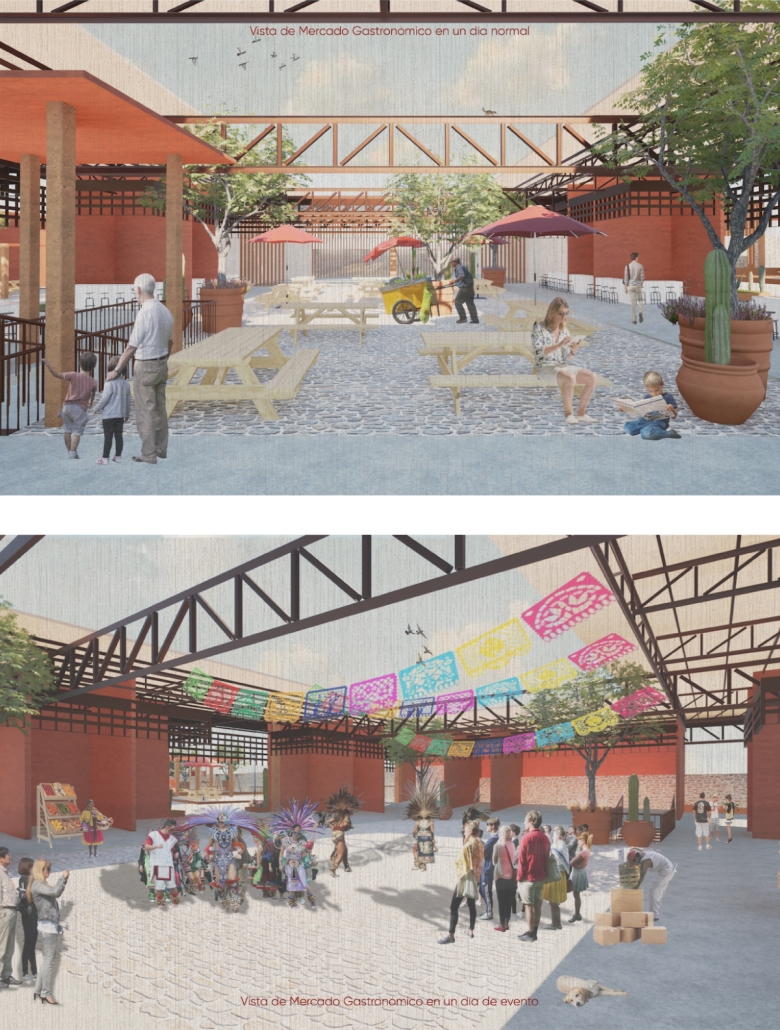
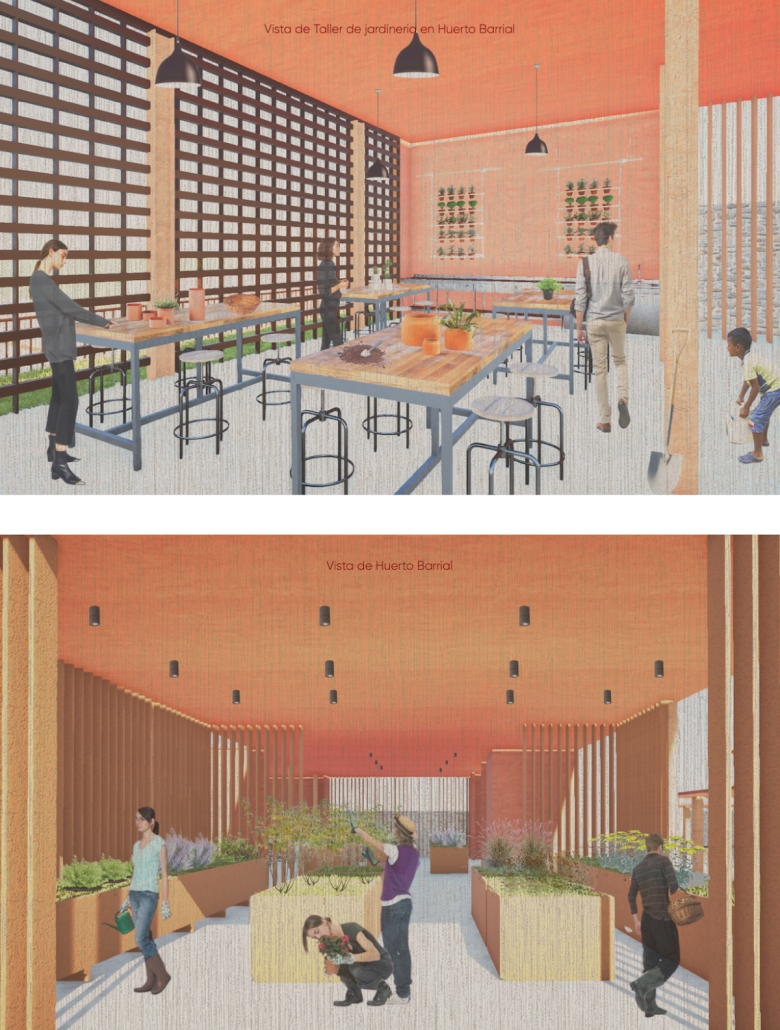
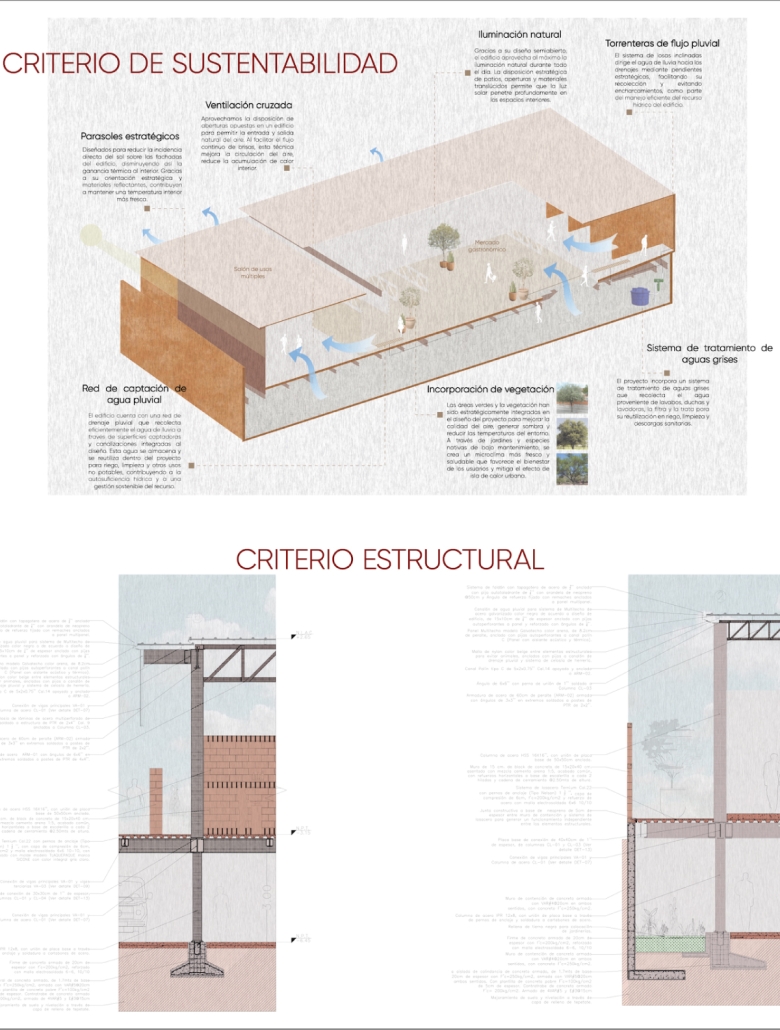
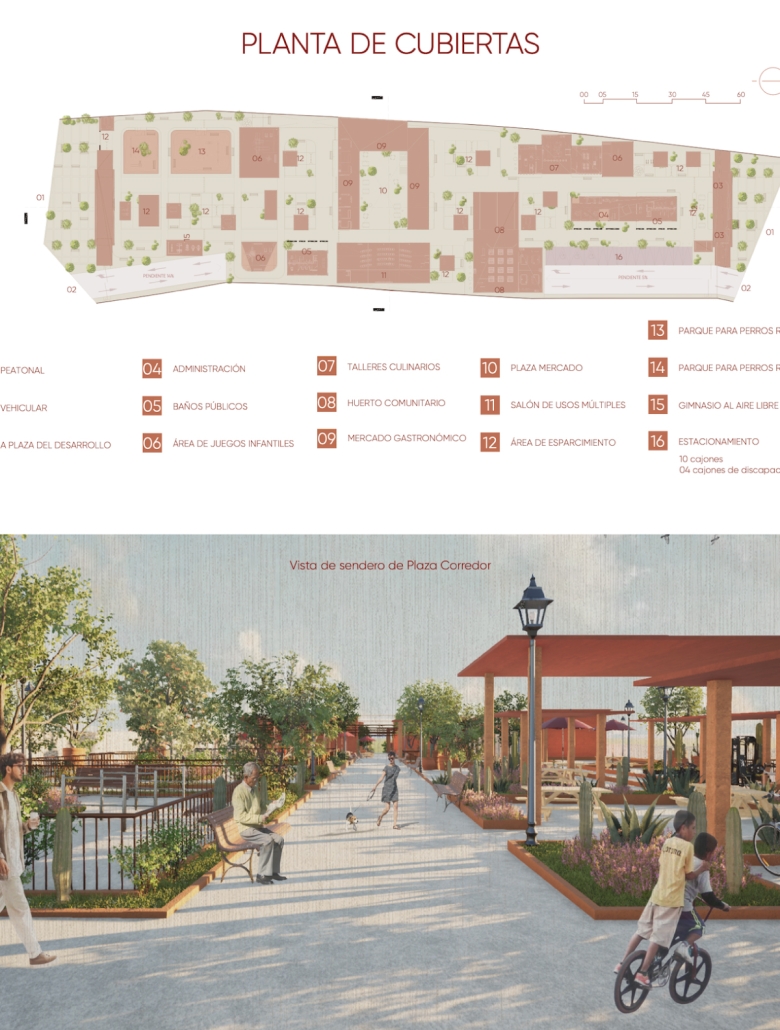
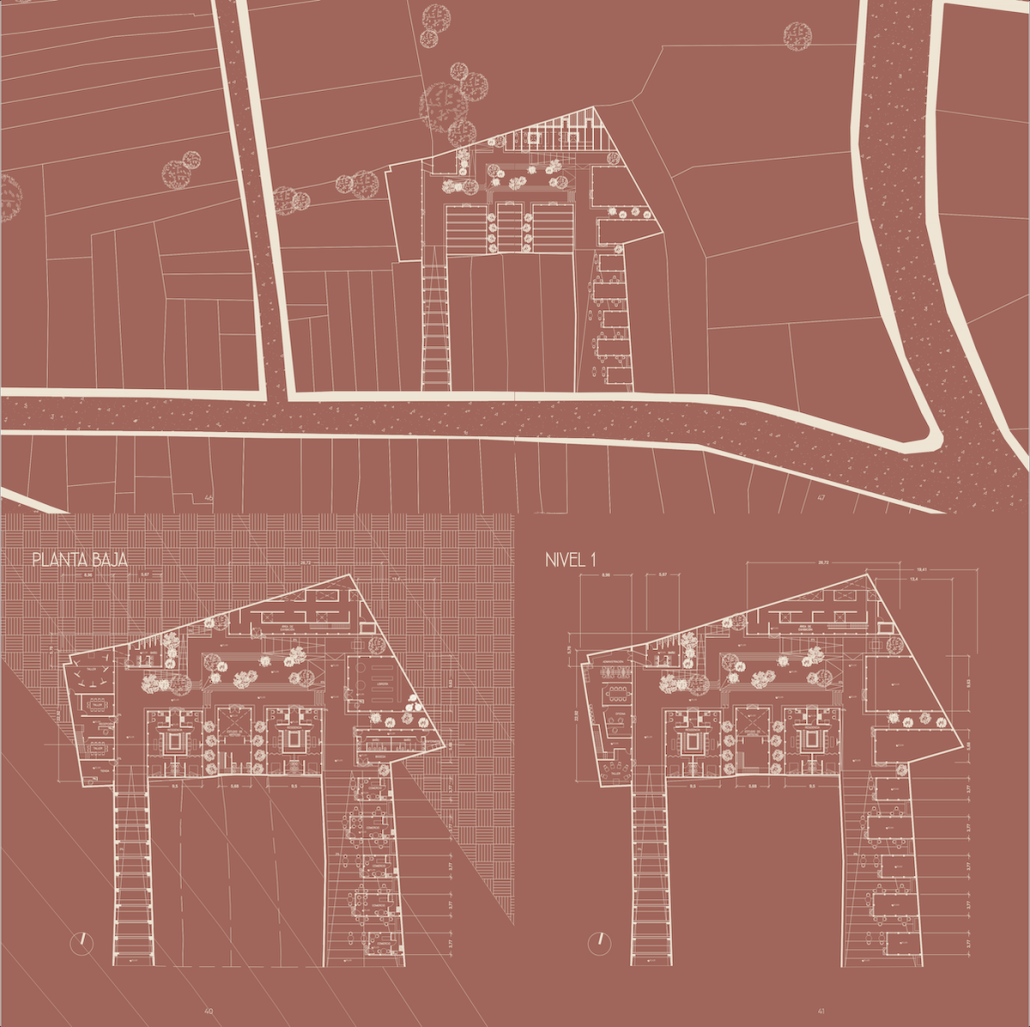
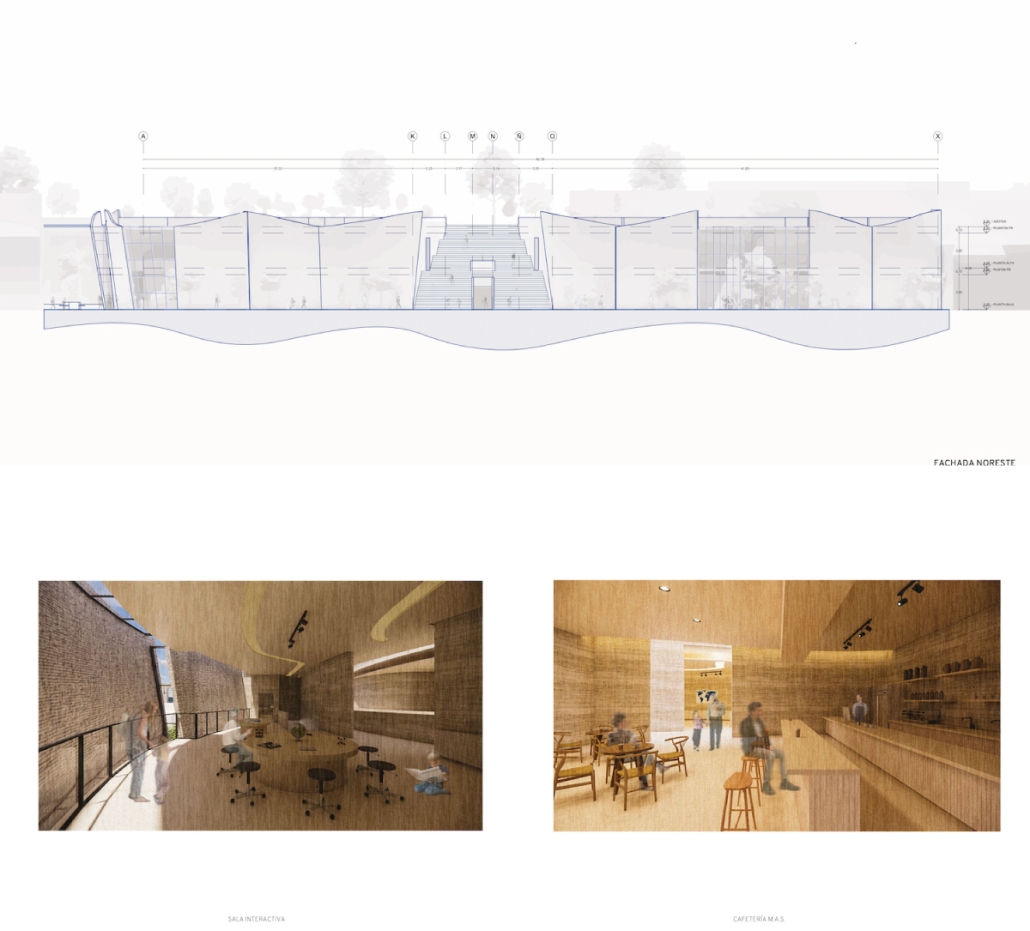
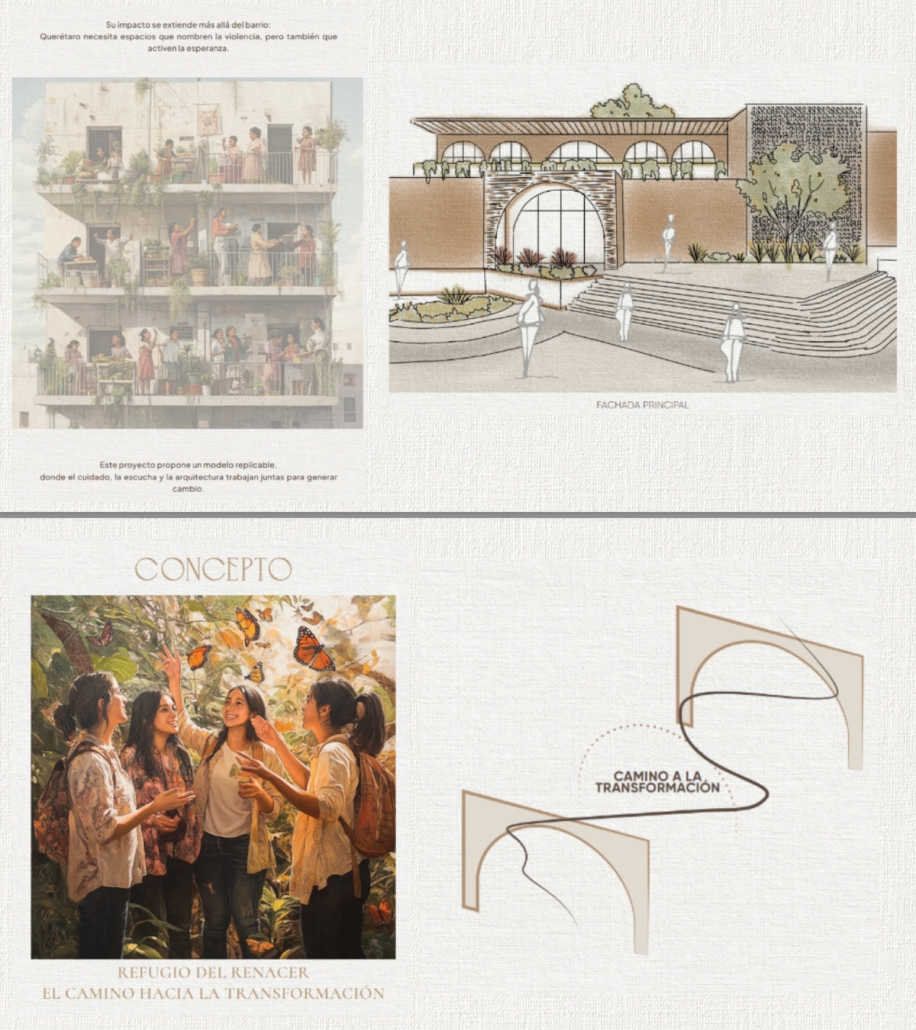
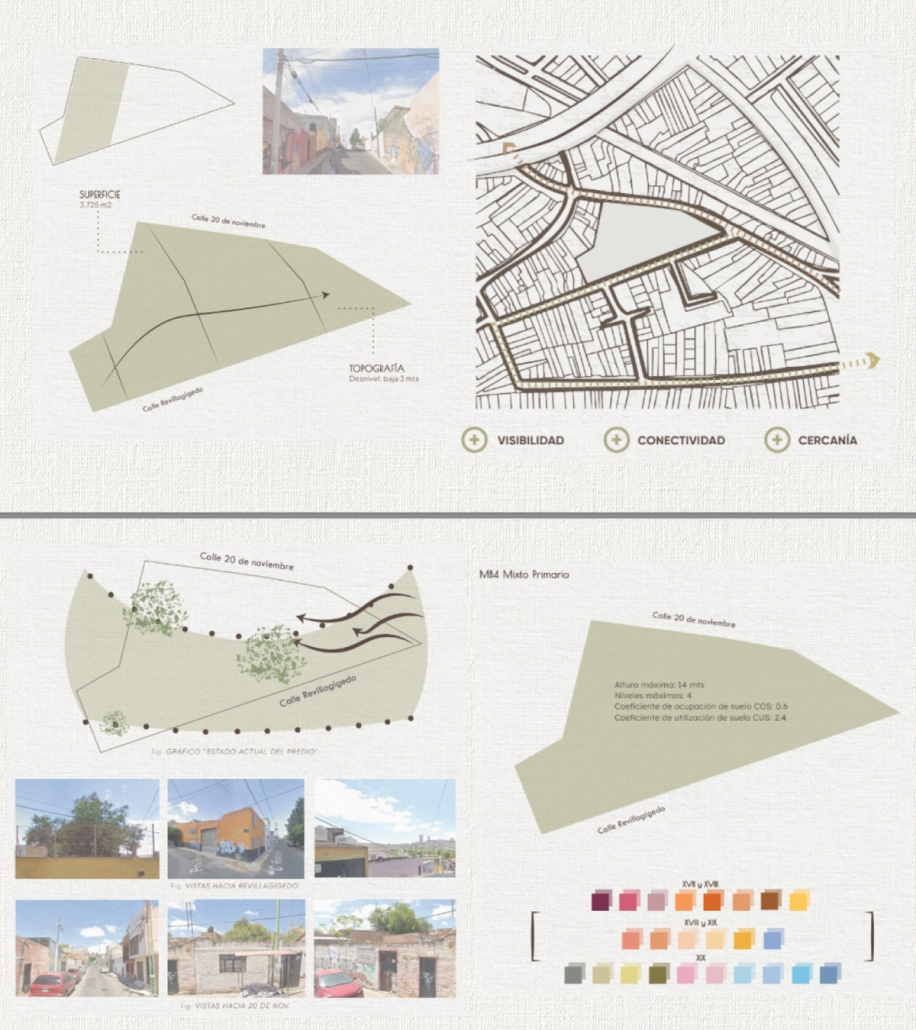
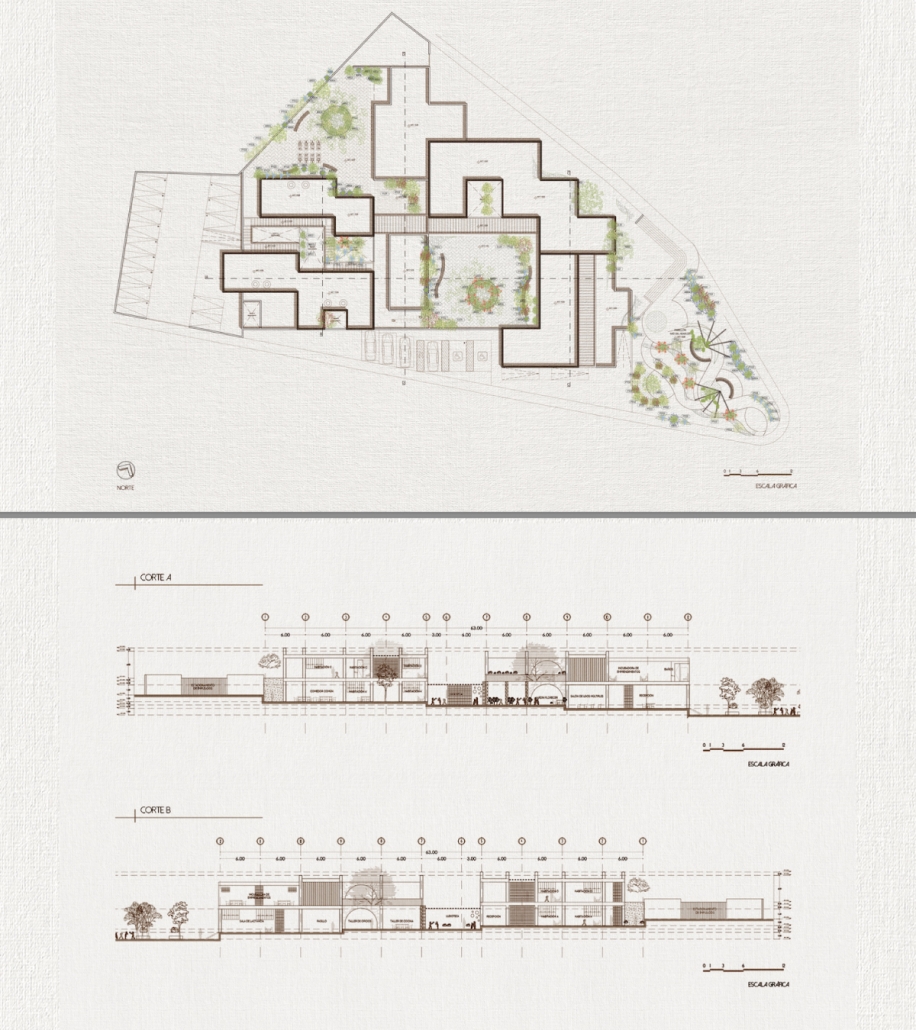
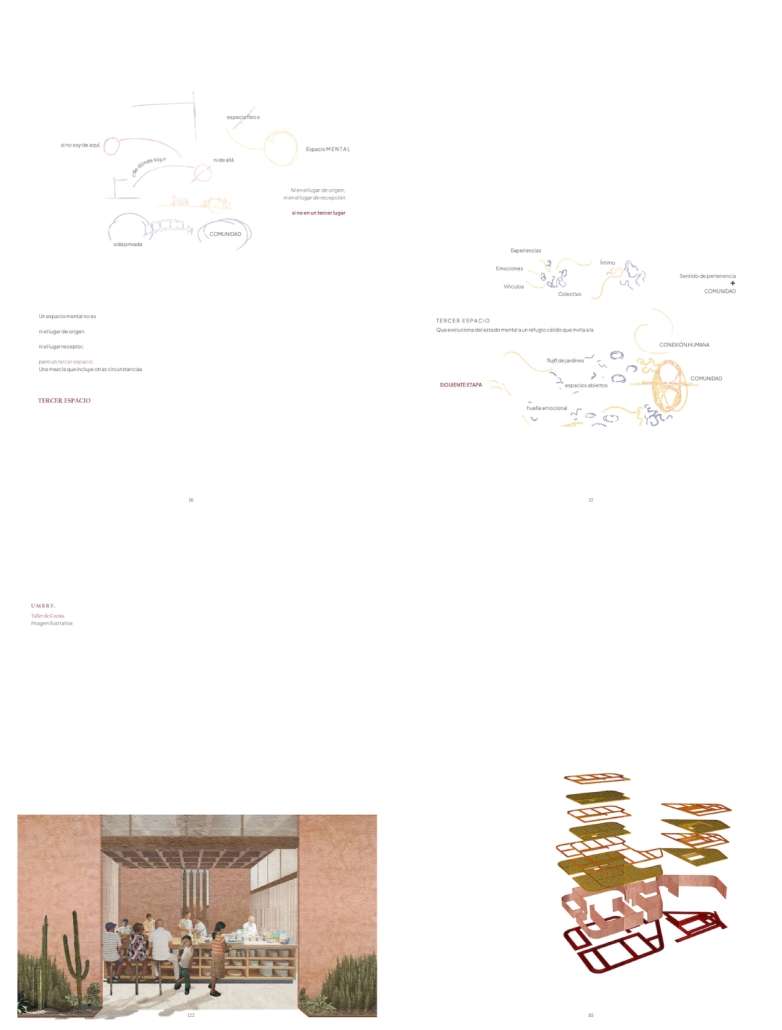
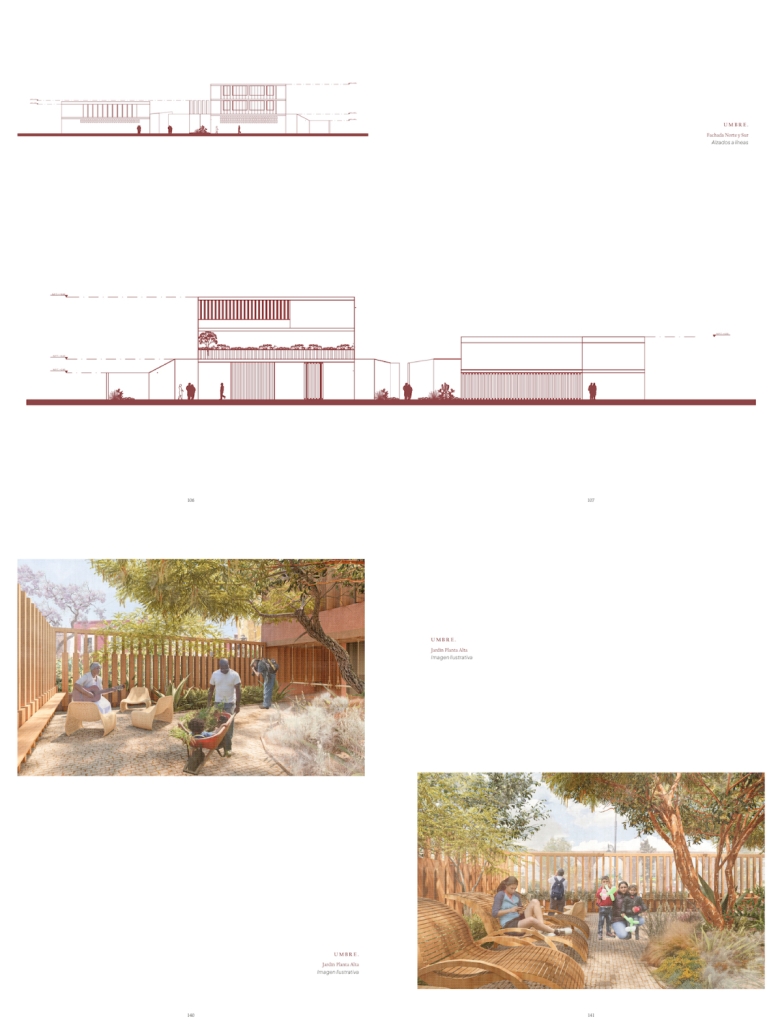
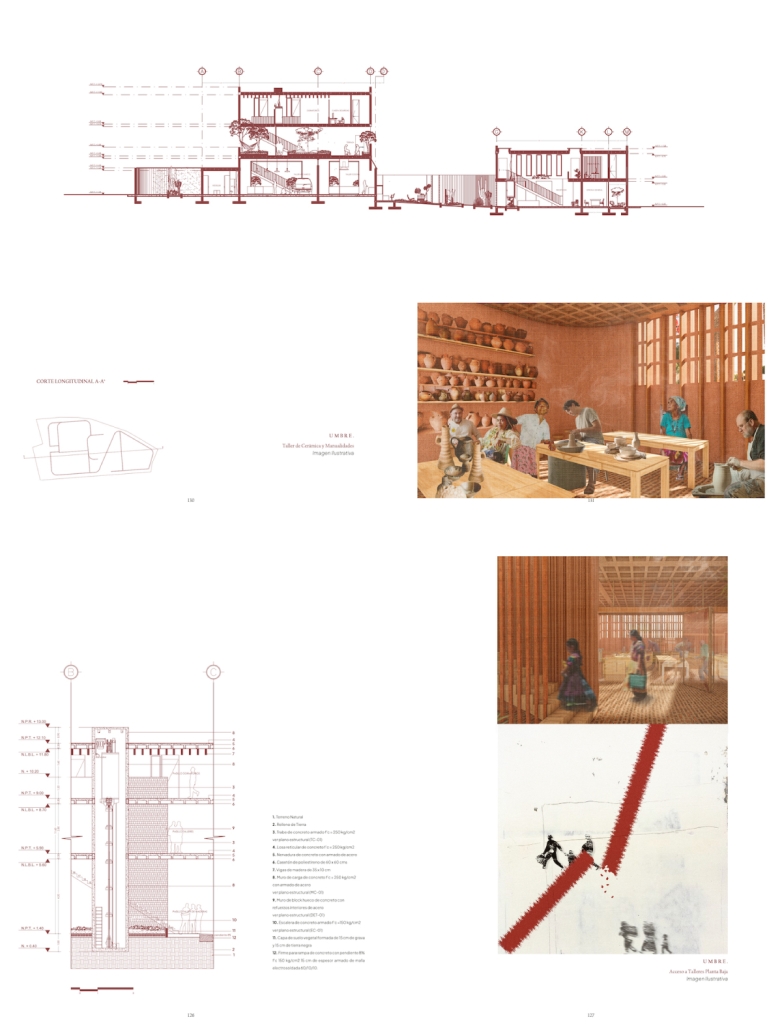
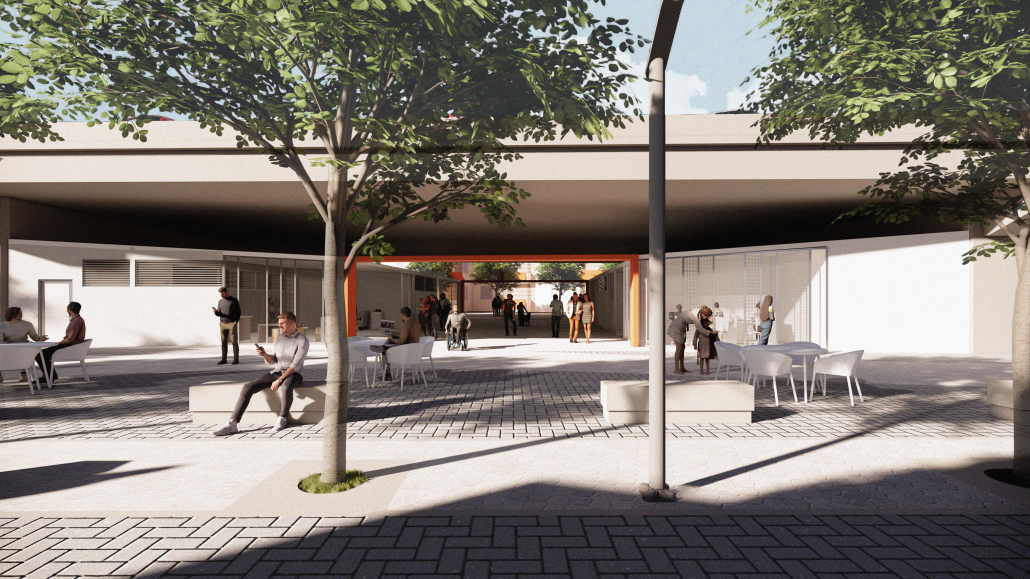
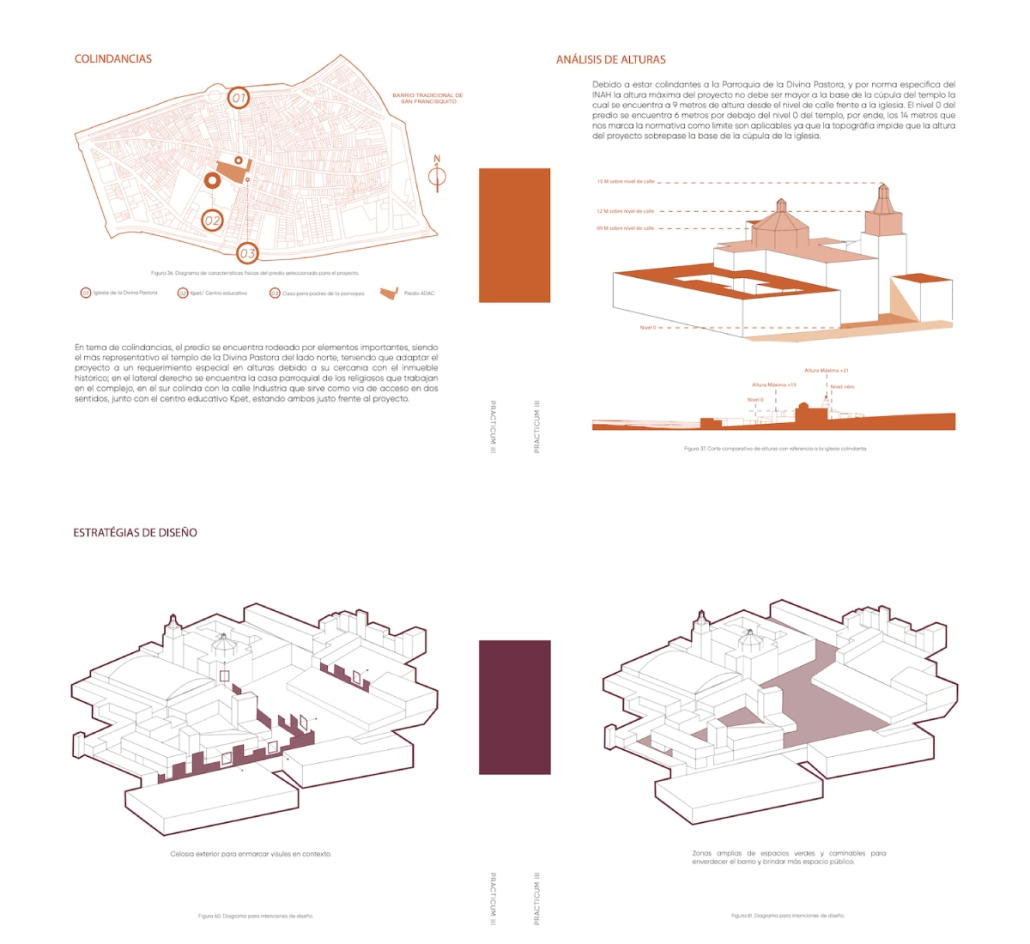
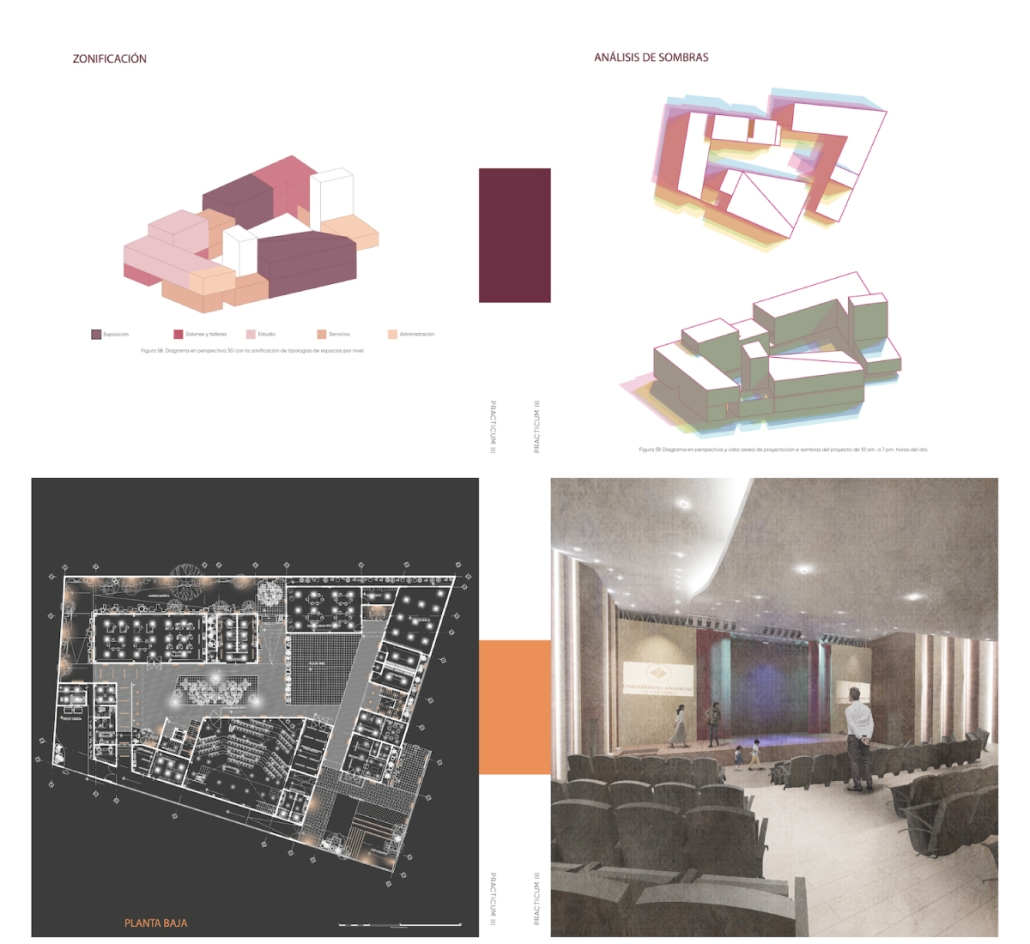
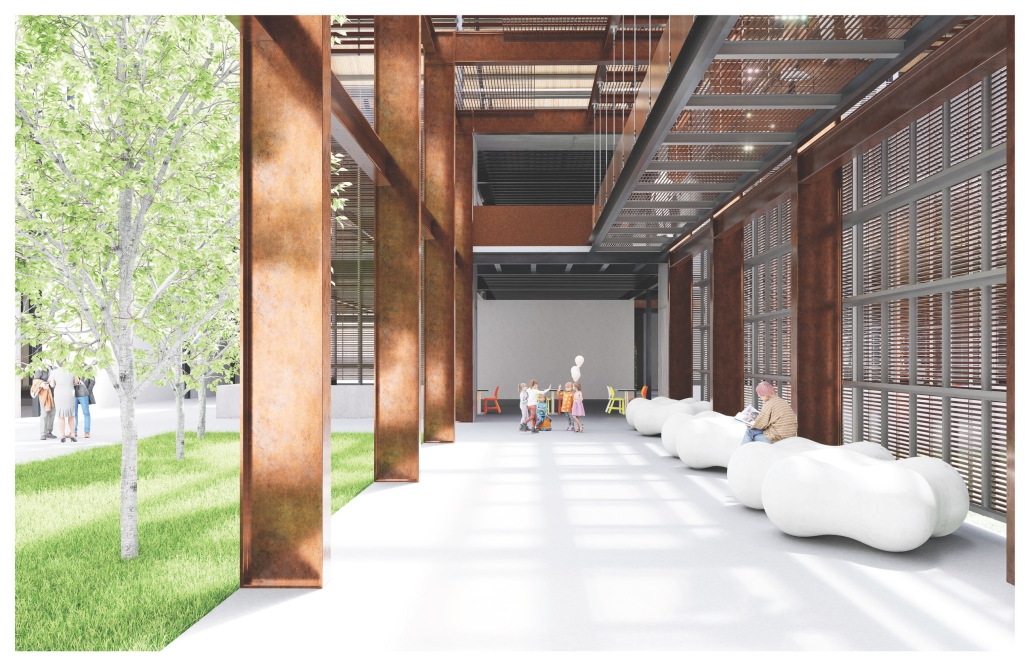
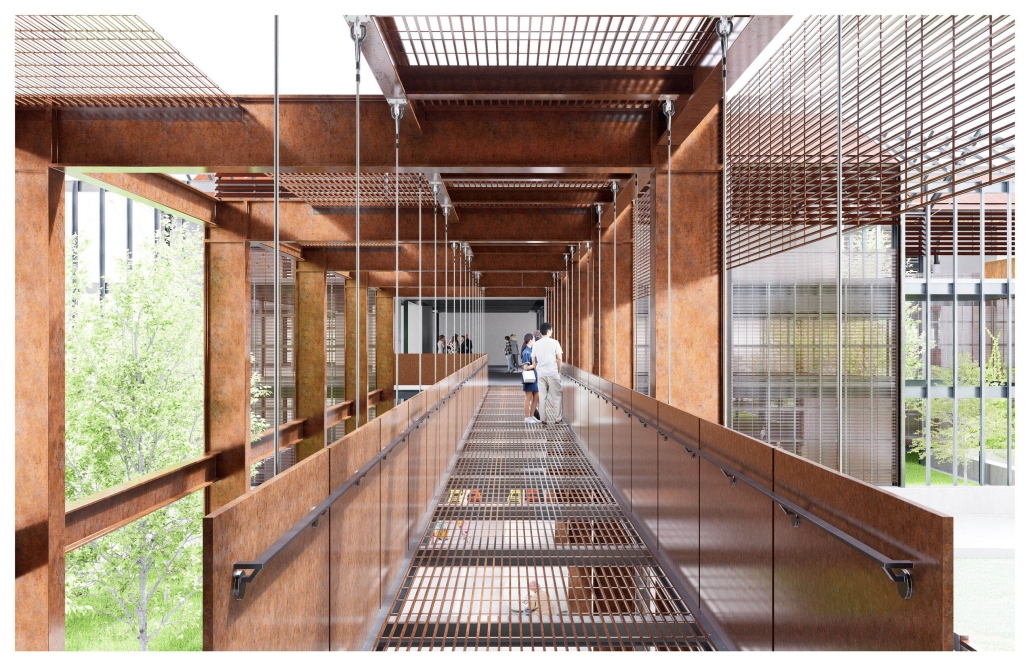
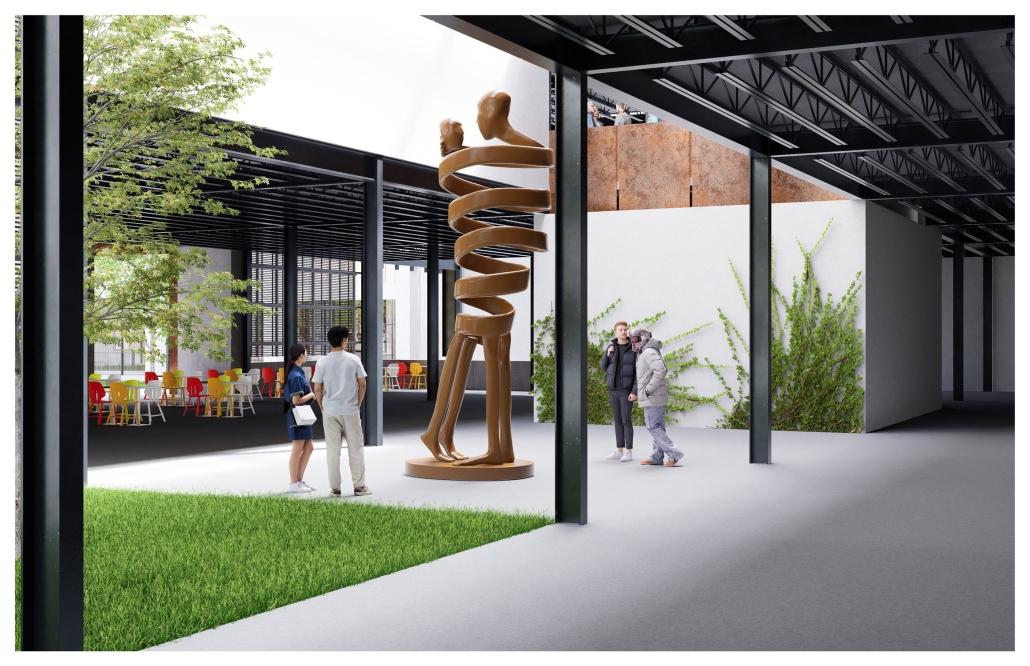
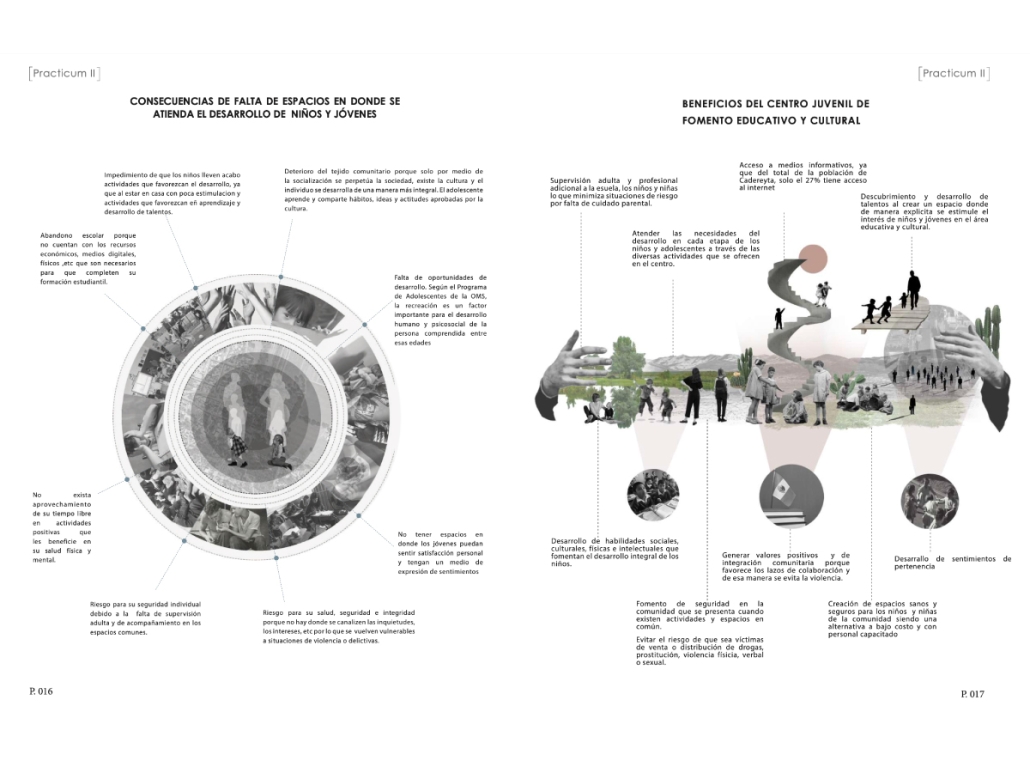
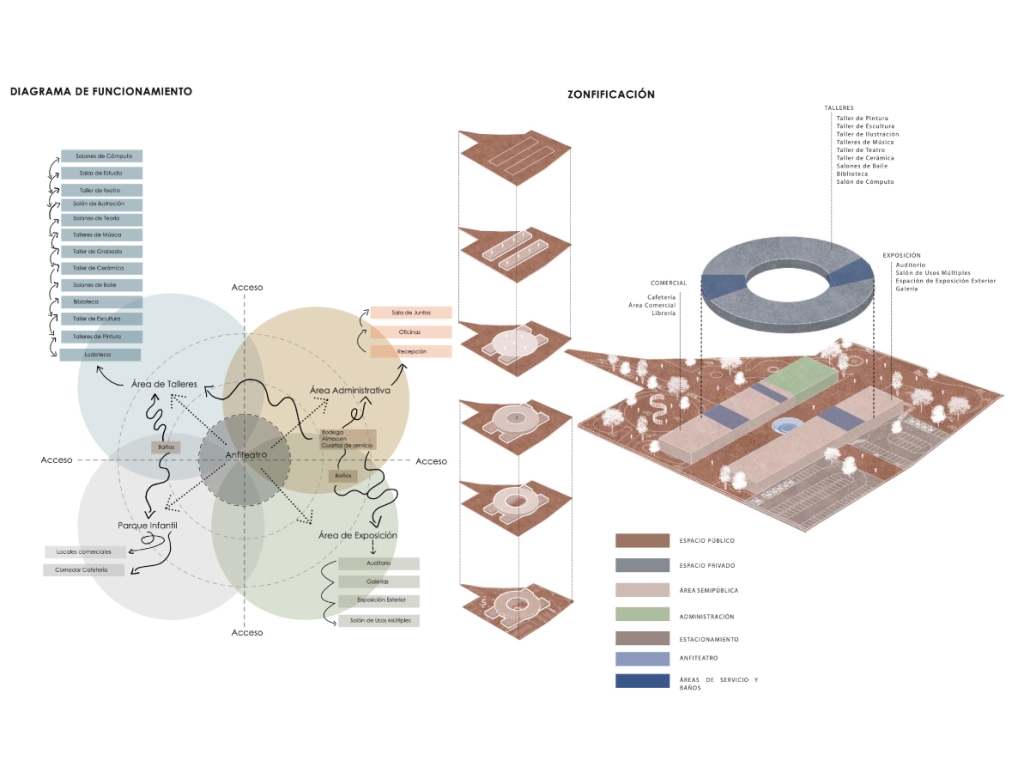
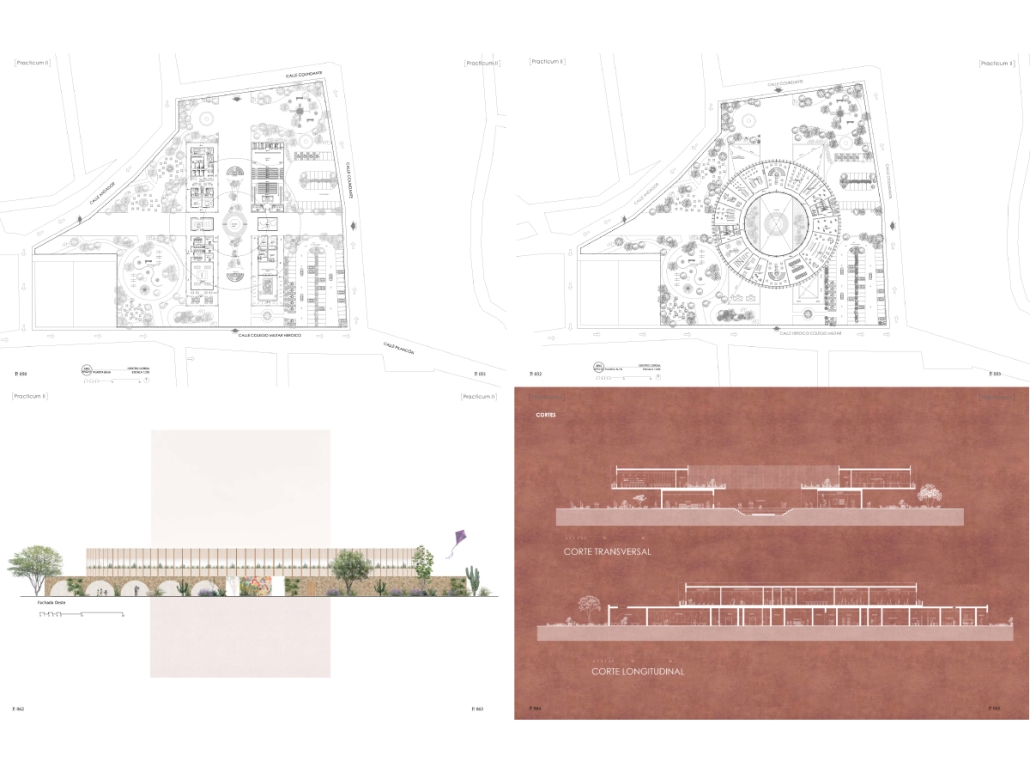
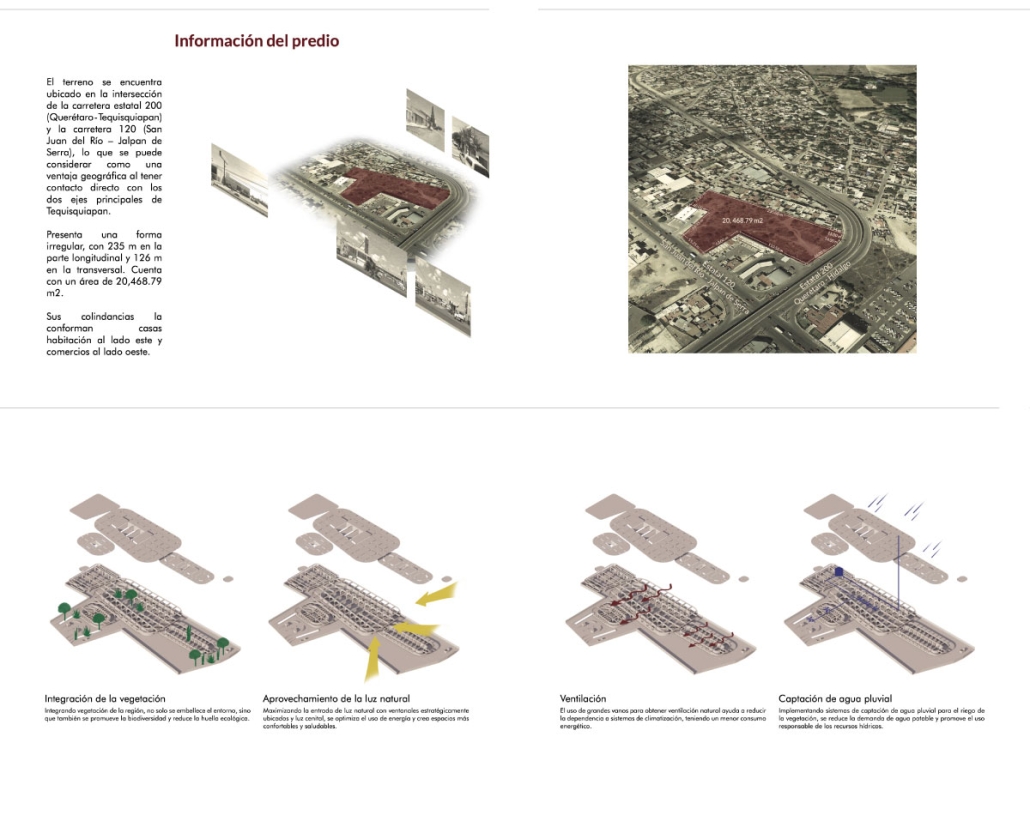
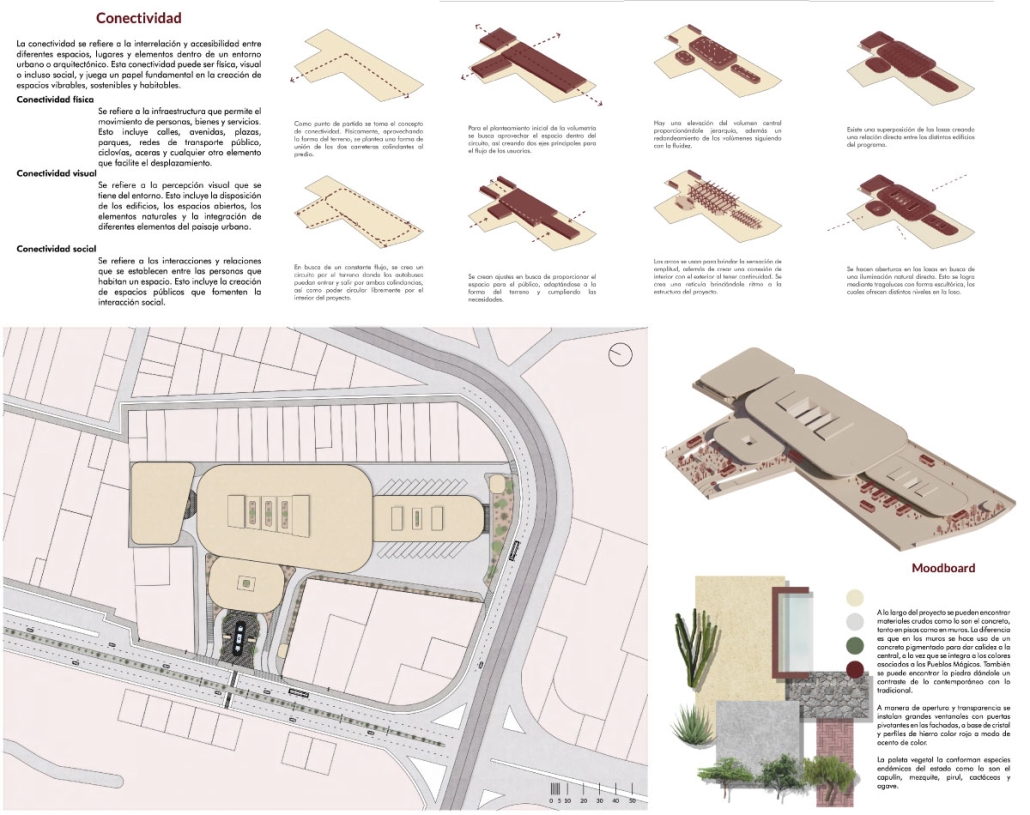
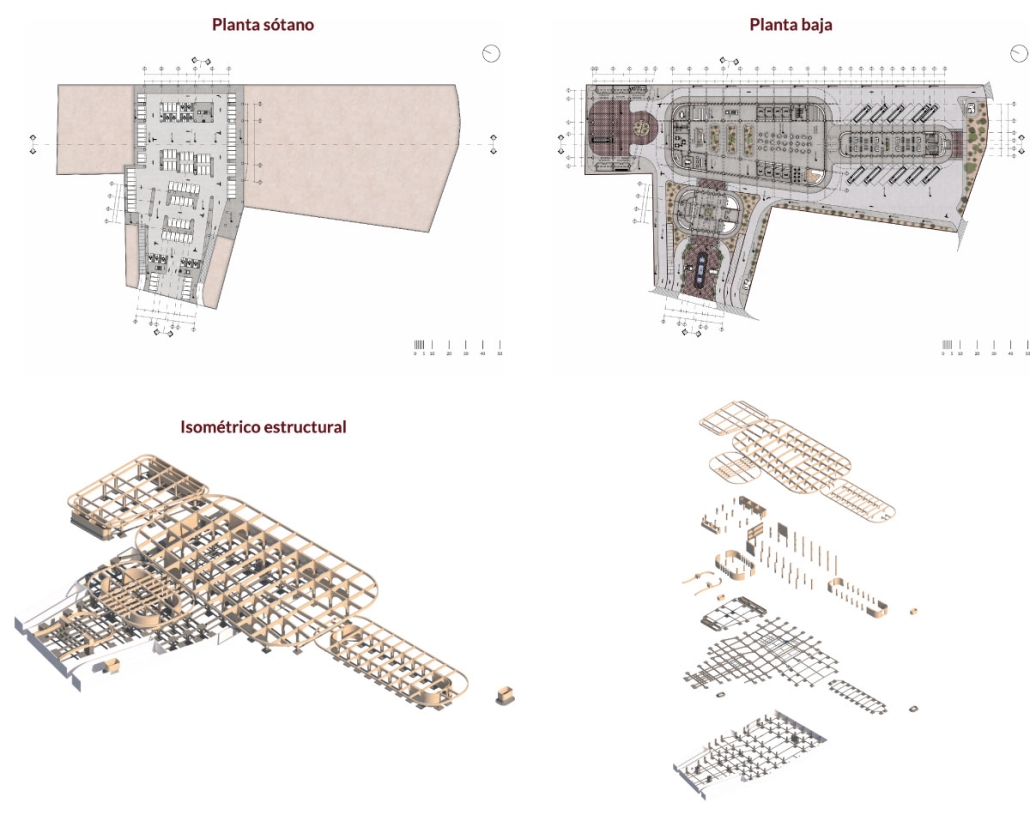
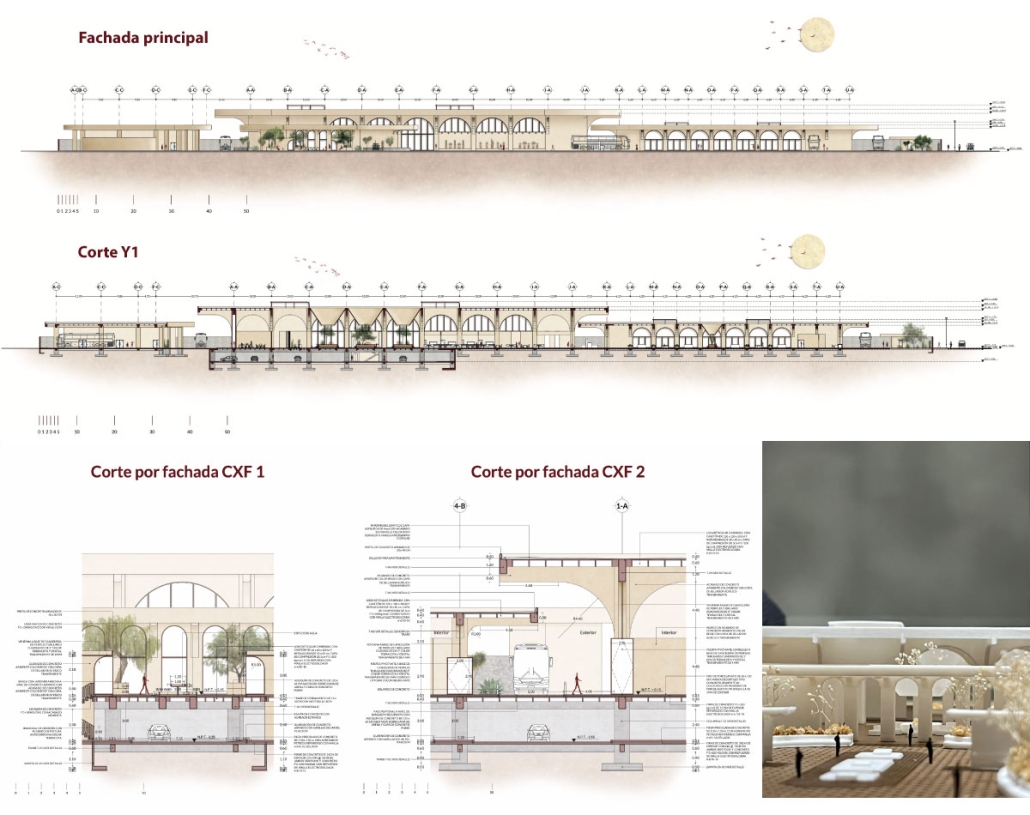
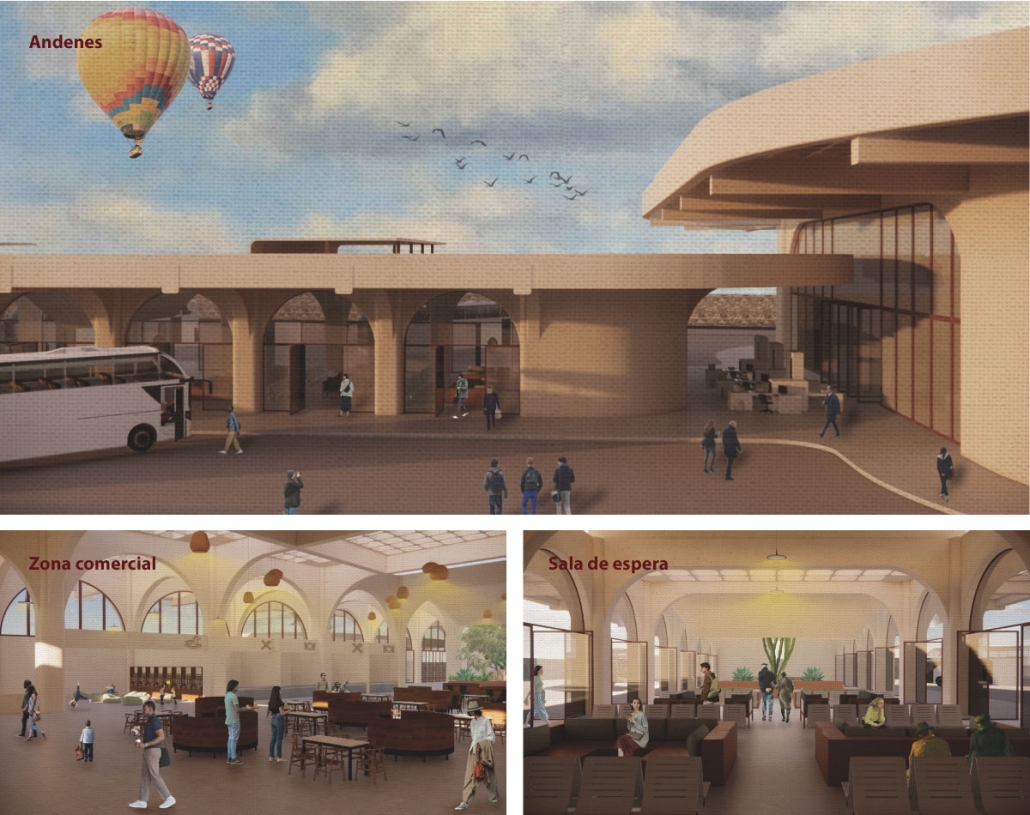
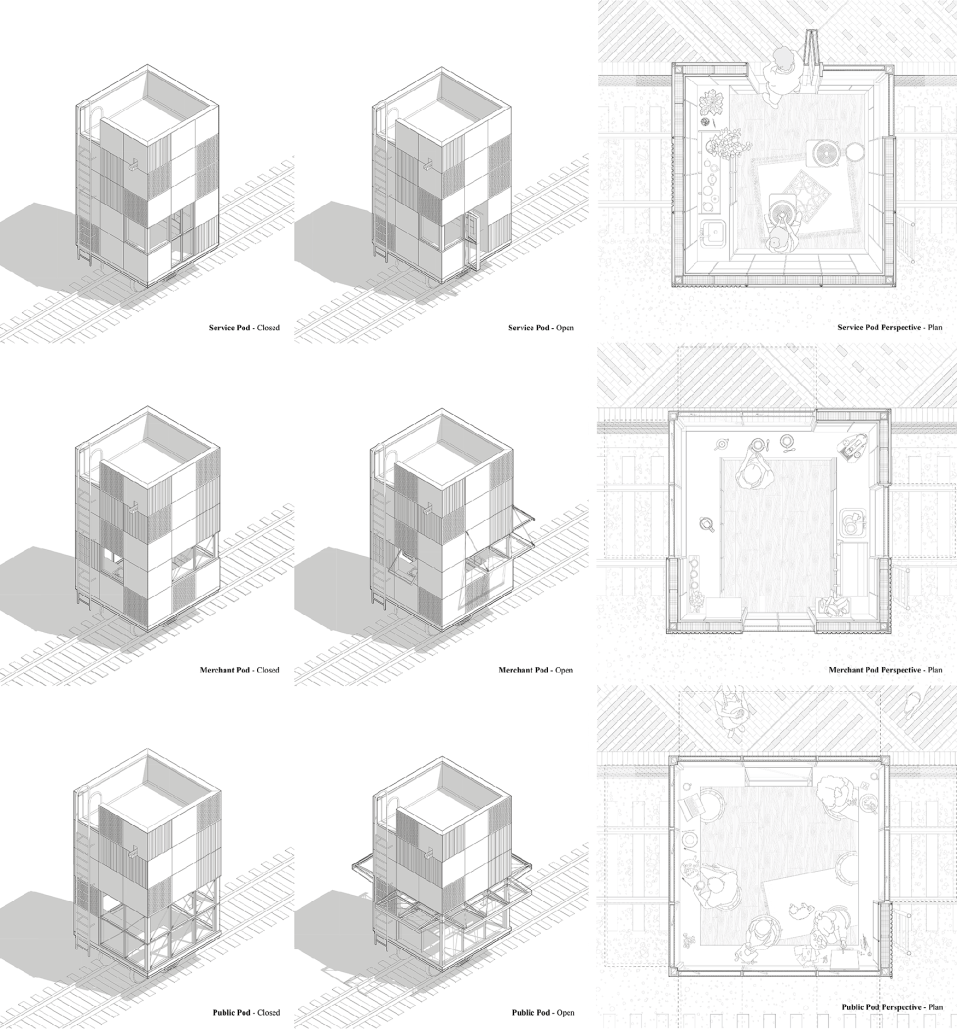
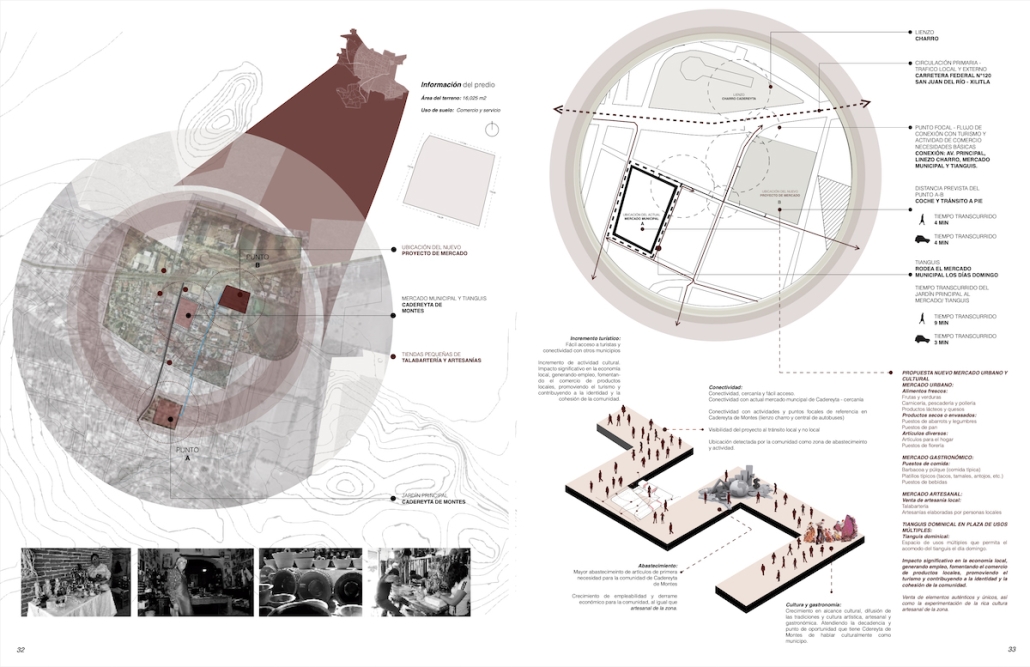
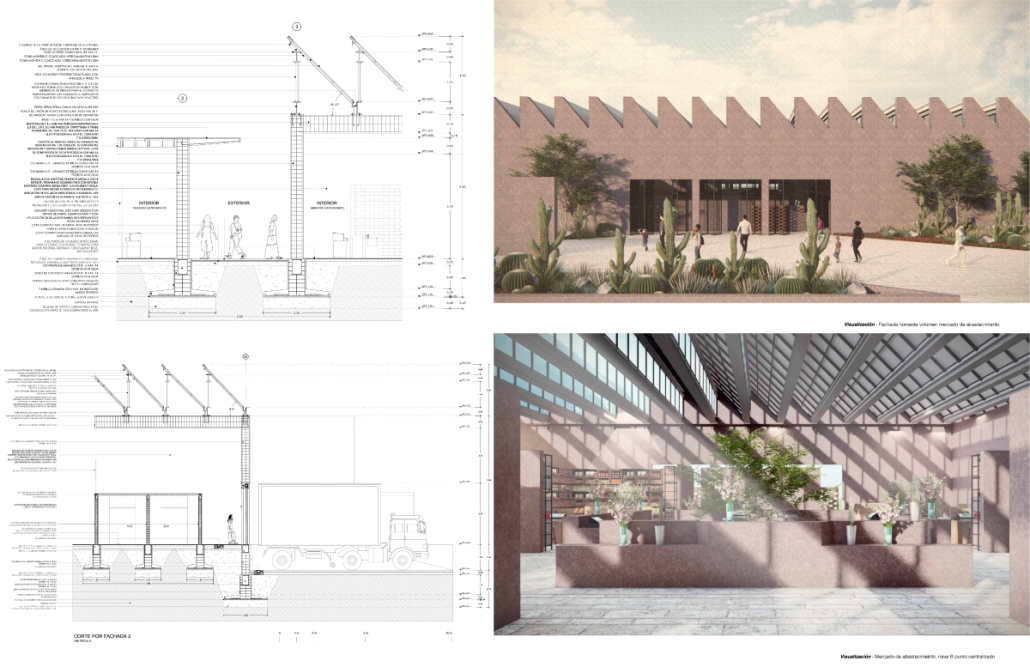
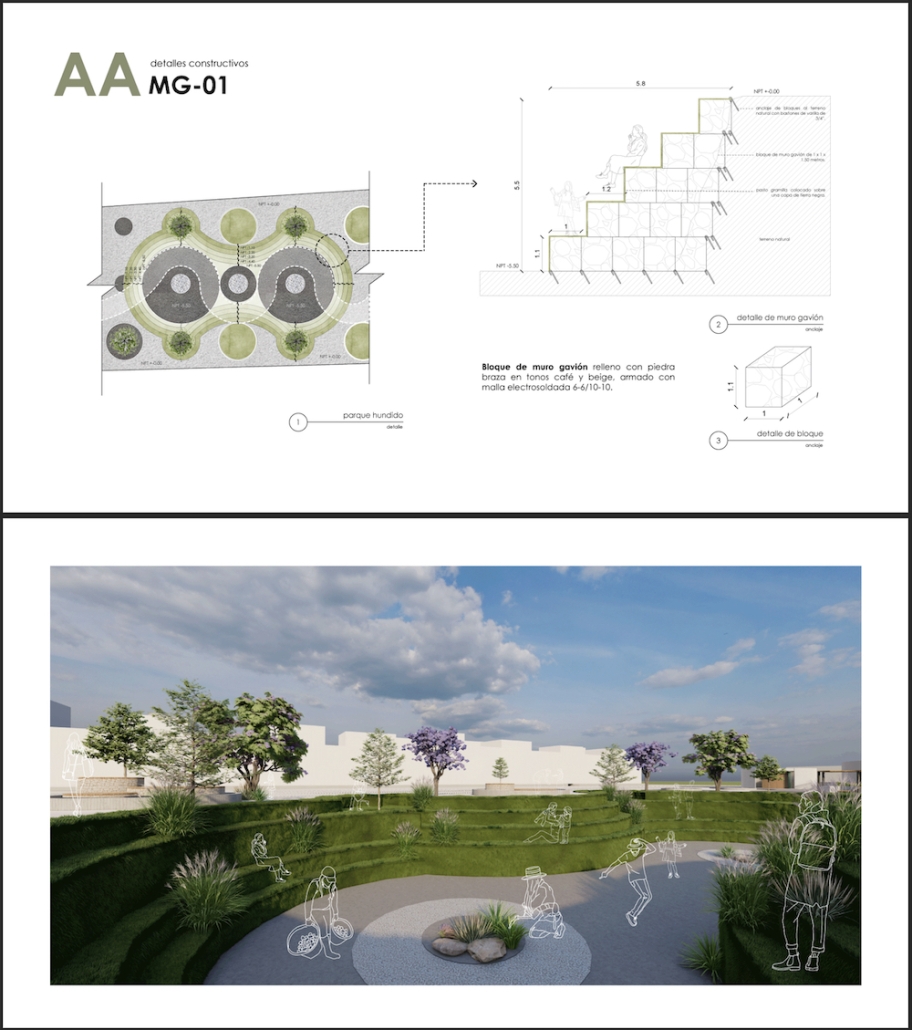
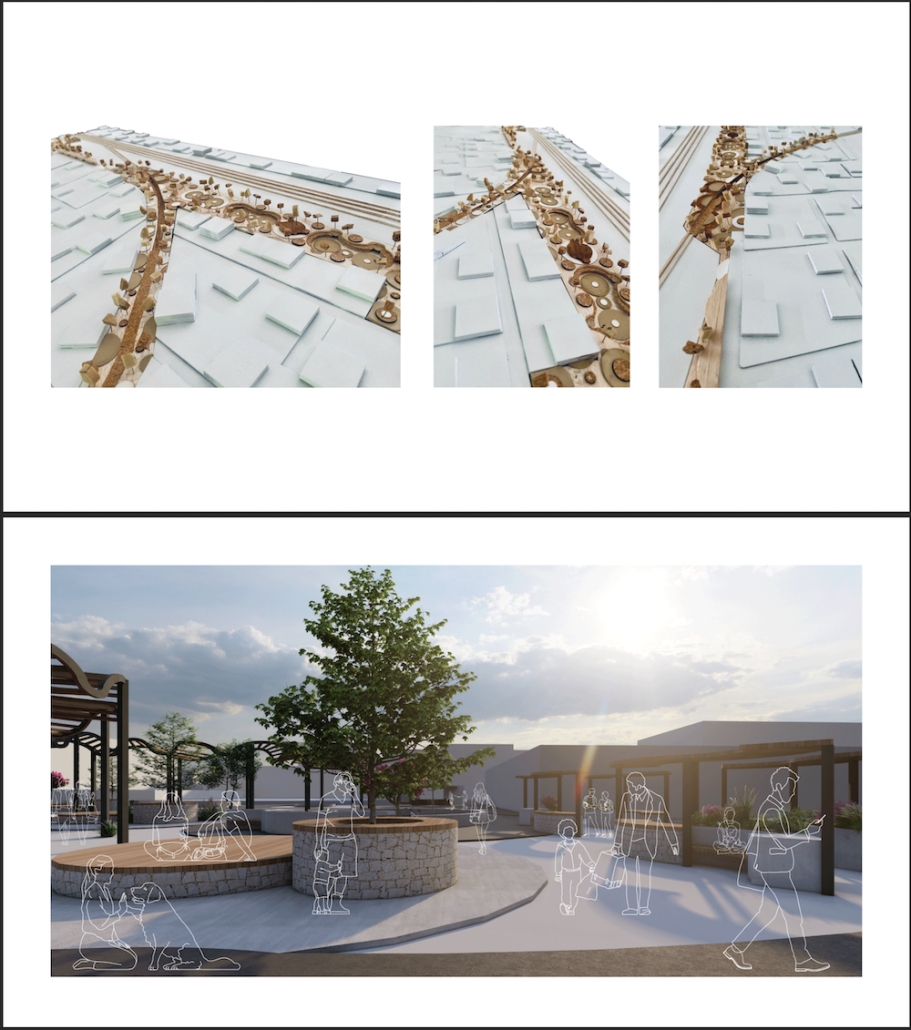
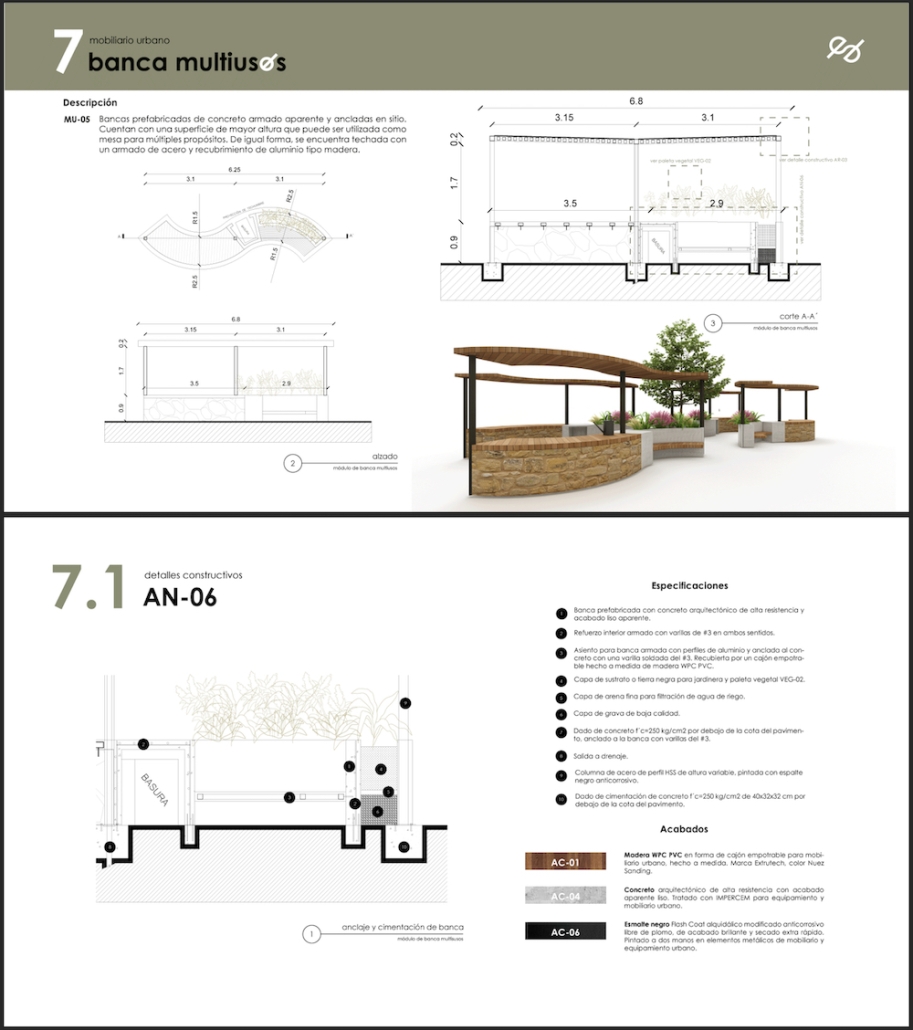
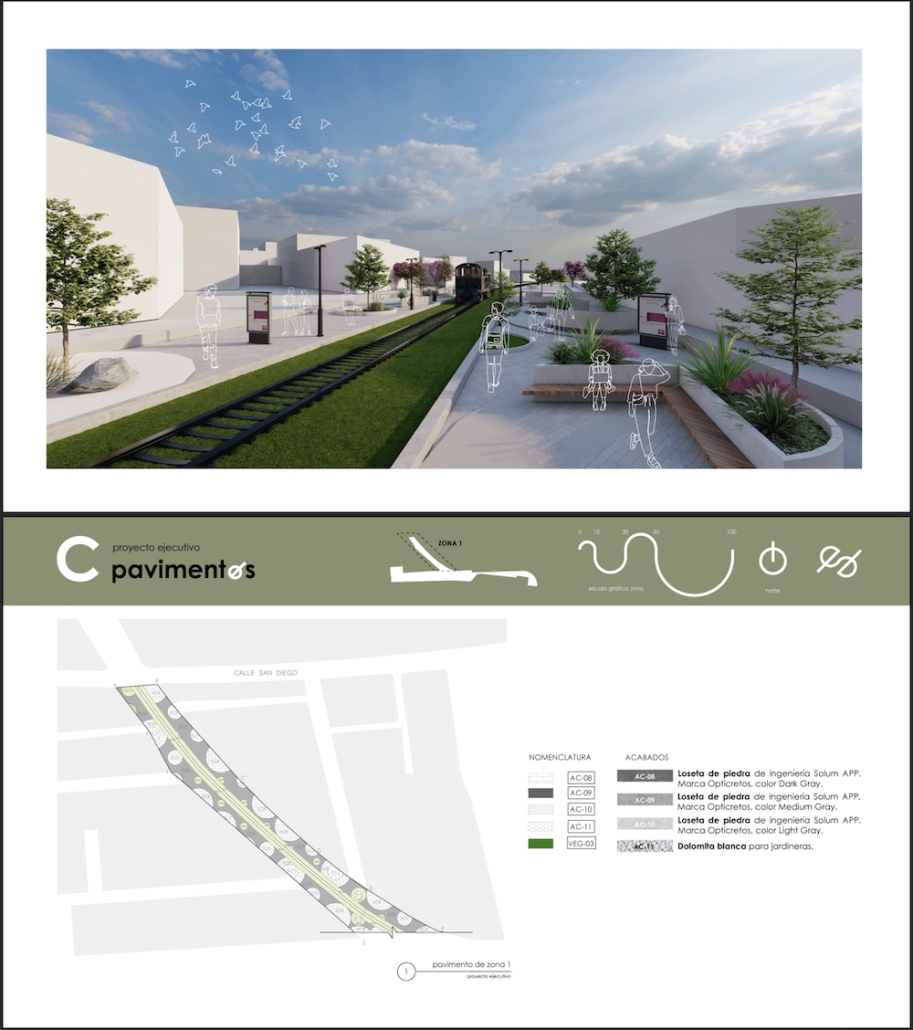
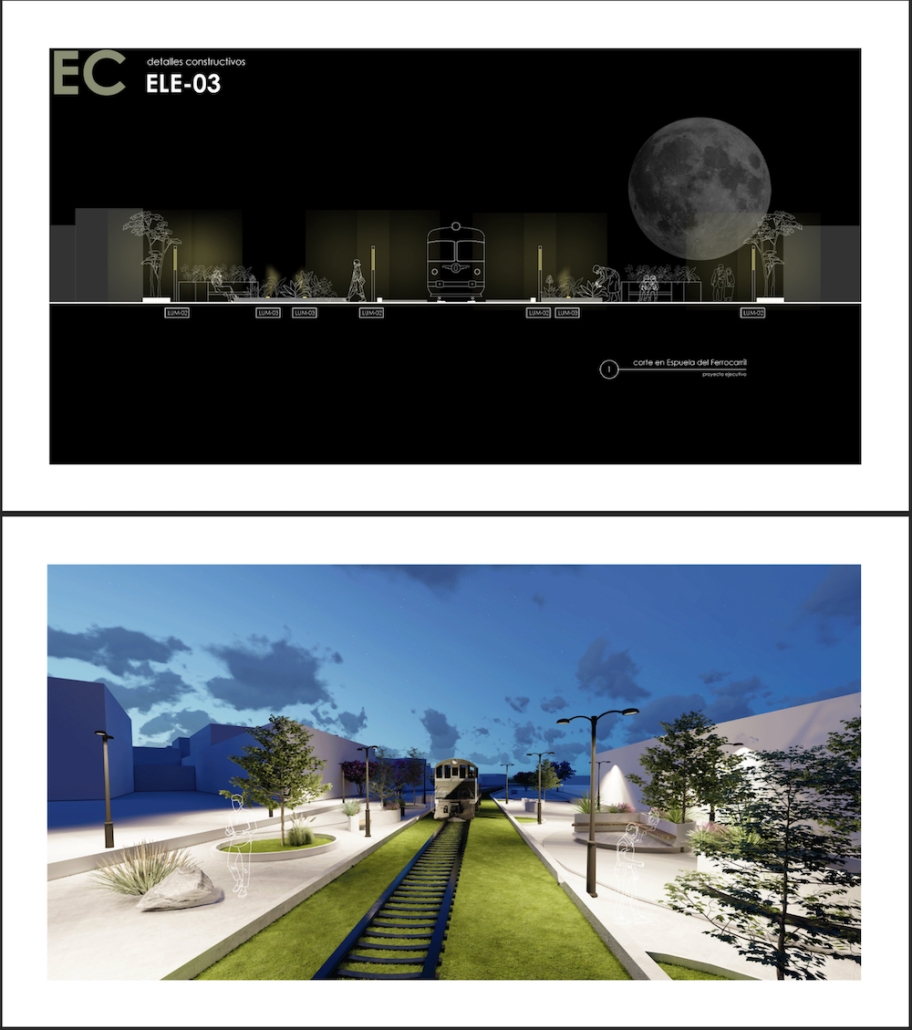
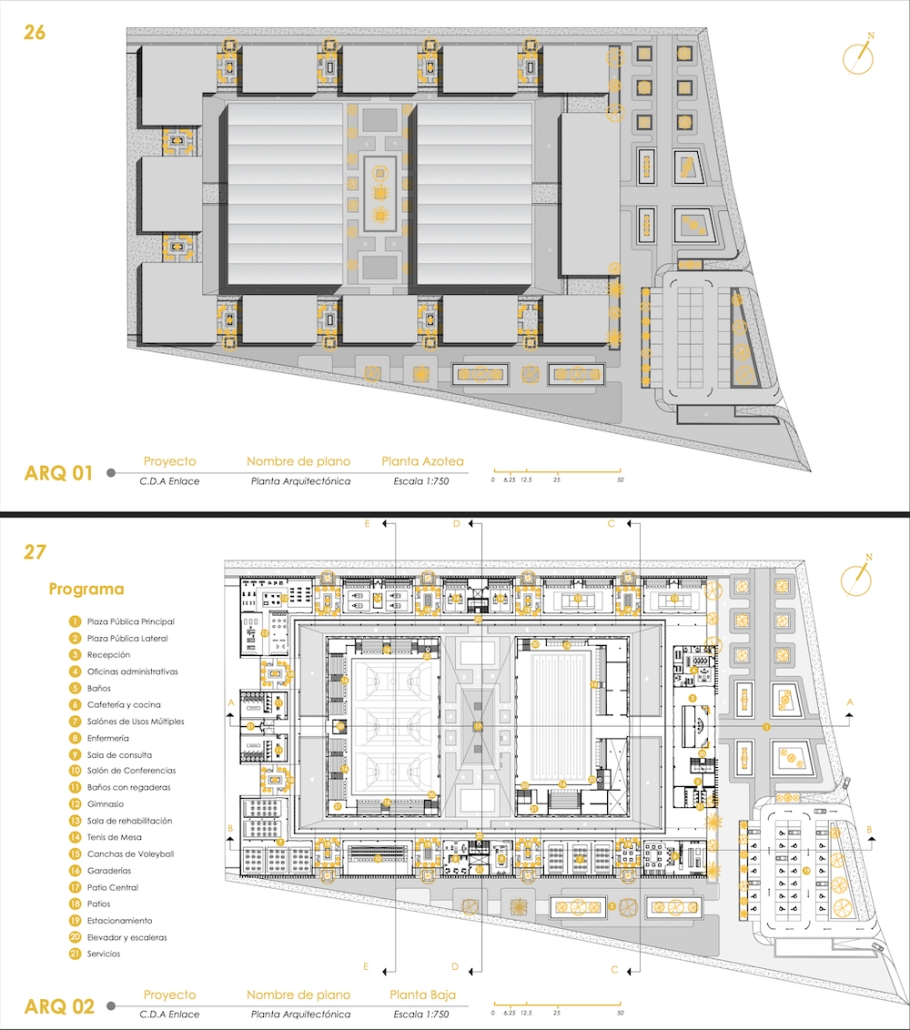
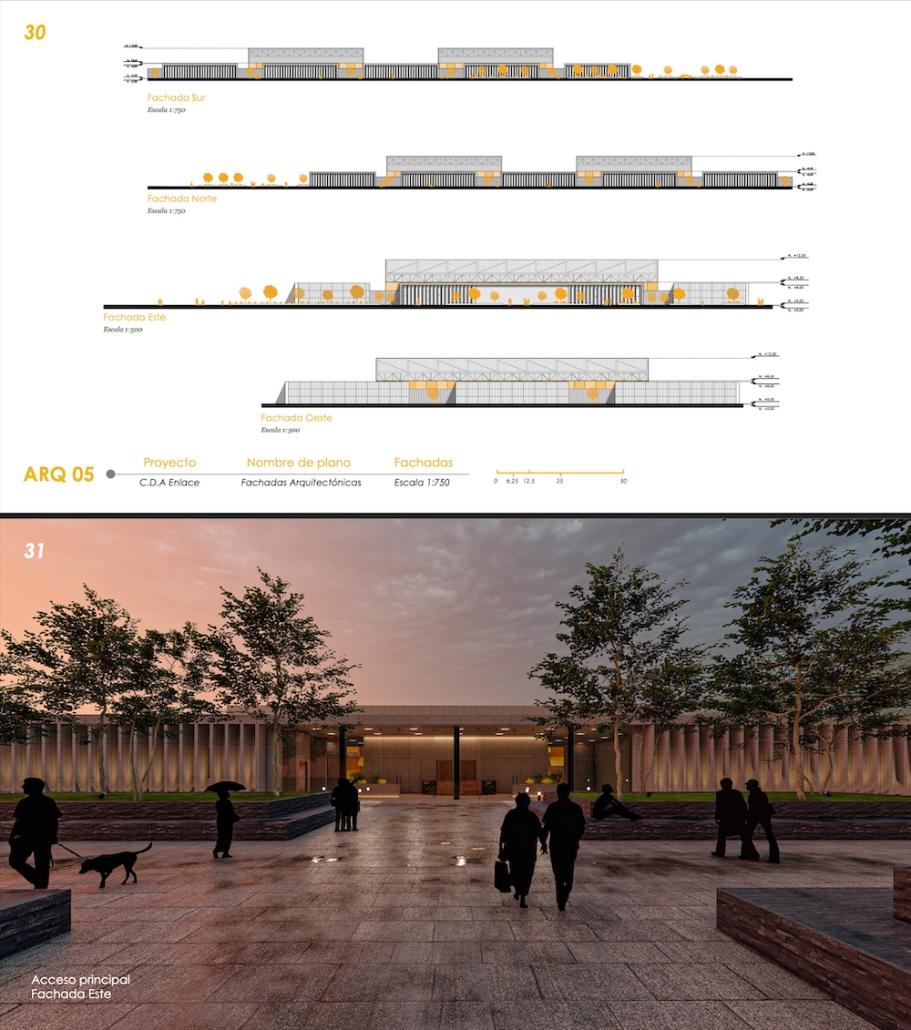
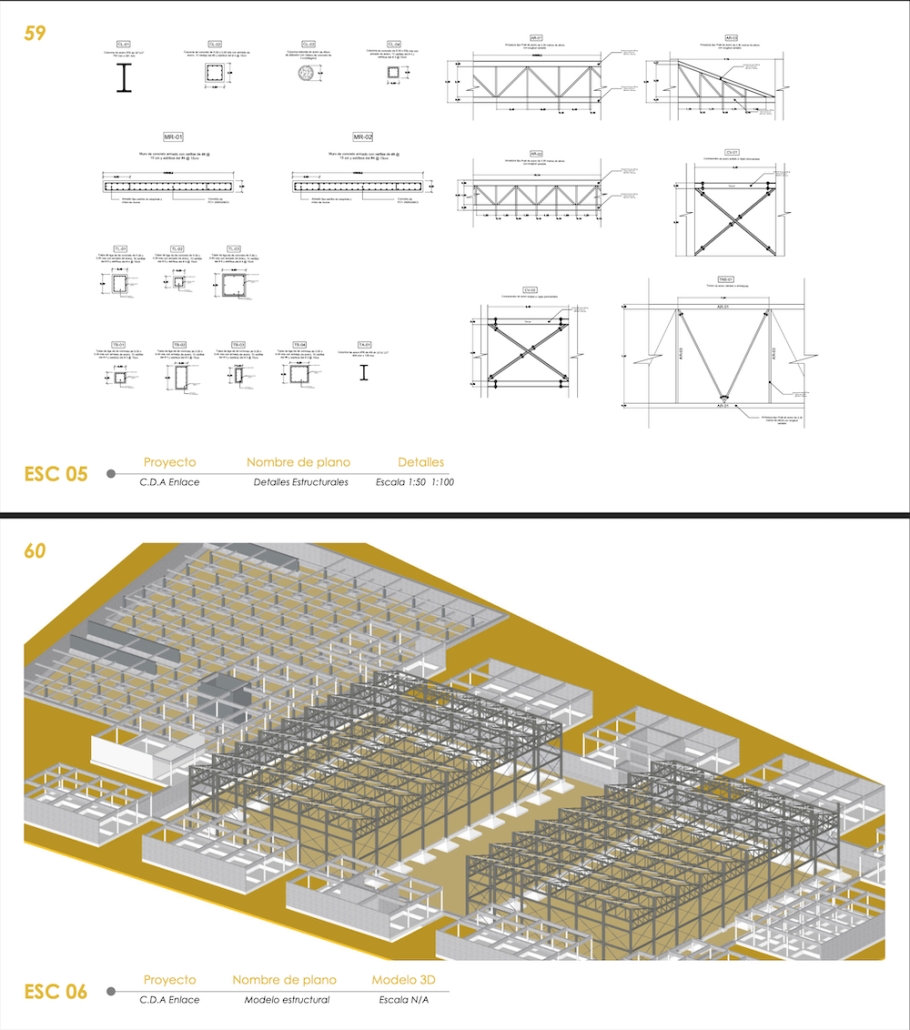
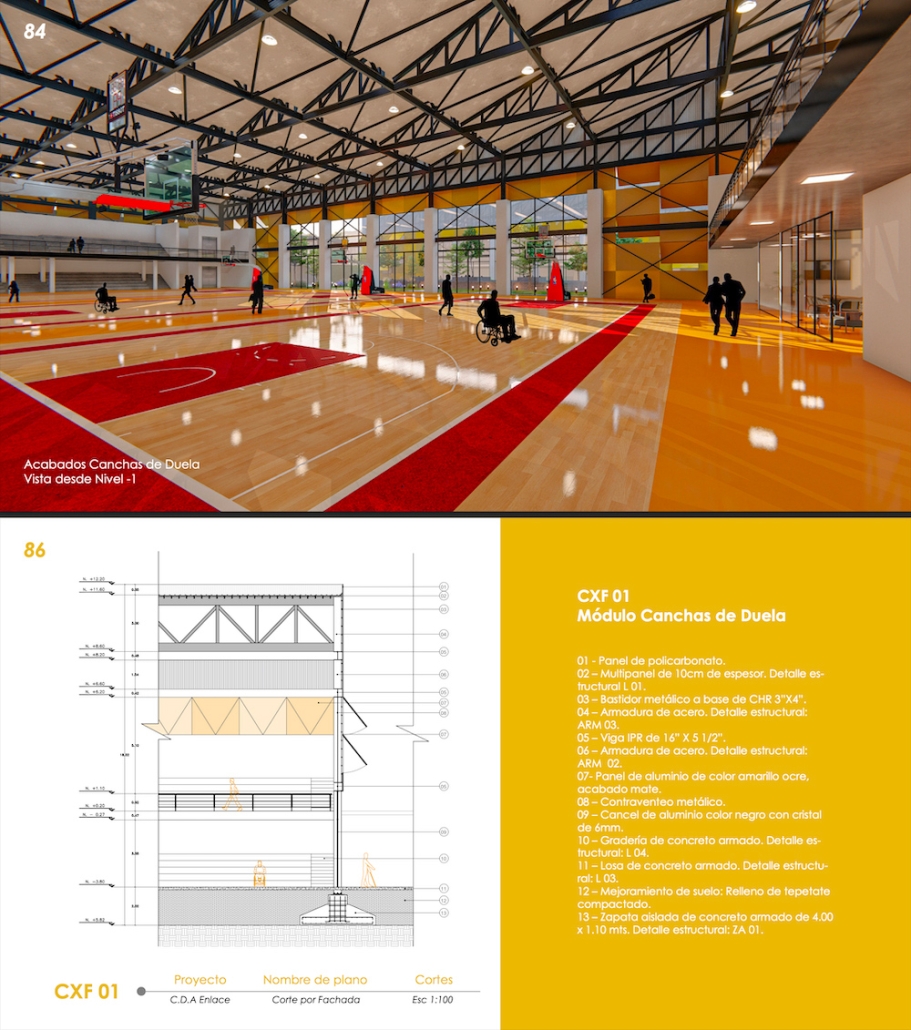
The goal of the project is to meet the need for a dignified central space that honors the history and cultural legacy of the San Francisquito neighborhood. It seeks to strengthen community unity through a specialized program that will position the project as a local and regional landmark. This space will integrate areas dedicated to recreation, culture, gastronomy and coexistence, key aspects to revitalize and strengthen the social fabric of the community.

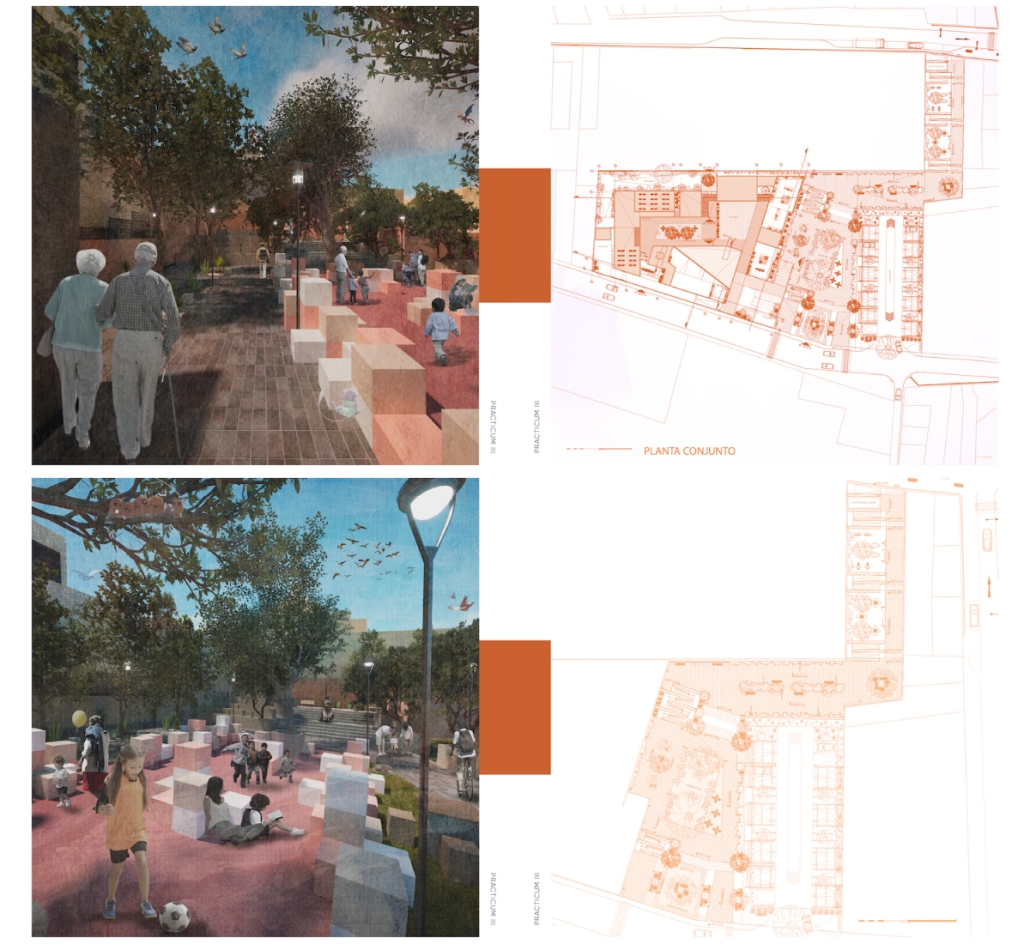
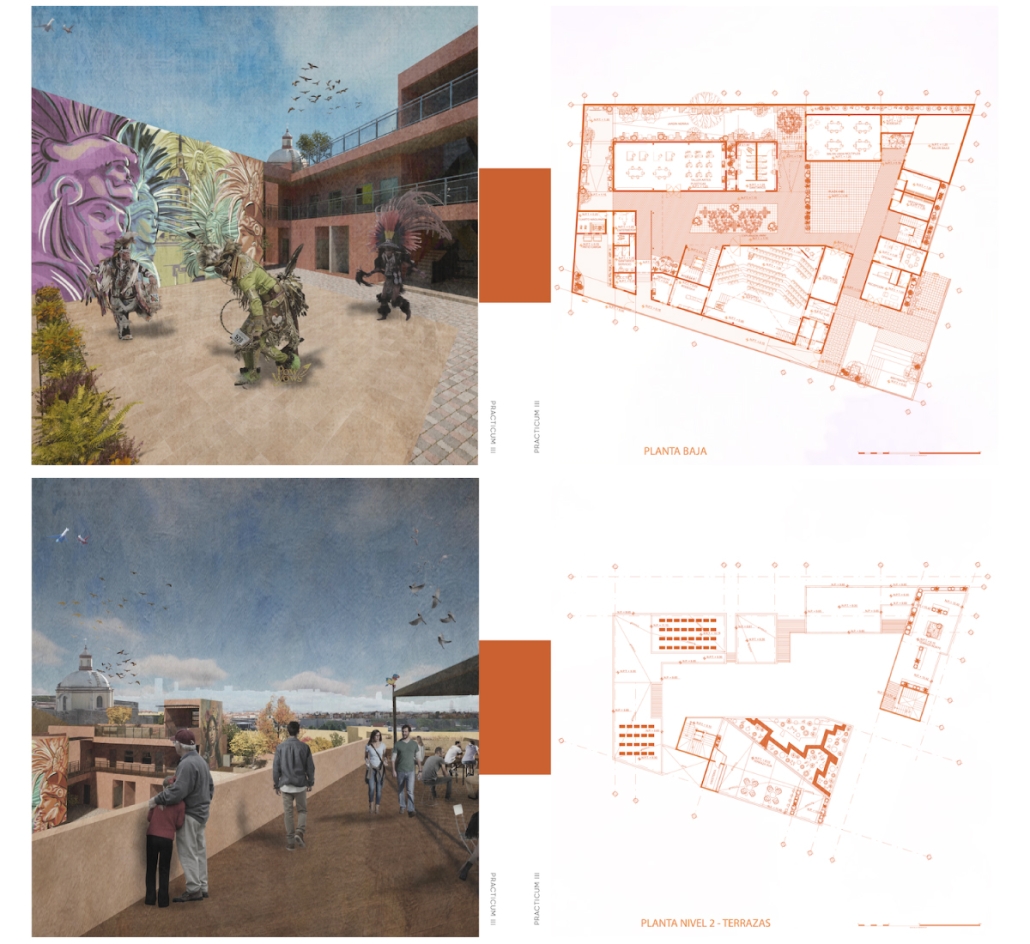
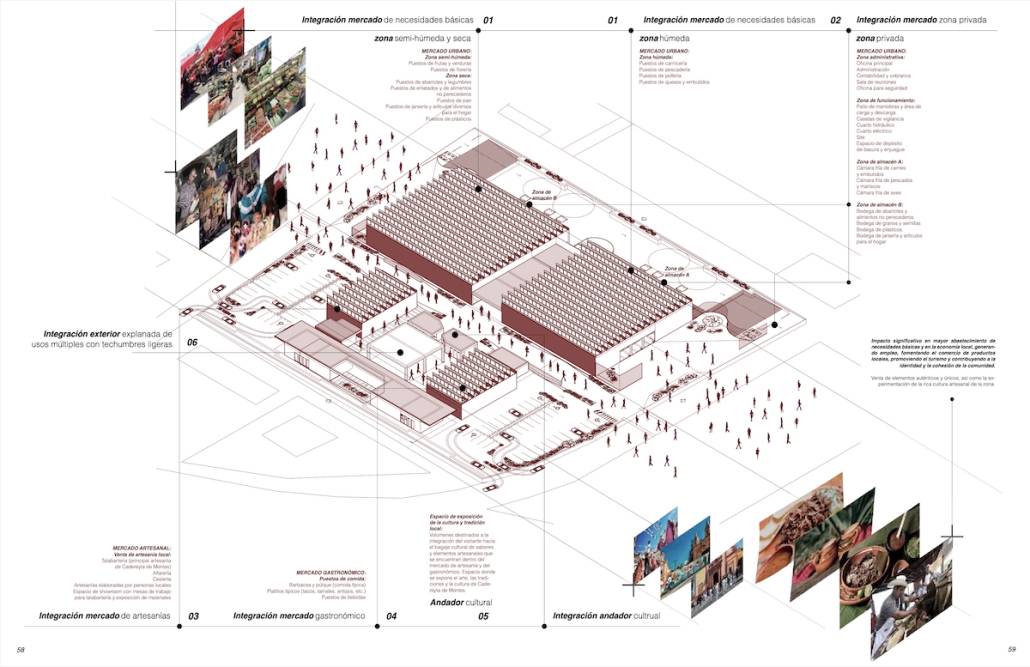
Located in front of the Divina Pastora parish church, ‘El Corredor’ will become the main square of the neighborhood, housing a food market, culinary workshops and a multi-purpose esplanade. This space will host sporting, cultural, religious and recreational events, consolidating, together with the parish church, as the main cultural and social centre of the San Francisquito neighborhood.

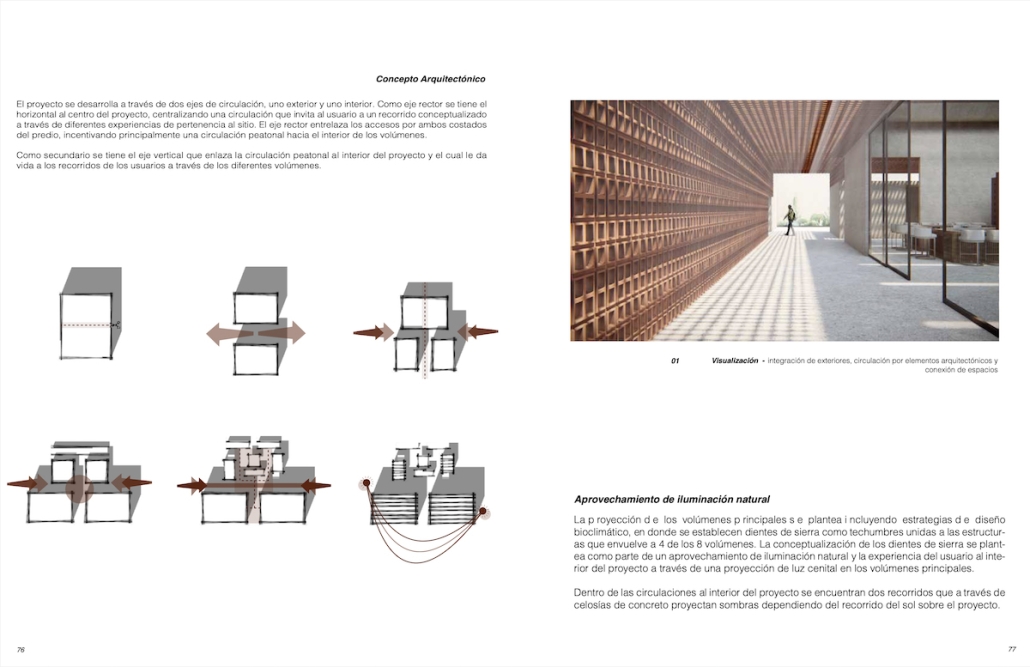
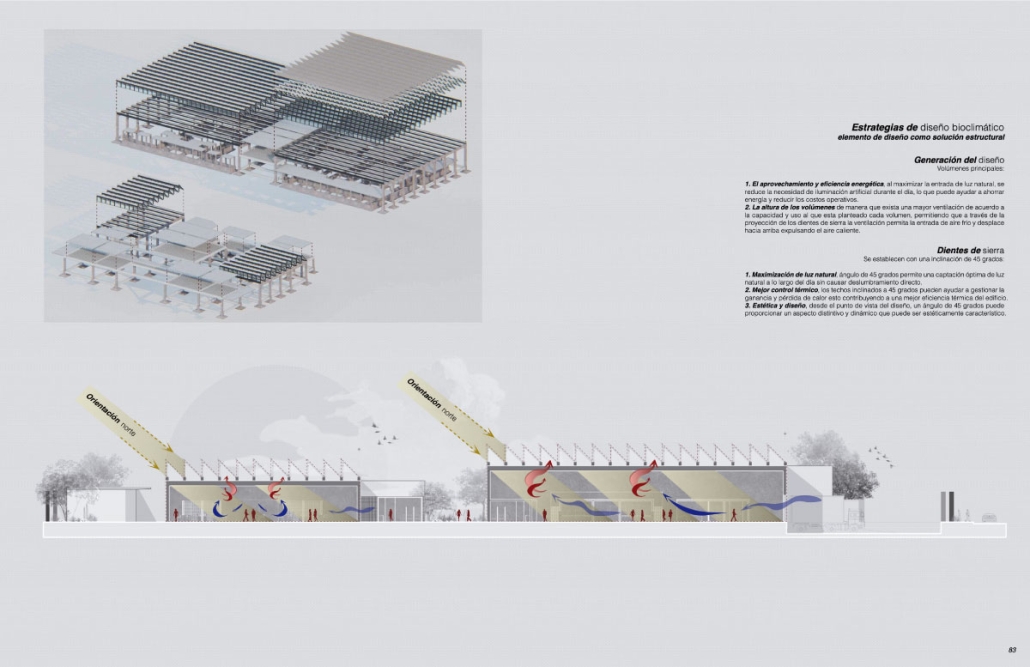
The architectural approach focuses on creating a vibrant and cohesive neighborhood centre that not only revitalizes a neglected environment, but also becomes the beating heart of the community. Designed to bring residents together, our space promotes coexistence and collaboration, while driving local economic development and celebrating the rich cultural diversity of the neighborhood. By integrating recreational, commercial and cultural zones, we have conceived a place where every corner invites interaction, learning and creativity. This project will not only transform the urban landscape but also strengthen community ties, providing an environment where everyone feels included and valued.

Instagram: @atorres025, @arquitectura_anahuac

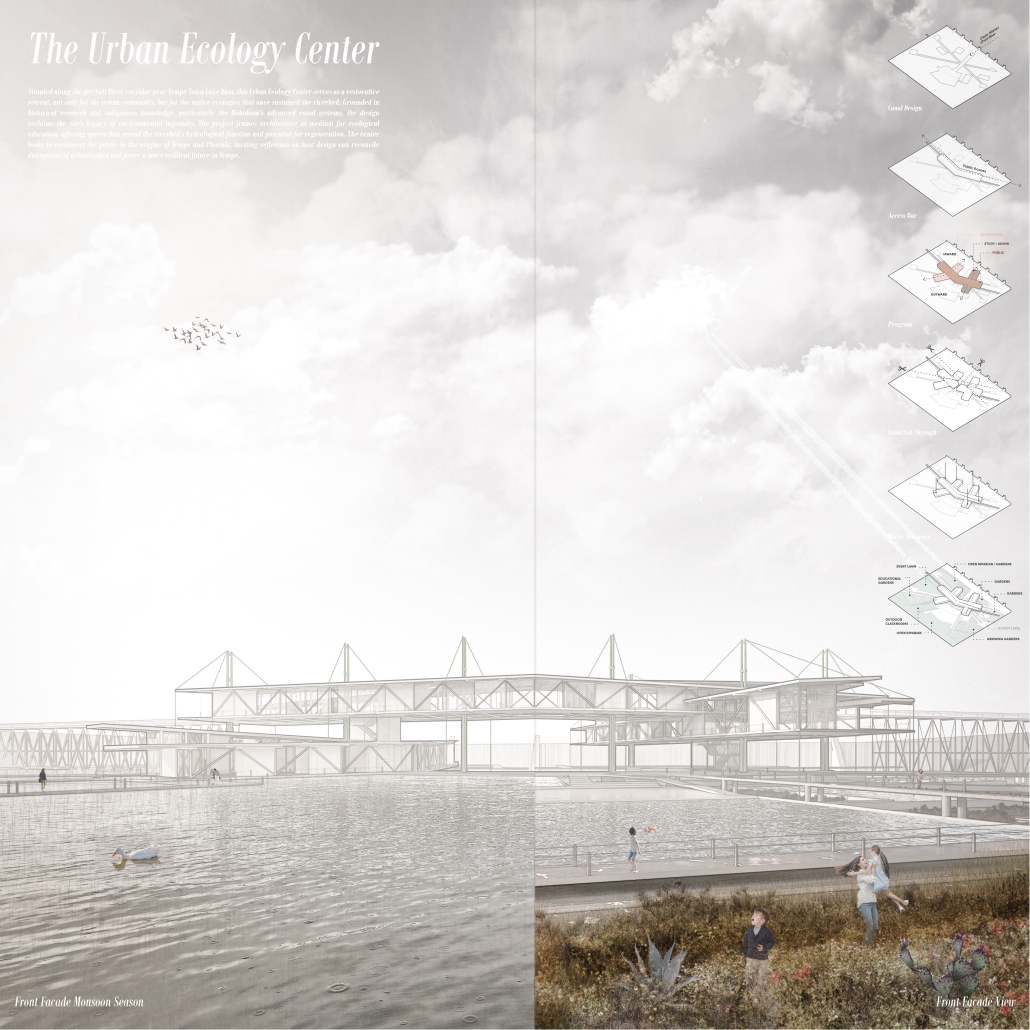
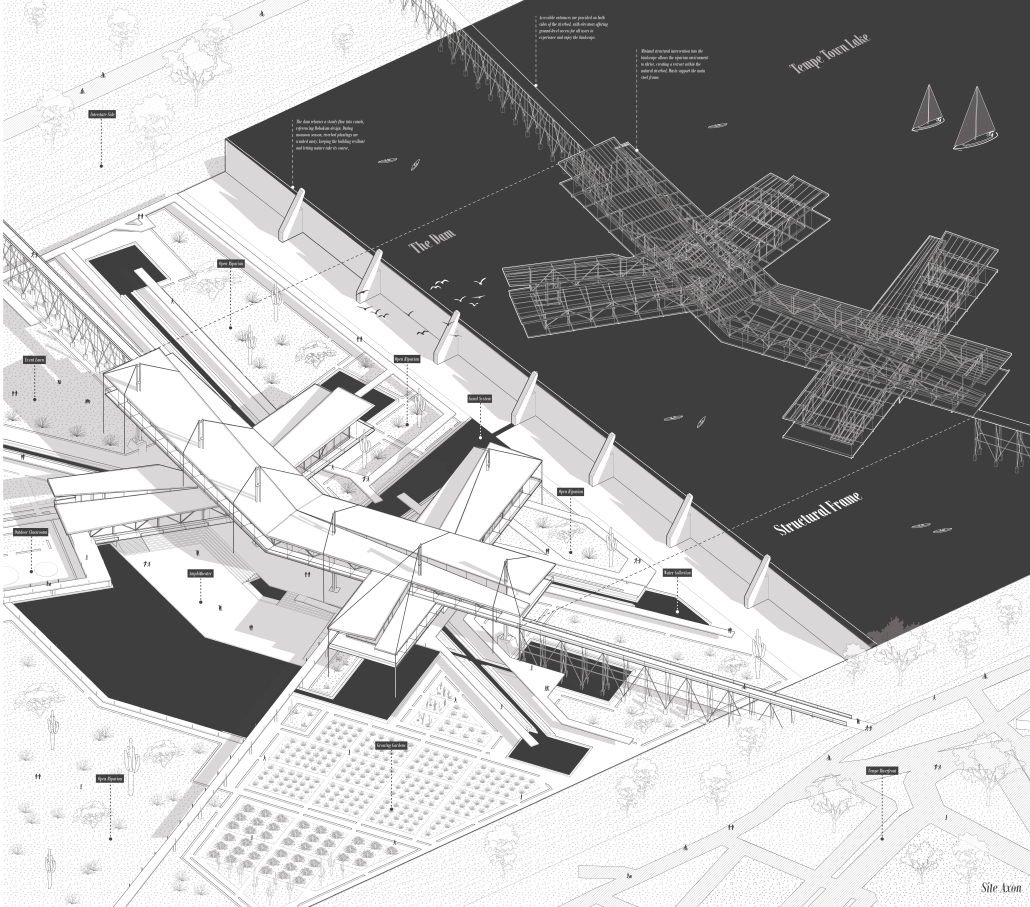
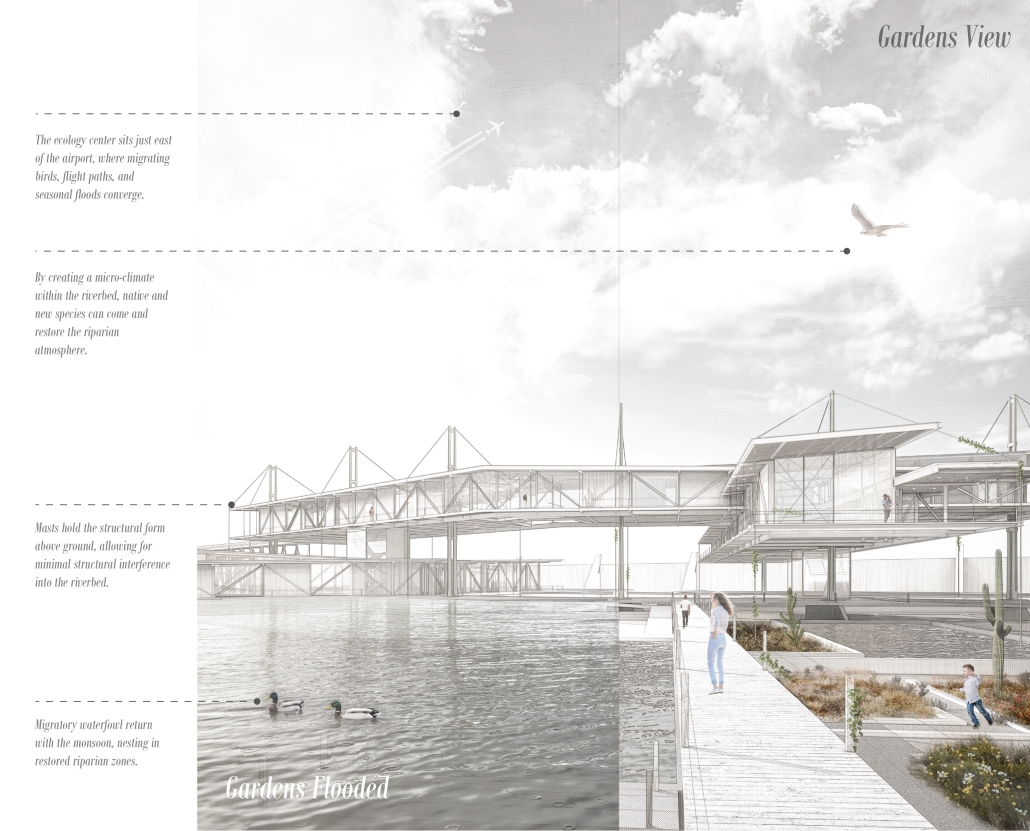
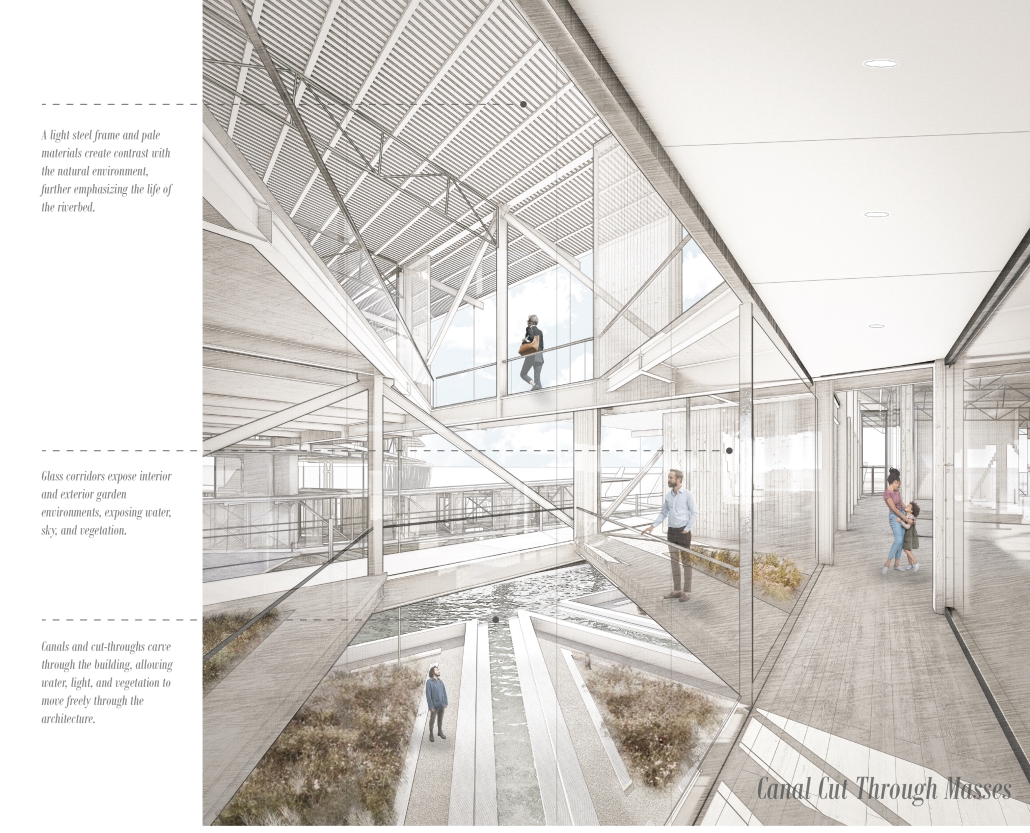
The Urban Ecology Center by Sydney Tucker, M.Arch ’25
Kansas State University | Advisor: Chad Schwartz

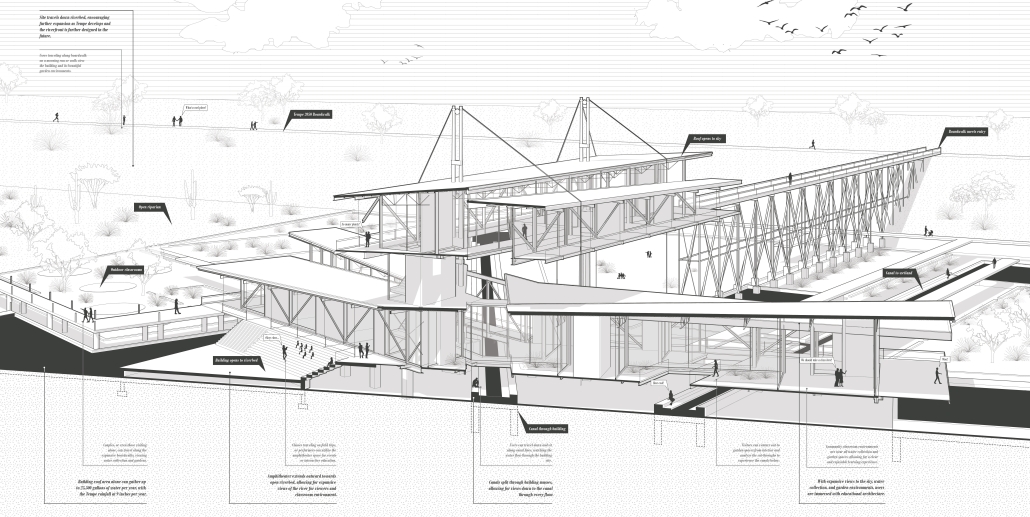
Situated along the dry Salt River corridor near Tempe Town Lake Dam, this Urban Ecology Center serves as a restorative retreat, not only for the urban community, but for the native ecologies that once sustained the riverbed. Grounded in historical research and indigenous knowledge, particularly the Hohokam’s advanced canal systems, the design reclaims the site’s legacy of environmental ingenuity. The project frames architecture as a medium for ecological education, offering spaces that reveal the riverbed’s hydrological function and potential for regeneration. The center looks to reconnect the public to the origins of Tempe and Phoenix, inviting reflection on how design can reconcile disruptions of urbanization and foster a more resilient future in Tempe.

Instagram: @sydneytucker1, @cjs_arch

Eco-corridor by Tinarith Tann, B.Arch ’25
New York Institute of Technology | Advisor: Jeannette Sordi

Far Rockaway, located at the eastern end of the Rockaway Peninsula in Queens, New York, is a coastal community uniquely situated between two bodies of water: Jamaica Bay to the north and the Atlantic Ocean to the south. Despite offering natural beauty, its geographical setting is vulnerable to flooding, especially during extreme weather conditions such as hurricanes, nor’easters, and intense coastal storms.

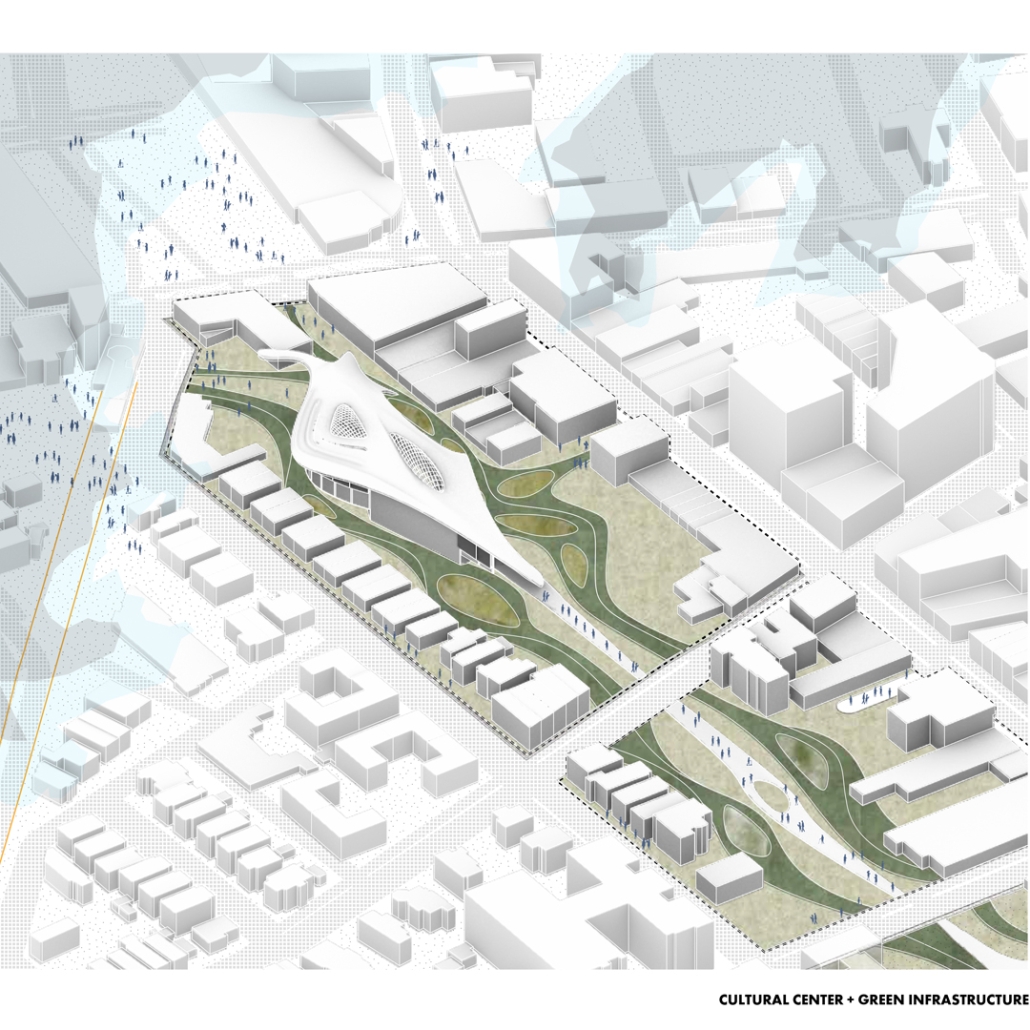
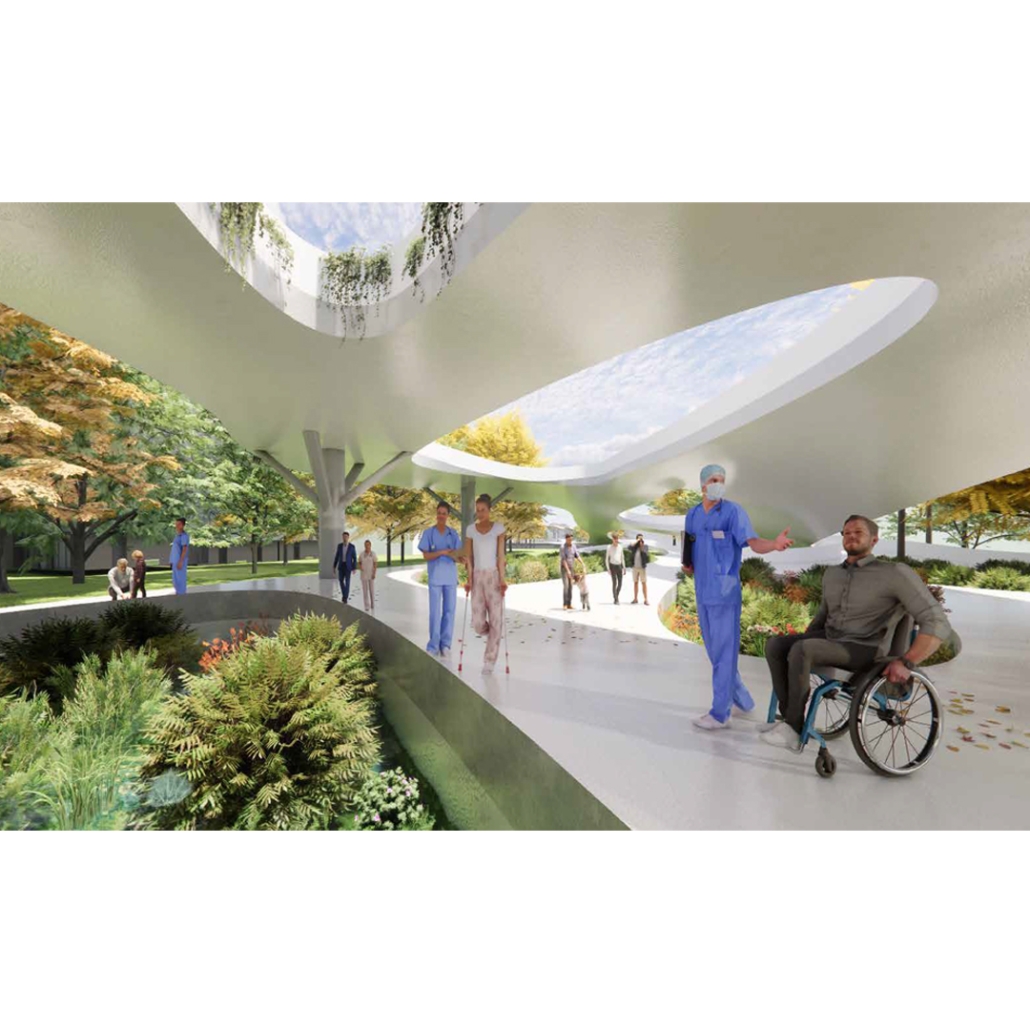
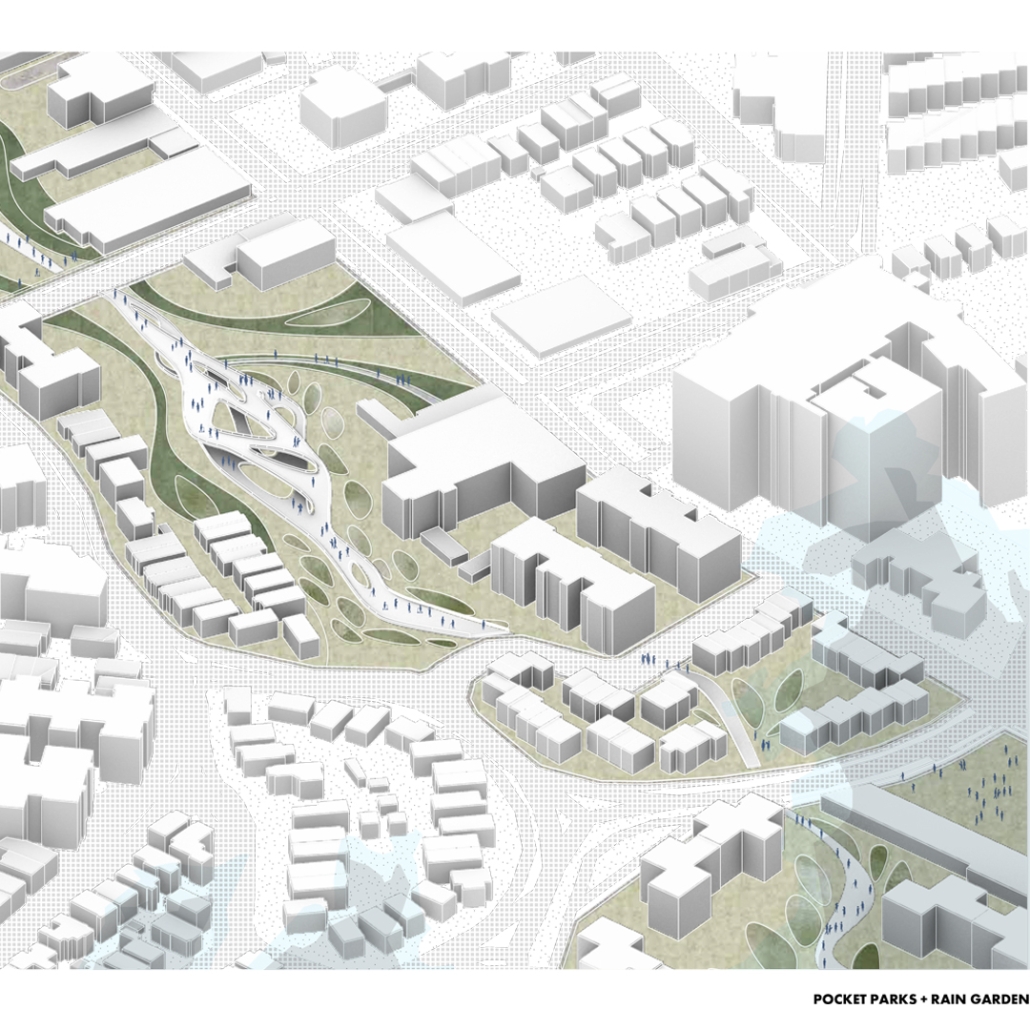
This thesis project designs eco-corridors—living pathways that transform unused urban spaces into a continuous green network stretching from downtown Far Rockaway to the water. These connections will revive neglected areas while addressing multiple challenges at once: managing stormwater and providing people with beautiful, functional natural and indoor spaces.

Click here to learn more.

This project was featured in the NYC Design Week, NYIT Exhibition.

Instagram:  @narith___, @jeannettesordi

BARN REIMAGINED: Adaptive Reuse as Environmental Stewardship by Kevin Johnson & Leanne Vera, M.Arch ’25
University of Notre Dame | Advisor: Ming Hu

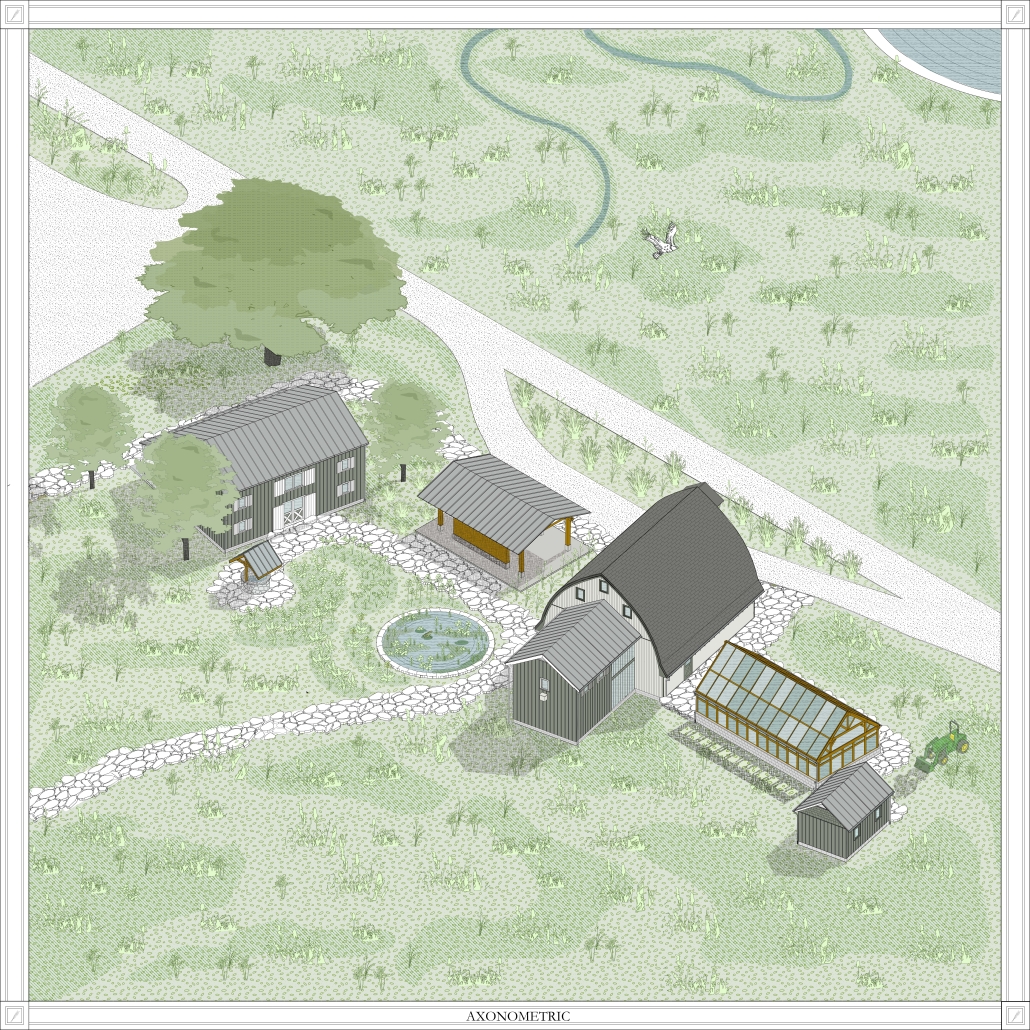
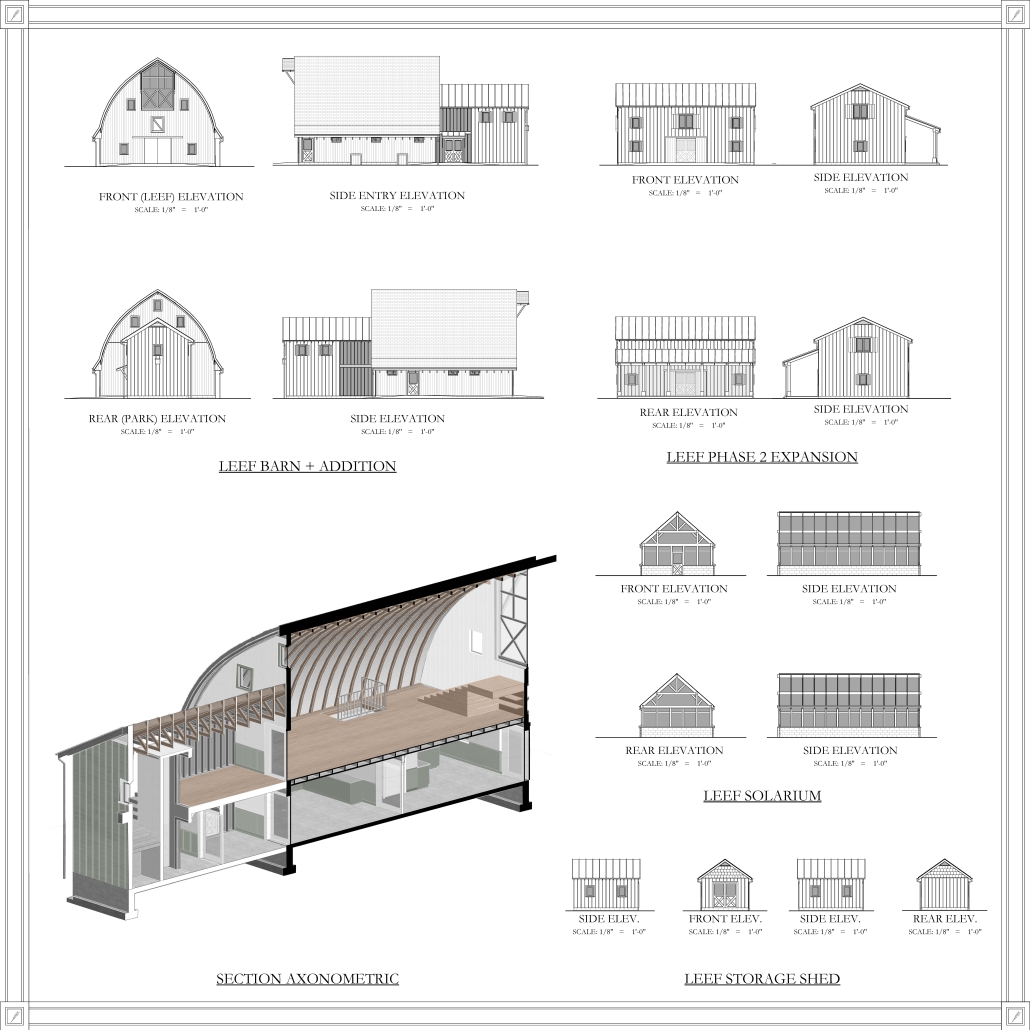
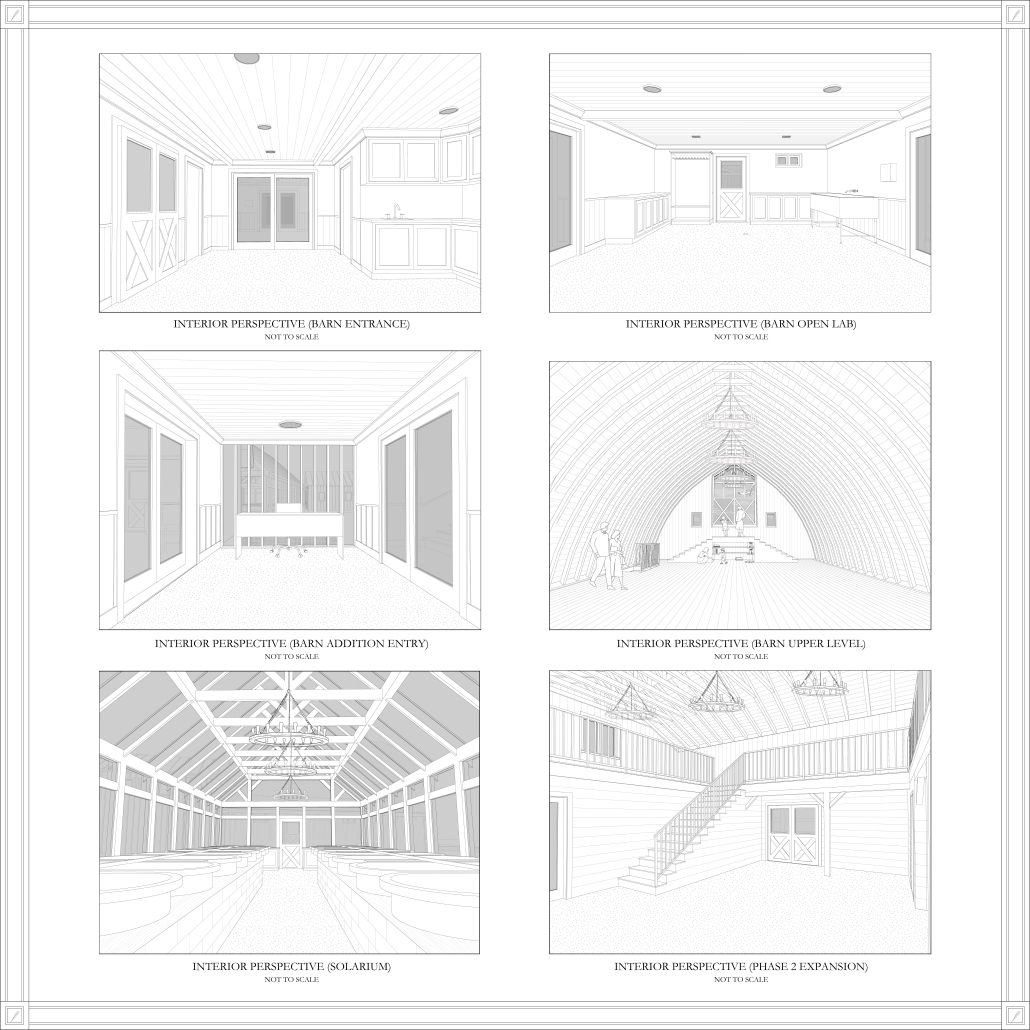
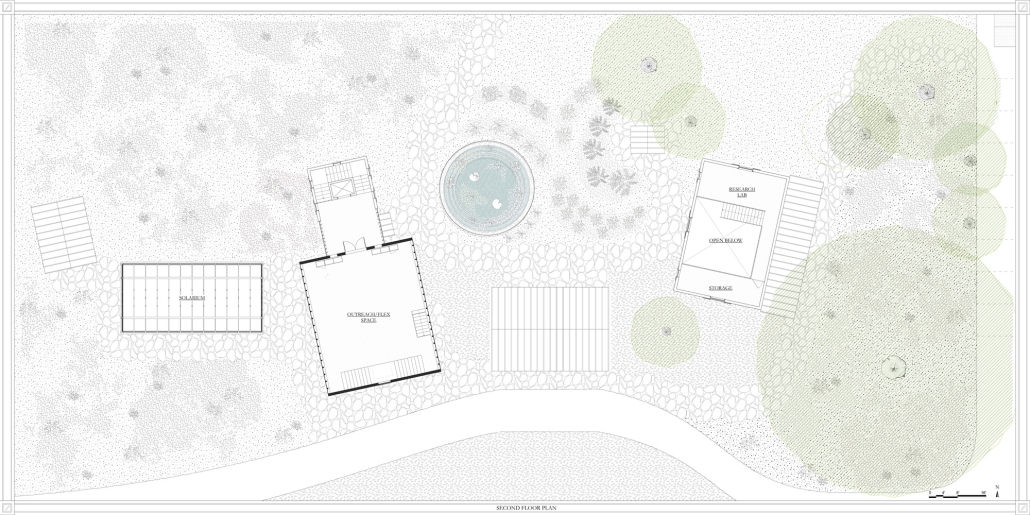
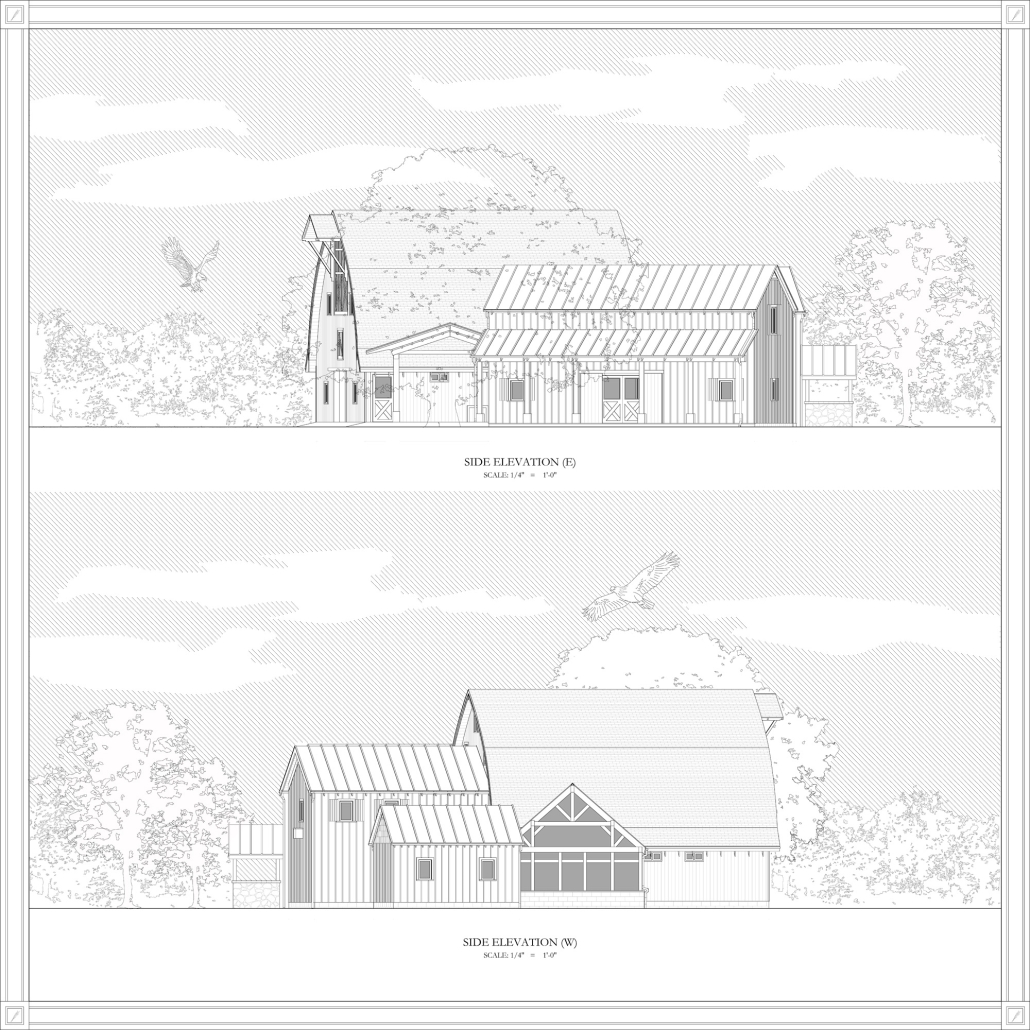
This design aims to propose a barn complex that addresses LEEF’s mission of “Science Serving Society”, creating a functional complex that meets the need for public and private uses, enhances user views towards the Eagle’s Nest, and responds sensitively to the climatic conditions of the site while integrating into the landscape with minimal interventions to appear as if it were always there. At the core of the project, we sought to integrate sustainable design strategies as a link between LEEF’s mission and the architect’s duty to the environment.

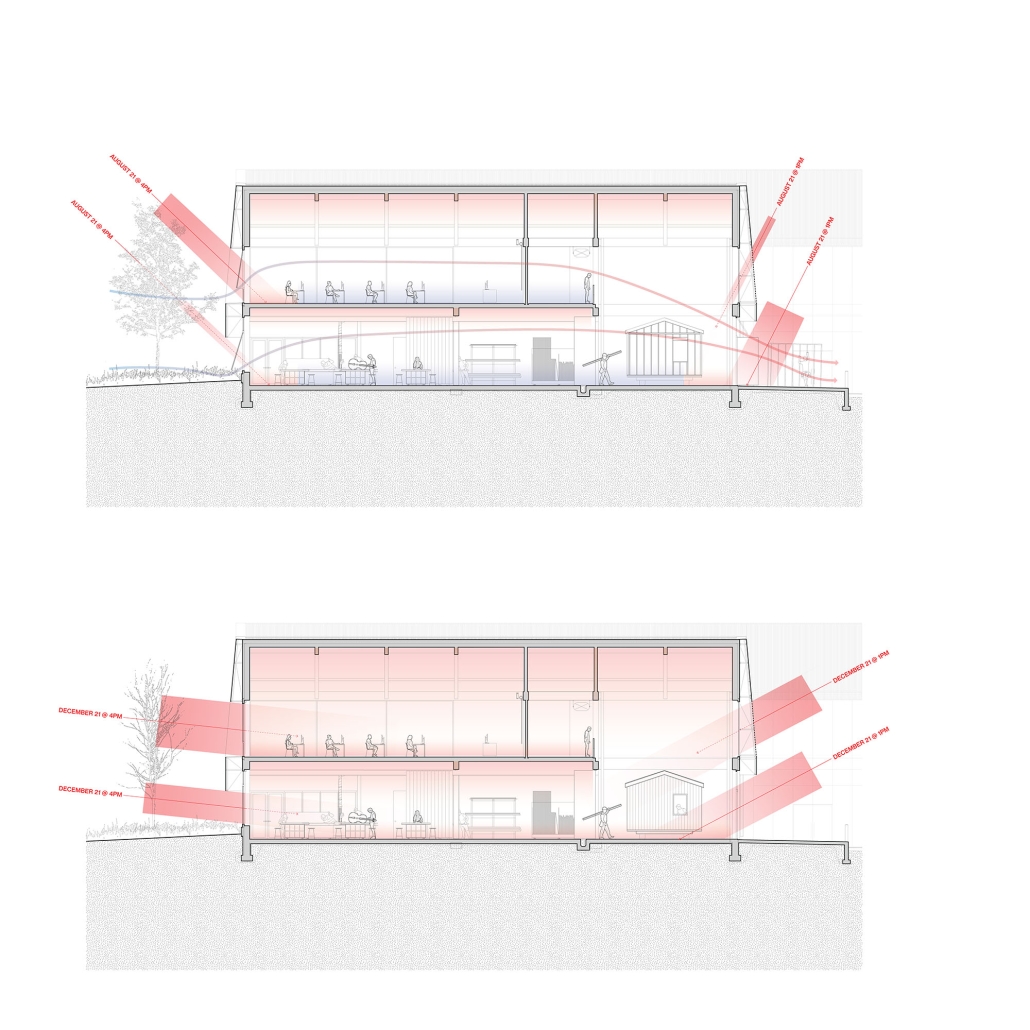
We decided to orient the barn’s front facade, which contains the large triangular window, directly towards the existing Eagle’s Nest, which is a mainstay of the existing LEEF site. This orients the building roughly SE and maximizes the barn’s solar capabilities. The Solarium takes the orientation of the existing pavilion in order to maximize solar gain.

By keeping the building footprints small and separating the massings, we were able to reduce excessive heating, cooling and energy expenses. We also emphasized the importance of the natural prairie habitat as the predominant landscape and tried to minimize additional landscaping. Additionally, we propose utilizing local materials and adding a rainwater collection system for reuse in the LEEF facilities.

Our project embodies a holistic approach to adaptive reuse by thoughtfully preserving the historic Gothic arch barn and integrating it within a sustainably designed complex that supports LEEF’s mission of “Science Serving Society.” By achieving net-zero energy usage, implementing rainwater harvesting, restoring prairie ecosystems, and utilizing locally sourced materials, our proposal not only preserves the historic barn but also sets a precedent for future environmentally conscious adaptive reuse projects. 

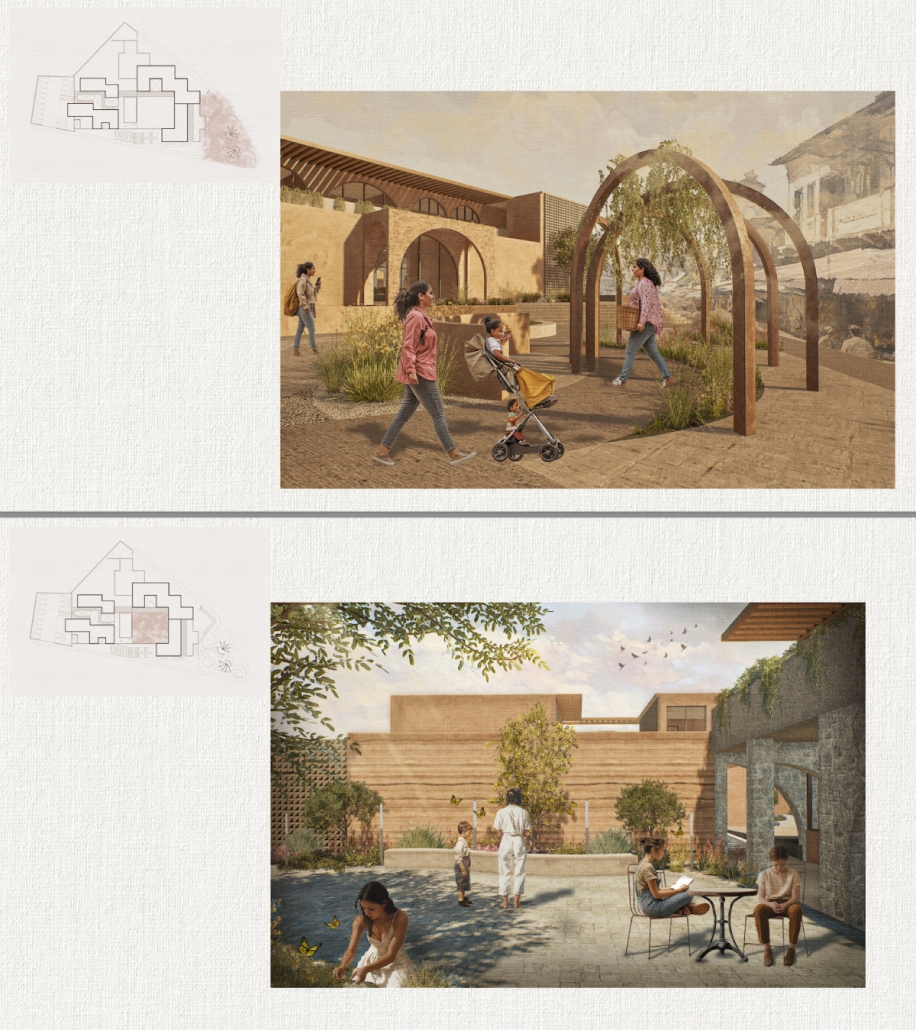
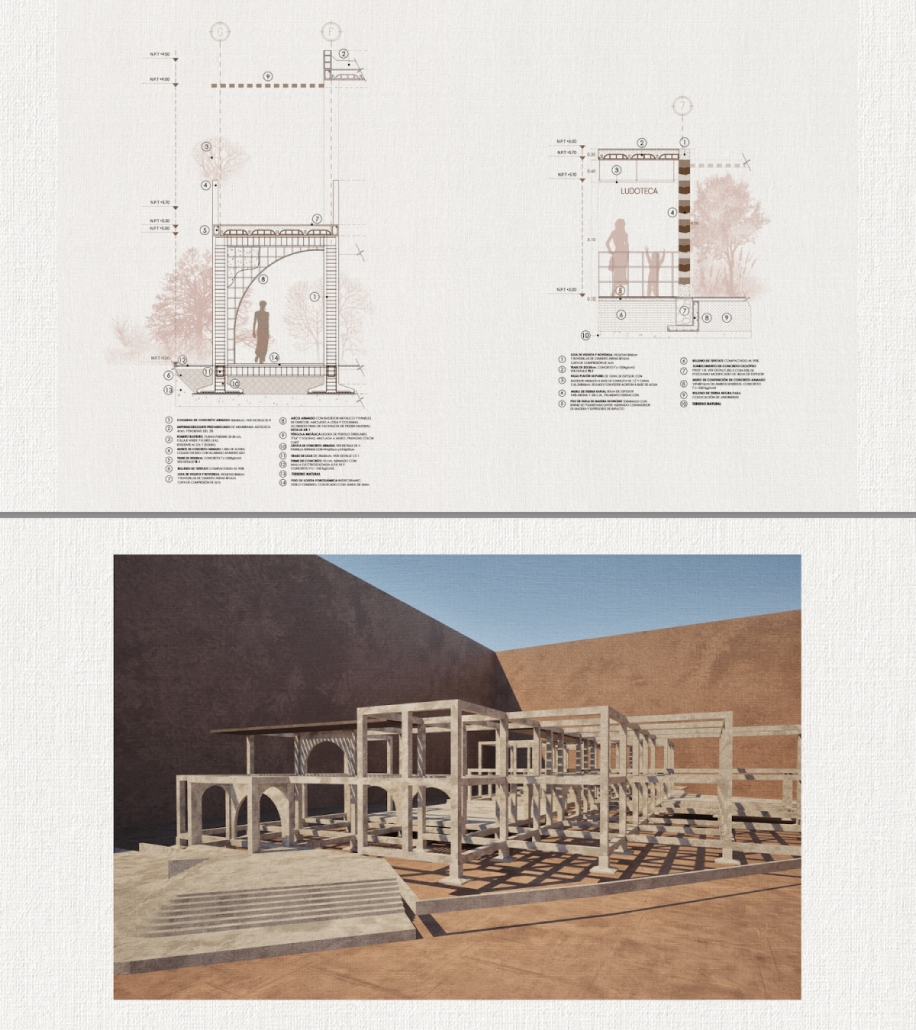
La Factoría del Pueblo, Artist’s temporary internship by Estefania Vizcaya, B.Arch ’25
Universidad Anáhuac Querétaro | Advisors: Guillermo Márquez, Patricia Cutiño & Jorge Javier

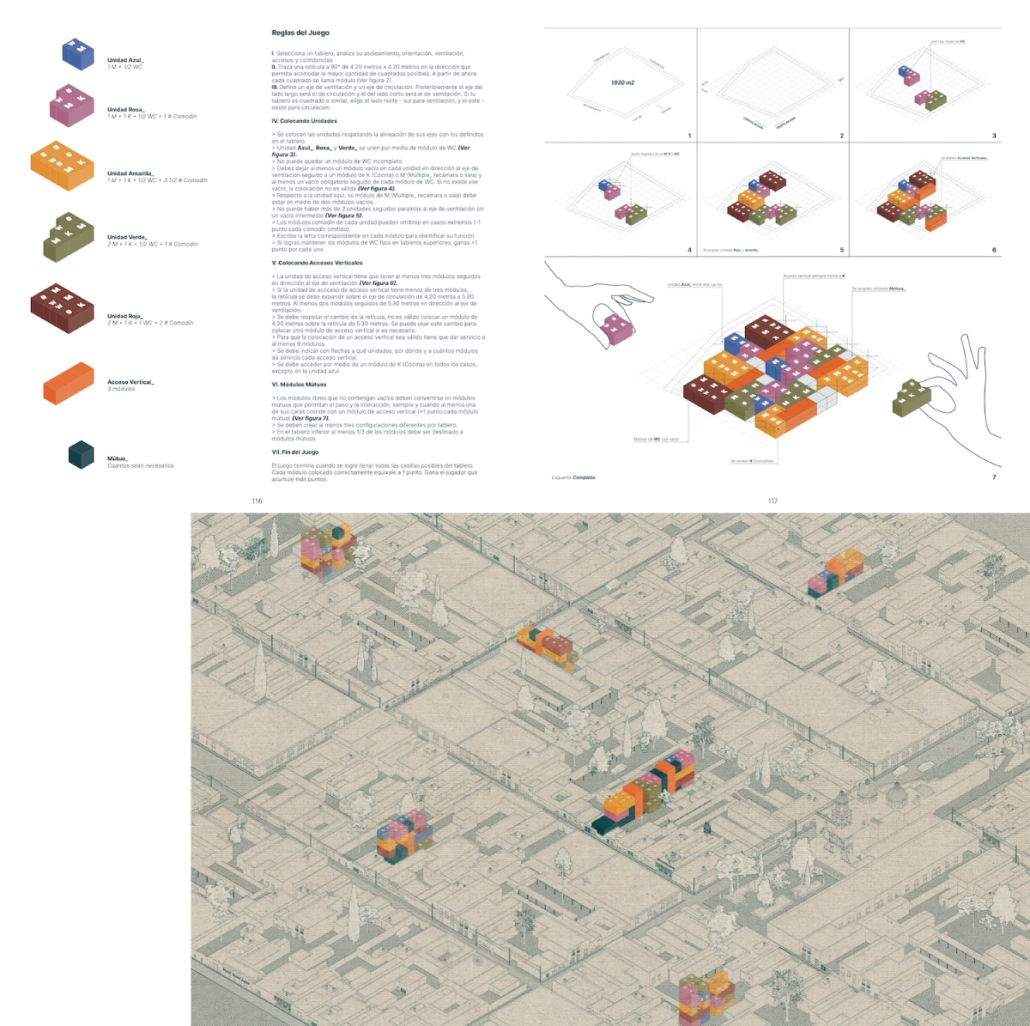
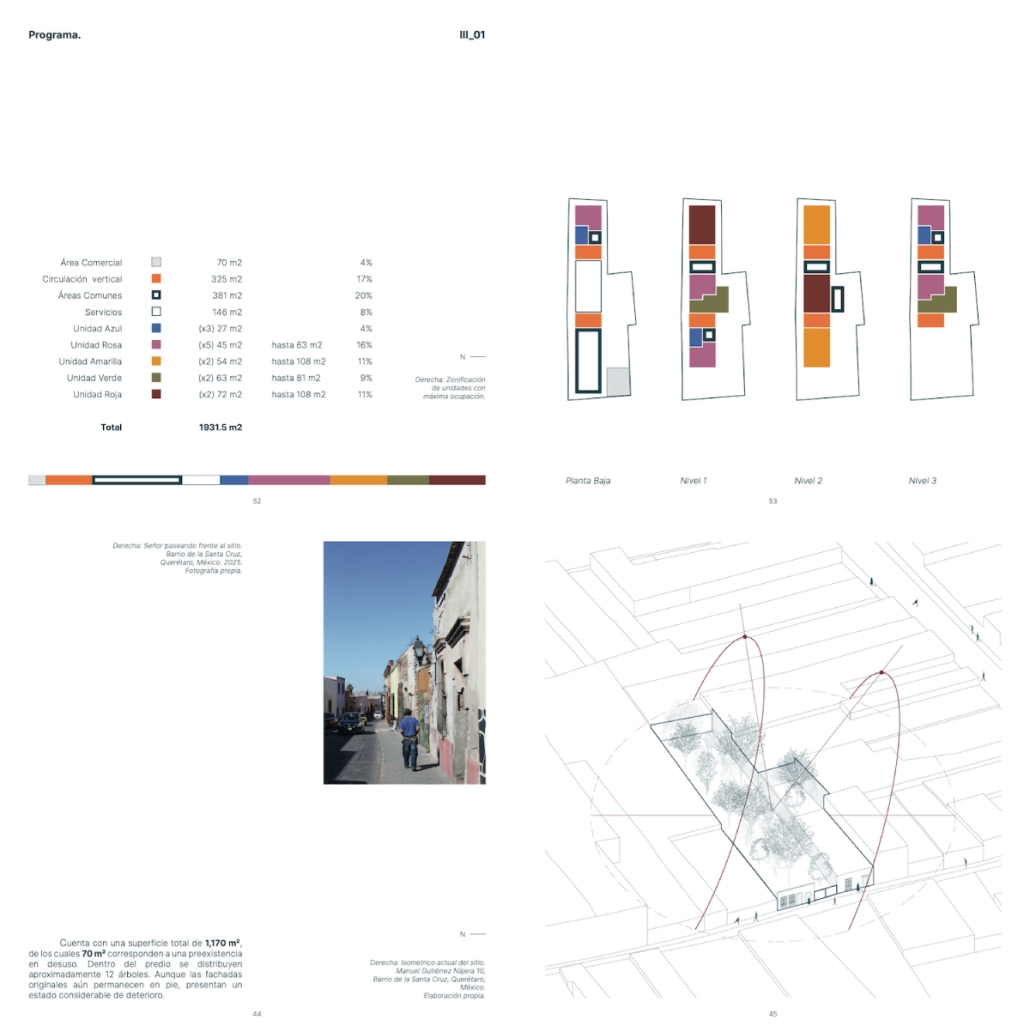
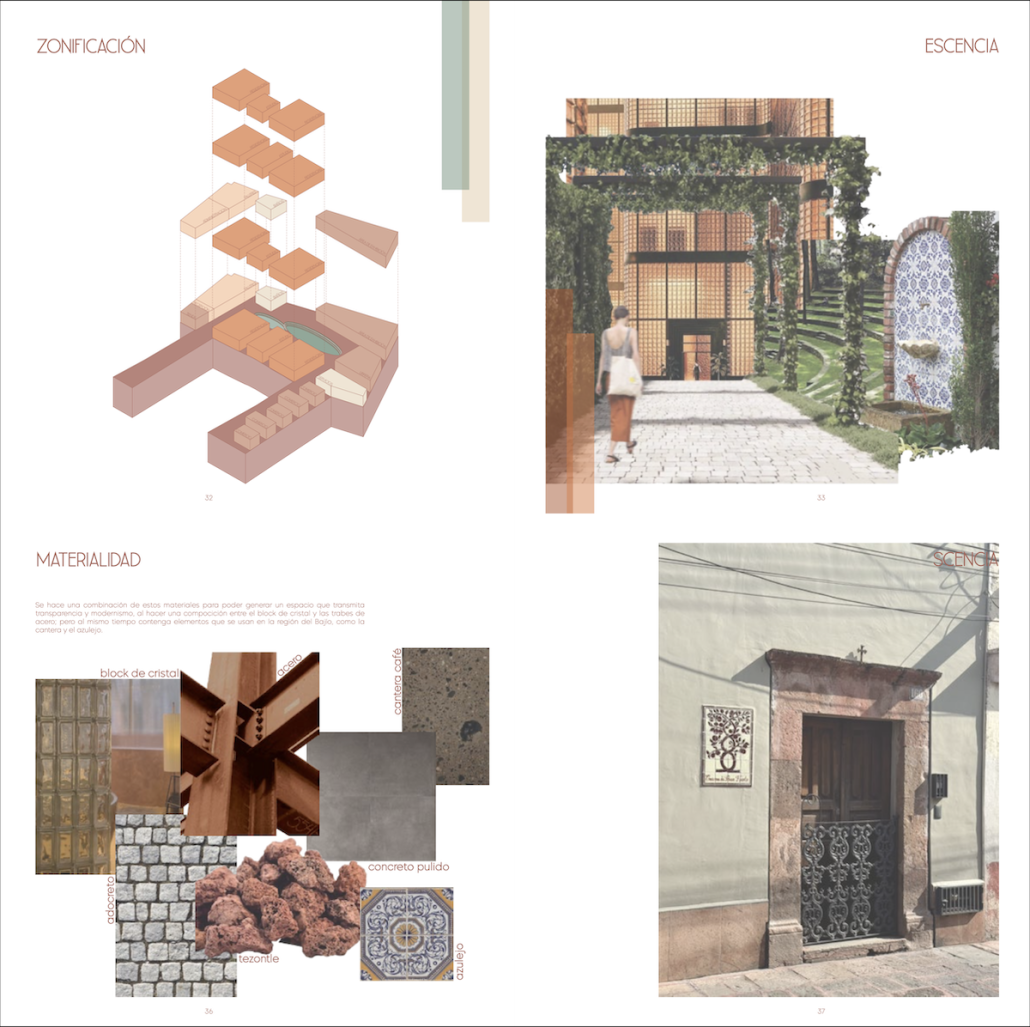
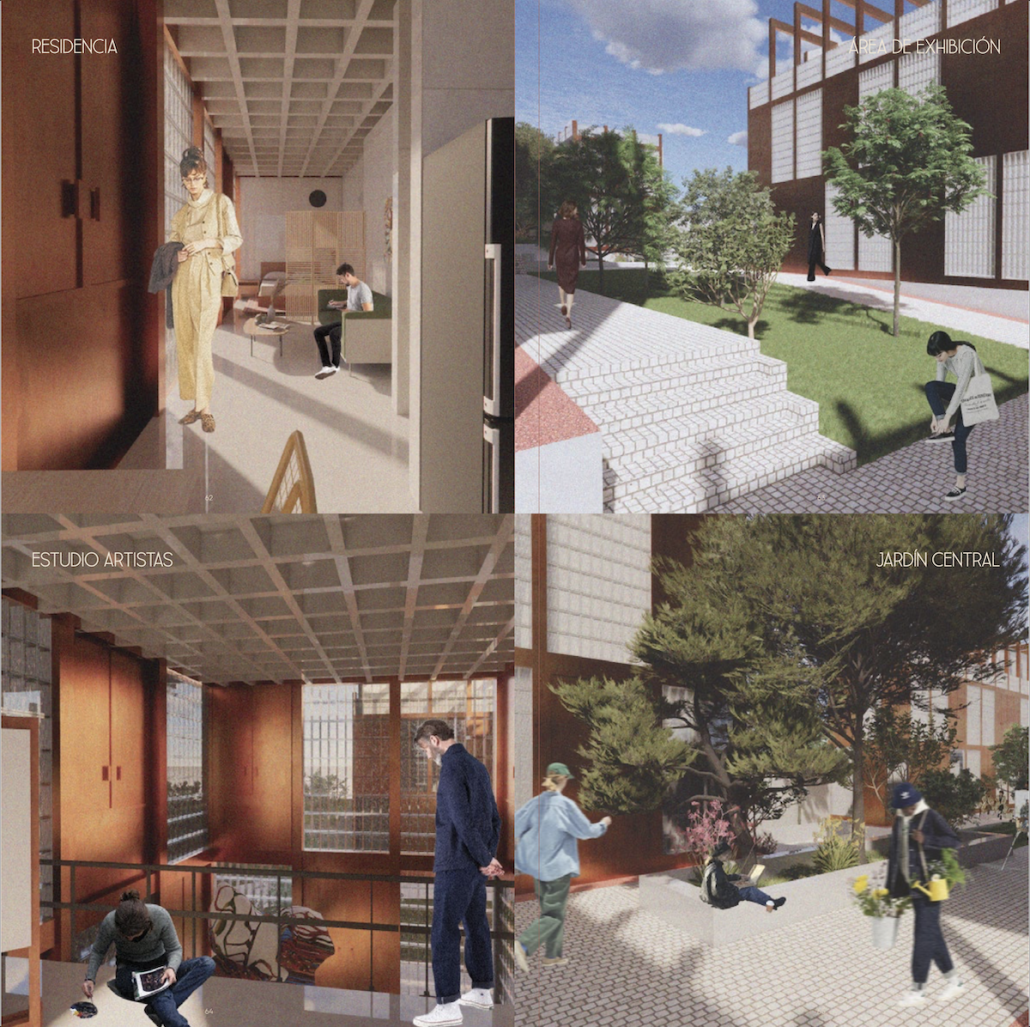
The project “La Factoría del Pueblo” is about La Santa Cruz, and [was] created to provide temporary housing for artists seeking support to grow in the creative sector of the visual arts (painting and sculpture), in addition to creating a community among people who are interested in this subject and want to learn and soak up this art.

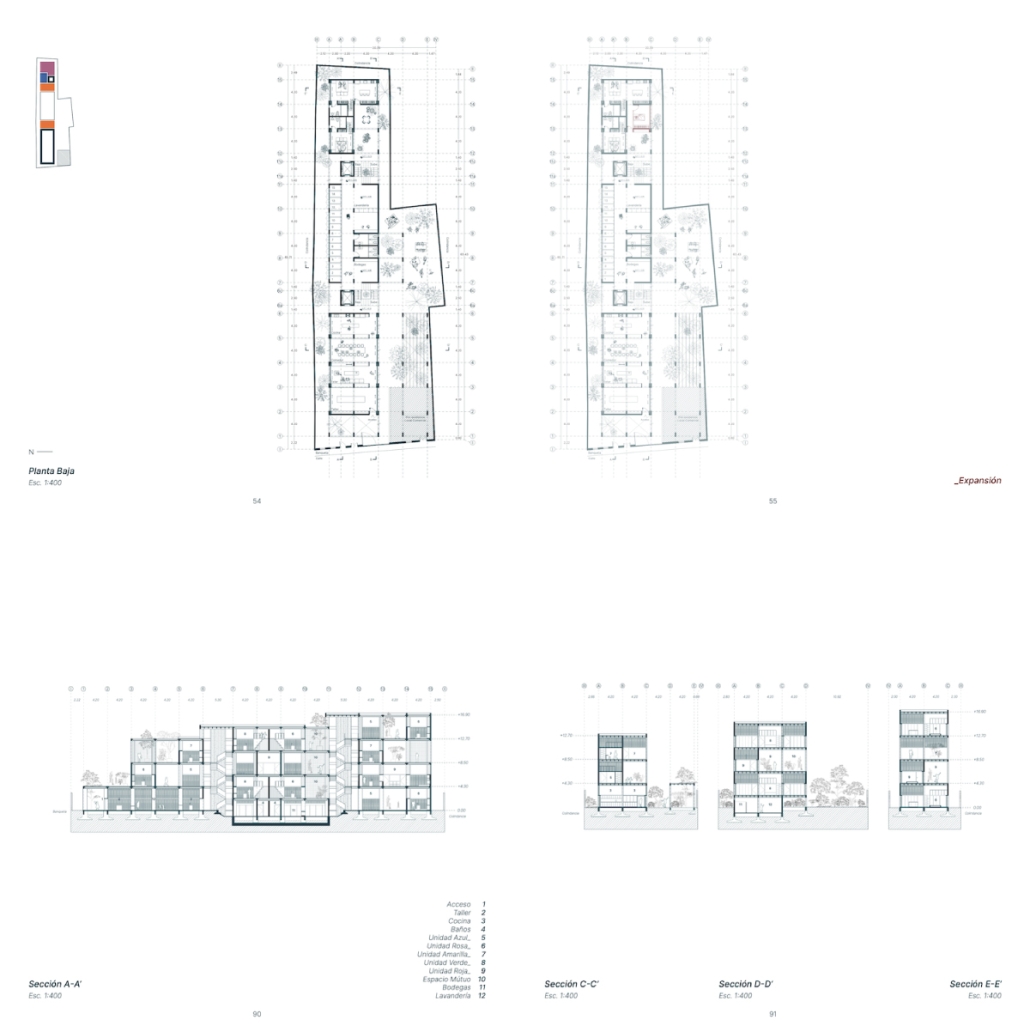
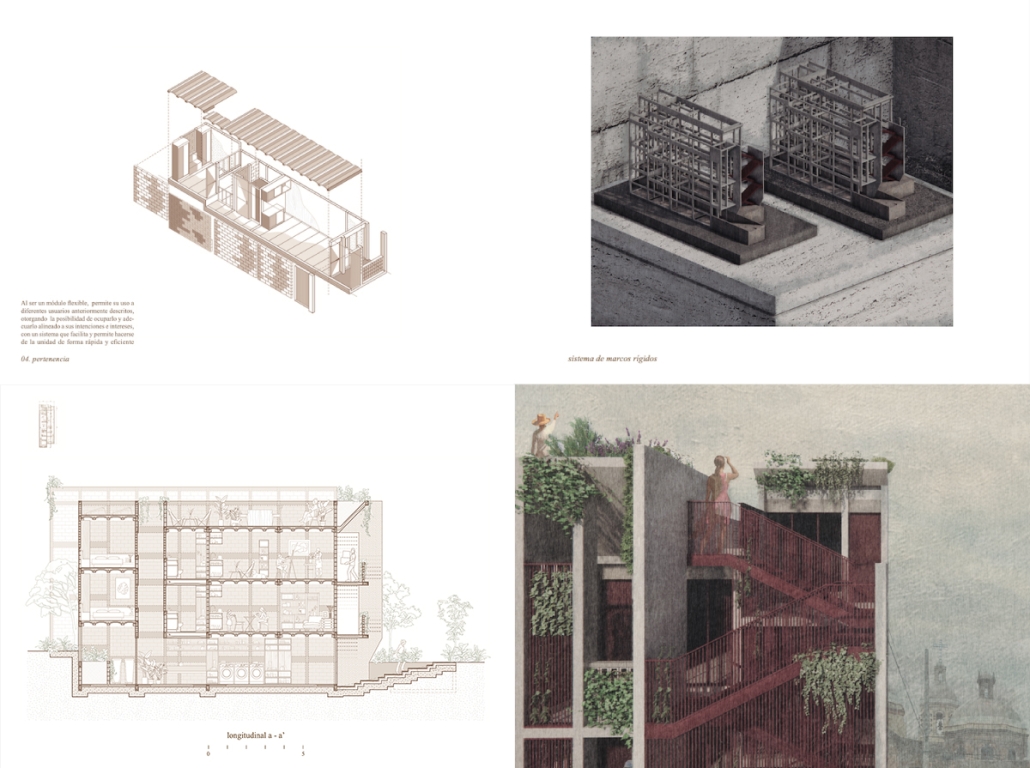
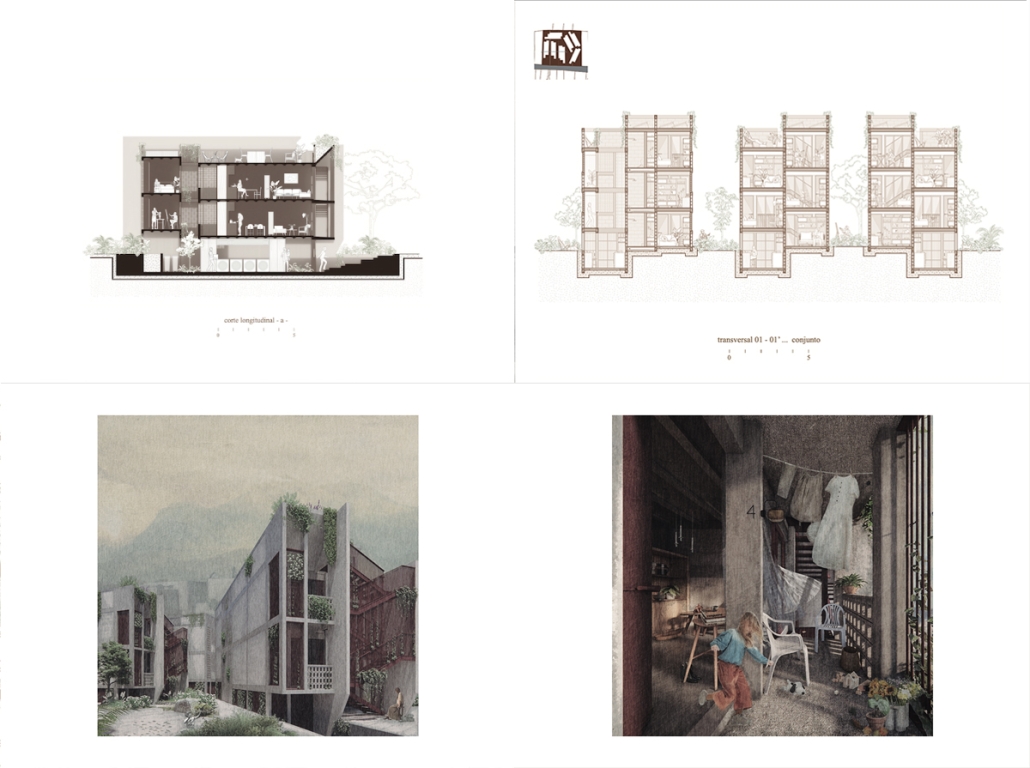
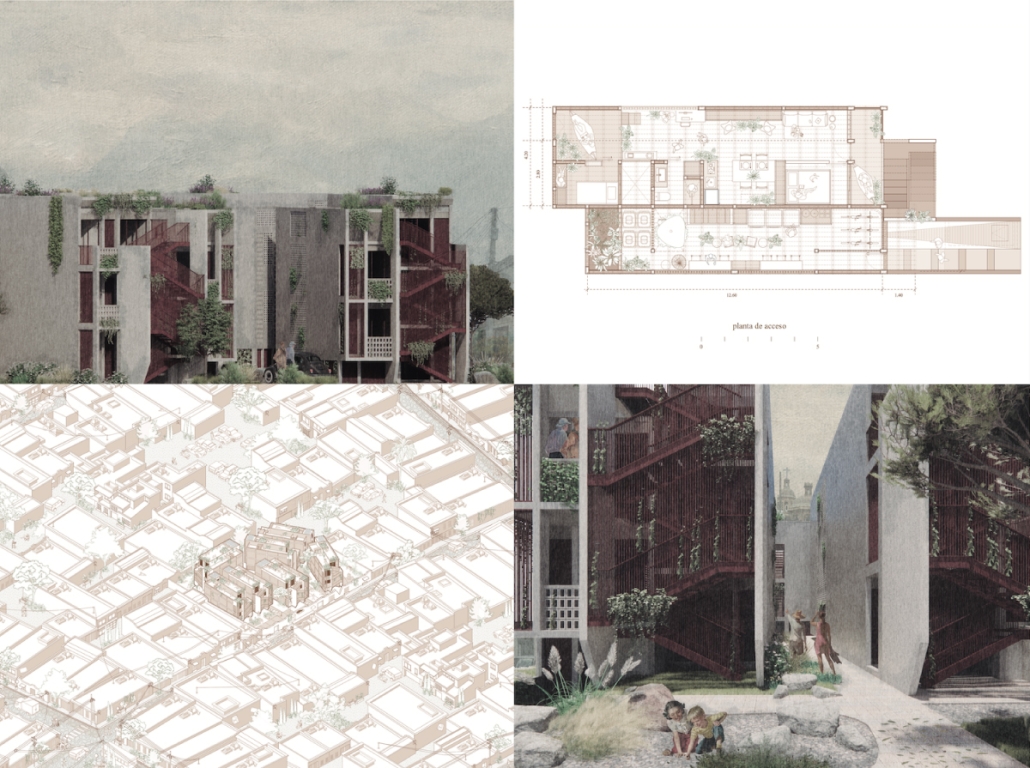
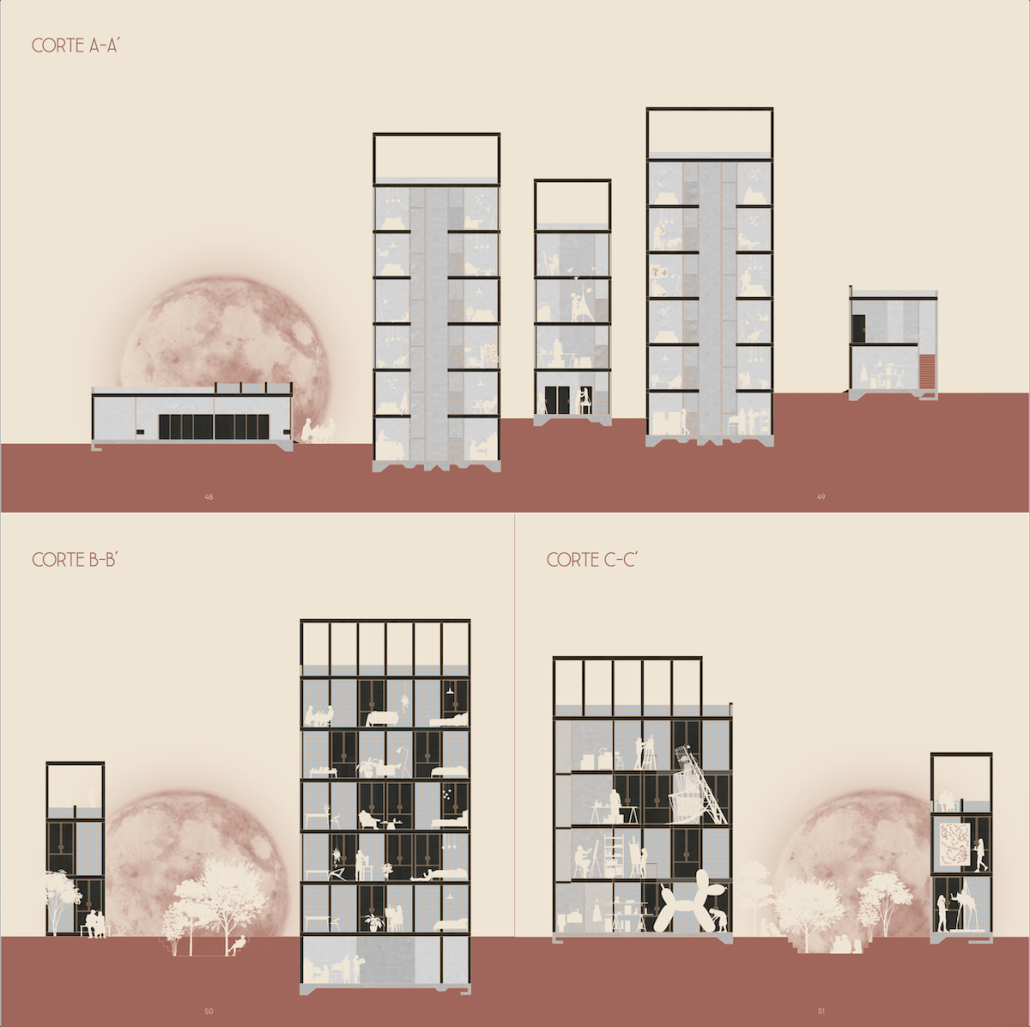
The design is sectioned to create different buildings and between them, small niches that help creativity and environment, all of them are united by a central square that has different ways of use, all with the purpose of uniting people who live there or visit the space to create a community. 

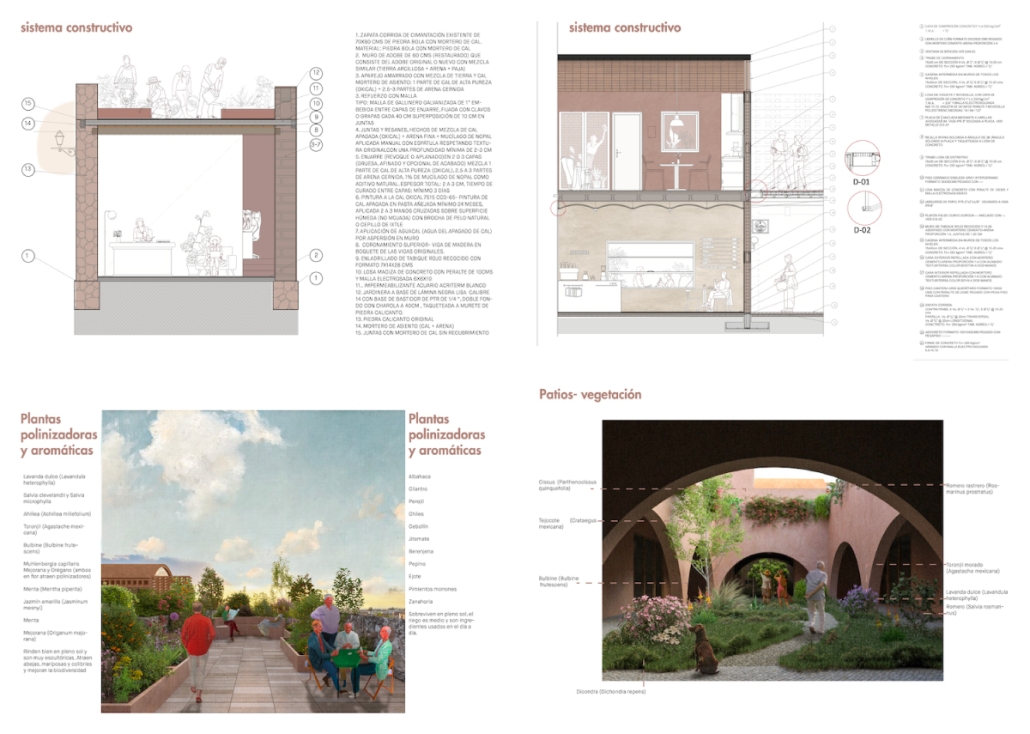
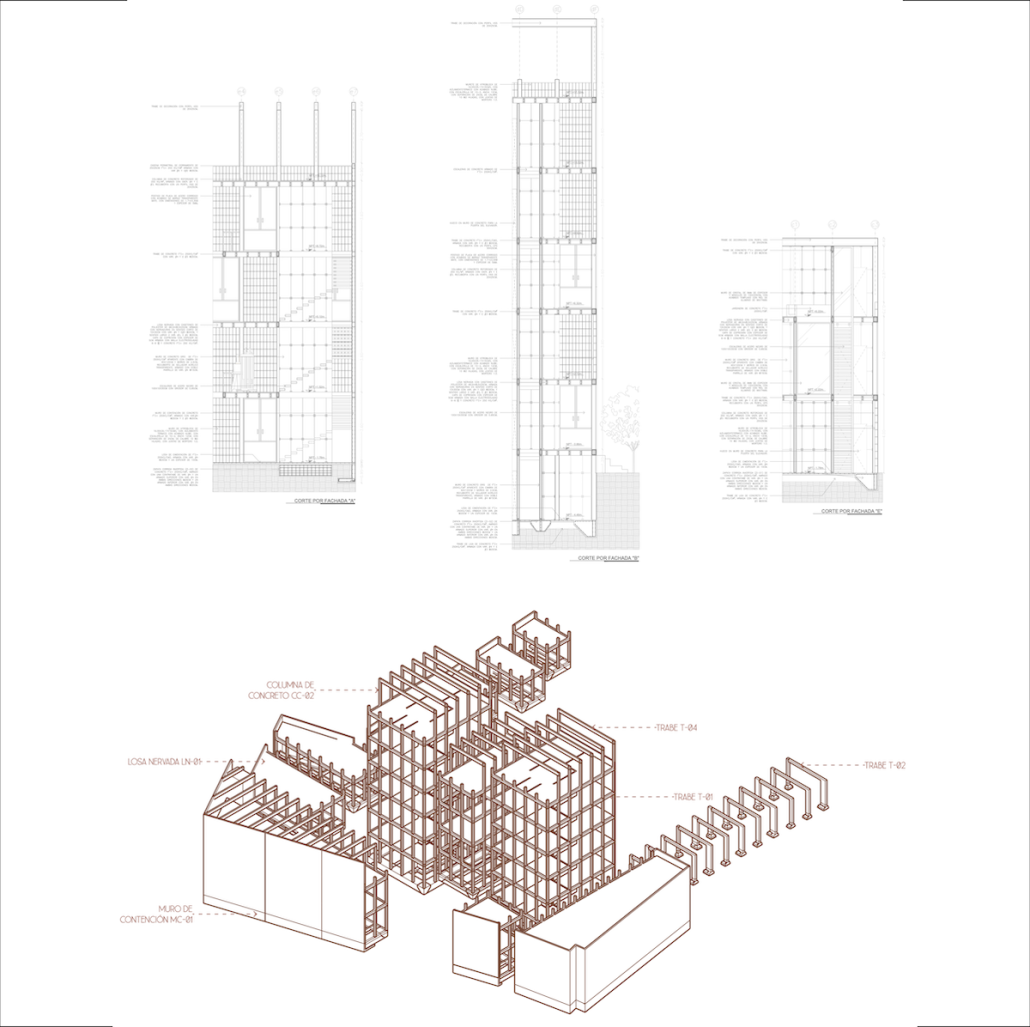
The materiality was chosen to minimize maintenance requirements for the space, as it is social. Therefore, we also created modules with frosted glass brick featuring thermal insulation to provide privacy and comfort to the space. We also have the steel rusted so that the spaces have more color; on the other hand, the materiality of slabs and walls is of apparent concrete. But also with the exteriors, the circulation is of paving stone, which is used locally for the different spaces.

Finally, the construction system is very important; the concrete was fused with steel, which led to having columns of HSS beams that are poured with concrete and perimeter beams covered with CPS profiles. In this way, it is possible to make a union with the apparent ribbed slab that has a support for the concrete retaining wall.

Instagram: @fannyvizcaya, @arquitectura_anahuac, @arqwave

VARIANT MINDS: DESIGNING FOR NEURODIVERSITY IN OFFICES by Maya Schiltz, B.Arch ’25
Kennesaw State University | Advisor: Robin Puttock

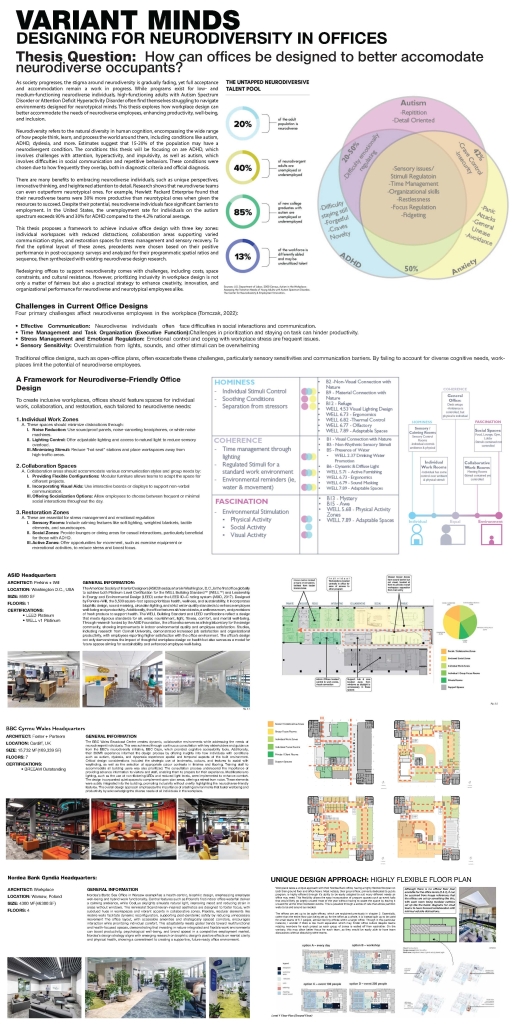
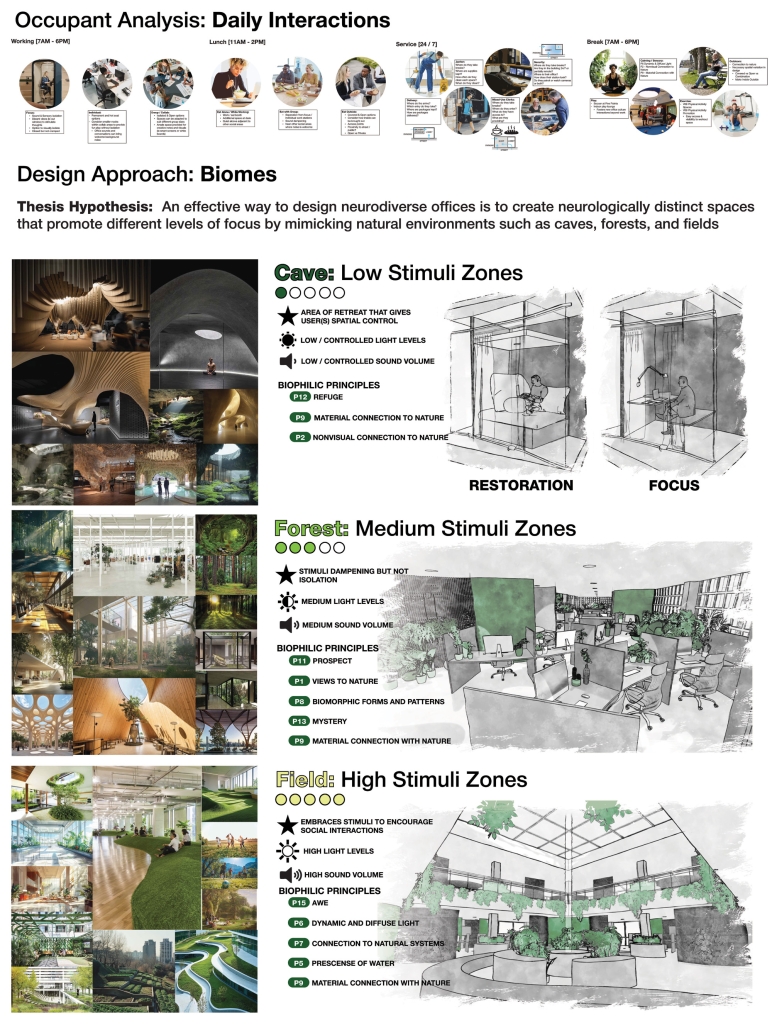
As society progresses, the stigma around neurodiversity is gradually fading, yet full acceptance and accommodation remain a work in progress. While programs exist for low- and medium-functioning neurodiverse individuals, high-functioning adults with Autism Spectrum Disorder or Attention Deficit Hyperactivity Disorder often find themselves struggling to navigate environments designed for neurotypical minds. This thesis explores how workplace design can better accommodate the needs of neurodiverse employees, enhancing productivity, well-being, and inclusion.

Neurodiversity refers to the natural diversity in human cognition, encompassing the wide range of how people think, learn, and process the world around them, including conditions like autism, ADHD, dyslexia, and more. Estimates suggest that 15-20% of the population may have a neurodivergent condition. The conditions this thesis will be focusing on are ADHD, which involves challenges with attention, hyperactivity, and impulsivity, as well as autism, which involves difficulties in social communication and repetitive behaviors. These conditions were chosen due to how frequently they overlap, both in diagnostic criteria and social diagnosis. There are many benefits to embracing neurodiverse individuals, such as unique perspectives, innovative thinking, and heightened attention to detail. Research shows that neurodiverse teams can even outperform neurotypical ones. For example, Hewlett Packard Enterprise found that

their neurodiverse teams were 30% more productive than neurotypical ones when given the resources to succeed. Despite their potential, neurodiverse individuals face significant barriers to employment. In the United States, the unemployment rate for individuals on the autism spectrum exceeds 90% and 30% for ADHD, compared to the 4.2% national average.

This thesis proposes a framework to achieve inclusive office design with three key zones: individual workspaces with reduced distractions, collaboration areas supporting varied communication styles, and restoration spaces for stress management and sensory recovery. To find the optimal layout of these zones, precedents were chosen based on their positive performance in post-occupancy surveys and analyzed for their programmatic spatial ratios and sequence, then synthesized with existing neurodiverse design research. Redesigning oces to support neurodiversity comes with challenges, including costs, space constraints, and cultural resistance. However, prioritizing inclusivity in workplace design is not only a matter of fairness but also a practical strategy to enhance creativity, innovation, and organizational performance for neurodiverse and neurotypical employees alike.

This project was recognized as a Thesis Finalist (Top 5 of 90+).

Click here to learn more.

Instagram: @mayaschiltz, @robinzputtock

Urban Poverty: The Villas in Argentina by Lizbeth M. Padilla-González, B.Arch ’25
Pontifical Catholica University of Puerto Rico | Advisors: Jesús O. García-Beauchamp & Pedro A. Rosario-Torres

Urban poverty has emerged as a complex challenge affecting millions globally, profoundly impacting residents of informal settlements and marginalized neighborhoods. This multifaceted issue extends beyond economic deprivation to encompass inadequate access to essential services, substandard housing, food insecurity, limited educational opportunities, and systemic social exclusion. These challenges are intrinsically linked to economic inequality, spatial segregation, and evolving urban structures.

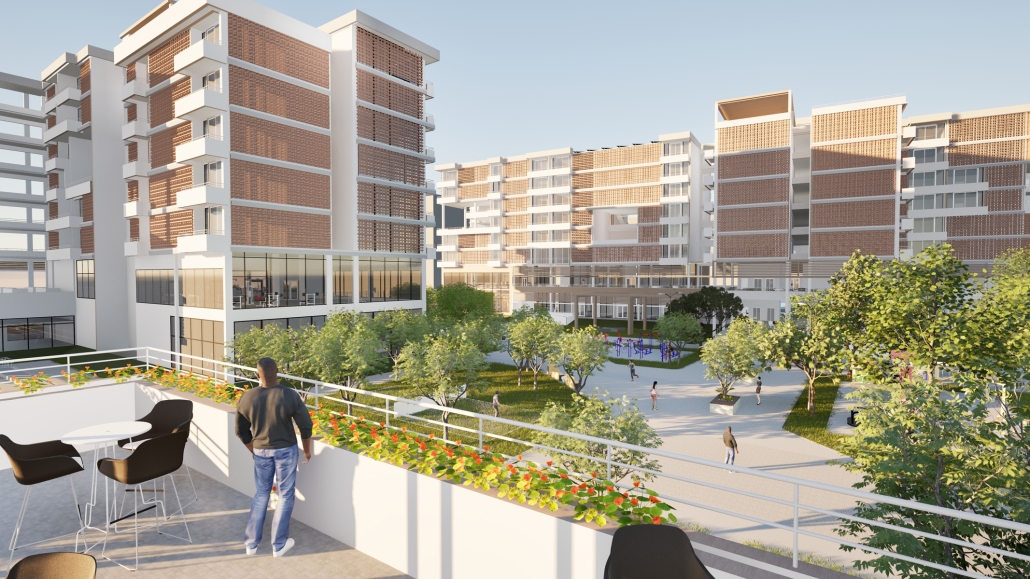
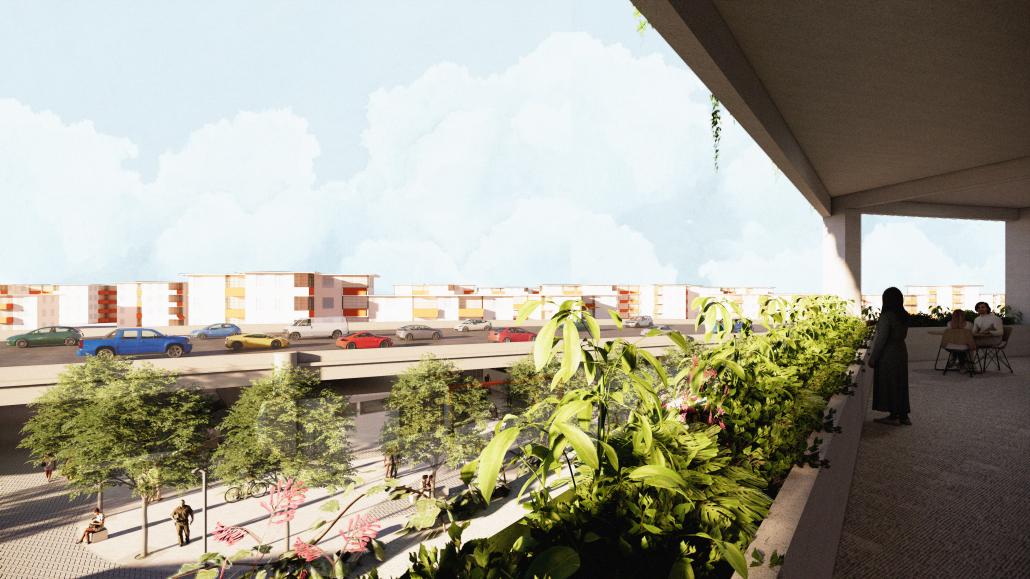
This architectural proposal addresses these challenges within Villa 21-24 (Villa Zavaleta) in Argentina through a comprehensive urban master plan that reimagines the existing urban fabric. Drawing inspiration from the consolidated city’s formal grid system, the design introduces strategic reorganization that enhances spatial articulation, improves connectivity, and establishes a foundation for transformative architectural interventions.

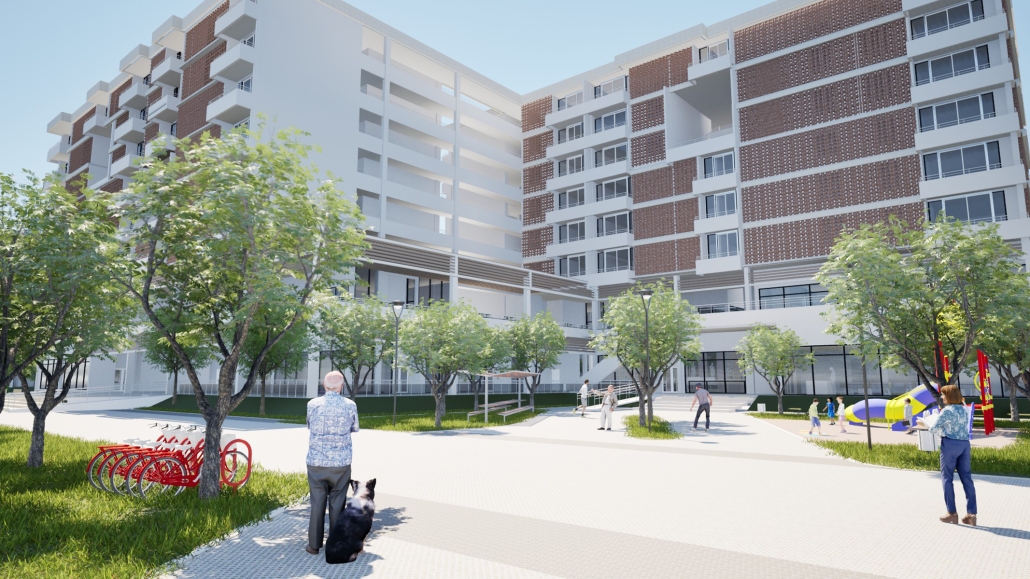
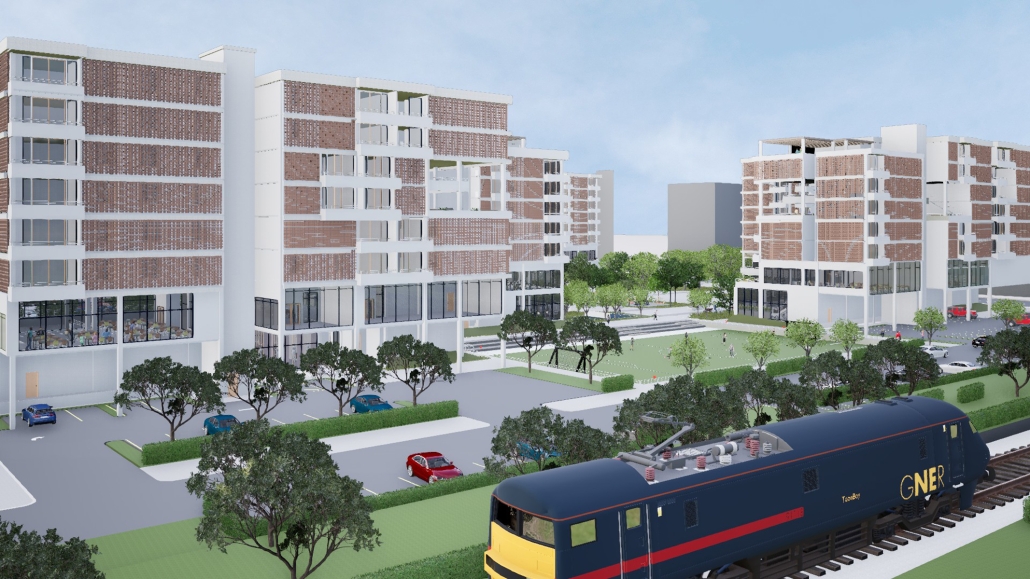
The project’s cornerstone is a major linear park traversing the settlement from north to south, serving as both an organizing spine and vital public space for community cohesion. Three strategically positioned mixed-use buildings line this central corridor, creating a dynamic interface between public and private realms. The ground and second levels house essential community programs, including dining facilities, technology education centers, libraries, vocational workshops, gymnasiums, children’s recreation areas, and flexible rental spaces for local entrepreneurs. These elements were selected through comprehensive community needs assessments to strengthen social networks, enhance quality of life, and foster comprehensive development pathways.

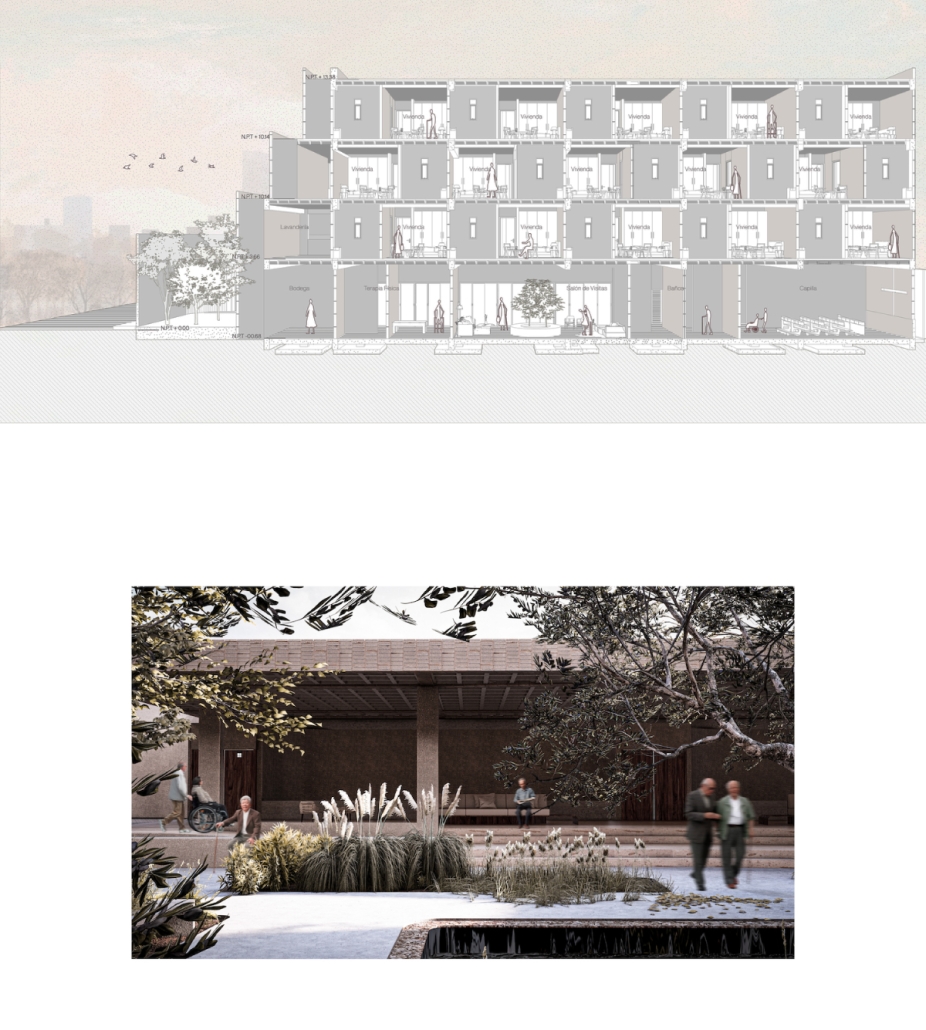
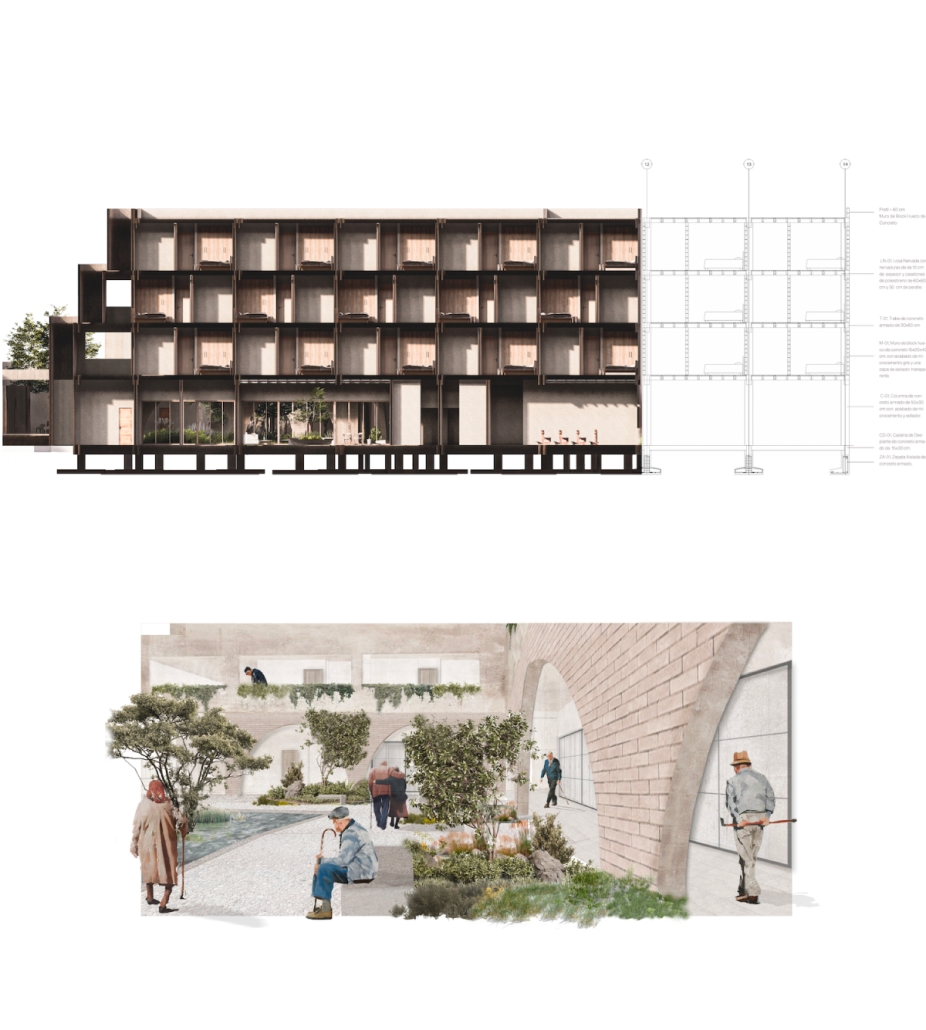
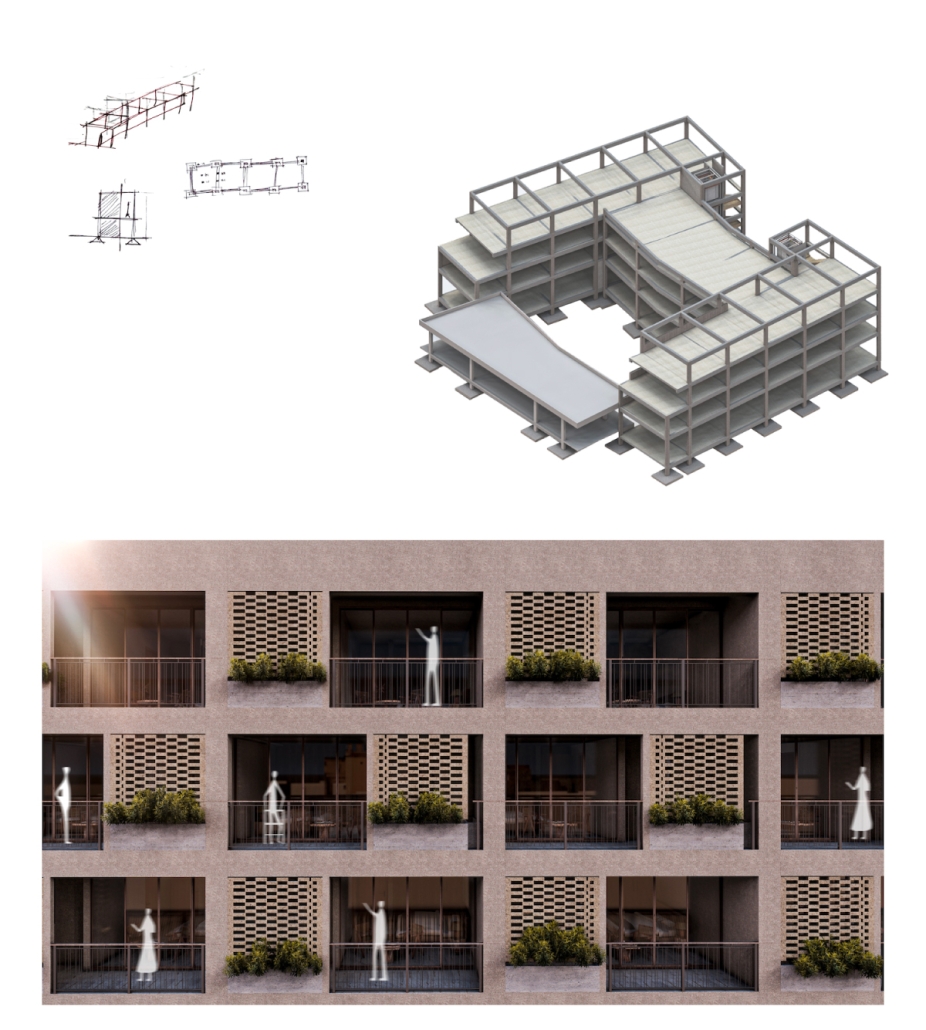
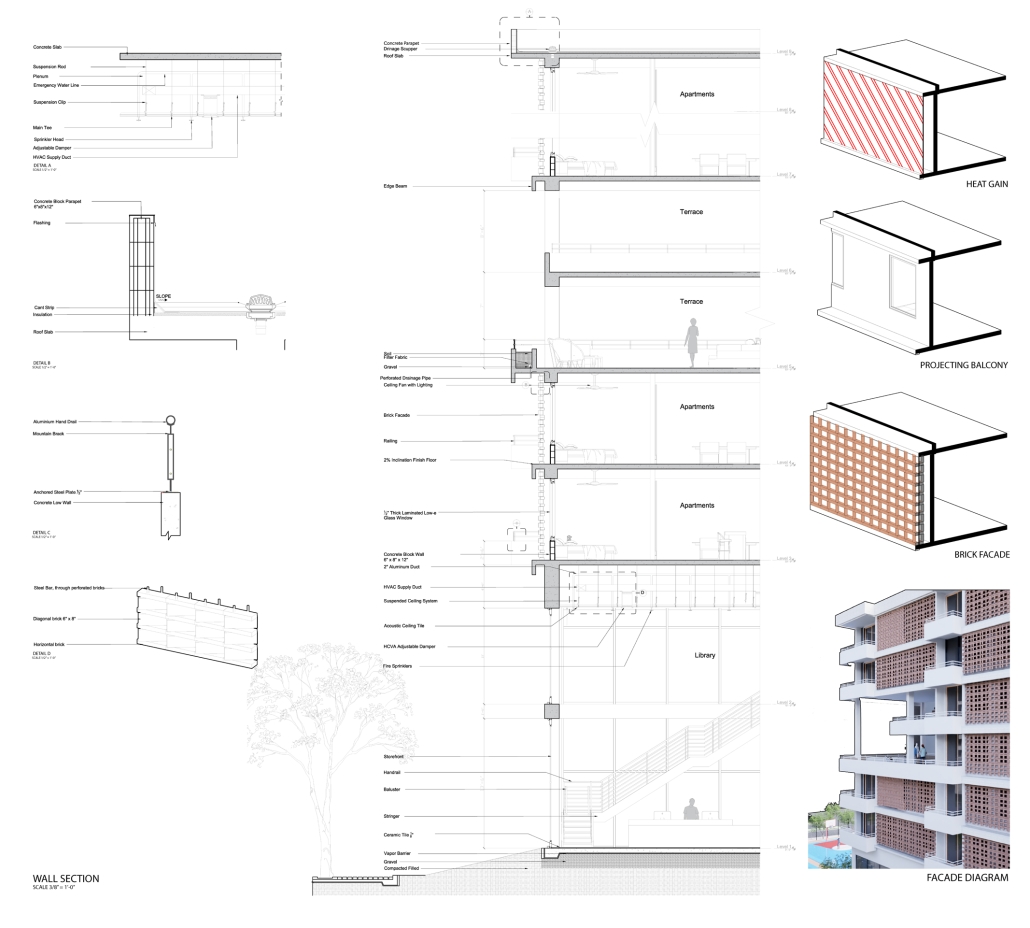
The upper levels accommodate diverse residential typologies, from studio units to three-bedroom apartments, serving varied family structures within the community. Each dwelling incorporates terraces and balconies strategically oriented toward recreational areas, fostering visual connections with green infrastructure and reinforcing the relationship between private living spaces and communal areas. The buildings employ a brick façade system providing effective solar protection and thermal regulation while maintaining authentic integration with the existing urban landscape, where brick represents one of the most prevalent and culturally significant building materials in the region. This material choice exemplifies the project’s commitment to environmental responsiveness and contextual sensitivity.

Click here to learn more.

Instagram: @Lizbethmarie_1

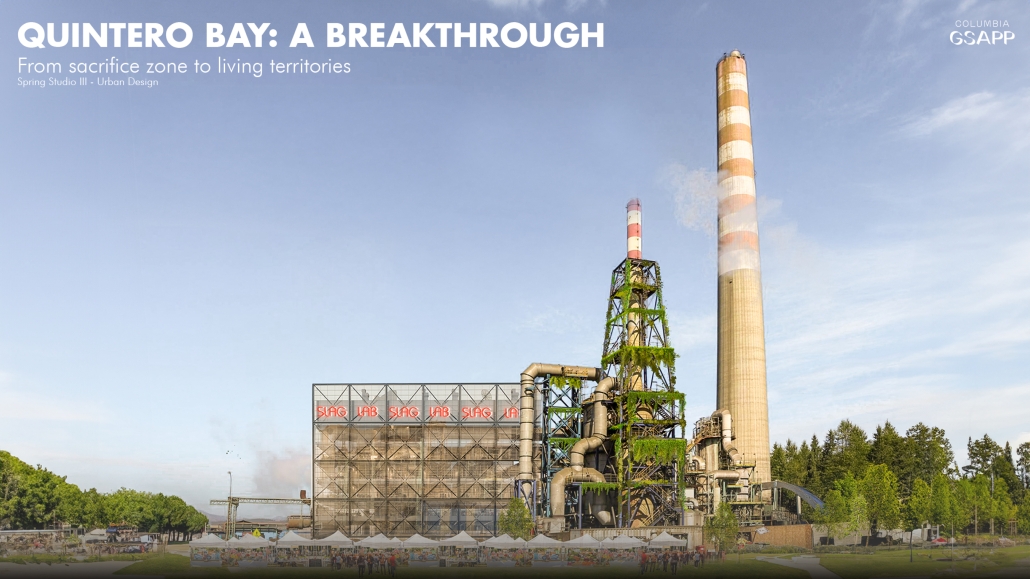
Quintero Bay: A Breakthrough by Georgia Fernandes, Maïssa Eid, Patricio Munoz & Dutt Patel, M.S.AUD (Masters of Science in Architecture and Urban Design) ’25
Columbia University | Advisors: Kate Orff, Geeta Mehta, Gabriel Vergara, Sebastian Delpino, Emanuel Admassu & Lucas Coelho

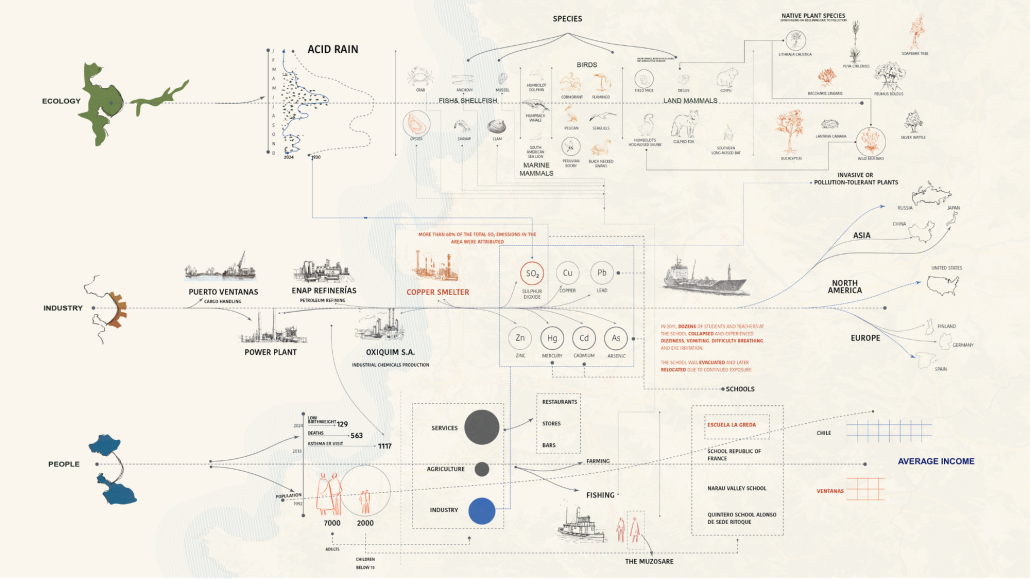
Quintero Bay, once a thriving coastal ecosystem in Chile, has become one of the country’s most heavily polluted sacrifice zones. Years of industrial activity have contaminated the air, land, and sea, deeply impacting the health and livelihoods of its residents. The region powers 7% of Chile’s energy, yet the communities living here have received only environmental harm in return.

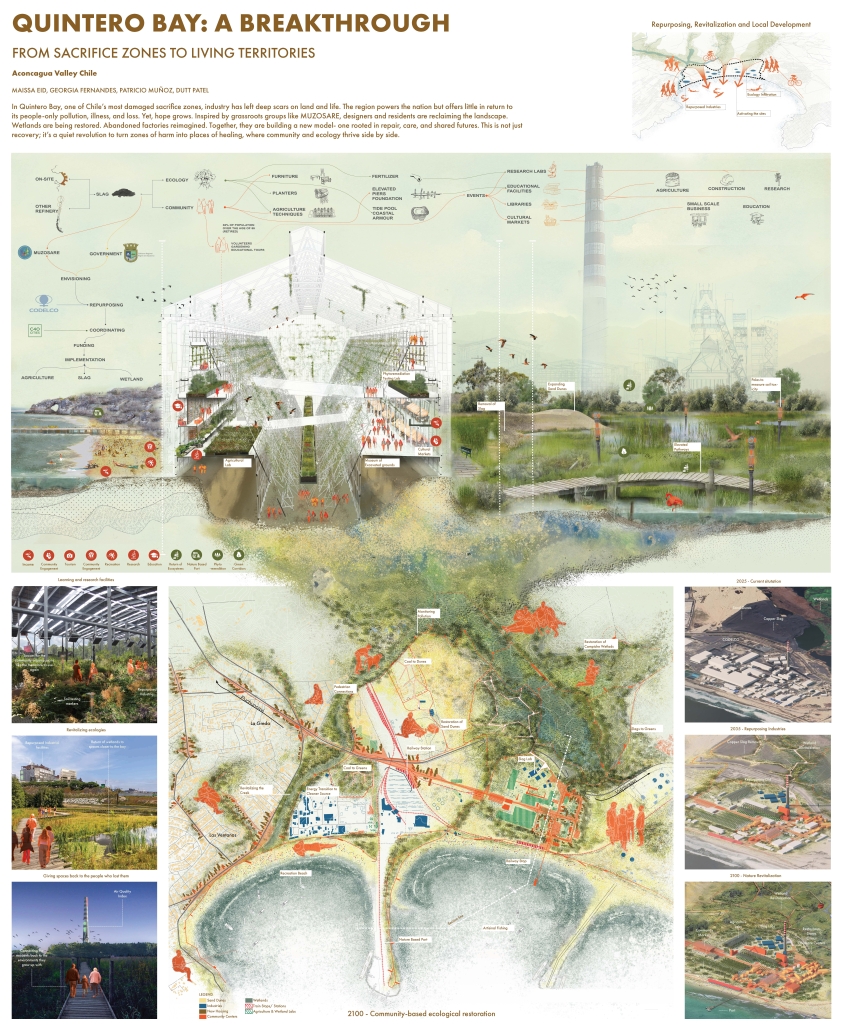
Our project, inspired by the work of local feminist collective MUZOSARE, envisions a future rooted in healing and co-existence. Rather than erase the industrial past, we aim to repurpose it. The phased closure of the Codelco copper smelter offers a unique opportunity to restore wetlands, uncover buried sand dunes, and adapt former factories into community hubs for housing, research, culture, and ecological stewardship.

Guided by the principles of revitalizing, repurposing, and community development, the design introduces green corridors, nature-based ports, and SLAG LABS to transform industrial waste into public infrastructure. Residents can participate in restoration through income or social credit-based programs, reactivating the local economy while building environmental resilience.

This is not just a vision for Quintero Bay—it’s a model for all sacrifice zones. By integrating policy, ecology, and community leadership, the project offers a blueprint for transforming places of harm into living territories of shared futures.

This project won the Lucille Smyser Lownfish Memorial Prize.

Instagram: @g__fernandes, @misssoouuuu, @pamb.070, @duttpatel108, @mehtageeta999, @sdelpino_arq, @gabrielvergarag, @lucascoelhonetto, @eadmassu

Rhythmic Ribbons by Tadhg McDonald, M.Arch ’25
Lawrence Technological University | Advisor: Masataka Yoshikawa

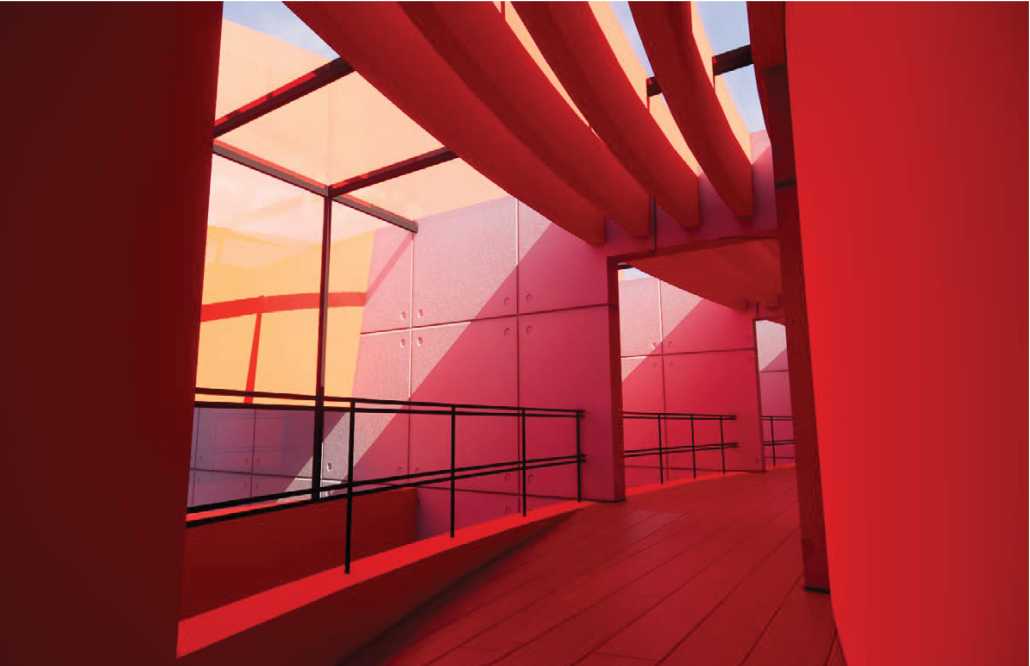
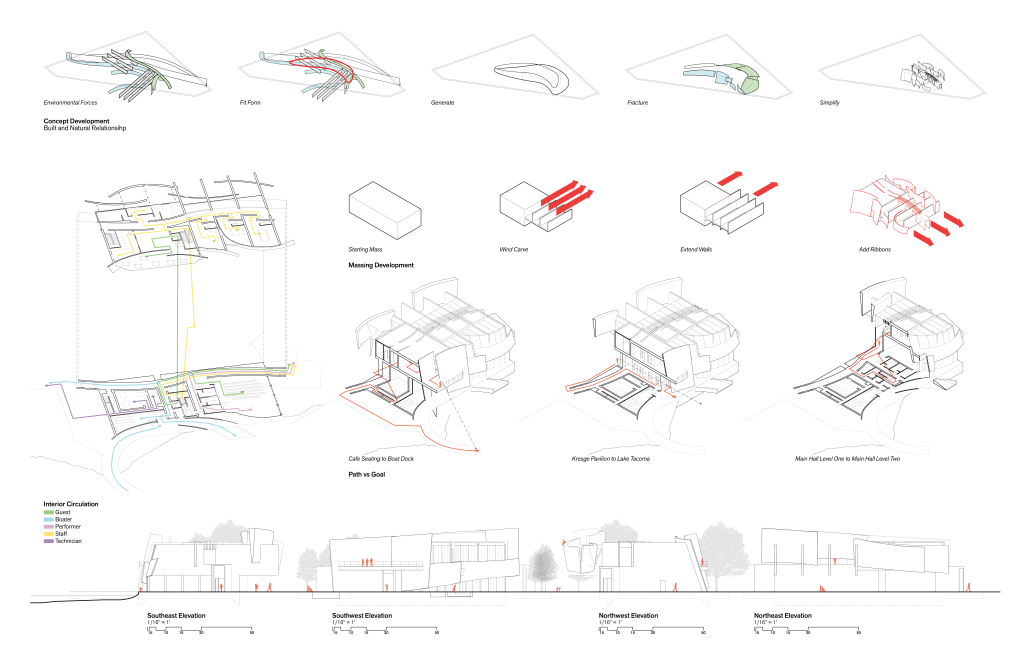
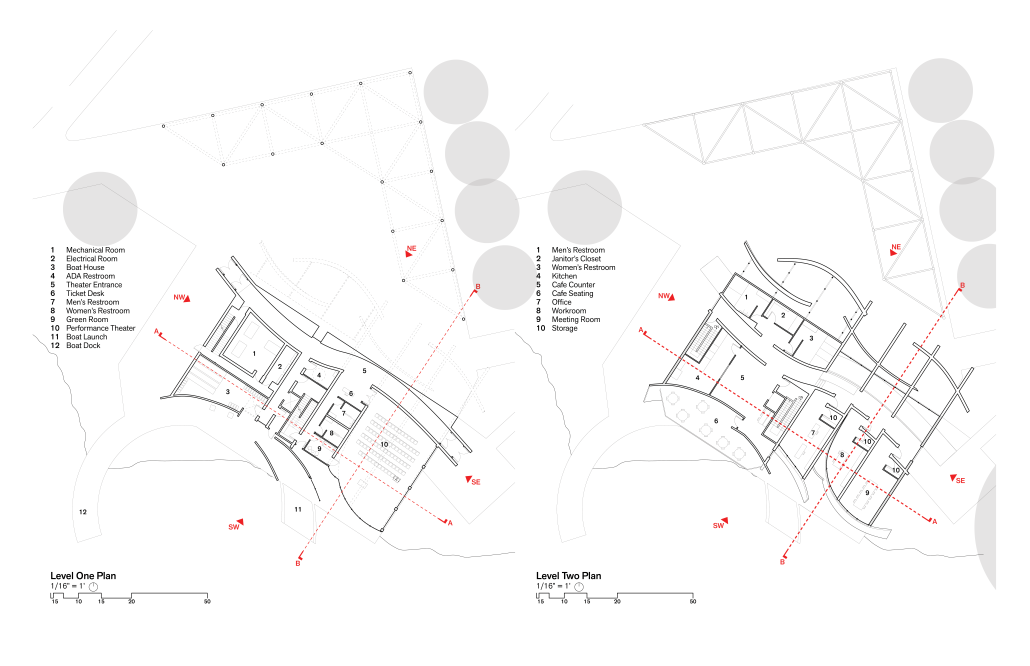
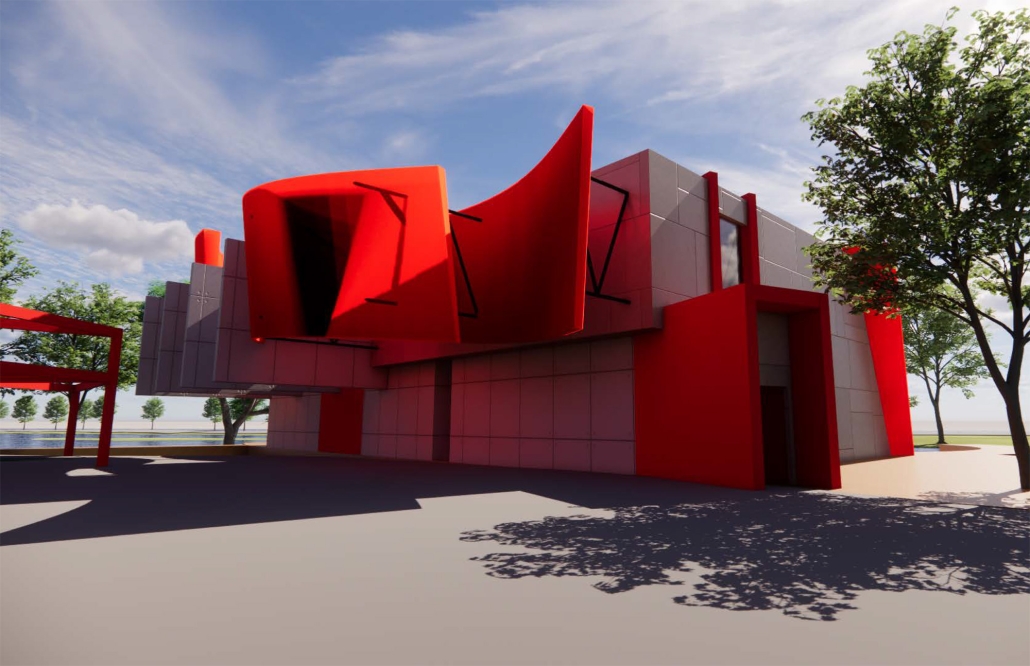
The goal of this design was to highlight the site’s seclusion from the rest of Belle Isle and how it is reinforced by the relationship between the existing built and natural environments. This relationship influenced the formal design elements through the utilization of both orthogonal and curved walls. The orthogonal walls represent the built environment, while the curved walls represent the natural [environment.] The main generator for the site’s seclusion was the journey that any site visitors have to travel in order to reach the secluded core of the site. From the parking lot, the visitor can partially see all of the stunning views of the site, but they do not get the full experience until they have passed through the lines of trees and the Kresge Pavilion. This idea of Path vs. Goal was heavily influential for the interior design of this new construction. Overall, the site’s inherent seclusion, journey, and built and natural confines create a uniquely private experience for all visitors.

Instagram: @ta.dhg, @masataka.yoshikawa

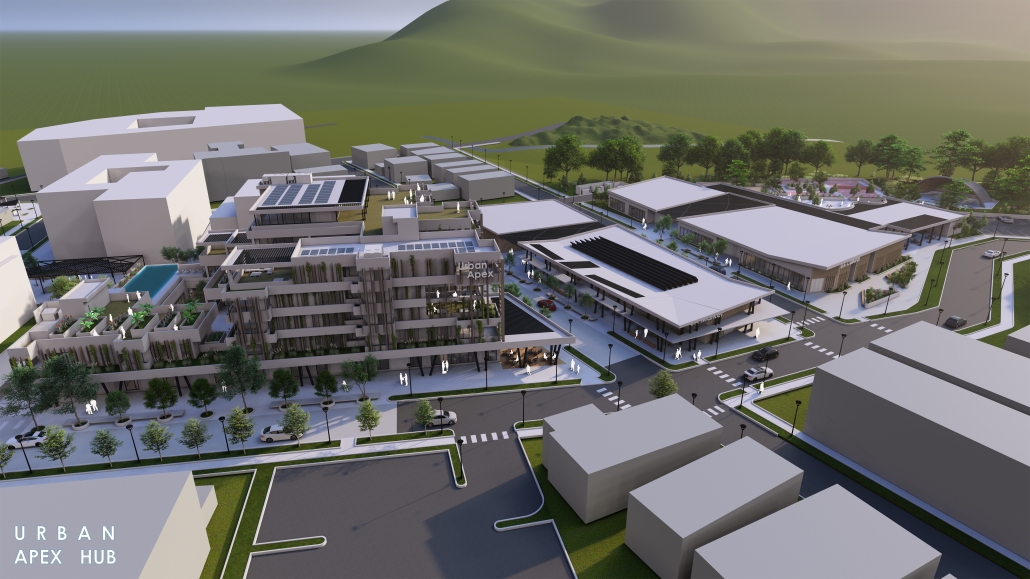
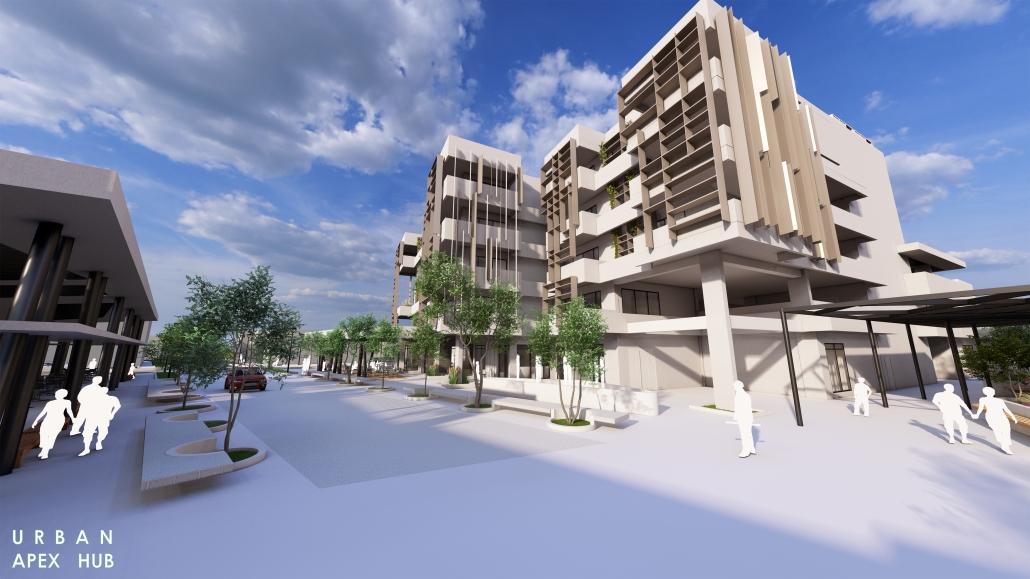
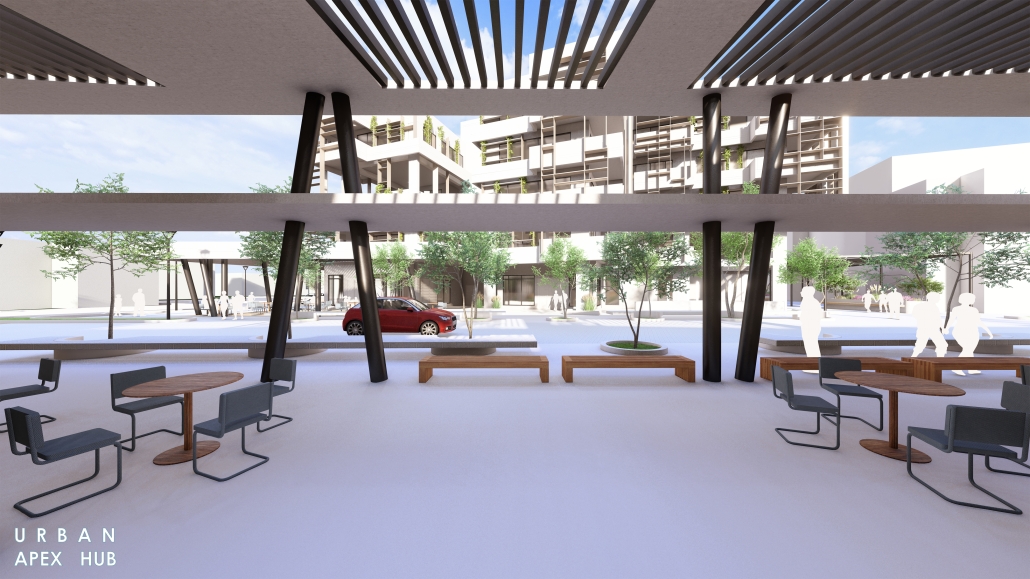
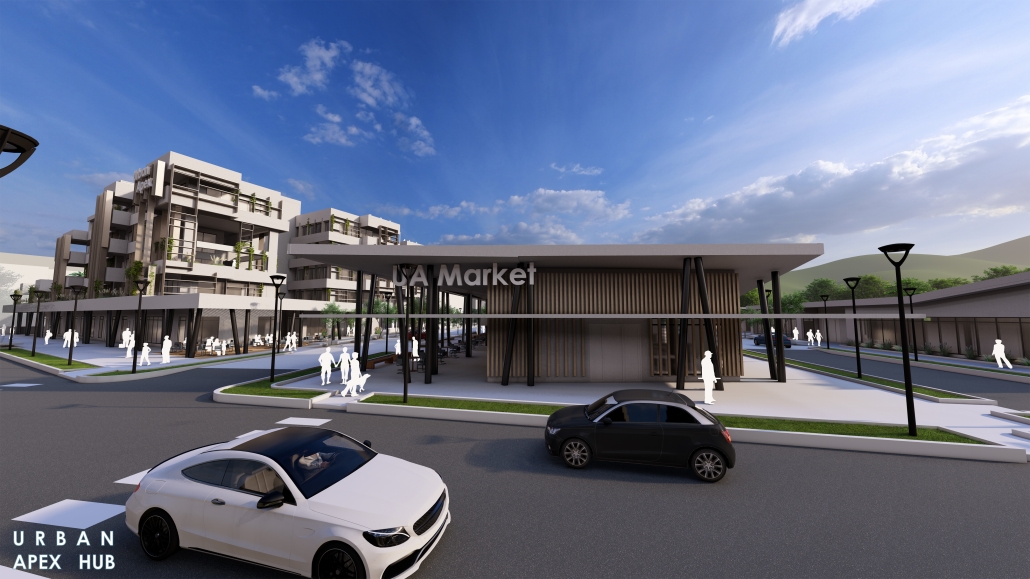
Urban Apex Hub – Sustainable Tourism: A Path to the Reconstruction of Urban Spaces by Louis Y. Sepúlveda-Homs, B.Arch ’25
Pontifical Catholica University of Puerto Rico | Advisors: Jesús O. García-Beauchamp, Pilarín Ferrer-Viscasillas & Pedro A. Rosario-Torres

Urban decay is a persistent condition in many contemporary cities, leading to the deterioration of physical infrastructure, the disappearance of cultural identity, and the disconnection between communities and their environments. This capstone investigates the potential of sustainable tourism as a catalyst for the reconstruction of such spaces, proposing an architectural and urban intervention that integrates ecological, cultural, and economic dimensions. Titled “Urban Apex Hub – Sustainable Tourism: A Path to the Reconstruction of Urban Spaces,” the project is located in the deteriorated historic center of Río Grande, Puerto Rico, a site marked by abandonment, weak pedestrian infrastructure, and lack of public activation.

This research explores the intersection between landscape urbanism, urban obsolescence, and ecotourism as strategic tools to regenerate neglected urban cores. Drawing from the theories of Charles Waldheim on landscape as a framework for urbanization, Kevin Lynch’s concept of urban obsolescence, and Richard Butler’s tourism area lifecycle model, the proposal envisions a hybrid public space that merges architecture and nature. The program includes an eco-conscious hotel, a cultural center for local expression and education, and a public market that supports local entrepreneurship and food sustainability.

The methodology combines site analysis, ecological mapping, and community engagement to develop a masterplan focused on walkability, stormwater management, cultural preservation, and green infrastructure. Key spatial strategies include the use of interior gardens, green roofs, permeable surfaces, and open-air courtyards that enhance microclimates and support social interaction. The project also addresses tourism from a critical lens, proposing a model that attracts ecotourists to under-visited urban areas while empowering local communities.

Urban Apex Hub reimagines tourism as more than a temporary activity; it becomes a long-term drive for environmental stewardship, cultural resilience, and economic regeneration. By rooting the architectural proposal in the specific ecological and social context of Río Grande, the project demonstrates how sustainable tourism can actively participate in reconfiguring urban identity and restoring meaning to forgotten spaces. Ultimately, this research advocates for an architecture that is not only responsive to climate and place, but also capable of reshaping the narrative of urban decline into one of collective renewal.

Click here to learn more.

Instagram: @arch.louis_yarell

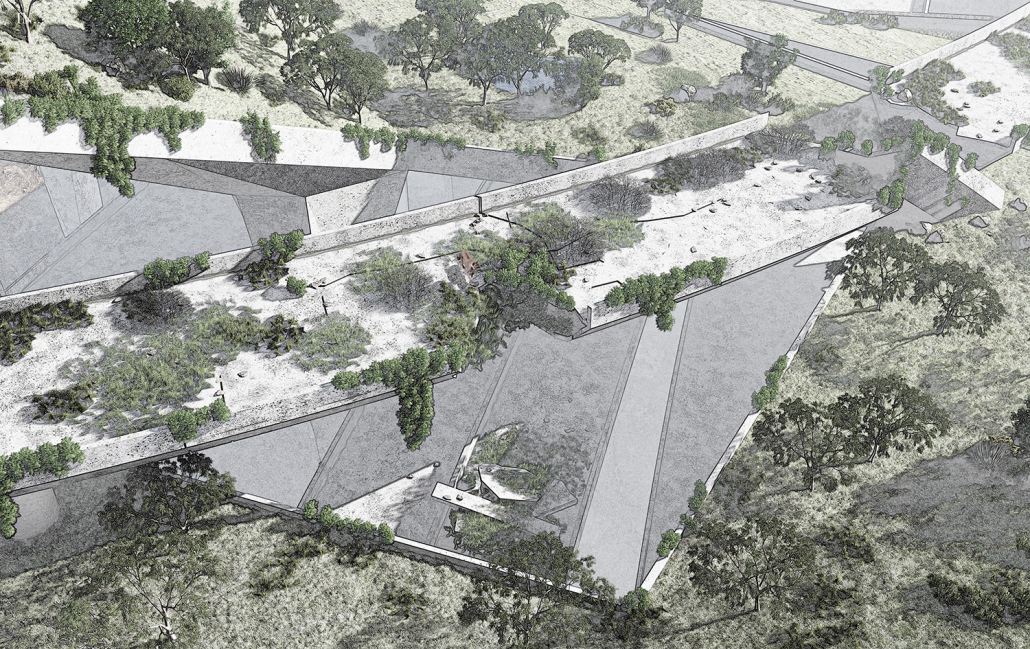
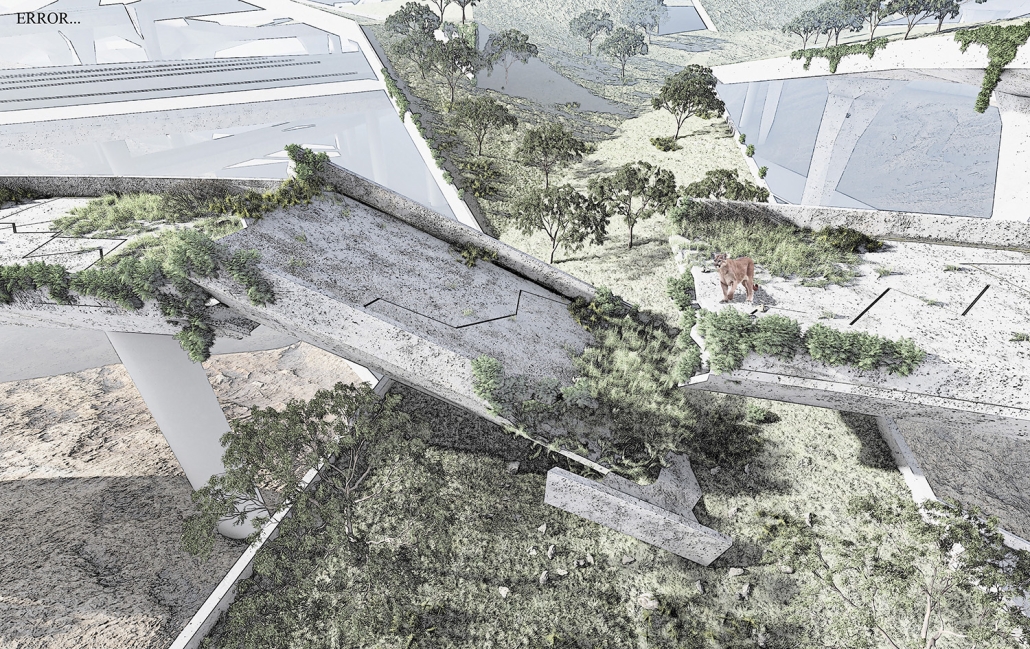
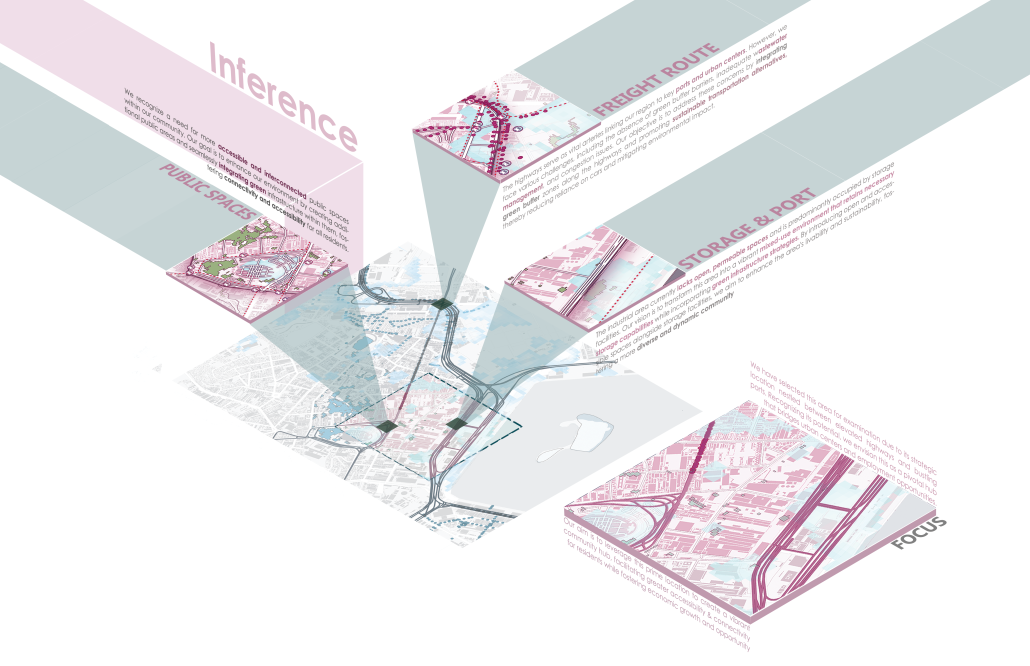
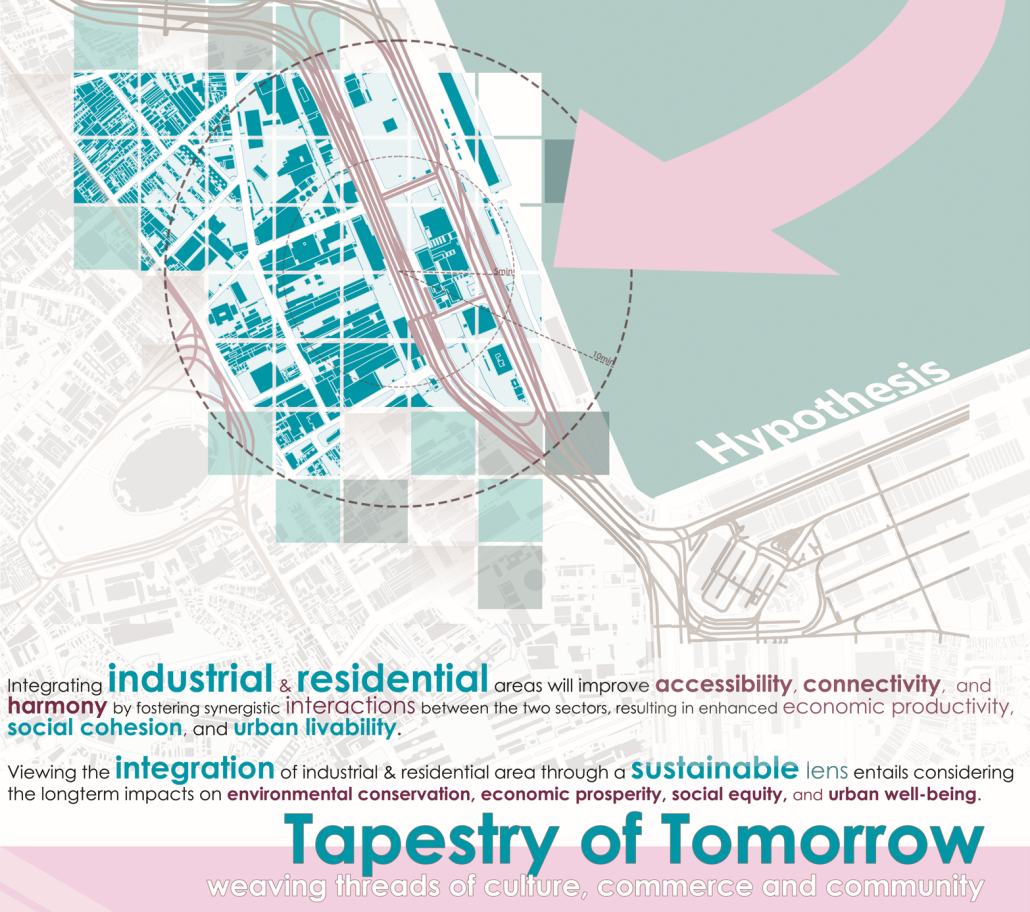
Ecologies of Extraction: Reclaiming Industrial Landscapes for Ecological and Social Renewal by Anna MacDonald, B.Arch ’25
Wentworth Institute of Technology | Advisor: Lauren McQuistion

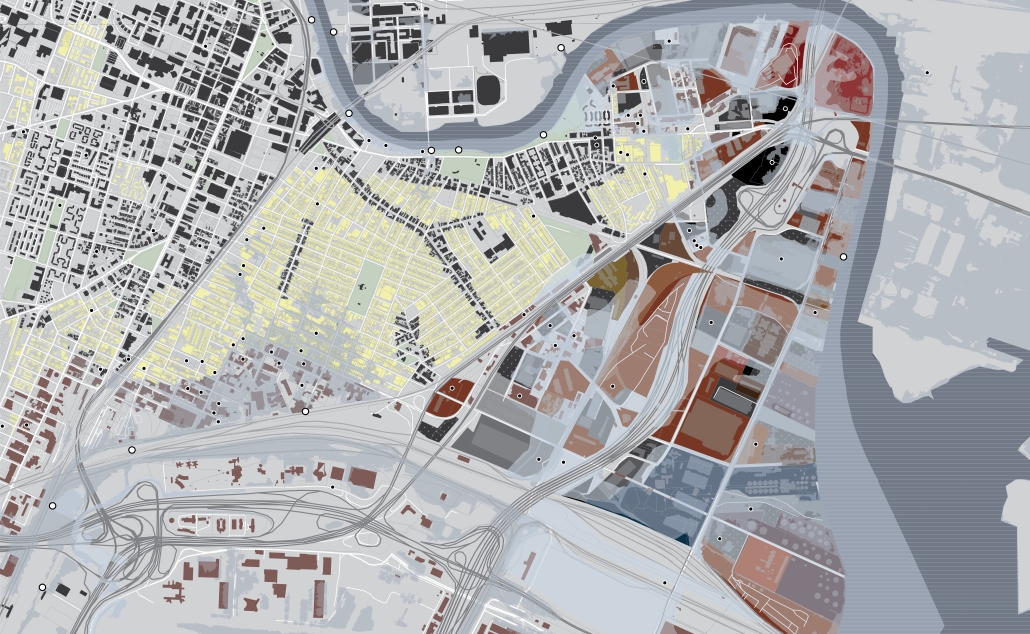
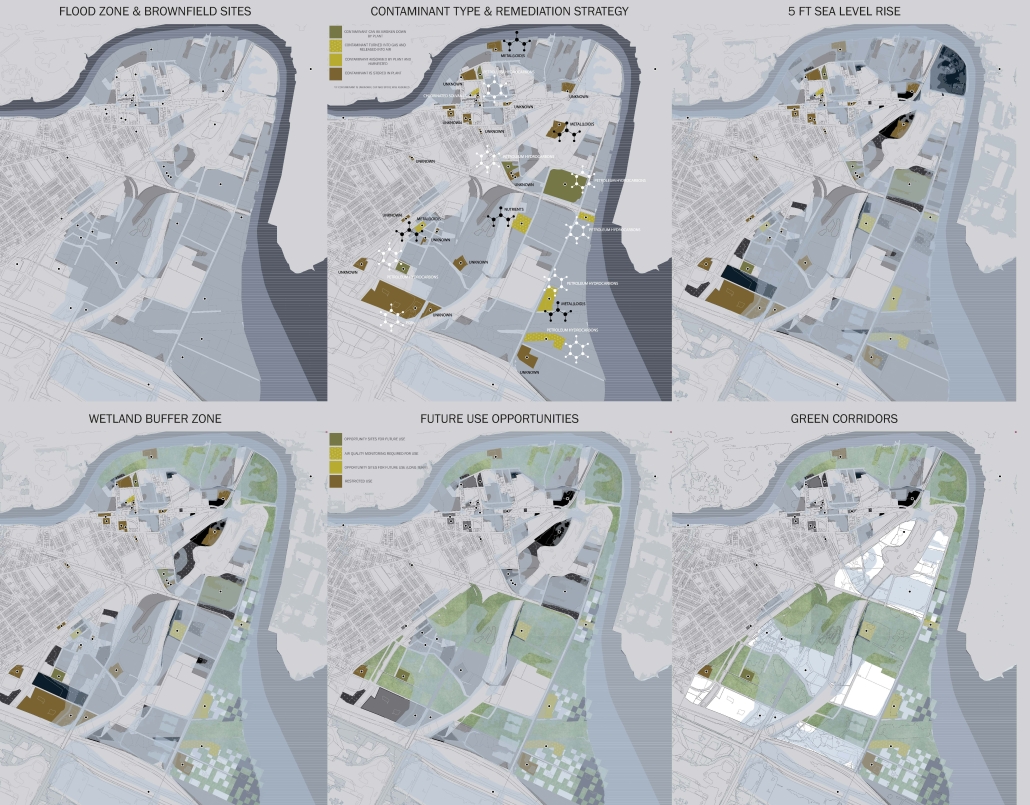
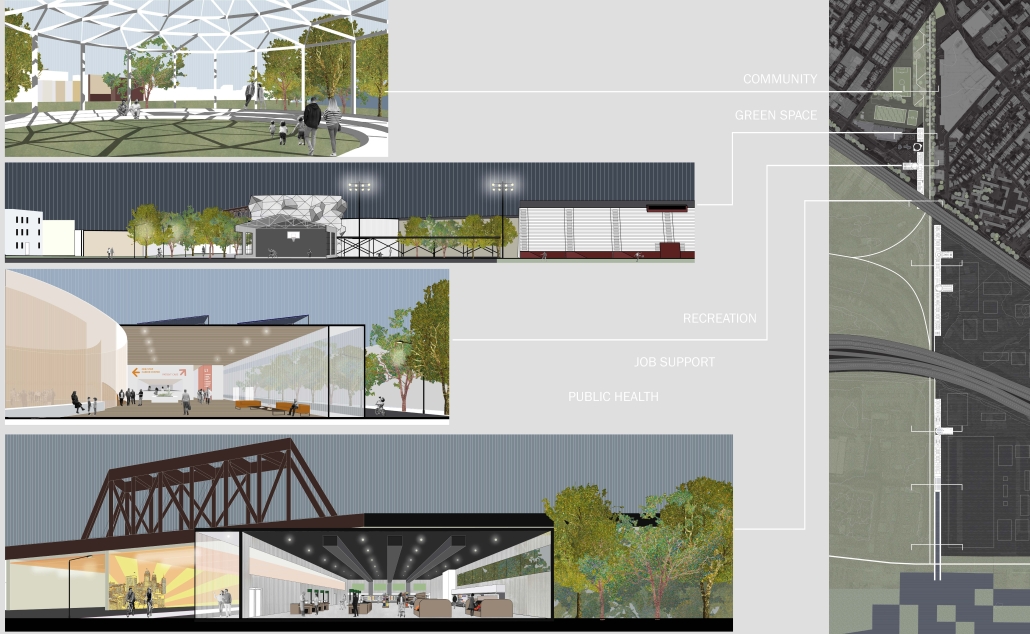
The remediation of declining industrial landscapes in cities can serve as a catalyst for reimagining the urban fabric through the establishment of resilient infrastructure and renewed community connections. Newark’s industrial zone exemplifies the tensions and possibilities of this transformation, revealing how design, policy, and environmental strategies can converge to reshape industrial spaces. Industrial landscapes have long been shaped by economic shifts, ecological negligence, and urban expansion. As industries shrink or relocate, their physical remnants—factories, warehouses, rail lines, and contaminated land—present both challenges and opportunities for urban and ecological transformation. 

The transition to sustainable, post-industrial cities requires strategies that integrate environmental remediation, adaptive reuse, and equitable redevelopment. Newark, NJ, serves as just one extreme example of the contaminated, underutilized industrial landscapes that permeate U.S. cities, and regulatory agencies must implement a framework for transforming modern industrial zones through sustainable infrastructure, ecological restoration, and social equity. Strategic interventions explored in this study establish a model for cities to move beyond extractive histories toward climate-conscious and socially inclusive futures, demonstrating how industrial spaces can evolve into regenerative landscapes.

This project won the ARCC King Award, Wentworth School of Architecture and Design: Design Excellence Award.

Instagram:@annarmacdonald, @mc.quistion

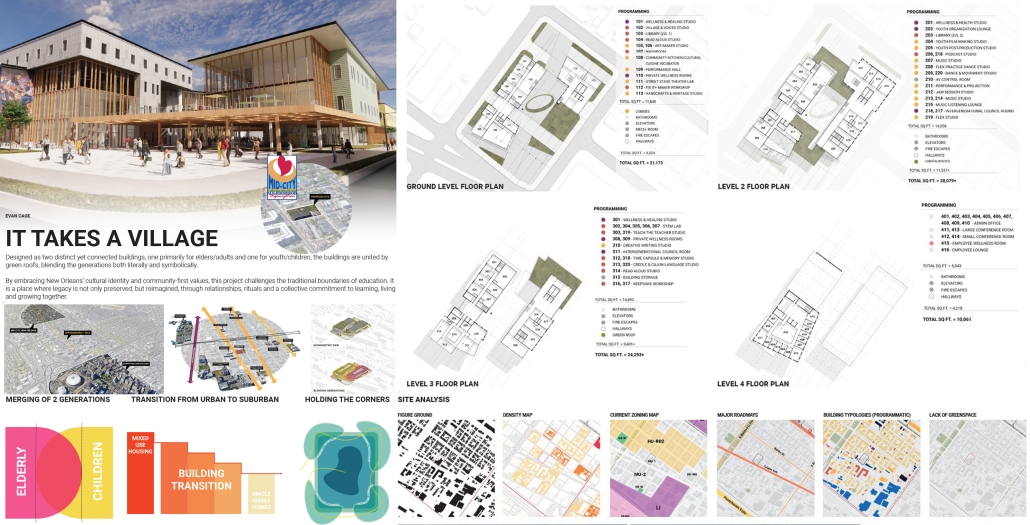
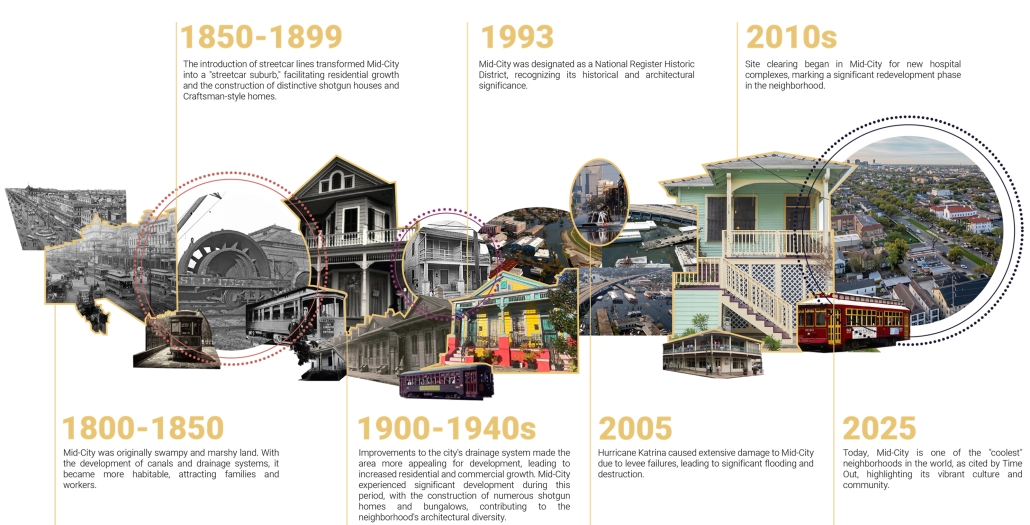
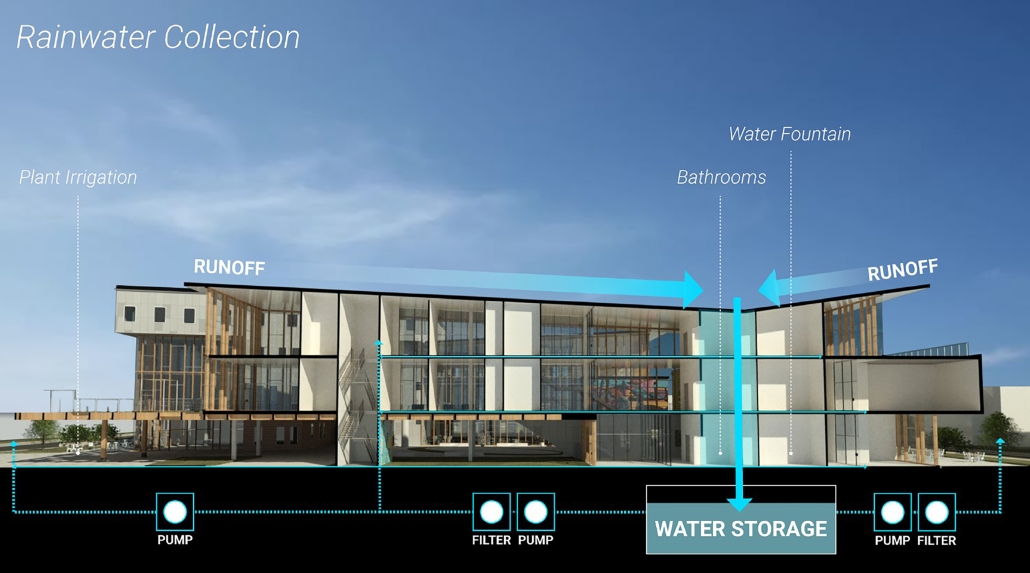
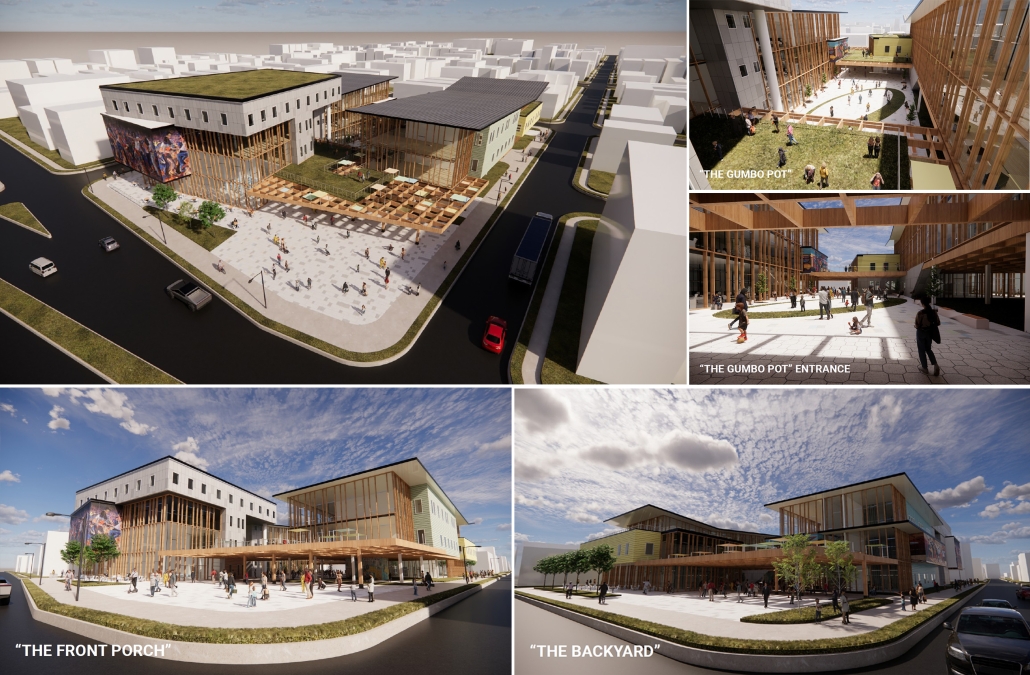
WHEN THE LEVEES BROKE by Madisyn Hunter, M.Arch ’25
Florida A&M University | Advisors: George Epolito, Andrew Chin & Ronald B. Lumpkin

WHEN THE LEVEES BROKE: THE IMPACT OF HURRICANE KATRINA ON THE CREATIVE PROCESS OF MUSICIANS AND THE EVALUATION OF ARCHITECTURAL LANDSCAPES

This thesis examines the intersection of architectural innovation and cultural resilience in the wake of Hurricane Katrina, focusing specifically on its impact on the creative processes of young musicians in New Orleans. The project investigates how architectural design can serve as both a physical and emotional safeguard against future natural disasters, while simultaneously nurturing cultural expression and healing.

Following Katrina’s devastation, rebuilding efforts largely favored traditional architecture over progressive design solutions—often reinforcing systemic inequities and overlooking the creative lifeblood of the city’s youth. Yet, in the face of limited resources and widespread destruction, many musicians returned to their craft, channeling trauma into vibrant, transformative art. This thesis argues that their resilience and creativity were not merely responses to adversity but vital threads in New Orleans’ cultural recovery.

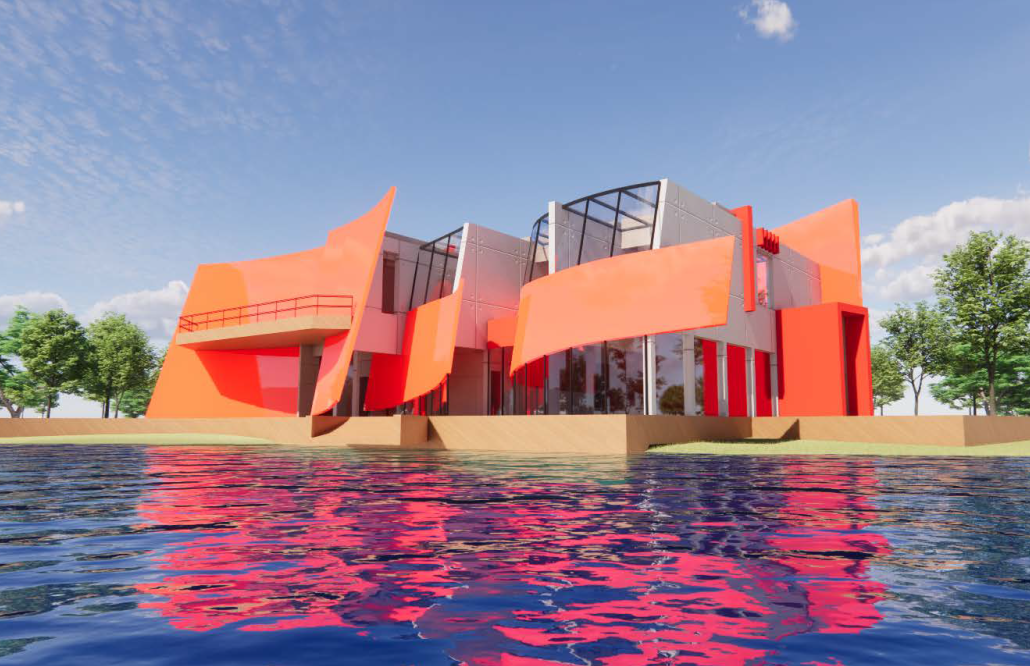
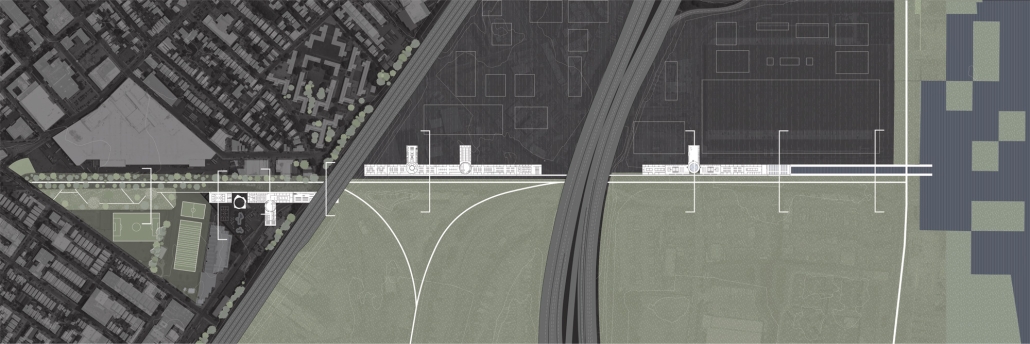
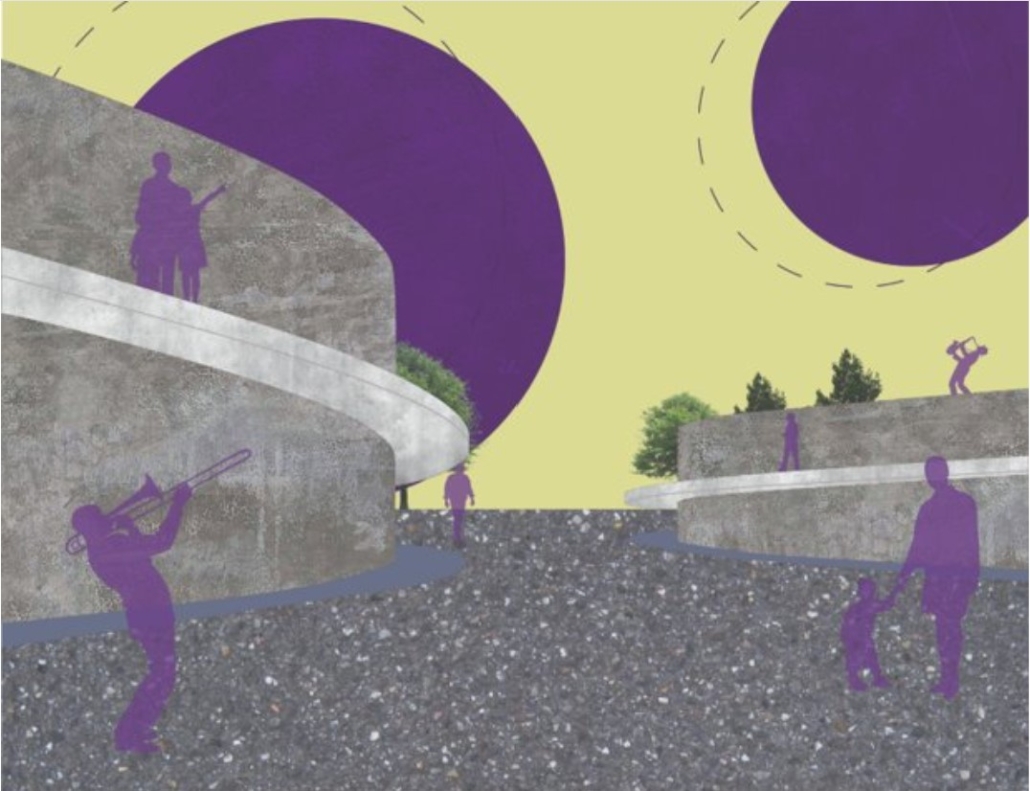
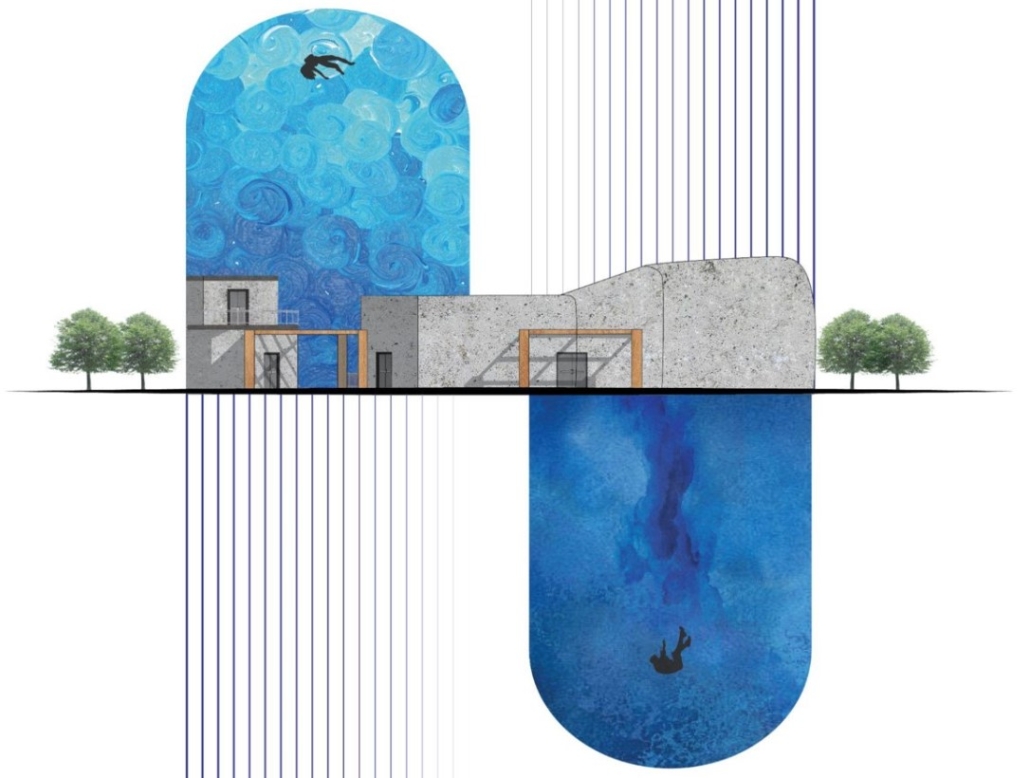
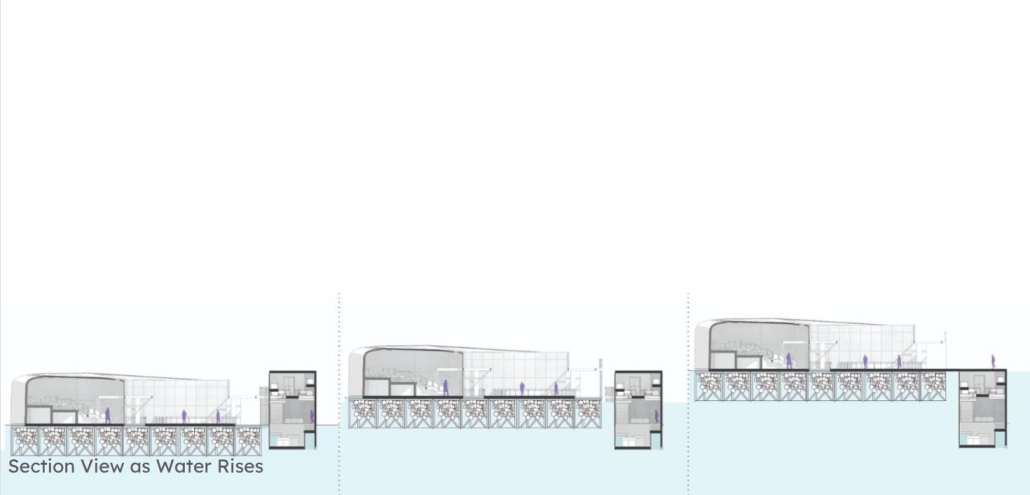
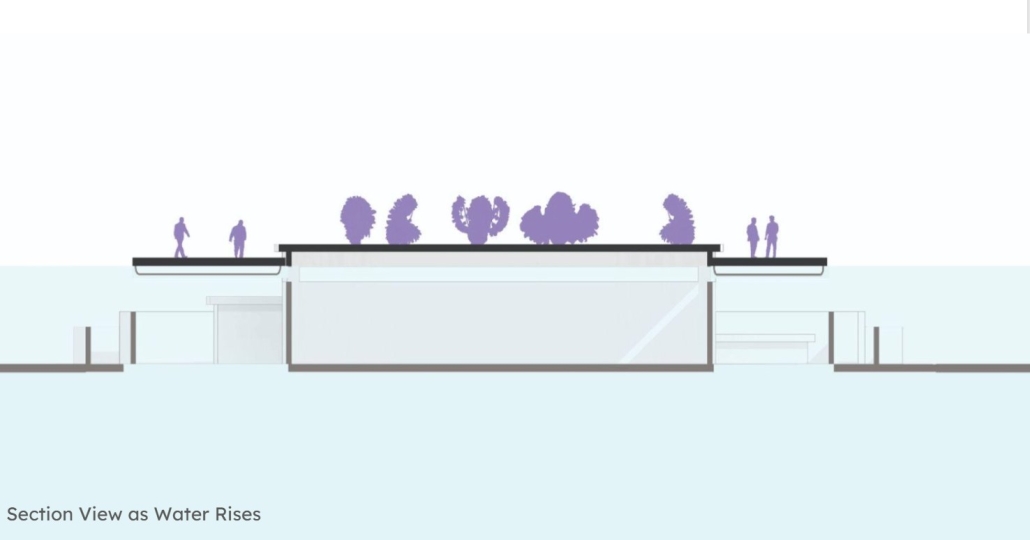
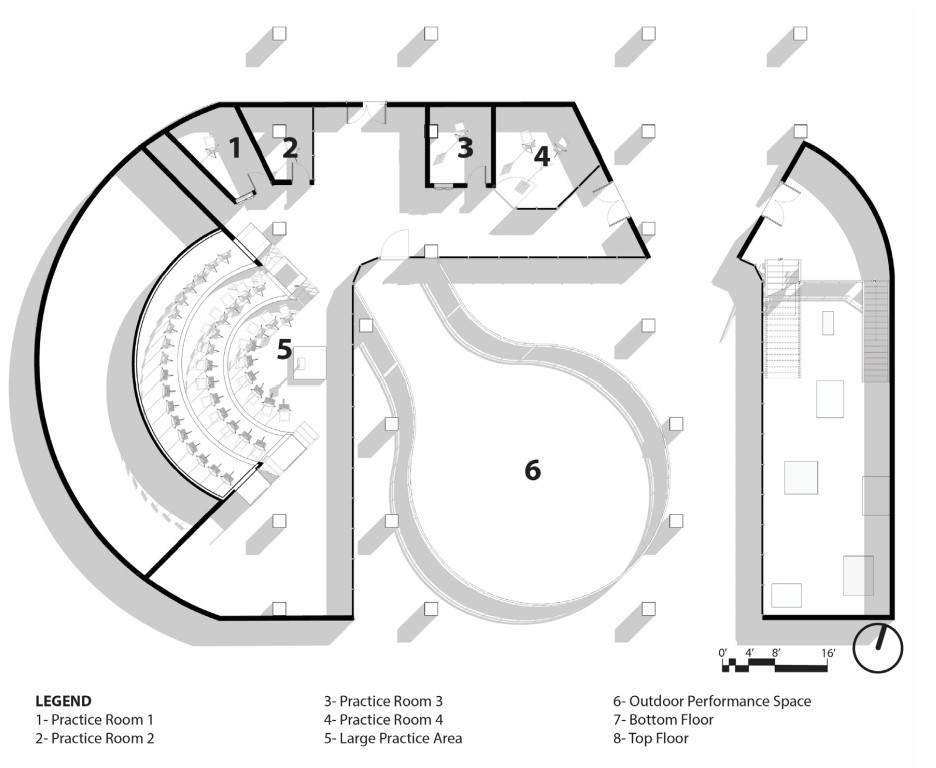
The research combines case studies, archival data, and design analysis to explore how architecture can support post-disaster recovery by integrating cultural spaces within resilient infrastructure. The proposed design envisions floating structures that act as creative havens—spaces for performance, collaboration, and remembrance. These architectural interventions respond not only to storm surge patterns and environmental threats but also to the need for safe, inclusive places that honor the city’s musical heritage and provide psychological support.

Ultimately, “When the Levees Broke” presents a vision for architecture that does more than mitigate disaster—it becomes a catalyst for cultural preservation, artistic growth, and long-term community healing. The thesis underscores that in a city where music is a lifeline, architecture must rise to meet both environmental and emotional needs with equal care.

Instagram: @famusaet, @famu_masterofarch

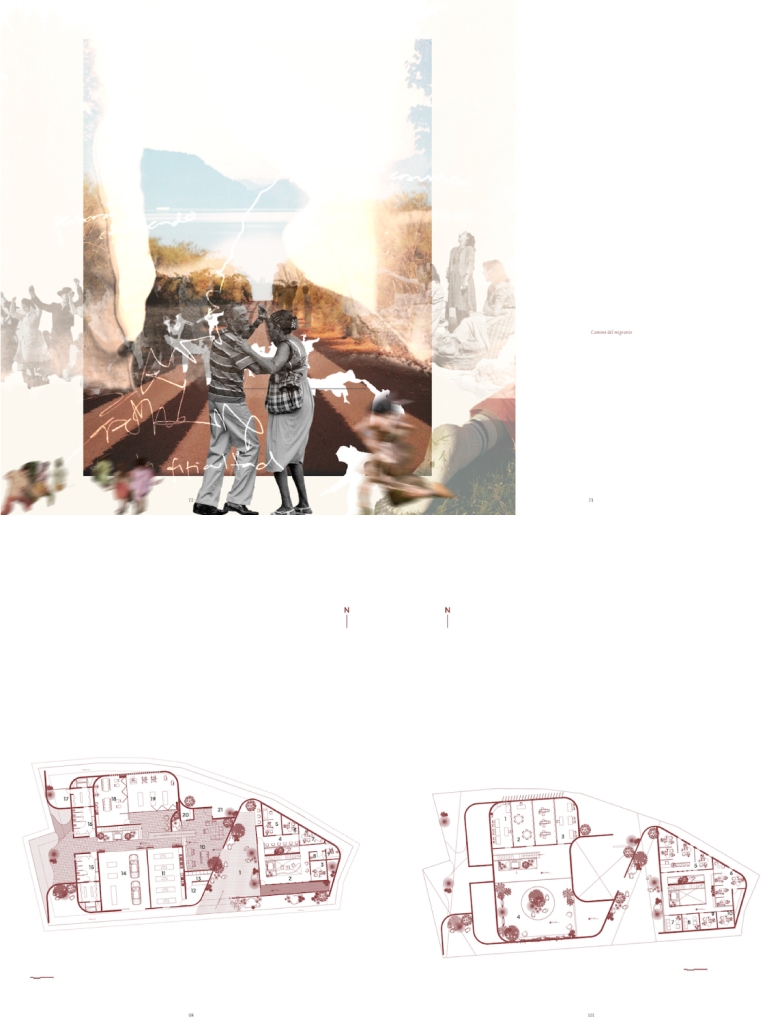
Lazo by Rafael Martínez Marín, B.Arch ’25
Tecnológico de Monterrey | Advisor: Claudia Berenice Muciño García

The abandonment of Puebla’s Historic Center stems from urban, economic, and social transformations that, since the city’s founding, have triggered segregation and displacement, altering its residential character. In the 20th century, urban sprawl and the creation of new housing zones pushed residents out of the center. This trend was deepened by economic crises, weak public policy, and a lack of housing incentives, leaving many buildings in disrepair and community life fractured.

In recent decades, the city’s designation as a World Heritage Site and the growth of tourism have transformed the center into a commercial hub, further reinforcing residential abandonment and neglecting the development of its original neighborhoods.

This study focuses on the Analco neighborhood, a place deeply affected by these dynamics. It now faces advanced deterioration and insecurity. Through documentary research, interviews, comparative analysis, and analogous case studies, the project identifies patterns, challenges, and opportunities that have shaped Analco’s transformation.

As a response, the architectural project “Lazo” proposes a strategy to reconnect the neighborhood with its people. Situated on two plots separated by a street, the design links them through a habitable bridge that becomes both a symbolic and functional connector. This elevated structure hosts cultural, educational, and social programs that strengthen community bonds.

More than a finished object, the project is conceived as an open and adaptable system, shaped through community involvement. Public space is the core of the proposal, with plazas, open workshops, and shared courtyards designed to encourage interaction and daily use. The program includes classrooms, artisan workshops, a communal kitchen, and exhibition areas—spaces that promote learning, creativity, and the transmission of local knowledge.

The bridge redefines the street not as a boundary but as a space of encounter, promoting pedestrian movement and intergenerational exchange. “Lazo” becomes not just a building, but an infrastructure of care, identity, and continuity—an active agent in the regeneration of one of Puebla’s most historic yet neglected neighborhoods.

The capstone was recognized as Best Generation Project by Tecnológico de Monterrey.

Instagram: @rafamtz._, @arq.pue.tec

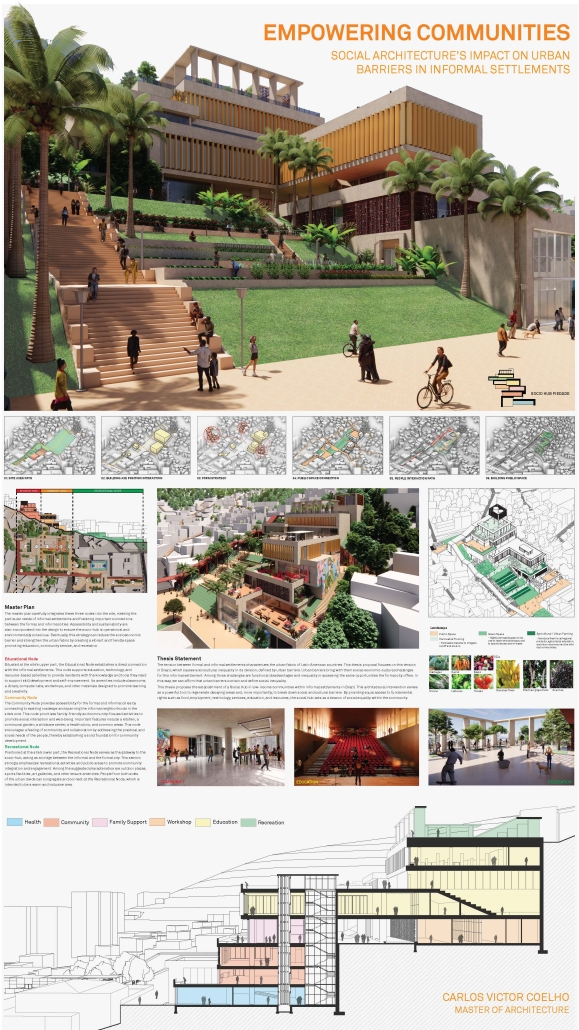
Empowering Communities by Carlos Victor Coelho, M.Arch ’25
Boston Architectural College | Advisors: Ralph Jackson & Ian F. Taberner

SOCIAL ARCHITECTURE’S IMPACT ON URBAN BARRIERS IN INFORMAL SETTLEMENTS

This thesis proposal focuses on the tension between formal and informal settlements in Latin American countries, particularly in Brazil, where urban barriers contribute to sociocultural inequality. These barriers, including spatial, economic, and political exclusions, create challenges for informal settlements, such as infrastructure disadvantages and limited access to opportunities. By asking the following questions, this proposal suggests establishing a social hub in a low-income community within informal settlements, emphasizing the importance of considering its unique conditions and challenges in planning urban interventions. 

The Social Hub aims to break down social and cultural barriers through social architectural intervention. This intervention will act as a powerful tool to provide equal access to essential resources and services, such as food and water. The initiative also aims to promote social equality and inclusion. This proposal suggests establishing the social hub in an informal settlement in Vitoria, ES, Brazil. To achieve its goal, the proposed site, approximately 1.8 acres, is situated in a sloped informal neighborhood within the heart of the city and the Historical center, rich in cultural and historical relevance.

Methods of Inquiry:

– How can social architecture in informal settlements increase the quality of life and social equality?

– What challenges and barriers do urban barriers within low-income communities bring to them?

– How can deconstructing urban barriers through architecture help guarantee needy community residents’ right to the city and ensure integration and equality?

Term of Criticism:

– Does the proposal project help overcome challenges such as the urban barrier within the community?

– Does the proposal present a structure that fulfills the community’s significant needs, such as food access, education, and public space?

– Does the project offer a structure that encourages the community’s involvement and inspires pride and opportunities

This project received Commends for Thesis.

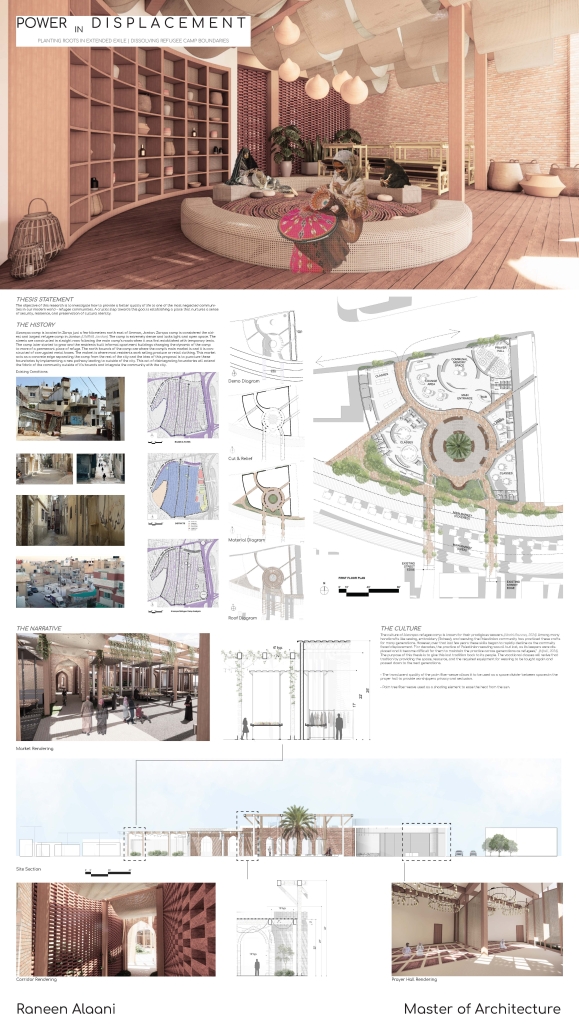
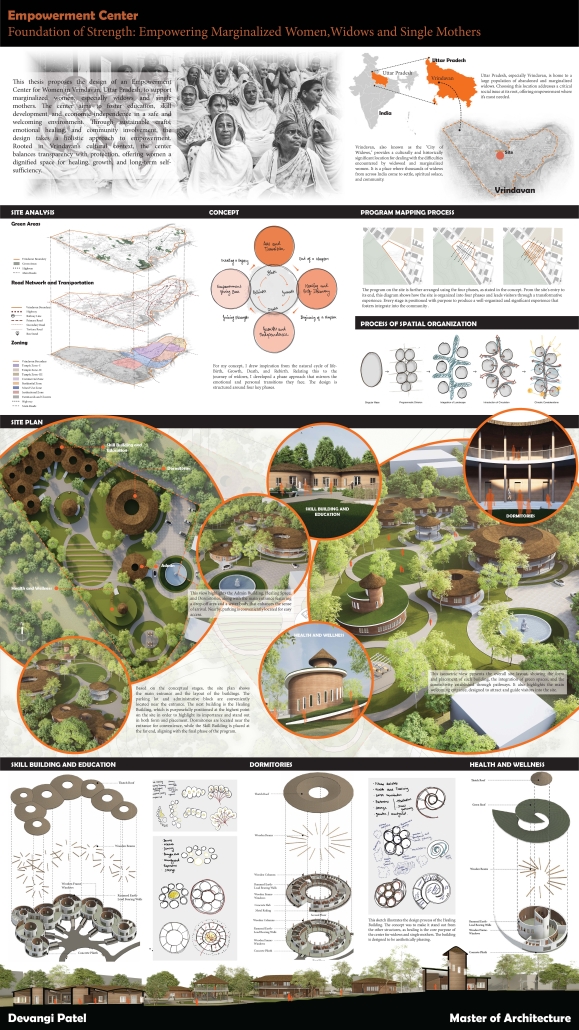
Power In Displacement by Raneen Alaani, M.Arch ’25
Boston Architectural College | Advisors: Lorraine Kung & Ian F. Taberner

Planting roots in extended exile – Disintegrating refugee camp boundaries.

This research investigates establishing a sense of security, resilience, and preservation of cultural identity for Palestinian refugee communities in the Middle East. These communities have been struggling with instability and feeling that they have been uprooted from their homes for many decades. The political status of most of these refugees complicates the issue even further. Palestinian refugees in many Middle Eastern countries fall under the status of “stateless”. This dilemma is not only affecting their social and economic lives, but it is detrimental to their psychological and emotional wellbeing as they continue to feel imprisoned within the intangible boundaries of their refugee camps.

  • Creation of a safe haven to exhibit communal memory that reminisces the homeland
  • A place of attachment that empowers the culture, religion and heritage
  • The use of natural light to invoke healing – peace – tranquility

Methods of Inquiry:

  • Sense of security and stability is restored
  • Refugee community’s youth have aspirations for their future
  • Self-esteem and self worth is restored

Terms of Criticism:

Alzarqaa refugee camp is only a few kilometers outside of Amman, Jordan. It is one of the oldest refugee camps in the region (UNRWA Jordan). Alzarqaa camp struggles with density and lack of job opportunities in addition to water scarcity, lack of resources, and lack of natural light. This thesis proposes a resilience center of approximately 9000 SF just outside the bounds of the camp that acts as a continuation of the community extending just beyond the boundaries of the camp.”

This project received Commends for Thesis.

Stay tuned for Part XII!

2025 Study Architecture Student Showcase - Part IX

Today’s installment of the 2025 Study Architecture Student Showcases includes exceptional capstone and thesis projects centered on public spaces. Part IX features a variety of public spaces, including marketplaces, museums, mixed-use buildings, music venues, recreation centers, and more. Each design creates an opportunity for connection and growth by promoting inclusivity, accessibility, and sustainable practices. Read more about these outstanding projects below!

Sprouting Market by Ryn Blackburn, B.S. in Architecture ’25
University of Illinois at Urbana-Champaign | Advisor: Wei Zhao

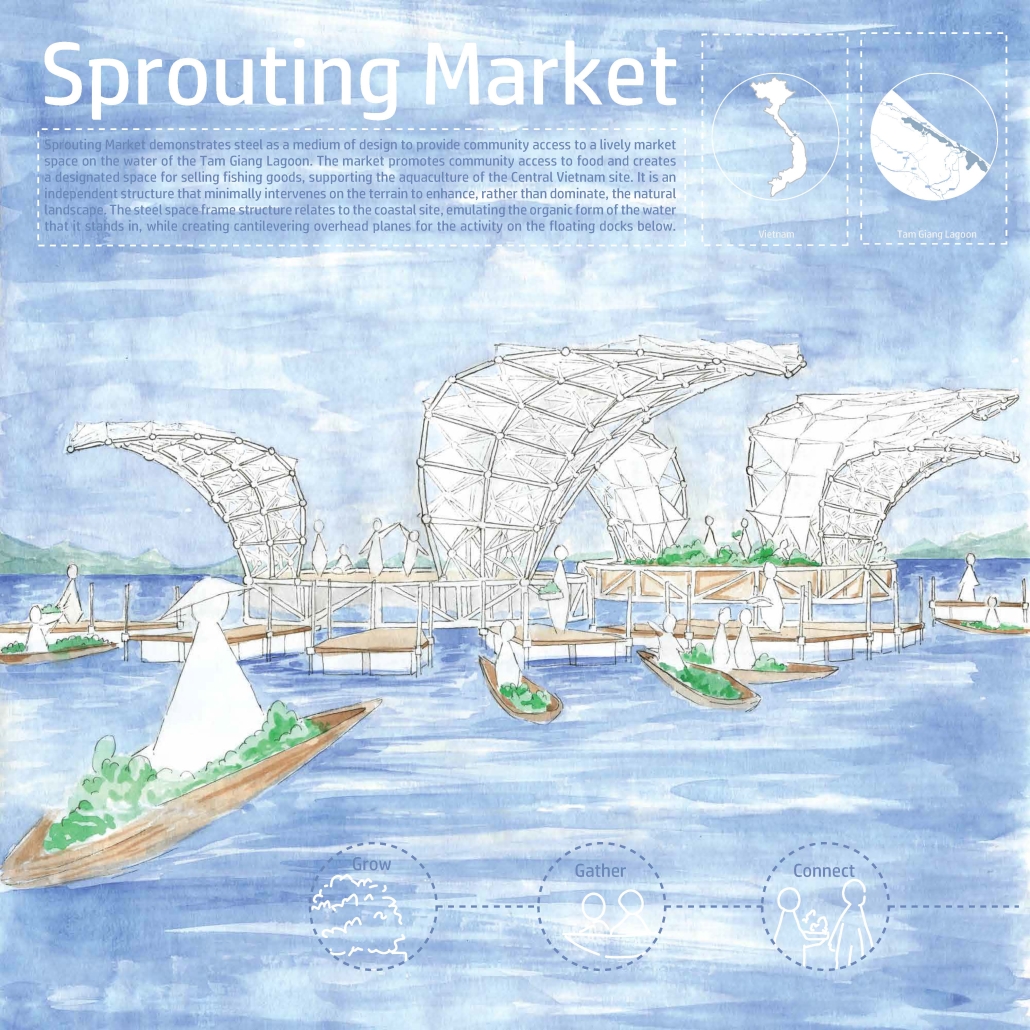
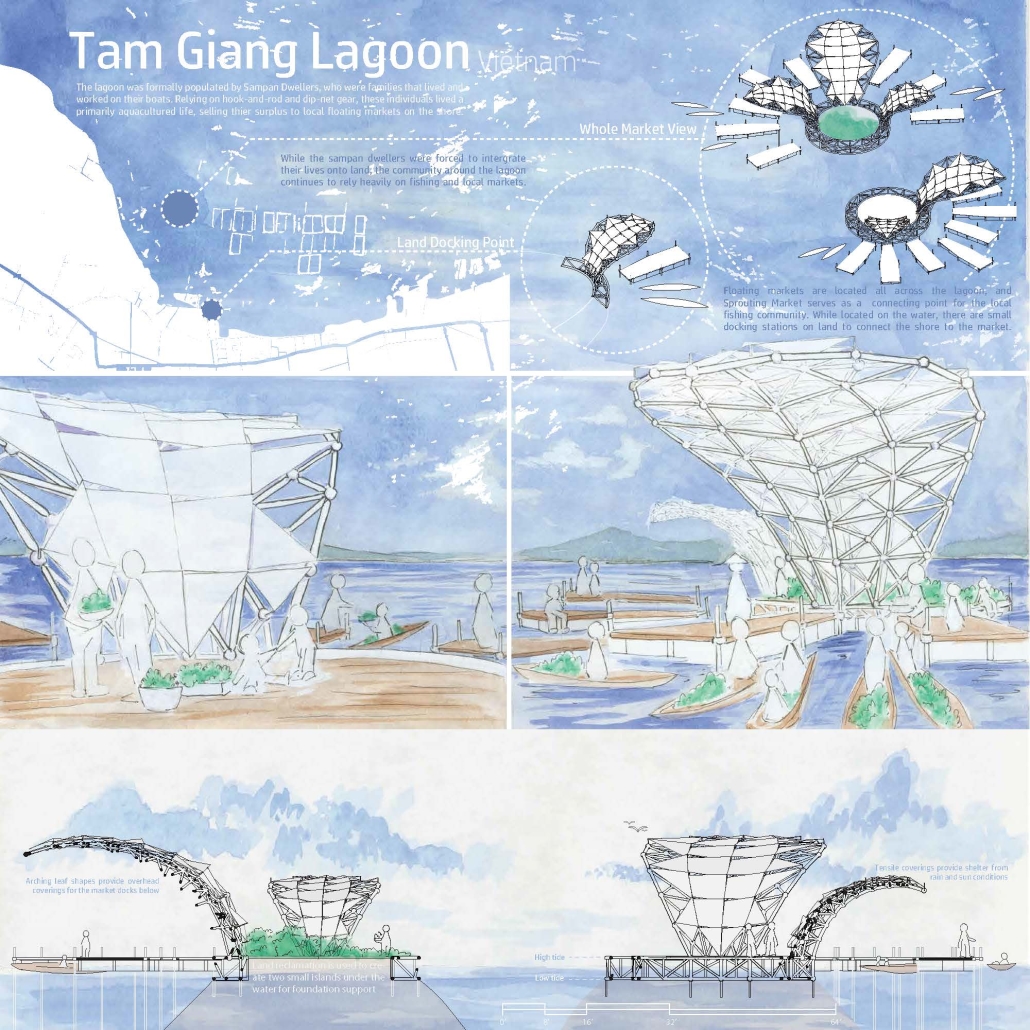
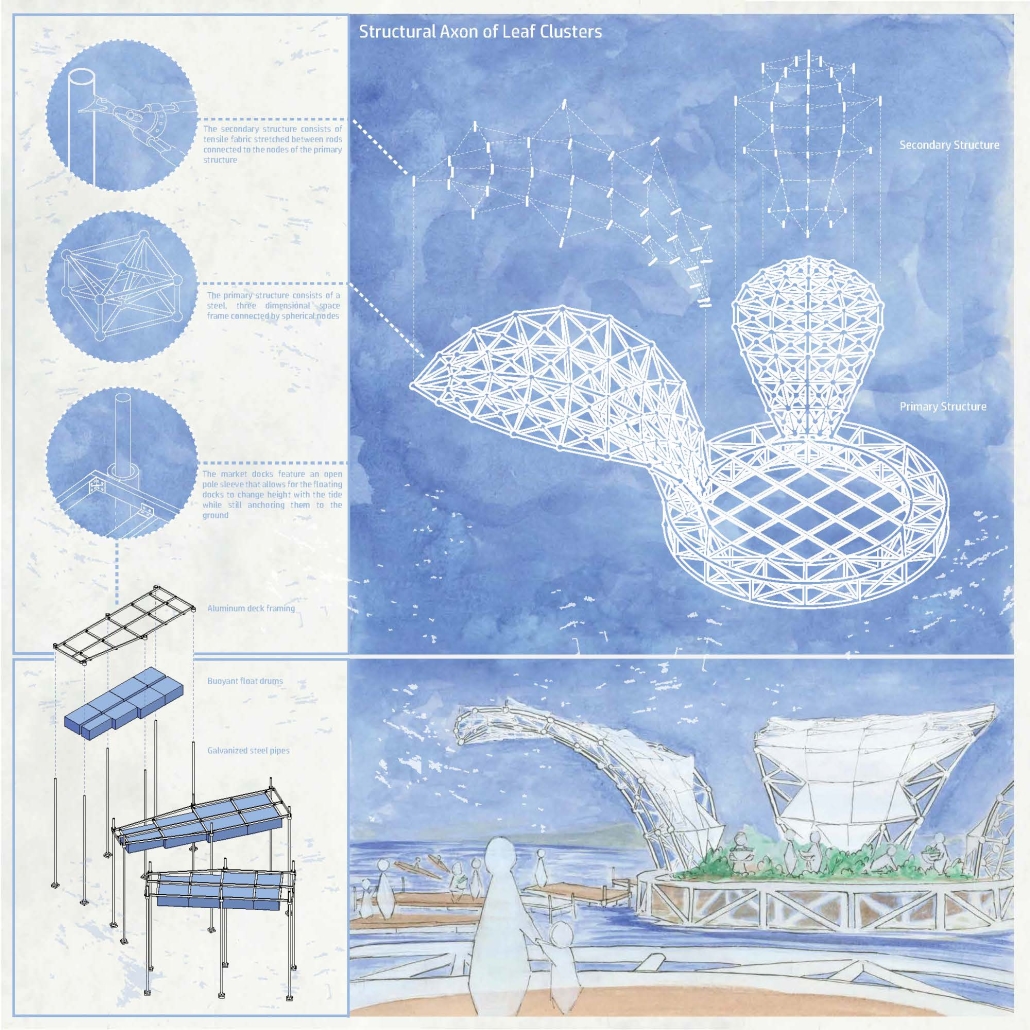
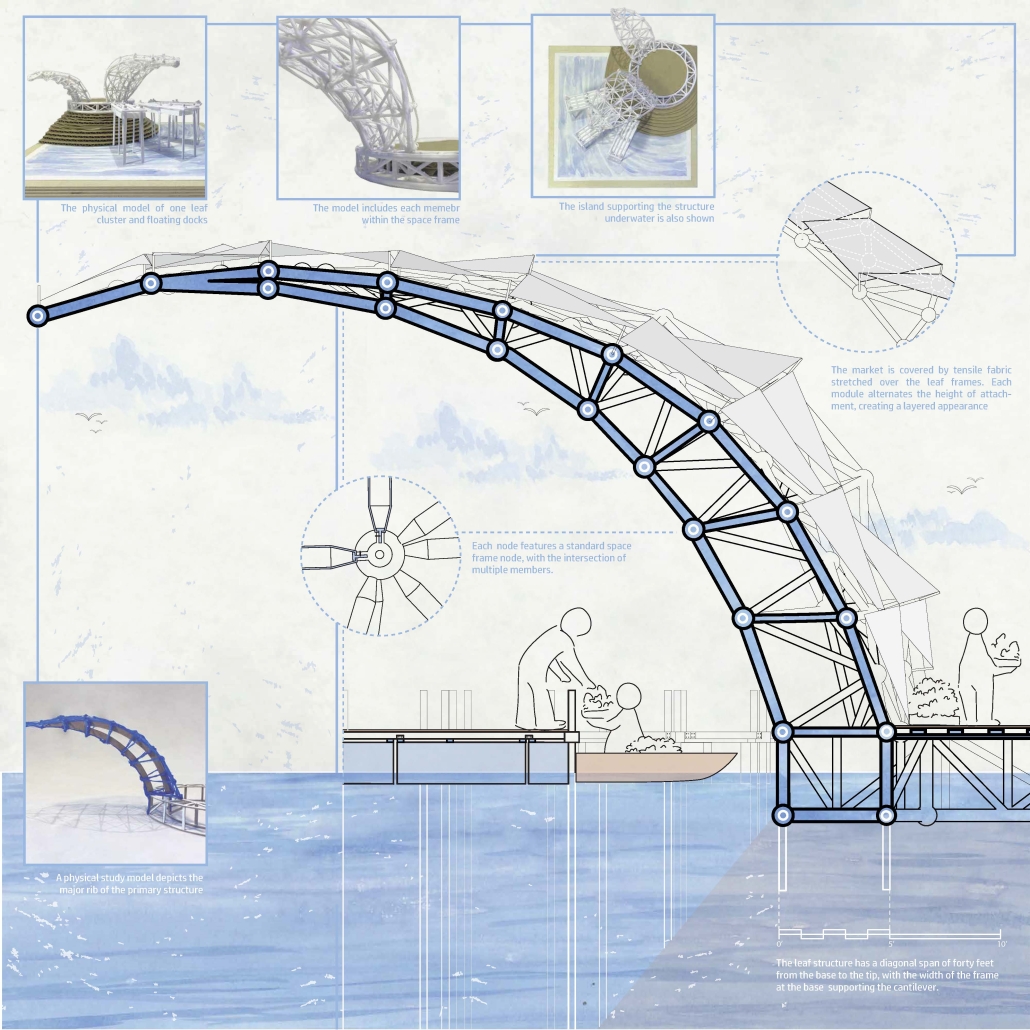
“Sprouting Market” offers the local community access to a vibrant market space set on the waters of the Tam Giang Lagoon, where many residents live on boats. Utilizing a steel space-frame structure with tensile fabric for shading, the design minimizes contact with the terrain to preserve the region’s delicate aquaculture. Fully open to its surroundings, the market allows boats and people to pass through freely or gather beneath an organically shaped roof where commercial activities and social exchanges unfold. Inspired by the traditional floating markets of the lagoon’s coast, the design reinterprets this tradition while introducing programmed and programmable spaces for both locals and visitors. 

At the heart of one leaf-like cluster is a community garden that supports food security; the opposing cluster accommodates flexible spaces for social gatherings and cultural performances. A smaller canopy structure marks the dock along the shoreline, creating both a visual and functional link between the new market and the existing onshore one. The structure is thoughtfully designed to accommodate the lagoon’s fluctuating water levels throughout the day. While portions of the central circular platform may be partially submerged, the docks are built to float, adapting seamlessly to the changing tides. More than just a marketplace, Sprouting Market is a place of connection, community, and collective growth.

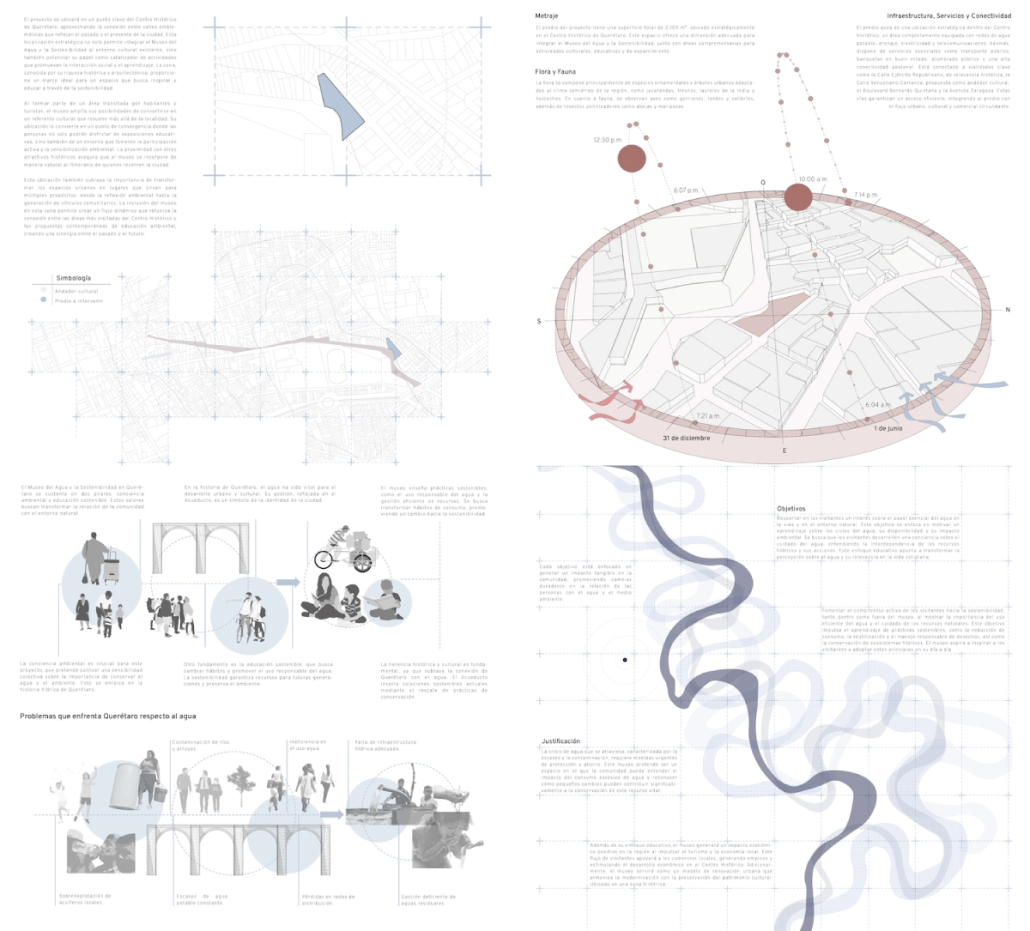
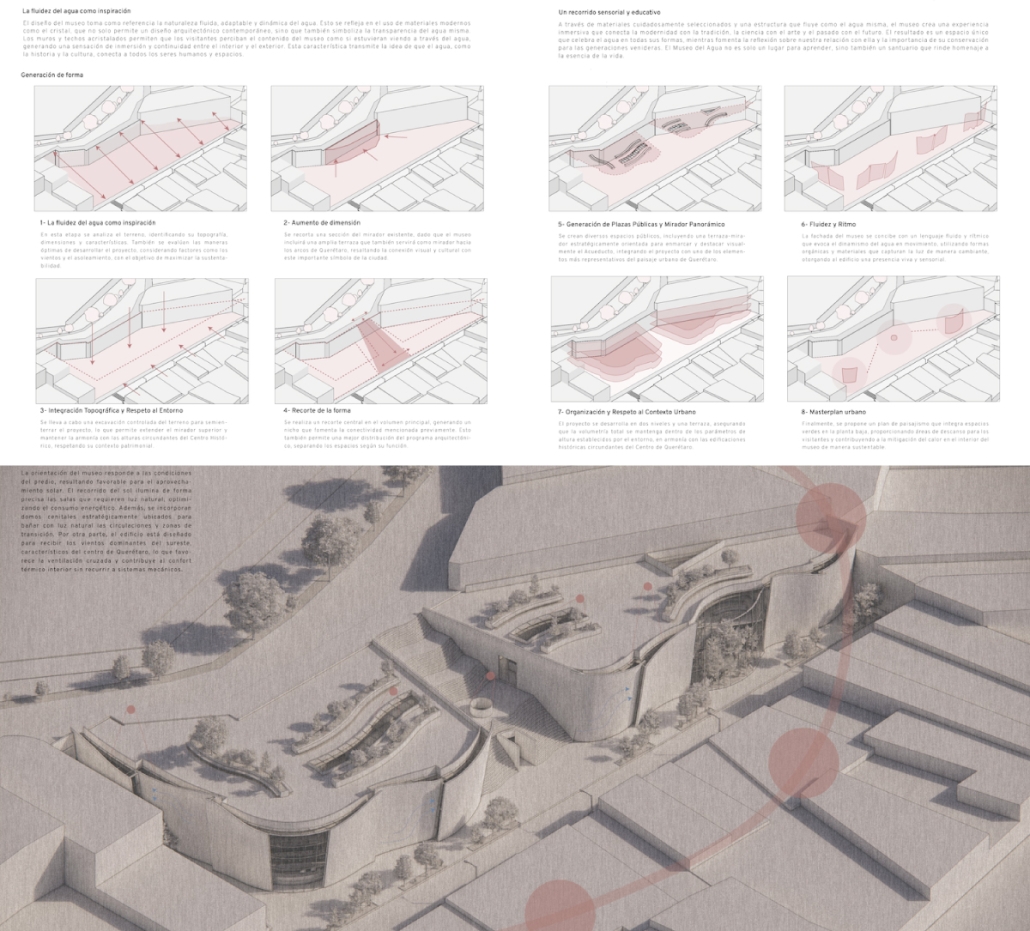
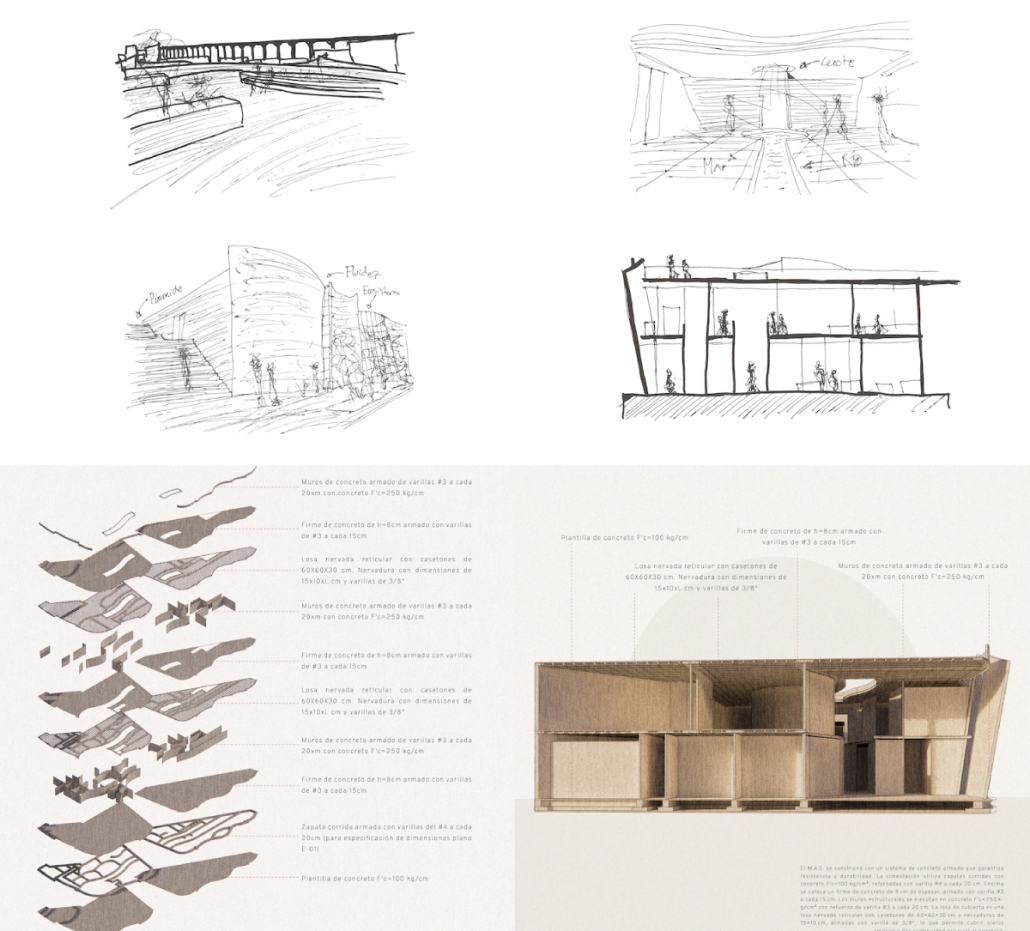
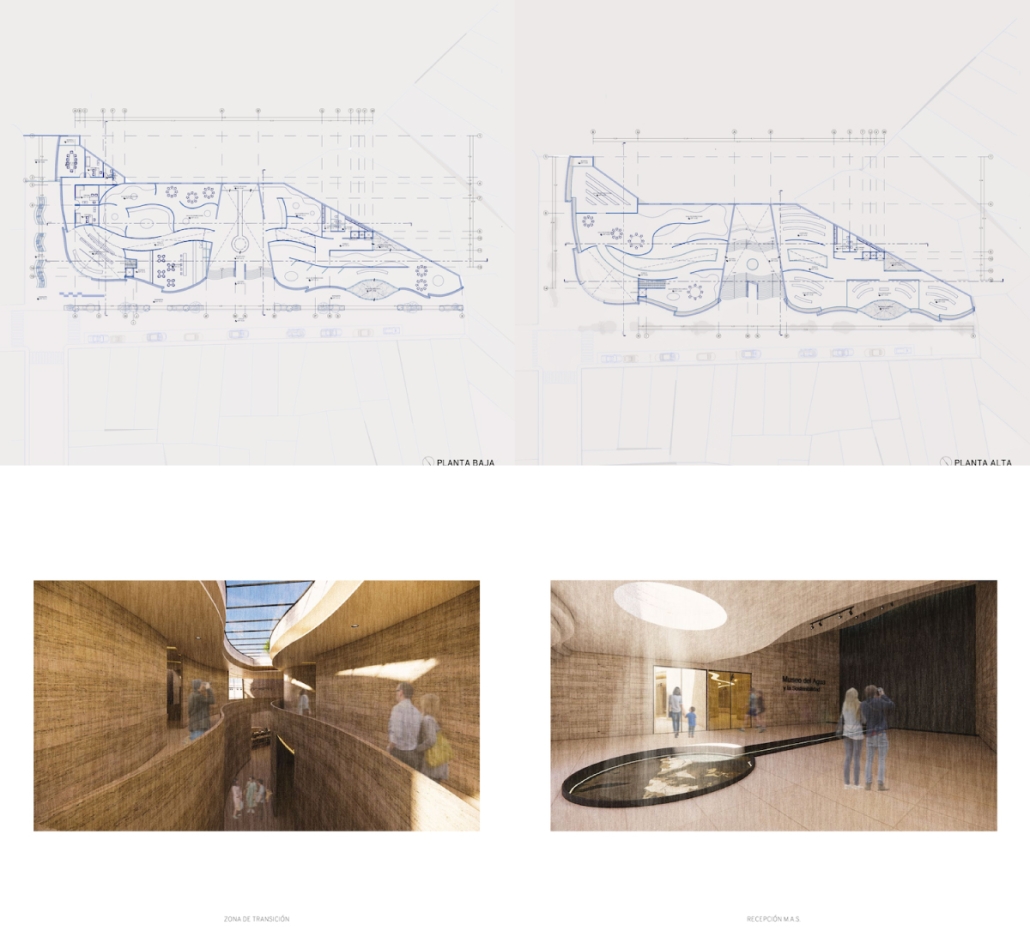
The Museum of Water and Sustainability in Querétaro by Fabricio Guerra Hernández, B.Arch ‘25
Universidad Anáhuac Querétaro | Advisors: Guillermo Márquez, Patricia Cutiño & Jorge Javier

The museum is an educational and cultural initiative aimed at raising awareness about the importance of water and sustainable practices in a region increasingly impacted by water scarcity. Located in the Historic Center of Querétaro, the museum serves as a dynamic space where community members can engage with environmental issues through interactive exhibits, educational programs, and sustainable architectural design.

The mission of the museum is to promote knowledge, reflection, and active participation in water conservation and sustainable living. It integrates the historical narrative of water management in Querétaro with current global and local strategies for sustainability, creating a powerful bridge between past practices and future solutions. Through immersive experiences, the museum seeks to foster a culture of environmental responsibility, particularly among younger generations.

The design of the museum emphasizes green building principles, using renewable energy systems, rainwater harvesting, and eco-efficient materials, positioning it as a model of sustainable urban regeneration. It also functions as a research and innovation center for water-related issues, collaborating with local institutions, scientists, and environmentalists.

By addressing the complex challenges of water management and climate change, the Museum of Water and Sustainability aims to become a reference point for other regions facing similar issues. It offers not only an informative journey but also a call to action—highlighting the urgent need for collective awareness and efforts toward environmental stewardship. Ultimately, the museum stands as a beacon of hope, education, and community empowerment, contributing to the long-term resilience and sustainability of Querétaro and beyond.

Instagram: @fabriciog17, @arquitectura_anahuac, @arqwave

Folding Seoul: Reframing the Capital’s Central Station by Jungbin Sheen, B.Arch ’25
Myongji University | Advisor: Junsuk Lee

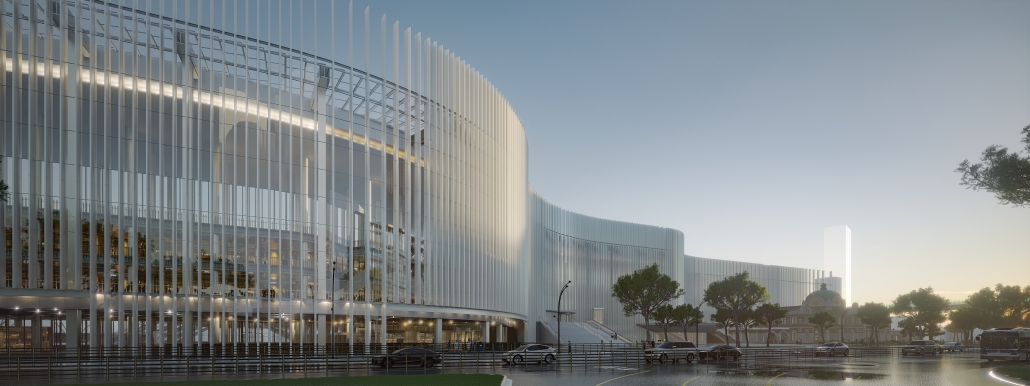
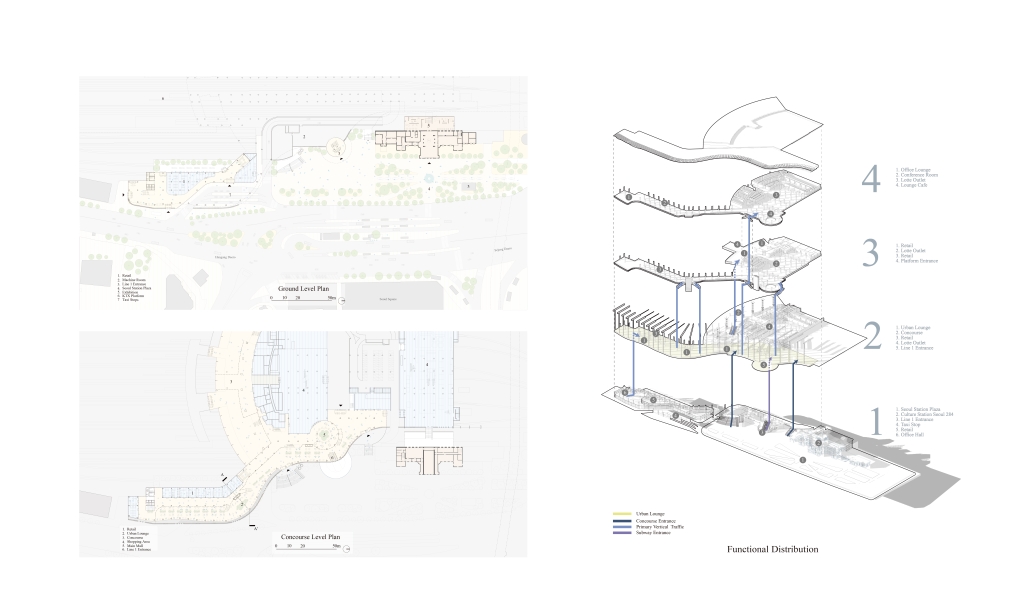
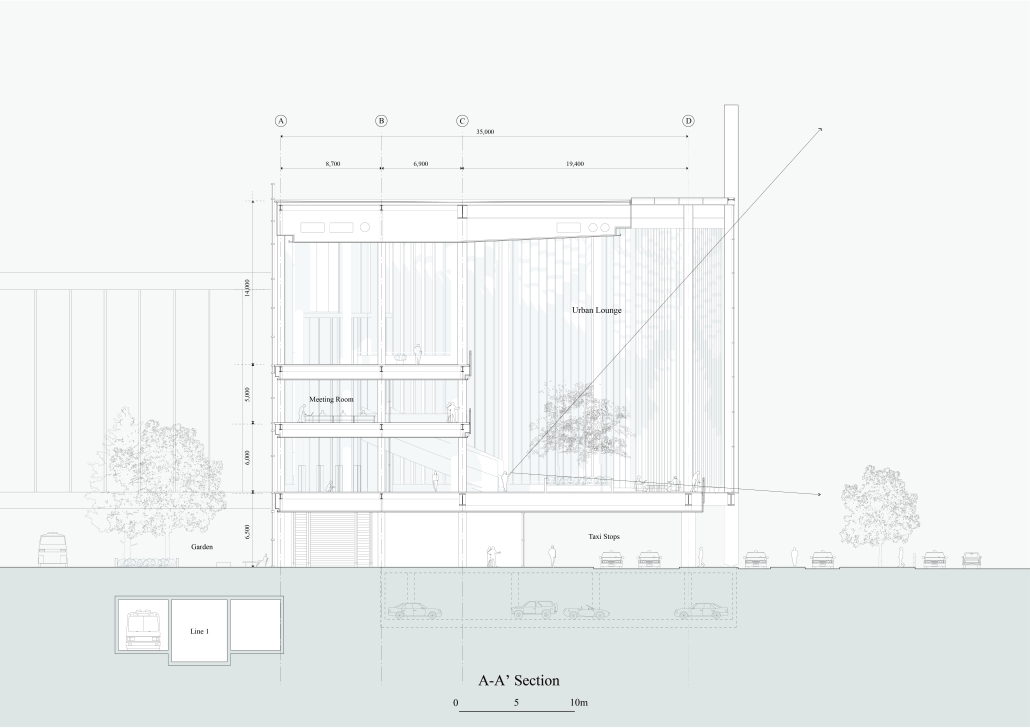
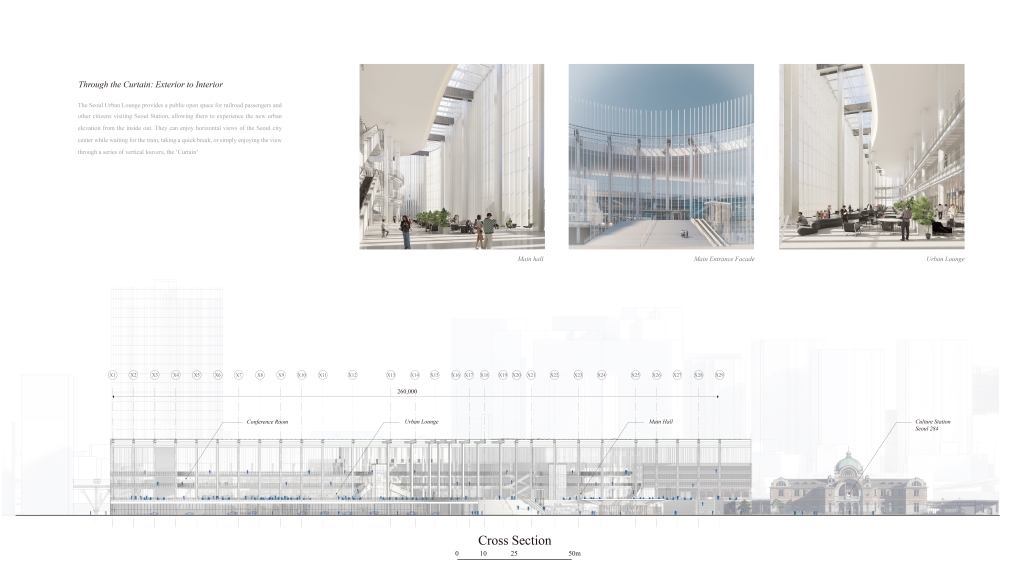
The Seoul Station is the central station of the national capital, including public buildings and plazas that are essential urban elements, and is close to several national symbols such as Sungnyemun Gate and Seoul Plaza in the former Hanyang Fortress, and serves as a node that is easily accessible from various directions using various transportation systems such as taxis, buses, and pedestrian traffic. The integrated history of Seoul Station has not fulfilled its status as the central station of the national capital, with large commercial facilities occupying most of the area, a pedestrian plaza narrowed by the horizontal expansion of the transportation system, and a lack of frontality due to the logic of civilian development. The spatial experience of the existing Seoul Station, and its circulation system, provides a sense of passing through large commercial facilities or wandering through the corridor space of the exterior staircase plaza, which we considered as a lack of symbolism in the experience of the capital’s central station. What kind of symbolism could represent ‘Seoul Station’?

The project begins with the discovery of a linear piece of land on the southeast side of Seoul Station with an odd shape. The site is privately owned and is lined with a narrow row of dilapidated neighborhood facilities, making it a place with dull development potential and a challenge in securing the symbolism and frontage of Seoul Station. Recognizing the development potential of the site, the project considers the place of ‘Seoul Station’ as a central station and proposes symbolic exterior materials and structures that encompass the spatial experience of rail passengers in the space of Seoul Station. [It also considers] the need for an urban open space where citizens who do not come to Seoul Station for the purpose of using the railroad can come and rest and spend time, through a method of expansion that demolishes only a small part of the existing structure. The Seoul Station pedestrian plaza, which was expanded by the relocation of the taxi stand, and the urban lounge, which is open to anyone regardless of their purpose of use, are separated by a curved louvered curtain derived from the form of the existing Seoul Station. It presents a white backdrop that juxtaposes the existing marginalized cultural station, Seoul 284, and the behavior of rail passengers using the interior space becomes transparent through the thin vertical structure. Depending on the inflection point of the curve and the position of the visitor, the frontality of the plaza and Seoul Station is received by the viewer as a coexistence of the white folding screen with the exterior reflection of the urban lounge.

Click here to learn more. 

Instagram: @bin__cong, @myongji_univ

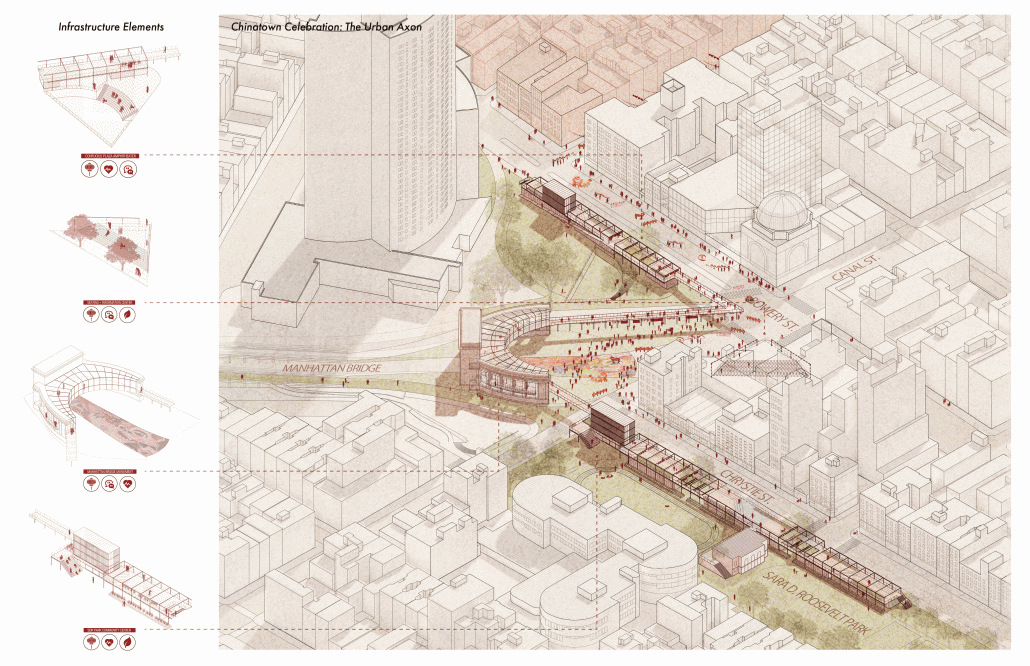
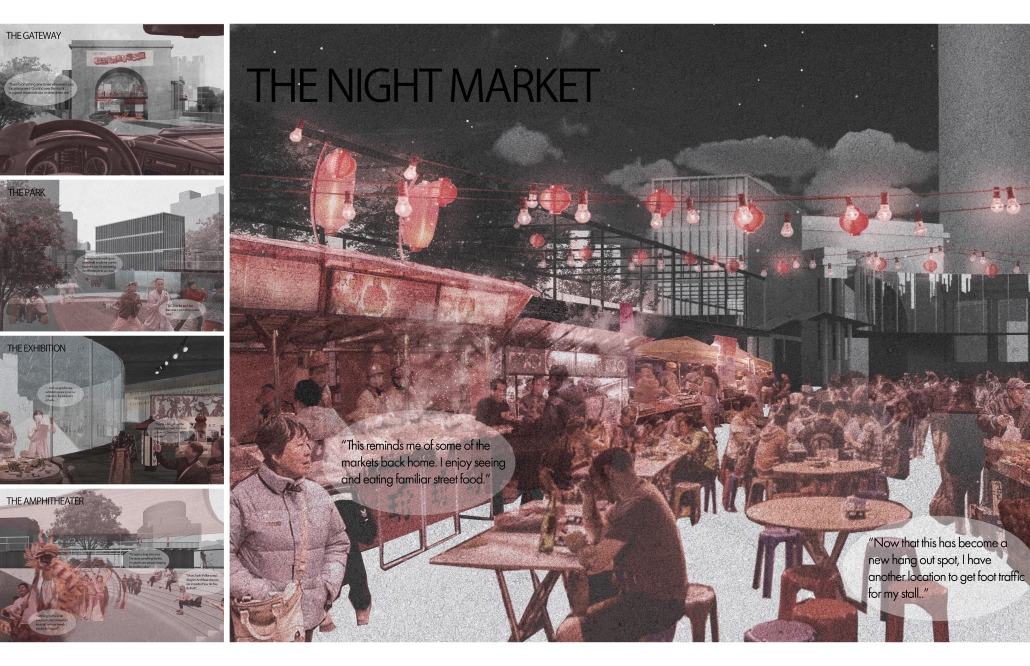
Place-Reclaiming Chinatown: Repairing the Urban Landscape of Manhattan Chinatown by Katherine Shi, B.S. in Architecture ’25
University of Virginia | Advisor: Mona El Khafif

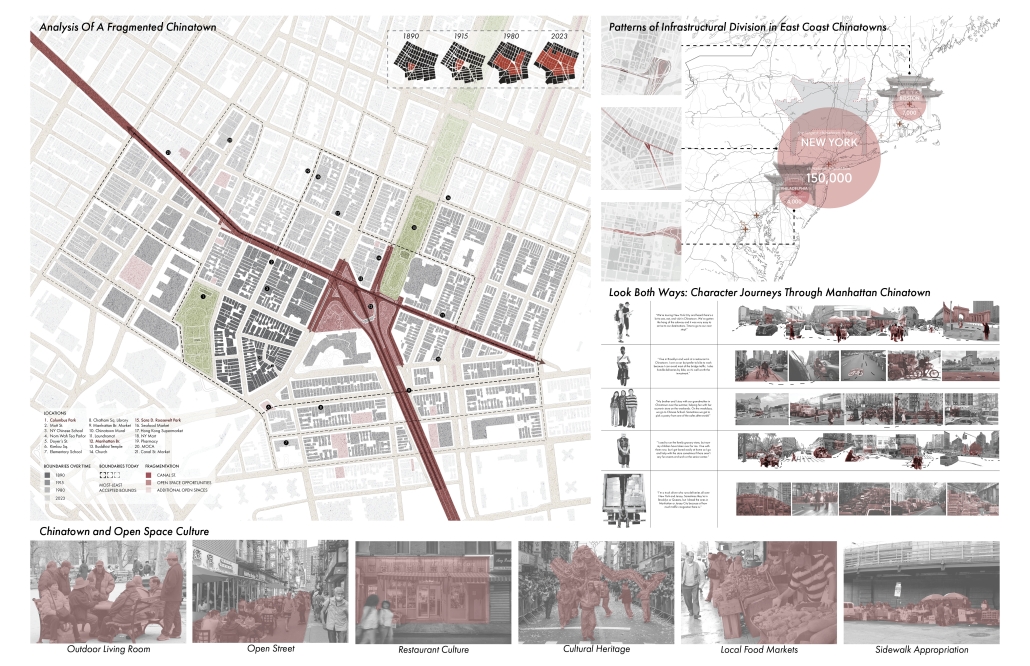
Chinatowns exist worldwide, and in nearly every major American city. Historically formed as ethnic enclaves of Chinese immigrants facing persecution from legislation such as the Chinese Exclusion Act, they have evolved into important socio-economic centers of activity and community hubs within their respective cities. New York City is home to nine Chinatowns, making it the largest center of Chinese Americans in the Western Hemisphere. However, many Chinatowns are shrinking due to urban development and gentrification, and Manhattan’s Chinatown, one of the first Chinatowns established in the US, is no exception. Asian residents and local businesses have been pushed out, resulting in closed storefronts, land loss, and displaced community members, especially following COVID-19. More significantly, there is the risk of cultural erasure as a result of these changes.

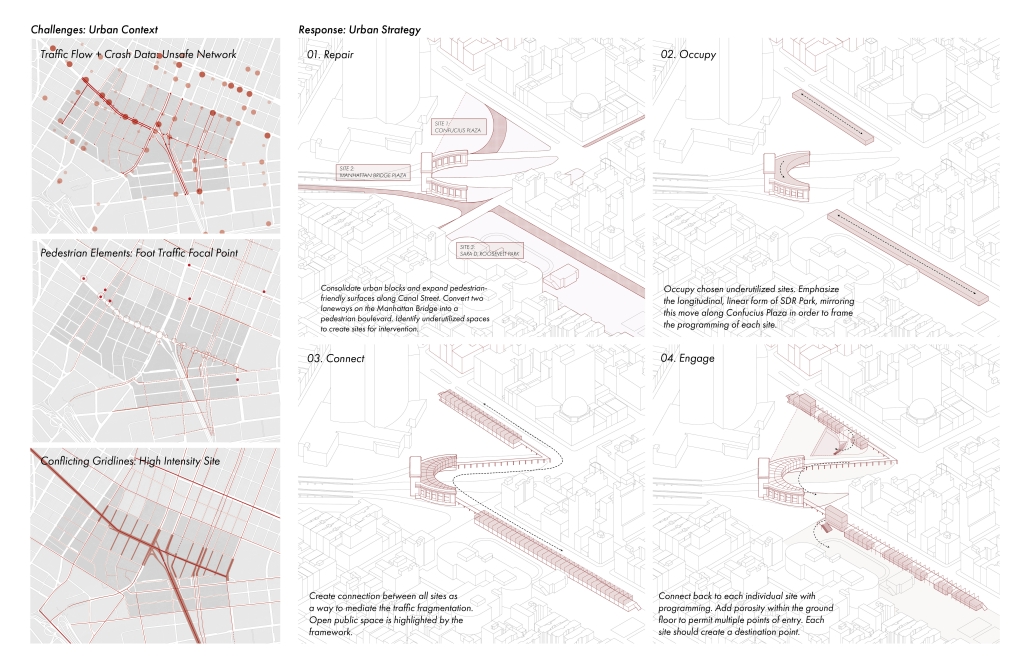
An important part of local identity, for example, is Chinatown’s distinctive use of public space, as seen in its culture of street vending and sidewalk appropriation. Columbus Park and Sara D. Roosevelt Park are some of the most important public spaces in the district. This is where residents socialize, play mahjong, exercise, and greet each other in their native tongue. However, large roadway infrastructure creates a significant and dangerous disconnect at the heart of Chinatown.

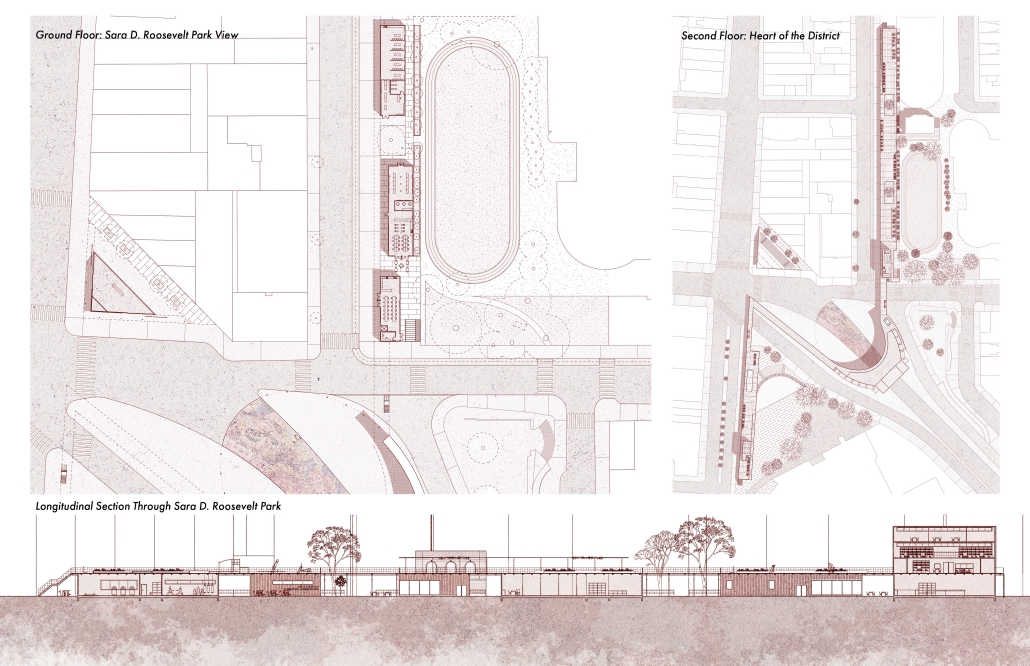
This thesis, therefore, proposes an urban design approach for Manhattan Chinatown that seeks to reconnect green spaces in a traffic-torn cultural district, provide needed social infrastructure support, and reclaim the identity of the Manhattan Bridge Plaza as a Chinatown gateway. The intention is to bring vibrancy to underutilized sites at the heart of the community, not only by preserving and celebrating Chinatown culture and history, but also by supporting residents’ way of life within a transforming district. 

Instagram: @pro_kat_stinator, @monaelkhafif

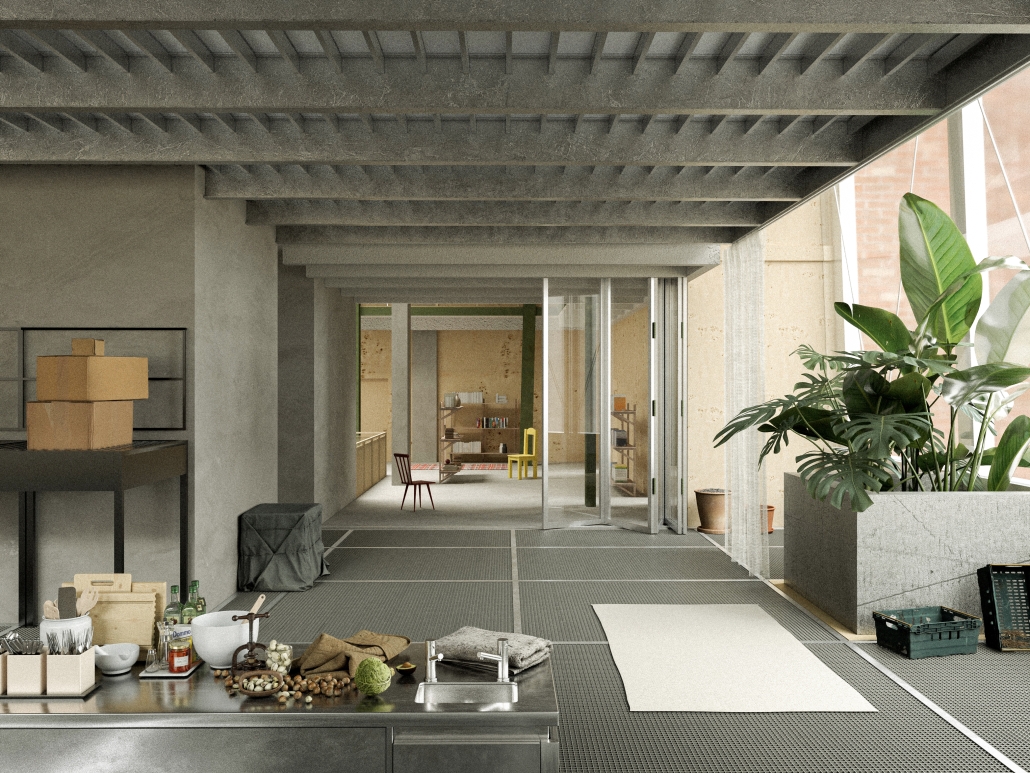
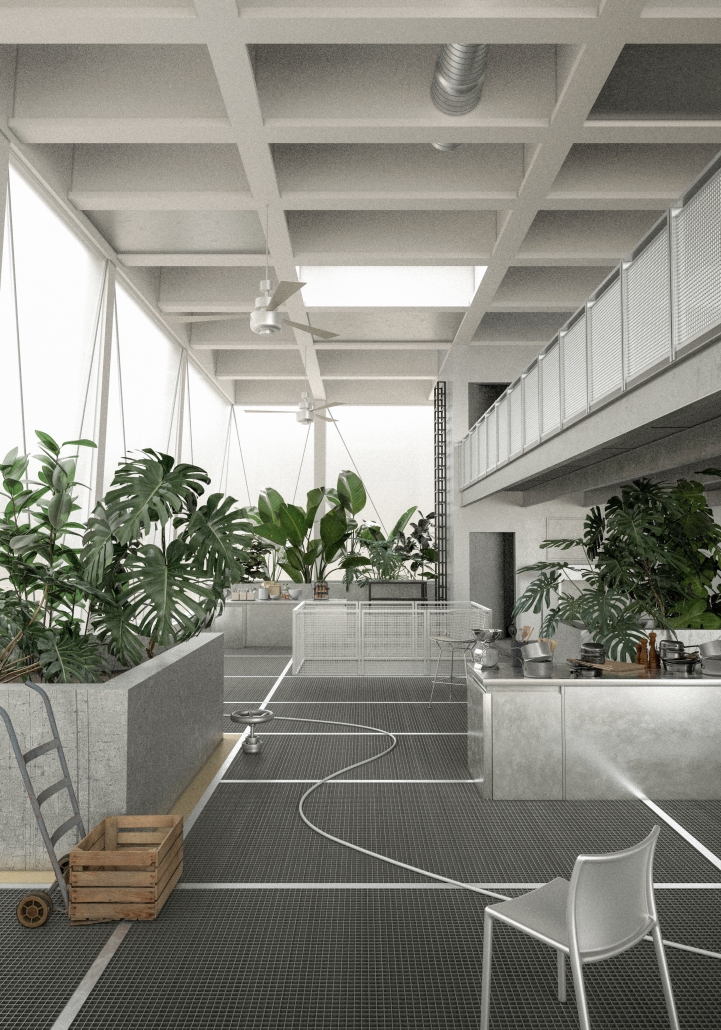
2-in-1, CULINARY CENTER AND RESEARCH HOSTEL by Julius Lin, M.Arch ’25
University of California, Berkeley | Advisor: Rene Davids

Madrid’s Plaza de España, where a culinary center and residential hostel are planned, reveals a confluence of “dry” and “wet” areas; the former is associated with buildings, while the latter is linked to a network of green spaces that connect several key areas including the Sabatini Gardens and Plaza de Oriente to the south, Casa de Campo, Campo del Moro, and Madrid Río to the west, as well as Parque del Oeste to the north. As a result, Plaza de España can be envisioned as a green gateway to a transversal network that extends from the Manzanares River into the heart of the city.

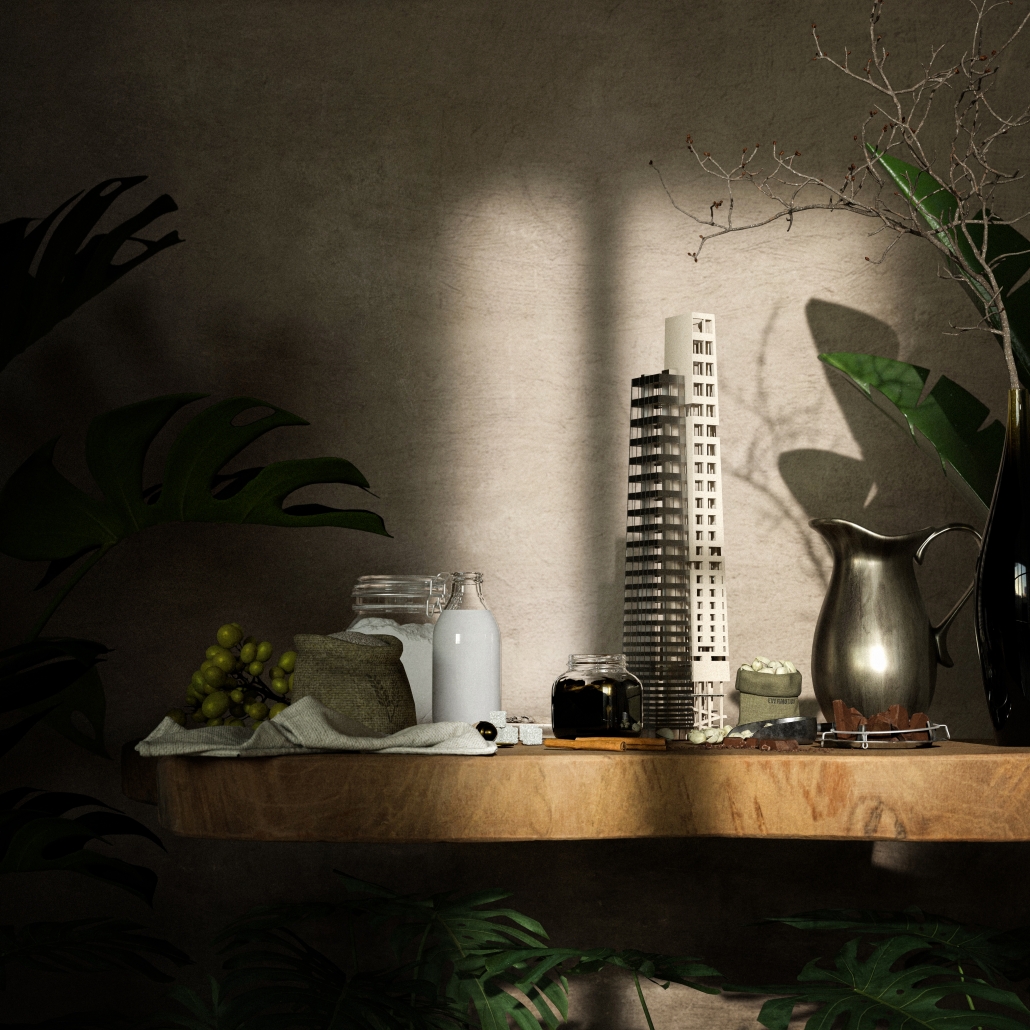
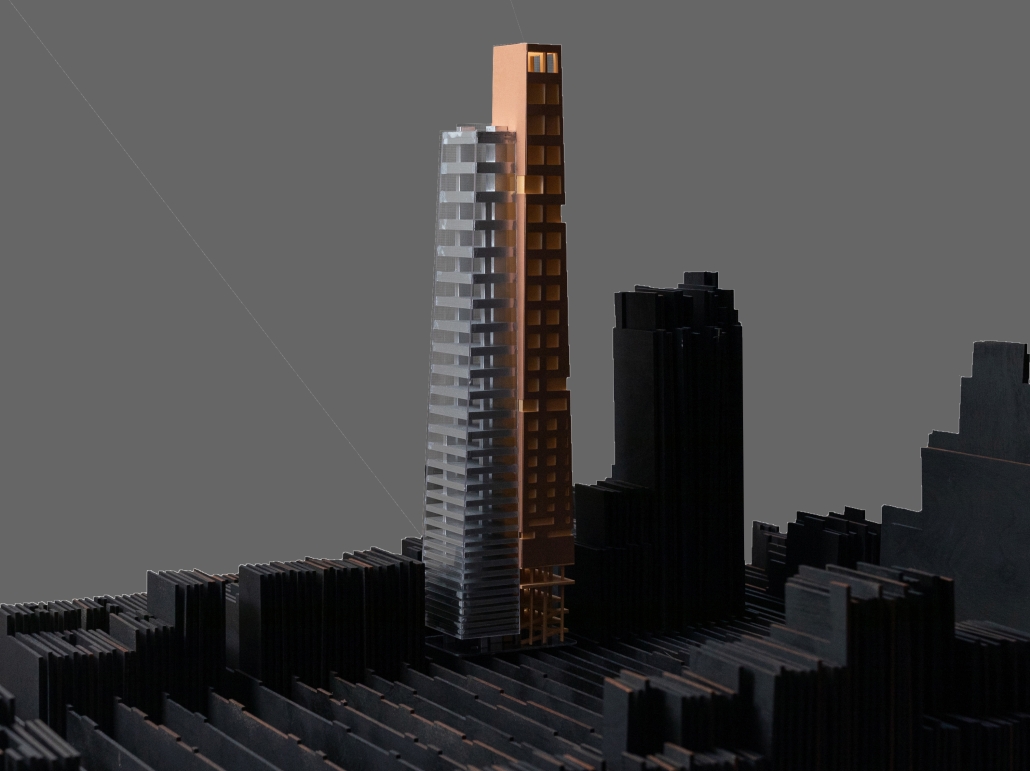
The project translated these observations into an architectural form consisting of twin towers: one transparent (wet) and the other solid (dry). The transparent building was designed for growing food and hosting public programs. In contrast, the more opaque and solid tower was intended to house a more private and enclosed hostel.

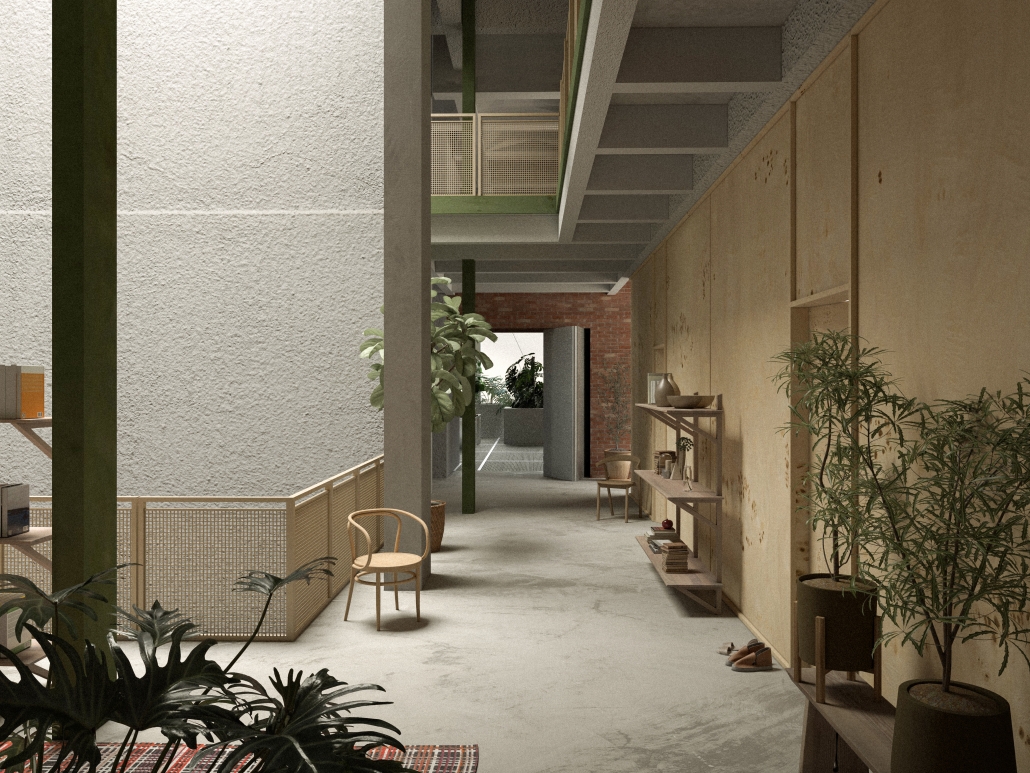
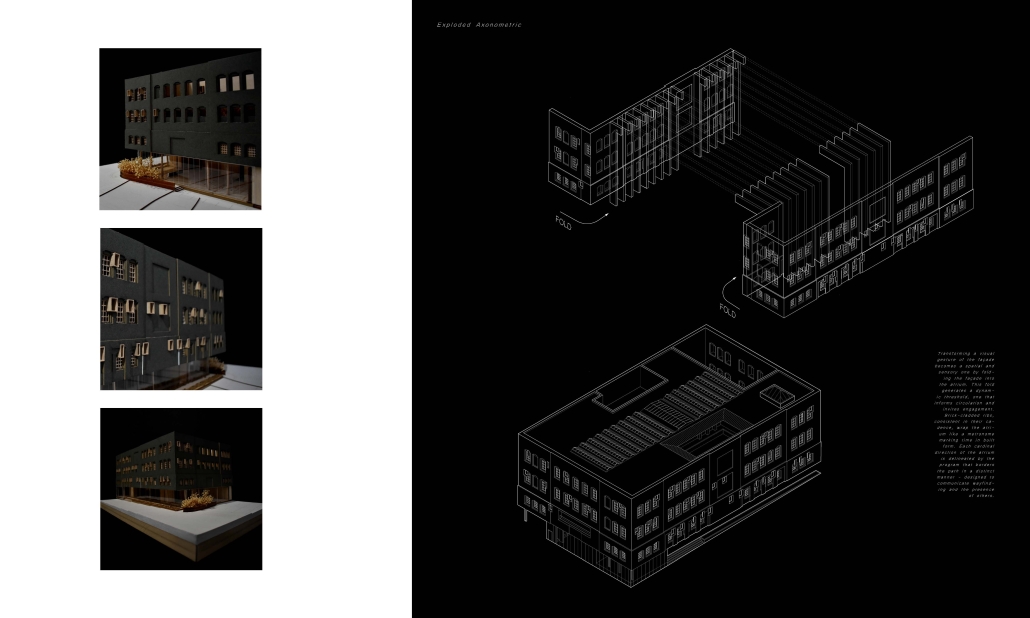
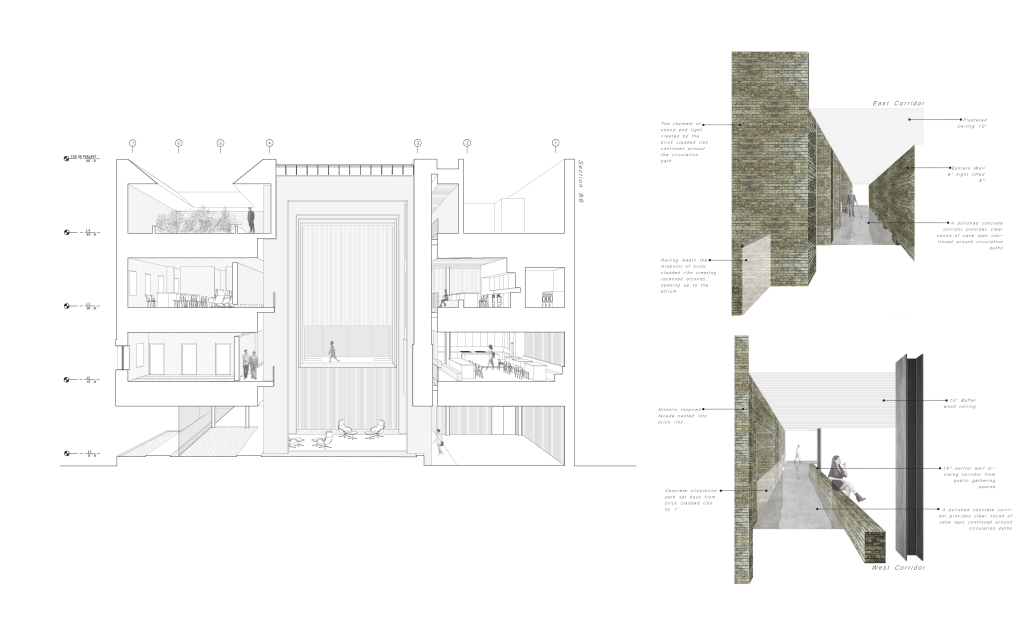
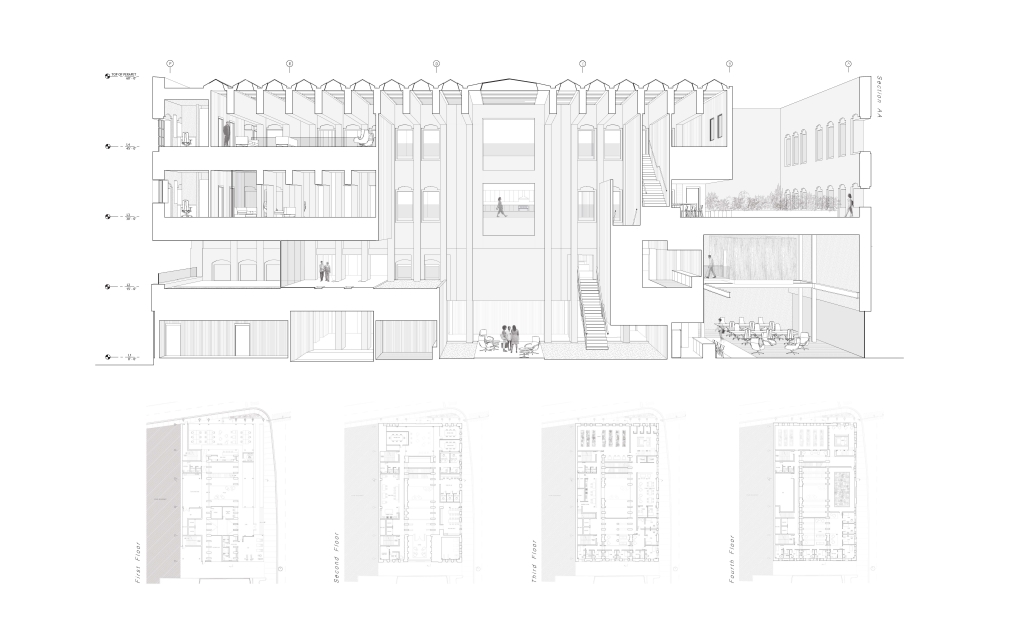
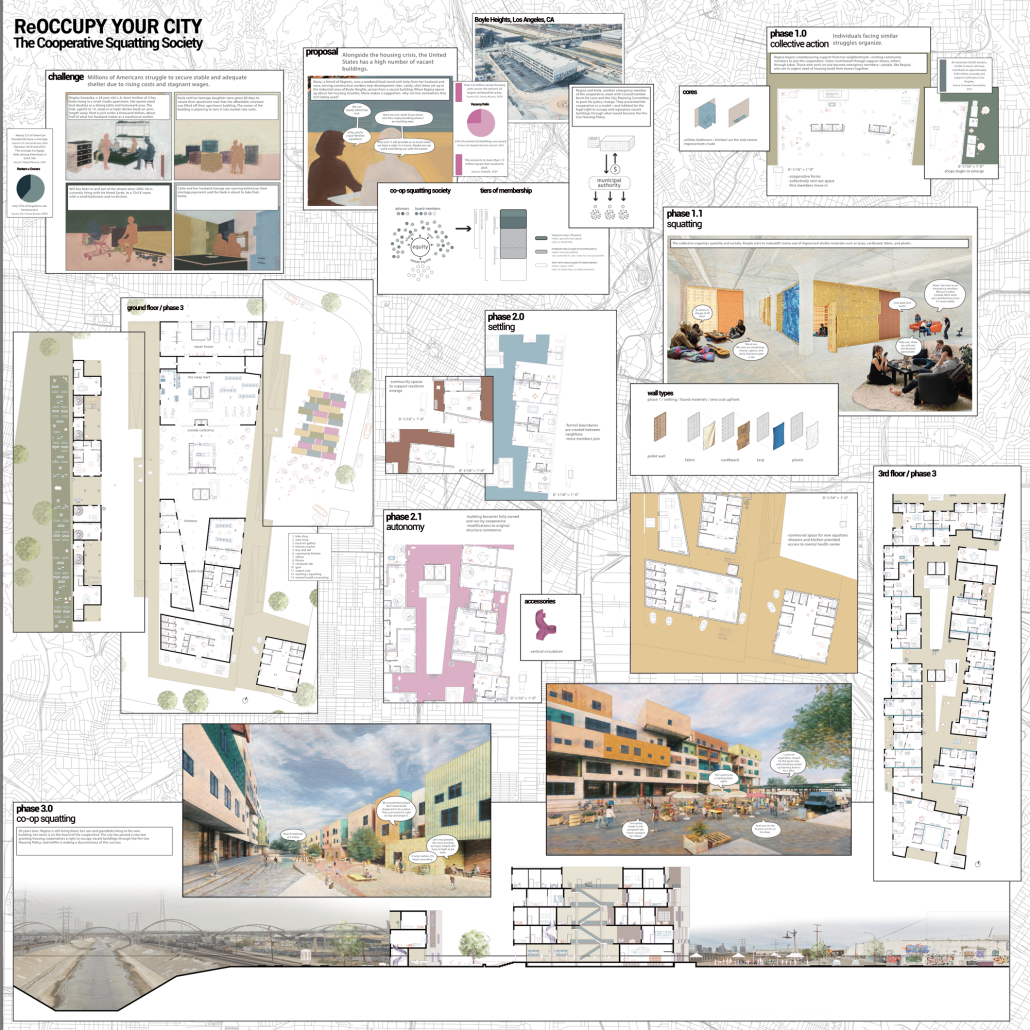
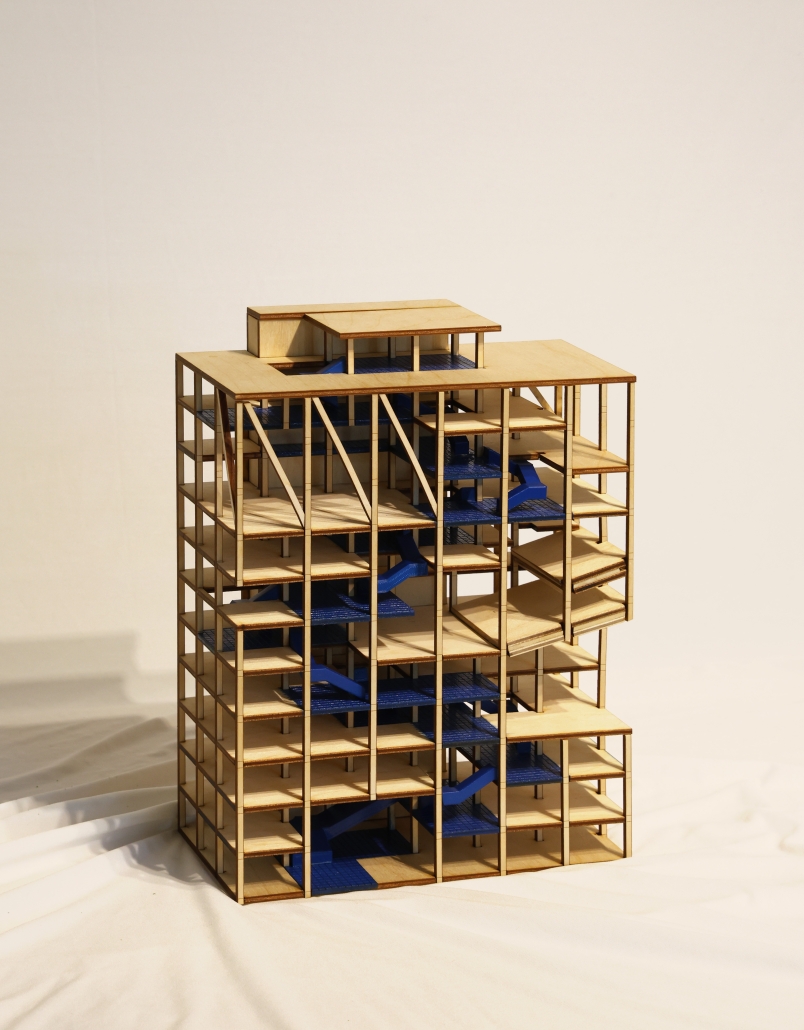
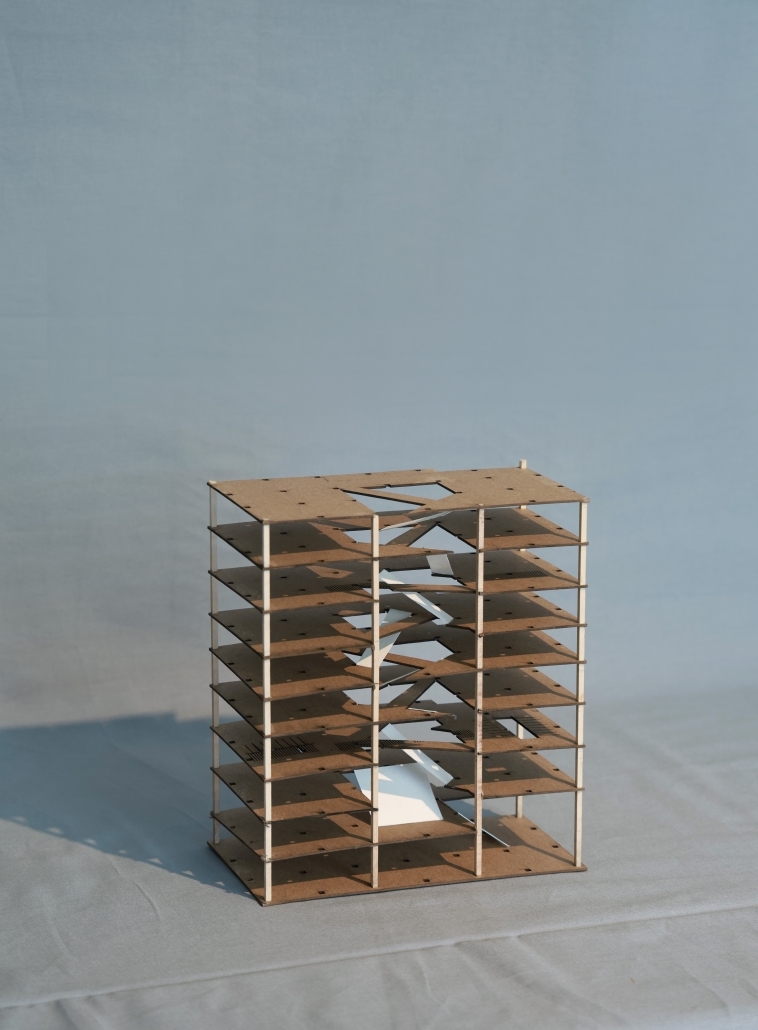
Each tower features a unique structural system. The transparent tower employs a core-based structure that maximizes openness, utilizing lightweight materials such as metal grating for the floors and an exposed I-beam grid to enhance transparency. Planters are integrated into the grid system, allowing users to harvest ingredients for educational or culinary purposes. When looking up, the ceiling reveals that these plants extend to the upper floors. Inspired by the subtle flavor of rice pudding, one of Spain’s favorite desserts —a dish with a subtle profile that features layers of flavor —the façade of the transparent tower evolved into a delicate glass curtain wall with a gradual gradient rhythm, influenced by the varying root depth that houses the rich, sensuous interior.  The opaque tower, by contrast, utilizes a regular column grid with a secondary system inspired by tree trunks that organizes the space inside, combining concrete structure, wooden partitions, and a brick façade to create a grounded and inviting atmosphere.

The pair of renderings illustrates the visual connections between the two towers. Despite their differing materials and structures, there is an intentional ambiguity at the threshold, providing glimpses, overlaps, and shared experiences between the two. 

This project was a finalist for the UC Berkeley Design Excellence Awards. 

Instagram: @julius___007, @r.davids

Vessel of Light: A Spiritual Descent into Earth by Aarsh Dipak Nandani, M.Arch ’25
New York Institute of Technology | Advisors: Marcella Del Signore & Evan Shieh

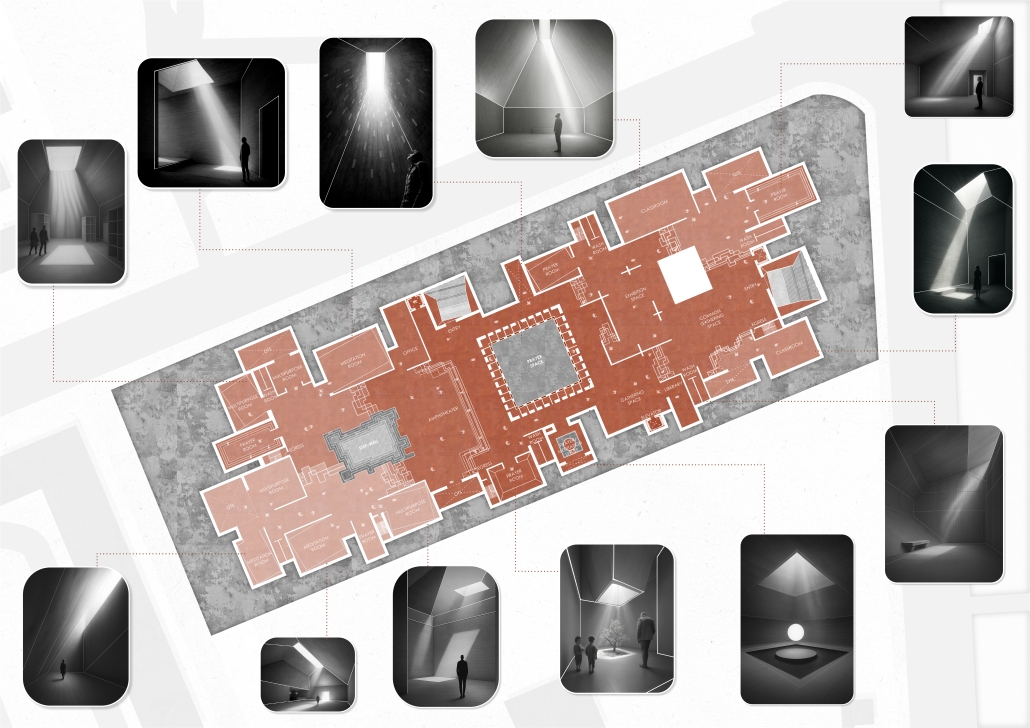
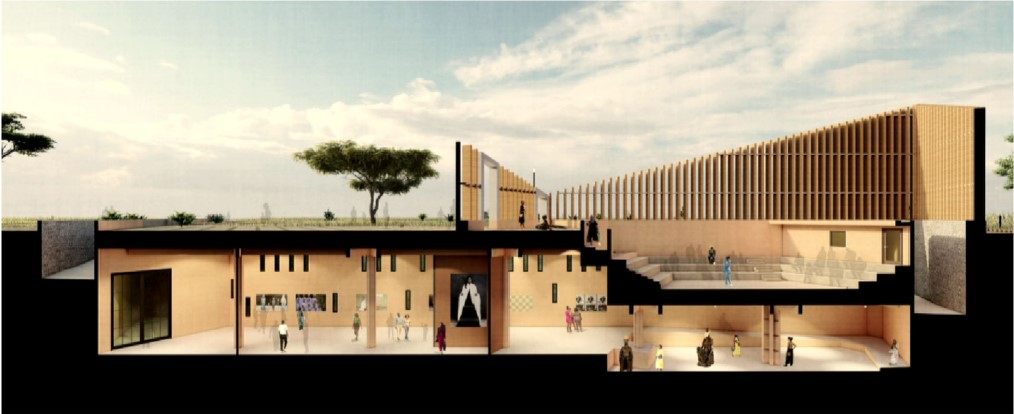
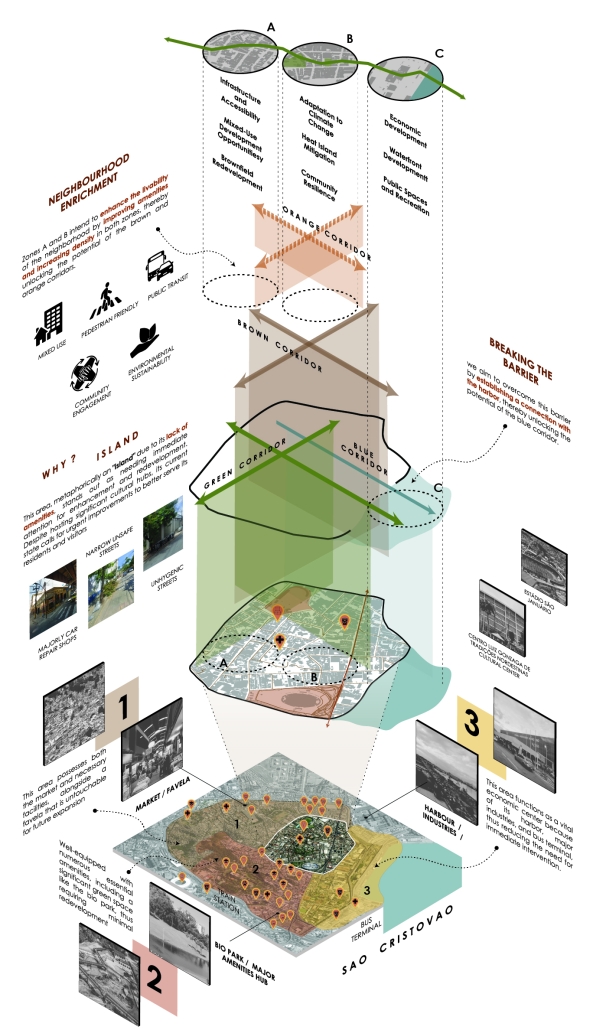
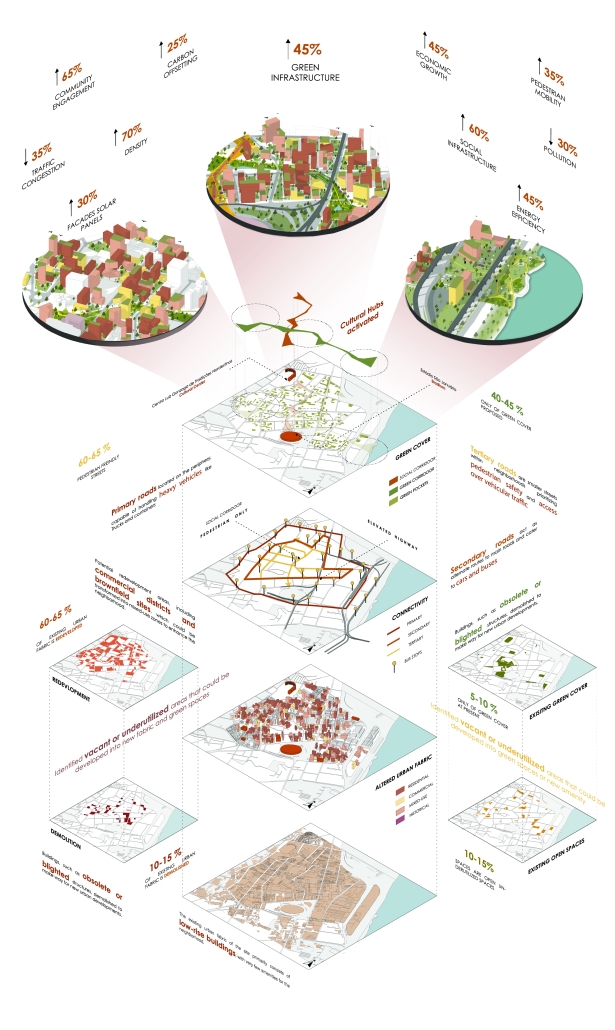
Located in São Cristóvão, a culturally diverse neighborhood in Rio de Janeiro, “Vessel of Light” is a thesis project that reimagines sacred space as an inclusive, contemplative landscape rooted in the elemental and experiential. The proposal responds to the city’s layered history of religion, culture, and infrastructure, revealed through analytical mappings of population density, cultural institutions, open spaces, public services, and mobility networks.

The design expresses spirituality not through religious symbolism, but through sensory experience, shaped by the four fundamental elements: earth, air, water, and light. The entire building is embedded below ground, allowing the site’s surface to function as a fully public park, accessible to all regardless of intent to enter the space. Above ground, only skylight turrets punctuate the landscape, sculptural forms that channel daylight and natural ventilation into the interior, while symbolizing moments of vertical spiritual connection.

The single-floor subterranean structure includes spaces for prayer, meditation, ritual ceremonies, and collective gatherings. A cultural zone features classrooms, a library, workshops, an exhibition gallery, and an amphitheater, programs that serve both children and adults throughout the day. The spatial arrangement varies in scale, lighting quality, and degree of openness, allowing the building to support both individual reflection and collective activity.

The sequencing of spaces is informed by principles of centrality, progression, and spatial hierarchy, guiding visitors from more public, active areas toward increasingly quiet, inward, and sacred spaces. A matrix of geometric explorations, rooted in historical forms associated with spirituality, led to a language of hybridized shapes generated through addition and subtraction.

Materiality reinforces the elemental narrative: terracotta surfaces evoke earth; open skylights bring air and light into the heart of the structure; and two stepwells, one publicly accessible in the park, and one interior, honor water as both sacred and shared.

“Vessel of Light: A Spiritual Descent into Earth” offers a space of reflection, communion, and return, embedding sacred experience directly into the everyday life of the city.

Instagram: @aarsh_nandani, @marcelladelsi, @ev07

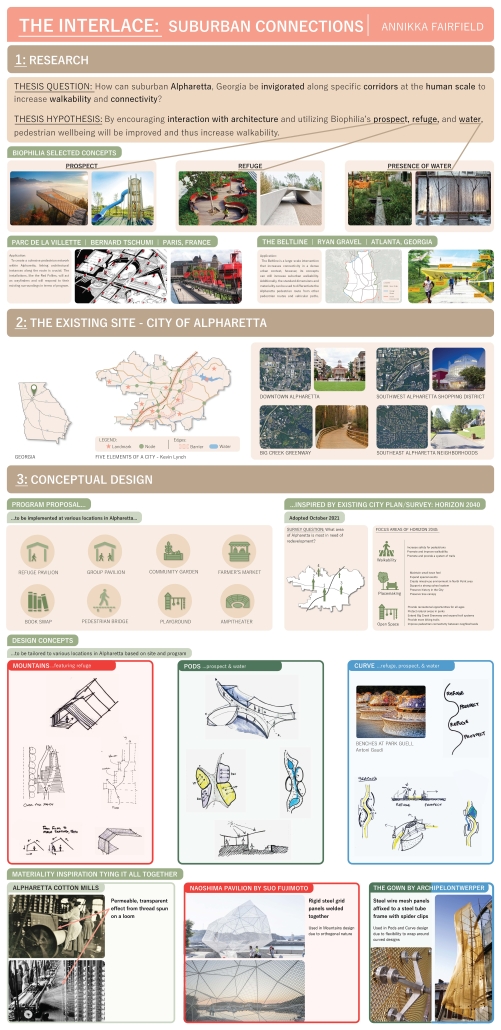
THE INTERLACE: CREATING SUBURBAN CONNECTIONS by Annikka Fairfield, B.Arch ’25
Kennesaw State University | Advisor: Robin Puttock

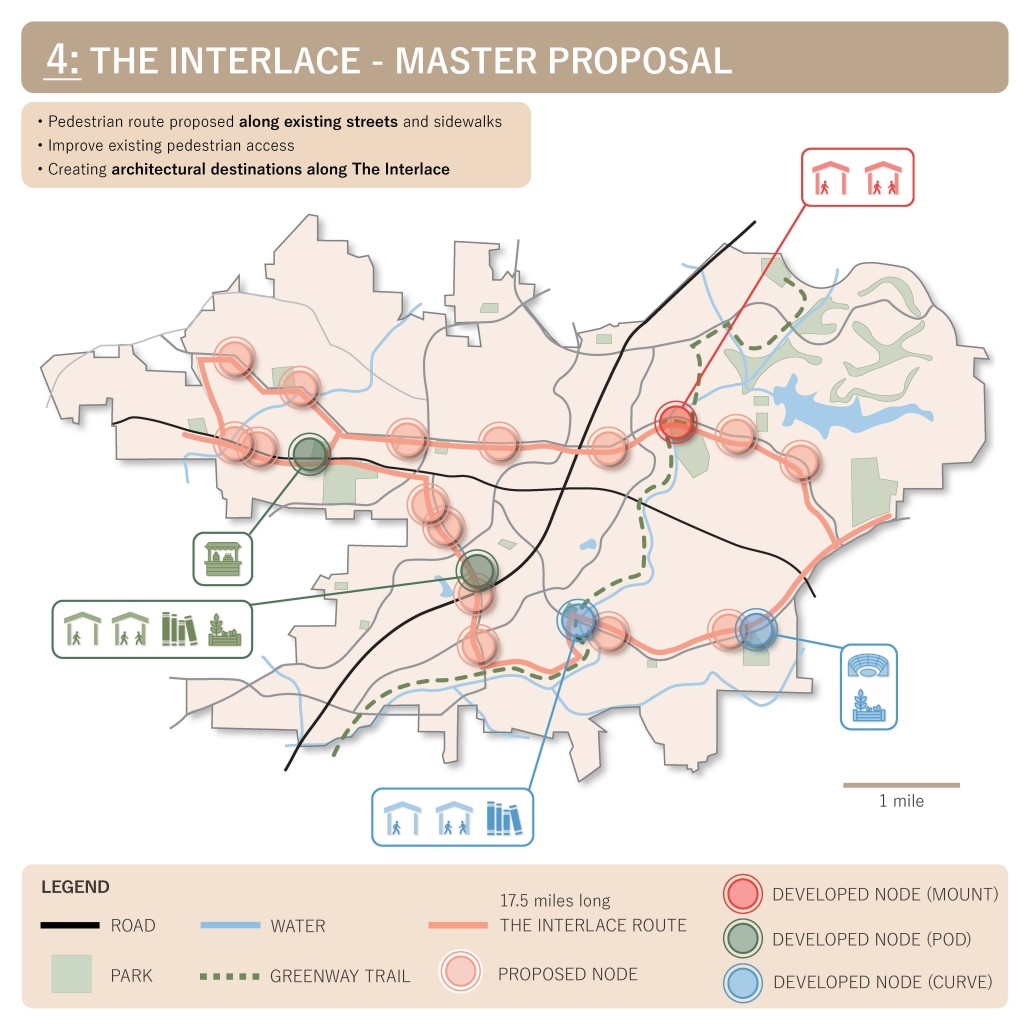
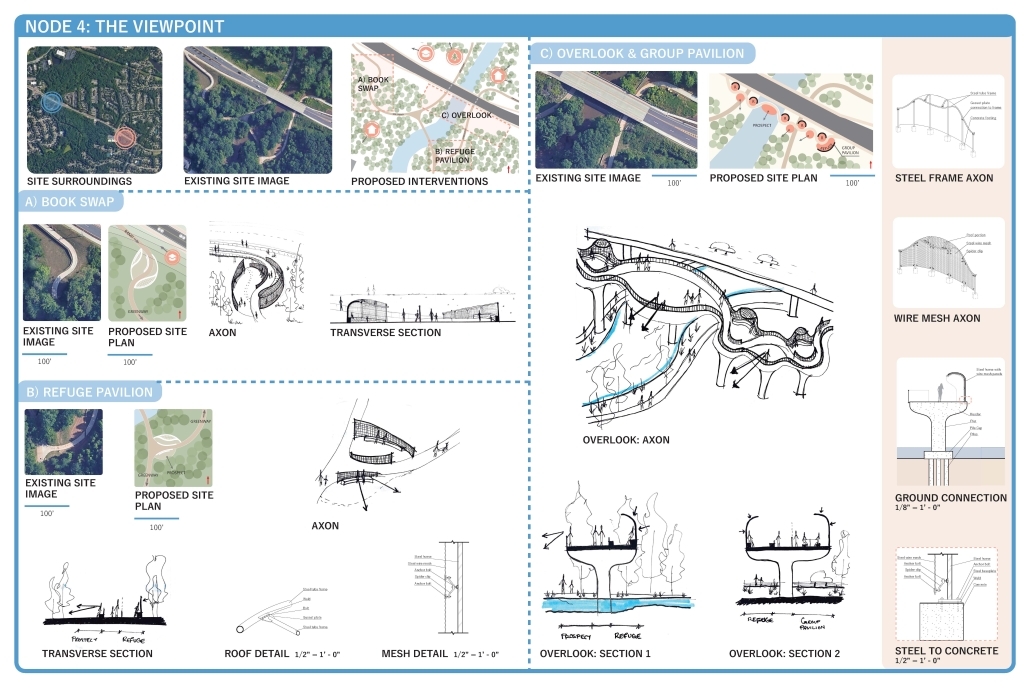
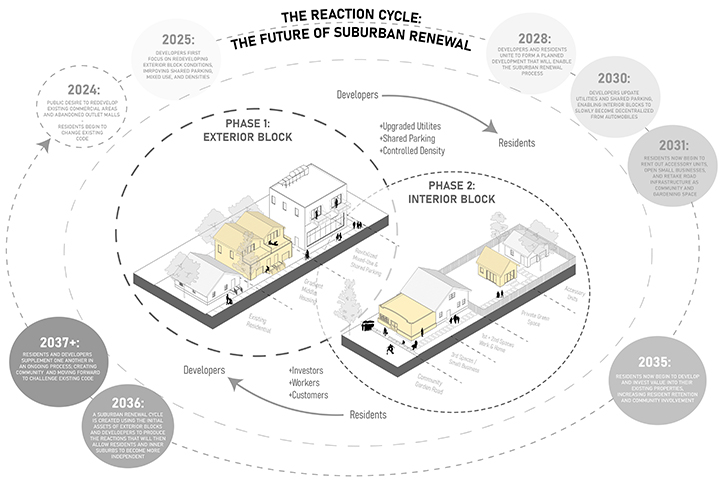
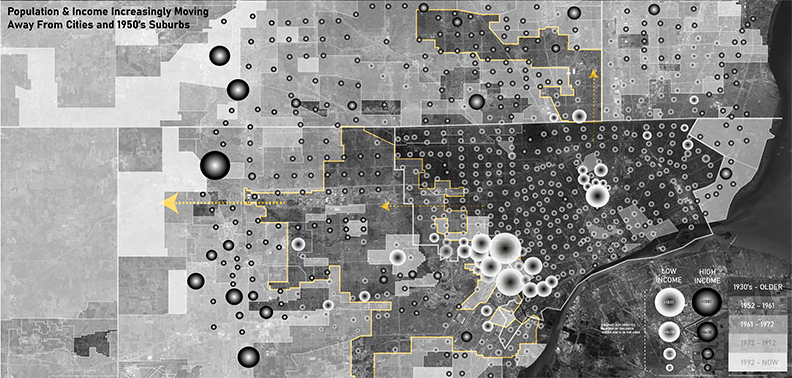
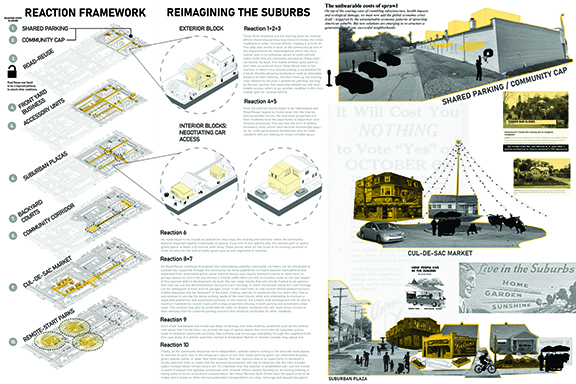
Many cities in the United States are designed based on suburban sprawl, which contributes to excessive automobile-dependency and unwelcoming streets for pedestrians, and metro Atlanta is no exception. Alpharetta, Georgia, is a growing city with the potential to become a more walkable suburban city. Alpharetta can be invigorated along specific corridors at the human scale to increase both walkability and connectivity by focusing on pedestrian wellbeing. Research shows that Biophilia’s various facets have the power to improve human wellbeing. Prospect, refuge, and presence of water were selected to guide the thesis design. Urban-scale precedents like the Beltline in Atlanta, Georgia, and the Emerald Necklace in Boston, Massachusetts, inspired The Interlace, a 17.5-mile pedestrian loop that expands upon the existing Greenway Trail and connects multiple nodes across the city. 

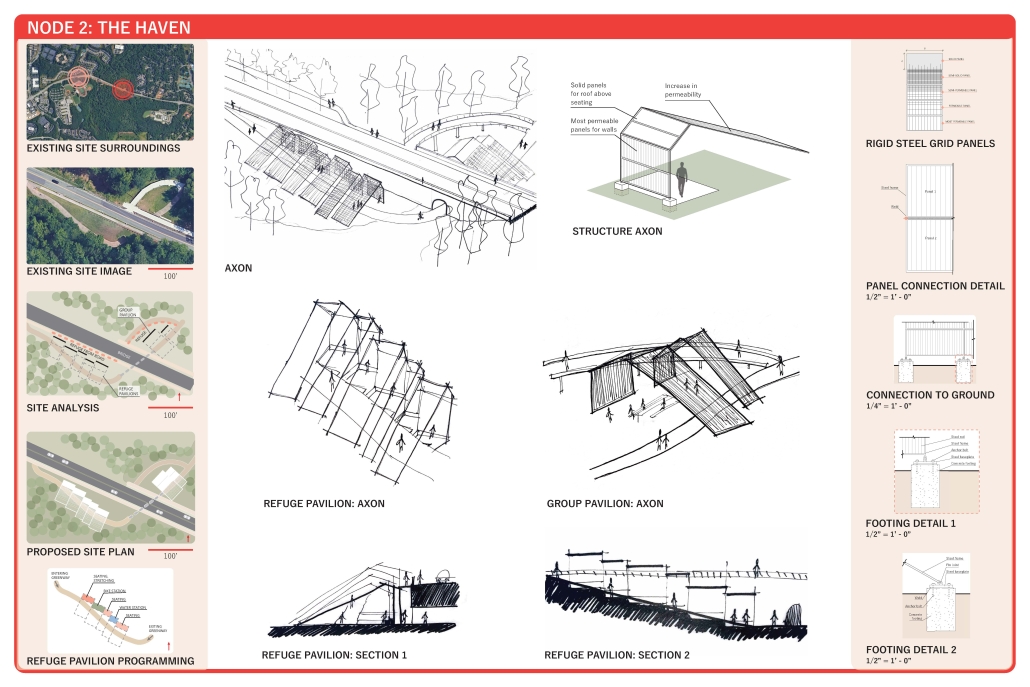
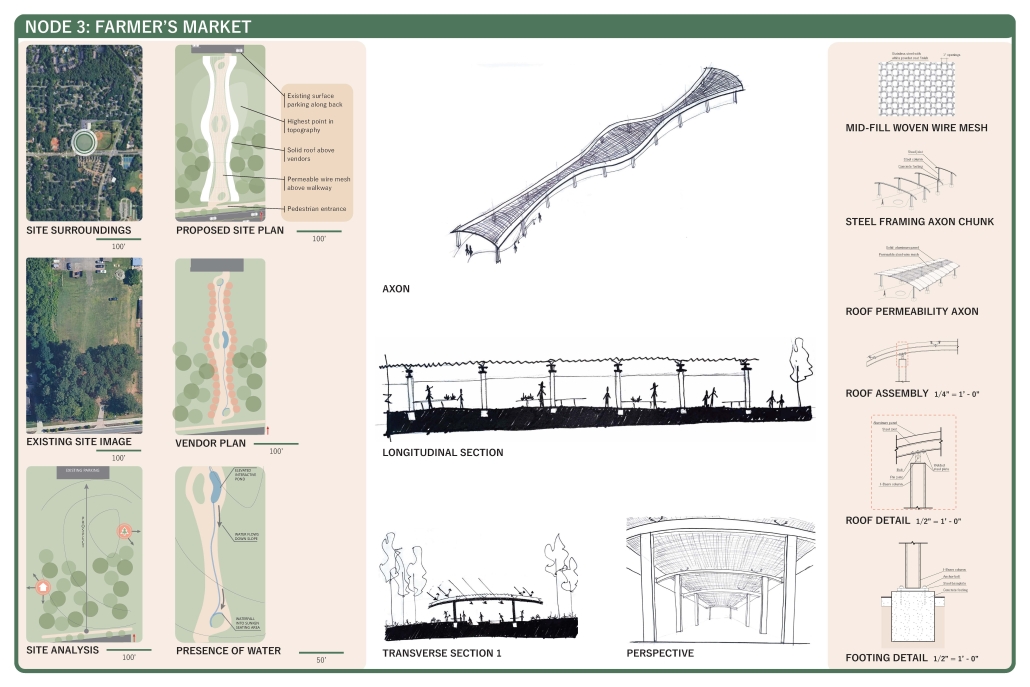
“The Interlace” is designed along specific corridors to significantly improve pedestrian access along roads that are currently car-oriented. Research suggested that improved pedestrian access alone will not increase walkability; destinations must also be created to encourage walking. Inspired by the Parc de la Villette in Paris, France, twenty different proposed architectural installations, also called nodes, are strategically designed along The Interlace to create destinations. Different combinations of programs are implemented in each node to support each surrounding community. The nodes are all designed with a similar materiality, inspired by Alpharetta’s history, which ties the architecture together and facilitates placemaking by creating a new identity. Five of the twenty nodes are more fully developed, featuring how prospect, refuge, and presence of water can be implemented at the architectural scale to improve pedestrian wellbeing and thus increase walkability and connectivity at the broader urban scale.

Click here to learn more.

This project was a finalist for the ​​ARCC King Student Medal.

Instagram: @annikkafairfield, @robinzputtock 

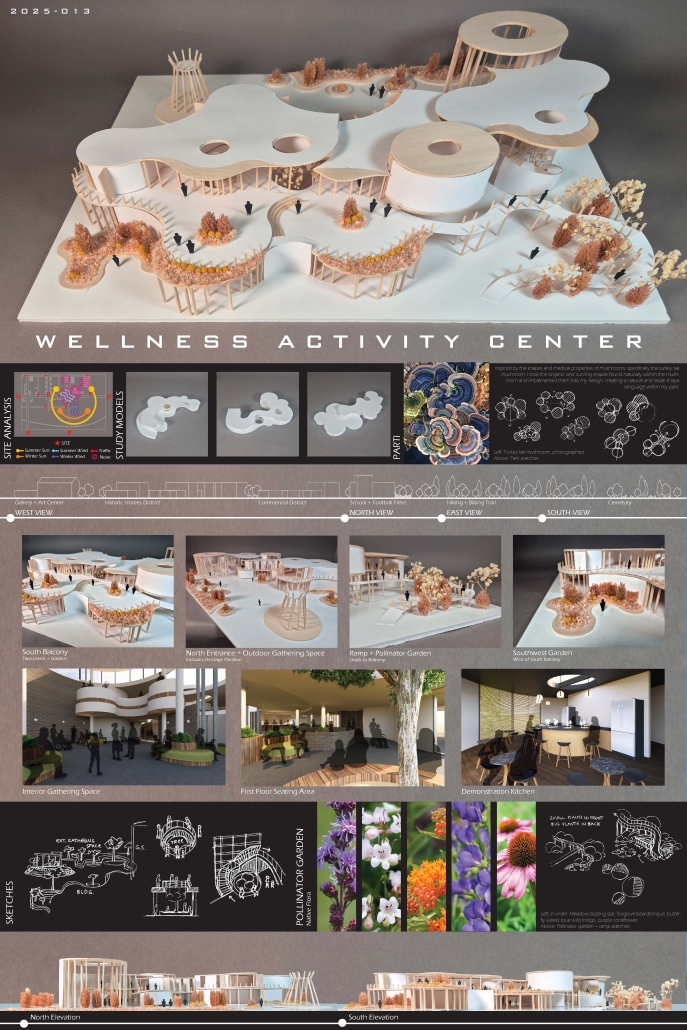
Wellness Activity Center by Angel Niemczyk, AA in Architecture ’25
Community College of Philadelphia | Advisor: Elizabeth Master

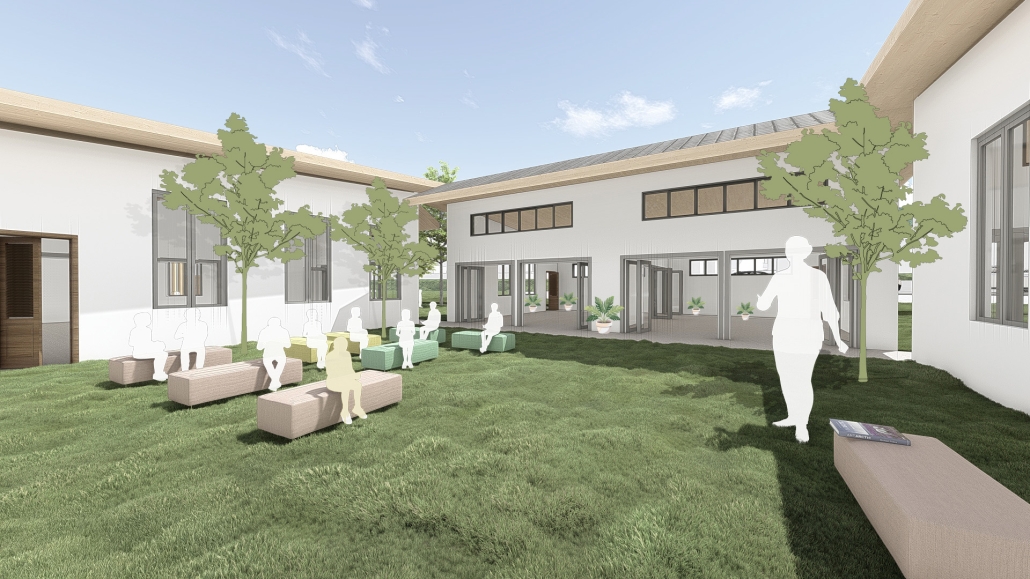
The project site was selected in central Oregon, at 45°N latitude, and within the 6a climate zone, which influences key factors such as wind directions and local flora.

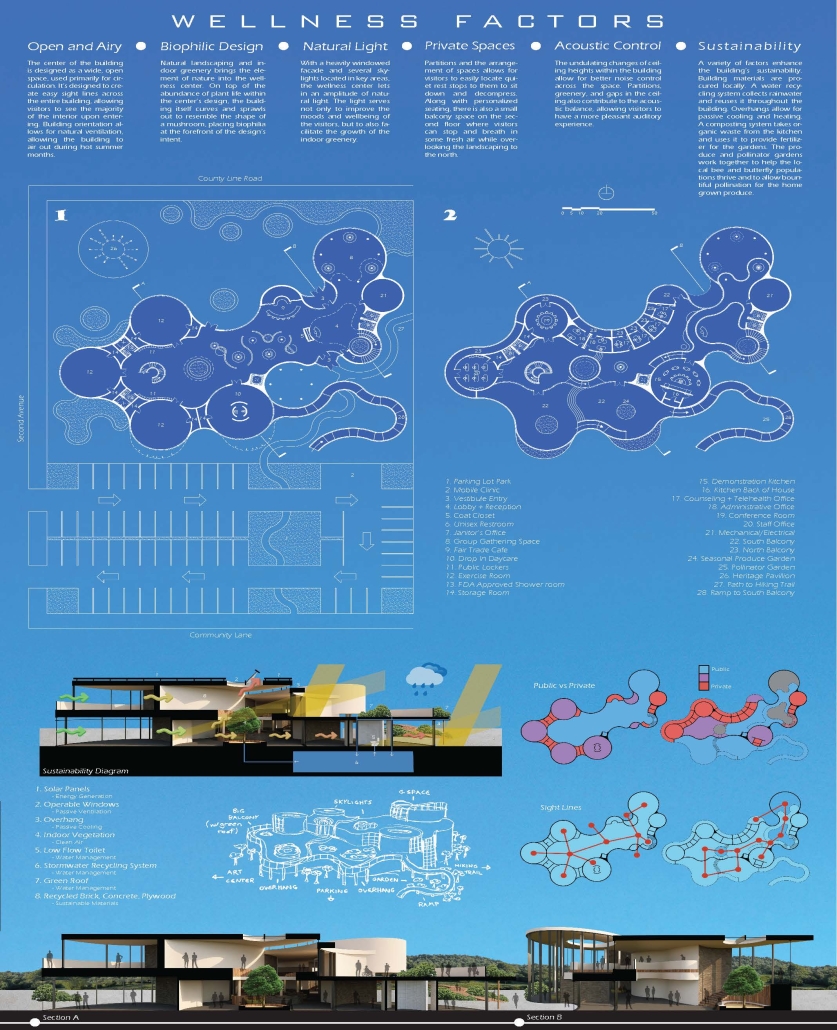
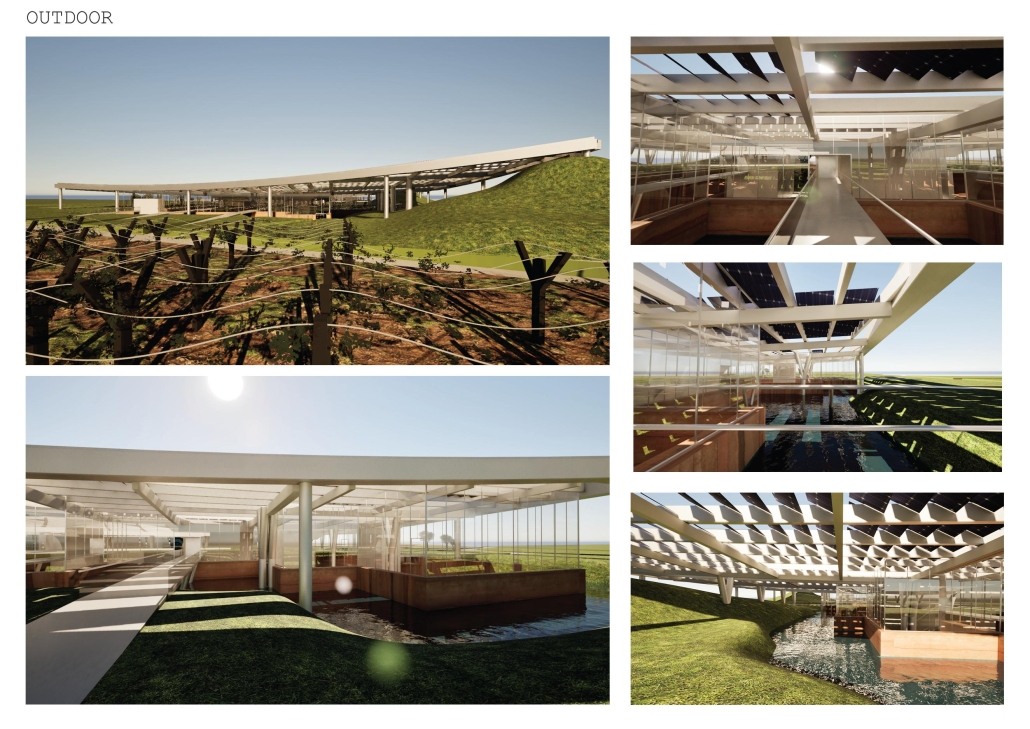
The design draws inspiration from the turkey tail mushroom, featuring organic, curving shapes that promote a calming atmosphere. This architecture integrates ample natural light through large windows and skylights, enhancing well-being and reducing energy costs.

To foster a strong connection with nature, the design incorporates mushroom-inspired forms and features abundant live vegetation throughout the building and in the surrounding gardens. A park has been added to the adjacent parking lot, featuring a pathway that leads to a nearby forested trail.

Other enhancements include:

– A café with fair trade coffee and healthy snacks.

– Separate mechanical and electrical rooms on each floor for improved energy management.

– Four additional restrooms for increased capacity.

– A fire escape near the north entrance.

– A “Heritage Pavilion” inspired by Native American architecture.

– An organic produce garden and a pollinator garden to support biodiversity and collaborate with the kitchen.

The pollinator garden attracts bees and butterflies, enriching the local environment and enhancing visitors’ experiences, while the produce garden fosters growth through natural cycles, utilizing kitchen waste as fertilizer.

This project won the second-place CCCAP 2025 Student Award. 

Instagram: @ADC_CCP 

Valley Sports Complex: Sports, Recreation, and Fitness Opportunities for Every Season by Blake Douglas, M.Arch ’25
Academy of Art University | Advisor: Aurgho Jyoti

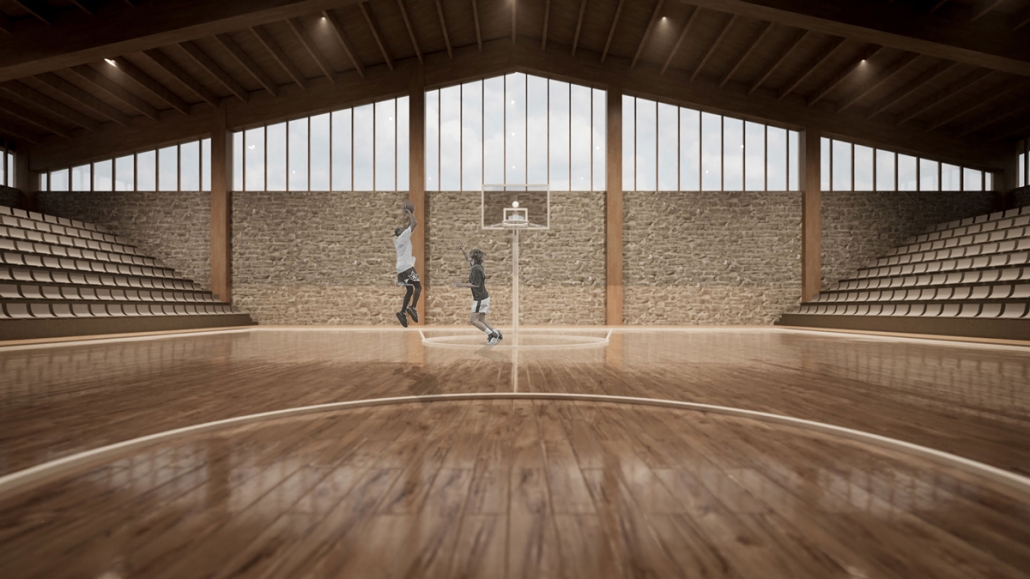
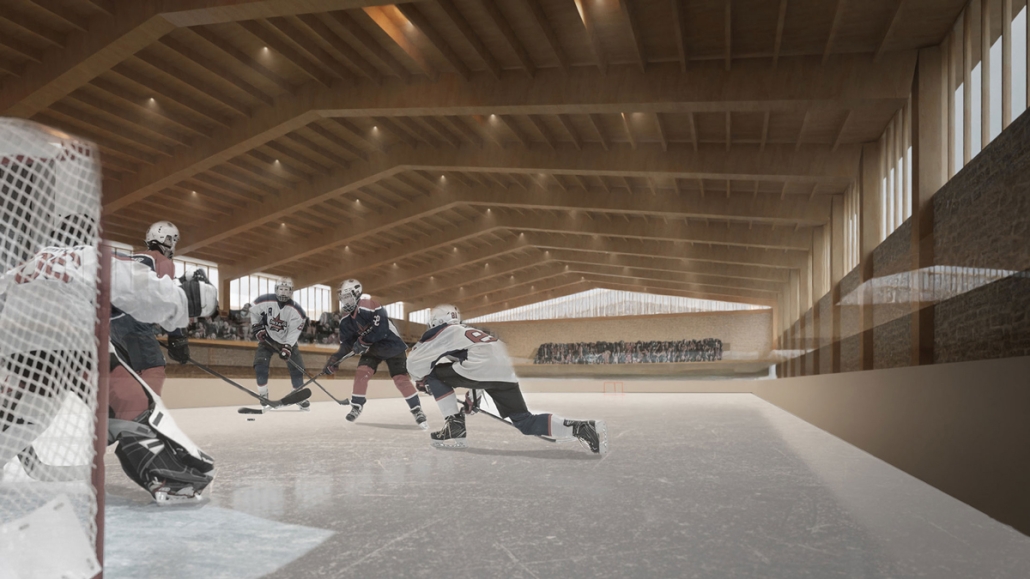
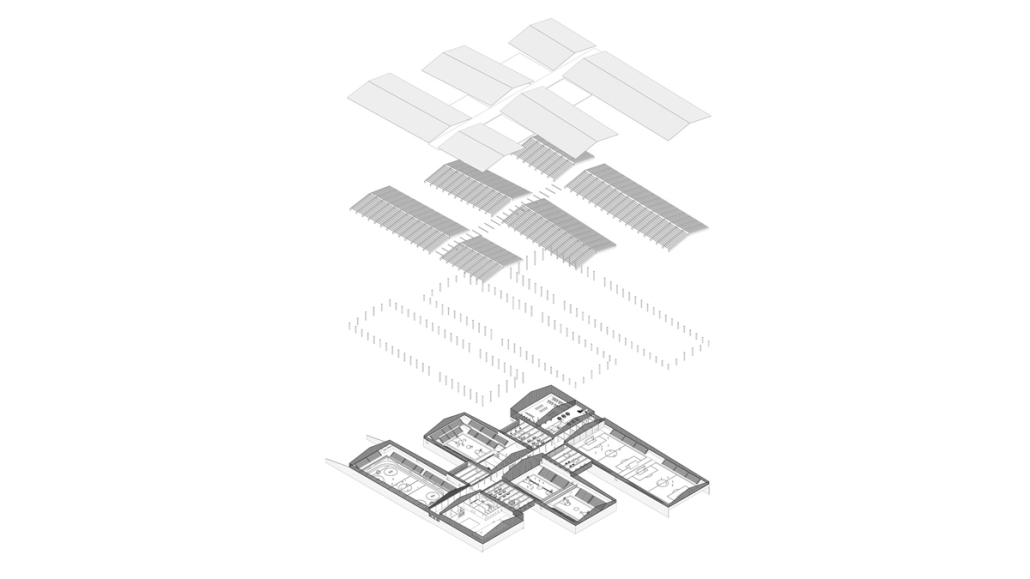
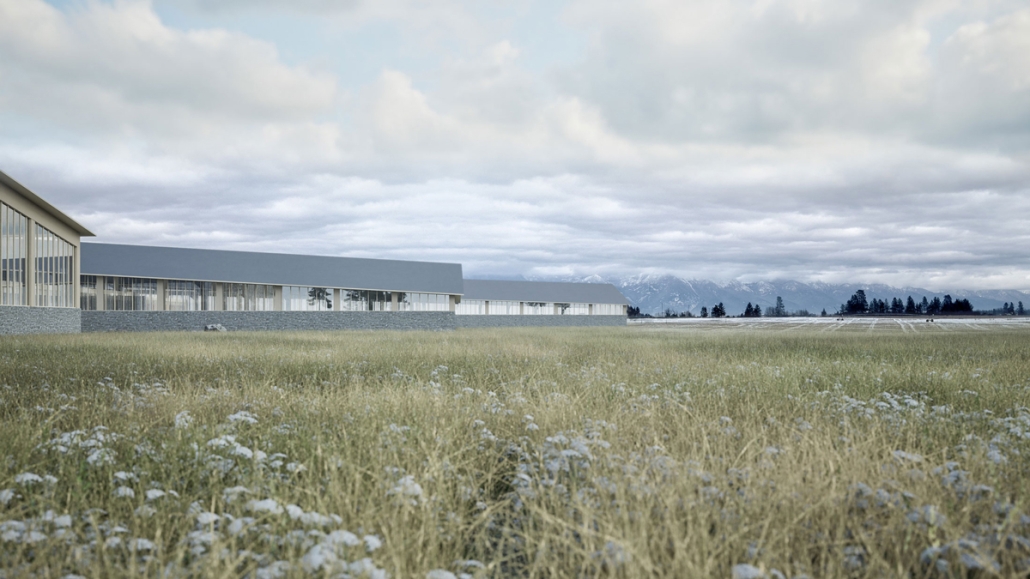
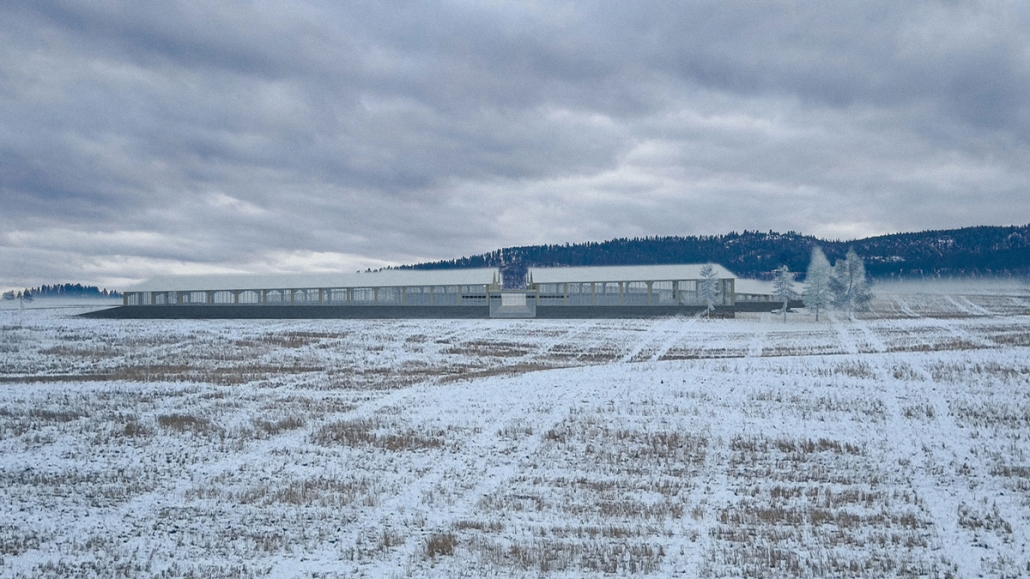
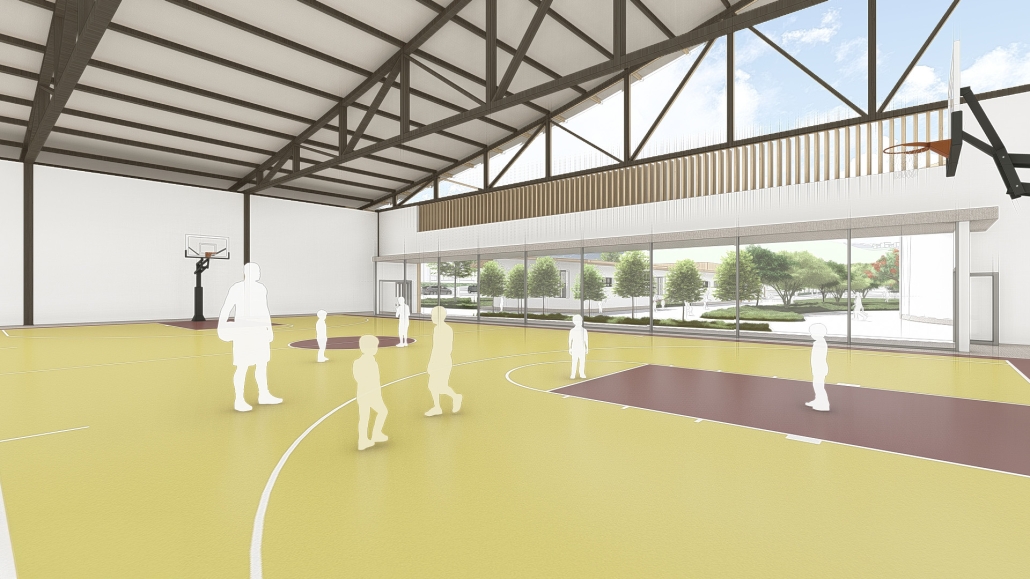
The community of Flathead County, Montana, requires an indoor recreation space. Long winters with short daylight hours significantly impact the community’s ability to be active and recreate through winter months and shoulder seasons. Snow is on the ground for up to eight months of the year, limiting available outdoor recreation opportunities. The winter climate also has an impact on mental wellness, as seasonal depression due to a lack of sunlight is common. Combined with a lack of recreation opportunities, the community would be well served to have a place to commune and interact throughout the winter season. Montana is known for its rugged and beautiful landscape; the built environment should respect and respond to that. The structure of the building will be locally sourced mass timber, and the overall form will be respectful to the context in which it sits. A sports center that will respect the landscape, enhance a sense of community, and provide recreation.

This project received the M.Arch Thesis Award. 

Click here to learn more.

Instagram: @b_doug_arch, @aur.architecture

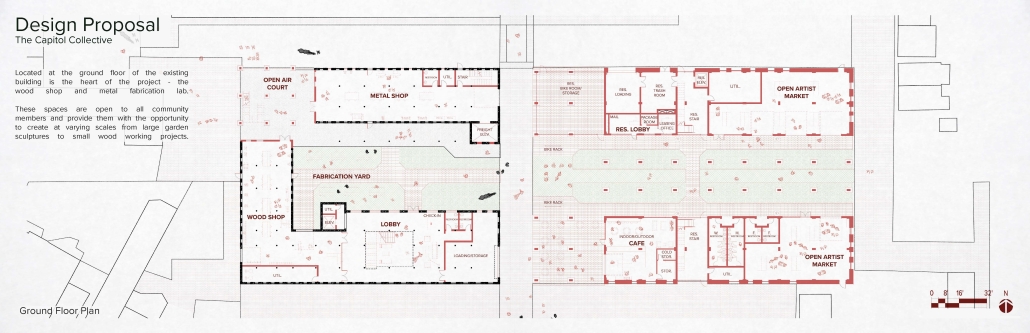
The Capitol Collective: A Community Centered Creator’s Hub that Enhances the Pedestrian Experience by Ashley Miller, M.Arch ’25
Virginia Tech | Advisors: Andrew Linn, Susan Piedmont-Palladino, Paul Kelsch

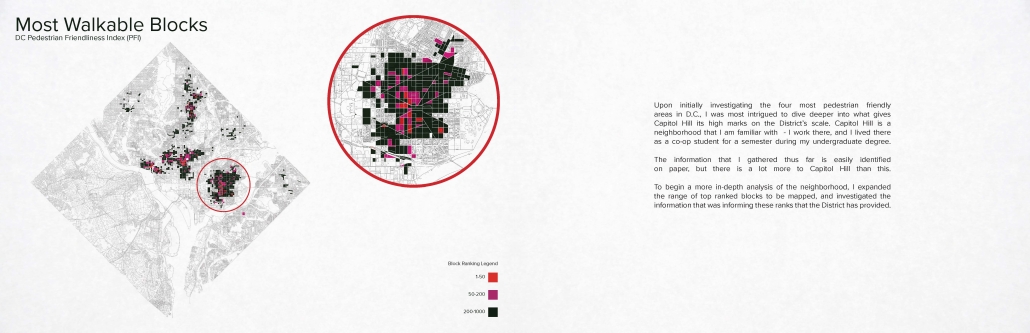
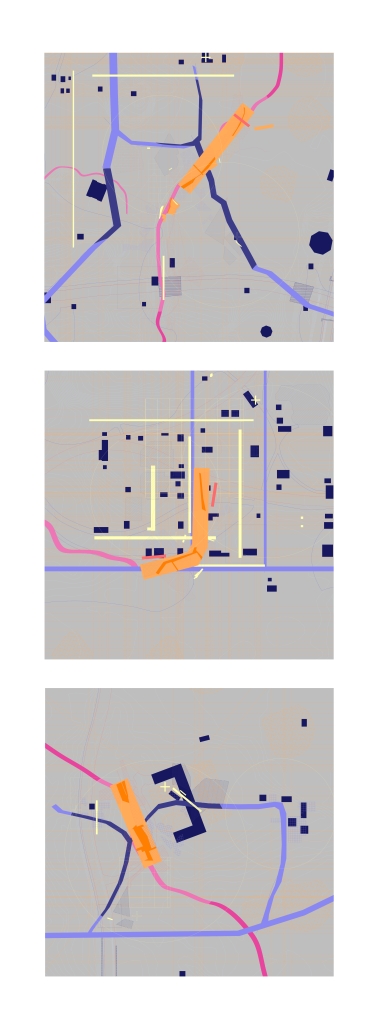
“The Capitol Collective” is a community-centered creator’s hub that anchors the proposed Capitol Hill Art Trail – an alley network programmed to enhance local beauty and promote community pride. Located in one of the most walkable cities in the United States, Washington, D.C., this thesis explores pedestrian environments that are deemed ‘the best’ according to the District’s Pedestrian Friendliness Index (PFI), with a focus on the Capitol Hill neighborhood. While dozens of blocks in the area are ranked within the top 1,000 of the District, several others are deemed less desirable. This begs the question: what constitutes an ideal pedestrian environment, and how can we as designers contribute to creating architecture that thoughtfully integrates with, and improves upon, the pedestrian experience? 

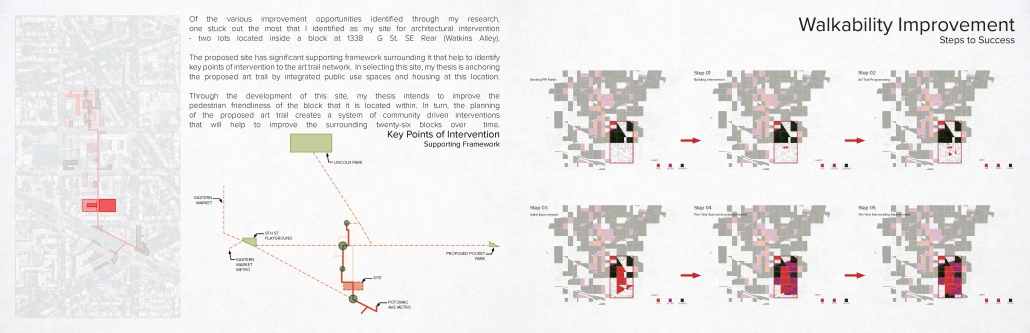
Observing and documenting street conditions of both higher and lower-ranked blocks demonstrated that blocks with higher rankings embraced the walker’s experience by incorporating programs such as sidewalk cafes and restaurants, inviting transit plazas, playgrounds, outdoor markets, and more. Through this initial research, a scope of roughly twenty-seven blocks was identified as an area that could be improved upon. The existing area has the foundation for a flourishing, walkable hub for the community, but it currently lacks the inviting qualities that its neighboring blocks have. This thesis proposes to fill these gaps through the built environment by creating a programmed art trail that is anchored through a community workshop and residence. 

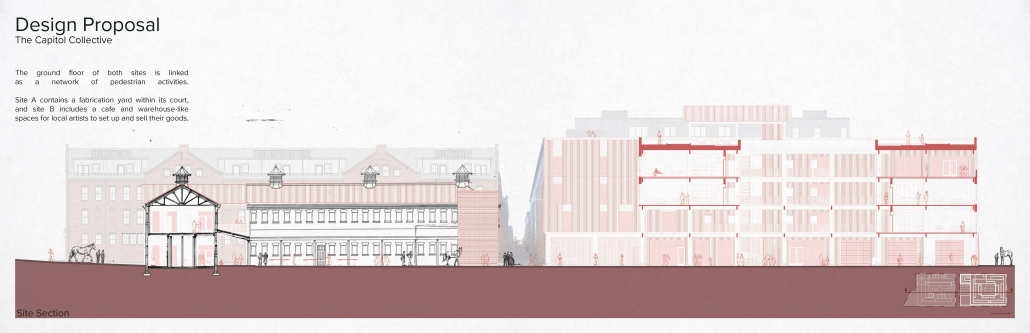
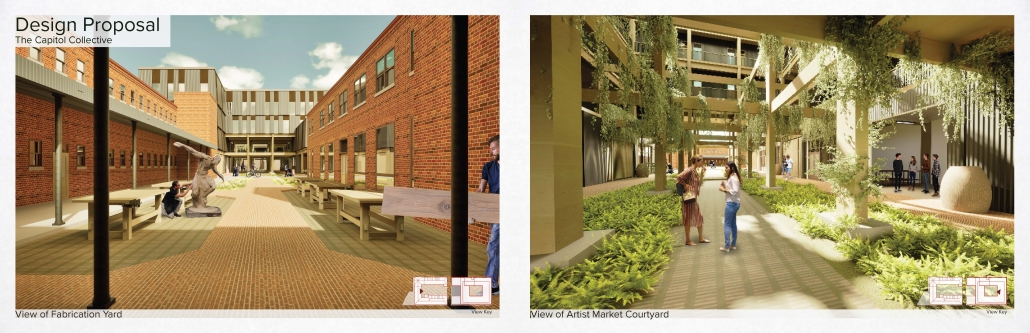
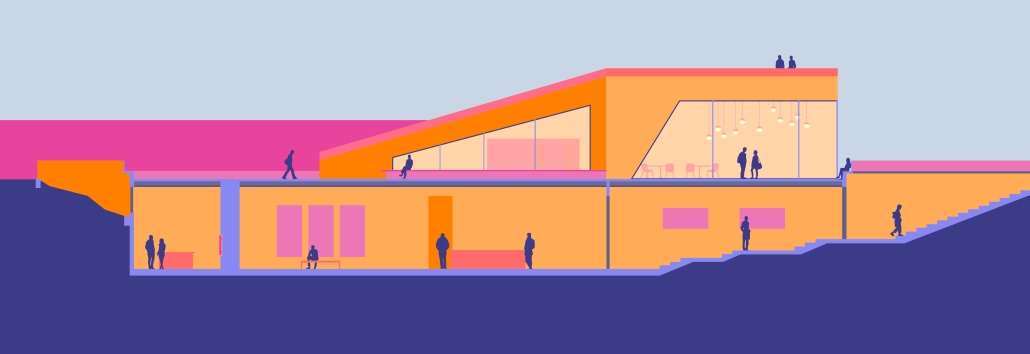
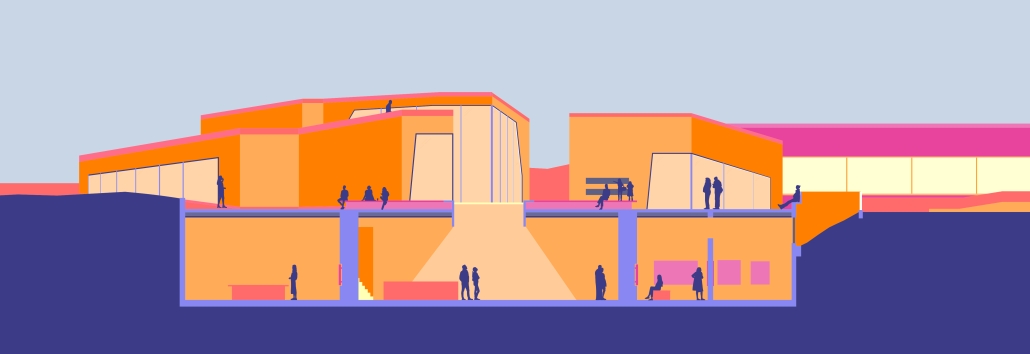
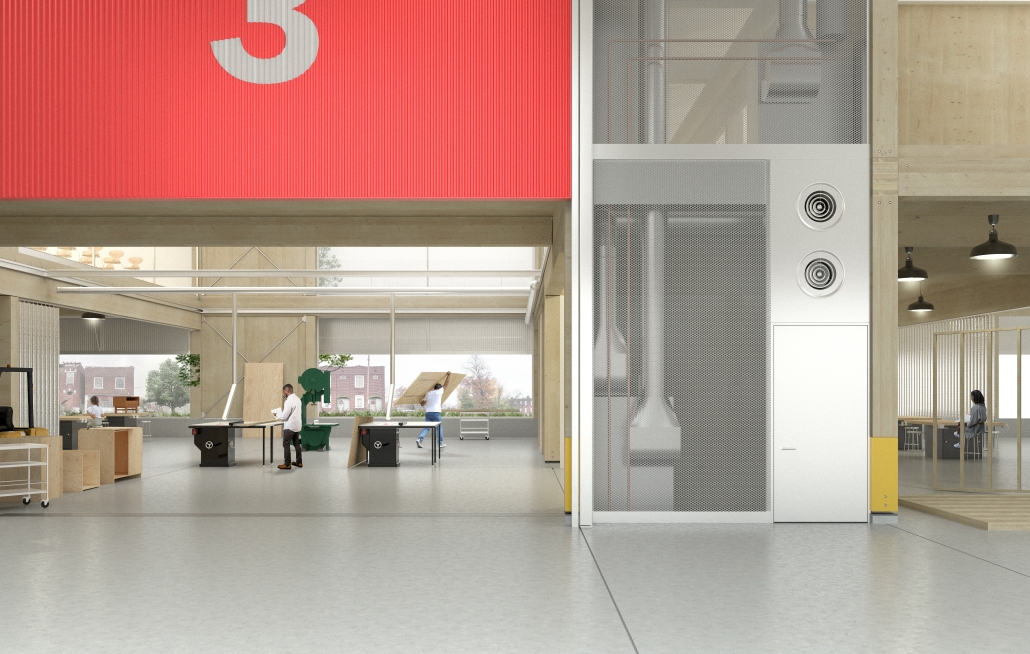
The Capitol Collective’s mission is to build community through creation. At the heart of the project are the wood shop and metal fabrication lab, which are open to all community members. There are also classrooms where individuals can learn from one another, a tool library where locals can rent out items, and studio spaces for local recurring artists. The ground floor of the newly constructed building also boasts a cafe and warehouse-like spaces for local artists to set up and sell their goods. Levels two through three of the new construction building are programmed with affordable housing that prioritizes individuals who are committed to improving and supporting the local community.

This project received the WAAC Thesis Award. 

Click here to learn more.

Instagram: @ashley.miller15, @VT_WAAC

The Voids of the Forgotten: Stories Layered in Unmaking by Sophie Hutton, BFA in Architecture’25
James Madison University | Advisor: Dylan Krueger

This thesis begins not with the act of making, but with the act of unmaking—a journey into the forgotten, the overlooked, and the lost.

Architecture is often thought of as something permanent—something that stands tall against time. But what if the first gesture in design was not to assert, but to dissolve? What if architecture could listen, rather than impose? What if the act of unmaking could be the beginning of creation?

Unmaking is a meditation on impermanence. It is about architecture that dissolves instead of dominates, about creating spaces that listen to the land rather than claim it. To unmake is not destruction. It is revelation. It is peeling back the layers of time to expose what has been buried. To make visible the hidden histories, the suppressed memories, and the erasures that still resonate beneath the soil. Architecture, in this sense, is not a monument to permanence but a vessel for memory, decay, and regeneration.

This exploration centers on a forgotten history, one hidden beneath the surface of Central Park, New York, where Seneca Village once stood—a thriving minority community in the 19th century, full of life, resilience, and faith. But it was erased, displaced under the guise of progress. Beneath the park’s manicured lawns lies a history that has yet to be remembered.

The design is centered around three areas in the park, each a meditation on memory, erasure, and reclamation. These speculative site plans visualize futures shaped by absence: nature overtaking roads, forgotten street grids returning, memory lines resisting imposed order. Each is an act of unmaking—a gesture toward revealing what has been hidden and allowing the land to speak again.

Unmaking is not failure, but resistance and revelation. It asks us to design with the rhythm of life. To unmake is to remember.

This project won the James Madison University Thesis Prize.  

Instagram: @sopharcd, @dylan.things

DESIGNING FOR THE SENSES: HARNESSING LIGHT, TRANSPARENCY, AND VISUAL CONNECTIVITY TO CREATE RESPONSIVE ARCHITECTURE FOR THE DEAF COMMUNITY by Jennifer Pennington, M.Arch ’25
Florida A&M University | Advisors: George Epolito, Andrew Chin

This thesis explores how architectural design can be thoughtfully informed by Deaf space principles to create environments that enhance navigation, communication, and inclusivity for the Deaf community. Centered on the strategic application of light, transparency, and visual porosity, the project seeks to dismantle spatial and sensory barriers that often leave Deaf individuals navigating spaces that fail to support their lived experiences.

The research focuses on designing a community hub in Tallahassee, Florida—an inclusive space that promotes visibility, intuitive movement, and social connection. Current architectural practices frequently neglect Deaf users, resulting in spaces that are visually fragmented or lack necessary cues for spatial awareness. This study responds by investigating design strategies that prioritize visual access, clear sightlines, and unobstructed circulation.

Using Deaf space design theory as a foundation, the project integrates spatial transparency and natural light to support non-verbal communication, while employing visual rhythm and layered spatial relationships to guide users organically through the environment. Through case studies, spatial analysis, and architectural modeling, the research establishes a set of principles for creating spaces that do not merely accommodate but actively empower Deaf individuals.

The resulting design envisions a community hub that is both functionally accessible and emotionally enriching—encouraging interaction within the Deaf community while also inviting greater engagement with the broader public. In doing so, the thesis advocates for a more holistic and humane architectural practice, one that values sensory diversity as a driver for innovation and social equity.

 Instagram: @famu_masterofarch, @famusaet

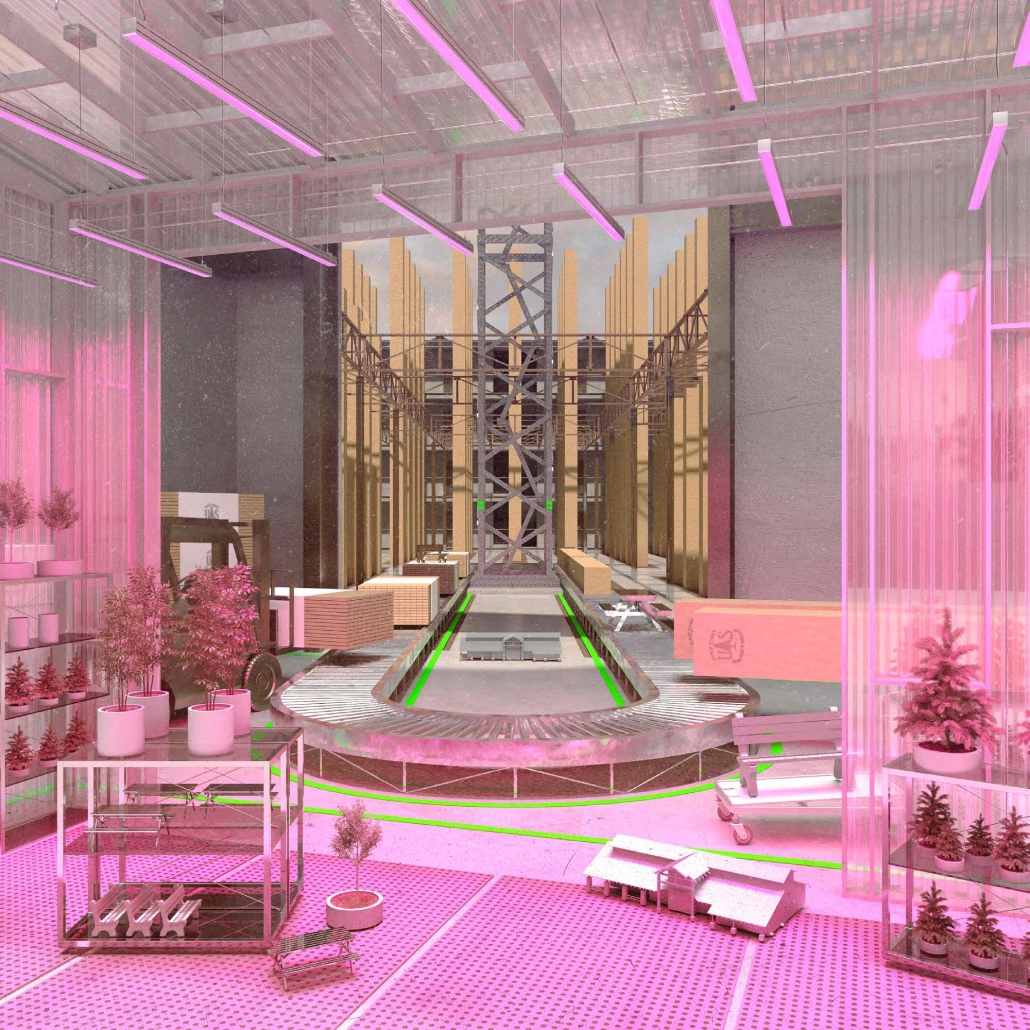
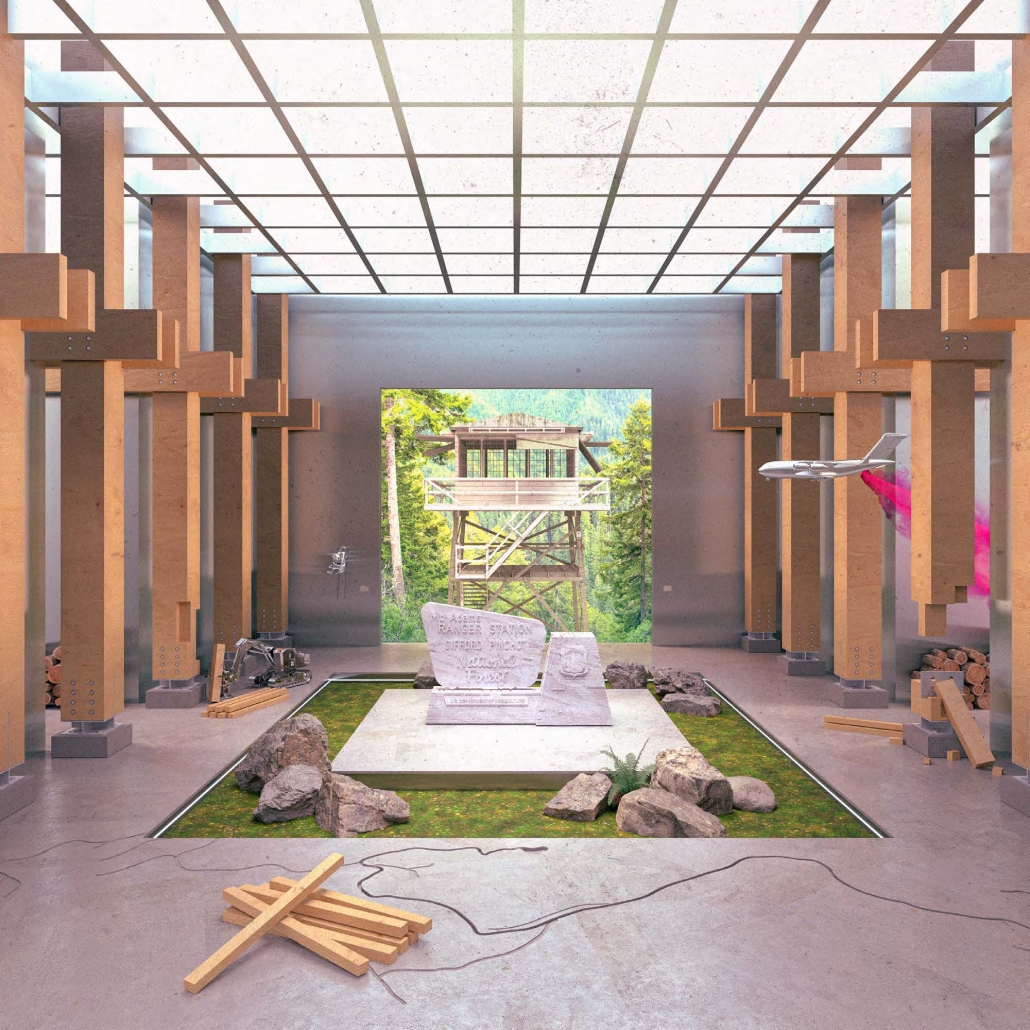
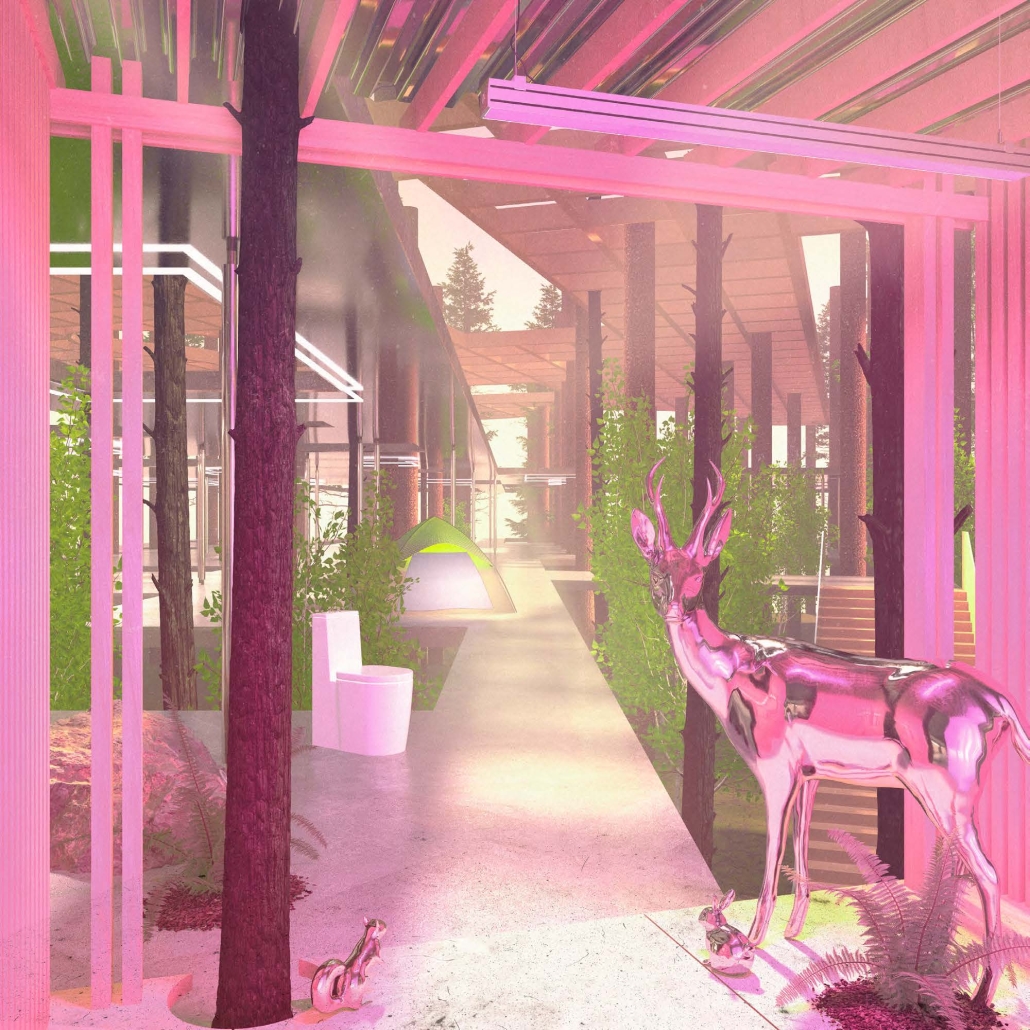
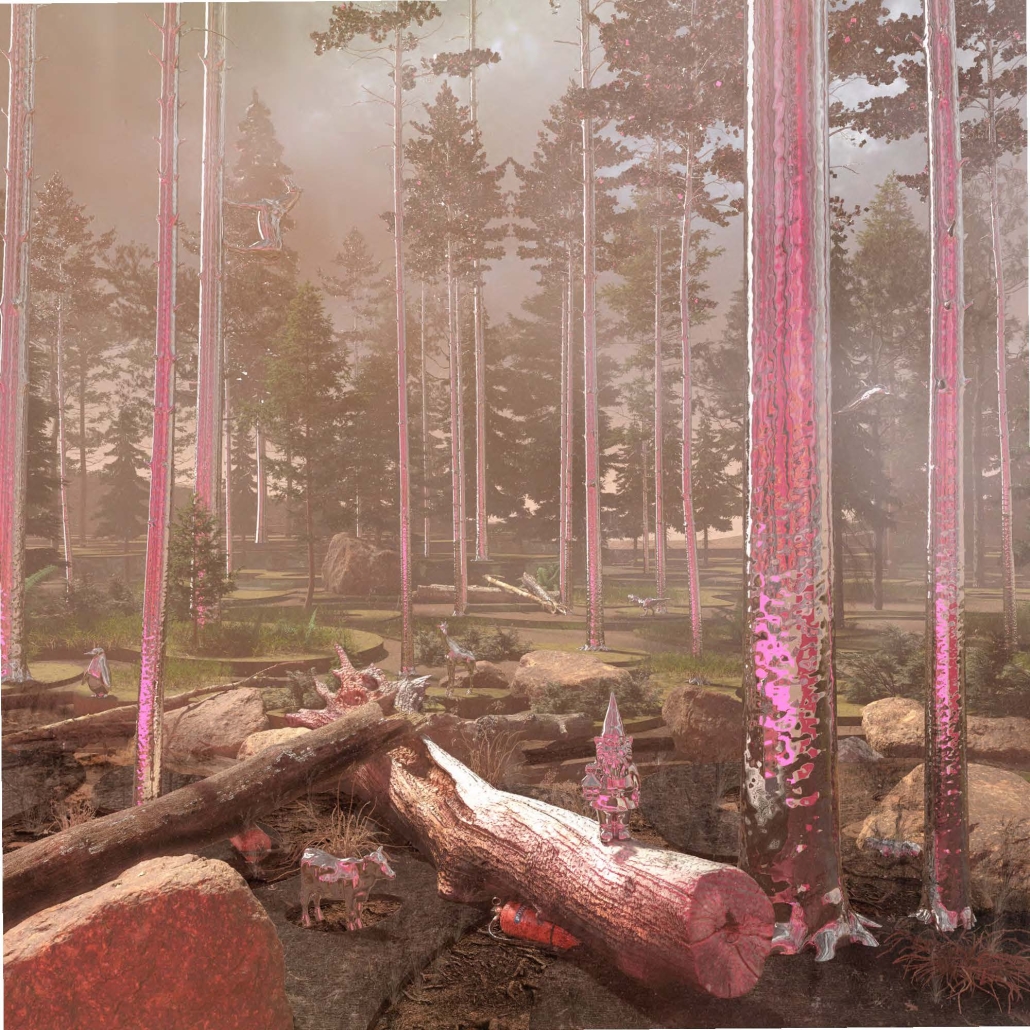
The Last Lookout by Keaton Bruce, M.Arch ’25
Temple University | Advisors: Sally Harrison, Jeffrey Nesbit & Kate Wingert-Playdon

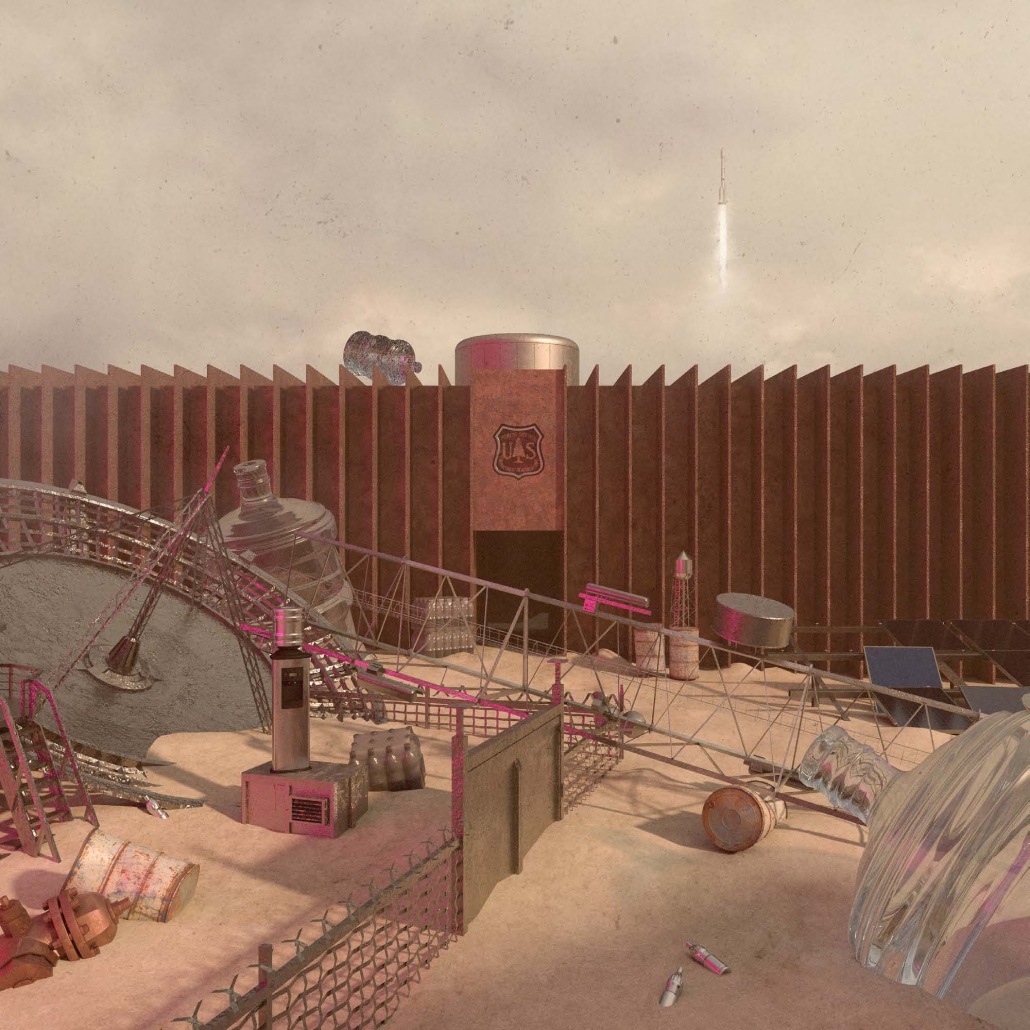
Our forest has been completely designed.

The production of artificial boundaries, unassuming objects, and pervasive cultural imaginaries, the United States Forest Service constructs American forests in the image of a naturalized occupying state. Contemporary architecture, in its reliance on this manufactured forest, sustains violent neoliberal fantasies of displacements disguised as world-saving visions of productivity and progress.

So how might we imagine the future of architecture, of our forest, of resistance? If the National Forest Service is a tool of an occupying state, a new vision of the forest is delayed until the current system of commodification and nationalization is dismantled. The project speculates on a final form – the last lookout – and asks how this end can be just as valuable as a beginning in realizing a new future – an architecture after the Forest Service.

Based on the Multi-Use Sustained-Yield Act of 1960, which set forth five productivity mandates for USFS-managed lands (watershed, logging, recreation, range, and wildlife), the project satirizes five architectural endings of the forest: the MAUSOLEUM, the PENITENTARY, the MUSEUM, the COMMONS, and the AFTERLIFE. Each forest rendered in plan, perspective, and physical model investigates the symbiotic relationship between forest imaginary, architectural vessel, urban form, and political agency in an acontextual superimposition on the Oregon State Capitol Complex.

The forest we inherit need not be the forest we leave behind, but the forest we ultimately construct must be the forest we imagine.

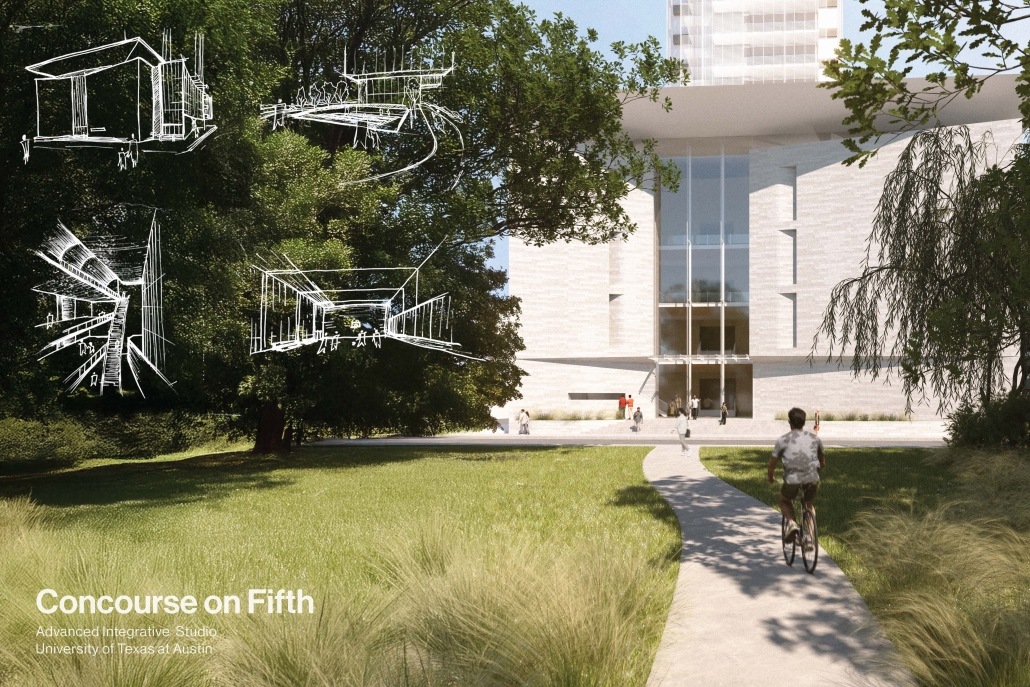
Concourse on 5th by Maverick Santos & Luke Slay, M.Arch ’25
University of Texas at Austin | Advisor: Matt Fajkus

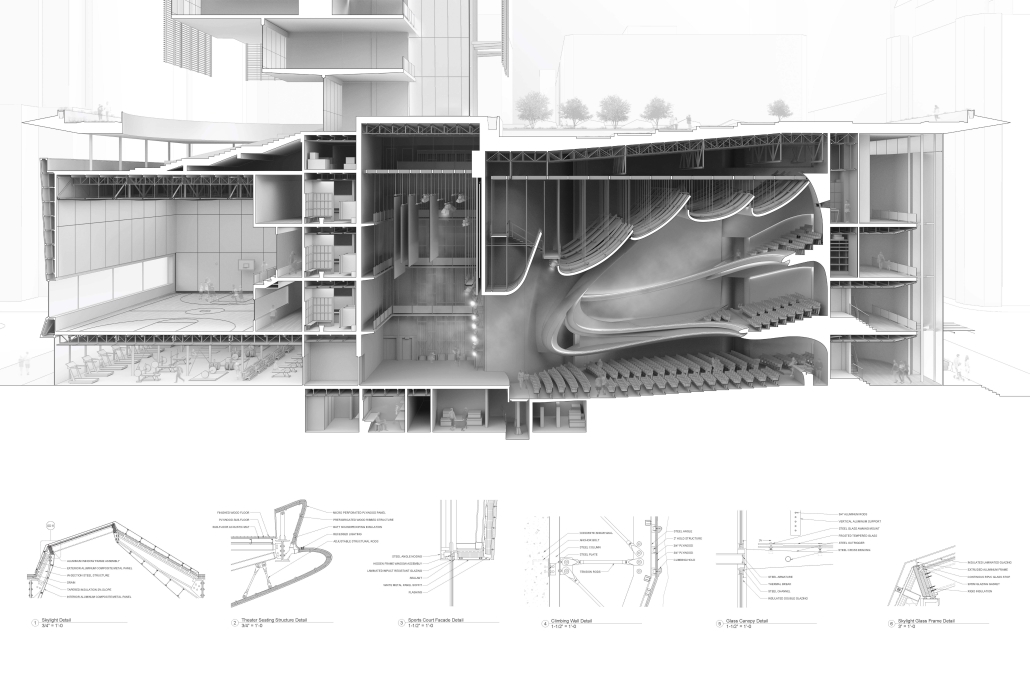
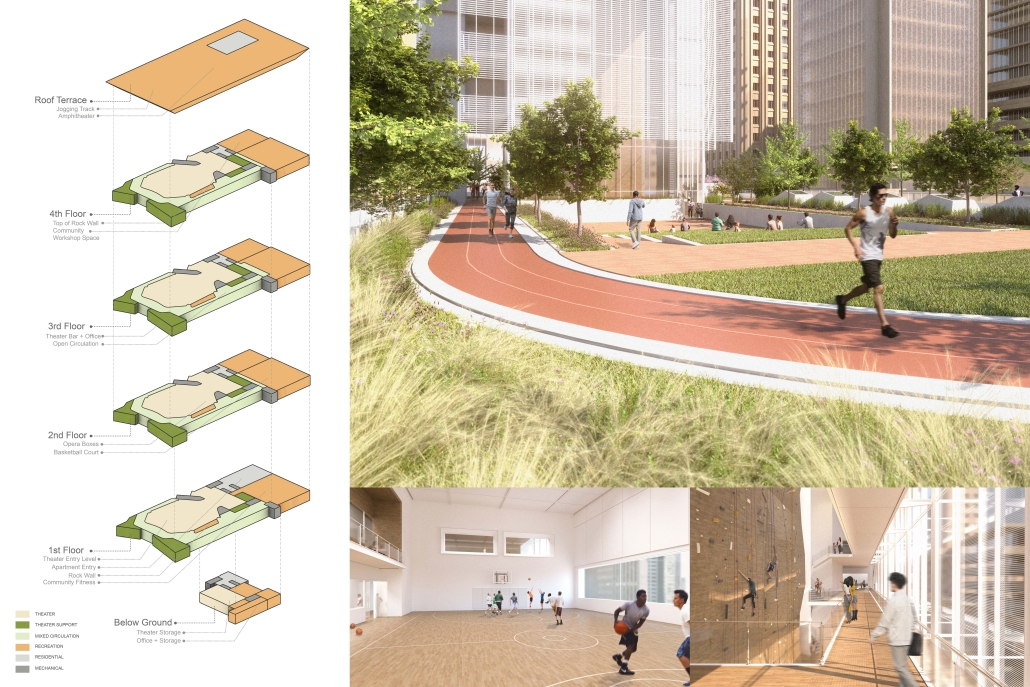
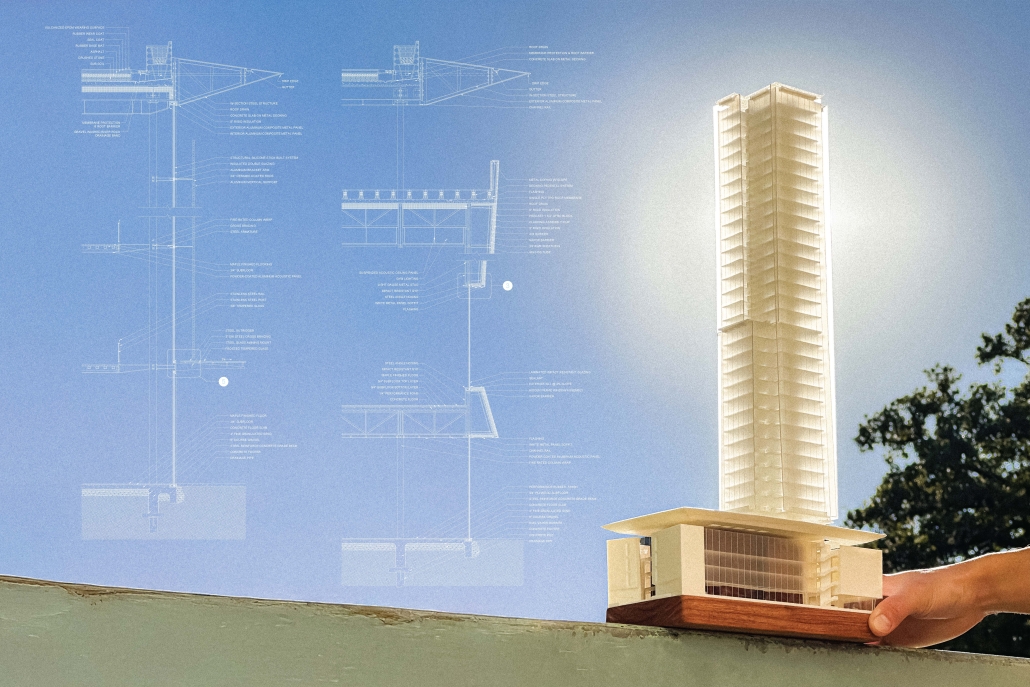
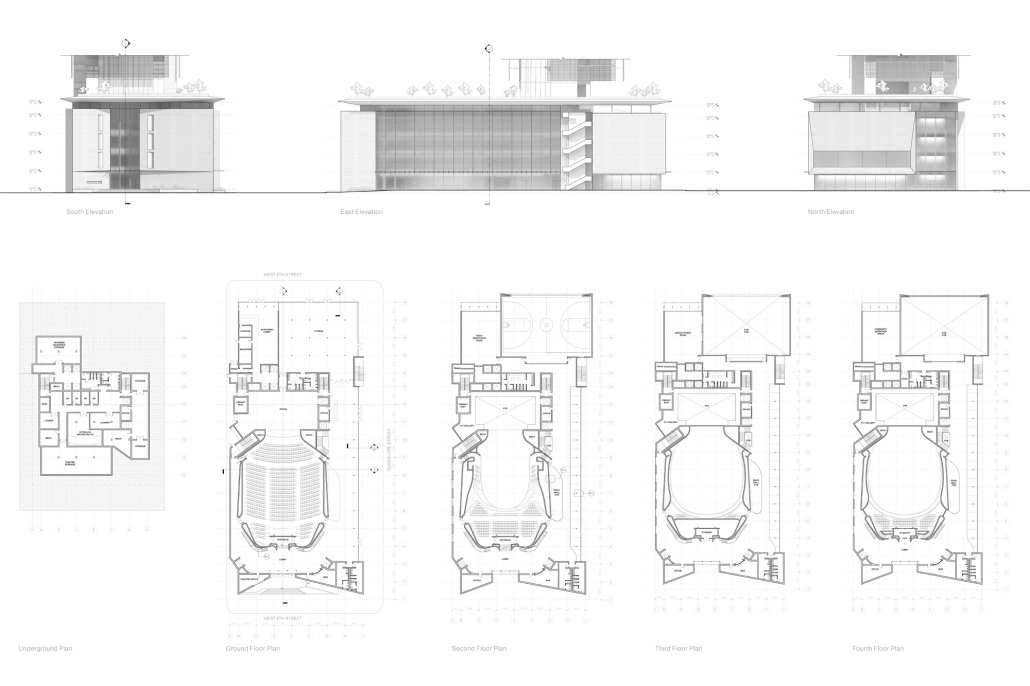
“Concourse on 5th” is a bold reimagining of downtown Austin’s civic landscape, designed to facilitate the city’s cultural vibrancy and active urban lifestyle. Strategically placed at the intersection of 5th Street and Guadalupe, the project redefines the role of circulation by transforming it into an “activated concourse” — a connective public platform that links a performance theater, community recreation spaces, and residences within a single cohesive building. By layering programs that operate on varied cycles, the building sustains continuous activity, becoming a dynamic place that serves diverse users throughout the day and night.

Located adjacent to Republic Square, the site capitalizes on its proximity to green space to prioritize the pedestrian experience. The theater’s monumental entry sequence, directly facing the park, establishes a strong civic presence and a sense of arrival. Along Guadalupe Street, the entrance to the community center is activated by an exterior stair that ascends to the elevated podium, where a running track and green spaces extend the square, promoting public engagement and visual transparency. The lightly articulated facade along this edge offers curated glimpses into the building’s interior, where warm wood finishes and the vertical ascent of a rock-climbing wall become visible markers of internal activity. On the 6th Street edge, the residential tower entrance is discreetly integrated alongside a highly visible sports court, reinforcing the project’s active interface with the city.

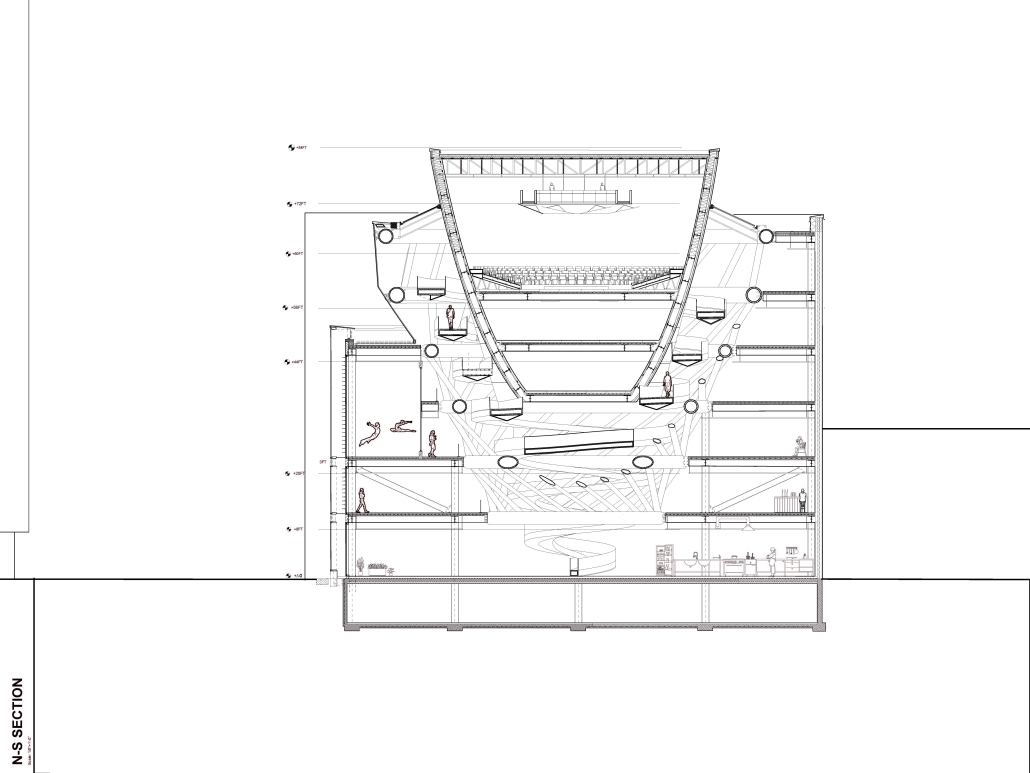
Internally, the theater is defined by sweeping, sculptural wood forms that foster a close and immersive relationship between audience and performance. The contrast between the refined urban exterior and the expressive, tactile interior enhances the experience within the project. The recreation program complements the performance spaces through its strategic integration, featuring moments where the climbing wall ascends along the theater’s edge, connecting multiple floors and drawing visual continuity between arts and athletics. 

The project challenges conventional typologies of event venues, which often remain unoccupied outside of peak hours. Instead, Concourse on 5th activates its circulation zones as multifunctional social spaces. Vertical and horizontal circulation paths double as areas for spontaneous interaction, bridging programs and communities. In the atrium, patrons exiting a performance might encounter climbers in motion or glimpse a yoga class underway; a choreography of simultaneous experience. This overlap fosters moments of connection and shared occupation, elevating the concourse from mere infrastructure to an essential part of the building’s public life.

Ultimately, Concourse on 5th functions as a hybrid space, serving as a platform for art, recreation, and everyday life. It reclaims space in downtown Austin for collective use through a design rooted in transparency, spatial porosity, and programmatic overlap. The project reimagines how architecture can enable continuous activation, creating a vibrant and inclusive environment that adapts to the city it serves.

This project was a finalist for the UT Design Excellence Award.

Instagram: @mikhail.maverick, @luke_slay01, @mf.architecture

The Natatorium and the Wall by Grace Kotomi Owens, B.Arch ’25
Mississippi State University | Advisors: Jassen Callender, David Buege, Mark Vaughan, Aaron White & David Perkes

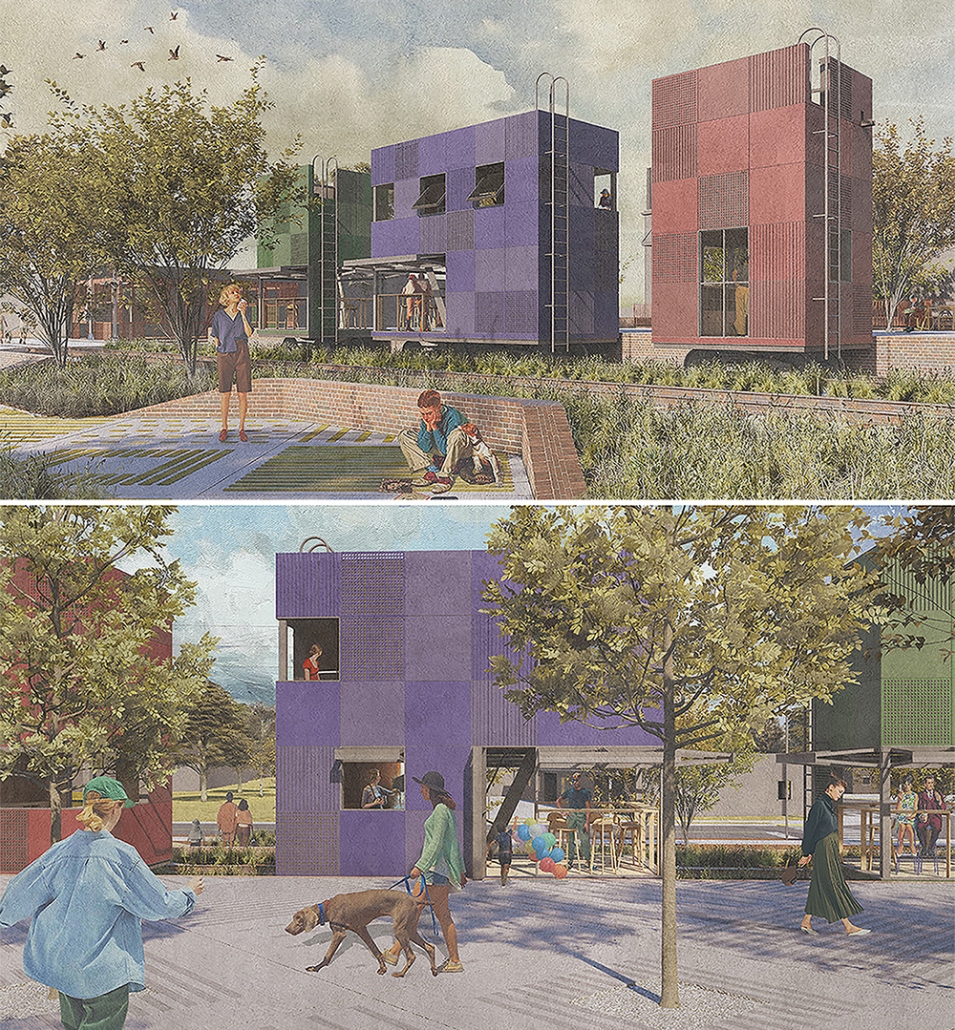
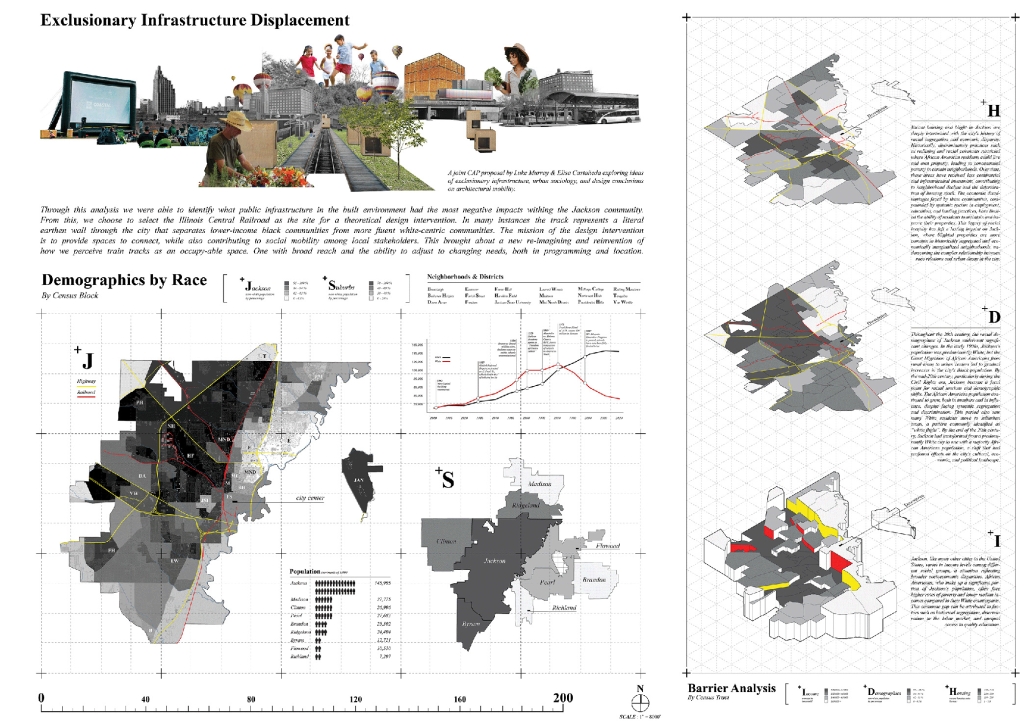
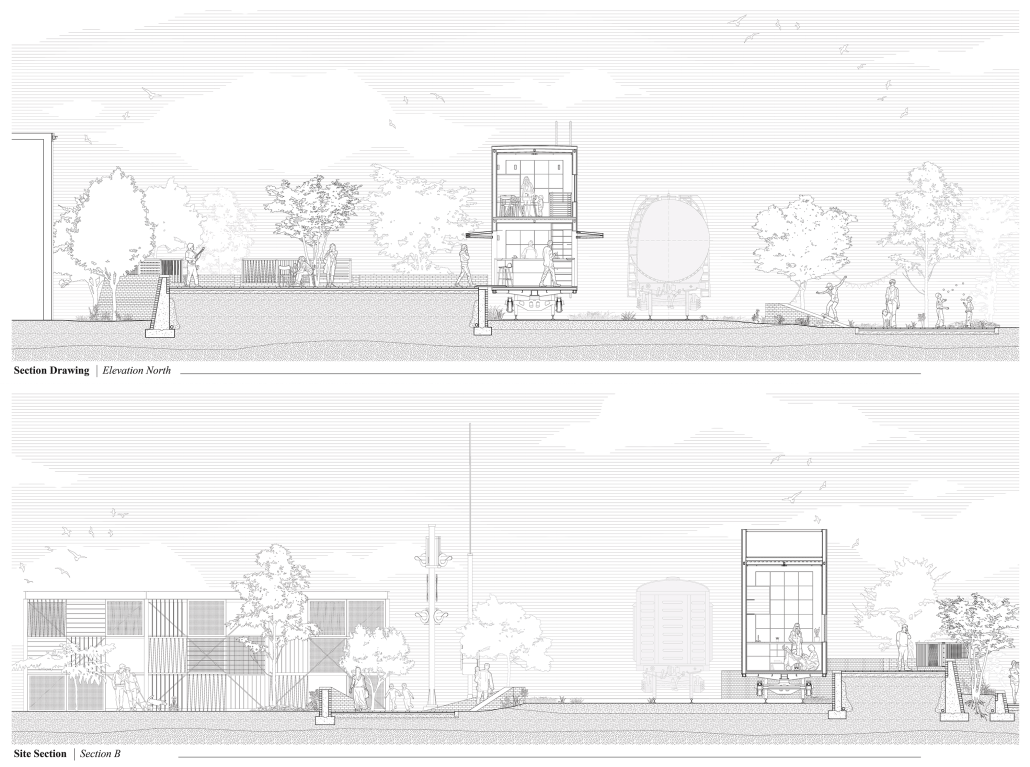
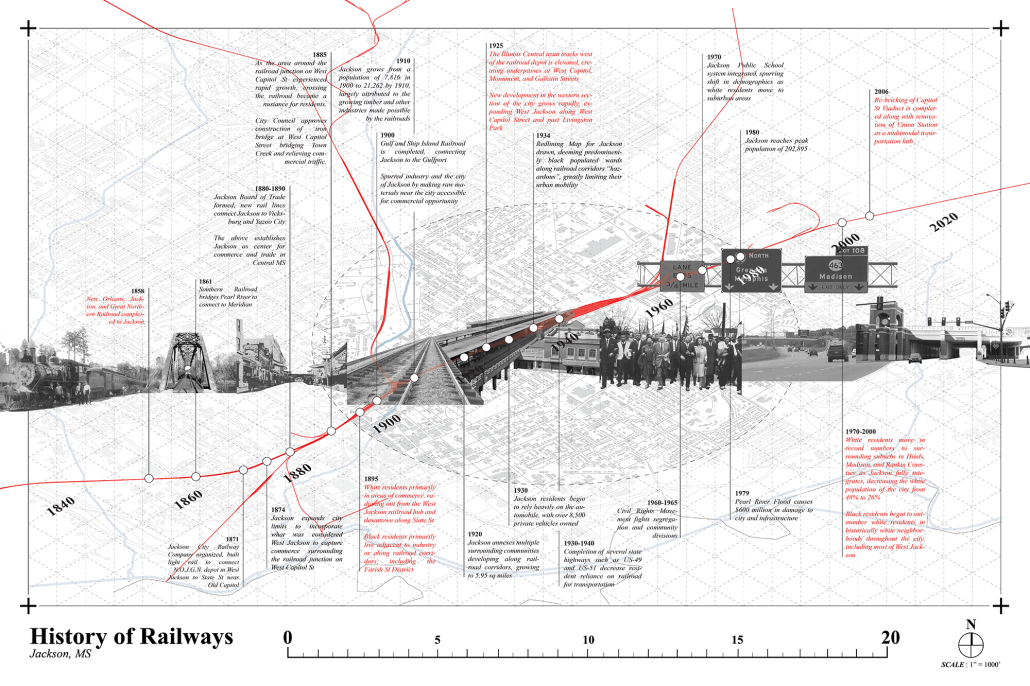
Pools are about floating and swimming; they are about feeling the water, feeling its temperature, its resistance to our movements, its weight, and our weightlessness. They are undoubtedly experiential destinations. In our increasingly digital world, I began this project hoping a natatorium in downtown Jackson, MS, would simultaneously bring people together and provide a place for people to be present, a place of focus and sanctuary. 

As the semester progressed, my project became about many things.  

My initial explorations were about void space. I find it insufficient to say that architecture creates space — it instead divides and thereby gives identity to and further defines the “empty” space that is already there.  

There was one question that I consistently asked myself in designing the natatorium: how close do two surfaces have to be for people to feel the space between them?  Voids became a bit of an obsession: the implied void of ribbon of windows wrapping the west and south facades, the unusual entry sequence in the void of the west elevation, the void behind the square window, the unoccupiable spaces of light wells and sculpture pockets seen in plan, the conical void of the south elevation, and of course, the void of the pool… negative space – present tangibly and intangibly throughout.  

This project also led me to explore architecture’s contribution to the city.  Designing a natatorium – a fairly suburban building in its standard form – for an urban context… This became an incredible challenge.  

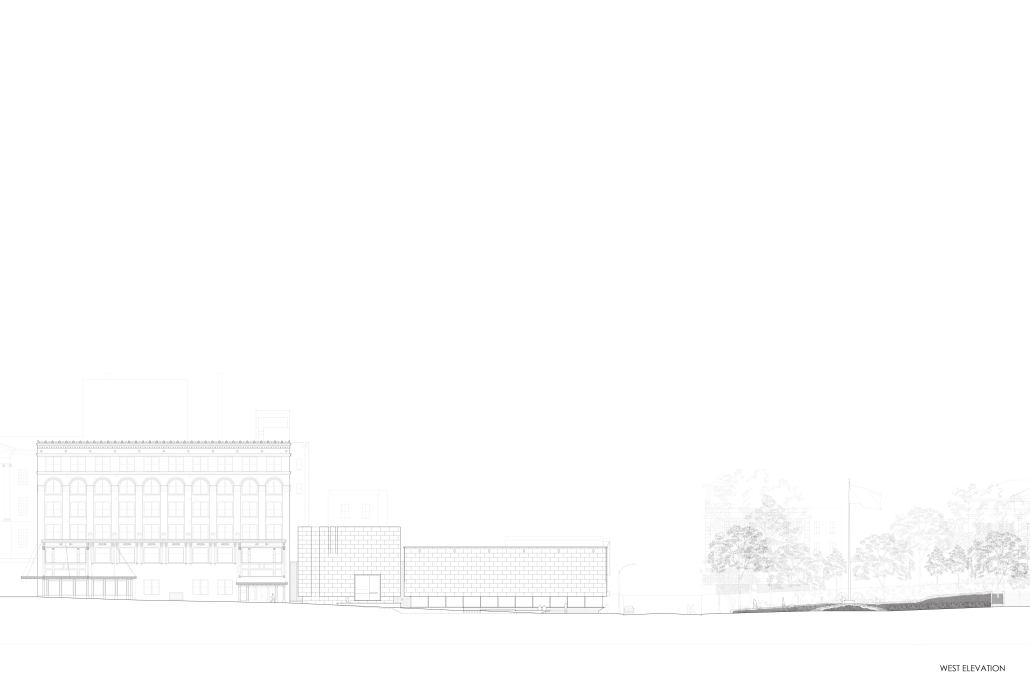
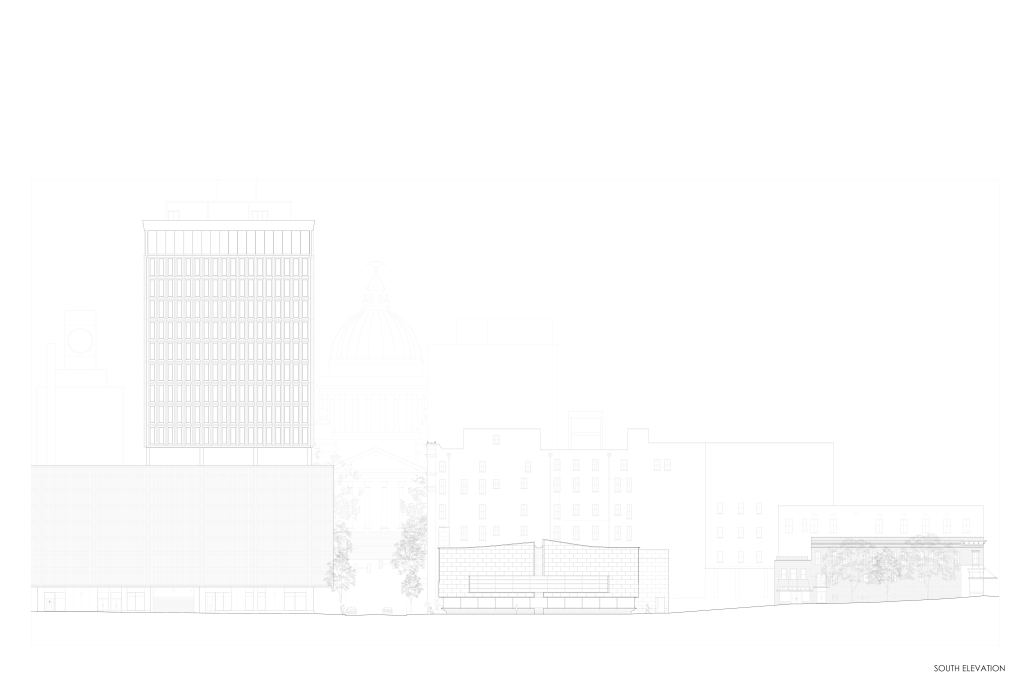
My desire to meaningfully contribute to the city manifested itself in the design of “The Wall,” which can be seen in my West elevation. The Wall is almost totally detached from the rest of the natatorium, joined only by the cuboidal space protruding from the wall as a square window.  The Wall serves to acknowledge the suburban scale of the program it conceals: locker rooms, restrooms, and small offices.  Without such an acknowledgement, the natatorium would be dwarfed by the surrounding context.

In the end, I designed the natatorium and its wall as a monument to the city of Jackson. 

This project was chosen for display in the McNeel Architecture Gallery. 

Instagram: @grace.kotomi, @jassencallender

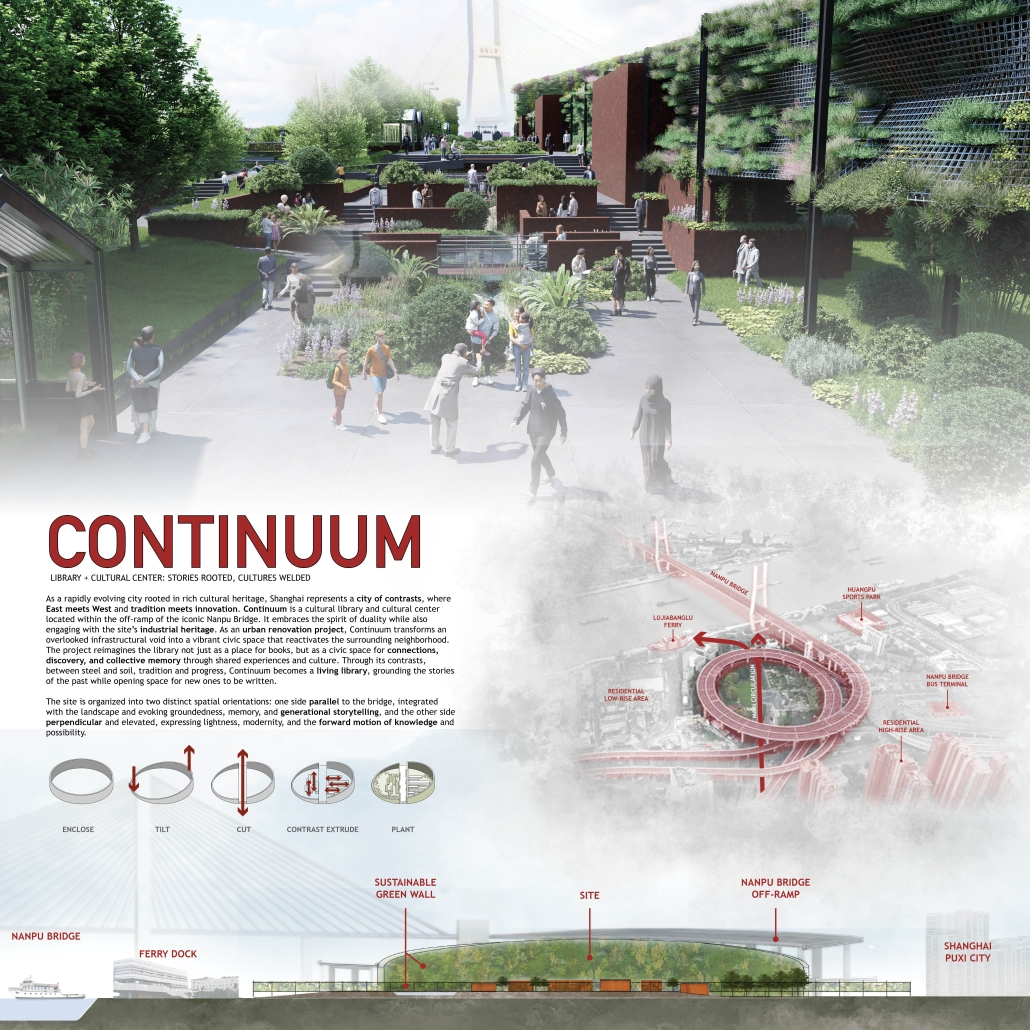
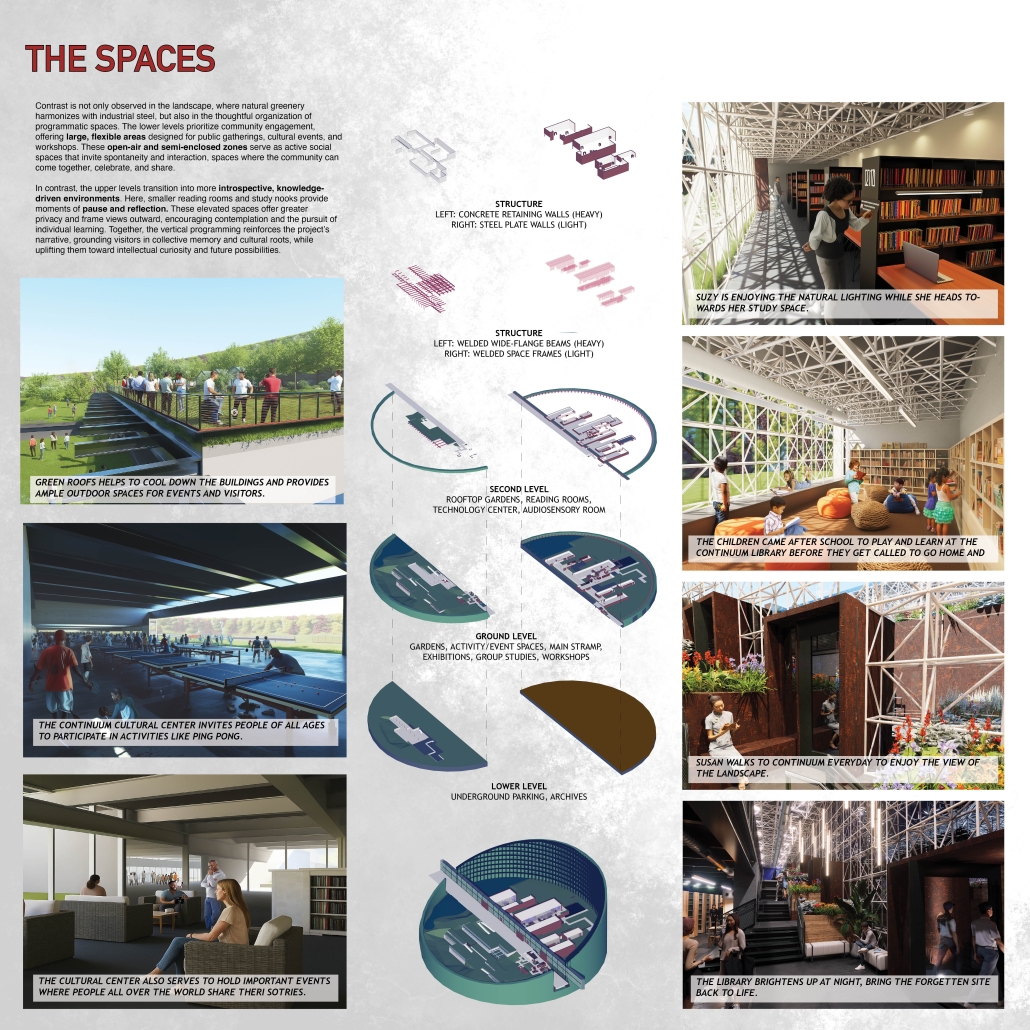
Continuum Library by Joyce Lin, Ronny Nowland, Ashlyn Okazaki, Natalie Ou & Ran Shen, D.Arch ’25
University of Hawaiʻi at Mānoa | Advisors: Clark Llewellyn & Ferdinand Johns

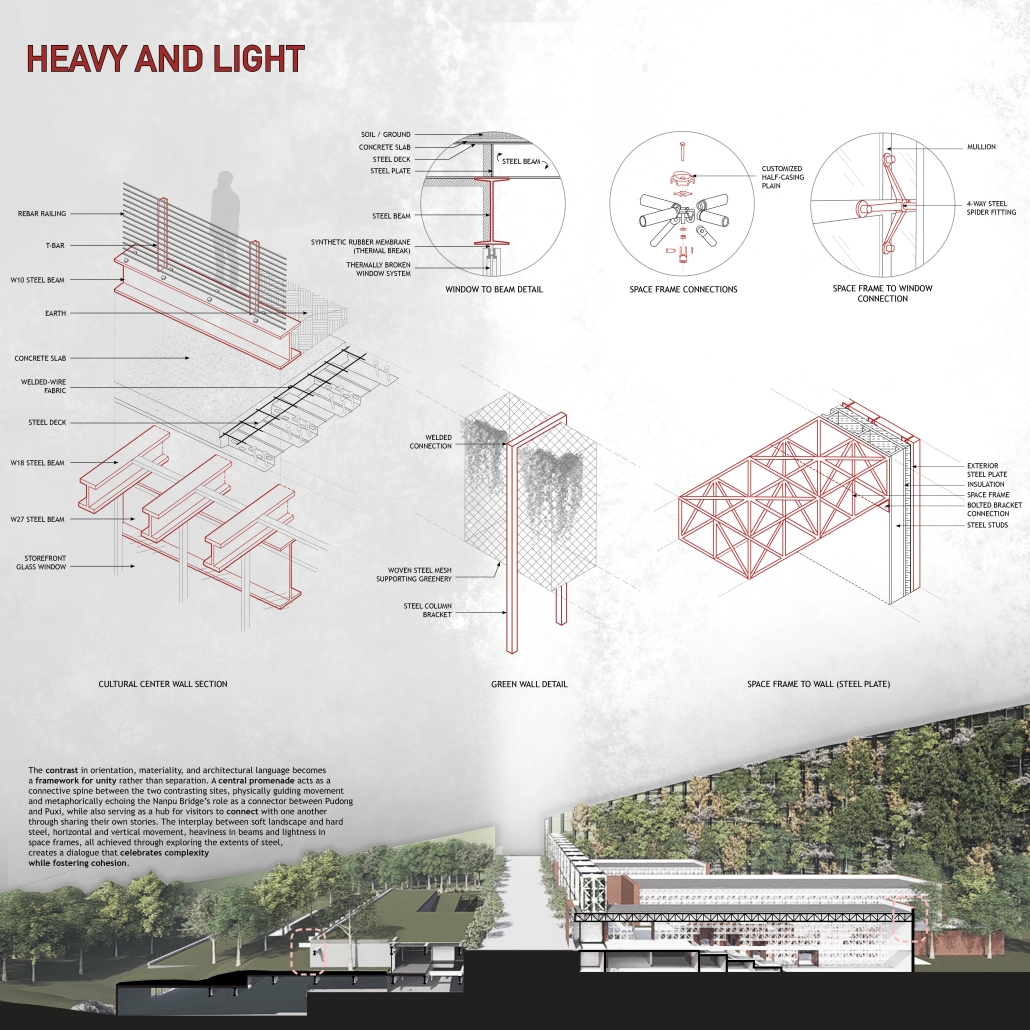
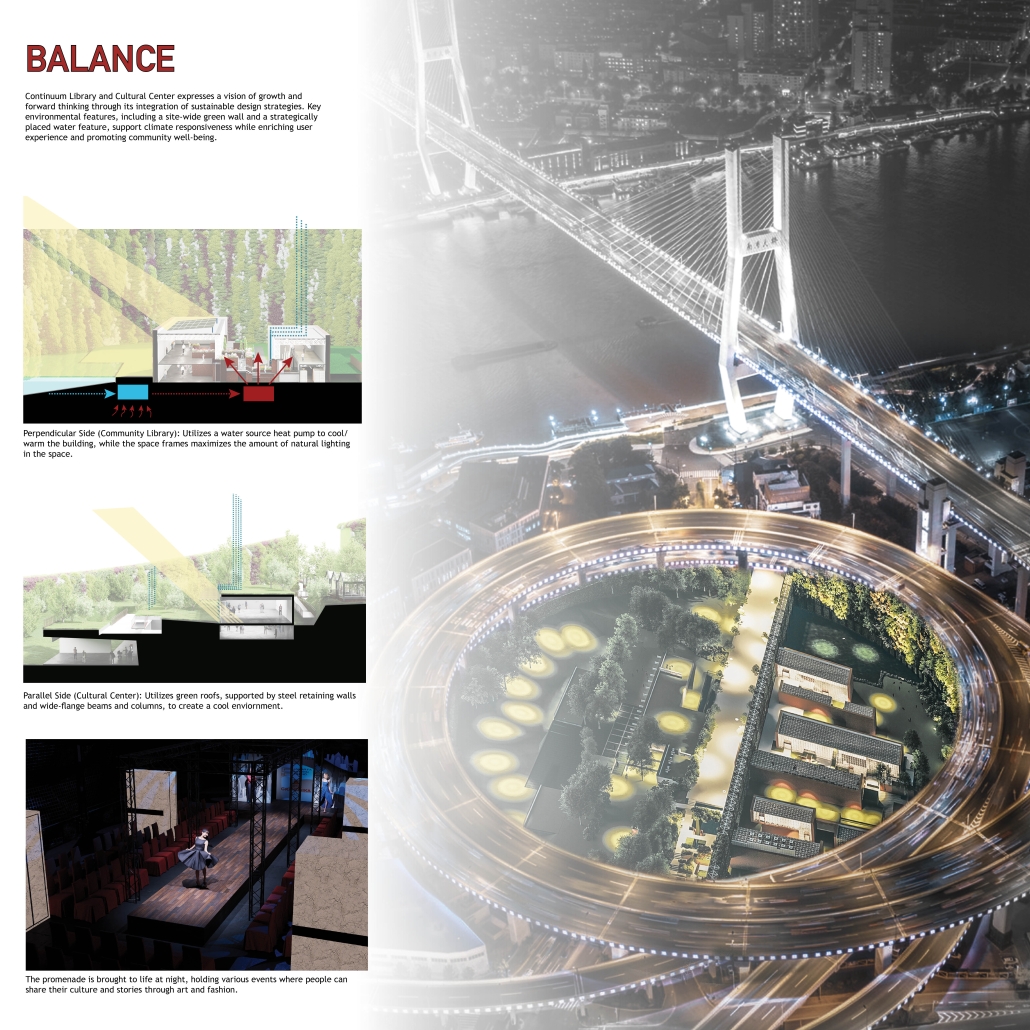
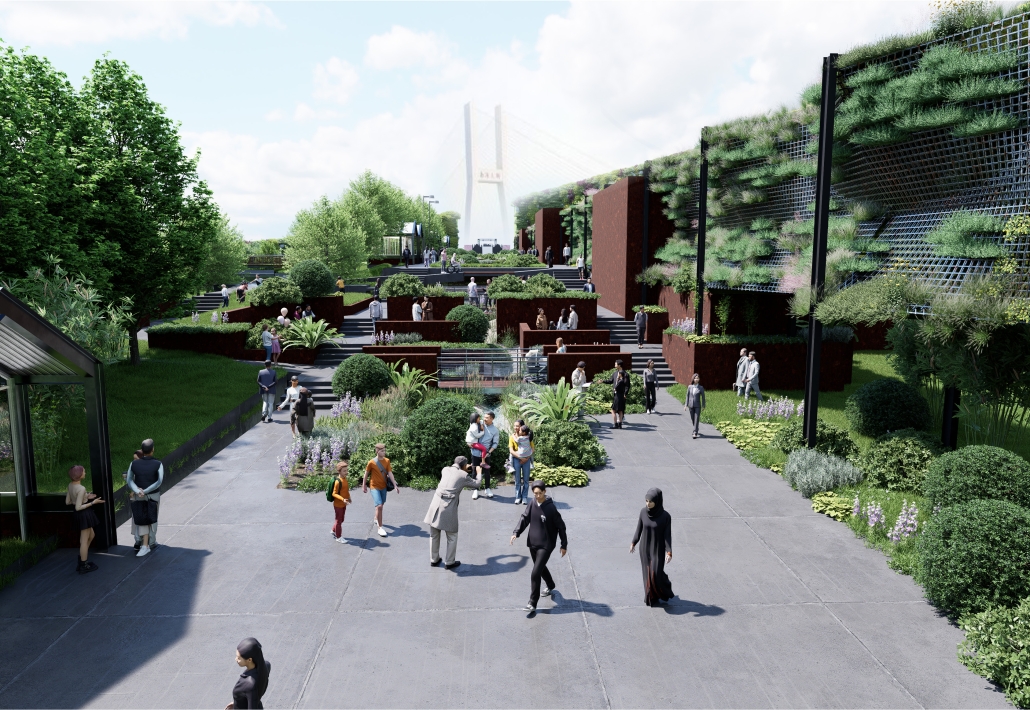
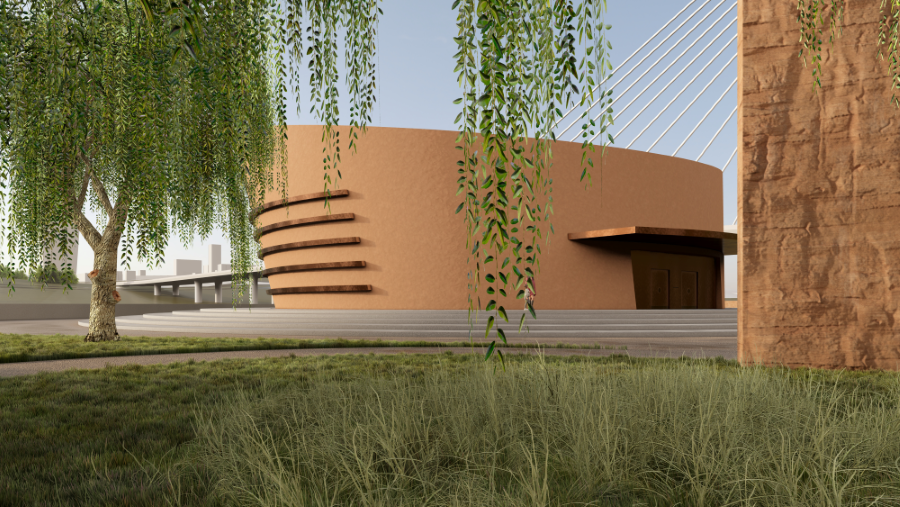
In the bustling Chinese city of Shanghai, “Continuum” reimagines a forgotten infrastructural void beneath the historic Nanpu Bridge’s spiraling access ramps as a dynamic art and fashion-focused library and cultural center. Rooted in the city’s identity as a place of contrasts, where historic tradition interweaves with global innovation, Continuum explores the concept of duality through architecture, program, and materiality.

The design embraces Shanghai’s industrial heritage by preserving and exposing the structural steel elements of the site while layering contemporary interventions that reflect the city’s evolving creative identity. A long-span steel canopy nestled under the undulating descending slope of the site’s green park bridges the old and new, creating an iconic gesture that anchors the site and provides shelter for public gatherings, exhibitions, and performances.

Continuum’s program is split between traditional library services and a “+” space dedicated to fashion archives, design workshops, maker labs, and rotating gallery exhibitions. This not only supports education and creative exchange but also activates local industries and emerging designers. Public spaces flow seamlessly from interior to exterior, with open reading terraces, pop-up markets, and interactive art installations drawing pedestrians and cyclists into the space.

The project’s strategy of adaptive reuse reduces environmental impact while celebrating the poetic tension between heavy infrastructure and light cultural use. By stitching together circulation paths, layered programming, and expressive steel structure, Continuum becomes a new node in Shanghai’s civic network, a platform for exchange, creativity, and community resilience.

In a city of constant flux, Continuum offers a space for pause, reflection, and cultural production, anchored in history, yet always looking forward.

Instagram: @as.h_l.and, @joyce.lyx, @artravelersr, @natalie.xy.ou, @archawaii, @global_track_architecture

The Creative Exchange by Bridget Knudtson, Sarah Gurevitch & Jasmin Dickinson, M.Arch ’25
University of Texas at Austin | Advisor: Matt Fajkus

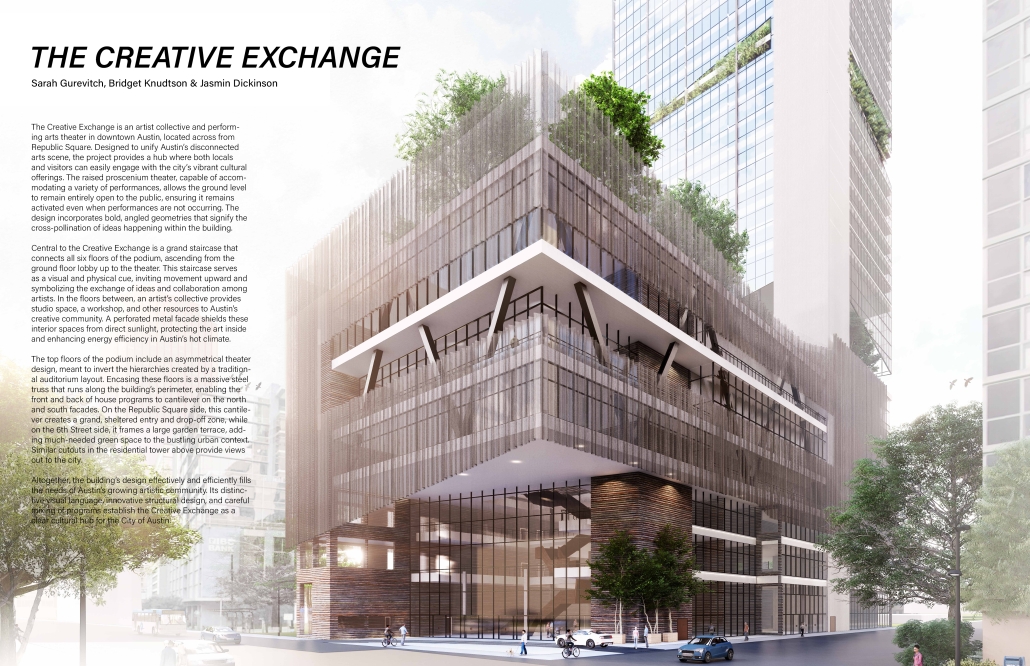
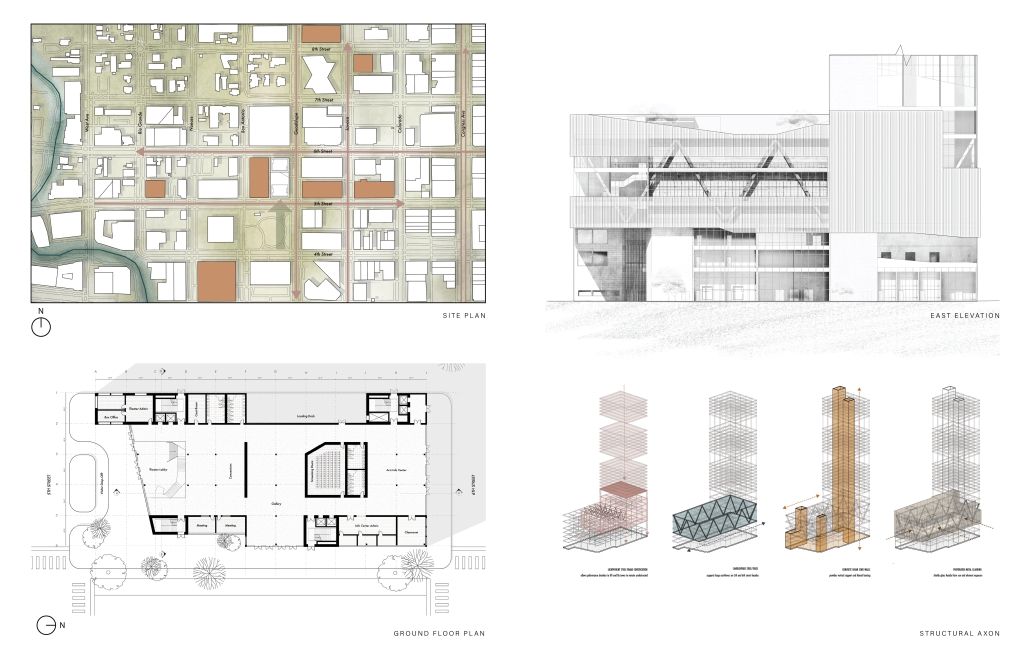
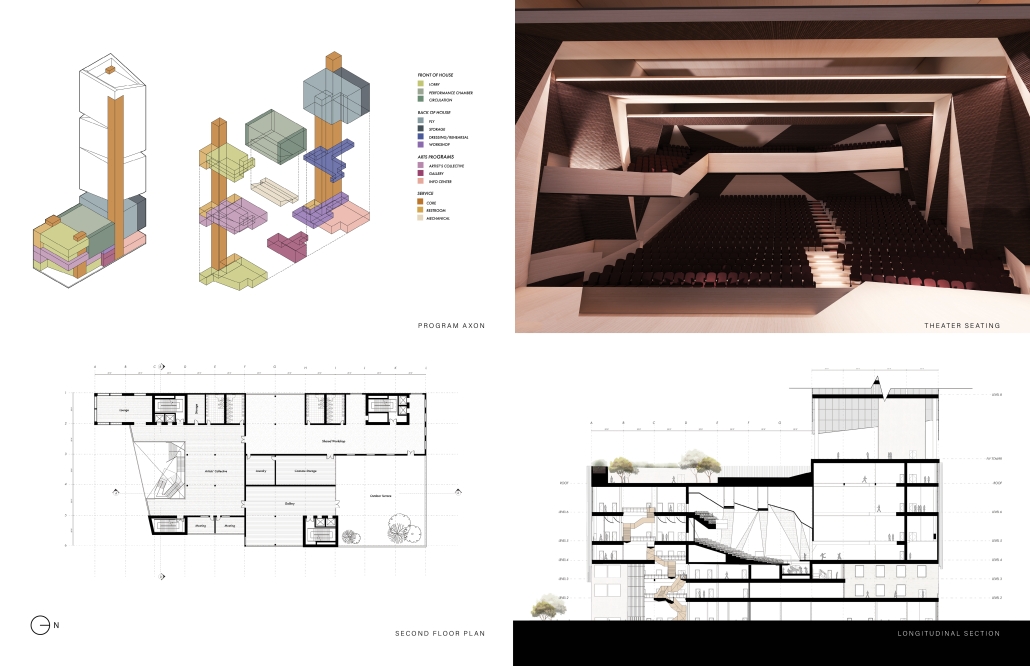
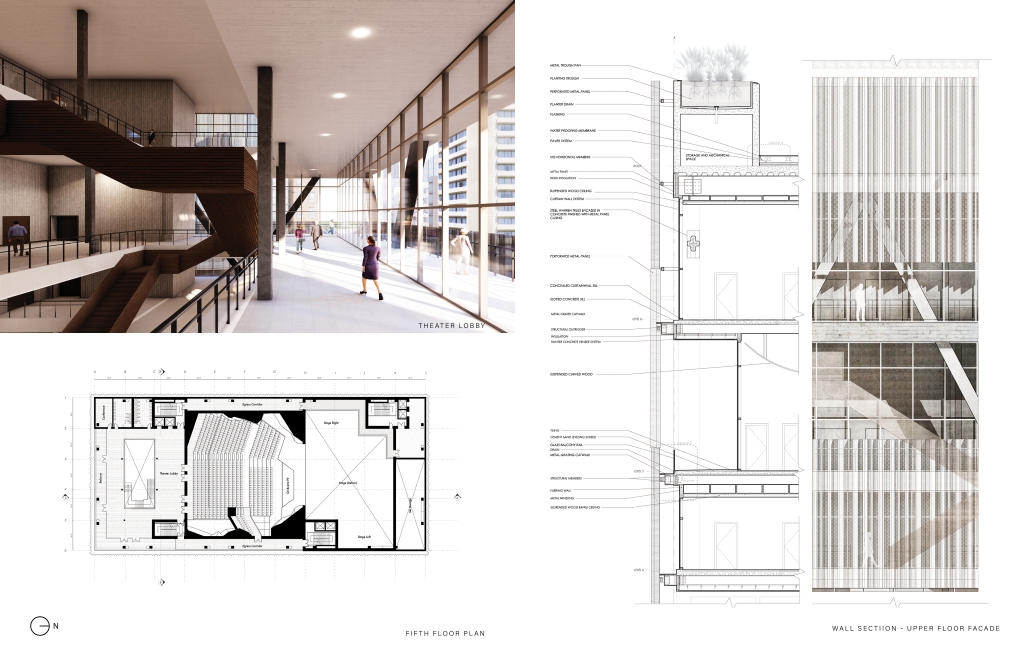
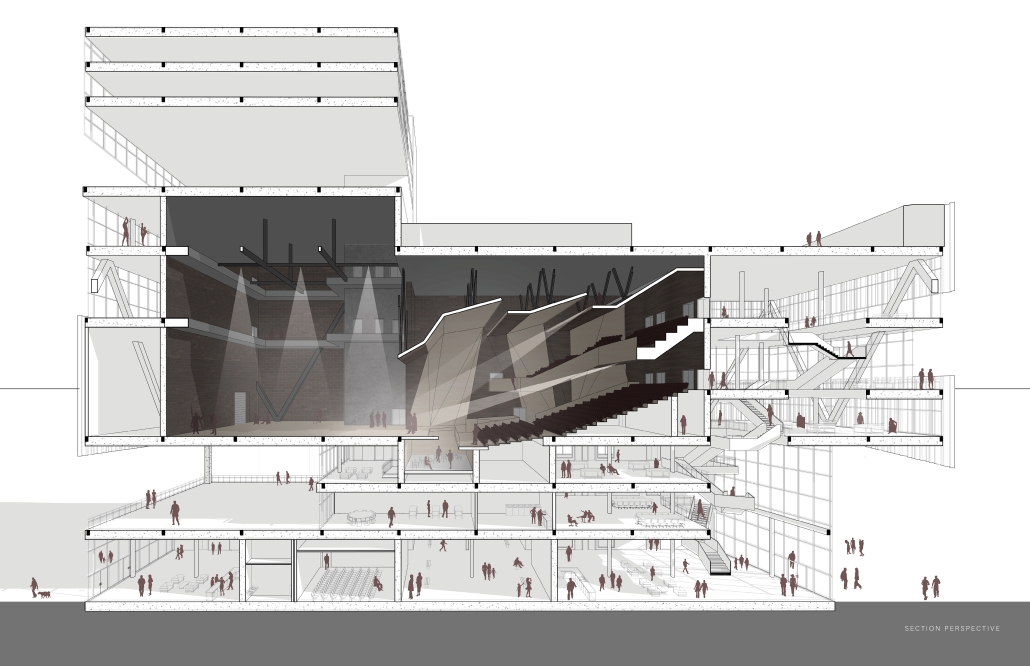
“The Creative Exchange” is an artist collective and performing arts theater in downtown Austin, located across from Republic Square. Designed to unify Austin’s disconnected arts scene, the project provides a hub where both locals and visitors can easily engage with the city’s vibrant cultural offerings. The raised proscenium theater, capable of accommodating a variety of performances, allows the ground level to remain entirely open to the public, ensuring it remains activated even when performances are not occurring. The design incorporates bold, angled geometries that signify the cross-pollination of ideas happening within the building. 

Central to the Creative Exchange is a grand staircase that connects all six floors of the podium, ascending from the ground floor lobby up to the theater. This staircase serves as a visual and physical cue, inviting movement upward and symbolizing the exchange of ideas and collaboration among artists. In the floors between, an artist’s collective provides studio space, a workshop, and other resources to Austin’s creative community. A perforated metal facade shields these interior spaces from direct sunlight, protecting the art inside and enhancing energy efficiency in Austin’s hot climate. 

The top floors of the podium include an asymmetrical theater design, meant to invert the hierarchies created by a traditional auditorium layout. Encasing these floors is a massive steel truss that runs along the building’s perimeter, enabling the front and back of house programs to cantilever on the north and south facades. On the Republic Square side, this cantilever creates a grand, sheltered entry and drop-off zone, while on the 6th Street side, it frames a large garden terrace, adding much-needed green space to the bustling urban context. Similar cutouts in the residential tower above provide views out to the city. 

Altogether, the building’s design effectively and efficiently fills the needs of Austin’s growing artistic community. Its distinctive visual language, innovative structural design, and careful mixing of programs establish the Creative Exchange as a clear cultural hub for the City of Austin. 

This project was nominated for a Design Excellence Award at the UT School of Architecture and was a finalist among award selections.

Instagram: @bridgetthetwin, @sarah_gurevitch, @jazzy_colors, @mf.architecture

(IN) ORDINATIO by Luis Leonardo Flores Hernández, B.Arch ’25
Tecnológico de Monterrey | Advisors: Guillermo Nieto Ross & Jorge Santos Quiroz

“Ordinatio” is an innovative architectural and urban masterplan strategically designed to transform the community of Ocoyucan in Puebla, México, by directly addressing socio-spatial segregation and fostering inclusive community integration. Positioned at the intersection of diverse socio-economic contexts, the project elegantly blends traditional urban patterns from Santa Clara Ocoyucan with the contemporary residential fabric of Lomas de Angelópolis, creating dynamic spaces for equitable interaction and communal growth.

The project’s central feature is a vibrant marketplace comprising agricultural and culinary sectors, complemented by advanced aeroponic greenhouses, significantly reducing resource consumption while directly benefiting approximately 65% of local families dependent on small-scale farming. This strategic economic and cultural hub acts as a catalyst for communal exchange, revitalizing the local economy and nurturing social cohesion.

Architecturally, Ordinatio reinterprets traditional forms through contemporary lenses, utilizing locally sourced materials and visible structural elements to promote a sense of identity and ownership among residents. The community plaza and ephemeral market spaces—framed by elegantly detailed corridors—create essential social nodes that encourage diverse community interactions and cultural activities, reactivating collective memories and traditions.

Integral to the project’s vision is the thoughtful inclusion of a multimodal mobility node, which connects public transport and cycling routes, ensuring everyday urban mobility becomes an enriching communal experience. Additionally, environmental sustainability is woven into the design through ecological restoration along the adjacent Atoyac River, creating essential green corridors and public parks that enhance biodiversity and offer restorative communal spaces.

Ordinatio exemplifies architecture’s potential as a regenerative tool, mitigating socio-economic disparities, avoiding social resentment, and promoting harmonious urban coexistence. This holistic approach not only revitalizes the urban landscape but positions Ocoyucan as a compelling model of equitable, sustainable, and community-driven urban development.

Click here for a closer look.

This project was exhibited at ITESM University’s national architecture festival, “How Space Can?” It was also selected to be presented at EXPO EAAD.

Instagram: @luish_137, @arq.pue.tec

Vortex Theater by Joshua Jolly, M.Arch ’25
Pennsylvania State University | Advisor: Ute Poerschke

The project task was to design a theatre in-the-round as an addition to the Walnut Street Theatre in Philadelphia.

“Vortex Theater” — This design places the theatre as the eye of the storm, a tornado’s core. The central ramp becomes the force around which people, spaces, and artifacts spiral. Its continuous motion reinforces the vertical energy, pulling people into the experiences that the theater has to offer. The surrounding spaces (lobbies, rehearsal halls) act as the rotating winds, positioned in a way that reacts to the ramp’s motion. Due to the ramp’s centrality, each level has a visual sight between programs, enhancing the sense of being caught in a swirling motion and thrown out of the winds. The concept is amplified through the structure and surrounding programs. The ramp isn’t just a means of circulation; it’s the driving force of the architectural experience, pulling everything and everyone into its swirling grasp.

This project won the Design Excellence Award. 

 Instagram: @_jollyj

Stay tuned for Part X!

2025 Study Architecture Student Showcase - Part V

In Part V of the 2025 Study Architecture Student Showcase, we take a look at projects centered on equity. From natural highways to aid centers, the featured student work includes design solutions catered toward migrants, widows, and other historically marginalized groups. By providing culturally sensitive architectural interventions, each project fosters resilience, equity, and empowerment. 

Scroll down to learn more!

BARRA DA TIJUCA MARITIME TERMINAL by Justyn D. Grant, M.Arch ‘25
Florida A&M University | Advisors: George Epolito, Andrew Chin & Ronald B. Lumpkin

Barra da Tijuca Maritime Highway Terminal responds to a long-standing pattern of neglect toward disenfranchised communities impacted by large-scale global events like the Olympics. This thesis focuses on Rio das Pedras, a self-built favela in Rio de Janeiro, Brazil, that, despite being in proximity to the 2016 Olympic sites, remains disconnected from the infrastructural and economic benefits promised during the event’s planning and execution.

The project proposes a bold intervention: a maritime terminal located at Athlete’s Park that connects Rio das Pedras with the broader Barra da Tijuca area via the lagoon system. This “natural highway” avoids disruption within the favela while offering a culturally sensitive, environmentally harmonious transit solution. The terminal is envisioned as more than a transportation node—it will be a space for economic empowerment, community gathering, and cultural exchange, serving both residents and tourists.

Architecturally, the design draws from the spatial and material logic of Rio das Pedras to promote familiarity, dignity, and inclusivity. By integrating construction practices and vernacular forms found in the favela, the terminal becomes a home away from home—bridging class divides and reshaping perceptions of informal urbanism.

This thesis critiques the post-Olympic urban landscape and interrogates the broken promises of legacy investments. It reframes infrastructure as a tool for equity, proposing design strategies that center the needs and aspirations of historically marginalized communities. In doing so, it advocates for a model of development that honors cultural identity, fosters connection, and plants the seeds for long-term resilience and economic vitality.

Instagram: @famusaet, @famu_masterofarch

Centro Mariposa: The Refuge of Wings, Women’s Shelter, Querétaro by  Leslie Bocanegra Valdivia, B.Arch ’25
Universidad Anáhuac Querétaro | Advisors: Guillermo Márquez, Patricia Cutiño & Jorge Javier

At the heart of the indigenous neighborhood of San Francisquito, Querétaro — a city affected by gender violence and inequality — [is] CENTRO MARIPOSA, inspired by the butterfly’s journey of rebirth, emerges as an architectural space for transformation. In response to the lack of safe spaces for women, the project offers more than refuge; it provides a place to heal, rebuild identity, and begin anew, surrounded by physical, symbolic, and collective protection.

A pavilion marks the entrance — a civic gesture that transforms a neglected corner into a new community anchor. More than a threshold, this space invites gathering and recreation, intervened with messages of resistance. It is here — where the intimate and the public intertwine — that the transition from pain to rebirth begins.

The proposal integrates a network of spaces that respond to women’s needs: medical, legal, psychological, and physical support combine with workshops on crafts, art, recreation, connection, entrepreneurship, and empowerment — all within an atmosphere of mutual care and healing. A temporary shelter area offers safety, professional support, and dignity to those in urgent need, the architecture draws inspiration from metamorphosis: Organic paths, contemplative patios, and warm materials create a nurturing environment. Every architectural gesture is an act of care. The design respects the neighborhood’s heritage and connects with the land and its people.

The impact of CENTRO MARIPOSA extends beyond its walls. It seeks to heal a community, rekindle hope in forgotten spaces, and offer Querétaro a model of architecture grounded in social justice and gender equality.

Like a butterfly, each woman who finds strength here takes flight — lighting the way for others to rise, transform, and soar.

Instagram: @leslie_bocanegra, @bocle.architecture, @arquitectura_anahuac, @arqwave

UMBRE Comprehensive Aid Center for Migrants by Natalia Pérez Pereyra, B.Arch ’25
Universidad Anáhuac Querétaro | Advisors: Guillermo Márquez, Patricia Cutiño & Jorge Javier

The project offers a temporary stay of up to six months, intended as a preparation and support period so that people on the move can decide their next step: settling in Querétaro or continuing their journey. During this time, workshops, talks, and training sessions are held focused on their labor and social integration. In addition, the center provides outpatient services for those not temporarily housed there. This includes food, sanitation, medical and psychological care, legal assistance and support, training workshops in various sectors, and support in finding employment.

These services do not have a strict time limit, allowing them to be adapted to the migrants’ different trajectories and needs. In coordination with volunteers and specialists, support is also offered in finding housing and managing legal documentation, such as a humanitarian visa, which can be completed in approximately 20 days. The goal is to offer a safe, dignified, and connected environment to the city, strengthening users’ autonomy and integrating them into the social fabric of Querétaro.

Instagram: @nataliaprzp, @perezparch, @arquitectura_anahuac, @arqwave

URBAN FRAGMENTATION AND SOCIAL ISOLATION: The Impact of High-Speed Expressways and the Reconnection of the Luis Lloréns Torres Public Housing Complex with Its Surrounding Communities by Lara S. Pérez-Fuentes, M.Arch ’25
University of Puerto Rico | Advisors: Omayra Rivera Crespo, José R. Coleman-Davis & María Helena Luengo

In the Luis Lloréns Torres Public Housing Development and its neighboring communities, such as Shanghai and Villa Palmeras, physical and symbolic barriers, resulting from its architectural design and the Baldorioty de Castro Expressway, have generated urban fragmentation and social isolation. This isolation has limited mobility, access to essential services, and economic opportunities, while perpetuating the social stigma associated with public housing. Based on this context, the study proposes designing an integrative public space as a strategy to mitigate barriers, foster social cohesion, and improve residents’ quality of life.

The research combines qualitative and quantitative approaches, including interviews and surveys, which highlight the challenges of mobility, community disconnection, and lack of adequate infrastructure. Key elements of identity and belonging are also identified, guiding the proposed interventions. The design program includes a pedestrian corridor, a Community Connection Center, and a Cultural Center, along with strategies to revitalize informal commercial spaces and promote social interaction. 

This integrative approach not only responds to the functional needs of accessibility and connectivity, but also seeks to transform the perception of residents and neighboring communities, fostering a sense of unity and active participation. The research underscores the importance of inclusive and collaborative urban planning as a means to overcome exclusion and build resilient, cohesive, and equitable communities.

Click here to learn more.

Instagram: @larita0013, @uprarchitecture

Jackson Center for the Blind and Visually Impaired by Anna Kate Horn, B.Arch ’25
Mississippi State University | Advisors: Jassen Callender, Mark Vaughan, Aaron White, David Perkes & David Buege

“Jackson’s Center for the Blind and Visually Impaired” is a training facility that empowers individuals with vision loss to gain greater independence. This project explores the understanding that design solutions addressing the needs of the blind and low-vision communities are universally beneficial—enhancing the spatial experience for all users by deepening the sensory richness of the environment. Located at one of the most prominent and sensory-rich intersections in Jackson, Mississippi, the training center creates a space for its user group within the city that celebrates the acceptance of diverse perspectives in urban environments.

Across the street once stood the first location of the Institute for the Blind in Jackson. The geometry of this original building has become the base of the façade, which is intentionally disrupted with boxed bronze window openings that pierce through the underlying rhythm, contradicting the established grid to create moments of tension. Sculpted from green glazed brick with medium gray mortar, the materiality speaks to the context and historic structure without attempting to replicate the past, while celebrating the primary user group’s history within the community. The green glazed mass levitating above the ground reveals a district condition of light and sound from the street at the entry to indicate arrival.

Transforming a visual gesture of the façade becomes a spatial and sensory one by folding the façade into the atrium. This fold generates a dynamic threshold, one that informs circulation and invites engagement. Brick-cladded ribs, consistent in their cadence, wrap the atrium like a metronome marking time in built form. Each cardinal direction of the atrium is delineated by the program that borders the path in a distinct manner – designed to communicate wayfinding and the presence of others.

This project received the CDFL Capstone Studio Travel Award. 

Instagram: @designs_by_akhorn, @jassencallender

ReOCCUPY Your City – The Co-operative Squatting Society by Nour Kaddoura, M.AARS City Design + Housing (CDH) ’25
University of Southern California | Advisor: Sascha Delz

For many marginalized individuals and communities, informal practices are an essential means of gaining access to services and spaces that are otherwise unavailable or unaffordable. This is especially true for shelter and housing, where squatting often serves as a last resort. While property owners have broad legal means to evict squatters, squatters also hold limited rights, leading to often adversarial and protracted legal battles.”ReOCCUPY Your City” offers an alternative approach to squatting. By combining a supportive legal framework, a Pro-use Housing Policy, and formalized Co-operative Squatting Societies, it empowers squatters to take control of vacant industrial properties, transforming them into collaborative spaces that provide affordable housing for Los Angeles. 

Under the Pro-use Housing Policy, a group of dwellers can form a Co-operative Squatting Society, claim collective ownership of an abandoned building, and gradually inhabit and manage it democratically over time. As residents join, their involvement in the co-operative can evolve from emergency occupancy to transitional and ultimately permanent residency. ReOCCUPY Your City thus enables a community-driven, democratic reuse of vacant buildings, empowering squatters to not only claim and improve these structures but also to contribute to the city’s housing stock. The project also allows the city’s housing administration to make underutilized spaces progressively productive, offering affordable, self-governed housing solutions.

Instagram: @coop_urbanism

B.lab Community-Based Design by Lowai Ghaly, Mazen Ghaly, Mohamed Meawad, Andrew Hart, Kim Ebueng, Kenny Soriano, Edgar Castillo, Peter Peritos, Shadi Vakilian, Amanda Estrada, Giewel David, B.Arch ’25
Academy of Art University | Advisor: Sameena Sitabkhan

The B.lab program at the Academy of Art University was founded in 2018. Through robust partnerships with our neighbors and local nonprofit organizations, the program has implemented several projects in the Bay Area. At its core, the B.lab program is a community-based design program promoting spatial justice and advocacy for future designers. Through radical listening and co-creation, we empower communities and bring positive change to the built environment.

This project received the B.Arch Community Building Award.

Instagram: @studio.sideproject

Empowerment Center by Devangi Patel, M.Arch ’25
Boston Architectural College | Advisors: Emeline Gaujac, AIA. & Ian F. Taberner, AIA.

This thesis proposes the design of an Empowerment Center for Women in Vrindavan, Uttar Pradesh, India, as a response to the social, cultural, and economic marginalization of widows and single mothers in the region. Vrindavan, often referred to as the “City of Widows,” is a place of profound spiritual importance. It is home to thousands of women who are abandoned and forced to live in poverty, social isolation, and emotional distress.

The Empowerment Center aims to restore dignity, independence, and resilience to these women by offering a comprehensive, community-based center that integrates education, skill development, emotional healing, and economic empowerment. The architectural vision emphasizes a balance between safety and openness, combining secure, private zones with transparent and inclusive spaces that encourage connection, confidence, and personal growth.

Key features of the design include sustainable green areas such as gardens and courtyards, and also form is Inspired by inspired by local vernacular architecture and supported by research. These spaces foster mindfulness, promote physical and emotional well-being, and create opportunities for community interaction and collective healing. The project incorporates flexible, adaptive spaces for workshops, training, and communal living to support the evolving needs of its users.

Using techniques including demographic analysis, community participation, and contextual site study, this thesis, which is based on collaborative research and cultural sensitivity, informs an inclusive, accessible, and responsive design. The Empowerment Center seeks to establish a standard for gender-sensitive, socially conscious architecture that not only meets immediate needs but also sparks long-term structural change.

In conclusion, this thesis demonstrates how architecture can serve as a cause for social transformation by addressing the needs of marginalized women in Vrindavan. The Empowerment Center offers a dignified, inclusive, and healing environment that fosters education, independence, and community. By integrating cultural sensitivity with sustainable design, the project aims to empower women and inspire broader change toward gender equality and social resilience.

This project received “Commends for Thesis.”

The right to the city by Cindy Caitong Duan, M.Arch II ’25
Yale University | Advisors: Andrei Harwell & Alan Plattus

The cities in China have a long tradition of planning based on the gated unit – a collective residential form strictly controlled by entrances, walls, and different levels of thresholds. People live within walls, which define the space of a gated unit; and in the wall that is the building itself. Walls gather us but also limit us, until their imprints are etched into our minds and build obedience and indifference to life. These spaces are both the metaphor and the embodiment of power in Chinese society. 

In this way, I feel it is necessary to ask: What is a city? What should the balance be between governance and defending people’s rights to the city? 

This thesis addresses these questions through a close study of the gated unit where my grandaunt lives in Shanghai, China. The project comprises two parts: first, research analyzing the formation of collectivism and the gated unit; second, a design proposal exploring how gated communities can actively foster local identity and autonomy while mitigating surveillance and urban segmentation. 

The concept of “collectivism” fosters a stronger sense of solidarity but also poses the risk of deindividuation by homogenizing people. As a result, the notion of collective space shifts from being a symbolic space of belonging to a geographically defined common space, diminishing the notion of individual residents’ rights. 

However, I believe a city and its built form should be the second self of the individual, responding to and encouraging open narratives. Gated units and their communities can be transformative, connecting individuals while forming a new entity based on shared agency. More importantly, whenever the collective emerges, it arises from countless “I”s—each independent, each different—reaching a timely commonality through mutual agreement. There is no single form. 

Thus, this project is not the solution but a demonstration of how to regain an individual’s right to the city. It can strike a balance between you and “I”, between us and “I”, and between them and “I”, and the city is its metaphor and site. 

This project received the Yale Drawing Prize.

Instagram: @Cindycaitongd, @andrei__simon

Stay tuned for Part VI!

2025 Study Architecture Student Showcase - Part I

Welcome to the 2025 Study Architecture Student Showcase!
Over the summer, we asked architecture faculty around the world to celebrate graduating students whose work embodies excellence in architectural education. The submitted theses, projects, and capstones reflect the various skills and concepts that are taught in architecture schools. With the Fall semester in full swing, we are excited to share these outstanding projects with you over the next few weeks.
With topics ranging from Infrastructure and Equity to Sustainability and Housing, each project has the power to inspire current and future architecture students. Tune in every Tuesday and Thursday to browse a collection of outstanding student work.
Today’s showcase features projects that explore different elements of education. From Pre-K through 8th-grade Montessori schools to university campuses and vocational schools, these designs capture the variety of educational venues. Each project provides design solutions that address diverse student needs, community well-being, safety, learning conditions, and more.

Transforming Trios: Typologies for Adaptive Education, Safety, and Community by Sheen Wang,  BS Architecture ‘25
University of Virginia | Advisor: Mona El Khafif

At Hutchison Beach Elementary in Panama City Beach, Florida, students adapt how they learn in response to their changing environment. Situated in a coastal, tourist-centered community along the Gulf of Mexico, the school frequently endures hurricanes and severe storms. With no dedicated community centers, schools here serve as storm shelters—often without enough space to meet demand.

This presents a unique design opportunity. The school’s campus includes numerous portable classrooms, originally meant as temporary solutions to overcrowding. Typically built at minimal cost, these structures are often uncomfortable and unsafe. But at Beach Elementary, there’s a shift: these portables are being reimagined as flexible, collaborative spaces where students and teachers co-create their learning environments to foster joy and exploration.

In a place defined by constant change, this thesis asks: How can a new, adaptive typology for portable classrooms support education, shelter, and community in one modular space? How can it integrate with existing school structures while engaging the surrounding landscape? How might these units aggregate both horizontally and vertically to form larger spaces?

This thesis proposes modular, adaptive structures that meet programmatic needs—education, safety, and community—while responding to the site’s outdoor uses, from wetlands to playgrounds to sports fields. The architectural skin of each module supports both interior and exterior use, enabling hybrid, temporary programming that flexes with the rhythms of the school and environment.

Instagram: @sheen.w_, @monaelkhafif

Descubre Cultural Academy by  Leonardo Sánchez Jiménez, B.Arch ’25
Universidad Anáhuac Querétaro | Advisors: Guillermo Márquez, Patricia Cutiño & Jorge Javier

This architectural project is part of the development of cultural spaces as a tool for strengthening the social fabric and preserving intangible heritage in historic urban contexts. The proposal seeks to contribute to the access and dissemination of artistic expression, fostering community participation and dialogue between tradition and contemporaneity. This type of intervention is essential in areas with heritage value, as it promotes the sustainable use of the built environment, activates cultural and social dynamics, and strengthens local identity, all in alignment with urban development and cultural conservation policies.

Through an analysis of the project’s intentions for the community, a concept was developed that seeks to encompass the actions, artistic expression, and experiences that the project is expected to generate and provide to its users. The words discovery and rediscovery are defined as the act of finding, identifying, or exploring something that was ignored or went unnoticed; in the case of rediscovery, it is the same, but something that was thought to be forgotten, hidden, or undervalued. These terms imply not only the revelation of unknown or rediscovered aspects but also a new appreciation or perspective on what has been rediscovered. It is a process that combines memory and innovation, inviting us to reinterpret and value elements of the past in a contemporary context. It goes hand in hand with the type of user who experiences it, whether local or outside the neighborhood.

However, it is possible to create a route that allows both locals and outsiders to gain an insight into these spaces, with the aim of awakening curiosity and passion for the neighborhood’s identity and tradition, thanks to elements that frame specific spaces in the context, as well as plays of heights, levels, and terraces that allow for distinct views that perhaps is not commonly appreciated as they should be.

Instagram: @leosanj05, @asili.arq, @arquitectura_anahuac, @arqwave

The 5-Minute School by Anoushka Sarkar, BS Architecture ‘25
University of Virginia | Advisor: Mona El Khafif

Set in Fairhill, Philadelphia – a neighborhood affected by historic disinvestment in education, high vacancy rates, and limited public infrastructure, “The 5-Minute School” explores how education can be embedded into the everyday fabric of the city. Rather than designing a single school building, the project proposes a network of public learning spaces within a 5 to 10 minute walking and biking radius, transforming vacant urban lots into active, community-driven educational sites.

At the center of the proposal is the site of the former Fairhill Elementary School, closed since 2013, reimagined as a multi-generational learning center with wings dedicated to food and ecology, the arts, technology, fitness, and early childhood education. The design is structured on a 20’x20′ modular grid system with interchangeable roof and façade components, allowing for flexibility, sensory variation, and user autonomy.

Radiating from the main hub are six “satellite” sites, including a rain pavilion, art park, solar garden, edible walkway, bike kitchen, and outdoor movement plaza. Each [site] offers hands-on, multi-generational, and place-specific educational opportunities. These sites are connected by a walkable and bikeable loop, which weaves through the neighborhood and links together existing community assets like libraries, rec centers, and social service organizations.

“The 5-Minute School” reimagines education as something lifelong, all around us, and capable of transforming neighborhoods into more vibrant, walkable, and healthy communities.

Anoushka received the Faculty of Architecture Award for Design Excellence for her yearlong work, including this thesis project. 

Instagram: @anoushkasarkar, @monaelkhafif

AMUSEMENT PARK by James Herlihy, Jack McGowan & Anthony Meli, M.Arch ’25
University at Buffalo | Advisor: Jin Young Song

South Korea faces the growing challenge of vertical schools, where even children as young as 2 to 5 years old attend regular classes followed by up to four additional hours at private institutions. These facilities often keep students until the late evening, intensifying stress for families and fueling social inequalities. Private educational institutions have become symbols of South Korea’s hyper-competitive educational culture, also affecting real estate markets and the urban landscape. In response, this project reimagines the vertical school as a socially engaging and visually vibrant space. Inspired by theme parks, the building emphasizes circulation and spontaneous social interactions across all floors. The façade design directly relates to both the building’s interior spaces and the vivid colors of the surrounding urban signage. Using a unitized curtain wall system, the façade incorporates angled fins, expansive windows, and transparent glass walls. A variety of fin typologies encourages playful engagement from both inside and outside the building, creating dynamic focal points. On the front elevation, glass and fins are strategically arranged to emphasize circulation routes, program elements, and to transform the building’s appearance between day and night.

This project was featured in “Cram Urbanism And Vertical Learning Space,” an international symposium and exhibition in Seoul, South Korea. 

Instagram: @arcmeli02, @jinyoung___song

University of Providence Campus and Community Visioning by Harrison Bluestein, Andrew Rosenberg, Kiki Simmons & Nick Tournour, M.Urban Design & B.Arch. ’25
University of Miami | Advisor: Joanna Lombard

Nearly 100 years ago, the Sisters of Providence, the Ursuline Sisters, the Catholic Bishop of Great Falls and the Great Falls community began to integrate their educational vision with the unique ministries that had developed from the earliest years of the Sisters of Providence’s founding of a hospital and school in 1892 and 1894, respectively. Building on this early relationship of shared commitment to an academic and community-based education, the University of Miami Urban Design studio opened with analysis of the current form, historic architecture, as well as the social and physical context of the campus and Great Falls community to explore the potential for the physical campus to plan for a future that expresses the founding mission of integration and advancement and contributes to the future flourishing of university and the community of Great Falls. The student teams worked in collaboration with University of Providence leadership, faculty and students to develop prototypes for how the physical environment could most effectively frame and support the campus and community in the coming decades.

Studio-based multidisciplinary investigations and collaborations with leading professionals and a continuity of communication throughout the semester enabled rapid response as ideas were proposed, analyzed, developed and refined. This dynamic exploration was conducted with the Providence St. Joseph Health and University of Providence team members, as well as Great Falls advisers, resulting in a penultimate presentation at the end of the semester, after which the work was organized into a slide presentation that can be utilized by the University of Providence.

Instagram: @hb23_, @andrewrosenberg7, @u_soa

Pathways to Possibilities: Montessori, re-imagined and expanded for every path in life by Melanie Nin, B.Arch ’25
Kennesaw State University | Advisor: Robin Puttock

“Pathways to Possibilities” explores the importance of establishing a Montessori Pre-K through 8th-grade school for a large population of children, highlighting the unique challenges they face in accessing an education that meets their fundamental needs. By incorporating Montessori design principles and learning theories, the proposed school aims to create an inclusive, supportive environment that fosters self-directed learning, creativity, and social engagement. It advocates expanding the Montessori model to a larger school that fosters an inclusive environment that supports diverse students’ needs.

Thesis Question:

How can Montessori learning theory and design principles be implemented in a large-scale public school to provide an innovative school in Norcross, GA, that expands the accessibility of Montessori education to a larger community?

Problem:

Students face several challenges when trying to attend Montessori schools, including cost, lack of information, cultural and language barriers, and limited access.

Solution:

To expand the current Montessori model into a vibrant, inclusive learning community where every child can grow and thrive.

Hypothesis:

Designing flexible learning spaces that follow the 10 Montessori Principles while optimizing space efficiency.

Click here to learn more.

This project was selected as a Thesis Semi-finalist (Top 20 of 90+).

Instagram: @melaniespov, @robinzputtock

Crosswing Hall: a Biophilic Student Hub for Well-Being and Connection by Marianna Sanchez, B.Arch ’25
Kennesaw State University | Advisor: Robin Puttock

Crosswing Hall stands as a vibrant intersection of connection, community, and growth at Kennesaw State University’s Marietta campus. Inspired by the convergence of diverse paths and ideas, the name symbolizes both the physical design of the building—marked by angular, wing-like forms—and its purpose as a space where students and alumni come together. As a central hub, Crosswing Hall fosters interdisciplinary exchange, reduces anxiety through thoughtful design and natural elements, and cultivates lasting connections that extend beyond graduation. By providing an environment where students feel supported, engaged, and at home, Crosswing Hall strengthens campus pride, encourages meaningful relationships, and ensures that every visitor—whether a first-year student or returning alum—feels part of the university’s ongoing story.

Click here to learn more.

This project was selected as a Thesis Semi-finalist (Top 20 of 90+).

Instagram: @msg2002, @robinzputtock

Uvalde Strong: Youth and Community Center by Eric Grossman, M.Arch ’25
Academy of Art University | Advisor: Eric Reeder

The proposed Youth and Community Center in Uvalde, Texas, aims to address two tragic questions: the nature of social isolation and its ties to violence, and the nature of community healing.

On May 24th, 2022, 19 elementary school students and 2 teachers were murdered by an 18-year-old active shooter at the Robb Elementary School. The shooting directly affected 21 families and indirectly several more. Uvalde is a small town where people know each other. An uncle of one of the victims stated, “If the shooter was involved and was able to be active and play, maybe this wouldn’t have happened.” A few months later, on September 9th, 2022, two teenagers of 16 and 18 years were shot in an alleged drug deal at the same site.

Drugs and gang affiliations may also be causing increased youth gun violence, in addition to social isolation. Currently, the Uvalde area hosts few mental health resources and facilities. According to US News, “The only mental health center in the area — just blocks from Robb Elementary — was seldom used or discussed, raising worries about the lack of awareness regarding signs and symptoms of mental illness and the stigma surrounding seeking help.”

Grieving together through recreation and community has helped Uvalde begin to heal. The parents of one victim started an organization that hosts wilderness retreats for victims’ families and survivors. Residents also come together in social media groups where they can share mental health resources and express their grief. 

By bringing in places to gather as families and as a community along with being able to play, we may be able to foster more inclusion in school environments. A recreation center, community center, and place to gather can give these kids an opportunity to engage in play and change their direction. A chance to compete in sports and be a part of a team can lead children through self-discovery. Through play, children can interact with others in a positive environment. Social interaction and civic engagement can trigger some of the solutions for these issues through organized activities. The proposal is a Youth and Community Center that can facilitate these activities.

Click here to learn more. 

This proposal received the Graduate School of Architecture Prize for Outstanding Thesis Project.

Instagram: @ericreeder.architect

School of Roots by Eva Shaw, M.Arch ’25
Academy of Art University | Advisor: Eric Reeder

Sustainability must lead our educational efforts to address the planet’s pressing challenges. While complex, the issue can be met with intention and thoughtful design. This elementary school teaches sustainability through direct exposure and lived experience. Targeting elementary-aged students is intentional—Piaget’s Concrete Operational Stage marks a critical period when children form logical ideas from concrete experiences. At this stage, space and time are vital in shaping thought, making the built environment especially influential. 

“School of Roots” embraces this developmental window to cultivate future stewards of the land. Designed with a rotating visiting schedule, it serves as a learning model for other schools and opens to the public when not in use, broadening its educational impact. Located in a dense urban area in Berkeley, California, the site minimizes sprawl and transportation needs, with direct access to public transit. This ensures both environmental responsibility and community accessibility. The building includes flexible workspaces, demonstration labs, and dining areas. Its strong emphasis is on outdoor learning, which reconnects users with nature. School of Roots is a foundational effort to align education with planetary health. Engaging children at their most formative stage offers a hopeful path toward a sustainable future.

Click here to learn more. 

This design was awarded the 2025 Spring Show Prize for Outstanding M.Arch Thesis Project.

Instagram: @evashaw_architecture, @ericreeder.architect

Designing for Tomorrow: Elevating Learning and Shaping Growth by Vira Grace Williams, B.Arch ’25
Belmont University | Advisors: Tom Lowing & Dennis Daniels

As I considered my approach to this project, I reflected on O’More College’s place within Belmont University. Though it has been part of Belmont for only seven years—and its architecture program for just five—it stands as the only architecture school in Middle Tennessee. While O’More has already been shaped by Belmont’s broader vision, the university now has a unique opportunity to define a design school that sets itself apart—not just regionally, but nationally. One of the key ways O’More differentiates itself is through its mission-driven approach to design education. The question this proposal is trying to answer is: how can this renovation and expansion strengthen that identity and help position the program as a leader in design education?

One of Belmont’s 2030 initiatives is a commitment to whole-person formation—a strategic focus on academic, emotional, social, and spiritual development. This idea resonates deeply with me as I reflect on my own education. The question, then, is how the building itself can reinforce this vision while strengthening O’More’s institutional identity.

 At its core, this project is about the student experience. Design fields—whether architecture, interior design, or fashion—are often defined by long hours, intense deadlines, and constant pressure. The existing O’More building, while rich in history and character, has reached a point where expansion is not just an opportunity but a necessity. Through analyzing the Hitch building and drawing from personal experience, it was clear that the lack of spatial variety, accessibility, and common areas limited interaction between cohorts, while poor daylighting and ventilation increased energy demands. These challenges helped shape the design approach: addressing the gaps in the current spaces while creating a healthier, more supportive learning environment—one where students want to stay, work, and grow.

Architecturally, this vision takes shape through quiet areas, collaborative commons, or breakout pods. This allows the building to support social interaction and individual well-being—both essential to whole-person formation. While the project provides the necessary studios, classrooms, and presentation spaces, its true priority is ensuring that students have spaces that accommodate different working styles. By aligning the physical environment with the values of care, well-being, and connection, this addition ensures that O’More is a place where students are supported not only as designers, but as whole people.

Instagram: @vira_semkiv_design, @omore.architecture

Village for Children by Zake Bjontegard, B.Arch ’25
University of Texas at Austin | Advisor: Nichole Wiedemann

Situated near the southern border of Senegal, the Nursery School repositions early childhood education toward a community-oriented model that leverages the resilience of local materials and techniques. The school mimics vernacular village structures through careful positioning, aggregation, and a focus on interstitial space. 

In turn, the grounds form a child-centered micro-village where young children can explore a sense of freedom and agency within a managed system. The askew masses showcase a necklace of indistinguishable “hut-like” classrooms positioned around a central courtyard encased in bamboo. Each classroom shares an educational play space with a neighboring classroom, as well as direct access to the free-play courtyard. 

The model of learning emphasizes flexibility, allowing the school to adjust connections and spaces depending upon the needs of local youth. Upon approach, the profile of the complex resembles a neighborly system of material and assembly—diffusing into the surrounding context of thatch and earth. Children are encouraged to feel a sense of familiarity with the shapes, forms, and textures of the complex, embracing conservation in the pursuit of innovation. 

The project utilizes two major local materials: rammed earth and bamboo. The rammed earth wraps the perimeter of the complex, presenting itself outwardly as a depiction of privacy and strength. In contrast, a softer bamboo inner membrane gives way to looser, more permissive thresholds between classes and age groups. The construction and building of these materials are possible through local techniques—not significantly different from the construction of the traditional Senegalese home. 

In all, the Nursery School works to preserve the sensitive traditions of rural Senegal while capitalizing on the potential for subtle modifications—both in architecture and within the broader early childhood education system.

This project was submitted to the Kaira Loora Competition.

Instagram: @zakebjontegard, @nicholewiedemann

Inside Out – Outside In by Nguyen Thanh Minh, D.Arch ’25
University of Hawaiʻi at Mānoa | Advisor: Yasushi Ishida

“Inside Out – Outside In” is a K-12 vertical school design that creates a biophilic learning environment through modular classroom spaces that support faster construction and easy adaptability to meet future education needs. The blending of interior and exterior allows the design to get a natural flow that helps the students learn, grow, and live in harmony with the environment. 

The green pockets are located throughout different levels of the buildings to welcome natural elements such as sunlight, fresh air, and greenery, which allows students to feel the presence of nature in every part of their learning experience. The green pockets can also become areas for relaxation, exploration, and social interaction. 

“Inside Out–Outside In” reimagines the vertical K–12 typology within urban Honolulu. It challenges the traditional single-corridor model by creating dynamic, layered learning environments organized around the extended open-air green pockets. These green zones act as continuous outdoor extensions of each classroom cluster, creating additional outdoor space for learning activities.

The first principle of the design is “Design for Well-being.” The project was developed to support students’ physical, mental, and emotional health. Brise soleil manages sunlight and glare, while open corridors and operable walls promote natural ventilation. The landscape in the center becomes learning gardens, and soft vegetative buffers attract students to gather under shades, fostering calm, comfort, and sensory richness.

The second principle is “Design for Change”. It is evident in the modular classroom configuration and flexible partitions. As education evolves, the building can accommodate new changes, enrollment fluctuations, or even entirely different age group needs without major structural intervention.

The school is designed to serve all students of different ages, from elementary to high school, with tailored experiences. Ensuring that it’s secure, and has playful outdoor areas for younger children and flexible zones for older students. Together, these spaces create a vertical learning landscape that nurtures collaboration, and connection to the natural world.

This project was nominated for the AIA Honolulu People’s Choice Awards 2025. 

Instagram: @archawaii

Restoring Vocation by Mason Burress, M.Arch ’25
Washington University in St. Louis | Advisor: Donald N. Koster, AIA

“Restoring Vocation” is a response to the self-initiated research and design proposal fulfilling the degree project requirements for the first-professional Master’s degree program in the Graduate School of Architecture & Urban Design at Washington University in St. Louis. [This studio’s work] is the architectural response to the intentional, programmatic, and situational project brief developed through in-depth research into a specific transect of the St. Louis Region conducted during the previous semester. 

Once a center for hands-on learning, North St. Louis was home to several vocational schools that equipped students with practical skills in woodworking, metalworking, welding, fashion, auto mechanics, and the MEP (mechanical, electrical, and plumbing) trades, among others. However, since the mid-1960s, these institutions have steadily disappeared. Restoring Vocation seeks to bring the spirit of vocational education back — by establishing a new affiliate school designed to work in concert with the four major high schools in the surrounding area as a celebration of the trades. 

The new educational facility expresses its practical mission by honoring familiar industrial typologies. The structure is mass timber and the building’s north-facing sawtooth skylights are designed to maximize natural light within the vocational classroom spaces and shops. Adaptable workshops are organized along a linear spine that doubles as a collaborative large project working space and primary circulation. The building’s structure and systems are intentionally exposed to serve as an instructive tool for learning. 

This project received the 2025 Graduate School of Architecture & Urban Design Degree Project Award.

Instagram: @masonburress.arch

Convergence – DAS Transformed by Evelyn Foster & Marko Jovanovic, B.ArchSc ’25
Toronto Metropolitan University | Advisor: John Cirka

The TMU campus is currently a space to pass through, not to inhabit. “Convergence” aims to reimagine this by proposing more than just a new Architecture Building; it is a vision for a lively public realm. At its core is the transformation of Kerr Hall into a vibrant central square, with the new building framing a key path from Dundas Square. Human-scaled programming and public space activate Church Street, drawing visitors into a generous social area at the south entrance. This space leads to “The Square,” a multi-purpose atrium for lectures, presentations, and casual interaction, anchoring the building’s layout. Circulating through the building concludes with the sixth-floor space, a celebratory space under a CLT roof, flooding with natural light. At this point, the visitors have reached the pinnacle of the new Architecture building, and are invited to look out over the campus and city beyond.

Click here to learn more. 

This project was selected as an Honourable Mention – Bold Visions Transforming Futures.

Instagram: @ev.shoob, @marko.jovanovic.29, @lisalandrum.arch

It Takes a Village by Evan Cage, M.Arch ’25
Morgan State University| Advisors: Carlos Reimers & Howard Mack

“It Takes a Village” investigates the role of architecture in fostering intergenerational learning and cultural continuity, especially within historically rich, yet systemically underserved, communities like Mid-City, New Orleans. Research into social sustainability, community-based education, and the spatial marginalization of elders and youth reveals a critical need: the environments where we learn, grow, and gather often fail to reflect the full richness of our identities or support the passing down of lived wisdom. This project responds to that need by proposing a new model for educational and community spaces—one that elevates legacy-building through shared experience, cultural exchange, and intentional spatial design. By connecting elders and youth in a four-story, dual-building community center organized around arts, storytelling, culinary traditions, language, and civic engagement, It Takes a Village challenges conventional notions of schooling and reclaims education as a lifelong, communal journey.

This project received the Outstanding Architectural Design Award. 

Instagram: @sosmoov3, @reimerscarlos, @h_mack

Stay tuned for Part II!

2024 Study Architecture Student Showcase - Part VII

Welcome to Part VII of the 2024 Study Architecture Student Showcase! Today’s featured projects highlight spaces that serve their local communities. The student work below functions as more than just community centers, but as cultural and educational hubs as well. Each design presents an opportunity to transform communities by supporting the local economy, enhancing sustainability, creating an enriching environment, and more!

Tarboro Road Community Center by Maggie Kroening,  B. Arch ‘24
NC State University | Advisor: Doug Pierson

Tarboro Road Community Center

Anchors: Connecting Community to Landscape

Architecture has the power to include or exclude, establish connections, foster pride, and generate emotion. In turn, when considering public projects, architects have the choice to design for all, promoting a more equitable built environment. This philosophy is exemplified in my design for Tarboro Road Community Center, called “Anchors,” bridging design aspects of both landscape and architecture.  

This informed my project parti: landscape as anchors of gathering. After delineating existing trees on site, the program is placed at the least intrusive spaces, preserving the canopy. Overall, the enclosure is created for the program, and mass is subtracted to reveal entry, instilling a beacon and public park for the community. This site resides in the historically underserved community of East Raleigh. Thus, my project, “Anchors” needed to function larger than a community center, acting as a social nexus as the region urbanizes.

The design maximizes green space by elevating private program spaces to the second floor. This dedicates the entire ground plane to community use, featuring a plaza, recreation, seating, landscape gathering, an enclosed café, lobby, and gymnasium. By creating an urban plaza and elevating private amenities to the second floor, the entire ground plane functions as a public space for the community.  

In designing a space for a community, it is important to reflect on memories of what makes a space meaningful, which are often rooted in nature.  At Tarboro Road Community Center, nature is not just integrated, but celebrated. The landscape incorporates elements that evoke memories of meaningful outdoor experiences. The terraced seating also overlooks the recreation court, allowing viewership during games.  A naturalized playspace not only offers children a safe environment but also incorporates bioswales for sustainable runoff filtration, reinforcing the center’s commitment to ecological celebration.

The Tarboro Road Community Center exemplifies the integration of architecture and landscape, where the natural environment and community needs converge. By preserving the historic trees and maximizing public green space, the center not only honors the past but also prepares for the future as East Raleigh evolves.  

This project won the 2024 AIA Triangle Student Design Award

Instagram: @maggie.k, @podarchitecturedesign, @ncstatedesign

Aguirre Cultural and Visitor Center: The Revitalization of Abandoned Industrial Areas in the Communities by Sebastián R. Medina-Colón, B. Arch ’24
Pontifical Catholic University of Puerto Rico | Advisors: Pedro A. Rosario-Torres & Juan C. Santiago-Colón

The project is located in the Aguirre community in Salinas, Puerto Rico, and focuses on the former Aguirre Sugar Mill, situated near the coast and the community. This sugar mill was an economic pillar of the southern region in Puerto Rico since its establishment in the late 19th century. It spurred an economic boom centered on sugar production, becoming one of the largest and most productive facilities in the Caribbean. However, over time, the sugar industry faced economic challenges, and the sugar mill closed its operations in the 1990s. This closure caused several problems in the community, including the loss of jobs, population, commercial areas, and hospitals, leaving a forgotten and ruined community.

As a solution to this problem, the architectural proposal focuses on highlighting the area’s cultural, historical, and economic aspects. The main programs include a cultural and community center with recreational spaces, auditoriums for various local activities, a community market, and exhibition spaces with educational facilities to stimulate artistic and cultural interest in the area. Additionally, a visitor center is implemented to promote the local economy, which includes a virtual and interactive exhibition to present the history of the place and the processes used during that time, as well as commercial spaces, restaurants, and more.

The project advocates for returning the waterfront to the community by removing visual barriers and obstacles that currently restrict access to the coast. The intervention involves using part of the existing structures to preserve the sense of place, while new interventions are carried out in the deteriorated areas, fostering a strong urban node that highlights the cultural, economic, historical, and artistic activities of the place. The project focuses on three buildings selected for preservation. Two of them, formerly two-level warehouses, are proposed as the building for art and culture, oriented towards the community, and the community building facing the sea. The third and largest building of the sugar mill is designated for a commercial and exhibition space.

Instagram: @sebastianmedinacolon

Centro Juvenil Reginal, De Fomento Educativo y Cultural by Salma Orozco Orozco, B. Arch ‘24
Universidad Anáhuac Querétaro | Advisors: Alfonso Galván & Jorge Javier

The project aims to create an innovative youth centre that will become the heart of the social and cultural life of Cadereyta de Montes, radiating its influence to neighbouring states. This space will be designed so that young people can explore and enhance their talents and skills in both the educational and cultural spheres. In addition to fostering individual development, it will seek to promote positive values and community integration, strengthening ties between the inhabitants of the area and reducing violence rates. 

The project also contemplates the revitalisation of urban spaces in Cadereyta de Montes, turning the youth centre into a tourist reference point in the region. It will seek to stimulate urban activity in the city, generating economic and cultural opportunities for its inhabitants. In short, the youth centre aspires to be much more than a meeting place for young people; it will be an engine of social and urban transformation in the entire community.

Instagram: @orsa.mx, @salma_orozco123, @arqwave, @arquitectura_anahuac

HYOO•GUH by Cristian Salvador Díaz Castillo & Lian Alejandro de la Puente Pozada, B. Arch ’24
Tecnológico de Monterrey | Advisors: María Guadalupe Peñuñuri Soto, Jocelyn Erandi Reyes Nieto, Luis Antonio Valle Cordero & Marco Tulio Muñoz Lopez

Hyoo Guh is an architectural project strategically located in Hermosillo, Sonora, Mexico, inspired by the Danish philosophy of “hygge,” which promotes the enjoyment of life’s simple pleasures. On a site of almost 30,000m², 11 towers will be built, including 4 mixed-use towers and 6 residential towers, generating a population density of 600 inhabitants. However, the project aims to attract all people who seek to celebrate life and generate community through architecture. Promoting this, Hyoo Guh’s main attraction is a central library, which along with the overall project, seeks to create an inclusive ecosystem for all, especially for children, in a way that promotes education and cultural development in an accessible and stimulating way for all ages.

The Danish philosophy of “hygge”, which focuses on warmth, intimacy, and the enjoyment of simple, cozy moments, has guided every aspect of Hyoo Guh. This approach is reflected in every detail of the design, creating an environment that invites relaxation and shared enjoyment, where users not only want to be, but to live, and spend most of their time. 

In addition, Hyoo Guh offers three different paths, each one of a distance under 600 meters, and marked with a different color that defines a different route, adapted to different users, these paths are intended to allow users to explore and experience the project in unique ways. Completing all three tours once adds up to one mile of distance, enriching the visitor’s experience.

The vision for Hyoo Guh is to become a landmark in the city, a place where people will go not only for necessity but for the pleasure of enjoying a welcoming and enriching environment.

Finally, Hyoo Guh aims to set a new standard for community and wellness in Hermosillo, creating an environment where every person feels not only welcome but deeply connected and enriched. Its library will not only be a center of knowledge, but a place where community flourishes, inspiring everyone to live with gratitude and full enjoyment.

Instagram: @teccampusson, @tecdemonterrey, @eaad.tec, @yochi_02

Wine, Water and Architecture: A Multiscale Approach to Terroir Expression by Carmen Al Chahal, B. Arch ’24
American University of Beirut | Advisors: Sandra Frem & Makram El Kadi

Focusing on Anjar within the expansive 215,000 sqm plot of the Bekaa Valley, this thesis seeks to demonstrate that architecture, when thoughtfully integrated into the wine-making process, has the potential to materialize and strengthen the links between terroir and wine production at multiple scales. By addressing water-sensitive processes responding to the challenges, fostering wineries as cultural hubs for local communities, and drawing inspiration from the site’s nature and potential, architecture can play a pivotal role in enhancing the sustainability, connectivity, and cultural richness of the wine industry.

Instagram: @ard_aub

Stay tuned for Part VIII!
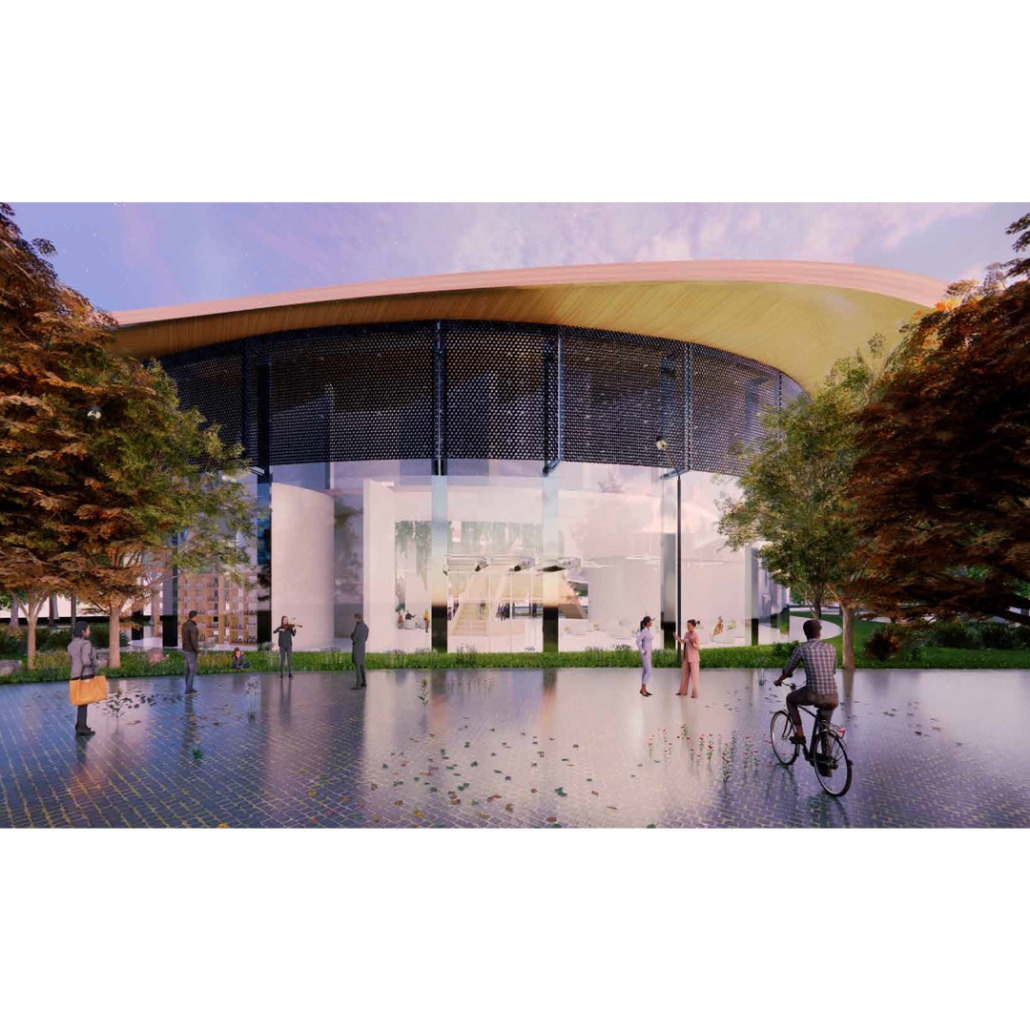
2024 Study Architecture Student Showcase - Part IV

Infrastructure is the central theme covered in Part IV of the 2024 Study Architecture Student Showcase. Defined as “the facilities and systems that serve a community,” infrastructure can range from public transportation to roadways.

Today’s featured projects look at existing infrastructure and use design solutions to improve conditions. Examples include creating opportunities for connection between surrounding areas, reimaging exclusionary foundations to support upward mobility, developing comprehensive building codes, and promoting sustainability.

Suburbia As the Anti-Society: Why We Need a Suburban Architectural Rebellion by Megan Kaminski, M. Arch ‘24
Lawrence Technological University | Advisor: Scott Shall

There needs to be a Suburban Rebellion in architecture. Suburbs were originally built for a white middle class and continue to be built for a white middle class, even as suburbs begin to change and evolve socioeconomically. The conditions of which are a prevailing continuation of a dependency on automobiles, zoning, and infrastructure that becomes dangerous limitations as the flow of suburban sprawl moves income and investment farther and farther away, causing an equal sprawl of suburban decay in its wake.

Existing suburbs should be reimagined by reusing decaying or underused conditions by the community, in spite of harmful regulations that have been institutionalized since the 1950s, to rewrite them.

To investigate this, I propose to design a methodology for how future suburbs can be designed by people/the community as well as detailing how existing conditions can be reused in order to achieve this.

Instagram: @scott_shall

Post-Infrastructure: Structure as Site by Hilal Kobrosly, B. Arch ’24
American University of Beirut | Advisors: Carla Aramouny & Sinan Hassan

The concept behind this project is an exploration of how infrastructure, in this case, the columns of the Mdayrej bridge, can undergo a profound transformation, transcending their utilitarian purpose to become integral elements in a new architectural narrative. By interweaving a performance hall and a hotel into the existing columns, this endeavor challenges conventional notions of these structures as purely functional, highlighting their potential as generators of space and meaning.

The project’s design engages with the history of architectural evolution, drawing inspiration from the Cordoba Mosque’s expansion stages. Much like how the mosque’s structure evolved over time while maintaining its essence, this project seeks to evolve the bridge’s columns, blurring the lines between pre-existing and newly constructed elements. This approach introduces a sense of continuity and harmony to the site, where the boundaries between old and new become indistinct.

As one enters the parking area, the experience unfolds progressively. The scale shift from the vast field of columns to the more confined performance hall is reminiscent of a journey through architectural time and space. It is as if one is moving through layers of history and design, gradually immersing themselves in the evolving narrative of the project.

In the context of the performance hall, the design draws inspiration from ancient Greek theaters, where integration with the natural landscape was paramount. Here, the topography lines of the site plan effortlessly lead to a niche beneath the eastern columns of the bridge, forming a natural amphitheater. 

The roof overhead serves as the only enclosure needed, allowing the audience to connect intimately with both the landscape and the columns. In this setting, the columns cease to be mere structural elements; they become performers themselves, adding a dynamic dimension to the grand hall’s ambiance.

Moving on to the hotel, it occupies a floating strip, gracefully positioned above the performance hall’s roof. Along the western columns of the bridge, the project’s field condition undergoes a transformation. 

The columns, now experienced at a more intimate scale, transcend their load-bearing role to become intricate surfaces. This shift in perspective challenges preconceived notions about the relationship between structure and space, highlighting how architecture can breathe new life into utilitarian elements.

Instagram: @ard_aub

Turnpike Beef by Ray Wincko, M. Arch ‘24
University of Florida | Advisors: Charlie Hailey & Bradley Walters

Turnpike Beef is a design project that synthesizes the inherent relationships amongst underlying infrastructural systems, the subliminal qualities of the banal, and a bucolic Floridian landscape. Florida is notorious for fantastical manufactured environments like the neon nightmares of Miami or the fabricated magical kingdoms of Orlando. Turnpike Beef suggests that the systems of infrastructure that stitch these urban centers hold a more accurate perspective of what this landscape beholds. Arguably the most overlooked component of infrastructure that, in its absence and introduction, has contributed to the development of Florida is the fence.

Through the analysis and invigoration of the fence, Turnpike Beef aims to envision how “fence” as an architectural tool can catalyze and shift the manner in which citizens perceive and interact with infrastructure, banal space, and the in-between of the Florida landscape. Once the idea of the fence surpasses its normally understood role of line and boundary, it acquires a greater set of roles as a spatial mediator, raconteur, and witness to the environment. The fence is most often interacted with while traversing between destinations at high speeds which demands a regional scale of response. Along with a regional response, a more impactful aspect of infrastructural interaction is that in a time of intimate and reflective pause or rather, rest.

In search of tying narrative and conditional threads between infrastructural landscape and seemingly regular program, this study proposes a set of interventions that utilize the “fence” as a tool for synthesizing and charging spatial, political, and cultural relationships. The intervention, programmatically, is a reinterpretation of a contemporary staple of American travel, the rest stop. A  generally disregarded, temporal experience along our routes, the rest stops of Florida’s state highway system are designed to operate as efficient exchanges of north and south-bound travelers with little regard for its infrastructural context or the often-enriched historical landscape that surrounds them. Through ceremonial defecation, boiled peanuts, trucker showers, and billboard propaganda, this project connects the individual with infrastructural traces and the forgotten celebration of the subsided program.

Instagram: @charlie.hailey, @r_winky

Central EJE de Movilidad Turística Tequisquiapan by Axel Josua Nogales Bernal, B. Arch ’24
Universidad Anáhuac Querétaro | Advisor: Jorge Javier

This project was born as an integral mobility strategy for the state of Querétaro, as well as from the need to connect the city of Tequisquiapan with the rest of the magical towns in the region.

The proposal is inserted in the periphery of the urban area, in order to integrate different local transports and make it easier to move around.

The building, a structural integration of uniform columns that link the large concrete roof through subtle arches, divides the public part from the private part, expanding the uses, in order to have internal plazas and open spaces and thus achieve a great amplitude for the transit and boarding of the bus users.

This project won the 2024 AIA Triangle Student Design Award.

Instagram: @axelnogales, @ajnb_arq, @arqwave, @arquitectura_anahuac

Exclusionary Infrastructure & Displacement: A Study on Architectural Mobility by Elisa Castañeda & Luke Murray, B. Arch ’24
Mississippi State University | Advisors: Jassen Callender, David Perkes, Mark Vaughan & Aaron White

Jackson, Mississippi, is a unique place, the capital of the most low-income state in the Nation, the Blackest major city in the United States per capita, and a city whose history is translated through its infrastructure and built landscape. While the implementation of policies and regulations are directly in view as forms of disenfranchisement in marginalized communities, public infrastructure, urban planning, and the built environment are not often recognized as forms of regulation. The placement of highways, railroads, walls, and more, have had profound effects on the organization of different racial demographic groups within the city of Jackson – these patterns are still pervasive today.

The above implicates exclusionary infrastructure, defined here as the placement and construction of built works that hinder accessibility between communities, resulting in systemic disinvestment and social plight. 

This proposal aims to examine how these factors – and their historical, social, and political contexts – have resulted in inequity at multiple scales. And furthermore, leverage that research to better understand how architecture can be a form of liberation rather than control in a city and a state that fails to reconcile under the weight of its own history.

What follows, is our research and conclusions on how architectural design skills can be used to illustrate how we might begin to break down exclusionary infrastructure and create collective autonomies over spaces that may seem divisive. To argue that physical divides can become points for connection. 

Through this analysis, we were able to identify what public infrastructure in the built environment had the most negative impacts within the Jackson community. Out of this came the Illinois Central Railroad as the site for a theoretical design intervention. In many instances, the track represents a literal earthen wall through the city that separates lower-income black communities from more fluent white-centric communities. The mission of the design intervention is to provide spaces to connect, while also contributing to social mobility among local stakeholders. This brought about a new re-imagining and reinvention of how we perceive train tracks as an occupyable space. One with broad reach and the ability to adjust to changing needs, both in programming and location.

This project won the CDFL Capstone Studio Travel Award.

Instagram: @elisa_castaneda, @chimichurrimurray, @jassencallender

Emerging Connections: Renetworking Formal and Informal Public Space by Hoi Ting Chan & Nicole Giella, M. Arch ’24
New York Institute of Technology | Advisors: Marcella Del Signore & Evan Shieh

“Emerging Connections: Renetworking Formal and Informal Public Space” focuses on adaptive reuse to revitalize mono-use infrastructure and reclaim underutilized public spaces in São Cristóvão, Rio de Janeiro. The project aims to enhance the local social infrastructure by extending its reach and promoting both formal and informal community interactions. A detailed analysis of the neighborhood’s existing connectivity and functional drivers informed the creation of a spatial matrix that seamlessly integrates current conditions with new opportunities for social engagement. In line with Rio’s goal of zero transport emissions by 2050, the design prioritizes pedestrian-friendly environments, reducing dependence on private vehicles.

The chosen site is characterized by intersecting boundaries, including a canal, a ground highway, an elevated highway, and the adjacent underutilized land. The intervention is executed in three phases: Phase One transforms ground-level highway lanes next to the canal into a pedestrian-friendly urban park, making the canal a central public space. Phase Two introduces a new community center on the adjacent underutilized land, enhancing local social infrastructure. Phase Three converts the elevated highway into a dynamic network for social exchange, with spaces dedicated to educational activities and formal gatherings.

Nodes play a critical role in the design, shaping areas for both formal and informal social activities. At the highway level, formal nodes, including a library, café, and lecture hall, are accessed through various paths to provide distinct user experiences. On the ground level, informal nodes are strategically placed around and above the canal, integrated with pedestrian pathways. Informal nodes accommodate street vendors, crucial to Rio’s vibrant social fabric, offering adaptable spaces that support formal events and accommodate temporary uses.

Resiliency measures include expanding the canal’s edges to prevent flooding and incorporating green infrastructure to improve air quality and address climate change. These interventions make São Cristóvão’s limited green space, previously dominated by a single park, more accessible. By focusing on implementing these strategies at the city’s boundary intersections, the project enables multi-directional and multi-level growth, enhancing public social interactions, and elevating the quality of life for Rio’s residents.

Instagram: @ngiella_, @virginiacht, @marcelladelsi, @ev07

Beyond Disaster Relief by Jean-Paul Abi Awad, M. Arch ’24
Boston Architectural College | Advisors: Ian F. Taberner, AIA & Asli Baran

This thesis explores how architects respond to disasters by designing urban spaces and architecture. The thesis has two perspectives: the immediate response to crises, which involves the design of temporary shelters and essential infrastructure, and future-proofing designs to prepare for potential crises by incorporating resilience, flexibility, and adaptability. 

The thesis aims to demonstrate architecture’s role in responding to and mitigating the effects of crises and how designers can create more resilient and adaptive spaces for the future.

The project aims to create a center to study and address the root causes of crises, develop comprehensive building codes and regulations, and conduct research. The project will engage with various stakeholders to promote collaboration and coordination in addressing crises and will be a hub for knowledge sharing and collaboration in the region.

This project received the M. Arch Thesis Commends.

Connecting Assets: towards an integrated city by foot. by Shreya Sanghvi & Tanaya Gawade, MS. Architecture in Urban Design ’24
New York Institute of Technology | Advisors: Jeannette Sordi & Jeffrey Raven

The São Cristóvão neighbourhood, often seen as an isolated island due to its perceived disconnection from surrounding areas, is on the brink of transformation. Our vision is to redefine this area, overcoming its barriers and enhancing connectivity to key landmarks like the market, bio park, and harbour. This initiative presents a unique opportunity for São Cristóvão to become a beacon of sustainable urban development, influencing the design of city blocks, open spaces, transit systems, and bicycle networks, thus revitalizing the entire region. Central to this strategy is the implementation of a major pedestrian-friendly system. Dismantling the invisible barriers that fragment the neighbourhood requires establishing a porous pedestrian network. This network will enable the seamless movement of people and facilities, fostering integration and accessibility throughout the area. By prioritizing walkable infrastructure, such as lively streets, plazas, neighbourhood parks, and green spaces, we can ensure safe and convenient passage between the neighbourhood and the harbour.

Moreover, innovative elements like elevated walkways and bridges will provide new dimensions of connectivity, further integrating São Cristóvão with its surroundings. The inclusion of blue and green infrastructure is pivotal, as it not only enhances connectivity but also addresses pressing climate issues. Green corridors and water management systems will create a resilient and inviting environment for residents and commuters alike.

Our strategy aims to breathe new life into São Cristóvão, making it a model of urban revitalization. By prioritizing pedestrian mobility and sustainability, we can transform this neighbourhood into a vibrant, interconnected community. This approach will not only improve the quality of life for current residents but also attract new visitors and businesses, driving economic growth and fostering a sense of community pride. Together, we can turn São Cristóvão into a thriving urban oasis, leading the way in sustainable urban development.

This project won the Black Spectacles, Spectacular Studio Awards, 2024

Instagram: @_shreya_sanghvi, @tana_yeahhh, @jeffrey.raven, @jeannettesordi

TerraCrux by Joseph Kim, B. Arch ’24
University of Southern California | Advisor: Eric Haas

The ceaseless interplay between human and natural forces focuses on the errors of our inventions and reminds us of nature’s everlasting presence. However, our efforts have left divisions in its realm, forcing the equilibrium to kneel to our errors. As our infrastructure falters, we will ensure that natural pathways resurface, interweaving with the very essence of our dominion. With the passage of time, aided by us, nature will thread through our past errors, restoring balance through its own fruition. Within the I-5 and CA-14 corridors, an error reveals an opportunity. This space will not only establish a new pathway but also create a sanctuary for wildlife.

Tapestry of tomorrow: weaving culture, commerce and community by Anushka Naik & Manogna Sai Padi, Ms. Architecture in Urban Design ’24
New York Institute of Technology | Advisors: Jeannette Sordi & Jeffrey Raven

In the bustling heart of Rio de Janeiro lies São Cristóvão, an industrial zone awaiting transformation into a sustainable, mixed-use area by 2050 through our visionary project, “TAPESTRY OF TOMORROW”. This endeavor aims to seamlessly integrate industrial and residential spaces, enhancing accessibility, connectivity, and harmony within the community.

Our approach prioritizes sustainability, considering the long-term impacts on environmental conservation, economic prosperity, social equity, and urban well-being. To realize our vision, we meticulously analyze the site, dividing it into a grid to address challenges such as flooding, waste management, and heat stress. This granular examination allows us to tailor solutions that ensure neighborhood resilience and sustainability. Our design serves as a versatile blueprint, capable of adapting to diverse urban problems in São Cristóvão and beyond. By understanding each location’s unique characteristics and issues, our strategies can be scaled and transferred, contributing to broader sustainable urban development initiatives.

It emphasizes green infrastructure, renewable energy sources, and mixed-use development to create a resilient urban environment. Incorporating elements like green roofs, rain gardens, and permeable pavements enables effective stormwater management and reduces urban heat island effects. The utilization of solar and wind power, coupled with energy-efficient building systems, underscores our commitment to sustainability. Additionally, our project fosters community engagement and economic growth through carefully designed public spaces and innovation hubs.

Furthermore, “TAPESTRY OF TOMORROW” celebrates São Cristóvão’s rich cultural heritage, blending history with modernity. By preserving the area’s cultural identity while embracing innovative design and technology, we aim to create a vibrant neighborhood that honors its past and embraces a sustainable future. This project epitomizes a holistic approach to urban revitalization, weaving a tapestry of sustainable, innovative, and culturally vibrant communities for generations to come.

Instagram: @anushkanaik12, @manogna_s_padi, @jeffrey.raven, @jeannettesordi

Stay tuned for Part V!
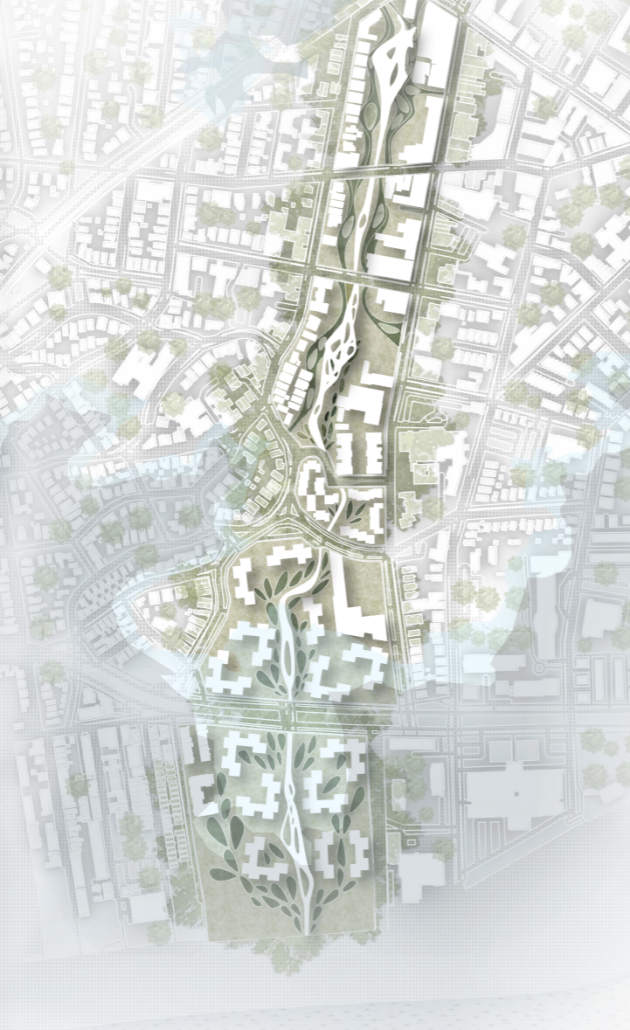
2024 Study Architecture Student Showcase - Part III

Welcome to Part III of the 2024 Study Architecture Student Showcase! Today’s installment answers the question: “How can architecture serve as an avenue to celebrate and preserve cultural heritage and history?”
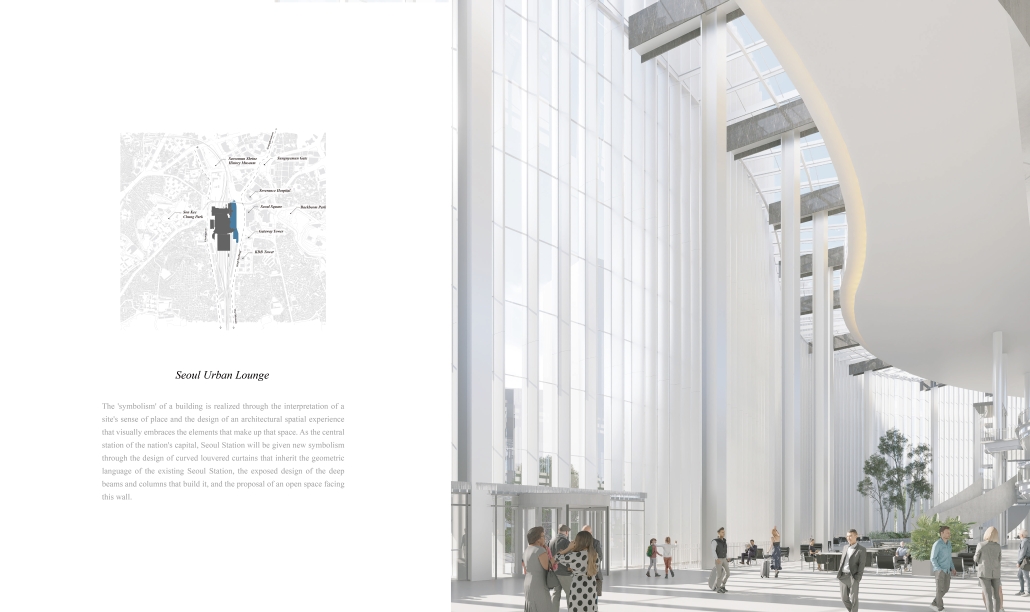
The award-winning student work below highlights various ways to honor history and culture. Innovative methods include using indigenous construction to promote ecotourism, illuminating transient Holocaust sites using artifacts and survivor testimonials, multi-modal exhibitions, and more. These projects also include diverse subject matters ranging from an exploration of the history of Toronto’s Caribbean Carnival to analyzing North and South Native American artifacts.

The Making of Mas’: Archiving Toronto’s Caribana by Jasmine Sykes, M. Arch ‘24
University of Toronto | Advisor: Jeannie Kim

Toronto’s Caribbean Carnival, originally known as Caribana, is an event that transforms architecture and urban experience through communication, performance, and social exchange. Originally a one-off parade for Expo ’67, Caribana has become North America’s largest cultural festival. Caribana’s impact extends beyond Toronto, with a geographic, economic, and spatial impact that is global in scale. The festival’s growth has prompted a shift in its traditions, raising concerns about its distancing from Caribbean roots. These concerns are reflected in the lack of an archive documenting Caribana’s history. This thesis advocates for the preservation and understanding of Caribana’s cultural and spatial legacy in Toronto.

Instagram: @jasmine_sykes

A Journey from Ancient Roots to Modern Revelations: Designing a Coptic Orthodox Museum & Cultural Sanctuary in the heart of Washington DC by Yostina Yacoub, M. Arch ’24
Temple University | Advisor: Prof. Sally Harrison

This thesis explores the reinterpretation of traditional Coptic architecture within the context of a contemporary museum, memorial, and community hub in the heart of Washington DC. The project aims to bridge the knowledge gap between Pharaonic Egypt and modern-day Egypt, illustrating the cultural, religious, and political shifts that have shaped the nation while narrating the story of the Copts, the indigenous people of Egypt.

Furthermore, it aims to honor the 21st-century Coptic martyrs and shed light on global Coptic persecution, serving as an educational platform for both the Coptic Diaspora and the general public, highlighting the Coptic Orthodox community’s history, faith, art, architectural heritage, and contributions.

Instagram: @yostinay

Nayala: Cultivating Architectural Memory and Identity by Ryan Saidi, M. Arch ‘24
The Catholic University of America | Advisor: Ana Maria Roman Andrino

This thesis unveils earthen chambers of memory, reflection, and hope, shaping the city’s trajectory towards renewal. In Abidjan, Cote d’Ivoire, co­lonialism led to architectural amnesia, obscuring precolonial heritage. The city now seeks a revival, a vibrant hub of memory to reclaim lost architec­tural forms for a sustainable future. Nayala emerges as this sanctuary, bridging buried traditions with emerging dreams. 

This thesis was one of three to be placed on the University’s final Super Jury.

The Museum Remembering North and South Native Americans by Kelly Locklear, Bachelor of Environmental Design in Architecture ’24
NC State University | Advisor: Patricia Morgado

The Museum Remembering North and South Native Americans is located in the small town of Pembroke, NC, land of the Lumbee Tribe. The Museum holds a collection of Native American artifacts from both North and South America gathered from the Smithsonian Museum. Two artifacts are of particular interest: 

– A Dugout Canoe: made by the Lumbee tribe. The entire community comes together to carve the canoe from a burnt tree. My people used canoes such as this to travel the Lumber River and to hunt fish. 

– A Totem: made by the Tlingit Kiks.ádi Clan in southeast Alaska, used as a symbol to commemorate those lost in the 1804 Battle of Sitka. 

It was important to approach the design taking into consideration the meaning of these artifacts as well as the best conditions to view and interact with them. 

For Native American cultures, earth and sky are sacred. There are main two elements: 1) mass, representing the earth from which spaces, niches, and openings to view the artifacts are carved, and 2) plane, representing the sky, used to bound the space and transform light. To externalize the spiritual qualities of the sky to this culture, the interior of space is oriented along the astronomical north. The roof is split; one part retains the orientation of the town’s grid (N-S) while the other aligns with the astronomical north. 

As the visitor approaches the entrance from the town, they are offered views into the museum through openings on the east façade. Visitors enter the museum through a vertical slit in the mass and step on a floating platform. Upon entering, they abandon the orientation of the town grid to experience the spiritual orientation of Native Americans. They are offered a view of the main pieces of the collection, the Totem and the Dugout Canoe, but cannot access them until they enter below. The path leads visitors to the final space, one of reflection of the Native American cultures and from where they can have a full view of the Totem as well as of the Lumber River where dugout canoes have been used for centuries.

This project won the 2024 AIA Triangle Student Design Award.

Instagram: @locklear.design, @patriciamorgadomaurtua

Spirit of Place through Material and Cultural Lifecycles in Ghardaïa by Sarah El Ouazzani, M. Arch ’24
McGill University | Advisor: Alan Dunyo Avorgbedor

Among dunes and oases, the vast desert spans 33% of the Earth’s surface. Within this expanse lies Ghardaïa—a city where architecture unfolds in harmony with the unhurried rhythm of the Algerian Sahara in North Africa, embodying the essence of slow architecture through its lifecycle properties. Here, the rhythms of nature and culture shape the spirit of the built environment, ensuring that architectural design blends harmoniously with its surroundings and nurtures a sustainable ethos benefitting both the community and the landscape.

The Mozabite community thrives through an architectural approach rooted in eco-centric principles, where the lifecycle properties of local materials and cultural practices seamlessly intertwine amidst Ghardaïa’s landscape. Influenced by this unique ecological environment, its architectural essence produces a unique phenomenological dimension. It fosters a distinctive cultural atmosphere that profoundly influences both the body and the mind, shaping communal existence and creating an authentic local spirit of place.

This project seeks to reclaim cultural and sustainable landscapes, transcending conceptual design to express the unique relationship between material lifecycles, culture, and embodiment in Ghardaïa. Through a multi-modal exhibitionary approach, this project curates embodied culture, crafts, and material lifecycles of the Ghardaïa natural and built environment alongside original audiovisual documentation and situated experience within an immersive installation. 

In The Forest, Don’t Touch Anything by Sarah Turkenicz, MLA ’24
University of Toronto | Advisor: Liat Margolis

This thesis is about the transient history of Jews who sought refuge in the forests across Eastern Europe during the Holocaust. Unlike urban post-Holocaust sites, this history lacks enduring, tangible infrastructure and artifacts. In the forest, concealment was paramount, and any disruption of the natural environment posed an existential threat. Embedded within an evolving landscape, the remnants that do exist today are undocumented, unprotected and disappearing. Through conducting primary research of physical remnants and oral testimonials of the last living survivors, this thesis illuminates the transient nature of Holocaust sites, reshaping our perception of them not as mere collections of features, but recognizing them as landscapes.

This project won the Daniels Faculty Graduation Award – Heather M. Reisman Gold Medal in Design. The Gold Medal is awarded to the graduating student demonstrating exceptional achievement in design in architecture, landscape architecture, or urban design. It was also, submitted to the 2024 ASLA student awards.

Instagram: @uoftdaniels

Notes on a Conjectural Form* by Peihao Jin & Zamen Lin, B. Arch ’24
Southern California Institute of Architecture (SCI_Arc) | Advisor: Russell N. Thomsen

History, as we know it, is only one of many facts. Our thesis perceives history as non-linear, where there is no singular cause and effect, but a field of multiple possible interpretations. Each site therefore exists not purely in its present moment but contains an accumulation of its histories, a compounding of its past, present and future. Histories, not history. Absences, not just presence. The site of Estonia’s Tartu Cultural Center today exists as petrified pieces of something old and a living piece of something Other. Akin to a palimpsest, it comprises the memories of what once existed but also the embalming of the living present. 

Our thesis proposes selecting, reading, interpreting, integrating and mediating traces embedded beyond existing contextual conditions. Aspects of excavated histories are conflated and manipulated to form a complex ecology of systems, suggesting possibilities for organization, form and tectonics. Steering clear from the literal reconstruction of history, the registration of selected histories produces a series of local reactions that inflect and deform the whole. Histories registered here are not of symbolic significance but one of multiple non-sign readings, where the sign and signified no longer exist in one-to-one relationships. This heterogeneity enables the architecture to enter into multiple relationships that refuse to settle into fixed nor stable hierarchies; an uneasy whole.

*The suggestion or reconstruction of a reading of a text not present in the original source

Instagram: @rntarch, @peihao_jin, @zamenlmh

Reviving the Lao Vernacular: Preserving Culture through Floating Communities by Juliana Viengxay, B. Arch ’24
Kennesaw State University | Advisor: M. Saleh Uddin

The goal of this project is to strengthen a community through a series of cultural activities coexisting with nature with treehouses, houseboats, and a community center through ecotourism in Laos. There has always been floating communities on land and water due to the amount of rainfall and monsoons from May to October. With a strong focus on elements such as material, form, and structure while preserving the local culture. [This project aims] to improve the economic well-being of the indigenous people while fostering symbiotic links between visitors and the land while educating tourists about the culture.

Analyzing the indigenous way of construction to understand the complexities of Laos architecture. The proposal to utilize the ease of construction is heavily emphasized with a series of connections of tied bamboo, and steel nodes. The proposal combines increased efficiency, and maintaining cultural authenticity. Research methods to support the objectives of this project is through site analysis, existing case studies, and design testing to make proper design decisions.  

The project promotes skill-sharing with weaving classes and the development of craft markets and supports the existing floating market to strengthen community engagement with Lao culture. This innovative ecotourism project embraces immersive experiences and ecological methods in an effort to rebuild indigenous communities understanding their way of living. The idea behind the project is to design treehouses that in the forests and boathouses that are rooted in rivers while increasing engagement.

This project won First Place in the KSU Architecture Thesis Competition in 2024. 

Mercado Urbano, Tierra y Raíz by Andrea Lomelí Ruiz, B. Arch ’24
Universidad Anáhuac Querétaro | Advisors: Alfonso Galván & Jorge Javier

This architectural project aims to redefine not only the physical landscape but also the very fabric of the community. This integral market is presented as a beacon that illuminates the possibilities of empowering and renewing the social and solidarity economy in this remote environment. 

Based on the tradition, identity, character and history rooted in every corner of Cadereyta, this project emerges as an architectural manifestation that seeks to re-establish harmony with the territory and connect with the rich history that defines this locality. 

Awareness, respect for the environment and history are the foundations that enable this market to become a visible and locatable symbol, an urban node that links service properties through interaction. 

This integrated market is not only a transaction centre; it is an architectural response to the importance of local consumption and its benefits. It is a reminder that to truly get to know a city, one must explore its markets, understand the stories that weave through its aisles and connect with the people who pass through them. 

At its core, this project seeks to restore the population’s connection to its origins, re-establishing harmony with the territory and connecting with the rich history of Cadereyta de Montes and reconnecting with its roots.

Instagram: @andrea.lomelir, @arqwave, @arquitectura_anahuac

Stay tuned for Part IV!

2023 Study Architecture Student Showcase - Part XXXIII

Welcome to the final edition of the 2023 Study Architecture Student Showcase! In Part XXXIII, we highlight student work that centers on public spaces. The showcased designs include public parks, meeting spaces, community centers, commercial retail spaces, parking structures, pools, and more.

Re-encontrarse (Re-united) by Sophie Esther Zurhaar Ortiz, B.Arch ‘23
Universidad Anáhuac Querétaro | Advisors: Jorge Javier & Francisco Paille

This project seeks to generate an urban design proposal for the recovery of public space in Felipe Carrillo Puerto. Aiming to propose meeting spaces where all kinds of activities can be carried out, recover the railroad tracks to stop being a physical barrier, and defragment the urban fabric, offering cohesive, healthy, and functional meeting spaces that together can regenerate the social fabric.

Instagram: @sophiezurhaar, @arqwave

PROSPECT NEW ORLEANS by Olivia Georgakopoulos, B.Arch ‘23
Tulane University | Advisor: Ruben Garcia-Rubio

This project proposes to open the building to the city, creating a place that adds to its rich urban fabric. The site is a parking lot at the corner between the Contemporary Arts Center and the WWII Museum. While there are many voids in the surrounding context, like this site, they are not habitable. This project provides a much-needed public space for the many visitors to the surrounding museums. Taking inspiration from the L-shaped building typology in New Orleans, the building opens to the city, creating a public plaza. 

The building functions as an open-public platform connecting Camp Street and Andrew Higgins Blvd. The glass-enclosed first floor is fluid and can be completely opened, allowing for space not to be defined by interior or exterior. Rather, programs can spill out and interact between the interior and the plaza. The ground floor then becomes animated by human activity. The public programs, gallery, cafe, lobby, and lounge are housed on the first floor, and spaces to support the art center are above. 

Transparency of the building is achieved through the aluminum louvered facade, which acts as a theatrical scrim. This veiled facade reveals the animation on the inside of the building. This transparency is also experienced from the inside looking out: the interior programs interact with filtered and framed views of the city. 

A chain of internal double-height spaces forms a visual cascade through the building, providing internal transparency and animation with continuous views from the bottom floor to the top floor and the sky. The overall design provides continuity between the interior, the plaza, the street level, and the city.

Instagram: @rubgarrub

Los Angeles Media Library by Charlotte J. Love, B.Arch ‘23
Tulane University | Advisor: Ruben Garcia-Rubio

The Los Angeles Media Library began by building upon the urban design. The building began with the broken urban block typology found throughout the site, this promoted a continued focus on mobility within the project. The urban block shape was altered to accommodate one large building wrapped in louvers and two smaller pavilions hosting different program focuses on a plaza. This iteration of the broken urban block creates an inviting place for a public plaza. This plaza being at the literal intersection of the business and arts district makes it a perfect spot to hold a media center and library. This is relevant for both the site and the Greater Los Angeles.

The plaza has a number of public transportation stops and is located across the street from two museums making the plaza equally important to the design. The open space has a café, reading area, pavilion, and an outdoor theater. The buildings and walkways align with the surrounding roads and buildings leading to a central sunken space at the center of the plaza. Held within the building are two zones with thickened walls holding private programs such as classrooms, dark rooms, offices, etc. This allows the rest of the building to be much more open with a number of double heights as well as spaces with an indoor-outdoor feeling. This allows the building to be fluid and connected to the plaza, blurring the line between public and private spaces.

Instagram: @rubgarrub

HALLOWED GROUND by Ramona Reinhart, M.Arch ‘23
University of North Carolina at Charlotte | Advisor: Chris Jarrett

In “Taoka Reiun and Environmental Thoughts in the Early 1900s,” Ronald Loftus addresses Reiun’s cultural critique of Western modernization and the devastating forms of pollution that followed during Japan’s Meijin state beginning in 1880. As an early environmentalist and anti-modernist, Reiun argues that these natural disasters are ultimately a result of humanity’s disconnection from the natural and spiritual world. 

Located in Shibuya, Hallowed Ground proposes “The Under Line,” a linear futuristic public park, lab farm and market, integrated urban meditation spaces, and a museum for environmental disasters as a response to Tokyo’s culture of hyper-consumerism and capital development that “buried” many of Japan’s spiritual traditions and natural ecologies. The constant strive for economic growth resulted in large areas of impervious surfaces in the city. Surfaces that are now being hollowed out.

This project won the 2023 Best Architectural Diploma Project. As well as 2023 Excellence in Architectural Representation.

Instagram: @_ramonareinhartg

Little Megastructure by Yiman Yiman, M.Arch ‘23
UCLA Architecture and Urban Design | Advisor: Greg Lynn

“Little Megastructure” configures an inclusive community of aggregated spatial prototypes that celebrates social connection and belonging while supporting individuality. The prototypical forms can be combined and composed in a variety of ways to create a wide range of spaces. Clusters of parks, plazas, courtyards, and atriums in between modules throughout the megastructure foster a sense of community and belonging. With a clear hierarchy of spaces that are designed for different purposes and activities, having all the components of a city creates a sense of urbanism.

Park! Park! by Motomi Matsubara ‘23
UCLA Architecture and Urban Design | Advisor: Greg Lynn

“Park! Park!” offers a set of housing towers, their shapes, and scales informed by the interplay between the behavior of residents inside and automobile traffic outside. One of the towers is taller and leaner; another more lateral and rectangular. Here, fillets perform not only as an intimate icon, each interacting softly with adjacent housing towers, but also as mediators of the different scales of motions between two different physical bodies–people and cars.

Instagram: @m2c_works

Undefined Parking by Katie Yuan, M.Arch ‘23
University of Southern California | Advisor: Yaohua Wang

The lines drawn on maps to define the borders of countries and territories may appear solid and definitive at a glance. However, when magnified and viewed at a larger scale, these lines are composed of segments, curves, and dashes that intersect, connect, and overlap. Lines are one-dimensional, but when given 3-dimensional qualities, they become less concrete and defined. In other words, when lines are given different widths and heights, they are no longer elements that separate or confine objects, but rather they embody multiple conditions that can become spaces, tectonics, connections, and circulations.  

Formed through a series of intersecting, shifting, and offsetting lines, Undefined Parking appears as an urban boundary that separates the UCLA campus and residential area at an urban scale. In this condition, the boundary becomes a partition wall. At an architectural scale, the parking structure becomes the destination for both entering and exiting the site. Yet simultaneously, the structure’s various programs (offices, classrooms, green space, etc.) blur the distinction between the university campus and the urban site. In this condition, the boundary becomes a destination. At a model scale, the volumes, ramps, walls, and planes are interlocked and joined together through the distinct tectonic elements of each individual piece. In this condition, the boundary becomes a connection. 

Perhaps, lines or boundaries exist in multiple conditions and cannot be defined…

This project was awarded the USC Master of Architecture Distinction in Directed Design Research.

Instagram: @katie0712yl, @yaohua_wwww

High-Rise Building by Jermaine Jones, Dominique Lang, Javon Hayward & Derrick Ayozie, B.Arch ‘23
Prairie View A&M University | Advisor: Huiyi Xu

According to the U.S. Census Bureau’s population estimates from 2021, there were 69,094 new residents added to the Greater Houston area. Some developers have purchased land in the Houston City Centre area, on the corner of I-10 Hwy and Beltway 8 in the City Centre, and plan to build an iconic high-rise building. This project is a mixed-use office building. The location of the project is in the Memorial City district of Houston, Texas. City Centre is a 50-acre development with 2.1 million square feet of gross floor space, including 400,000 square feet of retail, restaurants, and entertainment, a 149,000 square foot fitness facility, 425,000 square feet of office space, a variety of rental, and non-rental residential developments: a Microsoft office, Memorial Hermann Hospital, Memorial City Mall, Houston of City College, and diversified restaurants such as Taste of Texas, Pappadeaux Seafood Kitchen, and other retailers are all around it. 

This project will bring more people to this area to contribute to the local business and land value. The potential tenants of the high-end office building with commercial spaces and a parking garage will be the headquarters offices, banks, medical offices, high education offices, etc.

DIGNITY by Macinnis Kraus, M.Arch ‘23
The University of Texas at Austin | Advisor: Nichole Wiedemann

Working with a local church in West Campus and inspired by the student interest in “serving” over “services,” the design is for a re-combination of worship, living, and service. Two transitional housing towers provide residences for formerly itinerate populations and create bookends to the public landscape. The individuals may work here –apprenticing in the artisan maker space or running the restaurant– providing some financial stability for the immediate and the future. In addition, public showers, laundry, and bathroom facilities support the broader community. Embracing the pragmatic and poetic potential of water, light, and body (human-scale moments), the project seeks to provide dignity for all user groups.

This project was nominated for Design Excellence at the UT School of Architecture.

Instagram: @nicholewiedemann

Intertwining blocks in Los Angeles by Joey A. Tomshe, B.Arch ‘23
Tulane University | Advisor: Ruben Garcia-Rubio

Intertwining blocks is proposed to act as an agricultural information and research center for the previously designed master plan, and, in the future, there would be more of these spread out around LA which are connected. It will feature many new innovations in the agriculture field with the goal of informing the public about the advanced research being performed in LA today.

The initial concept for this project was to intertwine four blocks, creating an indoor street that acts as a social condensing space, relating to the distinct street types created in the master plan, with the social condensing space containing lighter elements than the heavier blocks. The project features six types of farms, a mediateque, and research stations for botanists. The form of the social condenser space comes from trees in plan view, then those same circles are introduced in sections to influence the roof. To combat the heat from glass roofs, the proposal will be installed with an automated computer system that processes and manages a database to optimize comfort and energy efficiency. Along the face of the roof structure is a series of operable louvers that can open and close, which allows for natural ventilation as well as sun deflection. Similarly, on the roof the northern faces of the arches can pivot open, allowing for full circulation. Furthermore, the roof allows for rain collection with built-in gutters and features solar panels on the north two blocks. Due to the repetition of louvers on the roof, a facade of varying size stone panels is introduced to disrupt this rhythm and add variation. Some panels were removed for windows and others, on the south facade, were turned into farming panels that interact with the farm in front.

Instagram: @rubgarrub

2023 Study Architecture Student Showcase - Part XXIII

Athletics and wellness are at the forefront of the designs featured in Part XXIII of the 2023 Study Architecture Student Showcase. The displayed projects range from sports centers dedicated to improving the quality of life for those living with disabilities to facilities that draw on the connection between health and design – demonstrating how the built environment can foster healthy lifestyle change.

ENLACE (CONNECTION) by Alejandra Camacho Meza, B.Arch ‘23
Universidad Anáhuac Querétaro | Advisor: Jorge Javier

An Adapted Sports Center can provide a dignified space for those living with a disability or who wish to start a rehabilitation process to improve their quality of life. At the same time, it can empower this “small” sector of the population that not only has a presence in the delegation but throughout the state of Querétaro.

This project was received the Dept. Chair Award Senior Year Capstone and an Honorable Mention at the USGBC Detroit Student Competition

Instagram: @ale_camchomez87 , @arqwave

Sports Recreation Adapting Communities in Puerto Rico by Christian A. Pérez-Montalvo, B.Arch ‘23
Pontifical Catholic University of Puerto Rico | Advisor: Pedro A. Rosario-Torres

The objective of this project is to look for modern and functional architecture that reflects the motivation and enthusiasm of young people and inspires Roberto Clemente’s desire to help young Puerto Ricans come true.

The architectural program calls for a modern educational and sports center in the Roberto Clemente Sports City Park in Carolina, Puerto Rico. The goal is to address the challenges that Puerto Rican youth (ages 13 to 17) face when trying to develop their athletic capacities due to various negative factors that impede their full potential.

The proposal is based on rescuing and renovating the disused existing sports facilities and combining them with an educational purpose that integrates academics and sports, guaranteeing a positive impact on society. The axiality concept focuses on the complex’s functionality, creating a central axis that helps circulation between the different areas.

The architectural design focuses on functionality, accessibility, and youth safety. A sports school and recreation center are designed to function as a dorm, supplying a focus on educational performance and sports therapy. The rooms are spacious, well-lit, and equipped with the necessary elements.

The project is divided into four programmatic phases:

  1. Sports Phase: includes the construction of modern facilities to foster physical development and athletic skills, such as baseball and soccer fields.
  2. Education Phase: includes classrooms, library, and computer rooms to ensure a good educational environment.
  3. Therapeutic Phase: supplies specialized therapies, such as psychotherapy and physical therapy, for those youth who need emotional and physical support.
  4. Dormitories Phase: offers accommodation to young people with athletic abilities and good academic performance, allowing them to improve beyond their limits.

In summary, the proposal looks to turn the Roberto Clemente Sports City into a first-rate educational and sports center, where young Puerto Ricans find support to develop their potential and learn values such as hard work, integrity, and teamwork. The project helps young people from different origins and situations, improving their quality of life and allowing them to develop sports careers, for the country’s benefit.


Instagram: @__chapm1 

Movement Legacy: A Bioethical and Epigenetically Grounded Architectural Framework for Healthy Lifestyle Change Brett Walter, M.Arch (professional degree) ‘23
McEwen School of Architecture, Laurentian University | Advisor: Aliki Economides

Strong correlations between environmental stressors and absolute mortality rates have been shown in medical research for decades. New research in neuroscience, environmental psychology, urbanism, and medicine have identified many of these specific factors, which include quality of light, noise levels, ease of wayfinding, sense of safety, opportunities for socialization, and proximity to nature, however, these are not yet widely understood or adopted by the design community. A novel approach that better leverages the scientific literature to inform design is required. Recent discoveries in epigenetics further reveal the immense impact our environment has on intergenerational human health through a process called epigenomic editing. Simply put, our built environment and the nudges it can provide for better lifestyle choices, such as exercising, can positively impact us via epigenetic mechanisms which change the expression of our DNA. These changes in gene expression improve cellular function making us more resilient to disease and are then passed down to our next generations, thereby providing the blueprint for how our children’s cells will operate.

This thesis argues that design and health are inextricably linked to bioethical questions that require deeper exploration and ought to compel designers to reframe their role and responsibility in community health. A new theoretical framework is developed that aligns design elements at multiple scales with evidence-based principles, which elicit positive health outcomes through increased physical activity prevalence. Informed by the framework, a network of design interventions for Sudbury, Ontario demonstrates how the built environment can foster healthy lifestyle change. The broad accessibility to – and significant impact of – physical activity galvanizes its centrality in the picture for comprehensive public health. When we nurture our physical health, improvements to mood, cognitive function, relationships, sex life, professional life, and longevity follow, bringing positive changes to community mental health, economic strength, and environmental sustainability.

This project received the Thesis Commendation Architectural Research Centre Consortium (ARCC) King Medal for Excellence in Architectural & Environmental Design Research, the TD Bank Graduate Scholarship in Architecture: Design for Human Habitat and the RAIC Foundation Vince Catalli Scholarship for Sustainable Architectural Innovation

Instagram: @brettwltr, @aliki.economides

Kits Pool Redux by Dylan Treleven, M. Arch ‘23
The University of Texas at Austin | Advisor: Kevin Alter

Kitsilano Pool is a popular outdoor swimming facility in the Kitsilano neighborhood of Vancouver, British Columbia, Canada. Situated along the shores of English Bay, the beach and surrounding park were formerly the site of a Squamish first nations settlement before white homesteaders claimed the land in the late 19th century. The pool was built in 1931 and remains one of the largest saltwater swimming pools in North America, measuring 137 meters in length. It is open for swimming during the summer season and provides space for sunbathing, lounging, and picnicking with expansive views of the bay and surrounding mountains.

Rising king tides and increasingly violent storm surges have caused extensive damage to the pool in recent years. In response, the local community is reassessing the viability of its design. Kits Pool Redux proposes a resilient and sustainable reimagining of the pool and park to address the growing challenges posed by climate change while maintaining the recreational functionality and iconic aesthetic presence of the current structures. The project begins with a fundamental acknowledgment that the shoreline is always in flux. Consequently, the old concrete sea wall and swimming basin are to be demolished and reincorporated into a permeable riprap breakwater that lines the beach.

Atop this curving, protective mound of boulders sits a raised boardwalk that connects the high ground at the northeastern and southwestern corners of the park. Like strangely precious flotsam deposited along the shore, the boardwalk is dotted with small attractions such as a camera obscura, a carousel, and a pair of sound mirrors that allow friends to whisper to one another across the bay. At the southwestern tip of the park is perched a distinctive event hall with a café and gathering spaces that greet the urban edge at the highest elevation on the site. At the foot of the hall, the riprap and boardwalk wind outward to form a jetty that further protects the beach waters. It houses restrooms, showers, and saunas while providing moorage for a floating pool-shaped swimming dock that deftly rises and falls with the tides.

This project was nominated for the Design Excellence, Advanced Studio, Spring 2023 Award

Instagram: @dttreleven, @alterstudio

See you in the next installment of the Student Showcase!