Written by Benjamin Bomben of Issued for Interns Going through architecture school is a unique experience. Pulling all-nighters, pinning up drawings, making models with an X-Acto knife and no sleep, only to then defend your design concepts in front of panels of critics. All of this while preparing yourself for a profession of continuous learning and development. However, when you graduate from your master’s degree in architecture and you are met with the realities of the profession, you realize you are really only halfway there. In Canada, you can’t call yourself an architect the day you get your degree. There’s an entire second chapter, one that may take years to gain the required amount of experience and to truly learn what it means to become an architect. In Canada, the road from graduate to licensed architect runs through something called the Internship in Architecture Program, or IAP. It’s a structured process where you log thousands of hours of post-grad professional experience across specific categories. The standard roadmap to becoming an architect in Canada is completing your undergraduate degree in architecture, then going on to complete a master’s degree from an accredited architecture school. It is important to note that in Canada, the Canadian Architectural Certification Board (CACB) is the sole organization that accredits professional degree programs in architecture. If your undergraduate degree is from an accredited pre-professional program, you can typically complete your M.Arch in two years. If it is not, you will likely need to complete a three-year M.Arch program instead. You can check which schools hold CACB accreditation at cacb.ca. Once you graduate, you begin to focus on obtaining the required hours as part of the Intern Architect Program. You are required to have 2,800 hours to be eligible to write the exams. While you are working, although your experiences prepare you to write the exams, it can be difficult to figure out the best way to study for them. The ExAC is comprised of four three-hour exams spanning two days, and they can only be written once a year. That means if you fail any of the exams, you have to wait a full year before you can retake the failed exam(s)! While preparing for your exams, it is extremely helpful to meet regularly with your mentor and to efficiently compile all of the recommended ExAC readings to figure out what topics you need to focus on. The bigger adjustment out of school is realizing how different the learning curve is compared to anything you experienced in studio. In school, you spend weeks refining a concept. You iterate on floor plans. You agonize over renderings, diagrams, and perspective sections that you see as works of art. This is extremely valuable in your development, especially the ability to communicate effectively through drawing. But once you are in a professional environment, you realize that every line drawn is a representation of money to be spent, something to be built, and something to coordinate. What surprises most graduates is how much you continue to learn once you start working, as well as how much of your day involves coordinating through email alongside AutoCAD or Revit. Architecture school develops your way of thinking, how you approach problems, and how the elegance of your solution fits within a design intent. Once you are full time in the profession, you begin to learn how buildings truly come together. You understand how your drawings translate to real construction, what information builders look for in a set of drawings, how different consultants contribute to a project, and how decisions made on paper play out on a job site. Terms like RFIs, site instructions, addenda, and supplemental details become part of your daily vocabulary. These are things that are rarely discussed in school, but they are how design actually reaches the real world. Most of us had a sense of the complexity involved in architecture while in school, almost as this magical black box. But when you begin to work in the profession, that black box opens up, and you realize the depth of knowledge that still lies ahead. The good news is that every day on the job is a learning opportunity. The hours you log for the IAP aren’t just a requirement to check off. They’re an education in themselves. If we could go back and tell ourselves a few things before starting the IAP, here’s what we’d say: Ask questions constantly. In school, you’re expected to have a strong concept and defend it. At work, especially early on, the smartest thing you can do is ask why something is done a certain way. When starting out, because you don’t know what you don’t know, taking a moment to reflect and ask why gives you an opportunity to truly understand what you are doing rather than simply generating output to meet deadlines. Every site visit you attend, every coordination meeting you sit in — those are learning opportunities that add up fast. The exam is its own challenge. When it is time for you to write your exams, the ExAC covers a massive range of topics: building science, structures, professional practice, project and construction management, programming, and more. Studying for it on top of a full-time job requires a real plan. When you then factor in commuting and other events outside of work, it becomes very important to have a set of organized resources you can easily access. Becoming a licensed architect in Canada is demanding, but it’s also deeply rewarding. Every hour logged, every shop drawing reviewed, every exam section studied for — it all adds up to a level of competence and confidence you can’t get any other way. The profession needs people who understand both the big design ideas and the small construction details. The IAP and ExAC process, for all its challenges, is designed to make sure you develop both sides. If you’re a student reading this and wondering what comes after graduation — it’s a lot, but it’s totally doable. The path can be long. The learning curve is steep. And the day you finally get those letters after your name, you’ll know you earned every single one of them.
The Path Nobody Explains in Studio
The Real Shift: School vs. the Profession
What We Wish We’d Known Going In
Is it Worth It?
Issued for Interns is a study platform built by candidates who passed the ExAC, covering all 13 exam themes with textbook notes, practice questions, mock exams, and key readings.
What does it really feel like to study architecture — the late nights, the brutal critiques, the creative breakthroughs, and the friendships forged in studio at 2 a.m.? Arch Rewind is a podcast hosted by five architecture students at Florida Atlantic University in Fort Lauderdale, documenting their journey through one of the most demanding and rewarding programs in the country.
In this blog post, each host speaks for themselves — in their own words — about what brought them to architecture, what they love about FAU and its downtown campus, their go-to design hacks, and their advice for anyone thinking about taking the leap into this field.
“FAU is pushing the boundaries of what normative architecture will be — with AI, Robotics, and novel approaches to solving problems.”
We asked each host the same five questions. Here’s what they had to say.
When I first started thinking about what I would want to do for a lifetime, I realized I wanted to be part of something bigger — something that could help communities and push boundaries. With my creative skills and my passion for historic architecture, I realized I wanted to study architecture.
What I like most about my campus is the open floor plans of the studios, and how each lab — such as our Creative AI Lab — has the technology and support that allows us to explore our ideas and design intentions.
What drew me to FAU was its drive for research and exploration of new technologies. I admire how FAU has opened the eyes of so many students to how computational design and AI can be properly used in the field of architecture.
Always have a pen and paper with you — because you never know when those creative thoughts are going to arrive.
Research different schools and programs at different universities. Each one has a specific topic that their program revolves around, and you want to make sure you are entering a program that best matches your goals.
Always stay aware of what the next deliverable due is. That helps me complete assignments successfully and still leave time for other activities.
I didn’t know until someone made me aware. I designed a wall in my living room — it started from an idea to a sketch to an actual drawing, and we ended up building it. After it was built, someone saw my potential and recommended I look into architecture. I looked into it and realized I had a lot in common with this major.
We are in the heart of Fort Lauderdale, right in front of Las Olas, so we get to see the city come alive. We can take a break and walk around, and see the nightlife. And the studio culture is real — it stays full overnight, and the closer to midterms and finals, the fuller it gets. We also love the city views from the building’s windows.
FAU gives us everything we need to learn and grow a different mindset than other architecture students. We are taught to think computationally, and this is not something many other schools do. At the end of the day, we will learn the ways of the profession when we get there — but the skills I am building now are ones I will actually use in practice, and that is amazing.
Diagram everything you want to communicate. You don’t want to try to explain your thought process after the fact. If you have it diagrammed, people can visually see your intentions — and it serves as a guide so you don’t forget anything you wanted to say.
Be open-minded and don’t take criticism personally. They are not attacking you — they are teaching you what isn’t working and why. That distinction makes all the difference.
Organize your weeks in advance. There are deadlines coming from every direction, and if you don’t have them written down, there is no way to keep up — and still have time for work and life outside of school.
I never knew I wanted to study architecture until my last years of high school. I was decent at math but not great with the sciences, so I thought — why not architecture? There are also [architects] already in my family. It became more a question of why not carry on the legacy?
Probably its proximity to the city. We are right in the heart of it, and that gives students a tangible opportunity to see how cities work — to see what kind of impact we can have in our own communities, and what questions we have for the future of the city. What is our role in all of it? That is an experience you don’t get anywhere else.
The affordability of pursuing this profession here was a big factor. FAU offers a five-year accredited program — the only one of its kind in the state of Florida — which helps shatter many of the hurdles to licensure. But the pedagogy also drew me in. The school is at the edge of a radical transformation, pointing toward what the future of architecture should and could be, through its innovative work in AI, robotics, and other systematic approaches to problem-solving.
Using Rhino display modes for diagrams and drawings. I am using Illustrator and Photoshop less in my workflow now — Rhino does more than most people realize.
Give it your all. Architecture school is demanding, but it is also for such a short time. To maximize your education, you have to be willing to commit. And always stay curious — learn about other disciplines. You never know how they tie back into architecture. Read books. Study the architects. Study history. A grounded project starts with a grounded student.
Every architecture student chuckles at this question. For me, what helps is having boundaries — a set time I wake up and a set time I go to bed. That allows me to respect my own time and for others to respect it too. A calendar helps. And you have to learn to adapt and set priorities when deadlines pile up.
I wasn’t originally planning to study architecture. I chose it as an alternative to engineering, thinking it might be easier to manage — I quickly realized that wasn’t the case. For me, architecture has been more about the journey, and I am still discovering why I enjoy it.
Its location in downtown Fort Lauderdale. When I need a break from studio work, I can step out to a park or explore Las Olas. The city itself becomes part of the experience.
FAU’s alignment with licensure drew me in. Unlike other schools that require six years or a portfolio for admission, FAU offers a five-year program with no portfolio requirement for first-year students. After four years here, I have come to appreciate the program’s approach — from shape grammars and daylighting strategies to AI integration.
Trace overlays. They are fast, flexible, and help you work out mistakes so the final drawings are clean and intentional.
Give it your all. Architecture school is demanding, but it is also for such a short time. To maximize your education, you have to be willing to commit. And always stay curious — learn about other disciplines. You never know how they tie back into architecture. Read books. Study the architects. Study history. A grounded project starts with a grounded student.
Keep drawing and keep reading. Reading sparks new ideas; drawing turns those ideas into physical form. Together, they cultivate the mindset of an architect as a lifelong learner.
I had always said I wanted to become an architect when I was a kid. I got exposed to the world of architecture and construction early in life, so this was something I knew I wanted to do from the very beginning.
It is right in the middle of downtown Fort Lauderdale. It is interesting to see the contrast between South Florida city architecture and that of the northeast, where I am originally from. The campus location makes you think about place constantly.
Honestly, I kind of lucked out. No one in my family had studied architecture before, so I had no advice on where to go. I did some research and found FAU, but there wasn’t much I could find. So I decided to take a leap of faith — and I don’t regret it to this day.
Talk to other people. Sometimes talking to students in your year or other years helps you formulate your own ideas. Other students might have a different understanding of the assignment, which can help you think through your own solution.
You don’t have to sacrifice all your time just to pass. You can study and succeed in architecture while still enjoying other things in life. It is all about balance.
Know your own pace. If you are a slow worker, allocate enough time for the work. If you work fast, don’t underestimate how long things can take. It is better to finish early than to rush. And always set your priorities in advance.
Arch Rewind is more than a podcast — it is a record of what it actually looks, feels, and sounds like to study architecture today. Follow along as Julia, Giorgio, Nathaniel, Benjamin, and Stanley navigate studio life, design critiques, and everything in between.
Keep designing. Keep questioning. Keep rewinding.
From coordinating career fairs to supporting logistics and student participation at world-renowned architecture festivals, M.Arch student Alejandra Mateus De La Torre is no stranger to volunteering.
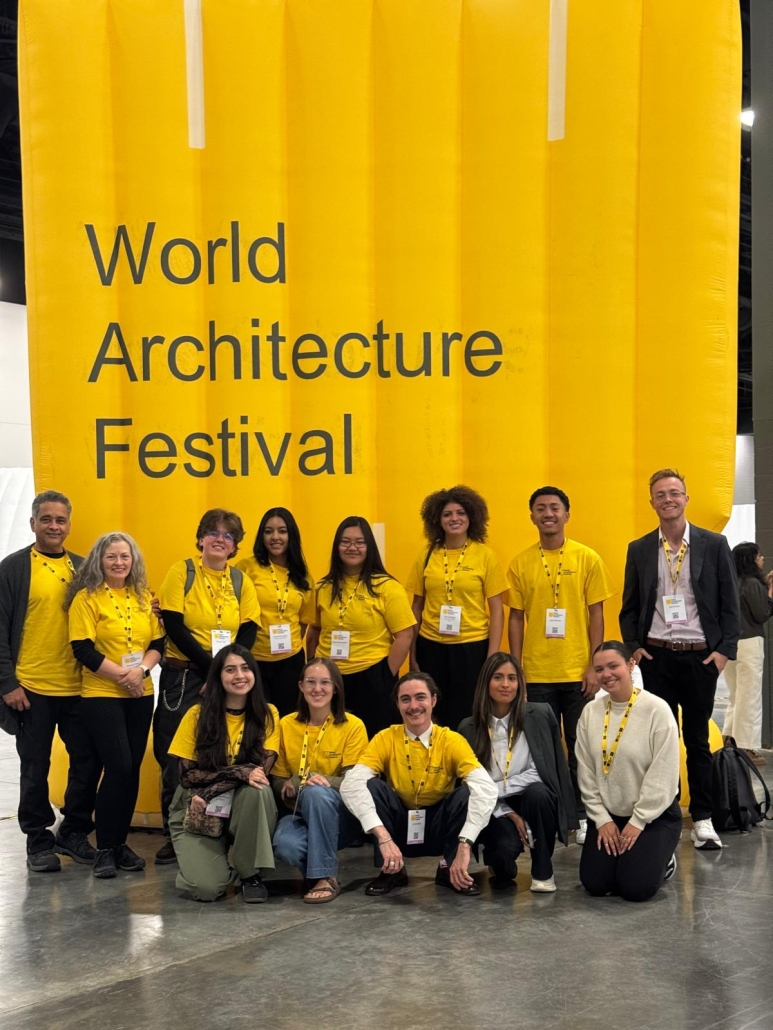
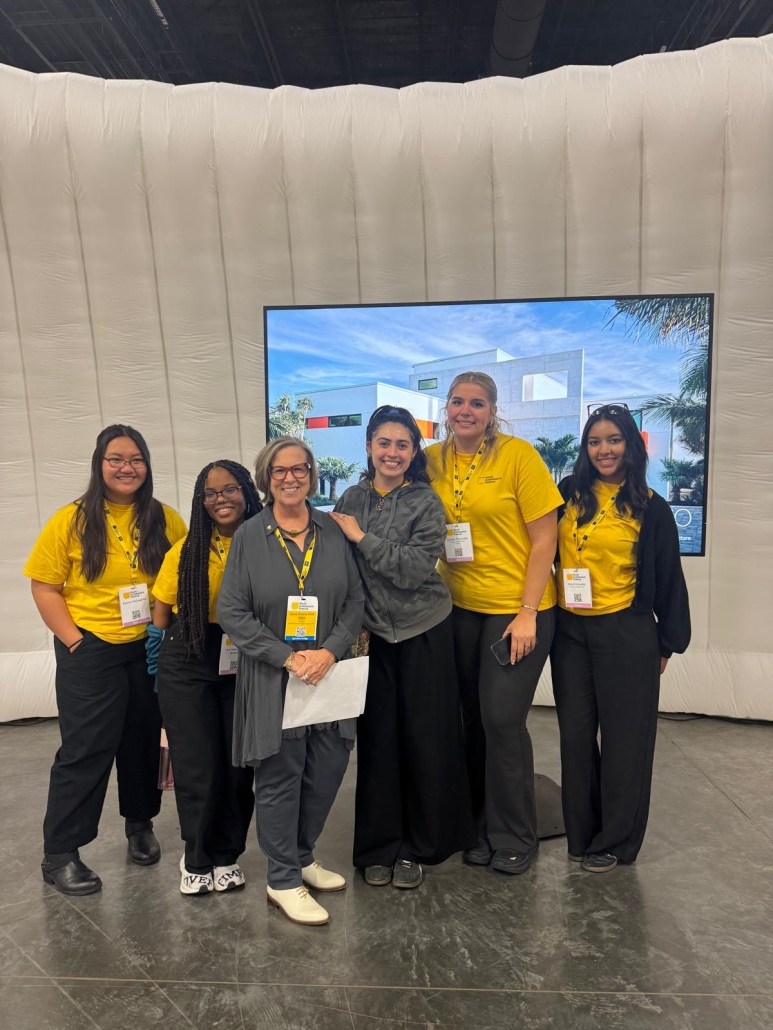
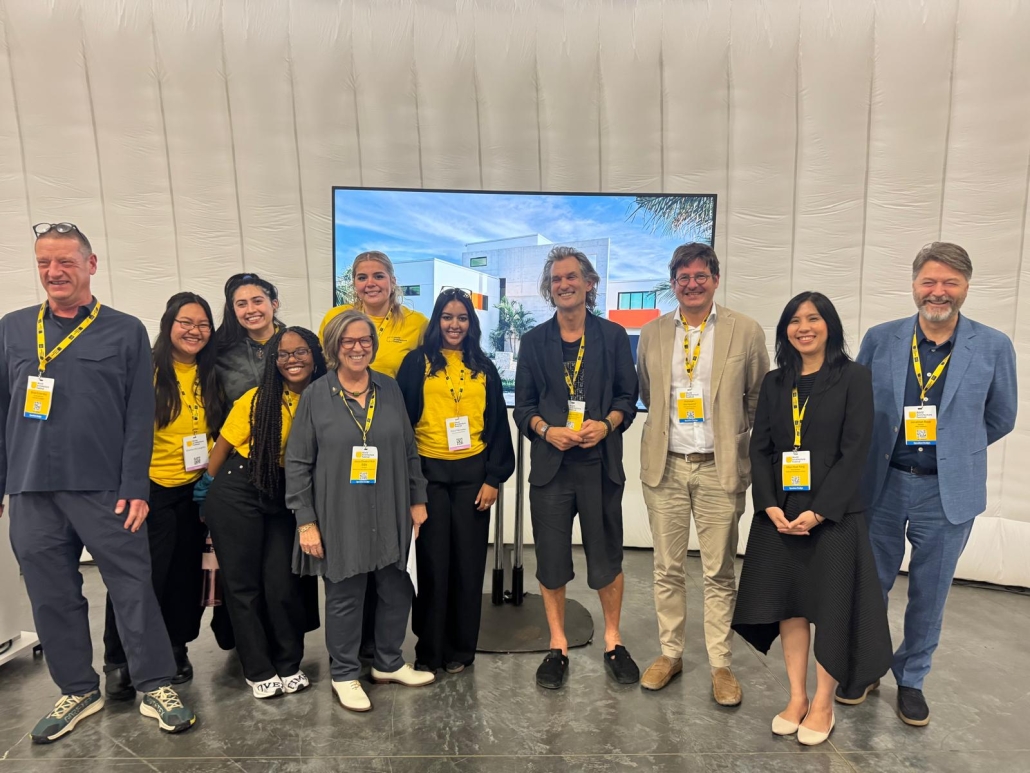
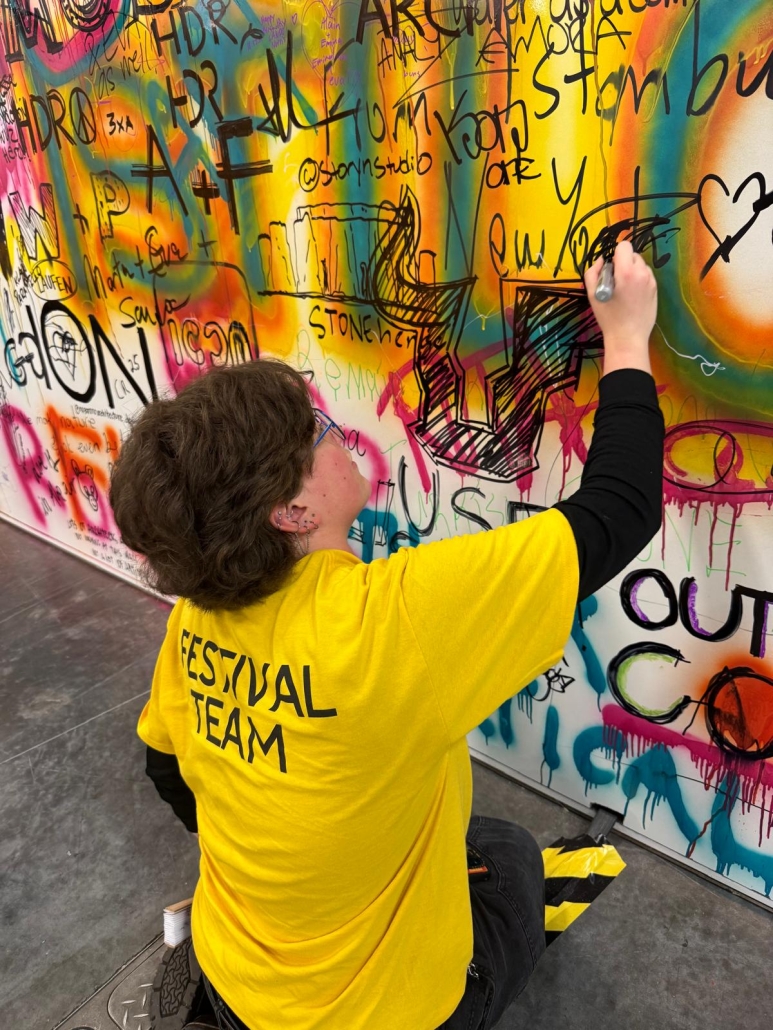
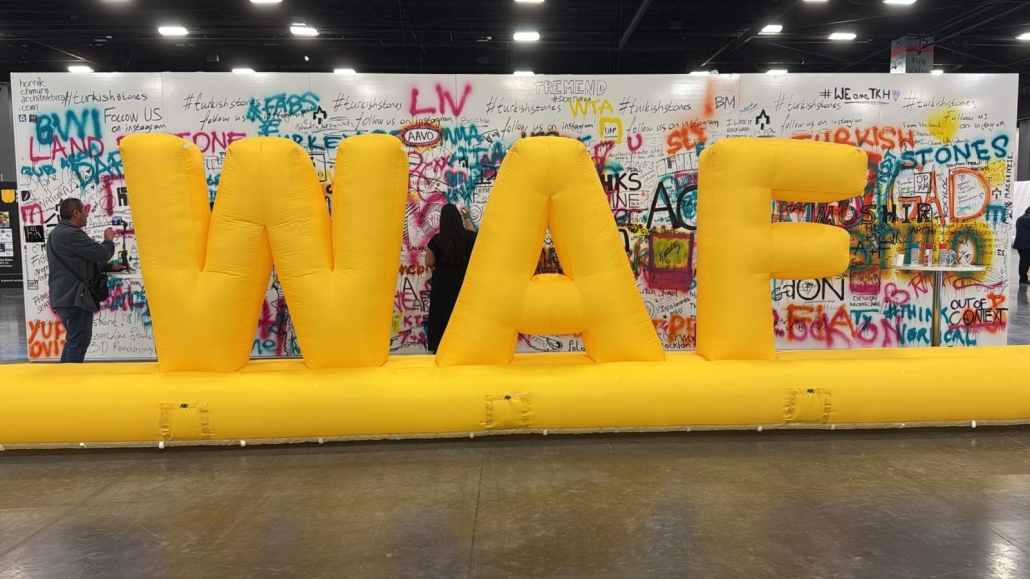
Today, she joins Study Architecture to share her experience volunteering at the World Architecture Festival (WAF) as a WAF Student Representative — connecting with students and designers from across the globe. Read on to hear her insights and get inspired!
Alejandra: In February 2025, the USF School of Architecture & Community Design (SACD) hosted Joyce Owens, FAIA, RIBA, as a guest speaker for our Spring Lecture Series. As the SACD Events & Lectures Graduate Assistant, I worked closely with her to coordinate the logistics of the event and ensure the lecture ran smoothly. During that time, I had the opportunity to speak with her more personally, and after the lecture, Professor Josue Robles and I invited a group of students to join her for dinner so that more students could connect with the guest speaker in an informal setting.
During that conversation, Joyce shared exciting news about the World Architecture Festival (WAF), one of the most internationally recognized architecture events in the world. Each year, WAF brings together architects, designers, and students from across the globe to present and critique built and future projects, attend lectures and panels, and celebrate innovation in architecture and the built environment. For the first time in its history, the festival would be held in the United States, and the selected location was Miami, Florida. Coincidentally, a friend and I had recently come across an Instagram post about the festival, so hearing about it directly from Joyce made the opportunity feel even more exciting. During that conversation, she asked if I would be interested in serving as a student representative working with the WAF team to help encourage and coordinate student volunteers for the event.
It was an incredible opportunity to help connect students with an international architecture event happening so close to home, and I immediately accepted. I saw it as a chance to help students experience a global architectural conversation and gain exposure to practitioners and ideas from around the world.
Alejandra: Once I accepted the opportunity to serve as the WAF Student Representative, I began sharing information about the festival with students at the USF School of Architecture & Community Design and through the AIAS South Quad network, which connects architecture students across Florida. As AIAS USF Chapter President, I created an interest form to understand how many students were interested in volunteering and traveling to Miami for the event.
Our AIAS USF team also developed a flyer that summarized the information provided by the WAF team, including the responsibilities of student volunteers and the benefits of participating in the festival. Once the flyer was complete, we shared it with AIAS chapters across Florida to encourage students from other schools to participate.
After identifying how many students from the University of South Florida and Florida Southern College needed transportation, I worked with my school to help secure support for travel expenses, so students would not have to worry about driving individually. I then coordinated the travel logistics, including reserving a rental van, organizing departure and pickup times from the SACD building, and arranging shared housing in Miami so our group of students could stay together during the festival.
To further support student participation, I also asked our School Director to provide a letter of support, recognizing attendance at the World Architecture Festival as both an academic and professional learning opportunity. Since the festival took place during the academic semester, this letter helped students communicate with their professors and more easily request excused absences while participating in the event.
As the WAF Student Representative, I also worked with the WAF team to ensure that all volunteer shifts were filled and that students had the information they needed before arriving at the event. Since the festival team was managing a large international event, I helped answer questions from students and coordinate communication when needed. During the festival itself, I volunteered in multiple roles. I assisted with the main stage operations, helping maintain the setup during live lectures and Q&A sessions. I also volunteered in Crit Room 7, where I helped coordinate presentations in the Completed Buildings: Health category, ensuring that presentations ran smoothly and stayed on schedule.
Beyond volunteering, the event created meaningful opportunities for students to connect. I met in person for the first time a student from Eastern Florida State College, whom I had previously connected with online and encouraged to attend the festival. Our USF students also met students from Miami-Dade College, which led to new friendships and collaborations. In fact, some of the students we connected with at WAF later joined us at the 2026 AIA Florida Legislative Day, continuing the relationships that began during the Festival.
Alejandra: The World Architecture Festival (WAF) brings together architects, designers, academics, and students from around the world. At the 2025 festival in Miami, professionals representing architecture firms, design studios, universities, and organizations from many different countries gathered to present and discuss projects shaping the future of the built environment.
Students attending the festival came from architecture programs across Florida and beyond, including universities, community colleges, and international schools. Through the volunteer program, students were able to assist with lectures, project presentations, and critique sessions while interacting with architects and designers from around the world. One of the most exciting opportunities for students at the festival was the student design charrette, where teams of students collaborate on a design challenge within a limited amount of time and present their ideas to a jury of international architects. The charrette encourages creative problem solving, teamwork, and exposure to different design perspectives, allowing students to engage directly with the global architectural conversation happening at the festival.
The festival also features architects presenting their projects in front of international juries as part of WAF’s design awards program, where built and future projects are critiqued and discussed in a public setting. For many students, this was a rare opportunity to observe how leading architects communicate their ideas, respond to critique, and engage in design dialogue at an international level.
Alejandra: The World Architecture Festival will return to the United States in 2026, taking place at the Broward County Convention Center in Fort Lauderdale from November 18–20. My first piece of advice for students is to save the date early and start planning ahead. Events like WAF bring together architects, designers, and students from around the world, and attending can be an incredibly valuable academic and professional experience. If possible, start conversations with your AIAS chapter, professors, or school leadership about organizing a group to attend. Schools or local AIA components may sometimes help sponsor transportation or other travel expenses, and collaborating with nearby AIAS chapters can help divide costs and make it easier for students from multiple schools to attend together.
Students should also consider applying to the WAF Student Charrette, which is one of the most exciting opportunities at the festival. The charrette brings together teams of students from different schools to work collaboratively on a design challenge within a limited amount of time and present their ideas to an international jury of architects. Applications for the charrette are typically announced on the World Architecture Festival website, and students can apply individually or through their schools, depending on the year’s format. Keep an eye on their website for more information.
Another great way to participate is through the WAF Student Volunteer Program. Volunteers help support the festival by assisting with lectures, presentations, and event coordination, while also gaining valuable exposure to the international architecture community. As student volunteers, participants do not have to pay the festival registration fee, which makes attending the event much more accessible for students.
Finally, I recommend speaking with your school director or faculty about providing a letter of support for student attendance. Since WAF is both an academic and professional experience, having institutional support can make it easier for students to participate while classes are in session.
Most importantly, take advantage of the opportunity to meet students and professionals from around the world. Events like WAF allow you to see how architects communicate their ideas, present their work, and engage in design conversations at a global level. Students who would like to see more about what the experience looked like can also view highlights from the 2025 festival that we shared on social media here.
Alejandra: Over the past few years, the Career & Internship Expo at the University of South Florida has been organized through a collaboration between the College of Design, Art & Performance (CDAP), the School of Architecture & Community Design (SACD), and other schools in the college. As the SACD Events and Lectures Graduate Assistant, my role has typically been to help ensure the event runs smoothly by ensuring table assignments are set correctly, assisting firms and organizations as they arrive, guiding students and guests to the event location, and promoting the expo through our school’s newsletter.
This year, however, I took on a larger role to support the college’s student success efforts. When I learned that fewer firms and organizations had registered than in the previous year, I felt a strong responsibility to help expand the opportunities available to our students. Serving both as the SACD Events and Lectures Graduate Assistant and as President of the AIAS USF Chapter, I knew how meaningful these connections can be for students beginning to explore the profession. That motivated me to personally reach out to architecture firms and organizations across our local community to invite them to participate.
One of my goals since becoming AIAS USF Chapter President in 2024 has been to strengthen our school’s relationship with local architecture firms and organizations. With the help of an incredible group of AIAS USF officers, we have worked over the past couple of years to build meaningful connections between students and the professional community. This has included organizing firm tours, collaborating with our local Young Architects Forum and AIA Tampa Bay on firm crawls, hosting design workshops with firms, inviting licensed professionals to speak about the importance of licensure, and coordinating lecture features where firms and professionals visit our school to present their work to students.
We have also organized site visits to projects under construction, created opportunities for professionals to mentor students, partnered with our local Women In Architecture (WIA) component, and participated in statewide events that connect architecture students with practitioners across Florida. These efforts have helped create a stronger sense of continuity between our students and the professional community, making the Career & Internship Expo a natural extension of the relationships we have been building over time.
Because of all these efforts, we were able to welcome even more architecture firms and organizations than the year before, creating a richer networking experience for our architecture students.
Alejandra: Planning the career fair was a collaborative effort between the college and the School of Architecture & Community Design. Much of the logistical coordination was led by Karen Frank, Assistant Director of the USF College of Design, Art & Performance, who managed reserving the ballroom and organizing the overall event setup. James Spear, SACD’s Administrative Specialist, also provided important coordination support throughout the planning process.
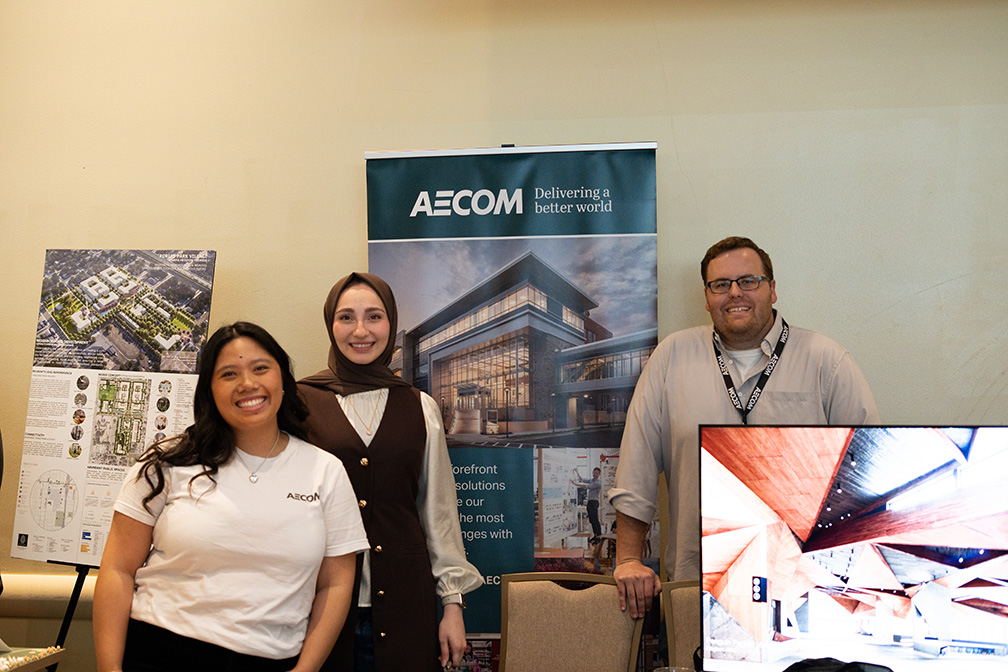
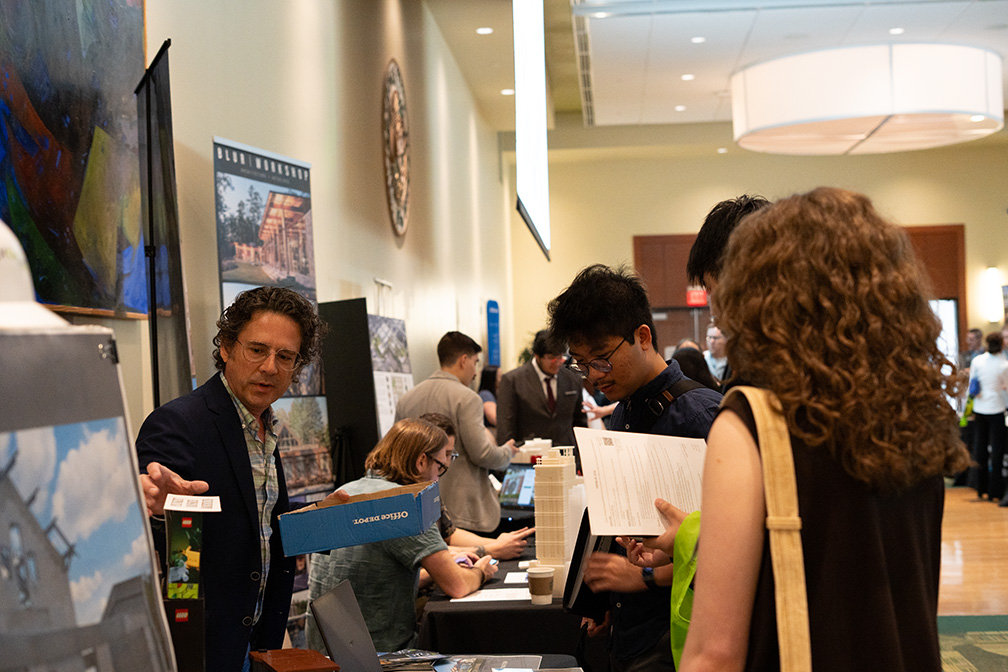
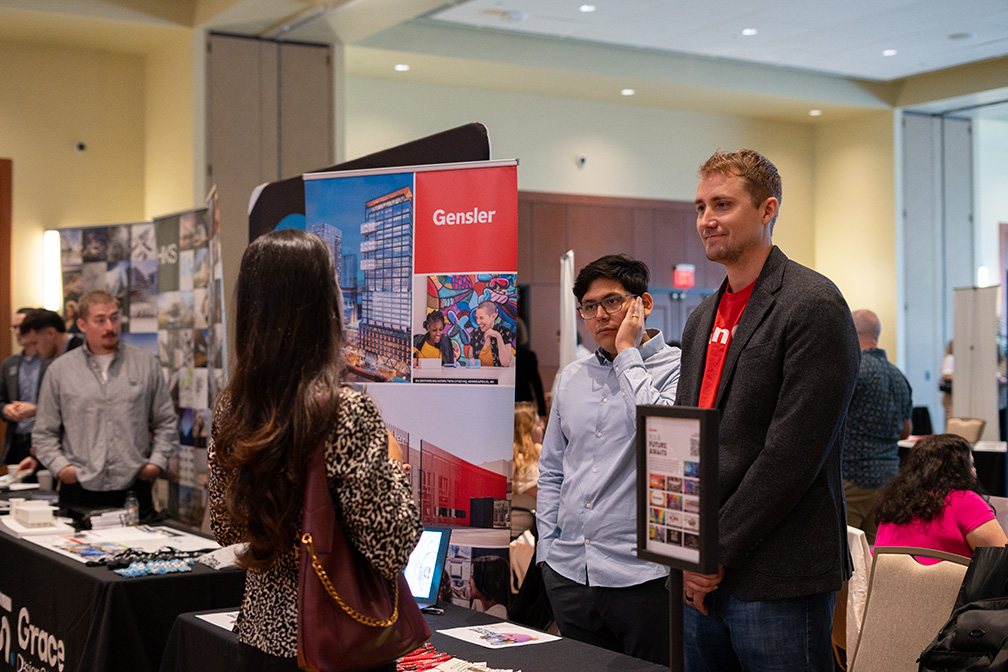
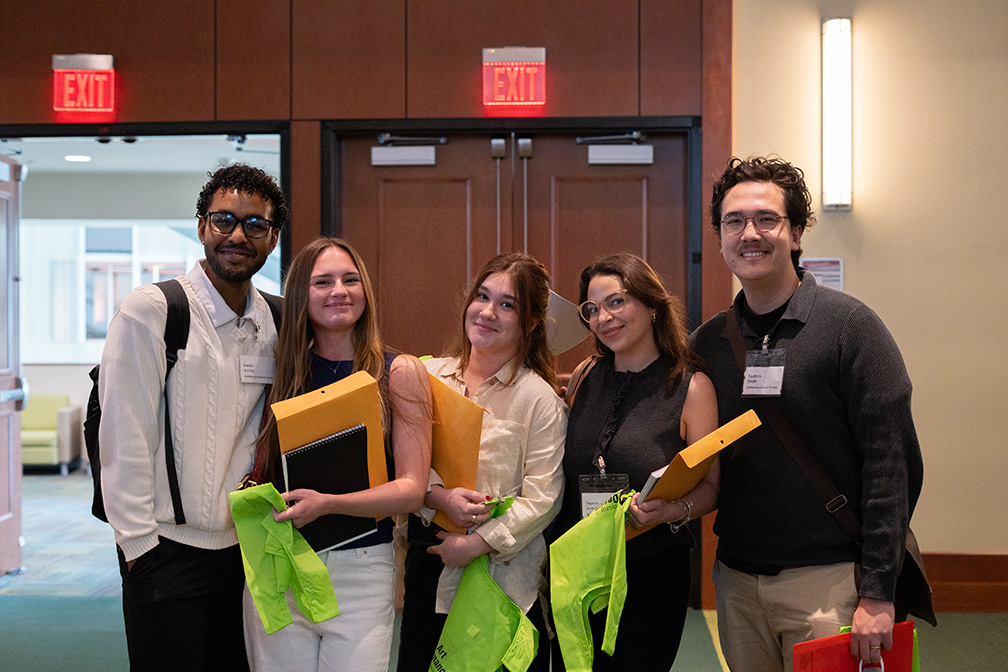
The event took place in the USF Marshall Student Center (MSC) Ballroom A–C, which was arranged with rows of tables for each participating firm and organization, complete with tablecloths and signage displaying their names. Firms were able to bring their own materials and displays, and extension cords were placed between the rows of tables so that each table had access to power. The college also prepared slides featuring the participating firms and organizations that were displayed on the ballroom screens throughout the event. At the entrance, staff and volunteers helped manage student check in and provided name tags to ensure the event ran smoothly. Light refreshments were available, and professional photographers were present to provide headshots for students.
My role also focused on outreach and student preparation. Once the final list of participating firms and organizations was confirmed, I shared it with our students through the school’s newsletter and encouraged them to prepare in advance. I recommended that students research the firms they were most interested in and come prepared not only with their resume and portfolio, but also with tailored cover letters. My goal was to help students approach the event not just as a networking opportunity, but as a moment to stand out and make meaningful first impressions with potential employers.
To further support students in preparing for the event, we also organized several opportunities for professional feedback in the weeks leading up to the expo. Through the AIAS USF mentorship program, which is organized in collaboration with AIA Young Architects Forum (YAF) Tampa Bay, students met with local professionals two weeks before the event to receive feedback on their resumes, portfolios, and LinkedIn profiles. I also met with several students individually to provide guidance and help them refine their materials.
Additionally, the NOMAS USF chapter hosted an online portfolio and resume workshop the week before the event, giving students another opportunity to connect with professionals and receive additional feedback before meeting firms at the career fair.
Alejandra: Due to the unique makeup of the College of Design, Art & Performance, a wide variety of employer organizations were present at the expo. Institutions such as Busch Gardens, the Tampa Museum of Art, and the Straz Center for the Performing Arts attended to connect with students across disciplines, including theatre, dance, art, and music.
However, the largest group of employers by far were architecture firms, reflecting the strong interest in recruiting students from the USF School of Architecture & Community Design. These firms collaborate with developers, institutions, organizations, and corporations to design buildings, campuses, and communities.
Many of the participating firms are nationally recognized practices with offices across the United States in cities such as Atlanta, Boston, Chicago, Dallas, Denver, Los Angeles, Memphis, Miami, and Philadelphia, among many others. Several of these organizations also work internationally, with projects and offices located around the world in places such as Abu Dhabi, Beijing, London, Mexico City, Munich, Paris, Sydney, Tokyo, and Vancouver, to name just a few. This diversity of firms allowed students to learn about a wide range of professional paths within architecture, from local practice to global design and planning.
Alejandra: The old saying is true: dress for success. First impressions matter, and presenting yourself professionally shows firms that you are taking the opportunity seriously.
Preparation is just as important. I always recommend researching the firms beforehand and identifying the ones that most interest you. Come prepared not only with your resume and portfolio, but also with a cover letter tailored to each firm you are especially excited to speak with. Taking the time to learn about their work will help you have more meaningful conversations and demonstrate genuine interest.
When writing your cover letter or speaking with professionals, be yourself. This is often the first chance firms have to understand your personality and what motivates you as a designer. If there are specific projects or ideas from the firm that inspire you, mention them and explain why they resonate with you. Authenticity goes a long way.
At the end of the day, career fairs are not only about firms finding candidates, they are also about students finding places where they feel aligned. Stand out, but also take the time to notice which firms stand out to you, especially those whose values and work resonate with your personal and professional goals. Career fairs are not just about finding your first job; they are about beginning to build the professional relationships that will shape your career.
Planning for the future can feel intimidating. For high school and college students, the fall semester is filled with anticipation for the future. You may find yourself overwhelmed or need help figuring out where to begin. If you’re looking for a place to get started, college fairs are just what you’re looking for!
College fairs are an opportunity for high school students and their families to learn more about different schools. These fairs are also valuable resources for undergraduate students who are interested in graduate or doctorate programs. During college fairs, representatives from various colleges and universities across the country (or even on a global scale) come together to promote their programs.
Each school has a booth where students and their families will be greeted by staff. The booths can feature a variety of resources ranging from school merchandise to informational pamphlets. Some schools may even allow students to apply on the spot!

(Image Credit: Michigan Association of College Admission Counseling)
College fairs may be organized by your school, local community centers, or even large national associations. Hosted by the National Association for College Admission Counseling (NACAC), the National College Fairs Program organizes free virtual and in-person college fairs that are open to the public. According to their website, NACAC College Fairs attract representatives from 175 to 400 institutions.
You can also find college fairs that are organized based on different majors and fields of study. For students interested in pursuing architecture or design, there are plenty of options for major-specific college fairs. The Center for Architecture hosts an annual Architecture and Design College Fair with representatives from over 30 schools. Another approach would be to see if a local university is hosting a regional design fair. Several universities host design fairs, including Temple University, Iowa State University, and the University of Minnesota, to name a few.
You could also attend an informational session for a program that you’re already interested in. These sessions usually include a presentation that provides an overview of the program, degree opportunities, available majors, and more.
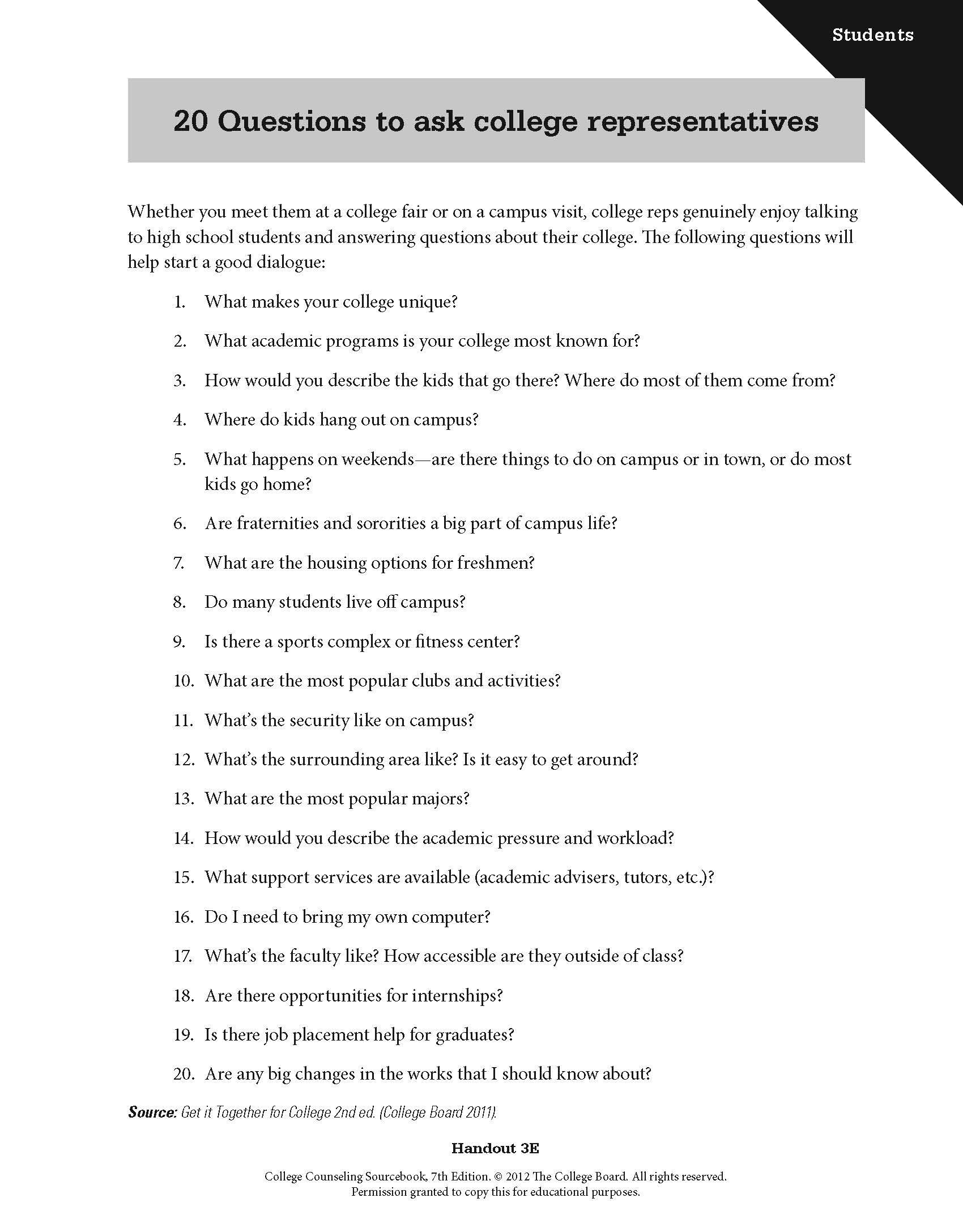
Feeling unprepared? It’s okay to feel nervous when preparing to speak to college officials. We recommend coming ready with a list of schools that you’re interested in learning more about. This will allow you to have an idea of specific questions you’d like to ask that are related to your major and other interests. You can also click here to read the full list of questions from College Board. For students interested in pursuing architecture or design, it is recommended to bring your portfolio to show schools a sample of your work. This may be an opportunity to receive direct feedback before formally submitting artwork in a college application.
Remember, it’s always a good idea to put your best foot forward when meeting with representatives from colleges and universities. Be yourself and take the steps you need to come prepared. If you’re on the lookout for upcoming college fairs, visit Study Architecture’s Events Page to stay tuned on the latest opportunities!
Hi! My name is Mia Larkin and I am a rising senior at the University of Pittsburgh studying architecture with a minor in museum studies. I am also the social media chair of my university’s AIAS chapter. I joined AIAS to be closer to my classmates and to have a sense of community; learning from other students as they share their expertise in different software and applying what I learn to my projects and internship.

The American Institute of Architecture Students (AIAS) is an international, independent, non-profit, and student-run organization committed to developing leadership, design, and service among students in architecture. AIAS plays a vital role in providing invaluable experiences in architecture education and professional development for architecture students across the world. AIAS chapters provide members with advocacy, education, and internship opportunities. (Check out if your university offers an AIAS chapter!)
Having an AIAS chapter present on college campuses allows students to meet people within their major. Outside of an academic setting, there are advantages that AIAS provides to students including interacting with professionals, networking with them, and visualizing what it means to be in the working field. “I think joining AIAS presents the unique opportunity for young people to engage pre-professionally in the world of architecture in a way that is with people of similar ages and interests,” says Kiran Nwakanma, a fellow student at the University of Pittsburgh. “It’s really a community-oriented approach to getting involved with the design field.”

Emerging as a working individual, getting your foot in the door can feel scary. There is so much uncertainty when you are in college, figuring out what you want to do for the rest of your life, or if you are even on the right path. AIAS offers me experiences I wouldn’t have known about if I didn’t join. “[The] main benefits [are] to be able to gain valuable insight on how lessons in your undergraduate career will transfer to the workforce and to be able to gain mentorship through other students, alumni, professors, and practicing architects,” says Priya Sahu, a rising senior at the University of Pittsburgh.
While you’re still in college, it is valuable to know what experiences you can take away from the classroom since they can transfer to your career. Personally, through AIAS, I have visited firms and heard professionals talk about their jobs. I believe the skills I have learned as a member of AIAS have taught me the skills that I am expected to do in my professional career.
I joined AIAS during my sophomore year to connect with other students in architecture and possibly have a chance for a leadership position. At first, I attended events, firm crawls, and portfolio reviews and tried to get involved as much as I could. Junior year came and I decided to run for a board position. I chose to run for social media chair since it aligns with previous leadership positions I held on campus, and I won! Since it’s summertime, I haven’t got the chance to do my role but I have plans for what I want to do while on board. One of my ideas was to release the AIAS Pitt merch since we don’t have any, and it would be great to see hoodies and stickers around campus to distinguish people who are in AIAS and create a sense of community outside of AIAS. Another idea is to interact more with members through Instagram stories, posting on a consistent schedule, and possibly event planning with the AIAS board. Lastly, I want to listen to feedback from the community and what they would like to see me do.

AIAS promotes excellence in education by fostering community and creating a network between students, faculty, and professionals by hosting events, firm crawls, and connecting students with resources. Joining your AIAS chapter is also a great way to expand your leadership experience. To check out more information, visit the AIAS National website and social media!
P.S. Click here to see if your university offers an AIAS chapter!
(All images are courtesy of the AIAS – University of Pittsburgh Chapter via Mia Larkin)