#ModelMakers: Niza Bastida
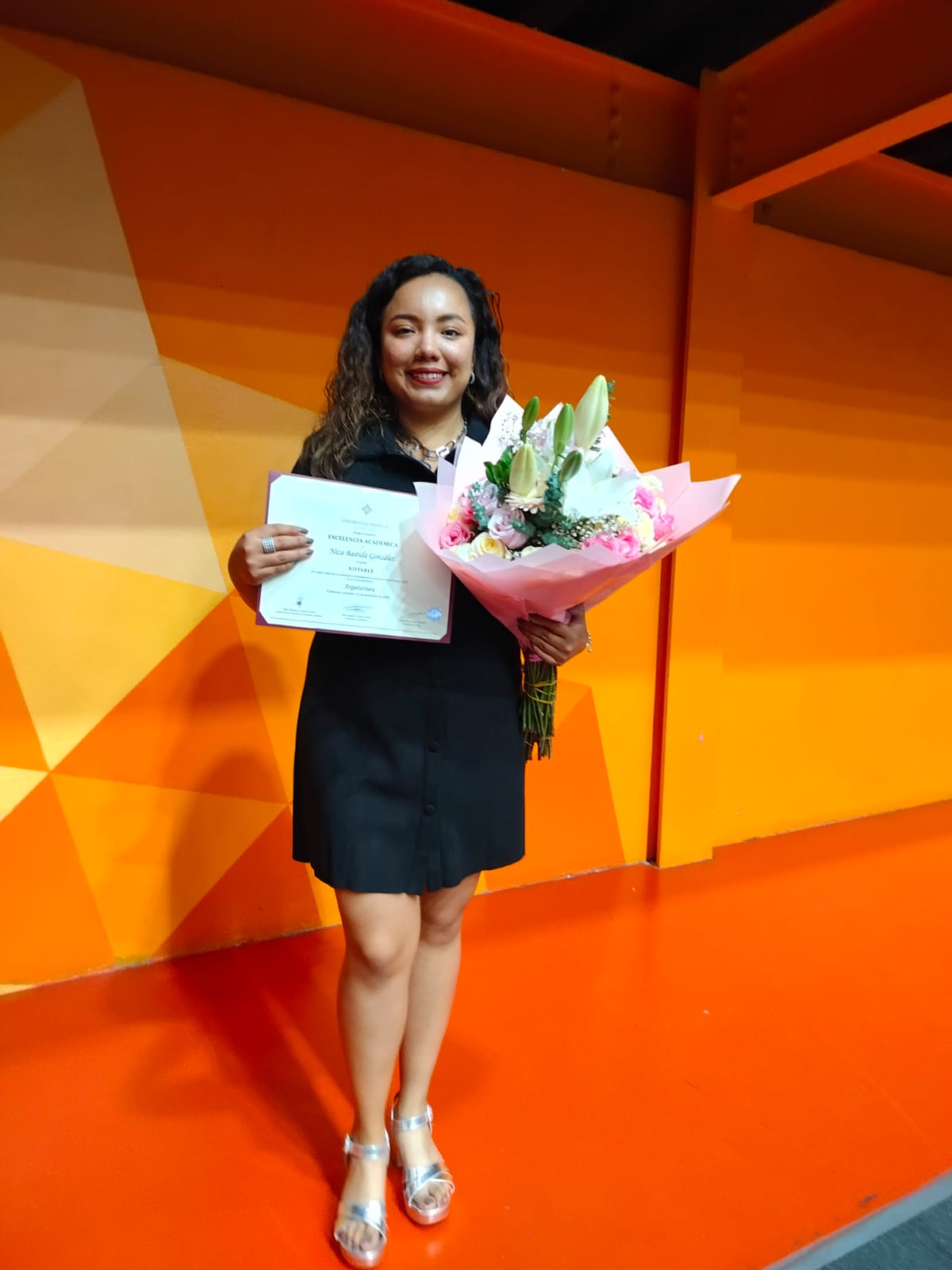
Today’s #ModelMaker is Niza Bastida González, a B.Arch. student studying at Universidad Anáhuac Querétaro. Niza’s profile highlights her passion for urbanism and creating spaces that cultivate connections. Read below to learn more about her practice and the inspiration that drives her!
Name: Niza Bastida González
School: Universidad Anáhuac Querétaro
Degree Program: B.Arch.
Year in School: 7th Semester
Describe Your Design Style: My approach to architecture begins with a question: How can I make spaces improve the lives of the people who inhabit them? I am particularly interested in urbanism because I believe many cities have stopped prioritizing people, focusing instead on vehicles, industry, and real estate development.
I see architecture as part of a larger system in which mobility, public space, nature, culture, and community are interconnected. That is why I am drawn to projects that seek to reconnect fragmented spaces, restore local identity, and create opportunities for people to come together. To me, design is not simply about building; it is about creating places where people can connect, coexist, and feel that they belong.
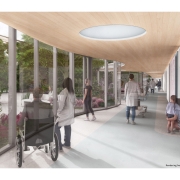
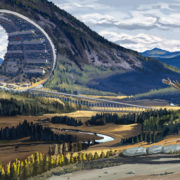
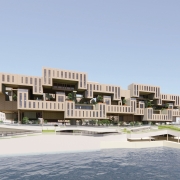
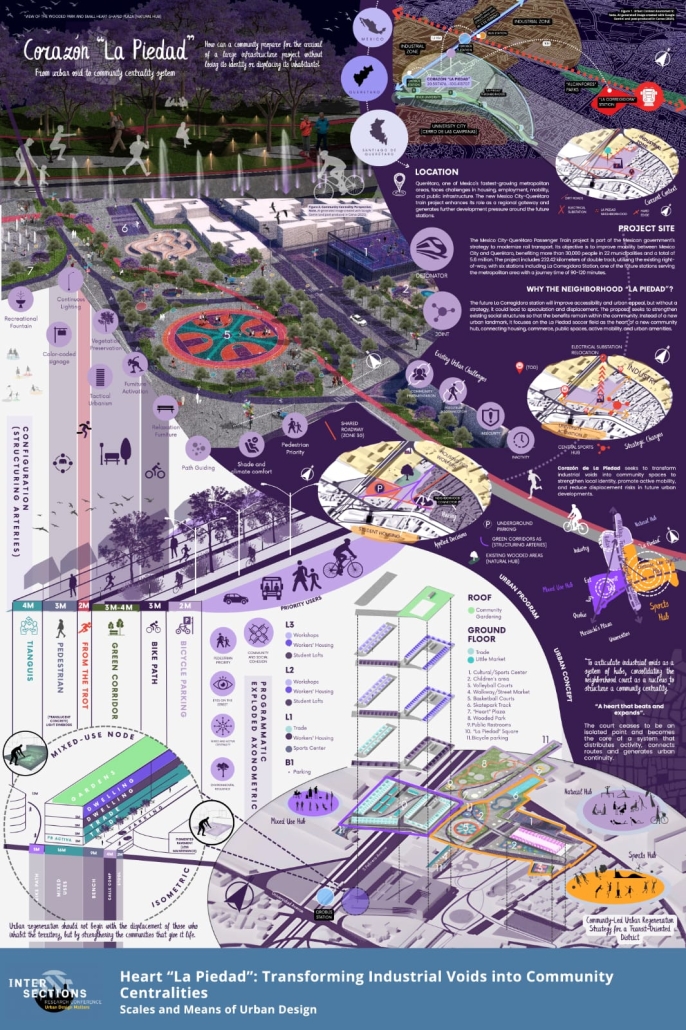
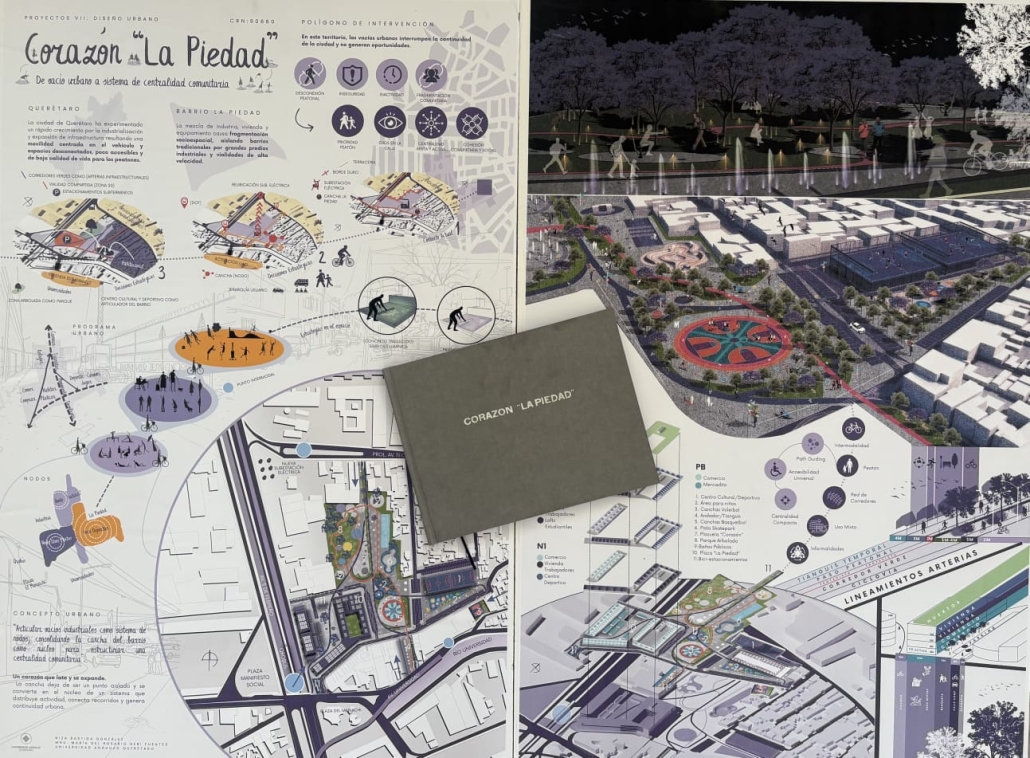
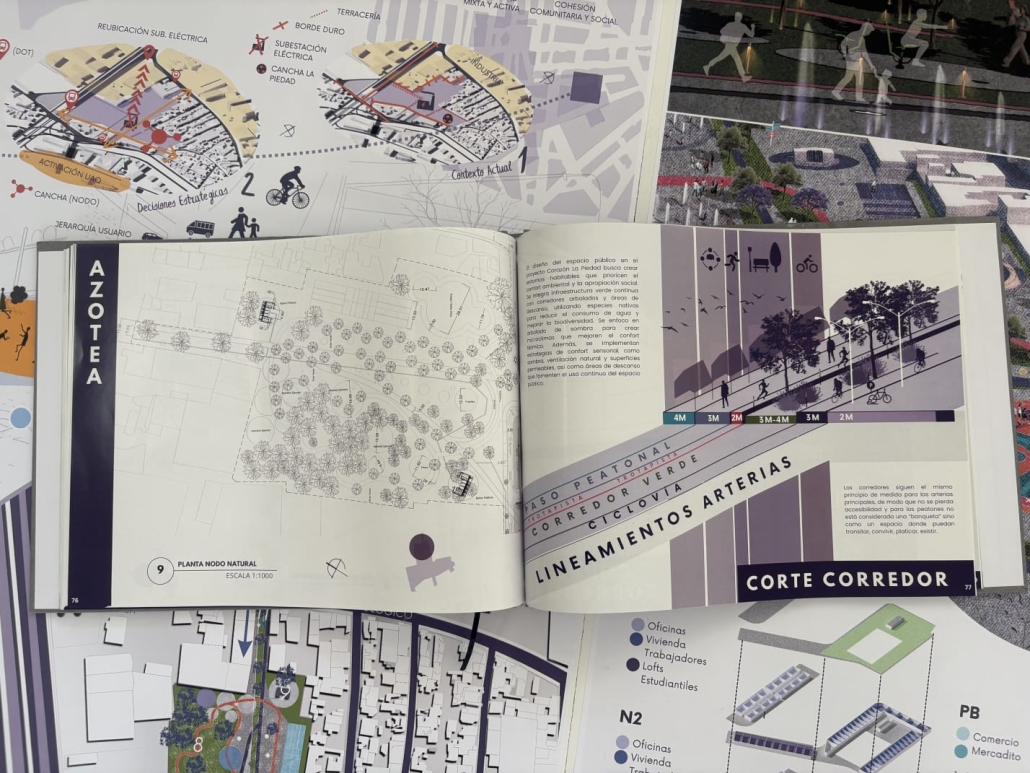
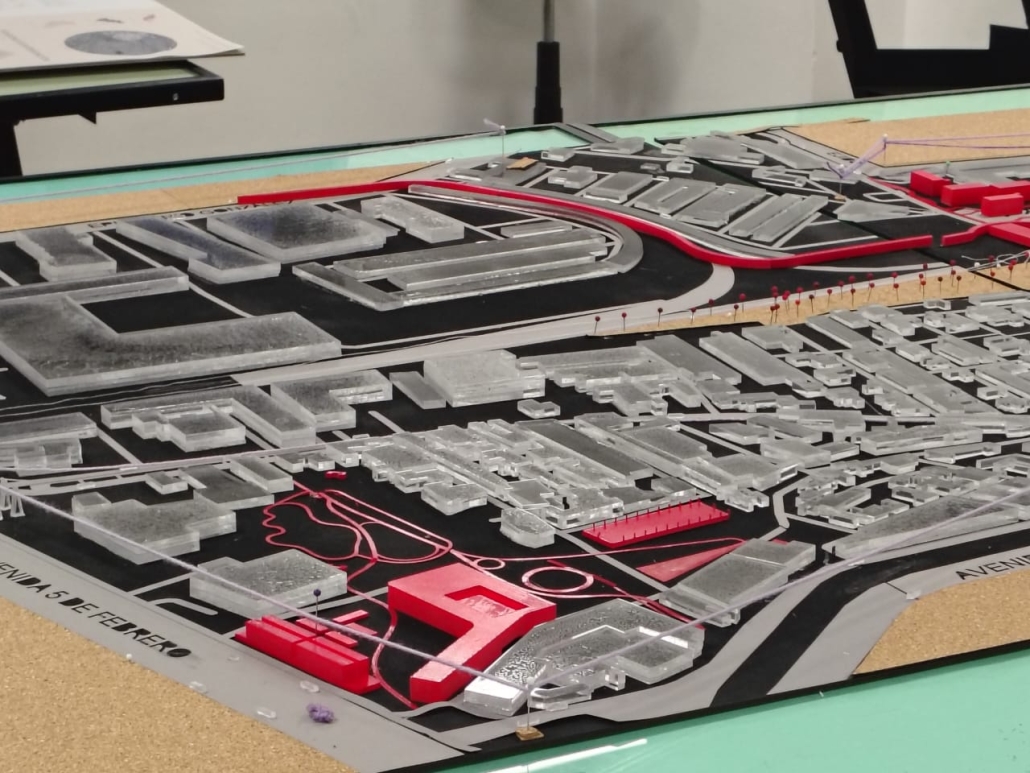
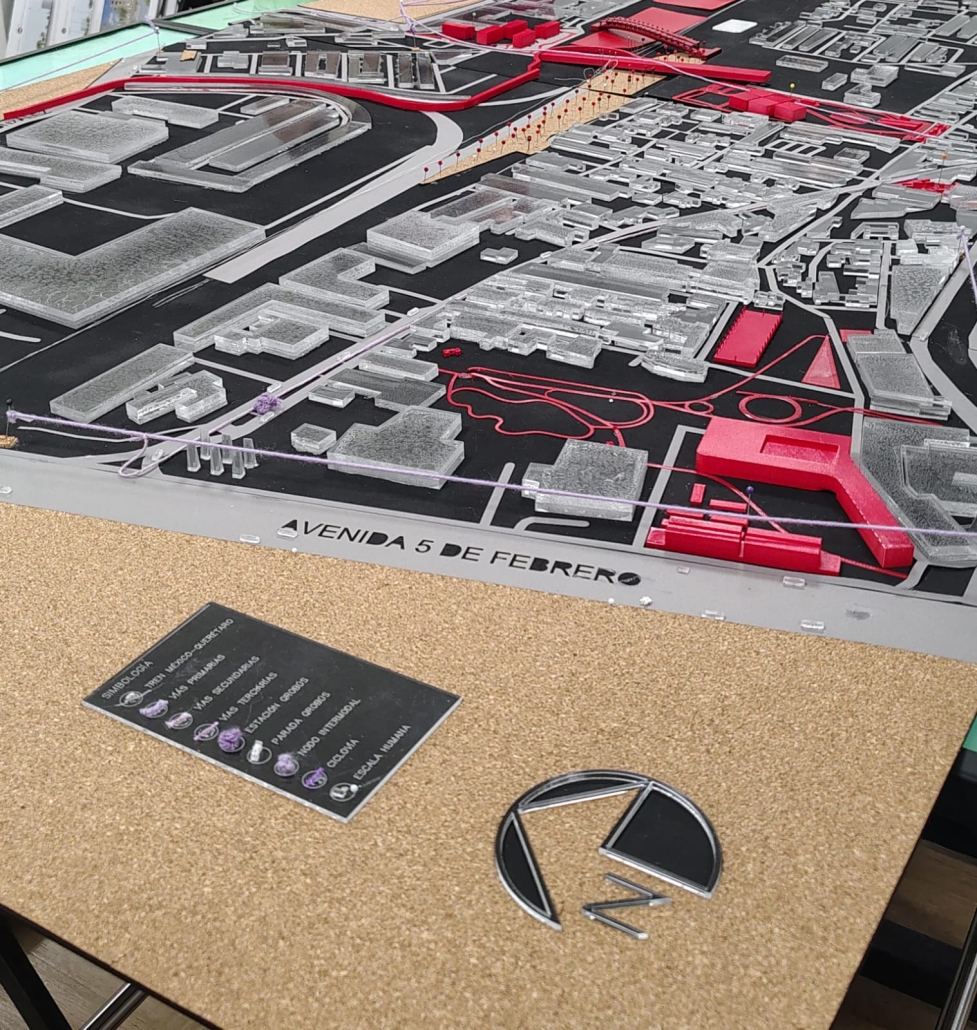
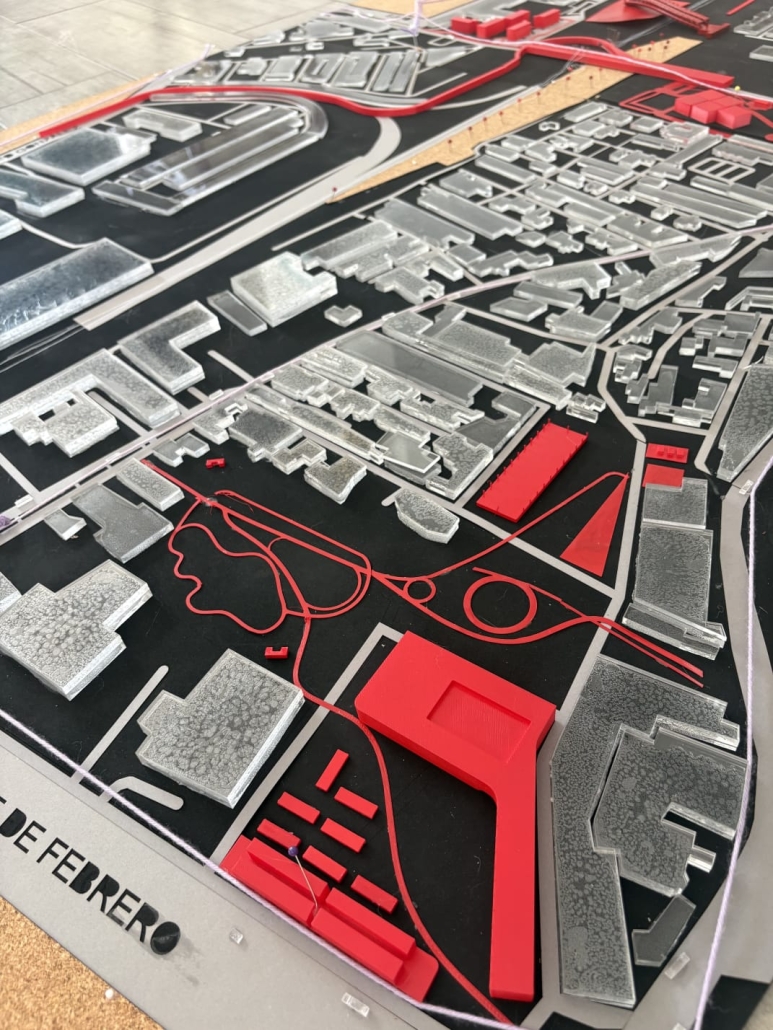
Share a Project You’re Proud of: One of the most meaningful projects in my academic journey is Corazón de La Piedad, an urban design proposal I developed in Querétaro, Mexico. While studying the area, I identified industrial voids, large-scale infrastructure, and disconnected spaces that had weakened the relationship between the neighborhood and its residents. I decided to stop seeing these fragments as barriers and instead recognize them as opportunities for reconnection. My proposal brings these spaces together through a system of urban nodes, recognizing the neighborhood’s sports court as a central gathering place and the existing community as the starting point. Through pedestrian mobility, public spaces, local commerce, and green areas, I sought to restore connections and strengthen the area’s identity.
What inspires me most about this project is its focus on resilience: showing that even in a fragmented city, it is possible to rebuild connections. Reclaiming a space does more than transform the physical environment; it can also restore a sense of belonging and send a message: there are solutions, there is hope, and we can still build something better.
My poster, “Corazón La Piedad – Transforming Industrial Voids into Community Centralities,” was accepted by the 2026 Intersections Research Conference: Urban Design Matters, organized by the Association of Collegiate Schools of Architecture (ACSA) in New York. For me, this recognition meant much more than an academic achievement: it affirmed the path I want to pursue and the possibility of turning my passion for cities into a lifelong vocation.
What Inspires You?
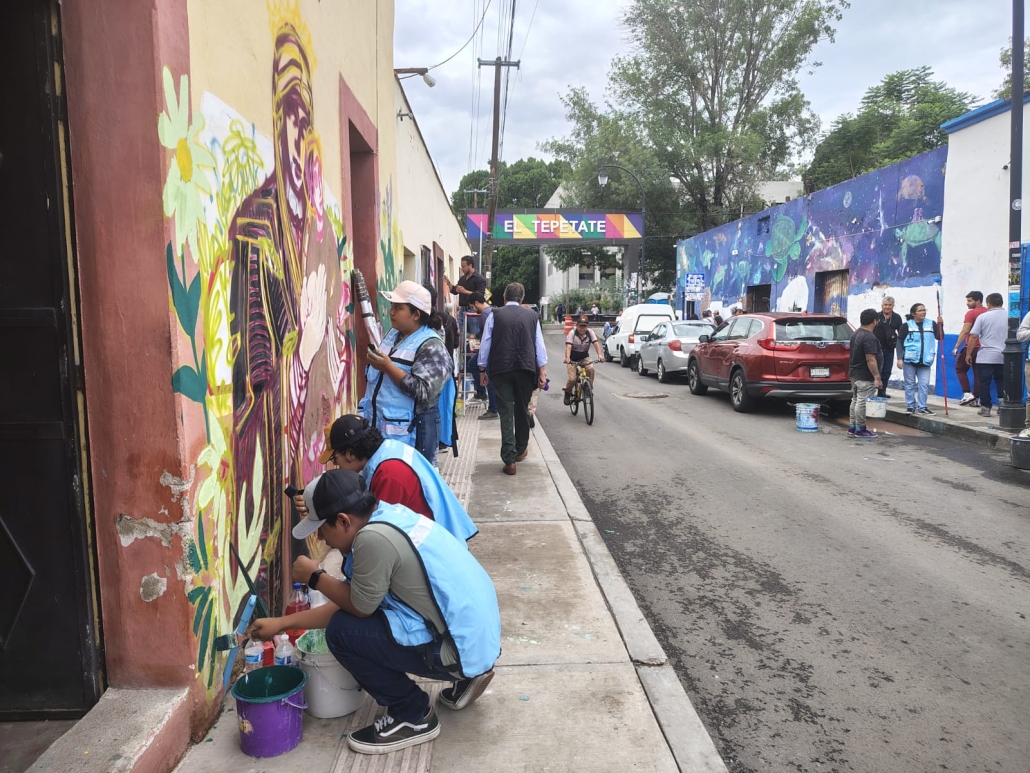
I find inspiration in experiencing cities: walking their streets, using public transportation, and observing everything that happens between one destination and another. I even enjoy taking public transportation around Querétaro. I like to think of each journey as a kind of time loop: a moment to wait, observe, think, and even philosophize. I might overhear a conversation, recognize someone, or discover something new. These experiences teach me patience, independence, and empathy, reminding me that we share our cities with people whose lives intersect with our own.
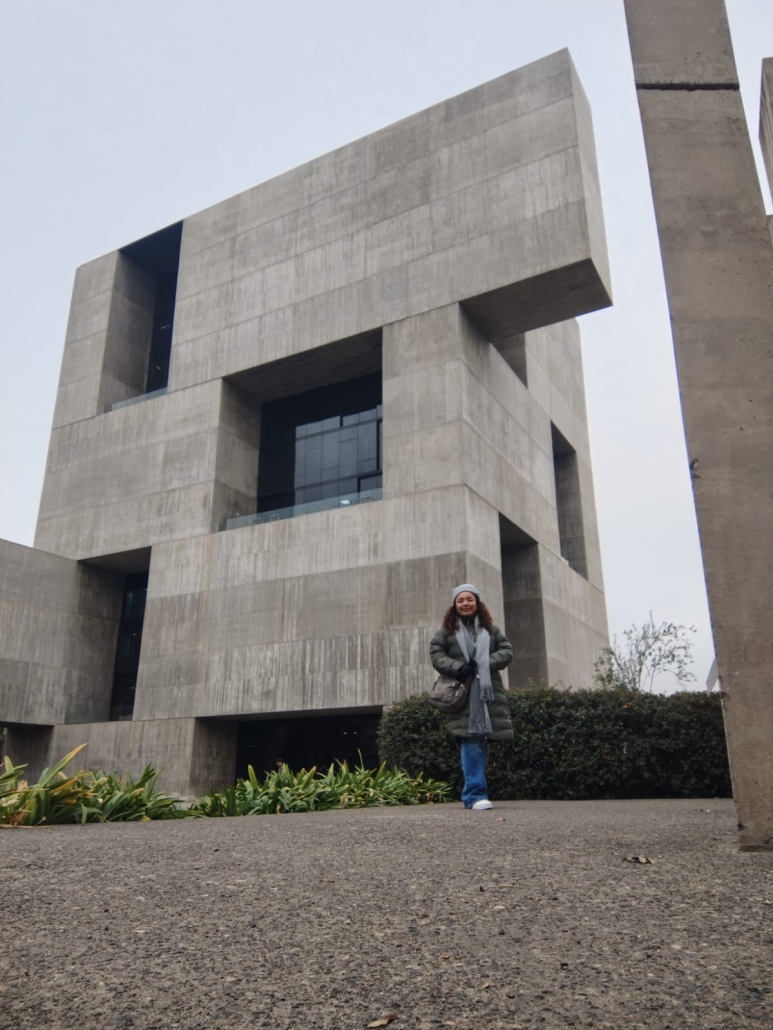
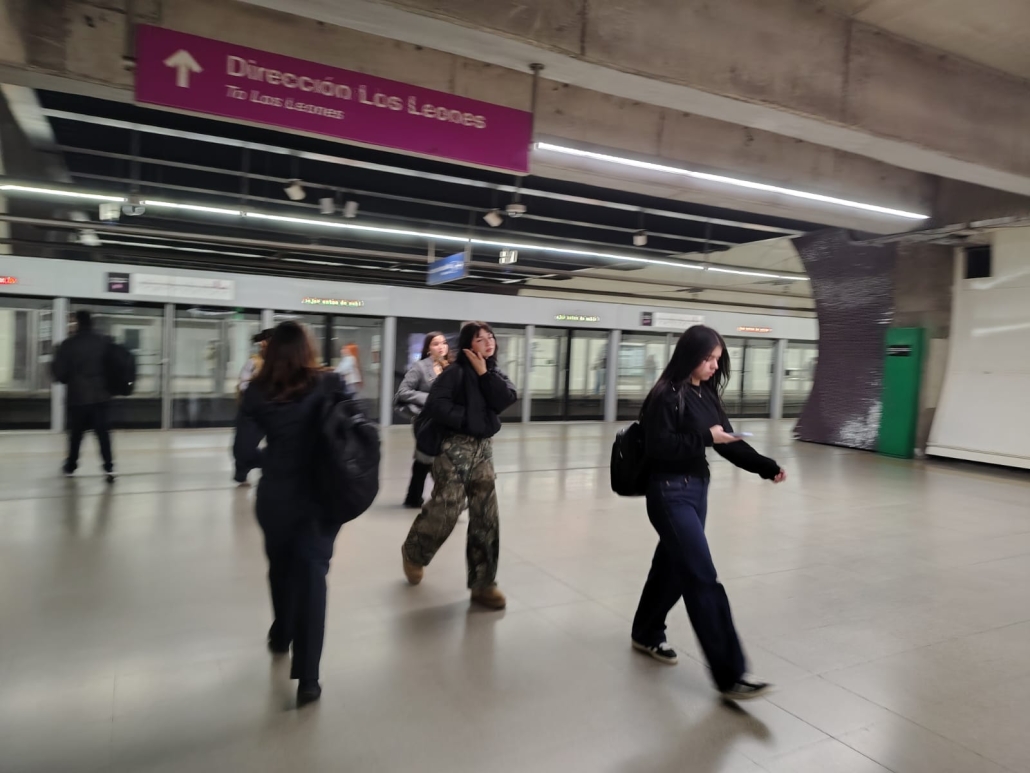
My trips to Mexico City and Santiago, Chile, broadened this perspective. I was especially impressed by how Santiago integrates public transportation, pedestrian infrastructure, cycling, and public spaces to make walking an enjoyable experience. It was inspiring to see that many of the ideas I had imagined in my own projects could exist in a Latin American city. I realized that we can learn from other experiences and adapt them to our own reality without losing our identity.
I am also inspired by events such as Mextrópoli and the conversations they create about the future of our cities. I am excited that Mexico will host an important international urbanism gathering in 2028. I look forward to continuing to explore Latin America, discovering different urban models, and pursuing a specialization in urbanism.
I enjoy understanding cities through experience: moving through them, observing their rhythms, and discovering connections that often go unnoticed. I am naturally curious and love finding opportunities where others might only see obstacles. I believe there is always a possibility to connect, reclaim, and transform. When I first entered university, my dream was to study Architecture at an institution like Universidad Anáhuac and have the opportunity to complete my degree with the support of a scholarship. I never imagined that this dream would grow into something greater than a personal achievement. Today, I have found a sense of purpose in urbanism and an opportunity to contribute, even in a small way, to the collective well-being of our communities.
Interested in being featured? Email studyarchitecturedotcom@gmail.com for more details!