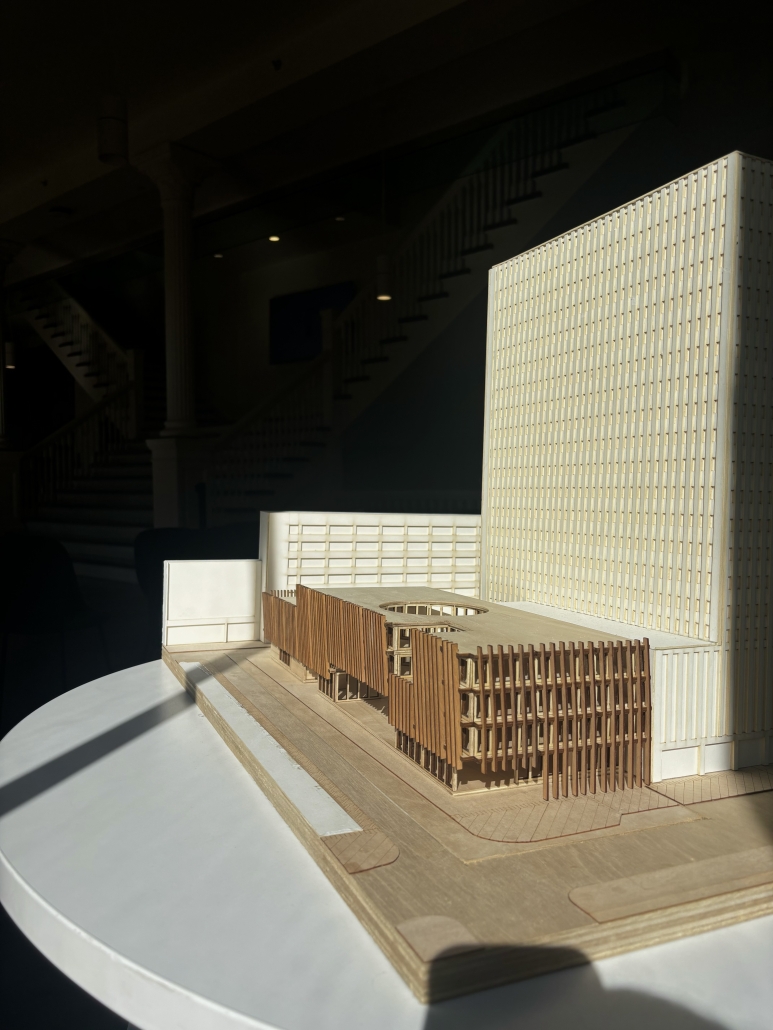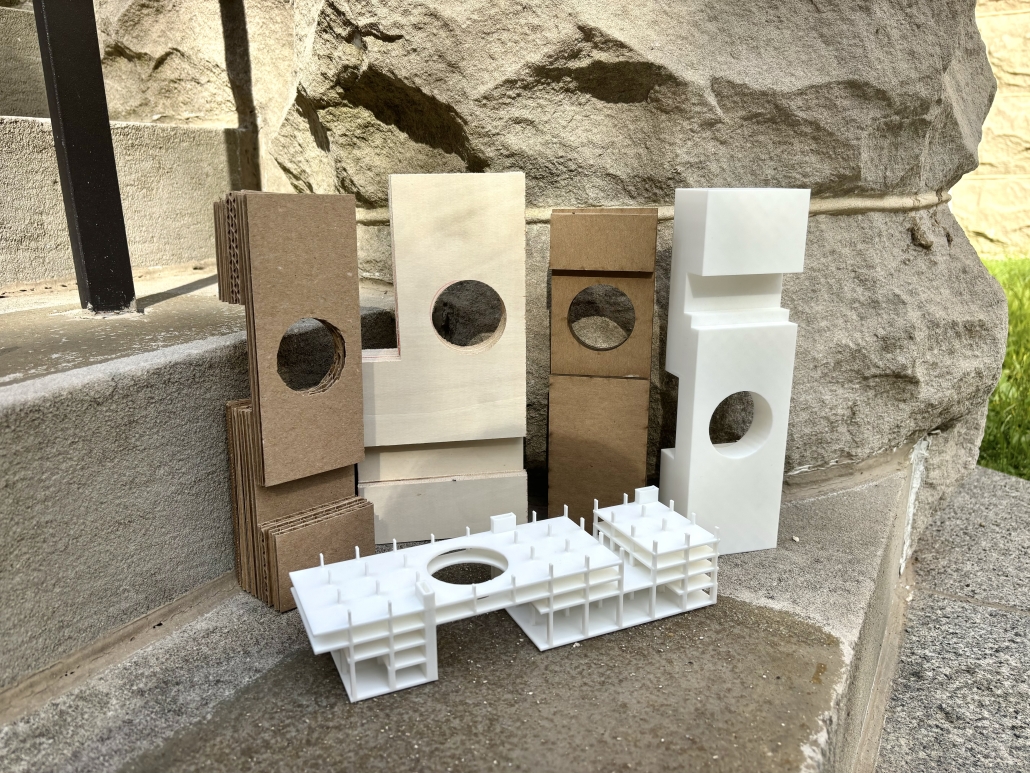
#ModelMakers: Lindsay Miller
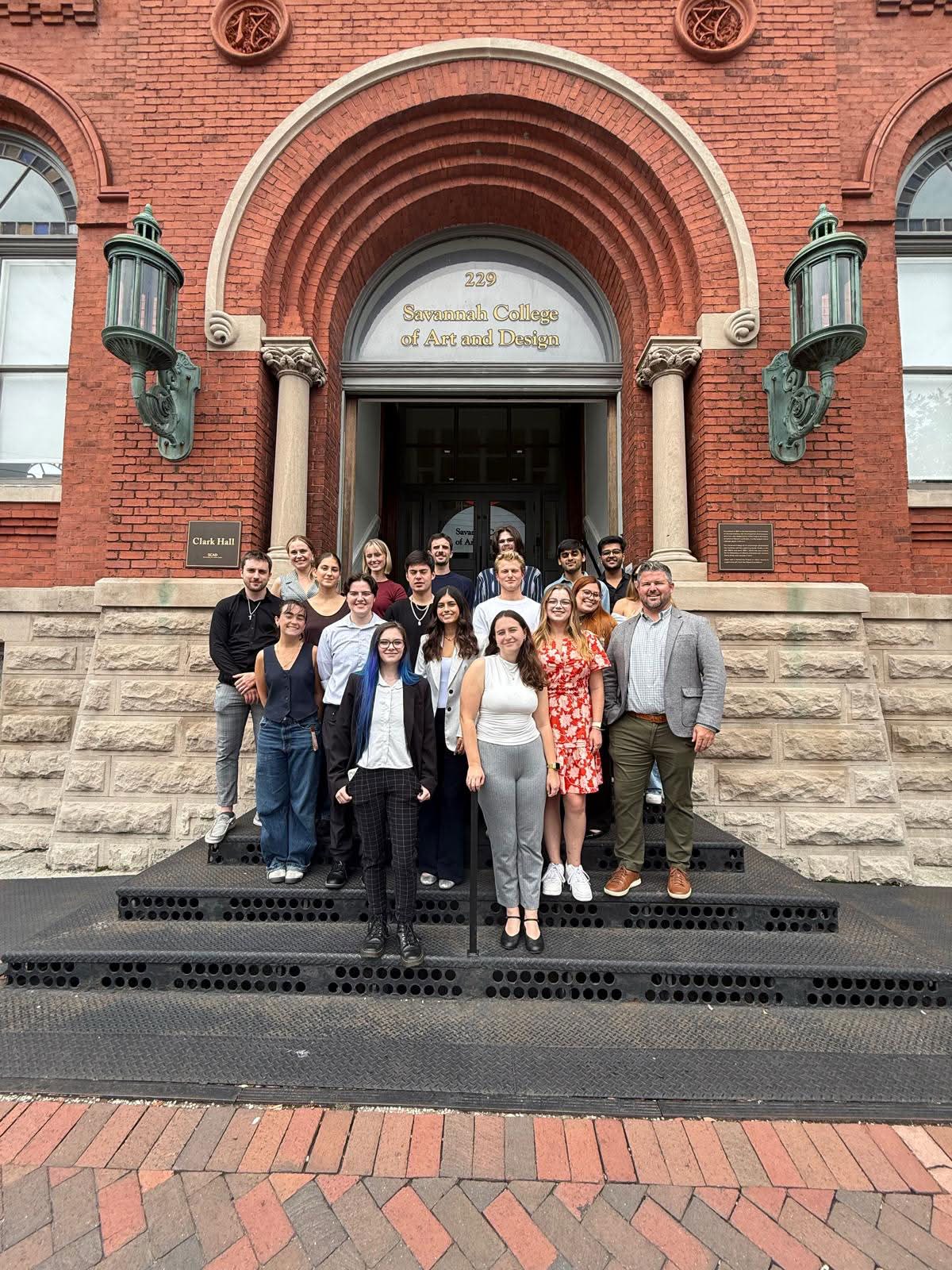
Today’s #ModelMaker is Lindsay Miller, a second-year M.Arch student at the Savannah College of Art and Design (SCAD). Read below for an inside look at what drives Lindsay’s creativity and how she spends her time on campus!
Name: Lindsay Miller
School: Savannah College of Art and Design (SCAD)
Degree Program: Master of Architecture, Integrated Path to Architectural Licensure (IPAL)
Year in School: Second-year M.Arch student
Describe Your Design Style: I would describe my design style as practical, purposeful, and people-focused. I enjoy creative ideas, but I’m always thinking about how a design could actually be built, used, and experienced in the real world. I like designing things that have a purpose and meaning behind them, while still giving me room to be creative.
Share a Project You’re Proud of:
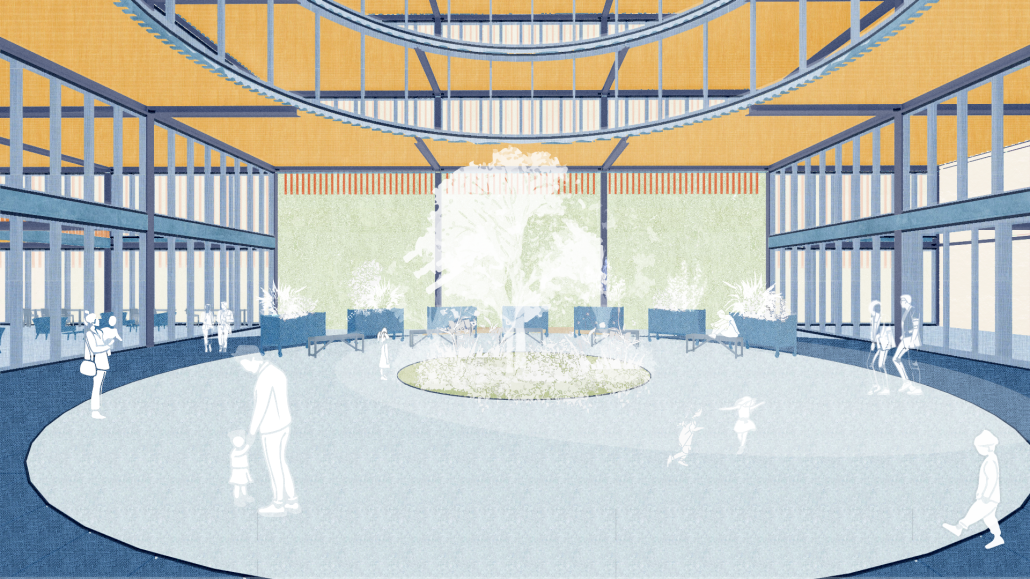
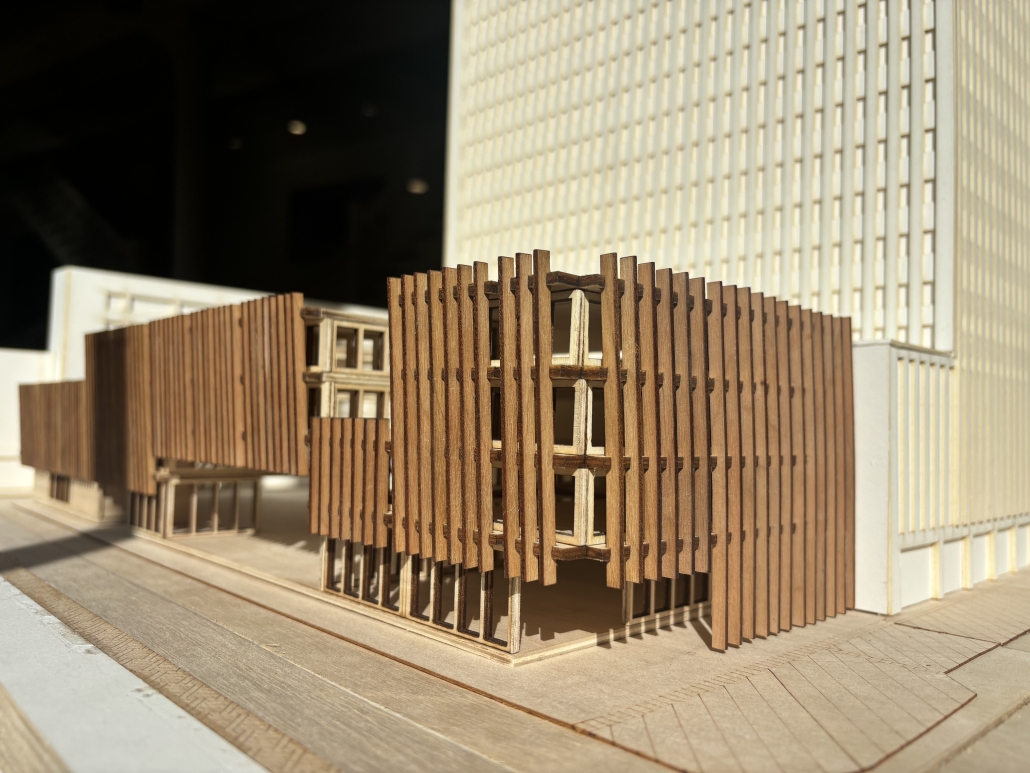
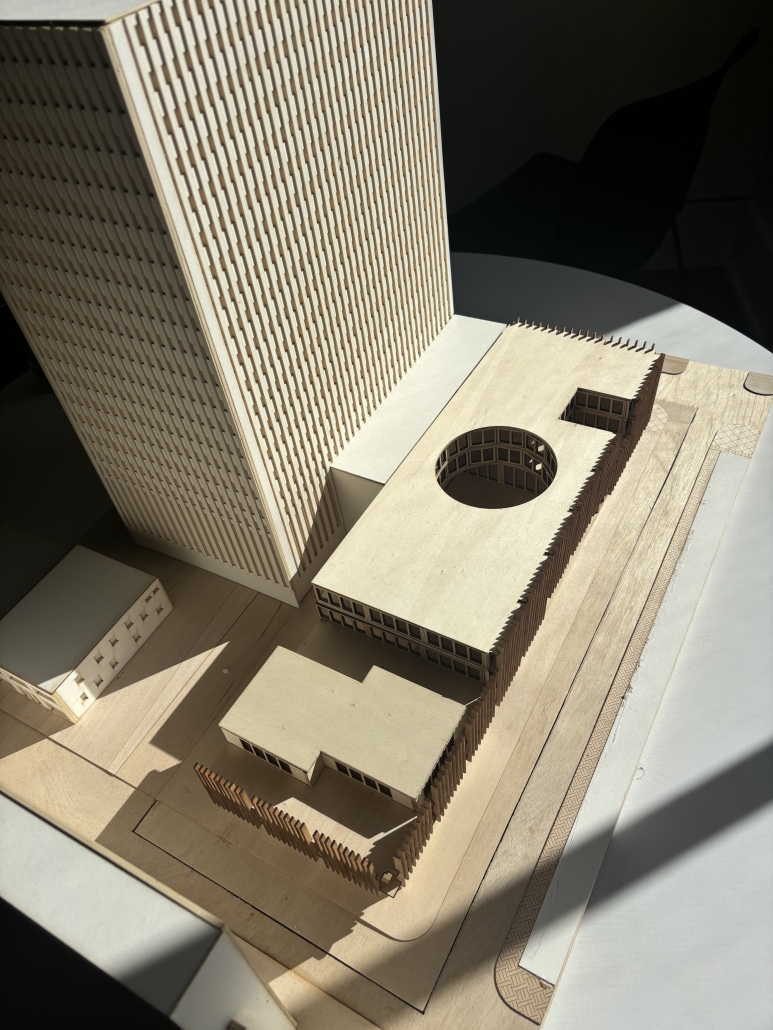
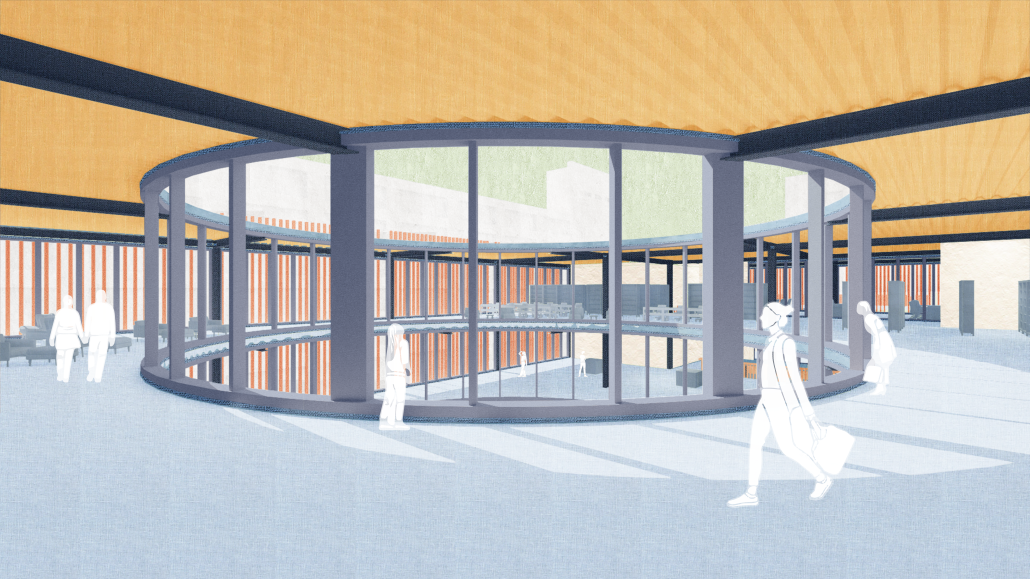
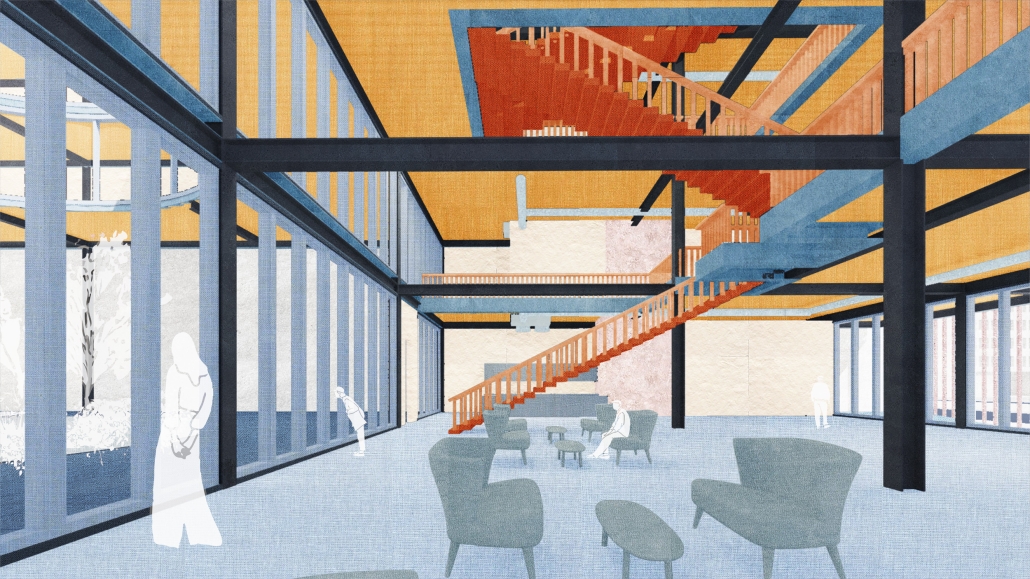
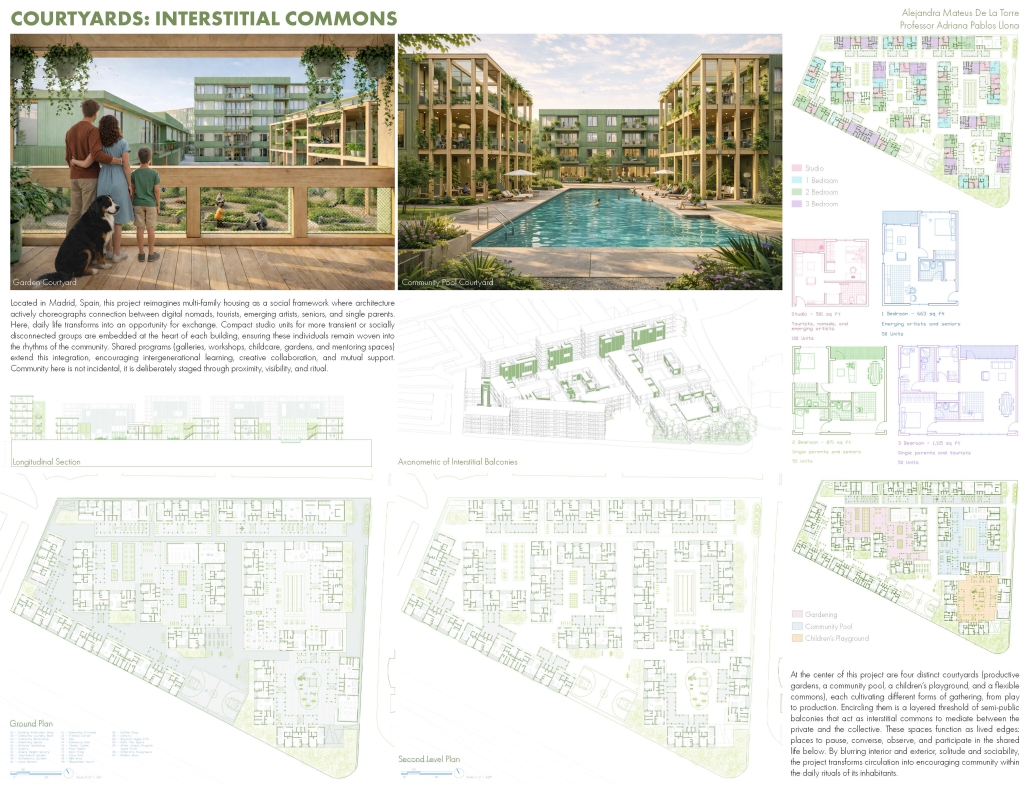
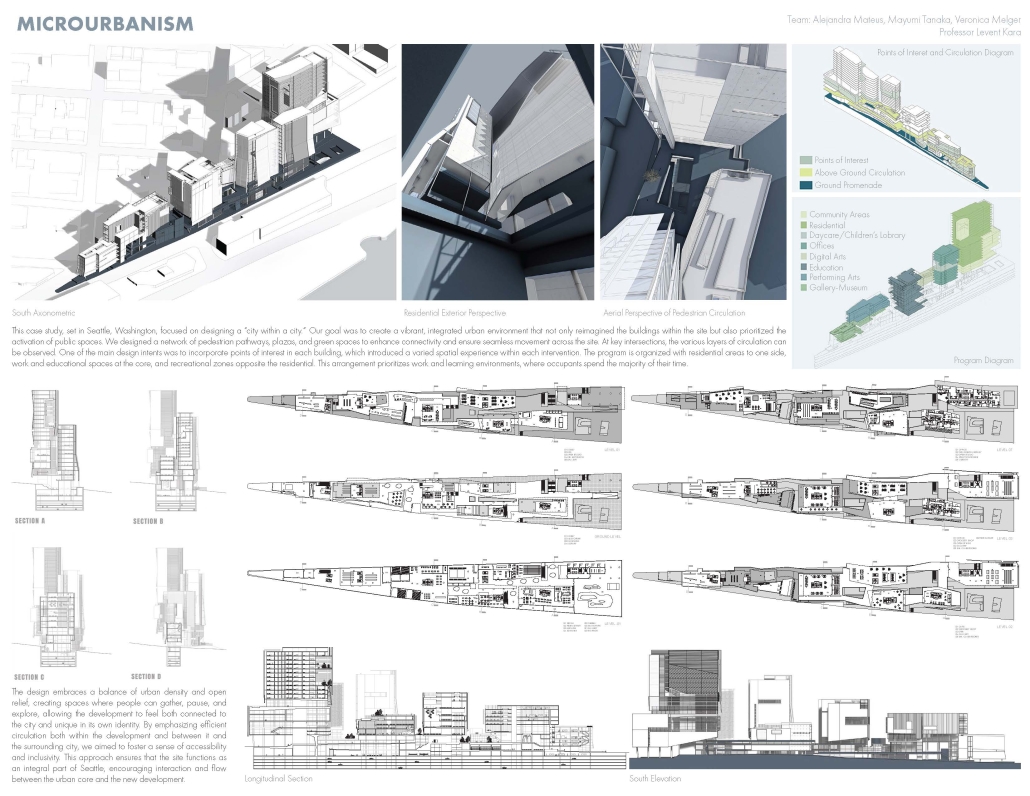
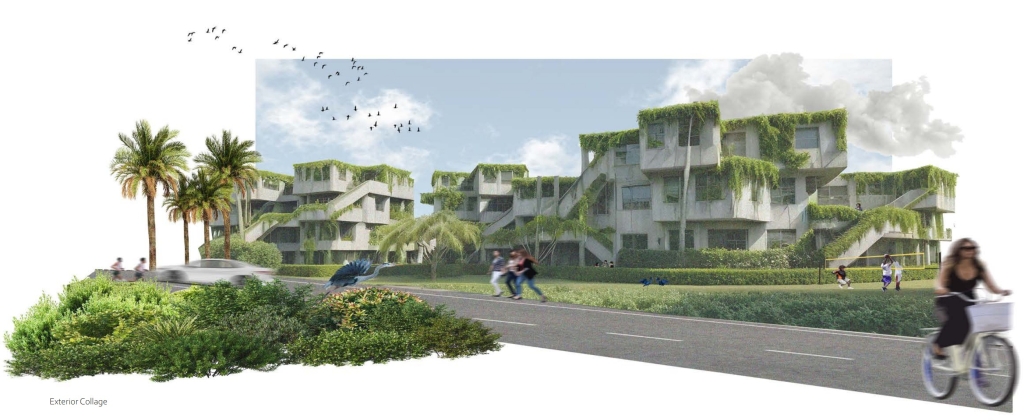
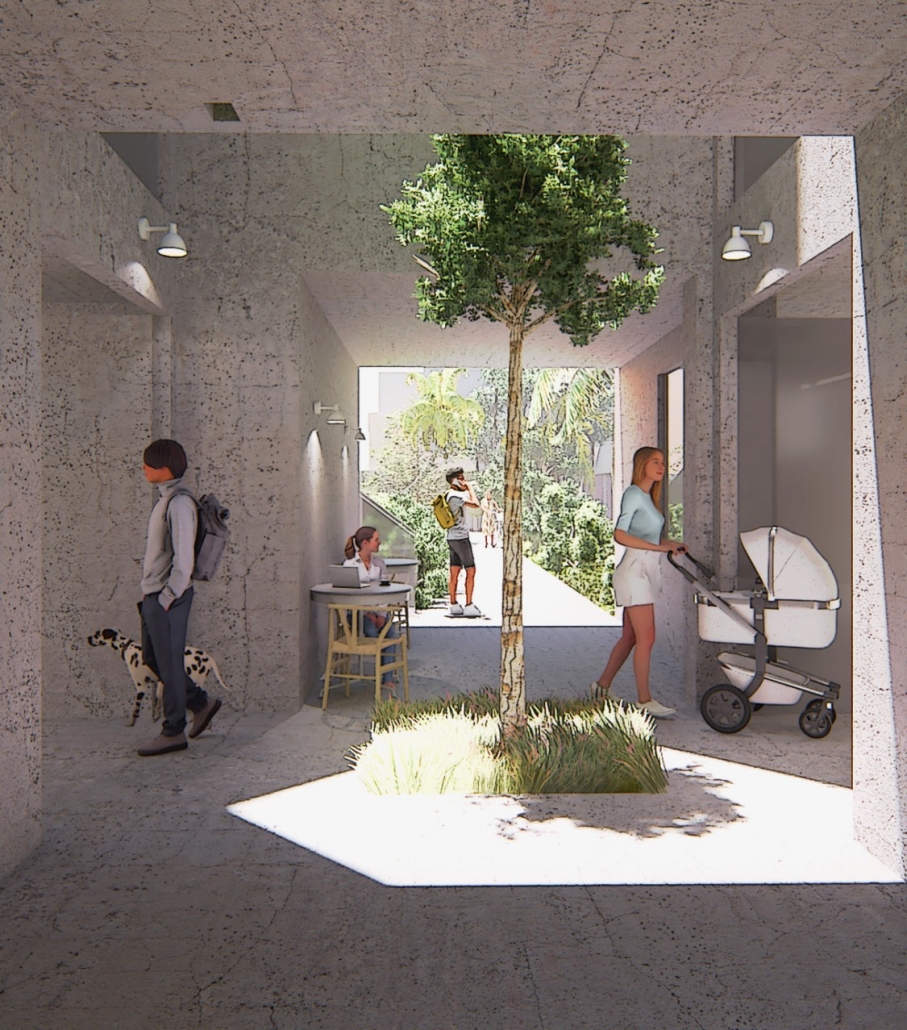
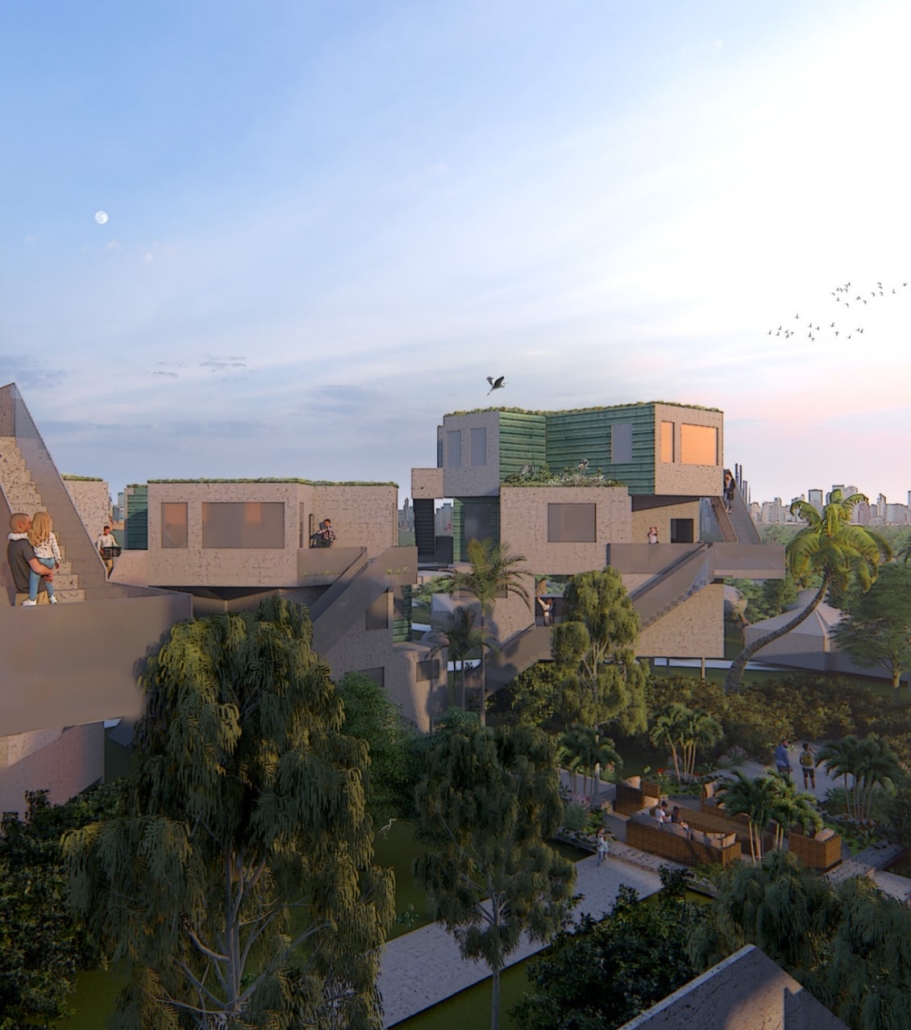
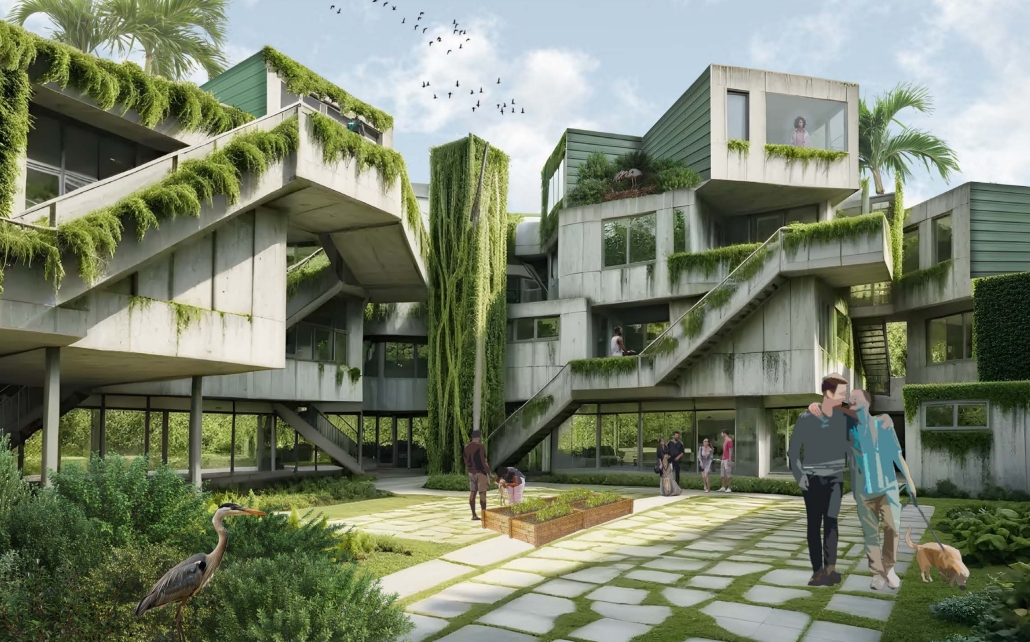
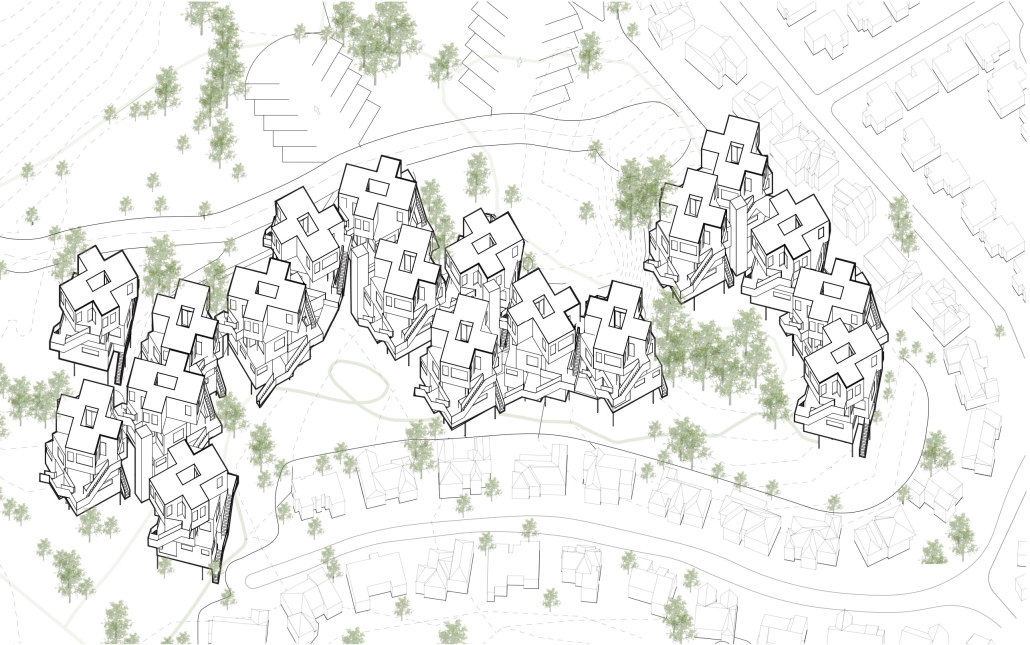
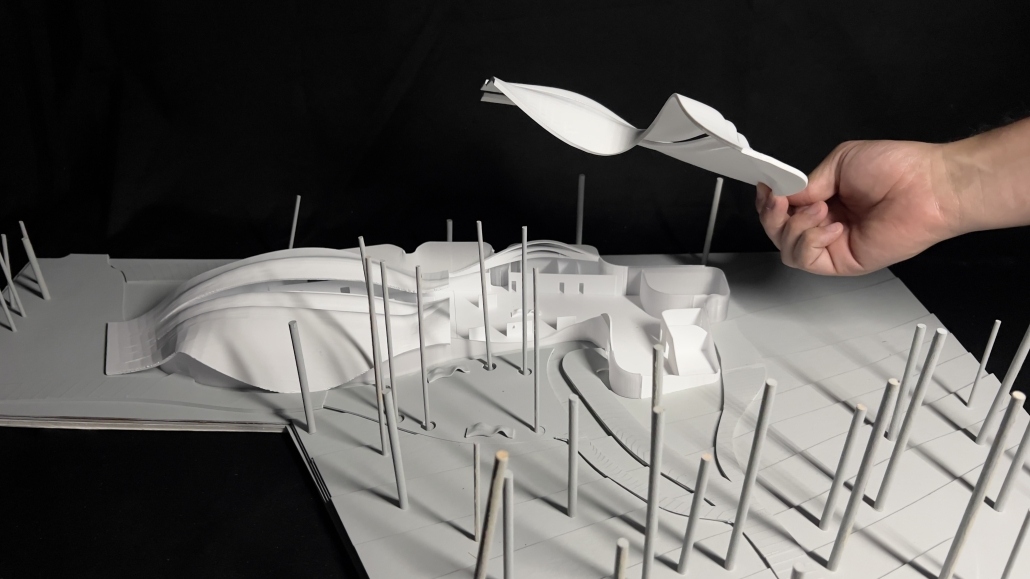
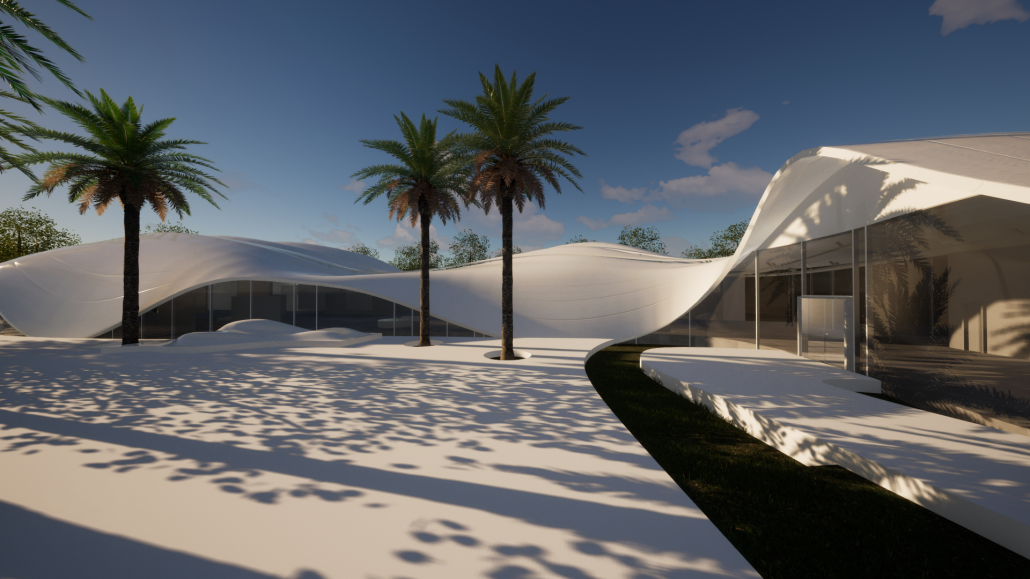
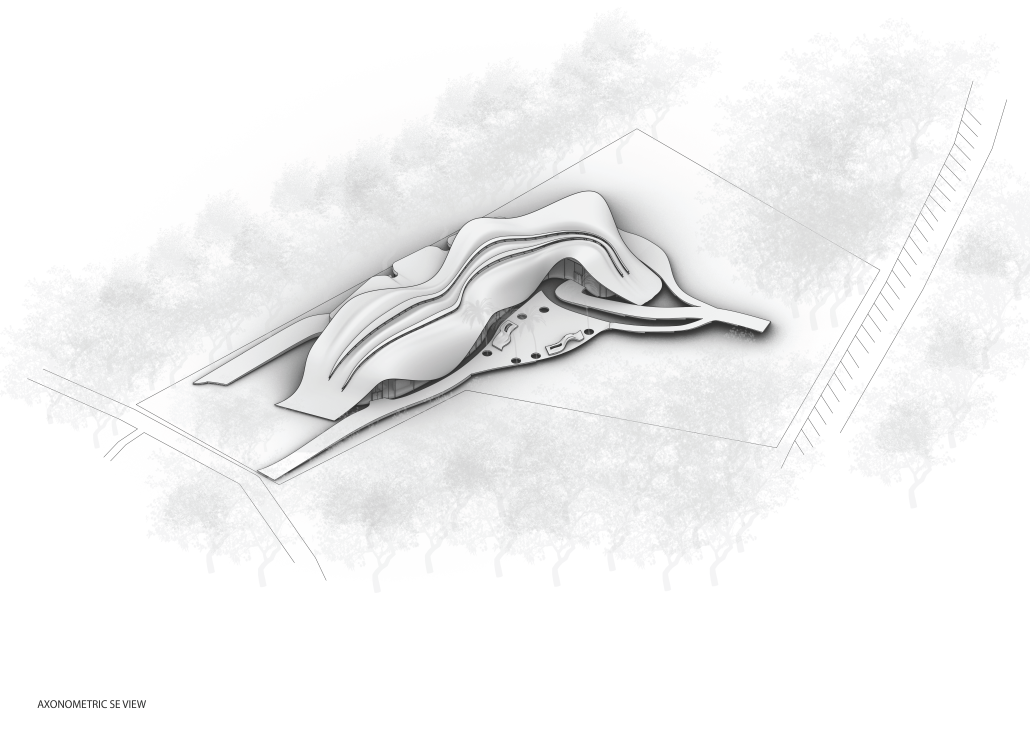
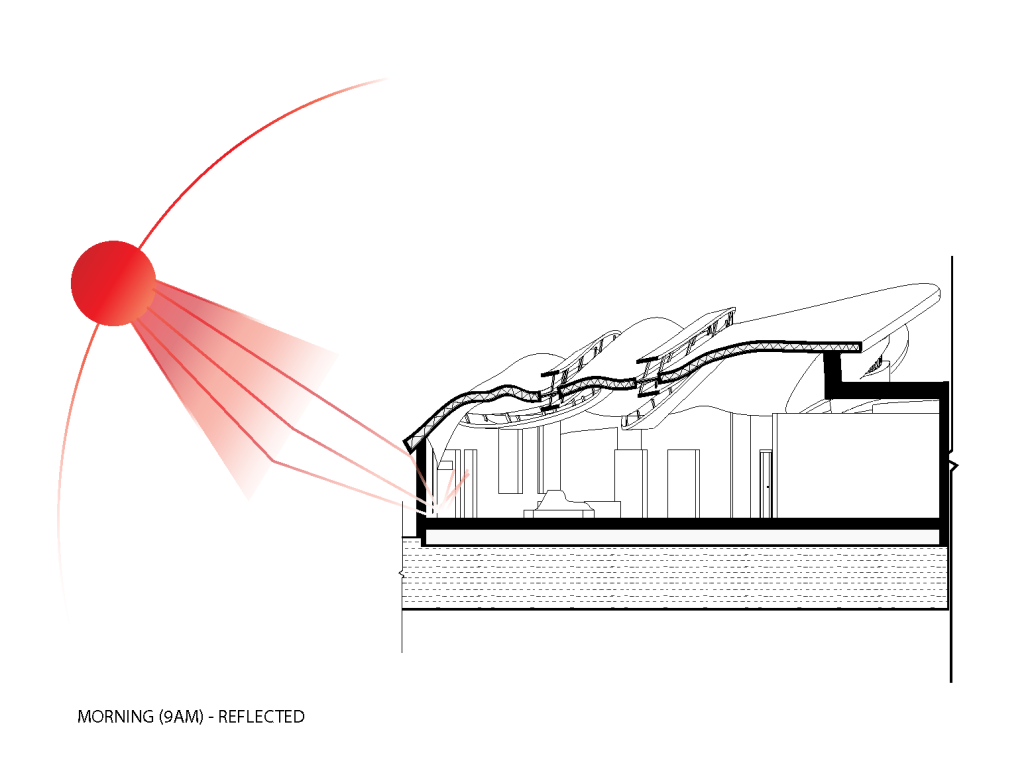
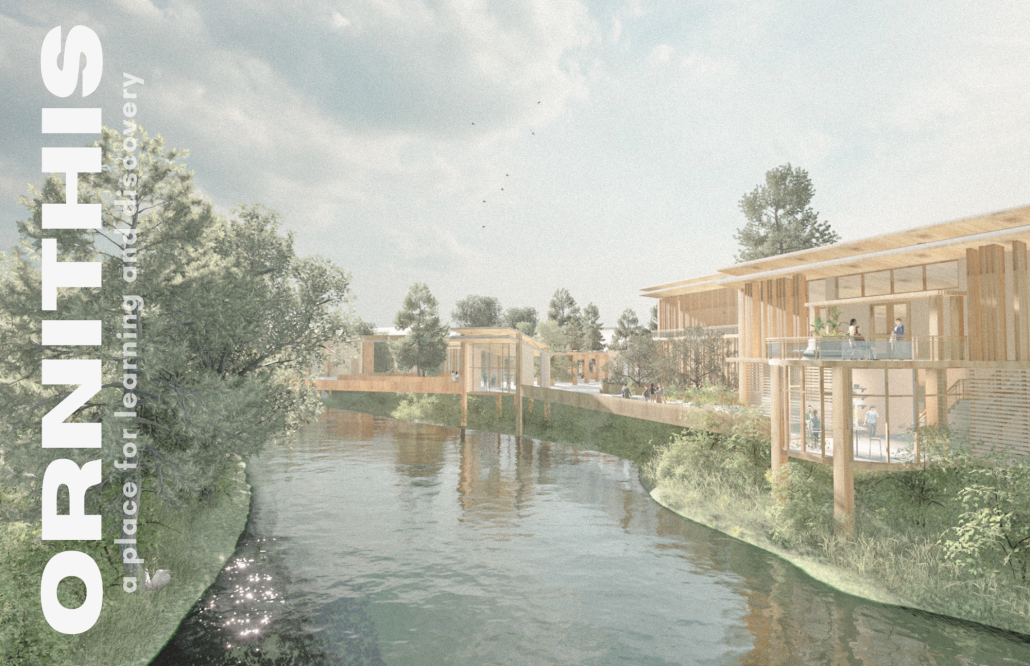
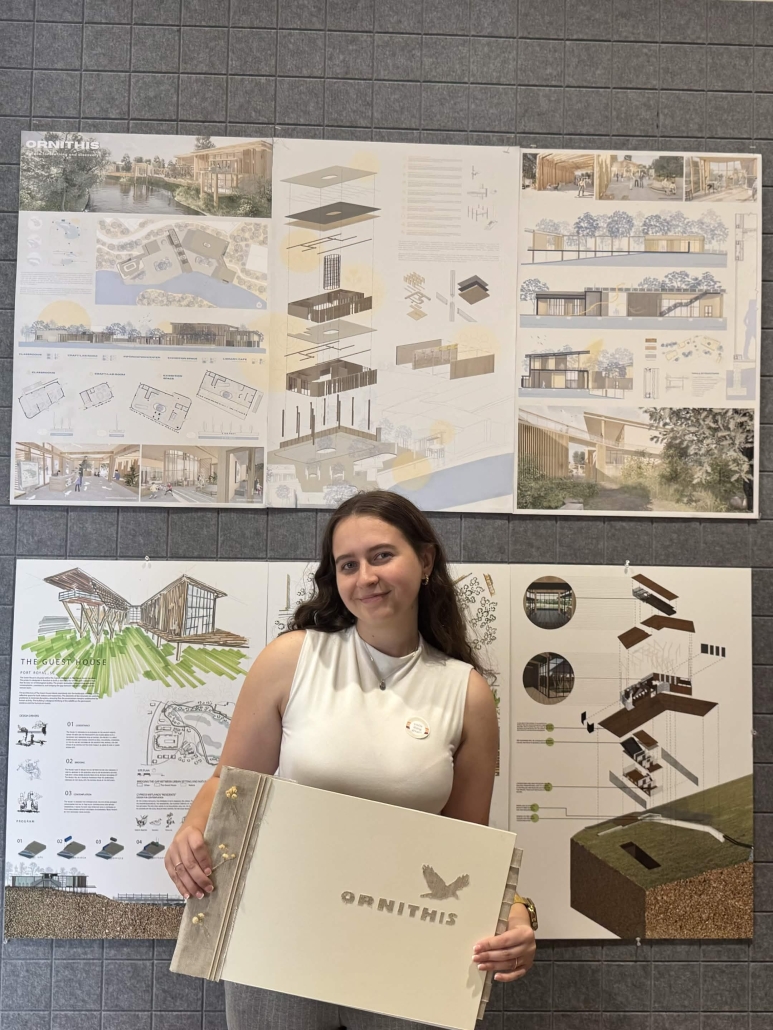
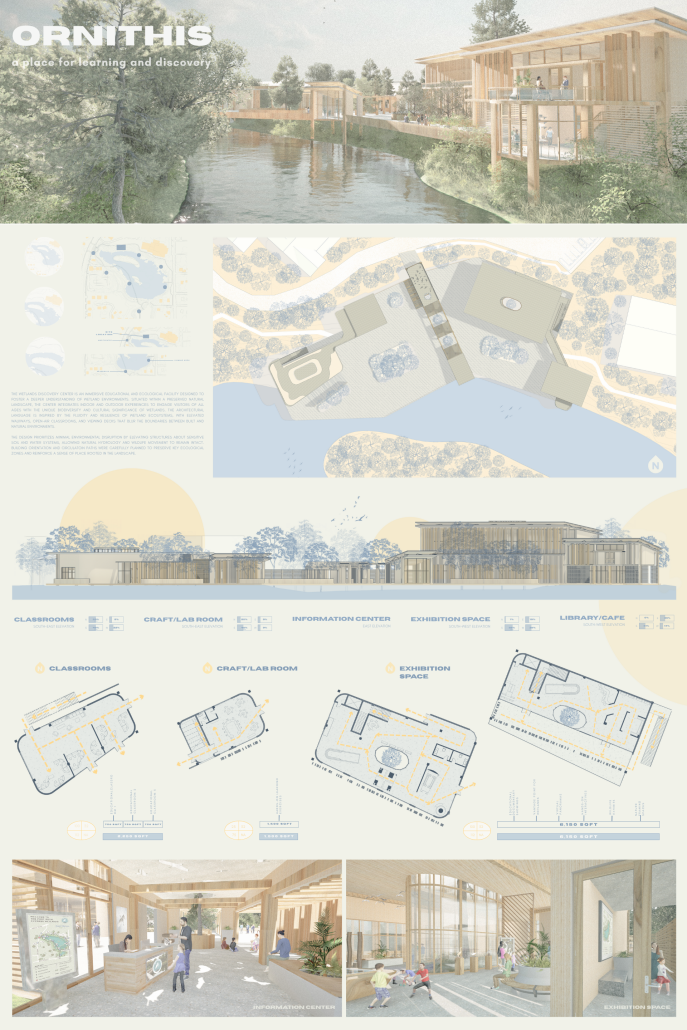
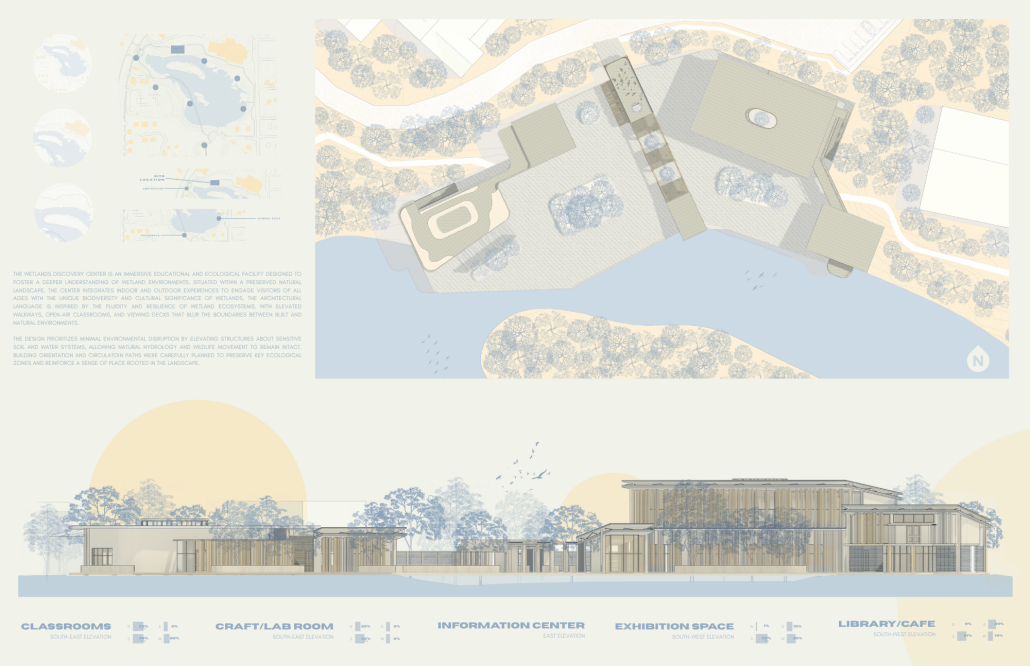
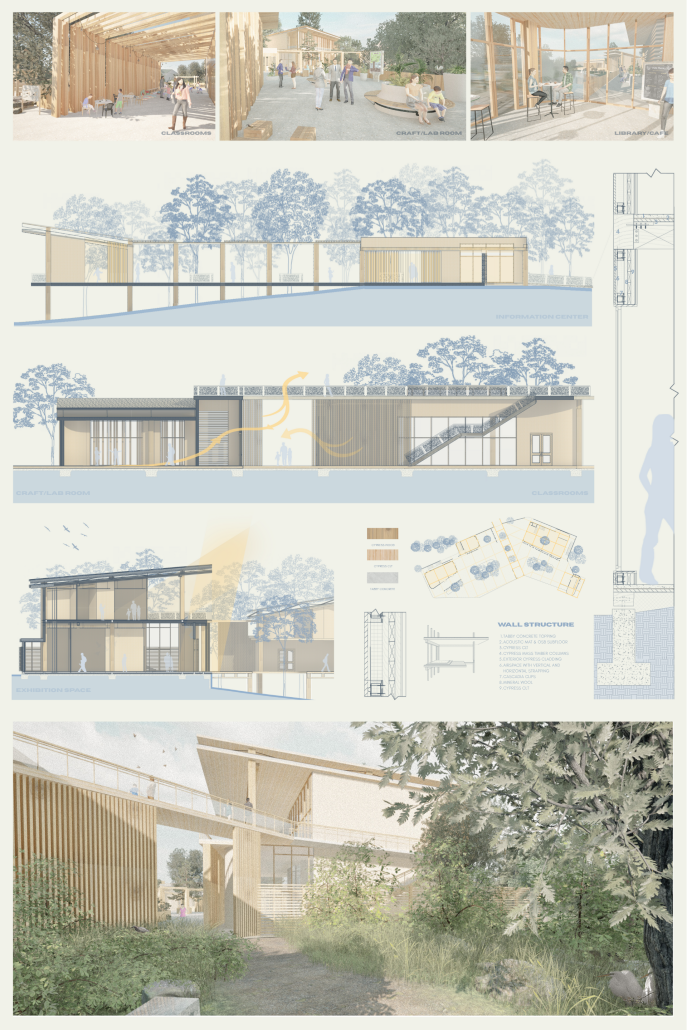
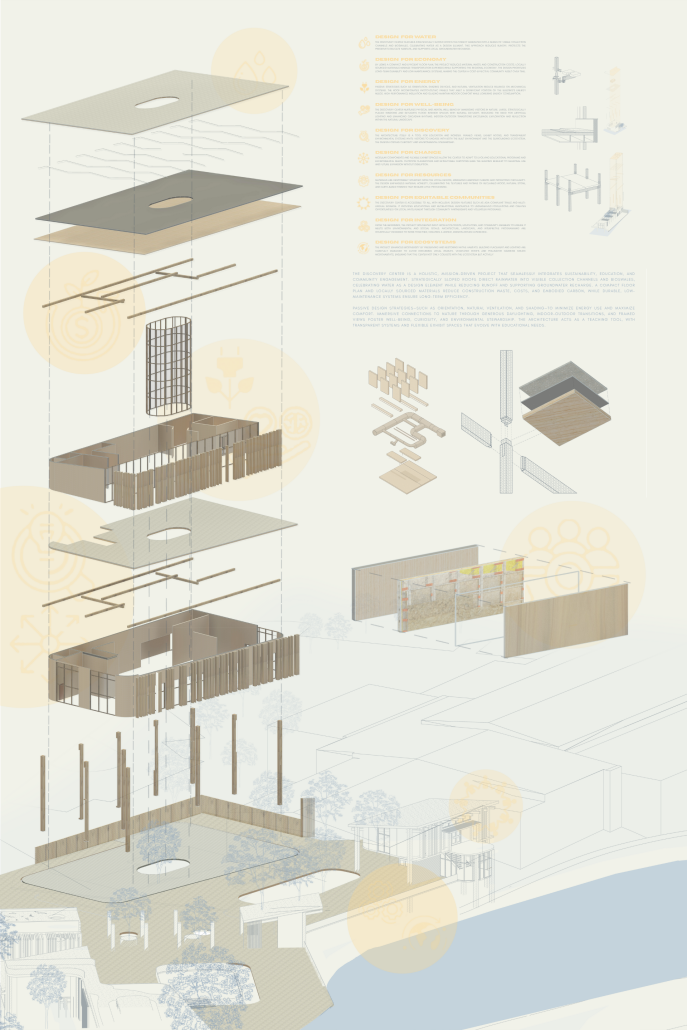
“Ornithis” is my undergraduate capstone project, an immersive educational center in the Cypress Wetlands of Port Royal, South Carolina. The project creates opportunities for hands-on learning and exploration through a combination of indoor and outdoor spaces, including elevated walkways, open-air classrooms, and viewing decks. The design protects the site’s natural hydrology and wildlife movement while creating a connection between the built and natural environments.
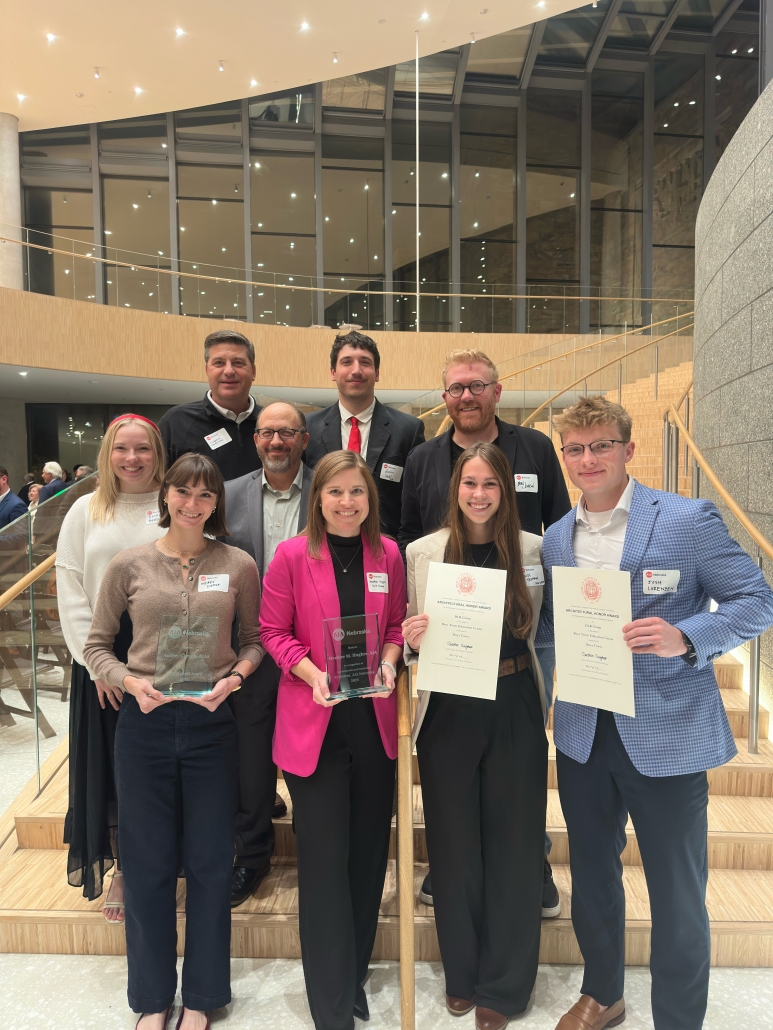
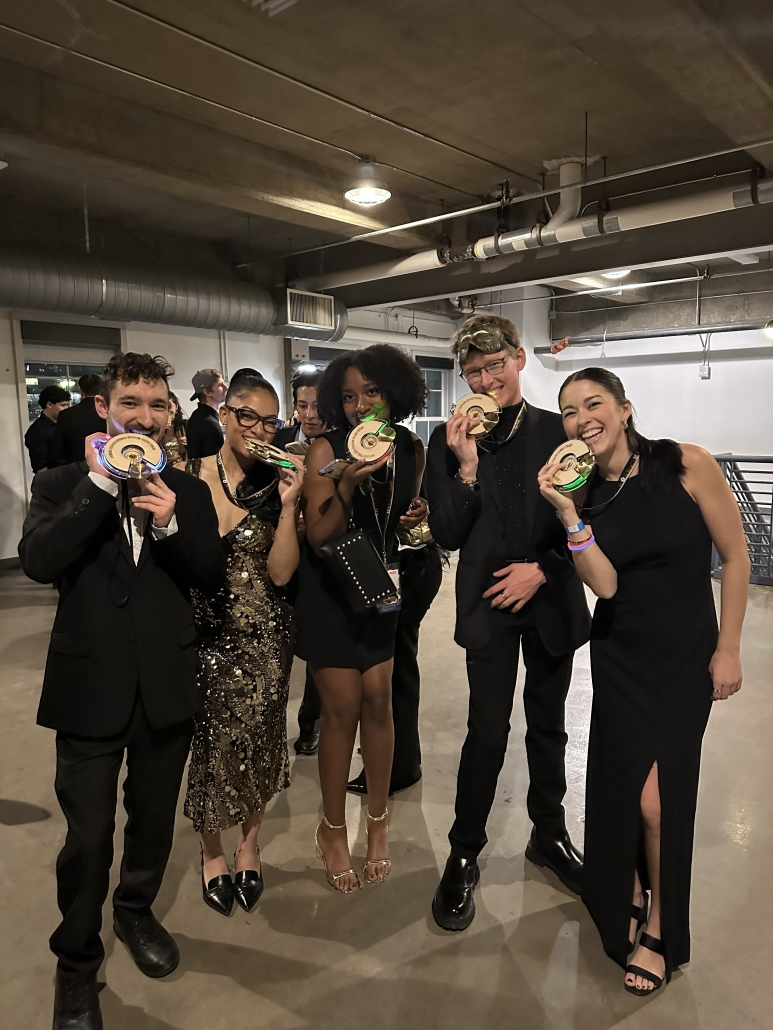
This project is especially meaningful to me because I worked on it during a time when I felt a little lost and was questioning whether I wanted to continue pursuing architecture. The project gave me confidence in my abilities and reminded me why I wanted to be an architect in the first place. It also helped me land my first job in architecture, which made the project feel like a turning point both personally and professionally. I’m proud of it not only because of the final design and the recognition it received, but because of what the process meant for me personally. “Ornithis” went on to receive four awards in 2025: Bronze in Commercial Architecture / Sustainable Commercial Architecture from the International Design Awards, the Project Excellence Award from the AIAS Honor Awards, an AIA Aspire Student Design Award, and the Sustainable Design Award Senior Project from the SCAD Architecture Department and Savannah USGBC.
You can find Lindsay on Instagram: @lindsay_j610 Interested in being featured? Email studyarchitecturedotcom@gmail.com for more details!