Posts

2022 Study Architecture Student Showcase - Part VI

Welcome back to installment Six of the Study Architecture Student Showcase series! This week we share six student projects that take a look at the role of architecture in conflict. From Korea to Russia to Afghanistan, these projects show how conflict effects the identities of communities and how architecture fits into that balance.

For a recap on the 2022 Student Showcase series so far, check out Part I, Part II, Part III, Part IV, and Part V.

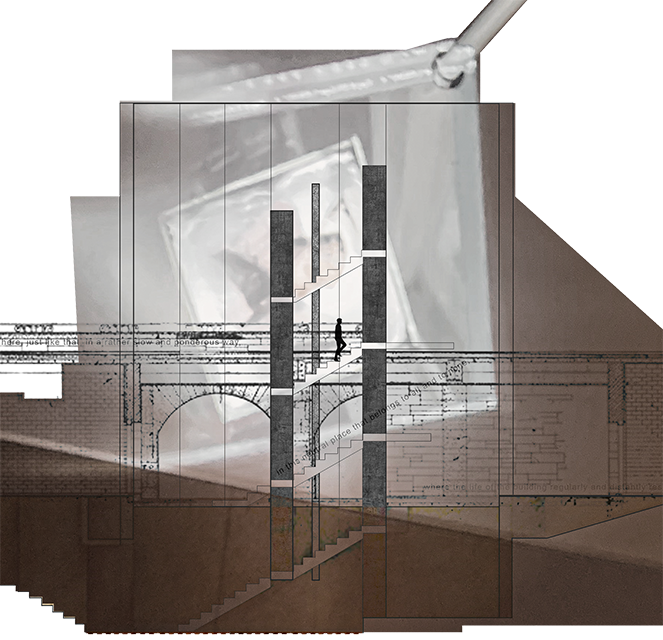
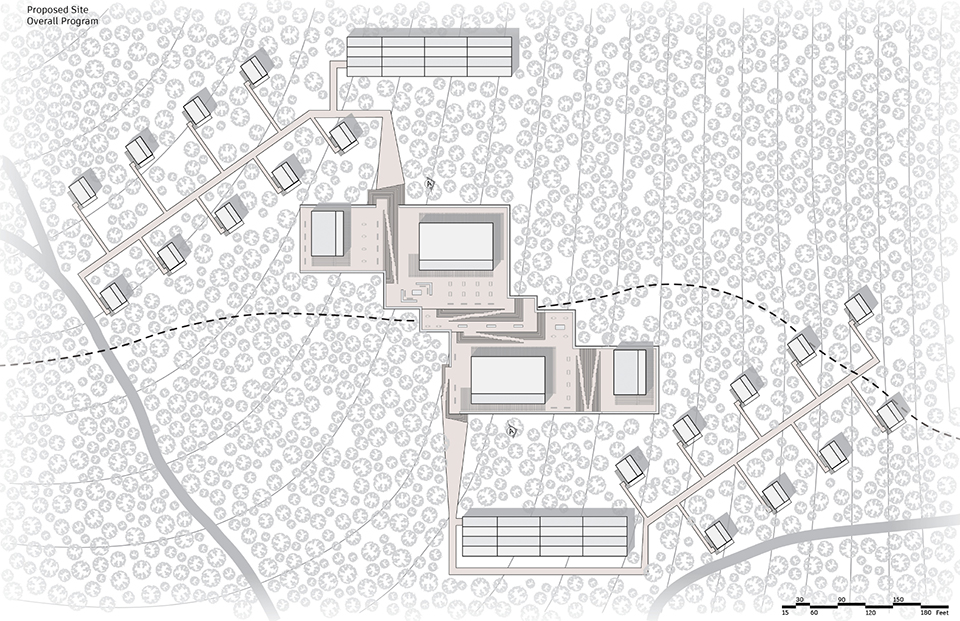
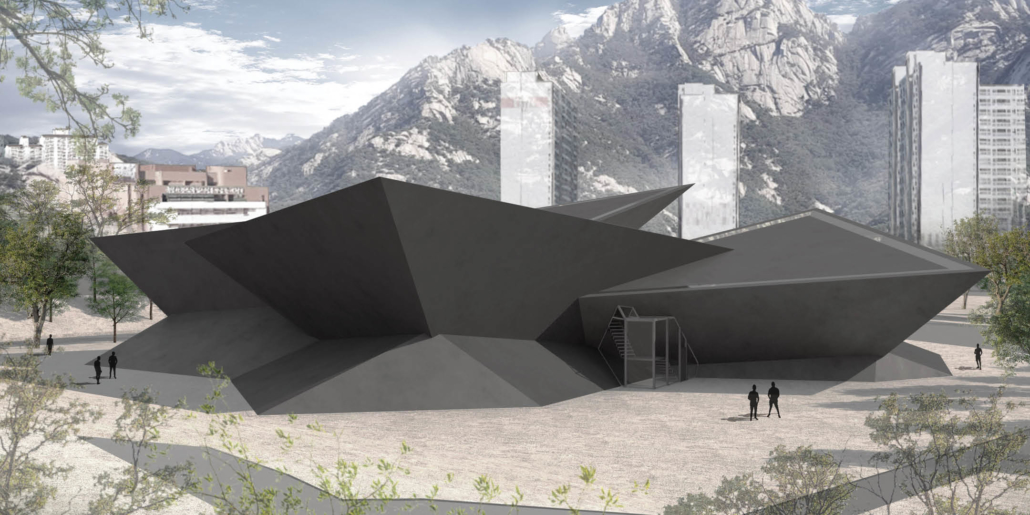
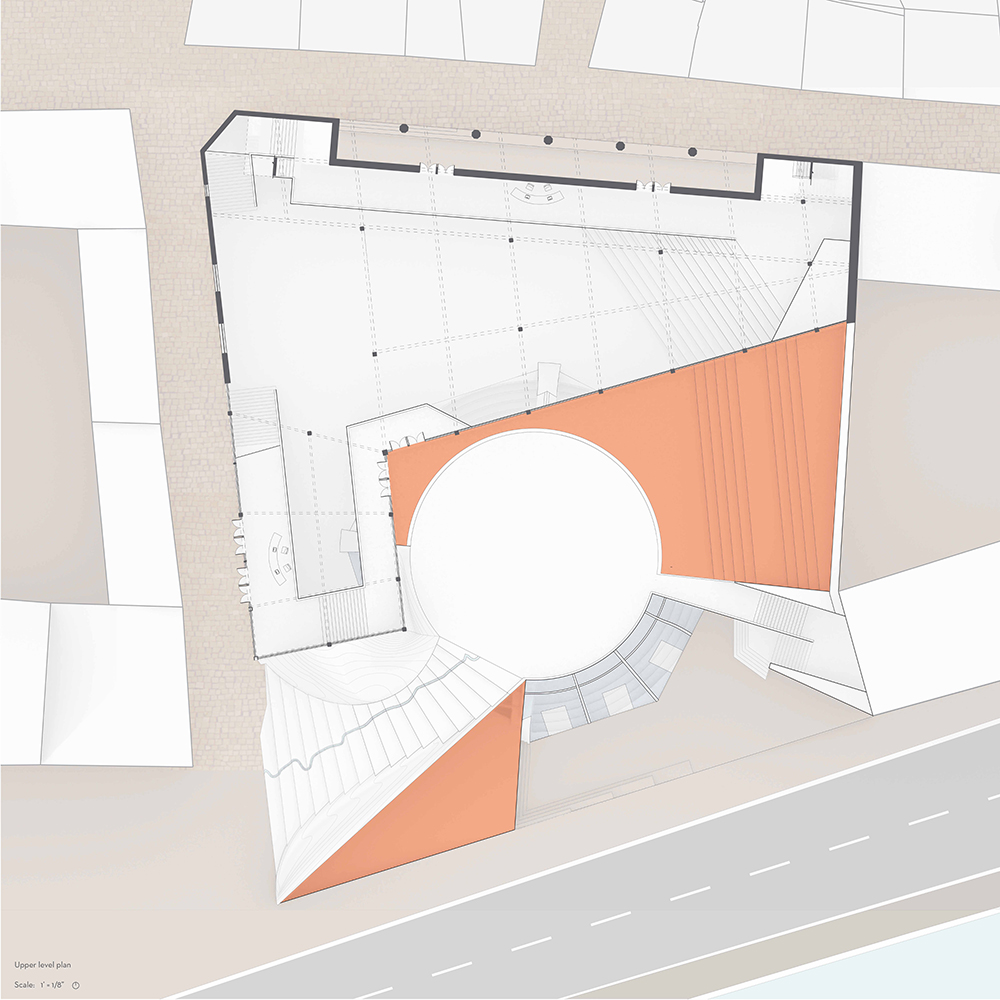
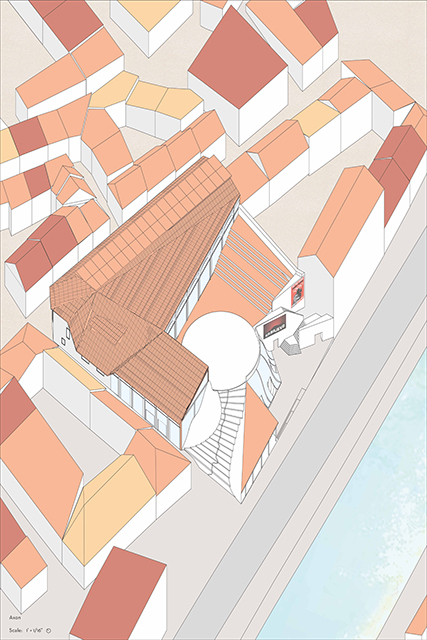
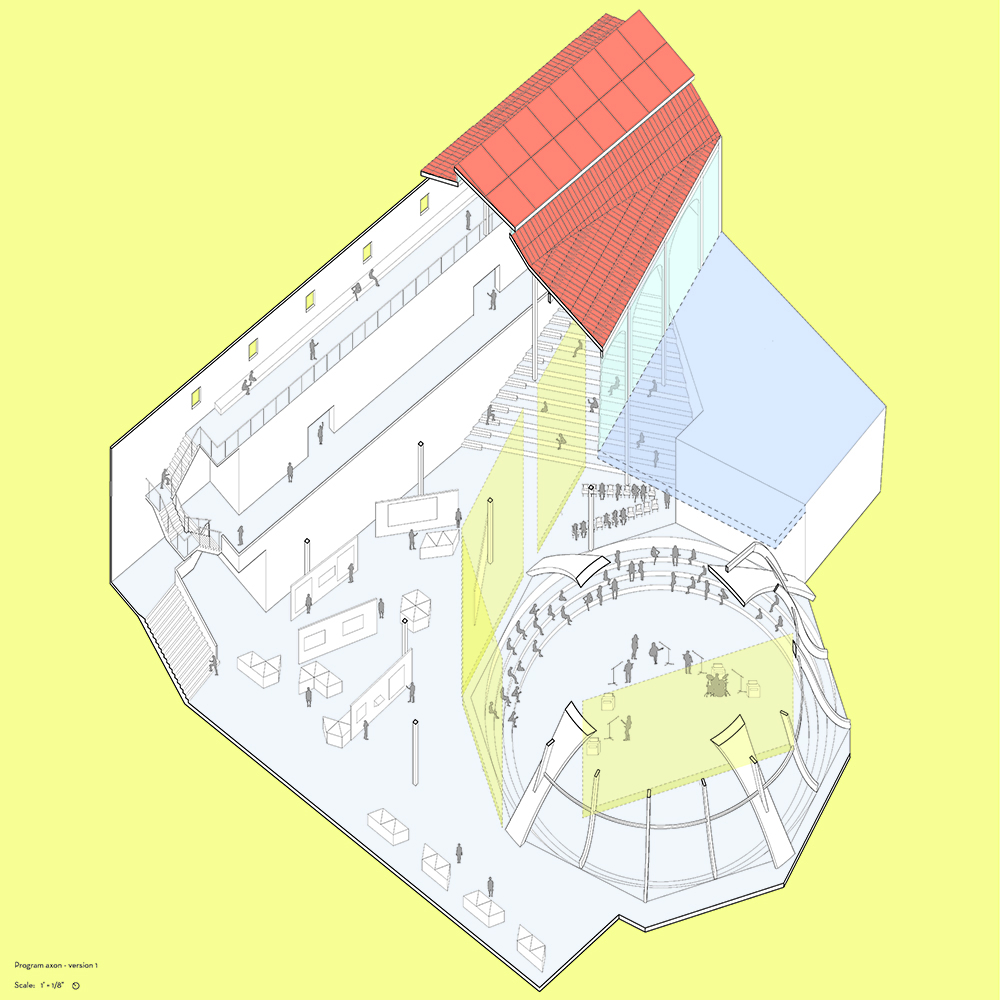
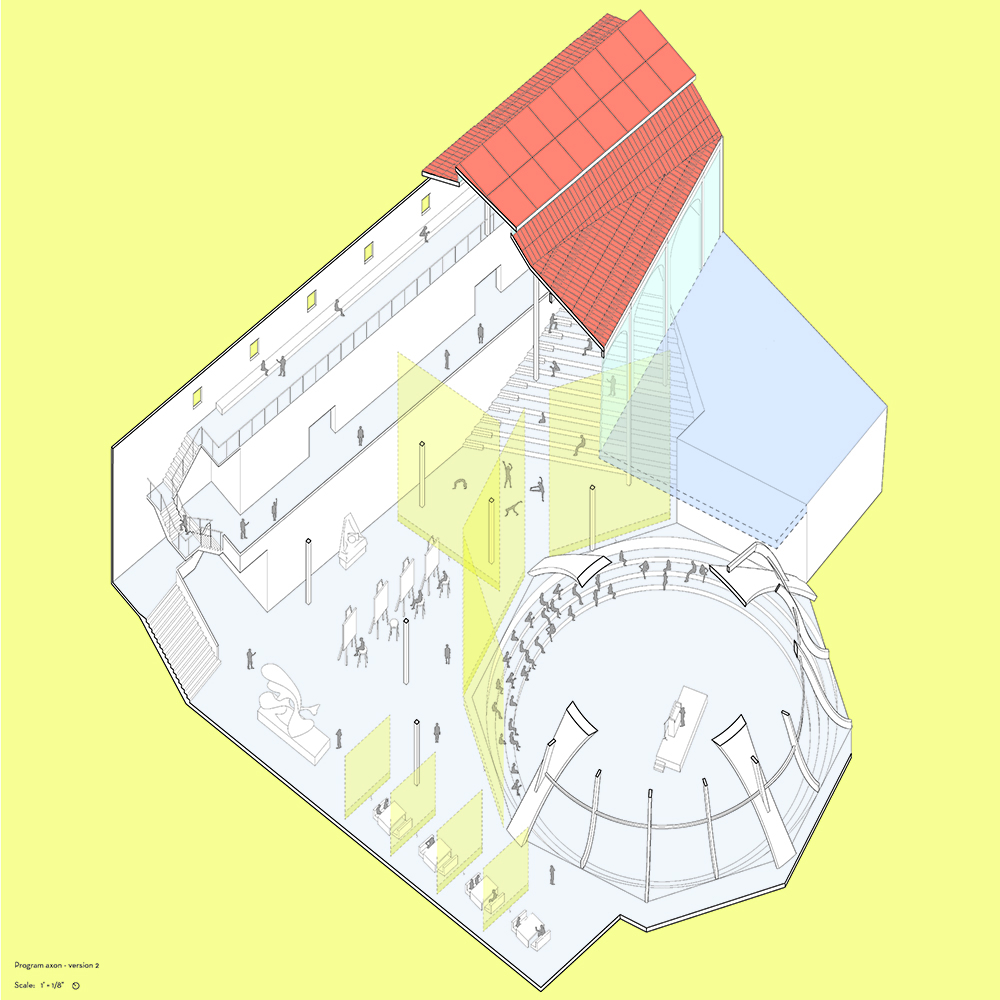
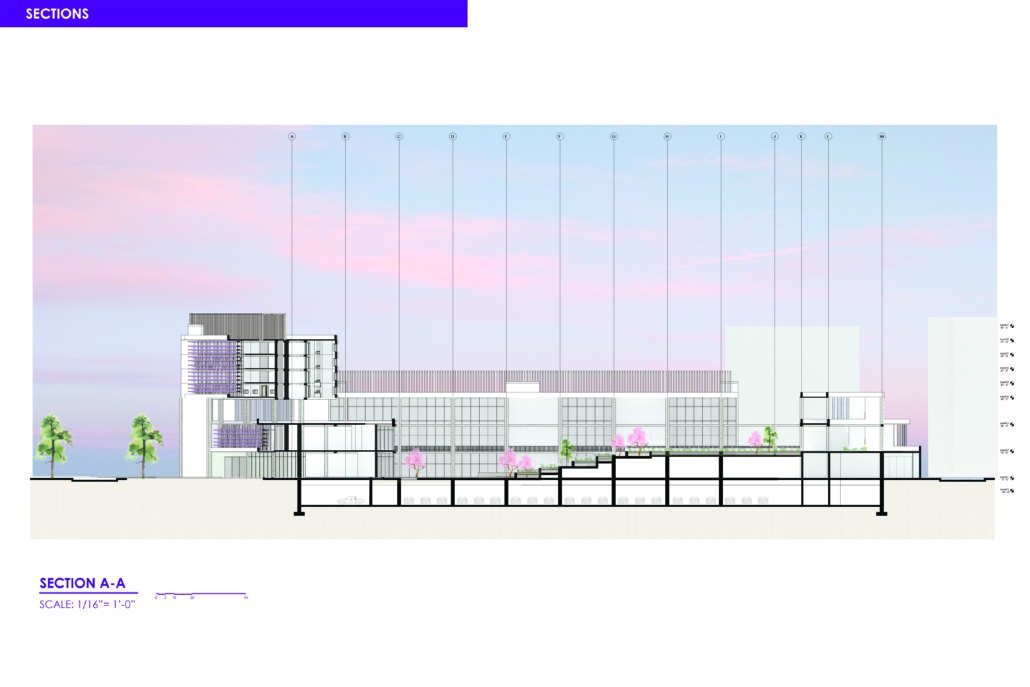
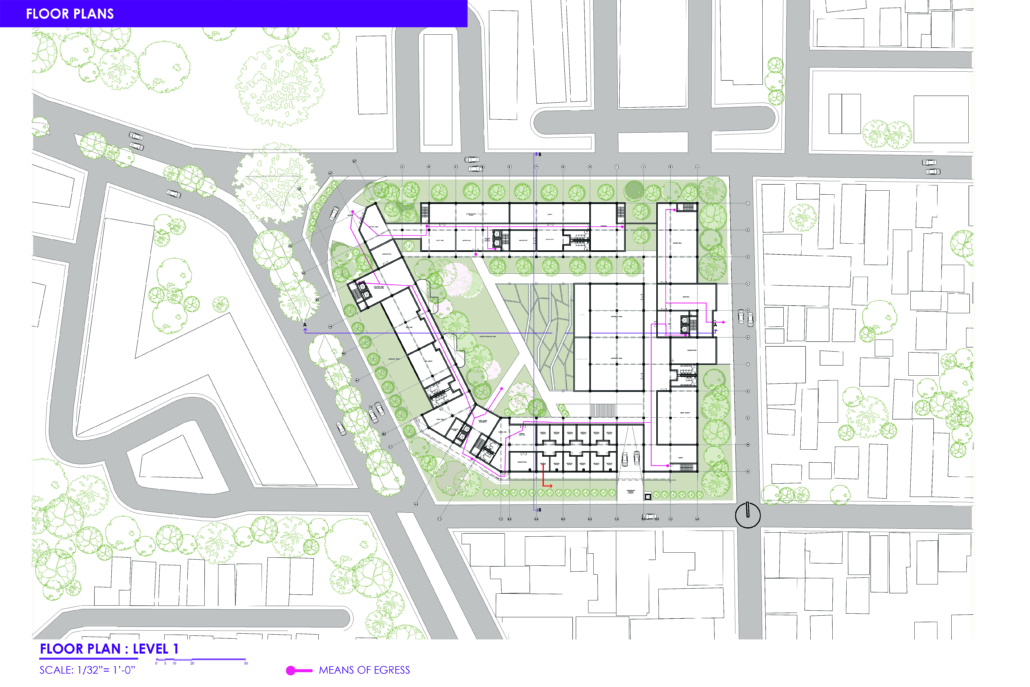
Angle Masses: Korean War Memorial Museum in Seoul, Korea by Joo Young Lim, B.Arch ’22
Auburn University | Advisor: Il Kim

History of Korean War
At the end of World War II, Joseon (archaic name of Korea) was freed from Japanese occupation. Soon, the victorious countries drew the border line on the Korean Peninsula based on 38th degrees north latitude. The north side of this border, the 38th Parallel, was occupied by the Soviet Union’s socialist force, and the United States’ capitalist force took the south. As Kim Il-Sung (North Korea) invaded the south across the 38th Parallel, the peninsula became a field of proxy war of ideological forces.

Design
A history timeline is set as X-axis, and a territorial shift between the north and the south as Y-axis. The representation of the 38th Parallel is parallel to the X-axis. Various historical events, including conflicts, were expressed as slits on the passage of the 38th Parallel.

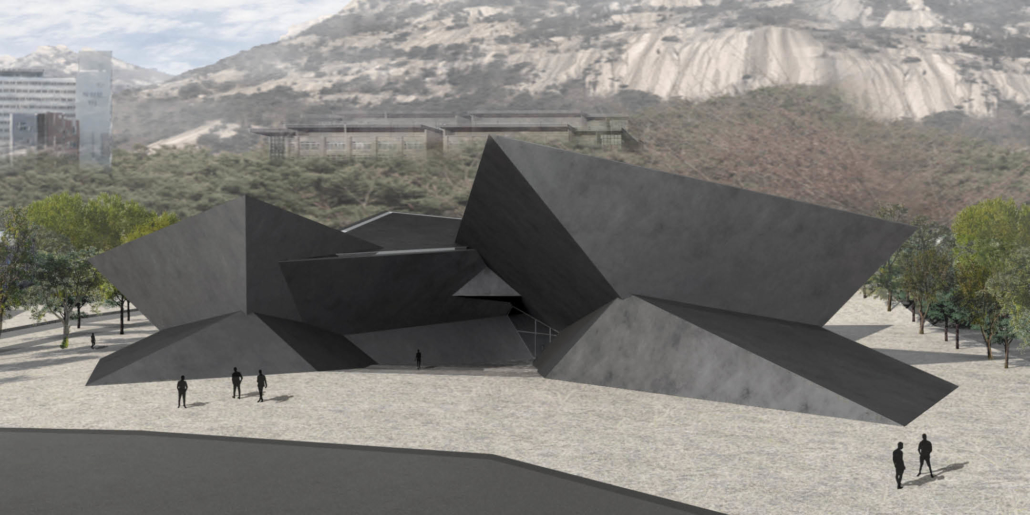
The triangular masses are designed to pierce across the representation of the 38th Parallel. These triangular masses symbolize the military forces in the Korean War, and they vary in size depending on the strength of the forces. Interlocking with the axis of time, each of four triangular masses represents Kim Il-Sung’s invasion of the South Korea, U.S. and U.N.’s military supporting the South, the Chinese People’s Army supporting the North, and lastly, months of long siege.

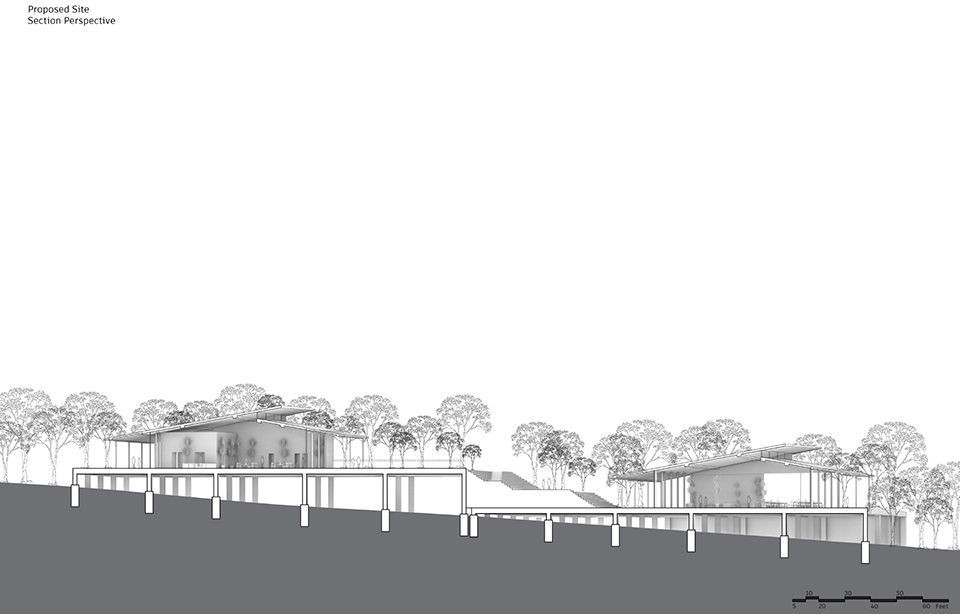
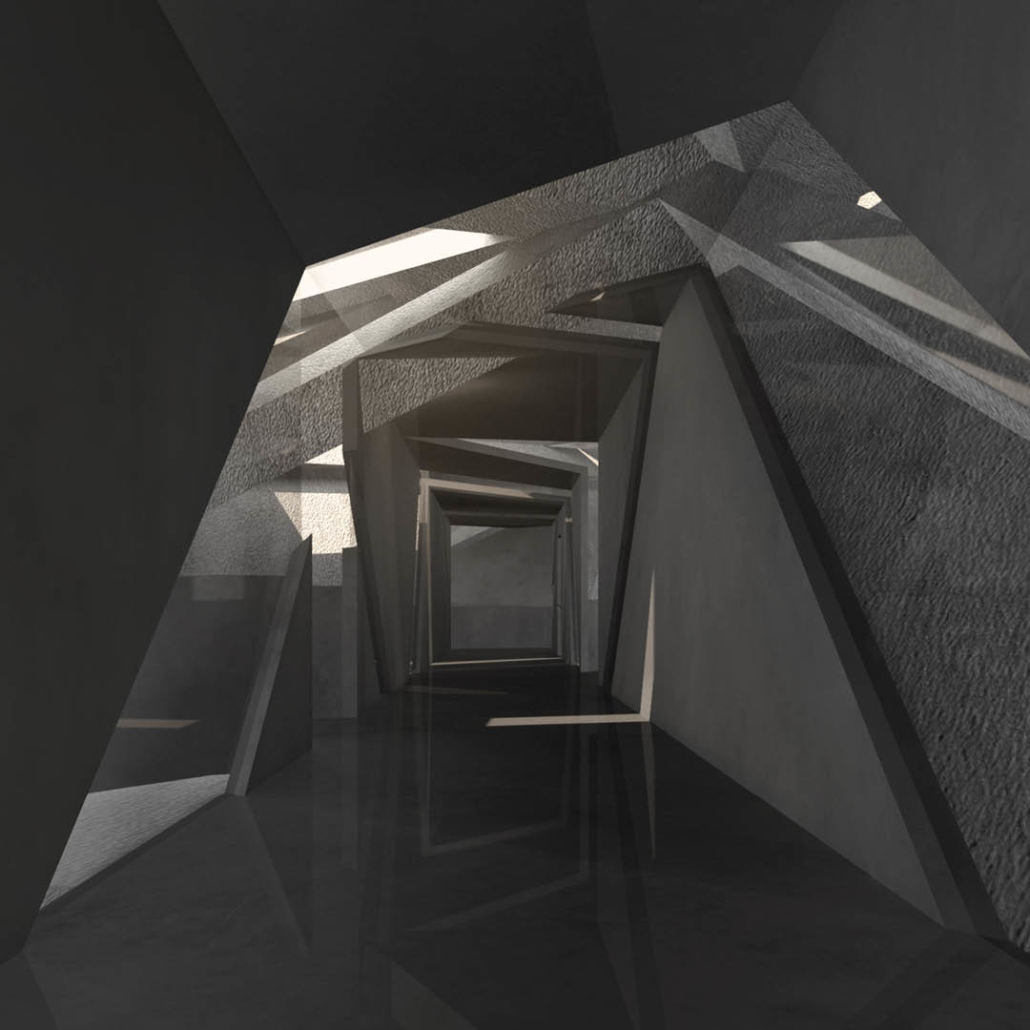
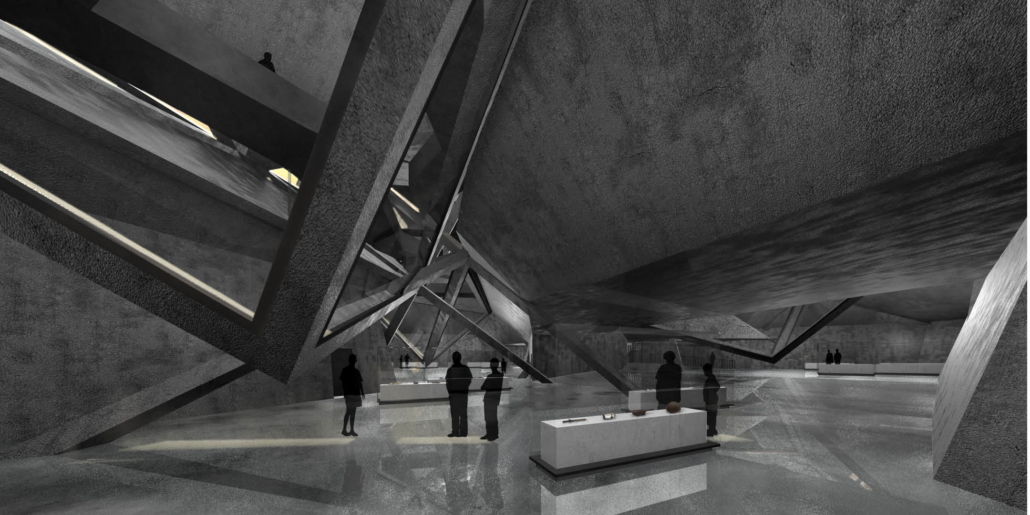
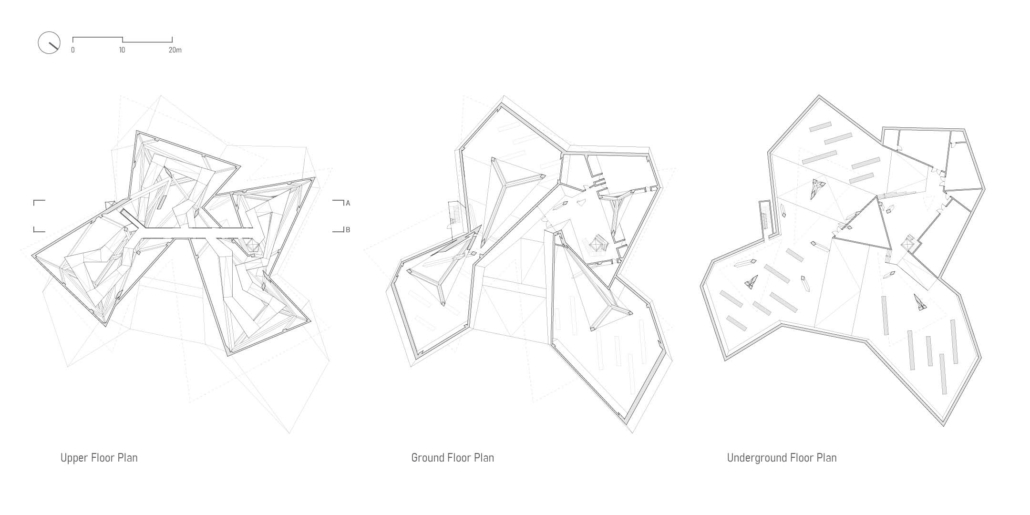
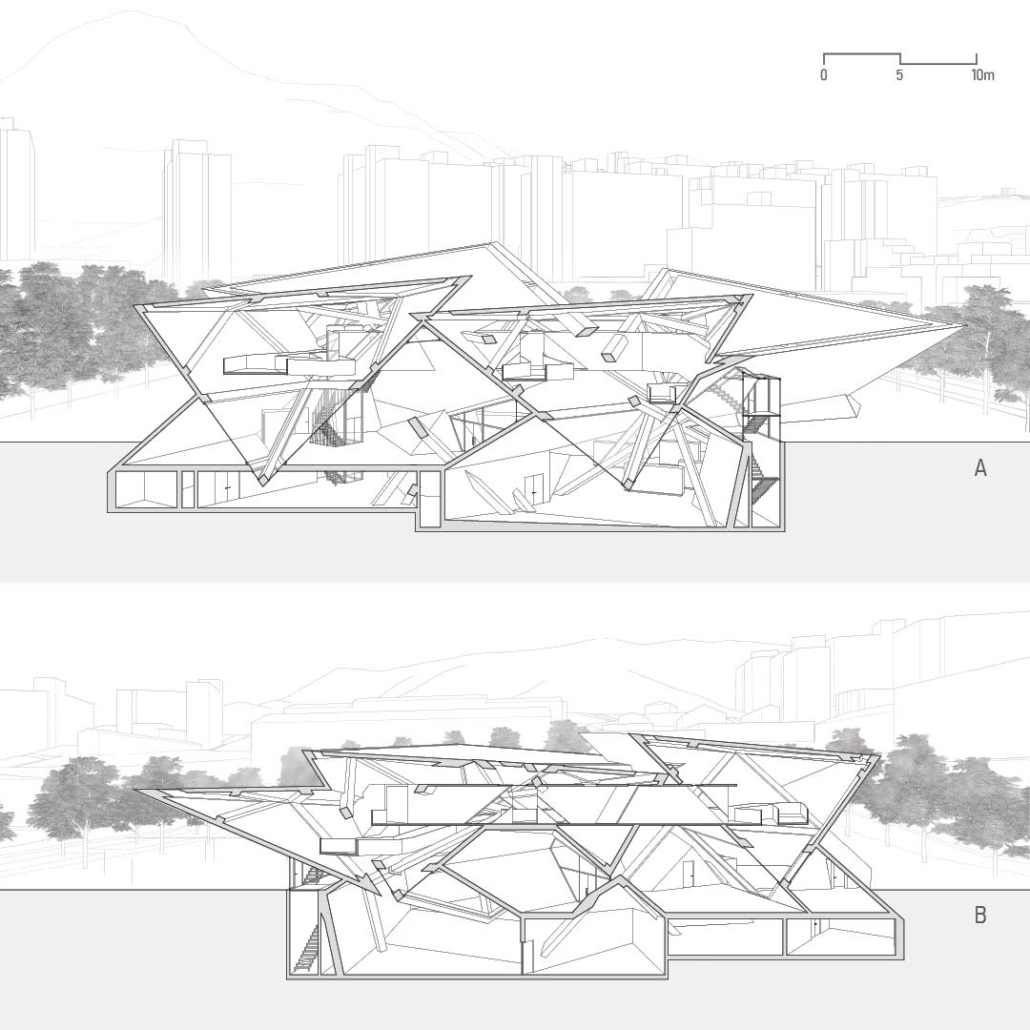
Each of reversed-pyramid triangular masses elucidates war’s grave consequences. They are seemingly unstably connected to each other, and their dark metal exterior panels represent the gloomy war. Inside, the viewer, walking on the ramp between RC concrete columns, thinks she/he is passing through the ruins of war. The floating tips of the reversed pyramids are visible in the underground gallery. This sense of floatation was achieved by extending the RC concrete columns in the middle of the structures. The shards of glass-like tips represent the agony of the victims and refugees. These tips visually connect the upper gallery and the lower, underground gallery. The upper gallery illustrates the power game of the war written by the political forces who started the war, while the underground gallery displays the relics of the victims who were anonymous citizens.

Instagram: @limarch94

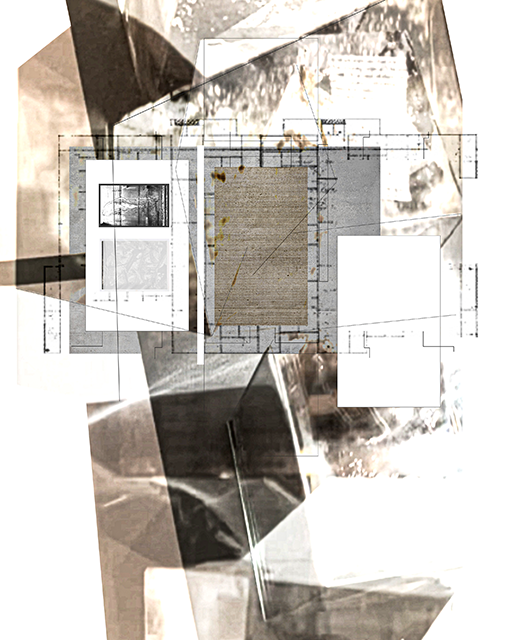
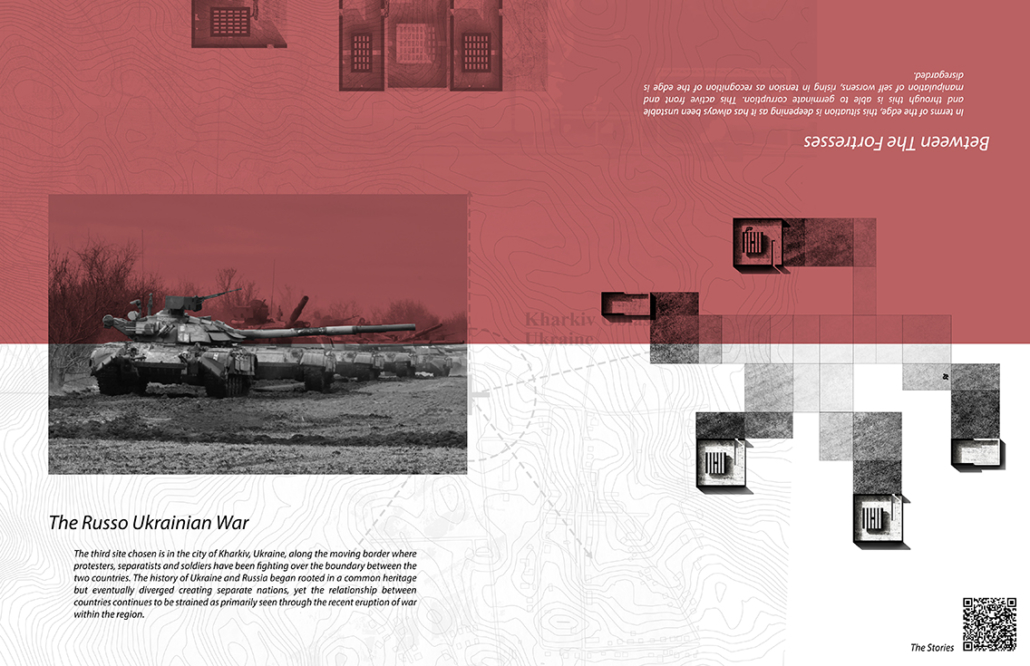
The Two Sides of Otherness: A Cross-Cultural Regeneration of Reality by Daniel Porwoll, M.Arch ’22
North Dakota State University | Advisor: Stephen Wischer

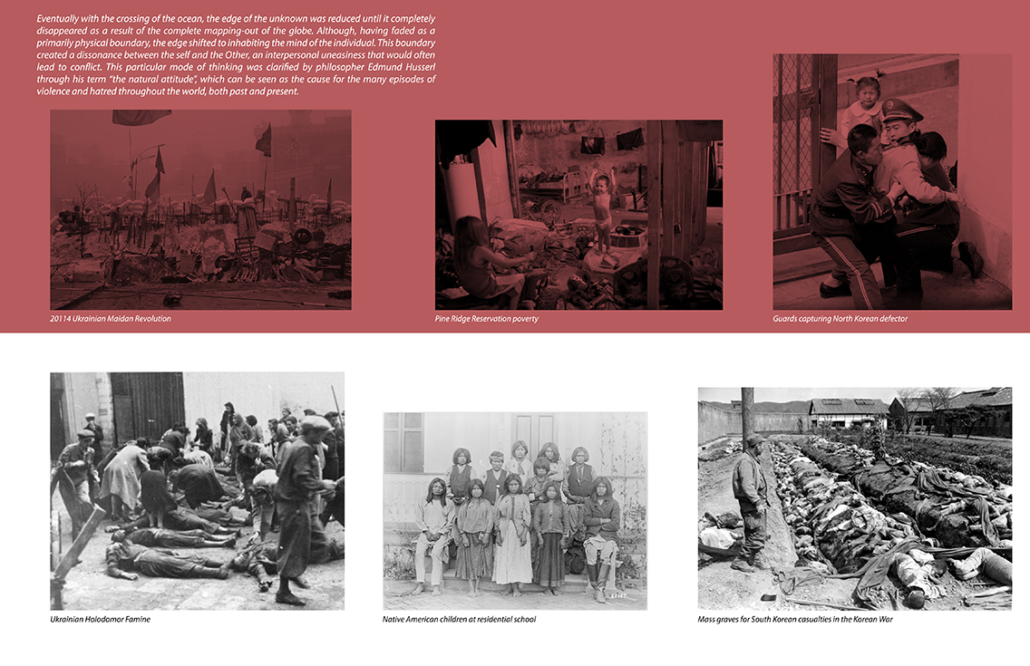
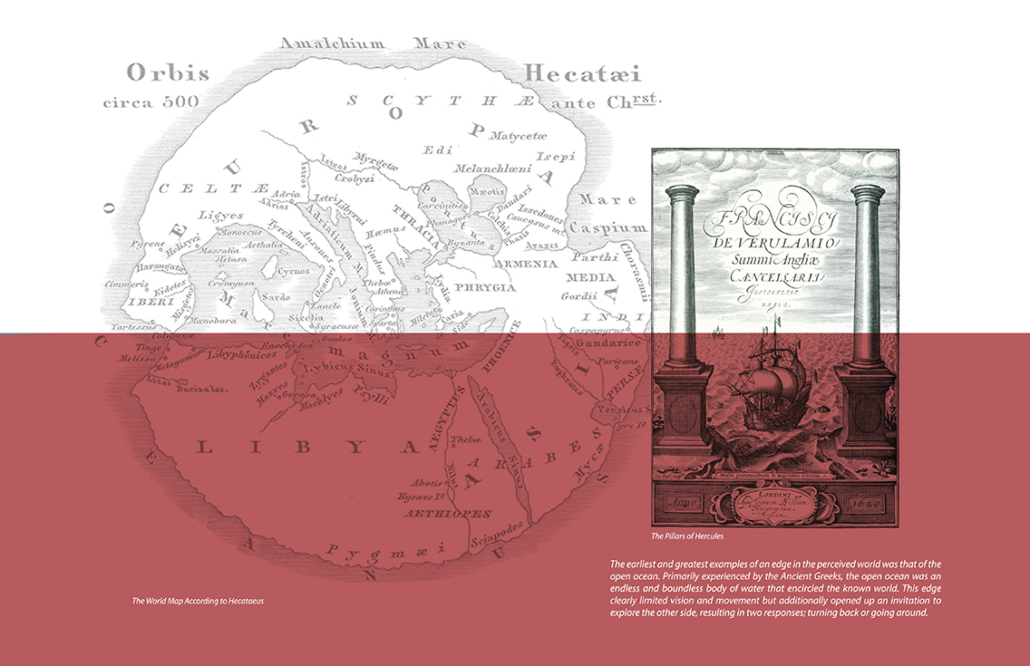
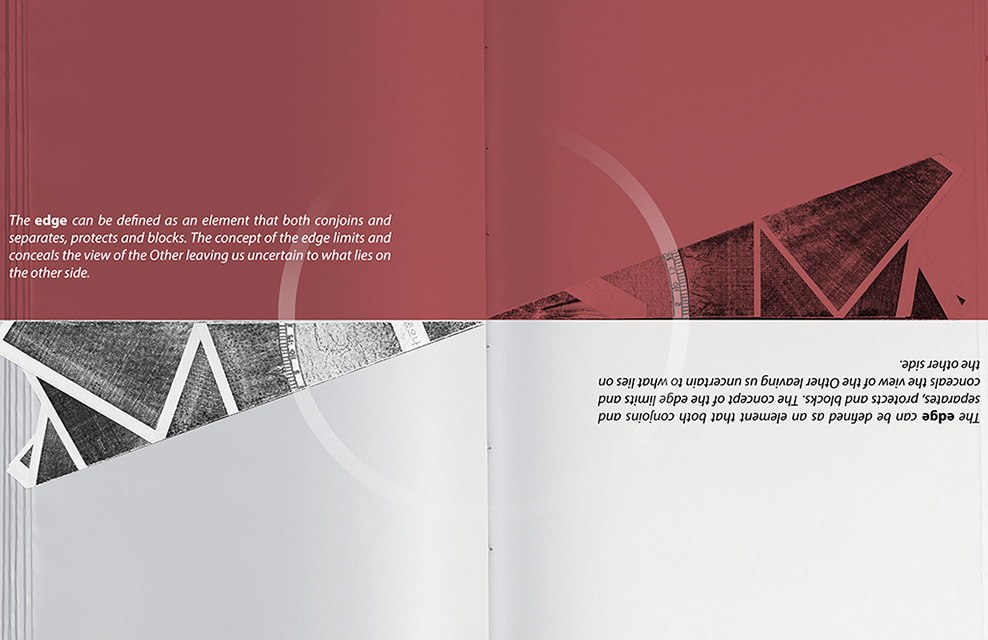
In our current context, “identity” often stands as an edge where one being ends and the next begins; simultaneously separating and unifying. Yet, this inherent overlapping between self and other continues to be threatened by ideological and homogenizing narratives; either as a force of assimilation or division.

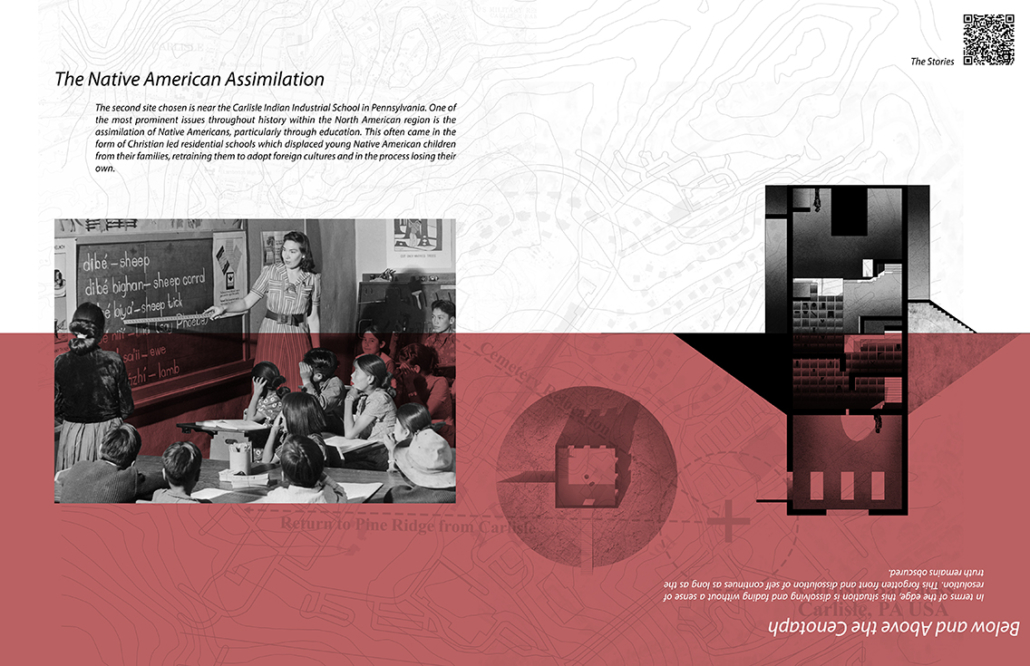
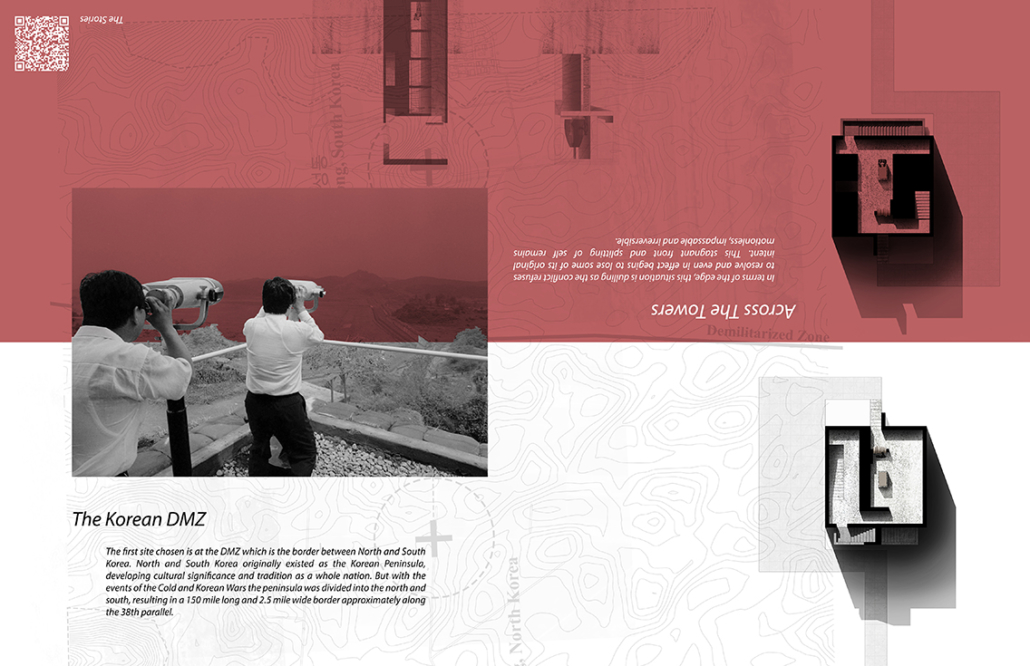
Among the many affected areas around the world is the Korean Demilitarized Zone, the Russo-Ukrainian Border, and the Carlisle Pennsylvania Indian Cemetery, in which hostile situations pose a unique yet difficult edge condition that might be mediated by empathetic imagination instigated by architecture. Responding to each situation, we examine how architecture might act as an archive for deeper understanding and exchange in an attempt to mediate new realities.

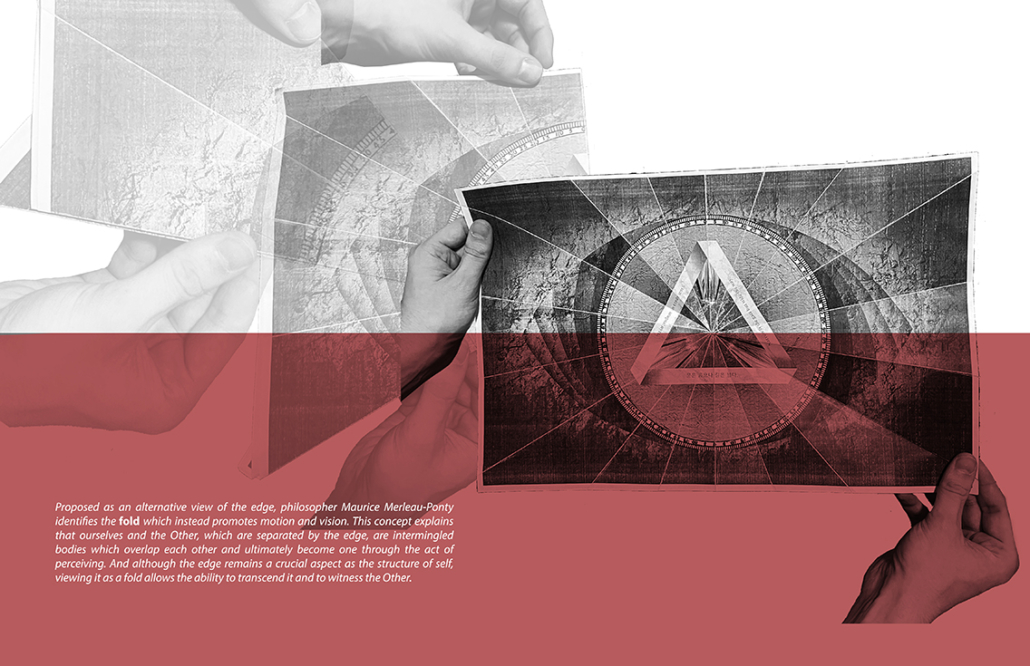
Philosopher Maurice Merleau-Ponty confirms this method through his concept of “flesh”, which examines the relationship between oneself and the Other as “reversible,” wherein edges become folds in order to gain a deeper interpersonal, intercultural and intersubjective understanding of the Other ourselves.

Instagram: @dkp.arch

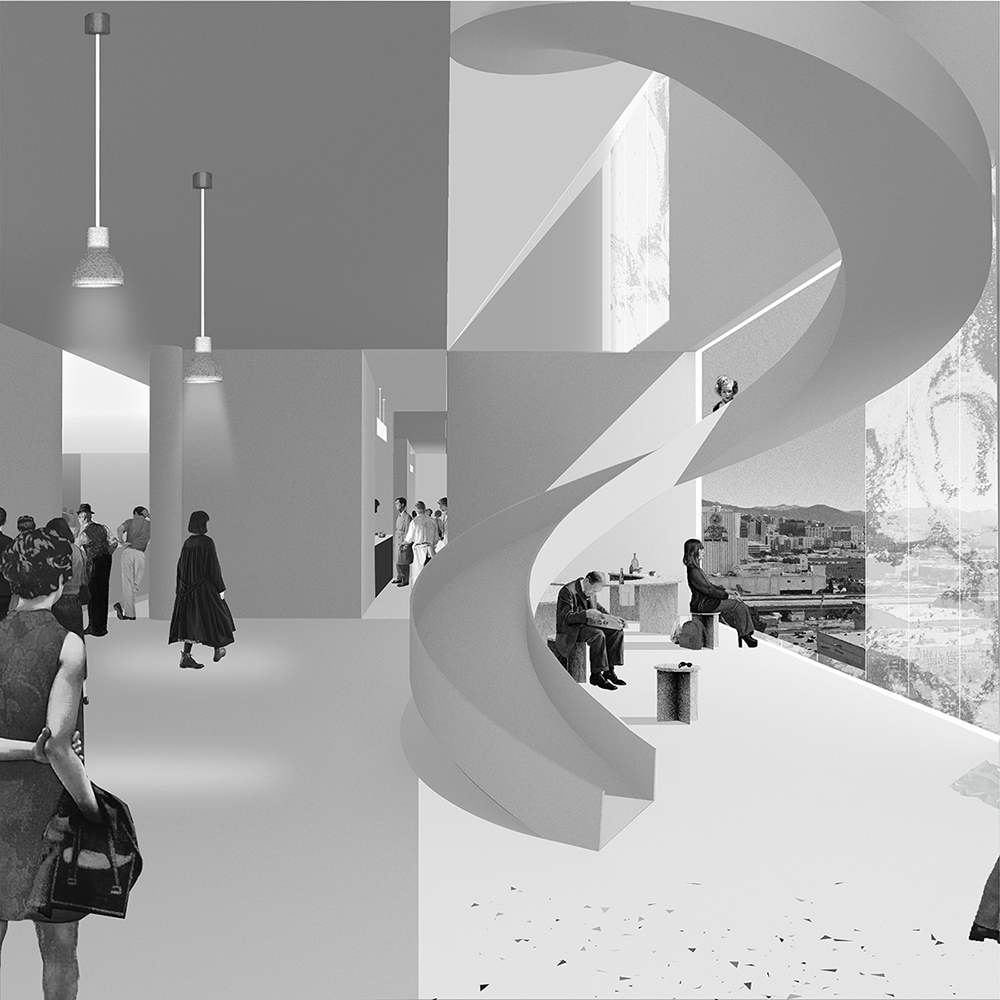
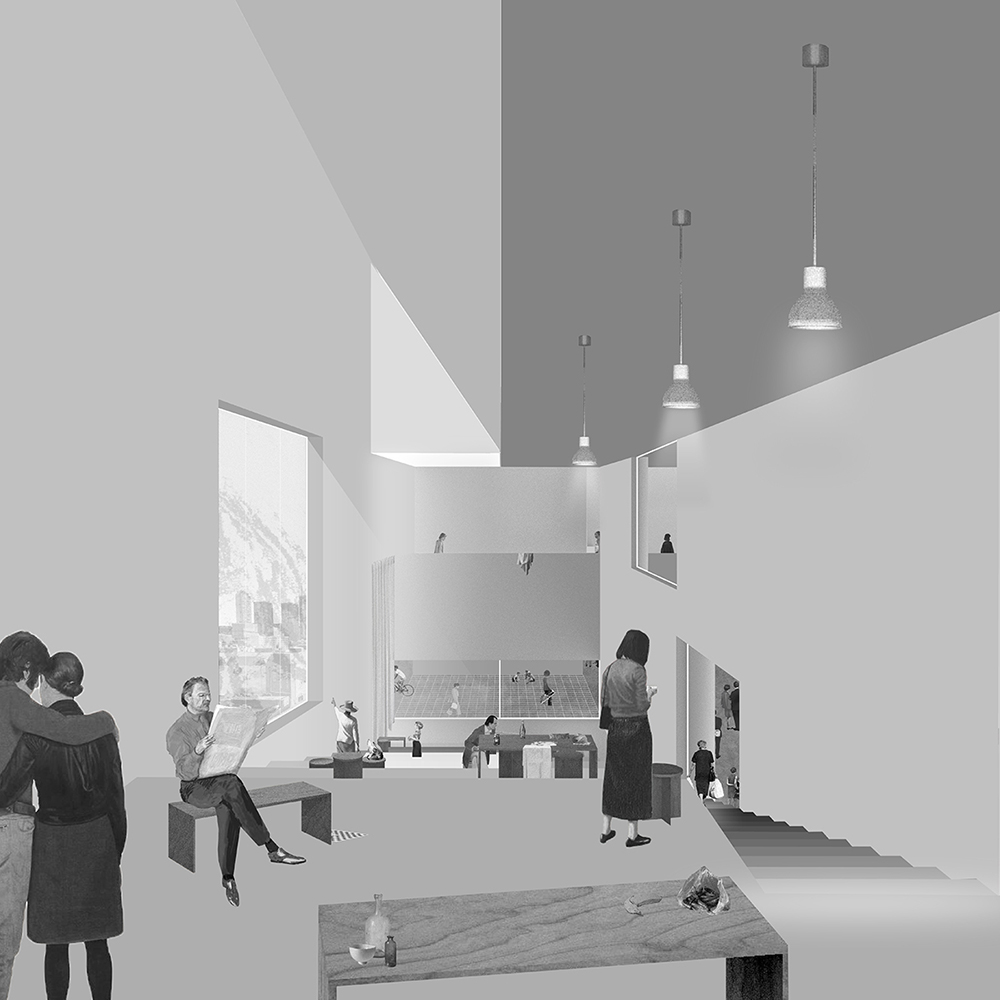
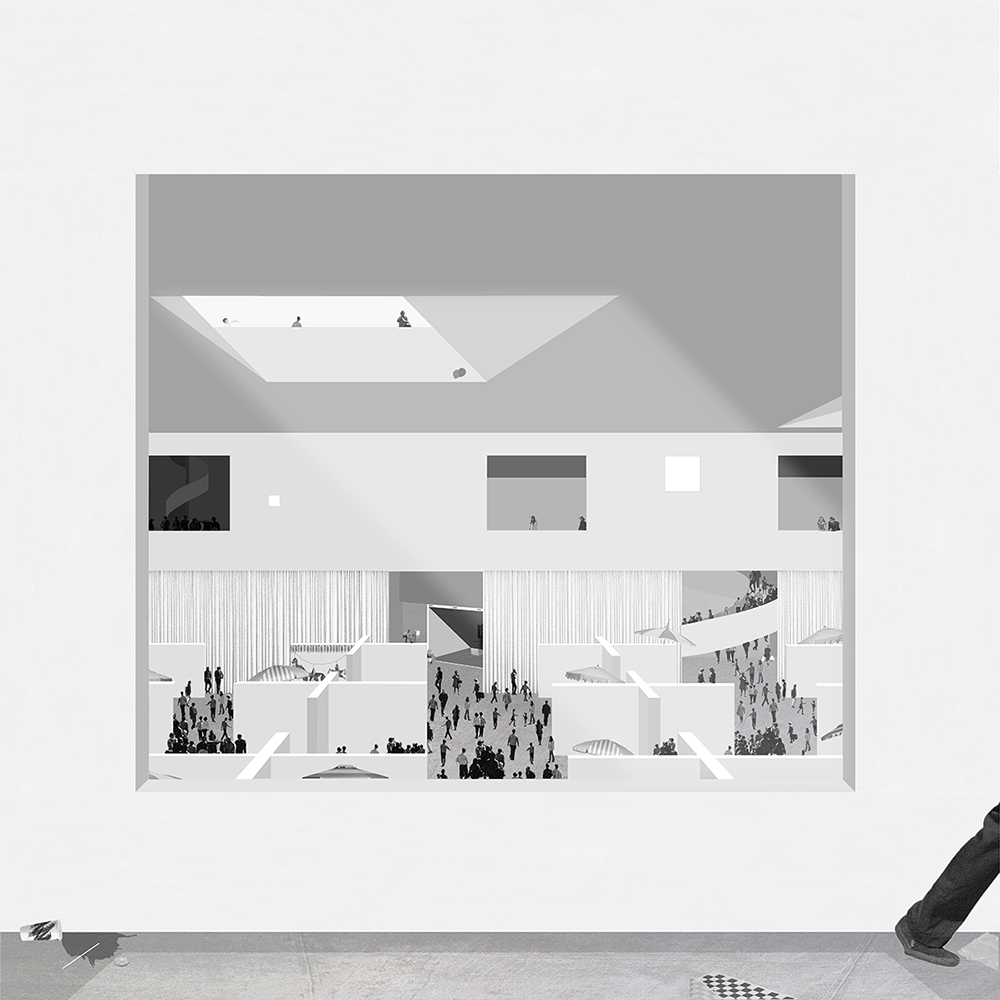
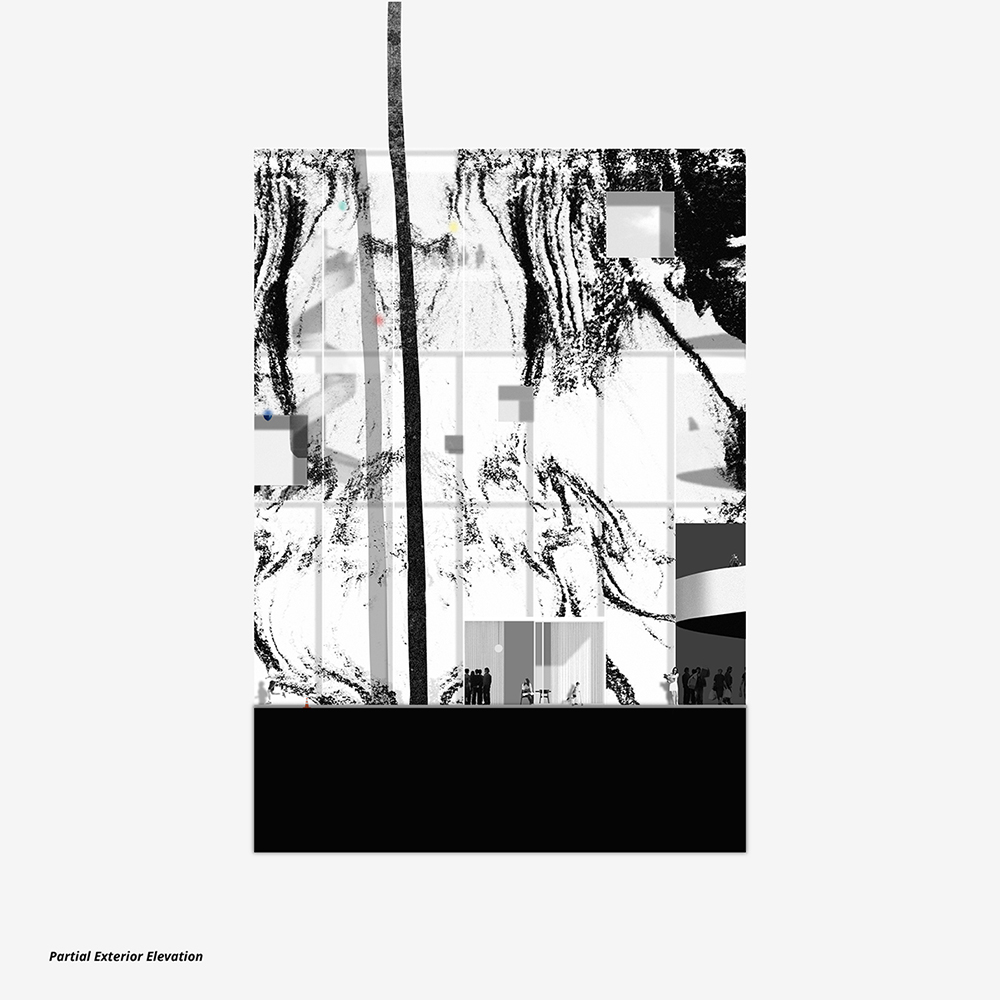
[IN]visible by Ying Xuan Tan and Xi Xiang, B.Arch ’22
Syracuse University | Advisor: Lawrence Chua

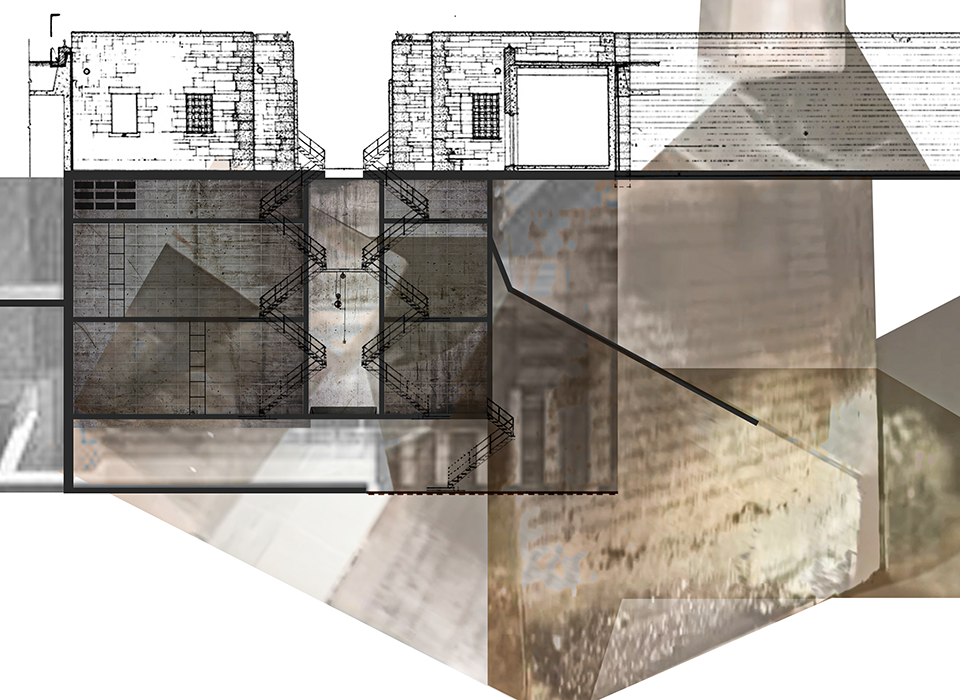
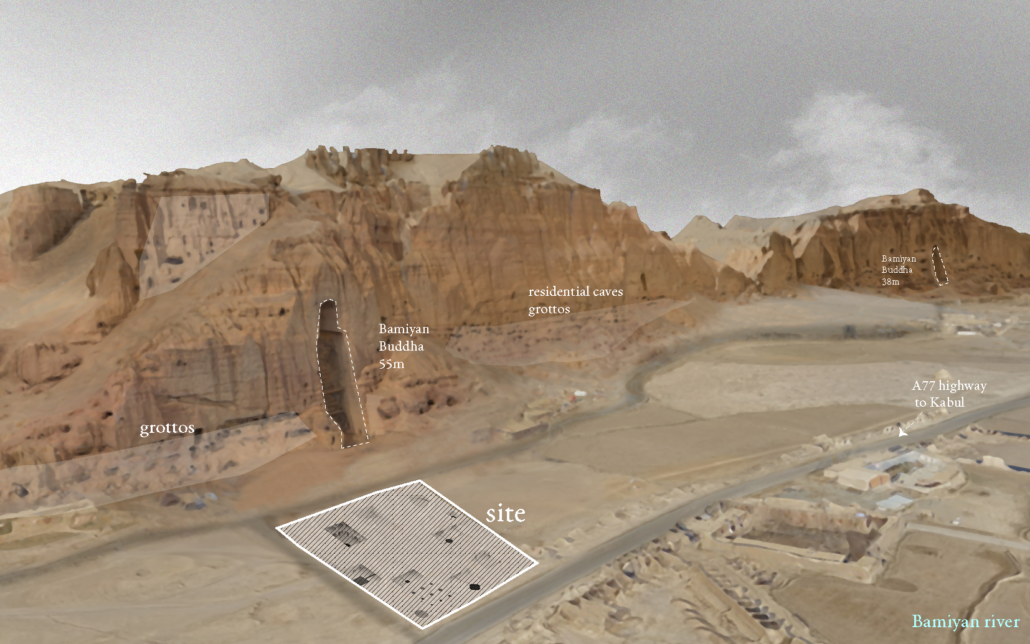
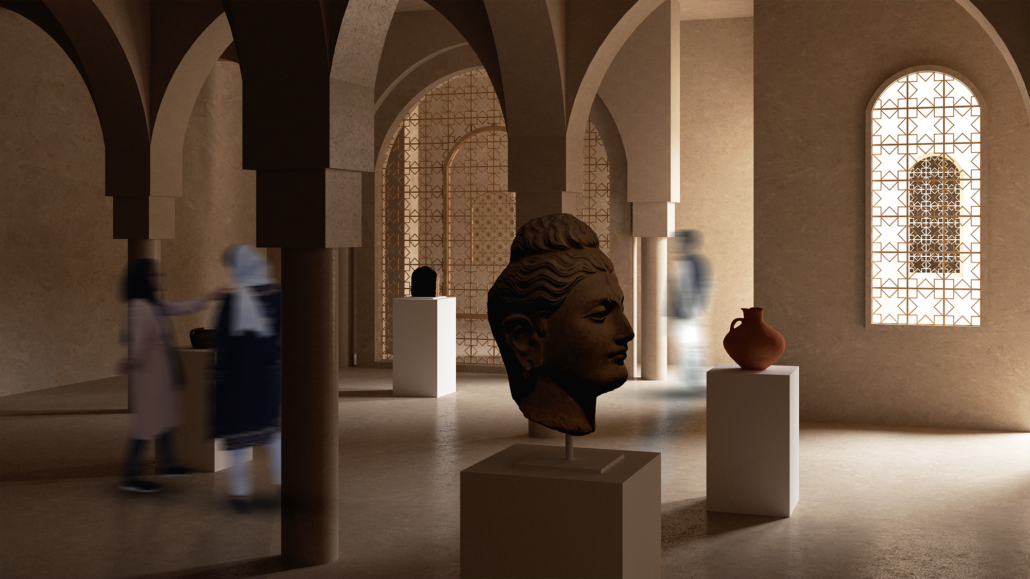
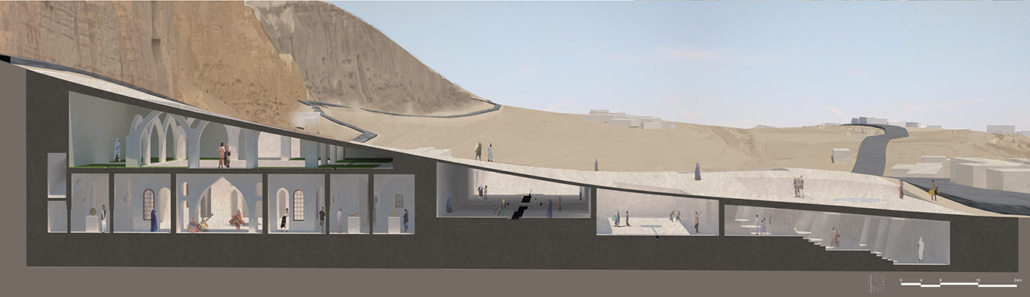
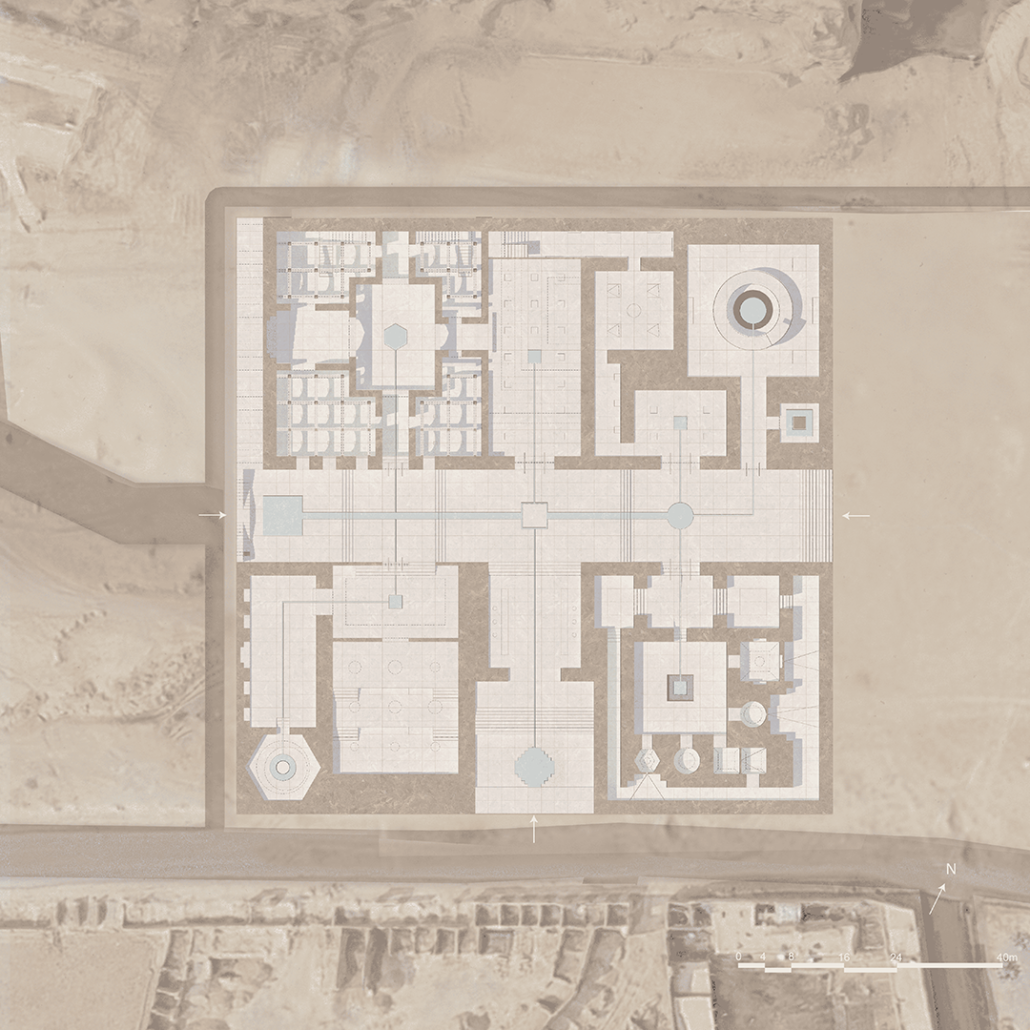
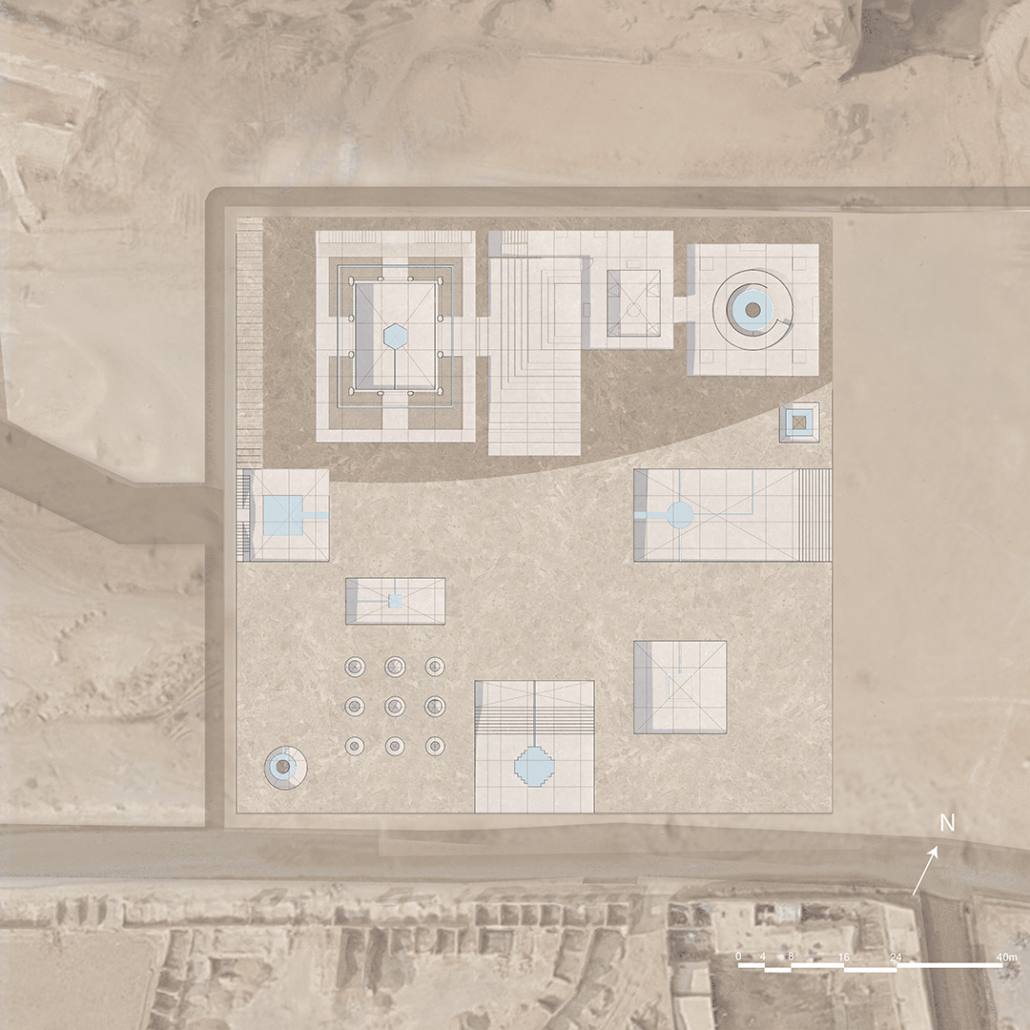
This thesis is a conservative proposal seeking an eclectic solution to provide a stable environment for Afghanistan’s people and the preservation of human history. The project [IN]visible seeks to create a point of balance between the turbulent environment and its rich historic heritage meanwhile following a preliminary, iconoclasm.

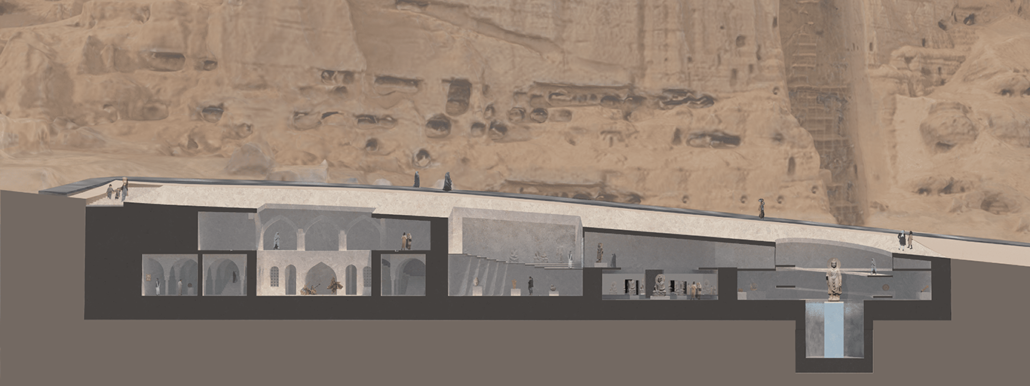
Bamiyan valley was marked as an important trans-cultural portal for Afghanistan and Central Asia. Statues, stupas, viharas, shrines, and grottos here have all witnessed the cultural creolization of this land. The government today had promised to engage in international diplomacy and make compromises. Preserving artifacts at Bamiyan is a humanitarian act and brings the government financial income.

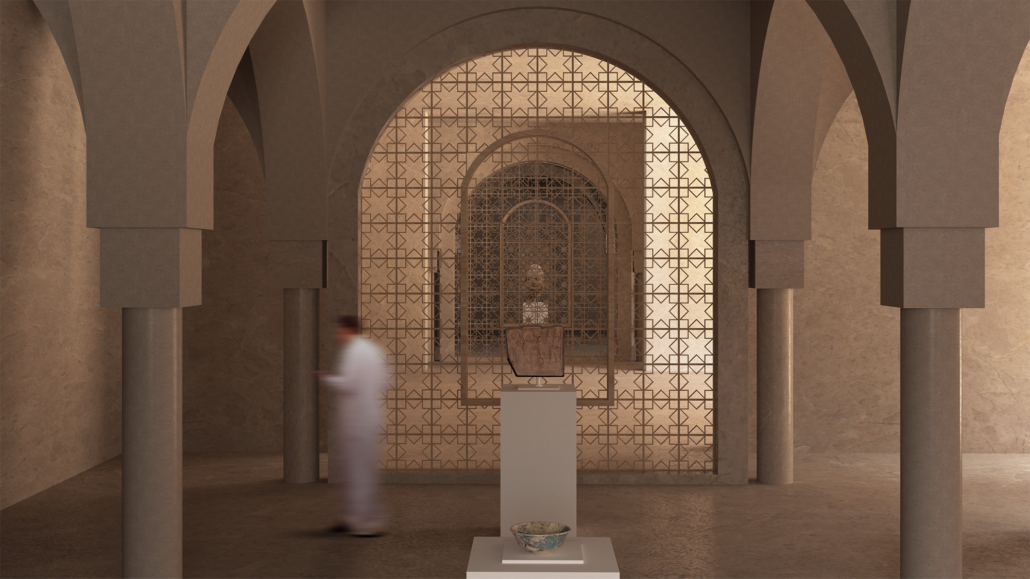
The project seeks to find ways to preserve precious artifacts in the age of the Taliban’s regime, respecting the Taliban’s ideology on the surface while showing the real deal on the inside. Using various materials, water, and light as a tool to hide the artifacts from the surface. The design process discovers methods of visual illusion. Water, an essential element in Middle East architecture, would orient throughout the project. The stream would lead the locals and visitors to enter the project to see the actual side of these cultural artifacts.

This thesis is a pioneer experimental practice toward religious conflict that does not follow mainstream standards. It is also a conservation proposal seeking an eclectic solution to ensure a stable environment for Afghanistan’s people. In the end, no matter how the government change, it is the people’s life happiness that matters the most.

Instagram: @tototan_yx, @xxixixiwest

Guerilla Museology: By All Means Necessary by Brendan Wallace, B.Arch ’22
University of Tennessee | Advisor: Jennifer Akerman

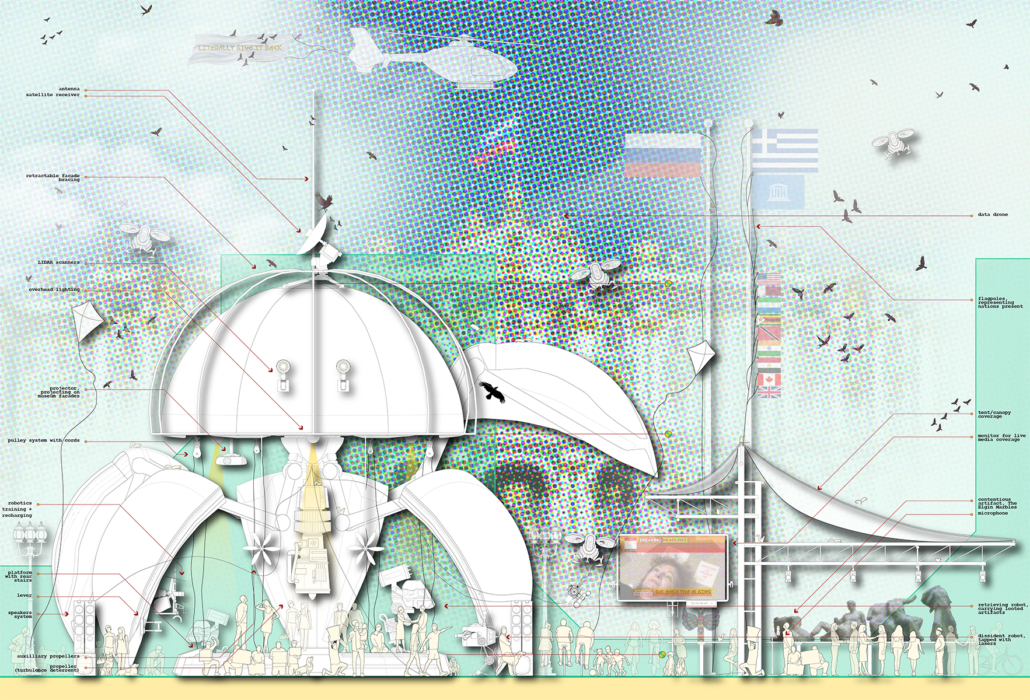
For many, it is believable that colonialism has met its end. The latter half of the 20th century witnessed a global spirit of liberation, specifically within African and Asian continents. New annexations of land allowed nations to declare sovereignty in watershed spirit. Yet, the residual effects of the colonialist era has effectively perverted contemporary spaces, especially those typologies which have a legacy deeply rooted in the violence of looting, stealing, raping, and pillaging- namely, the museum.

While direct subjugation under colonialism may have met its end, the 21st century has challenged this premise, understanding that colonized structures remain to inhibit this “autonomy”. The likes of the Louvre, The Met, The British Museum, and the Saint Hermitage Museum, are all national treasures which lie of the heart of an imperial memoryscape. Their educational commentaries have transitioned from the national to the global scale as they are catapulted into the role of a universalist museum with artifacts from all parts of the globe. Their objects represent a past which has been bastardized, deceptively rewritten, and Westernized. Their place in the arena of global memory has prevailed on top and contribute to modern day racism, xenophobia, necropolitics, and various forms of othering.

The museum is unyielding, working as a contemporary agent for cultural genocide.

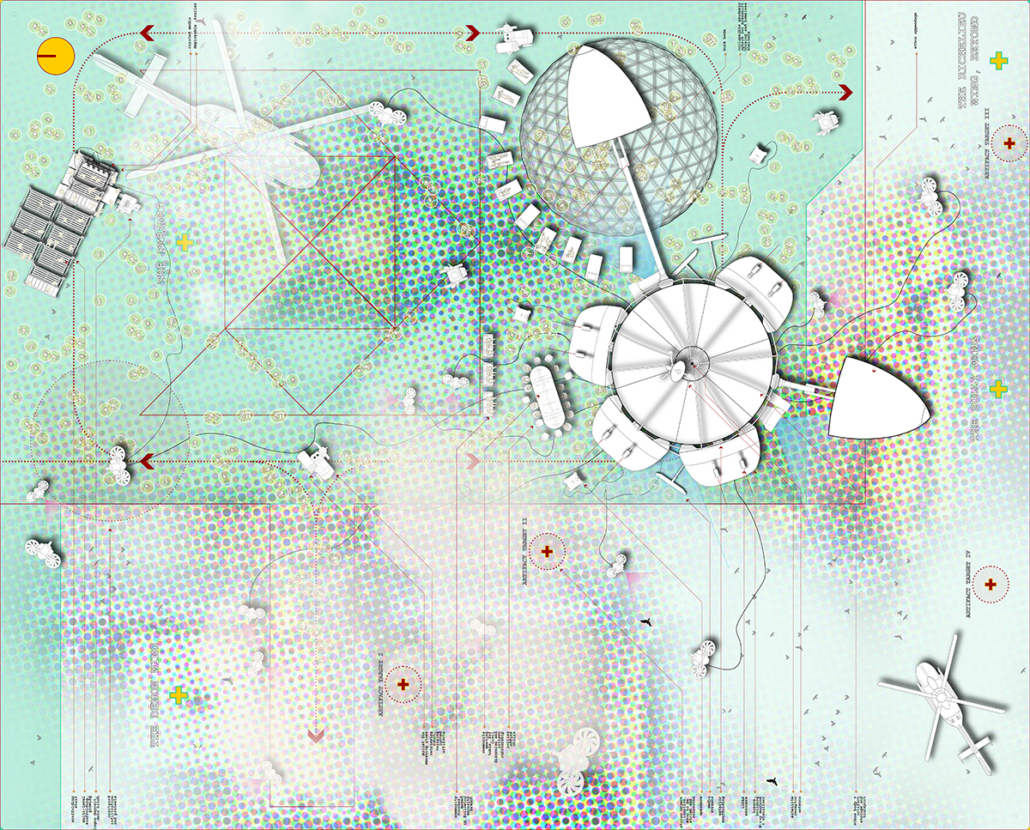
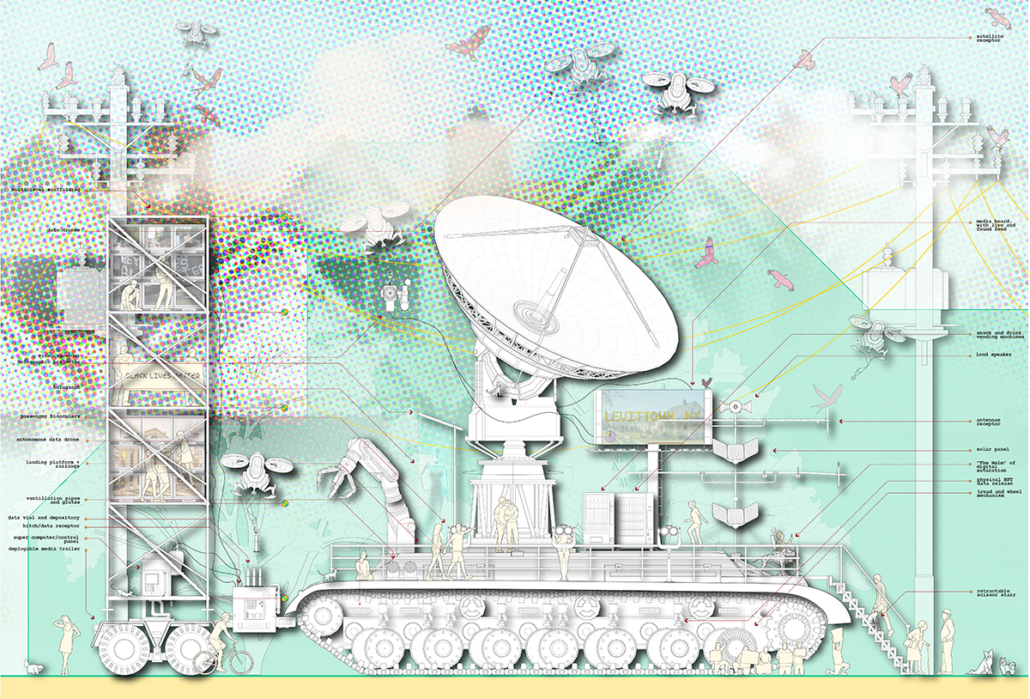
This thesis works to acknowledge these power structures and subvert them as a way of envisioning a new, equitable museumscape. I am interested in all scales of museum work to invite democratized curatorial practice. The steps are as follows:

1. creating a new museum infrastructural system to ensure curation is achieved as a global practice
2. engaging the city as a system of participatory intelligence
3. decolonizing the museum aesthetic whose expression implies subordination
4. proposing curatorial machines as curatorial agents
5. ensuring the appropriate and holistic contextualization of all objects

These steps are meant to ensure the redevelopment of public trust and redefine the everyday museumgoer as a worthy contributor to curation and exhibition practice. Guerilla Museology inspires an aggressive reclamation of curation by acknowledging the possibility of a post-museum world where the globe itself is a museum site.

Instagram: @brendan.com_, @j_akerman

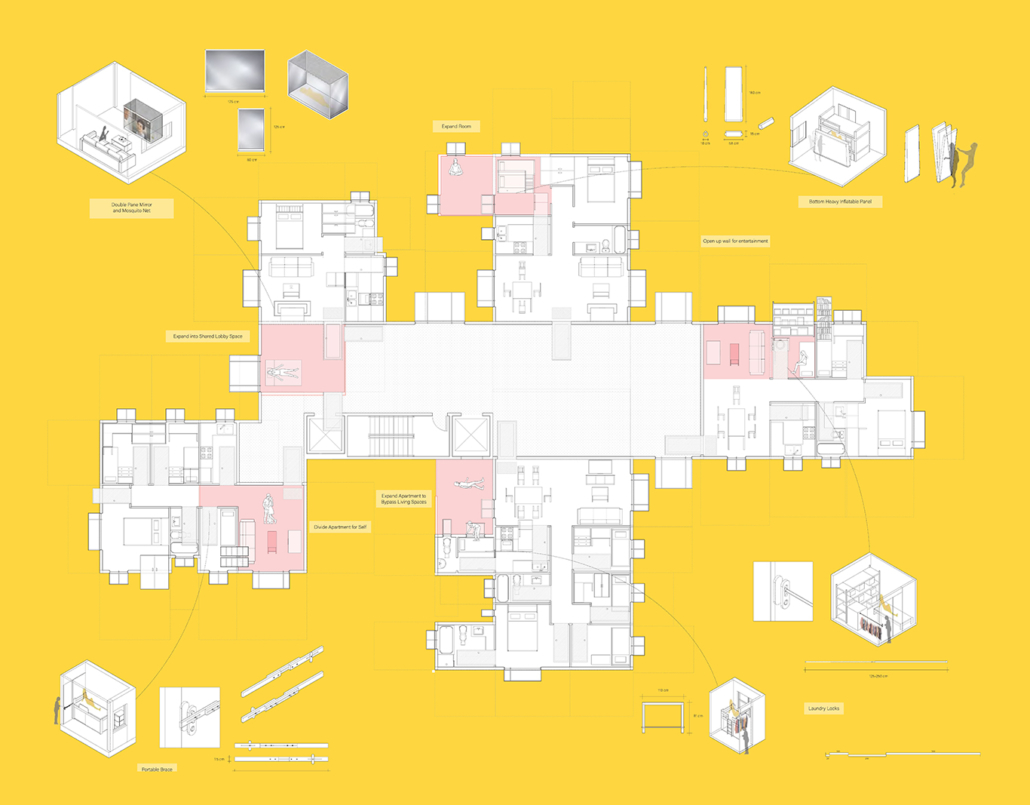
Stored Labor by Kristabel Chung, B.Arch ’22
Syracuse University | Advisor: Lawrence Chua

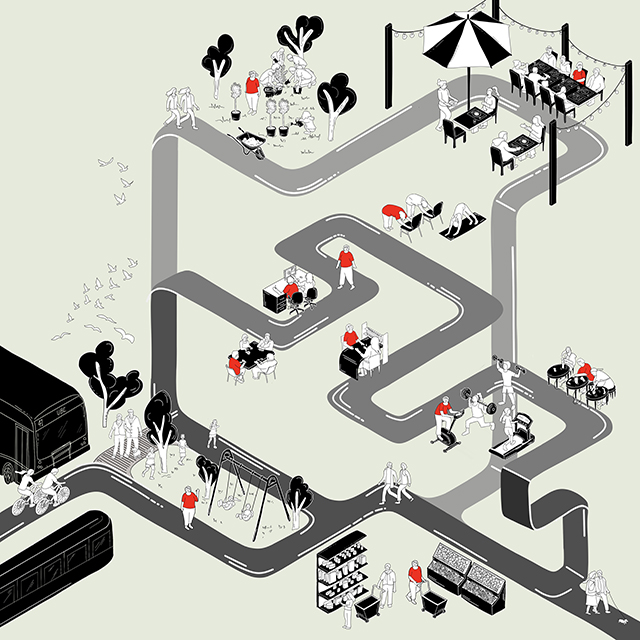
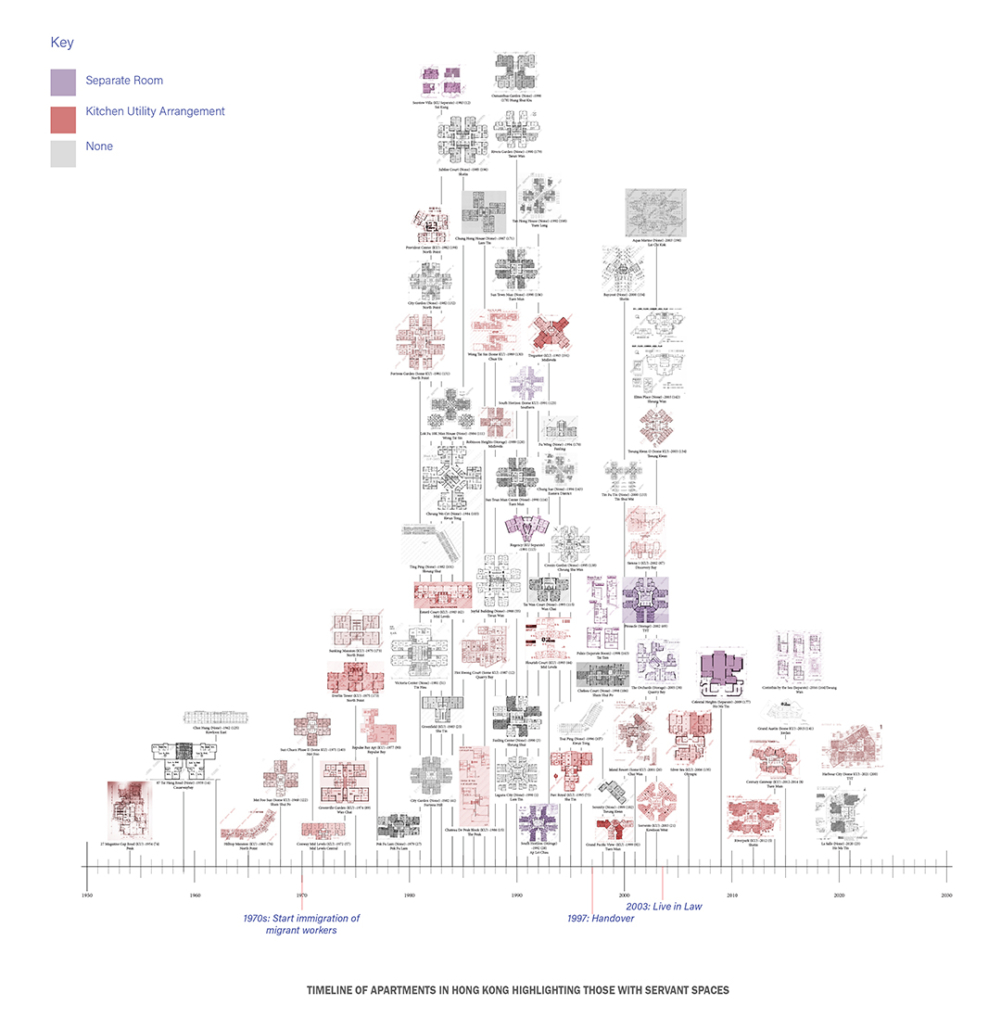
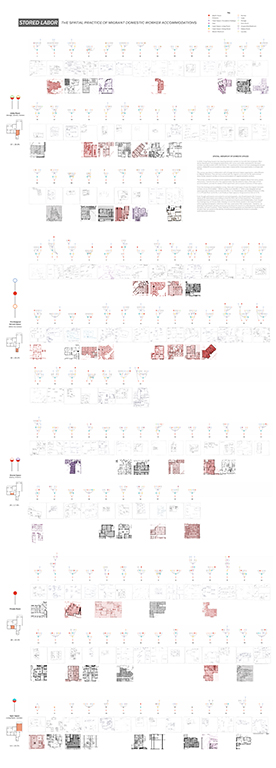
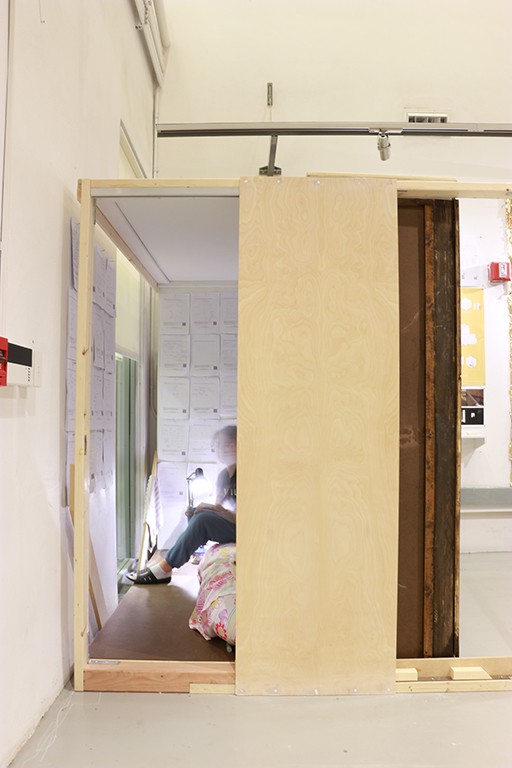
This project examines the relationship between domestic labor laws and the “spatial practices” of migrant domestic worker (MDW) spaces in Hong Kong. The project asks, how do the designed and spatial practices of domestic worker accommodation inform us about the hierarchy and future of domestic space in Hong Kong?

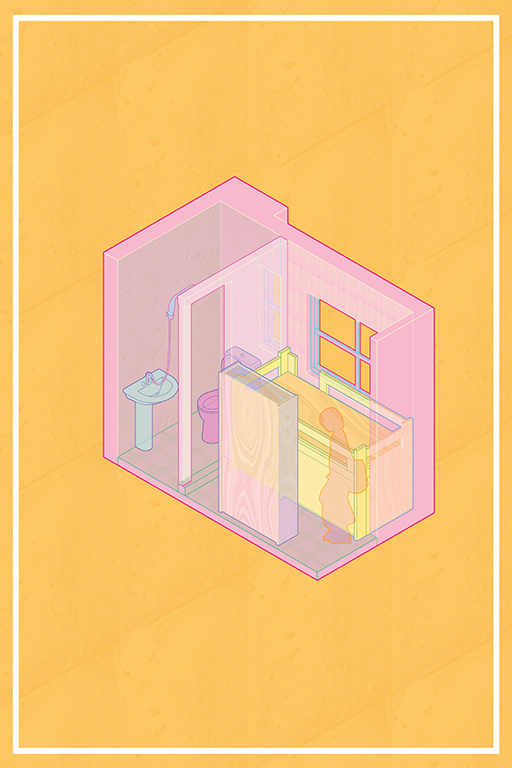
In 2003, Hong Kong issued a law requiring domestic workers to live with their employers. For apartments without a designed servant space, makeshift accommodations have been created within those apartments to comply with the law. The research studies these modifications within the home and creates spatial abstractions through differently scaled models.

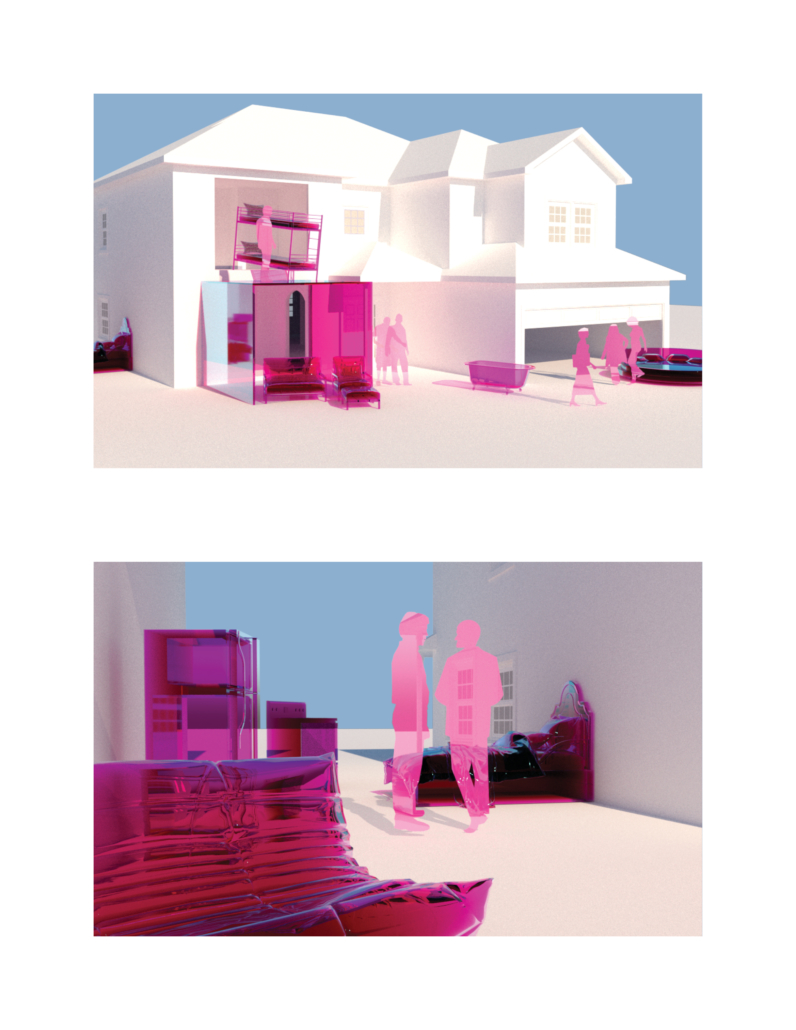
The spatial practice of employers and the designs of residential developers of migrant domestic worker accommodations in Hong Kong creates a hierarchy between the servant and the served through varying means, ranging from porousness to confinement. We see this in examples such as sharing spaces with other household members, living in the living room or kitchen, and in objects such as fabric partitions, unlockable doors, or security cameras.

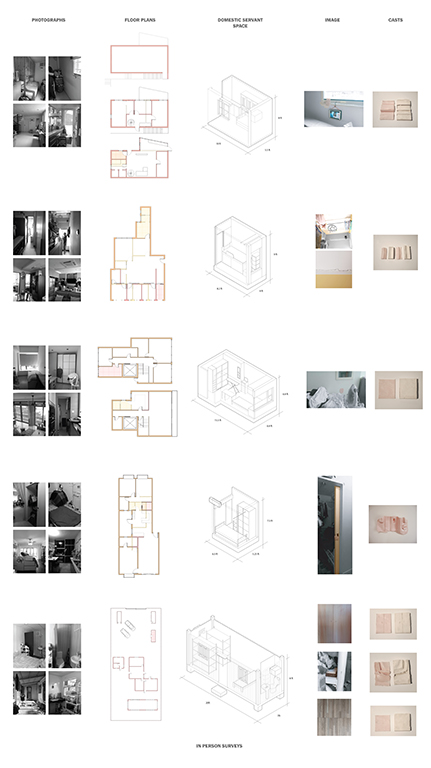
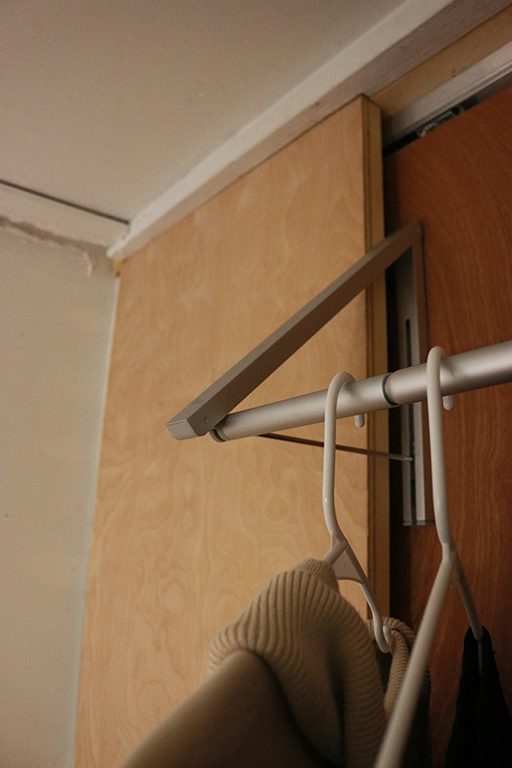
The research is based on a survey that was carried out in collaboration with the Mission for Migrant Workers, an NGO in Hong Kong. Additionally, in-person interviews revealed that employers renovated servant spaces antithetically to the developer’s designs. The survey asked questions about privacy and had the workers draw a floor plan of their accommodations, while the interviews allowed for an intimate understanding of spaces and casts that preserve the material damage due to their labor. This project proposes shifting furniture and structural changes to the participants’ apartments to expose the absurdity of the condition.

Since many employees struggle to voice their opinions about space, the passive-aggressive act of rethinking the functions of these household objects as weapons to ensure privacy also critiques power dynamics in the household. Furniture alterations allow for the employee to play more games of resistance during the hours when the employer is at home. It utilizes what is of importance to the employer as leverage for the employee to get privacy, respect, and dignity.

Instagram: @kristabelchung

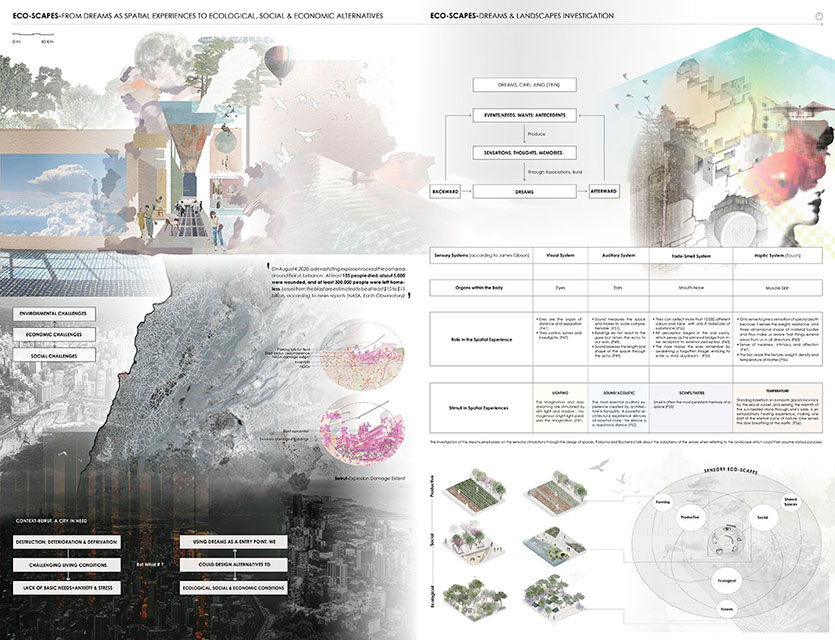
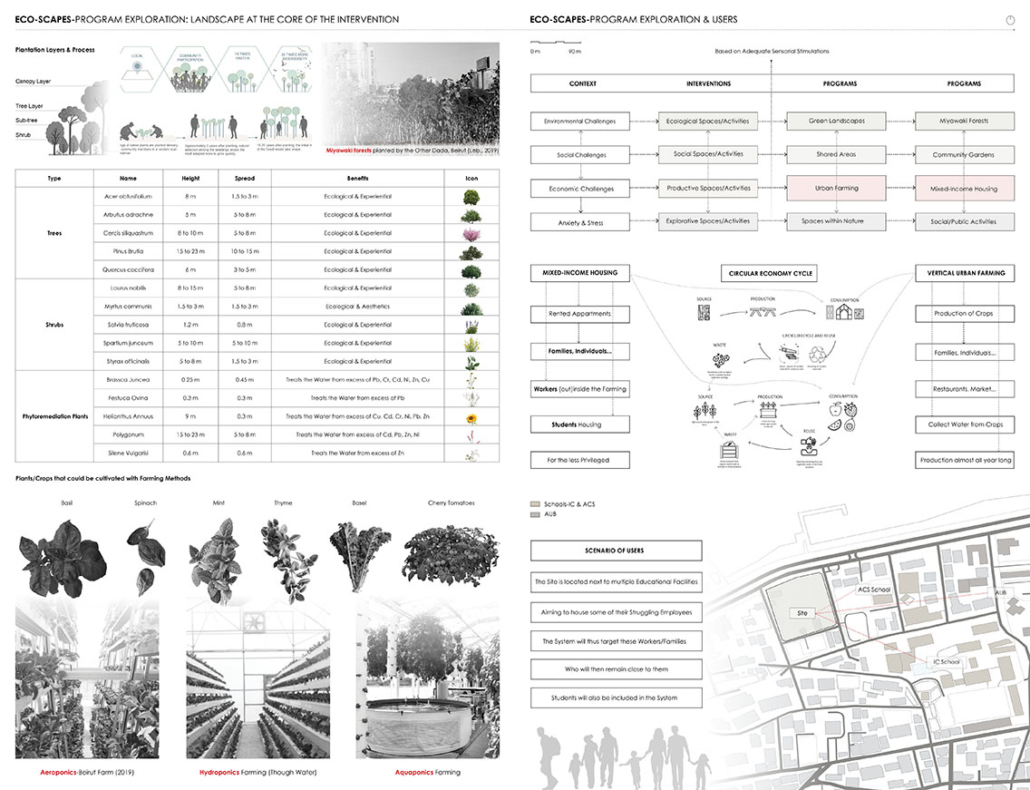
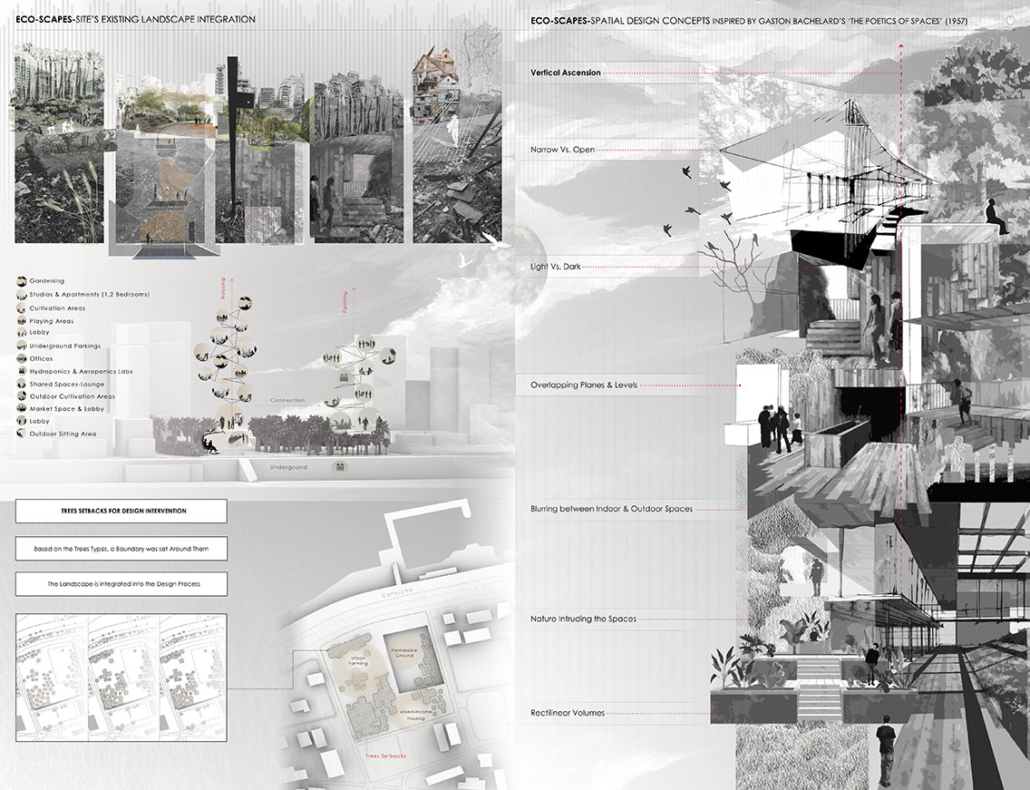
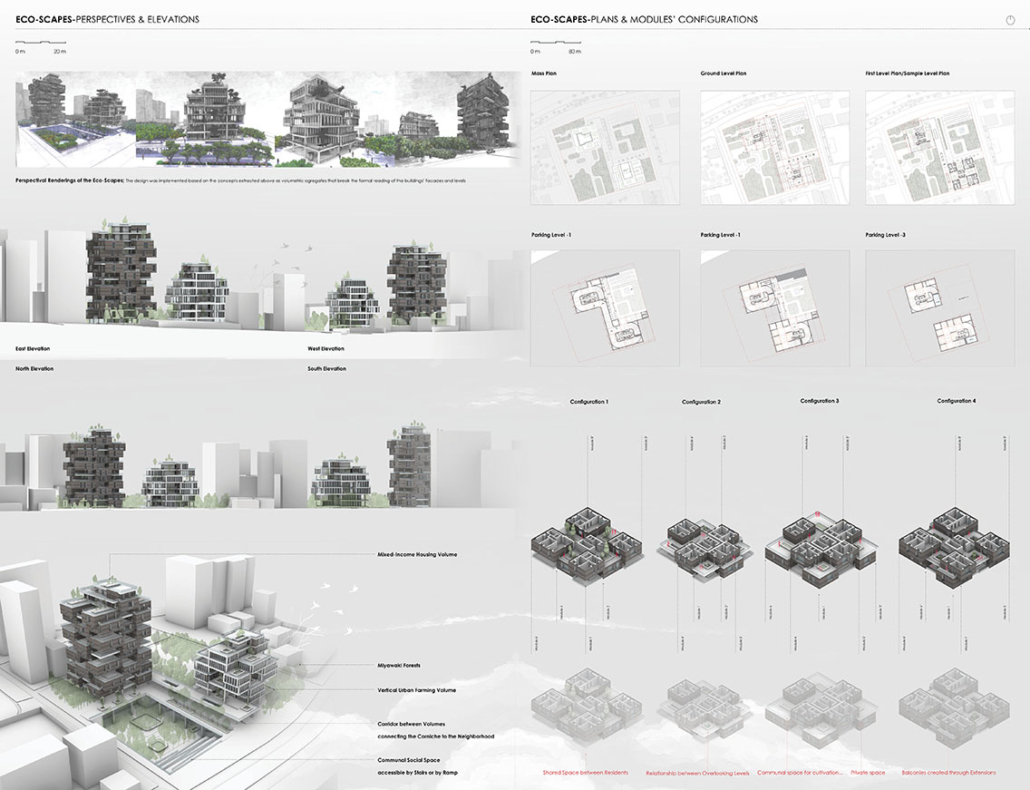
Living with Ghosts by Ximeng Luo and Shihui Zhu, B.Arch ’22
Syracuse University | Advisor: Lawrence Chua

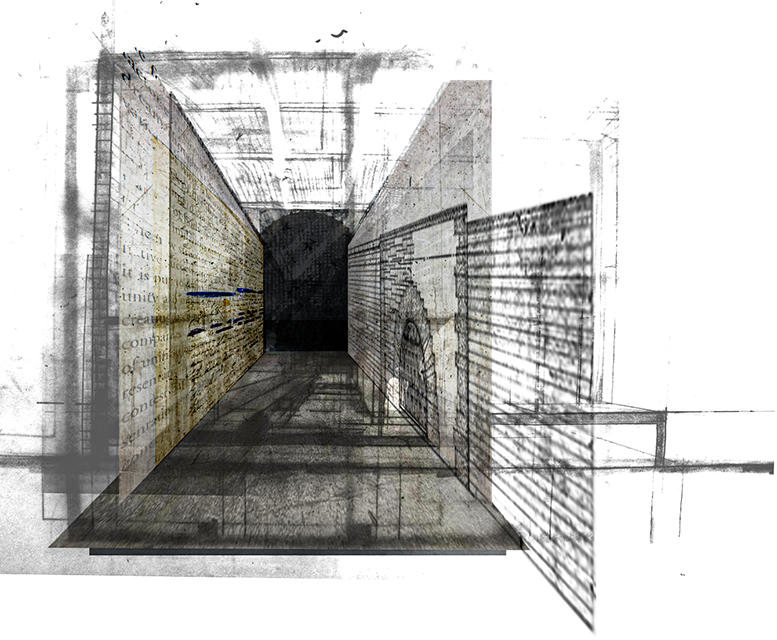
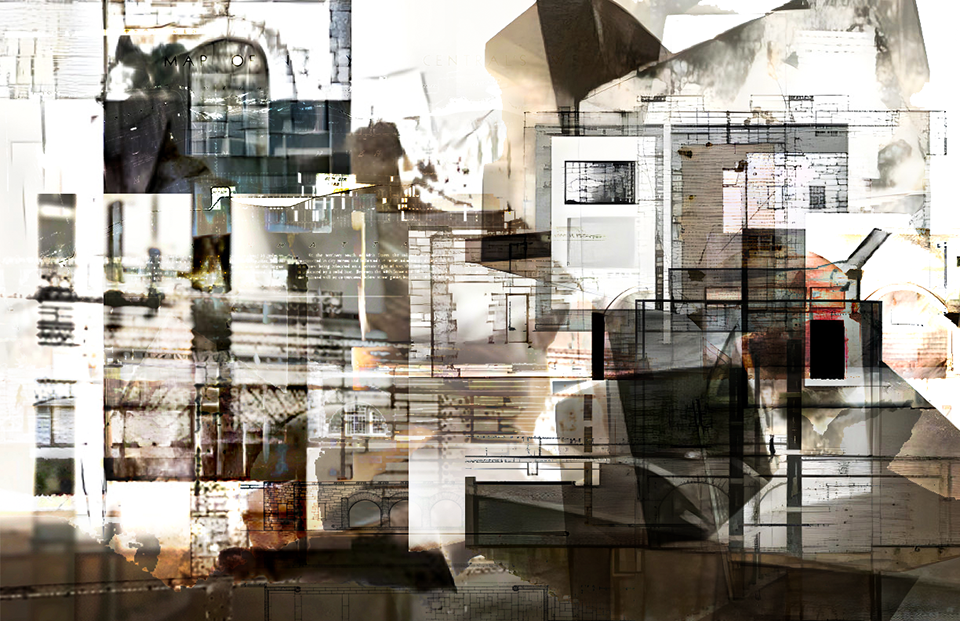
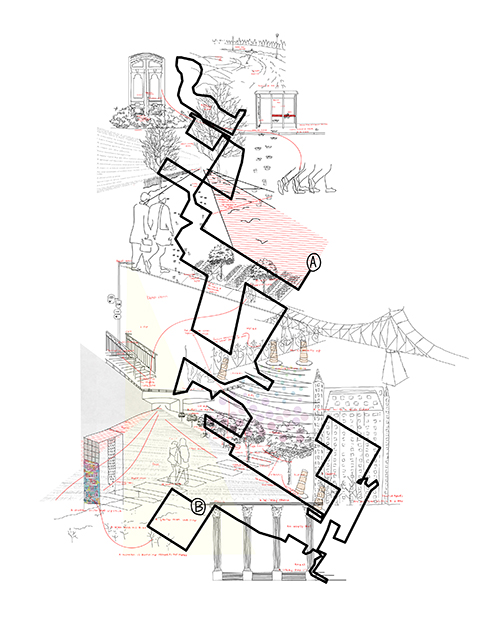
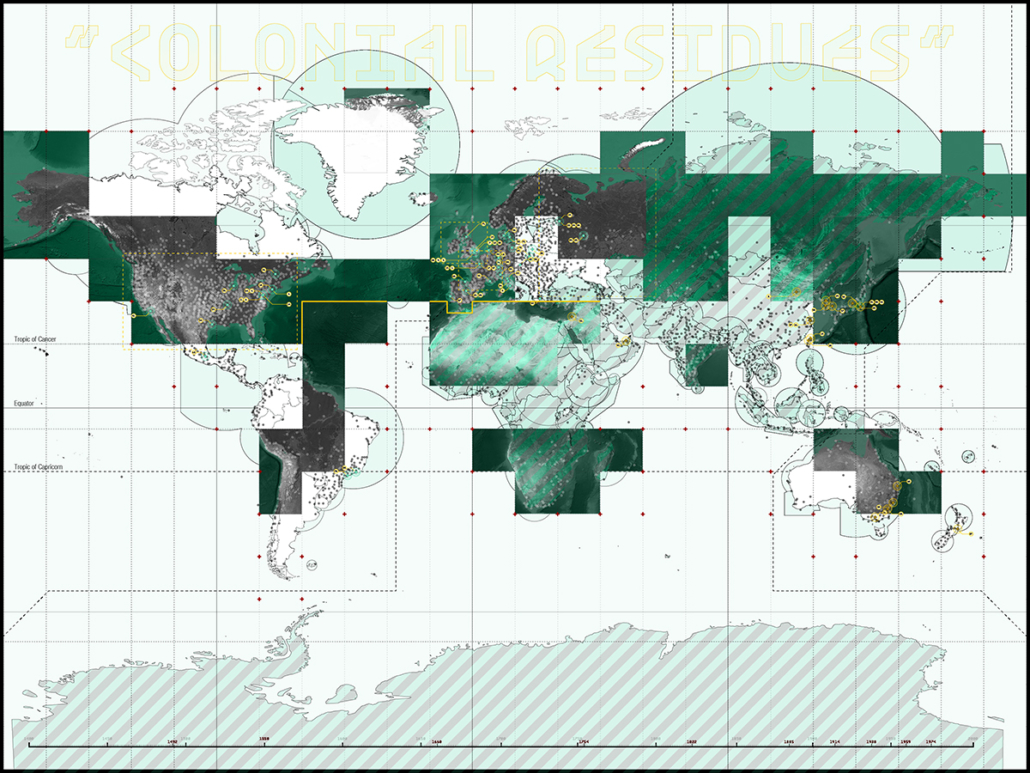
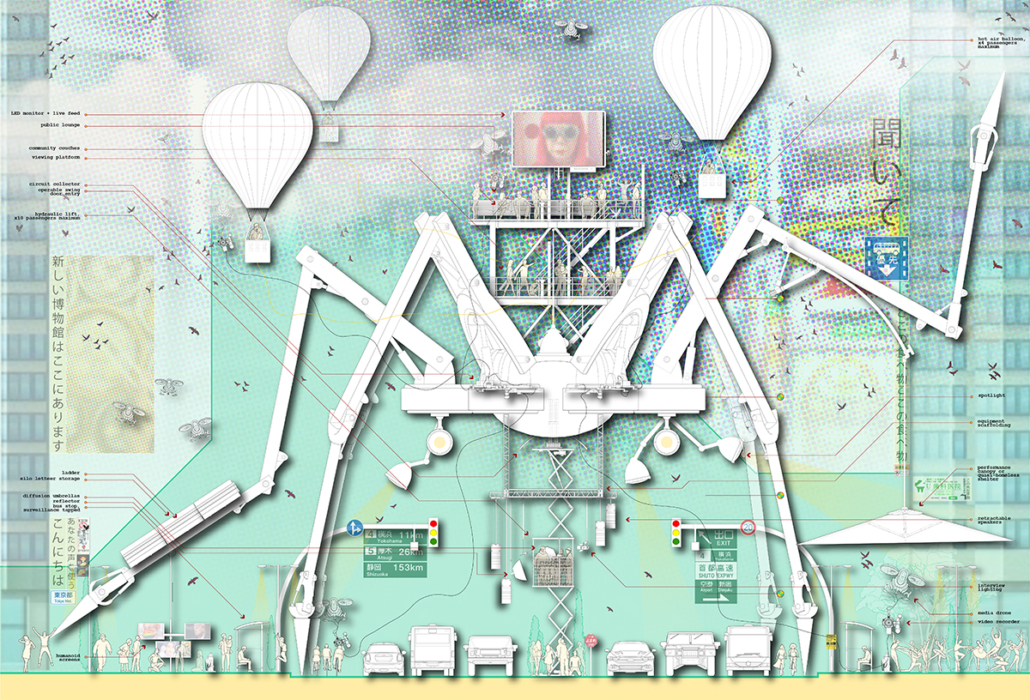
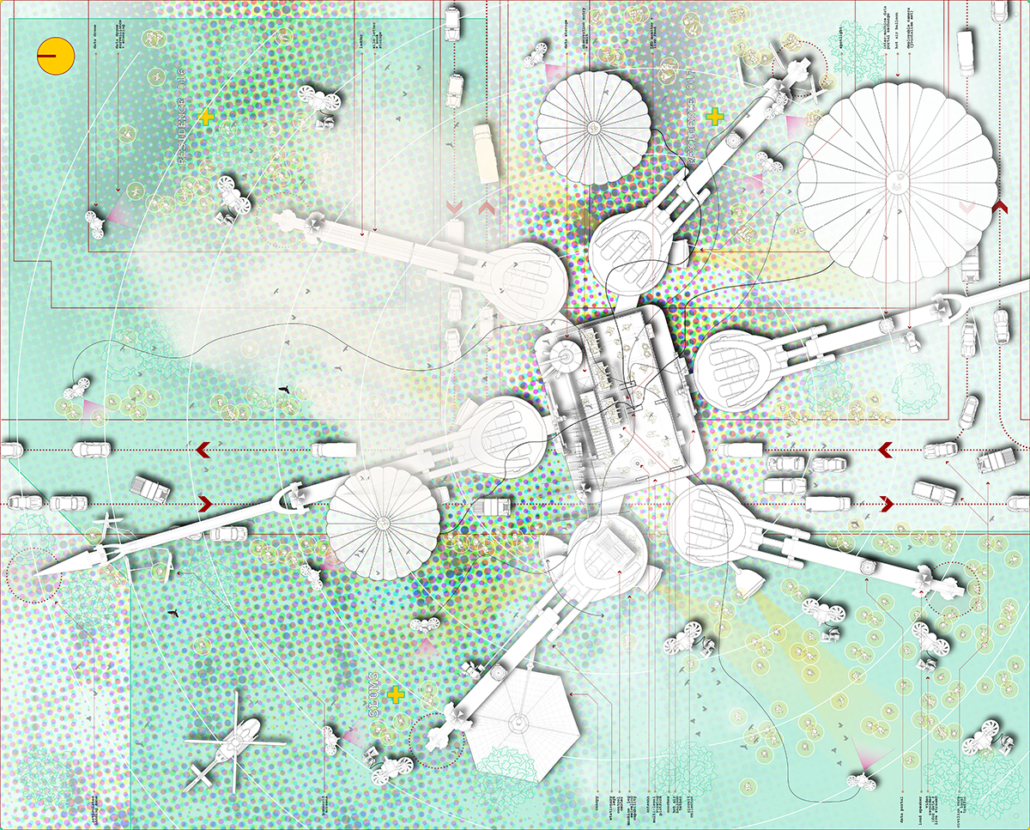
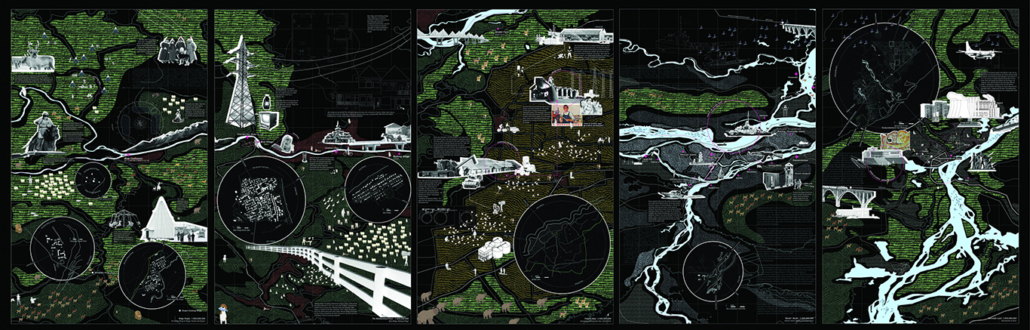
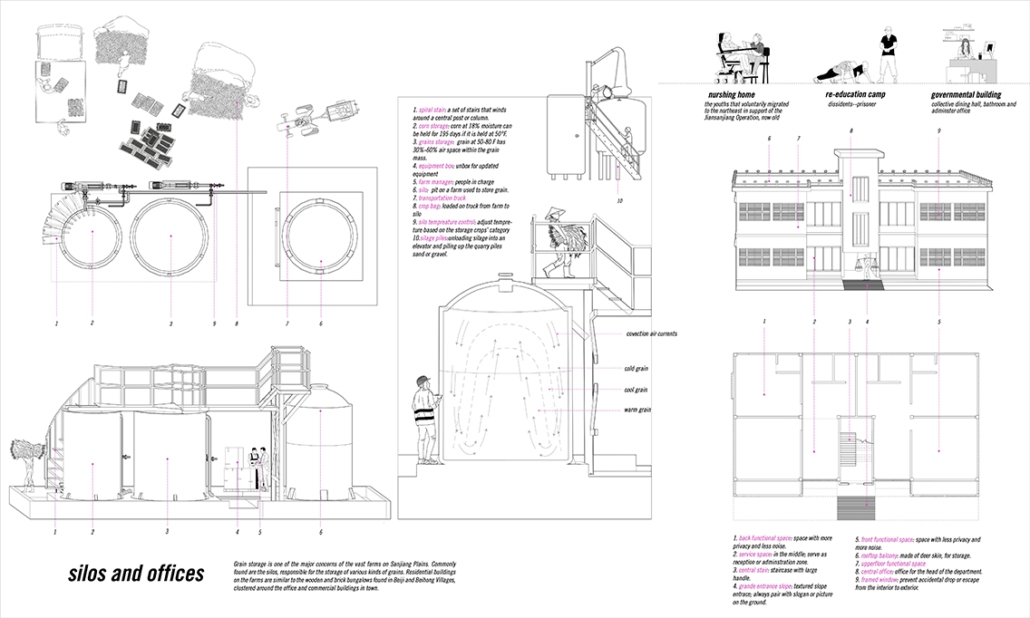
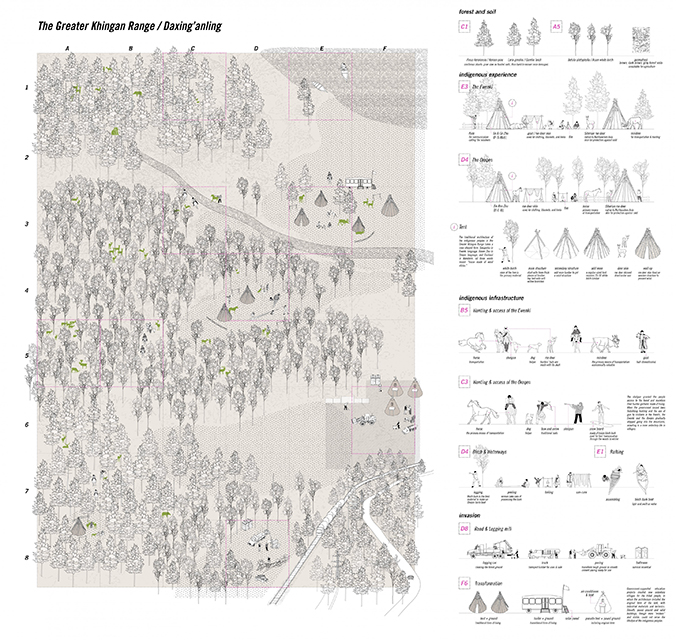
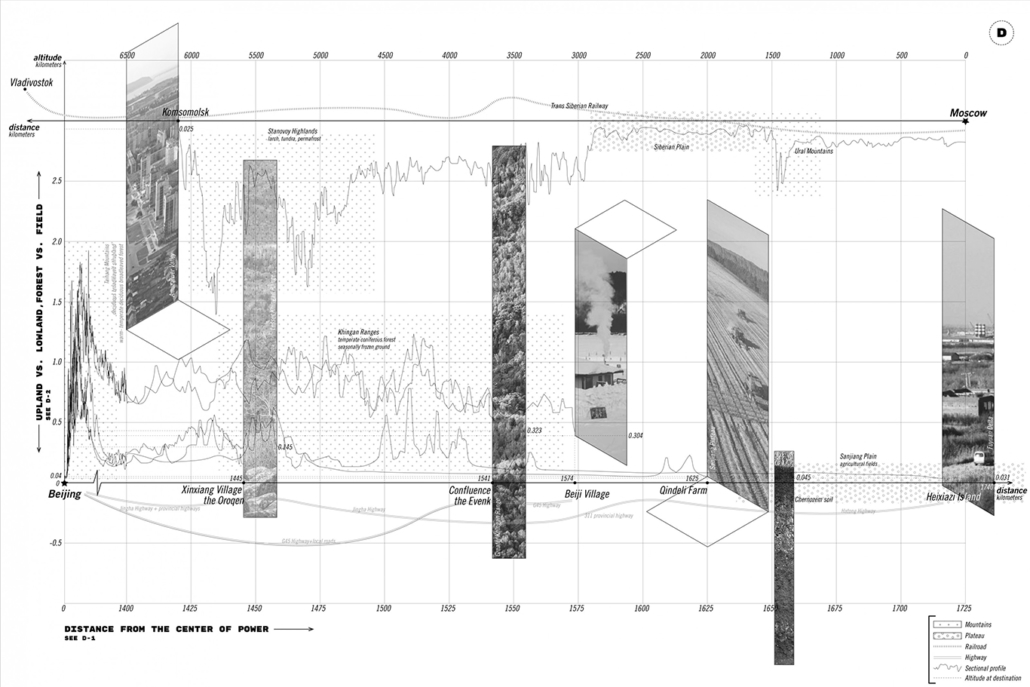
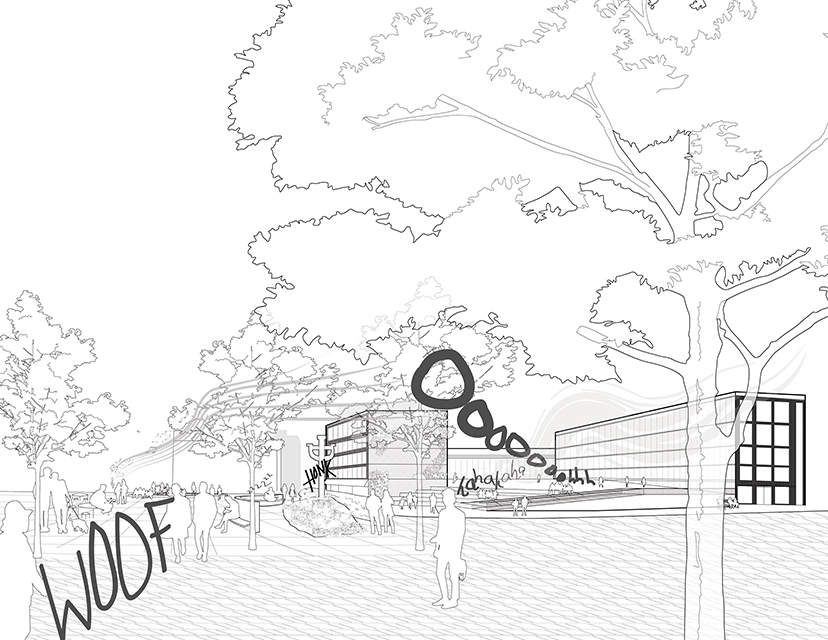
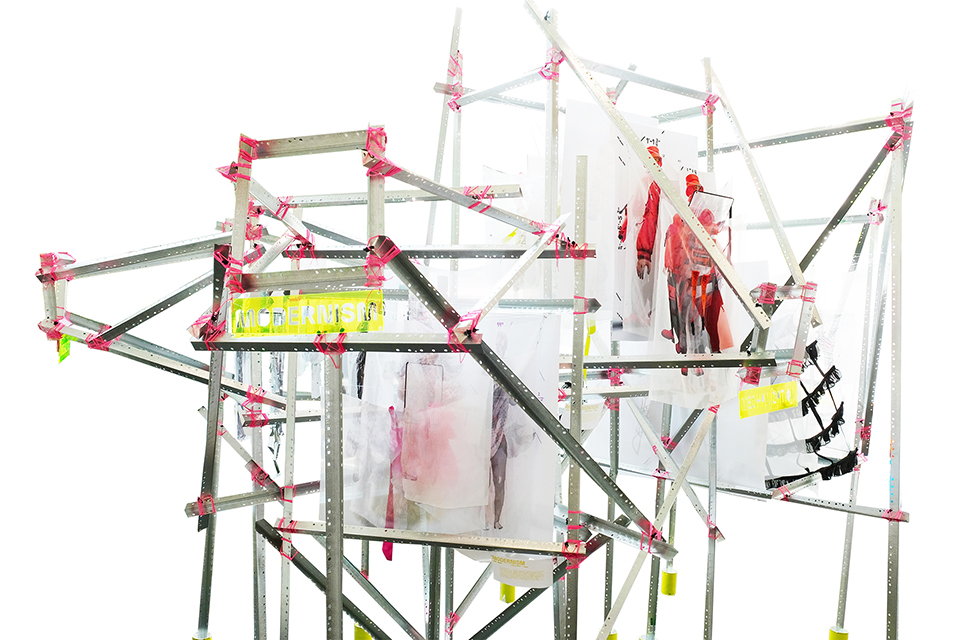
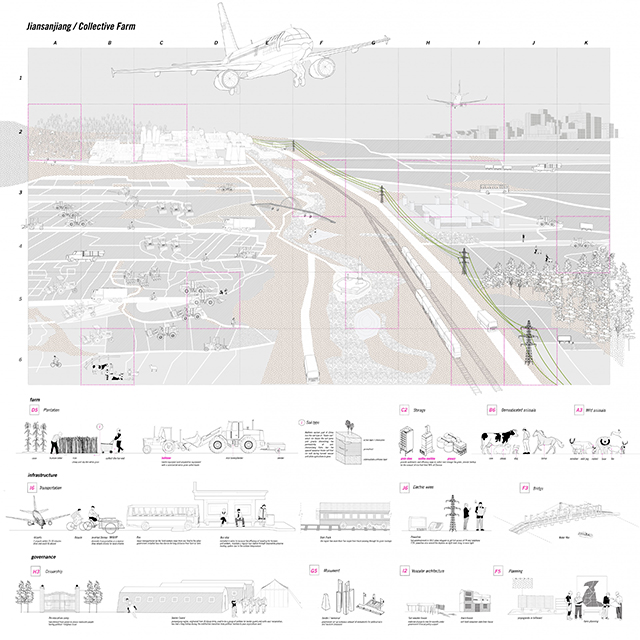
“Maps! Living with Ghosts” is a thesis project on representation based off from our research of the border region between China and Russia, in which we translate the data collected from official statistics, policies, documents, and more private travel logs, interviews, diaries, memoirs, and literature, into a composite drawing, to explore the possibilities of images and representation techniques.

In the contemporary context, the same piece of natural land often displays a superimposition of various truths. The collapse of overlapping spacetime can be found in marks created by human construction activities, compressed into the concept of contemporaneity.

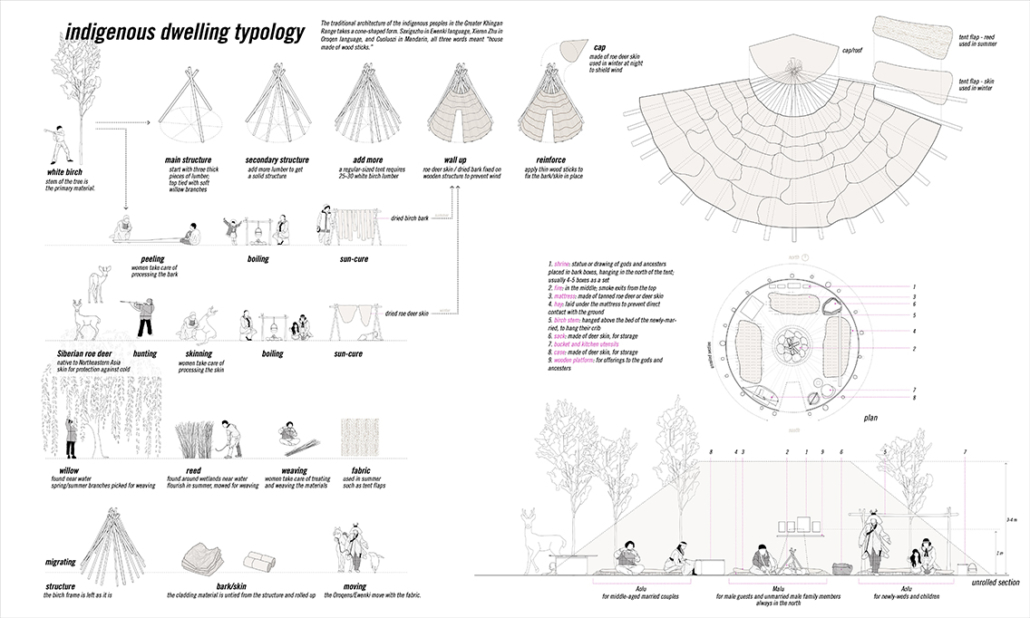
Indigenous knowledge and local understandings get lost in the supersession of the old understanding of space by the new that is observably dictated by modern maps. Hence, memory itself becomes a representation of the space being understood and remembered, and it continues to influence people’s perception of reality, like a ghost that haunts the living. While the nation state can easily encroach upon ungoverned spaces and wipe out their past, the people who lived on the land carried their ghosts with them as they proceeded in life.

In the project, individual memories are collected and translated into certain forms of representation and overlaid on top of the scientific map, showing transparency as well as complexity, a new composite representation of spatial relationships and identities.

The scene is set along the Heilongjiang. A fluid water body that feeds populations in the Russian Far East and Northeastern China, simultaneously delineates the long and winding national border between contemporary Russia and China.

The project traces the river downstream, investigating five specific sites. From man-made landscapes in the forms of nomad camp, temporary settlement, village and town, and cities in this borderland far from the state’s central power, we are looking into both the natural landscape and environment, presence of the authority, and the resulting forms of living.

Instagram: @sximengl, @sunnyynnuss

Part VII of the Student Showcase coming soon!

2022 Study Architecture Student Showcase - Part V

Week Five of the Study Architecture Student Showcase is here! The compilation of seven student projects we share this week all reimagine the relationship between architecture and community. From Bosnia to Knoxville, TN we take a look at how communities are shaped by architecture. If you’ve missed the past installments, check out Part I, Part II, Part III, and Part IV.

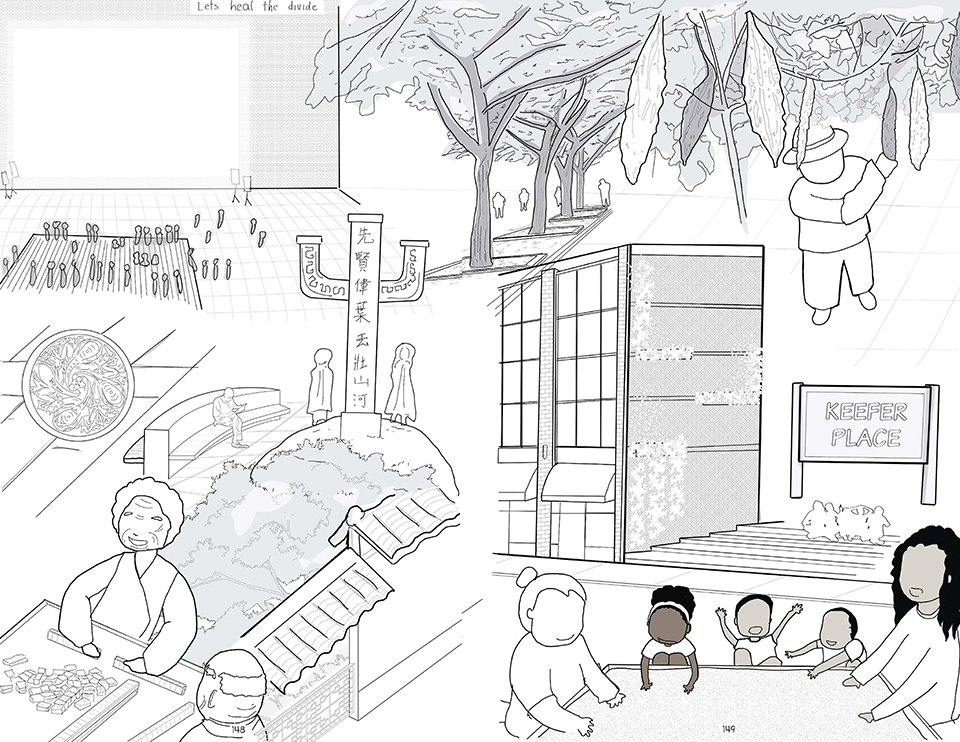
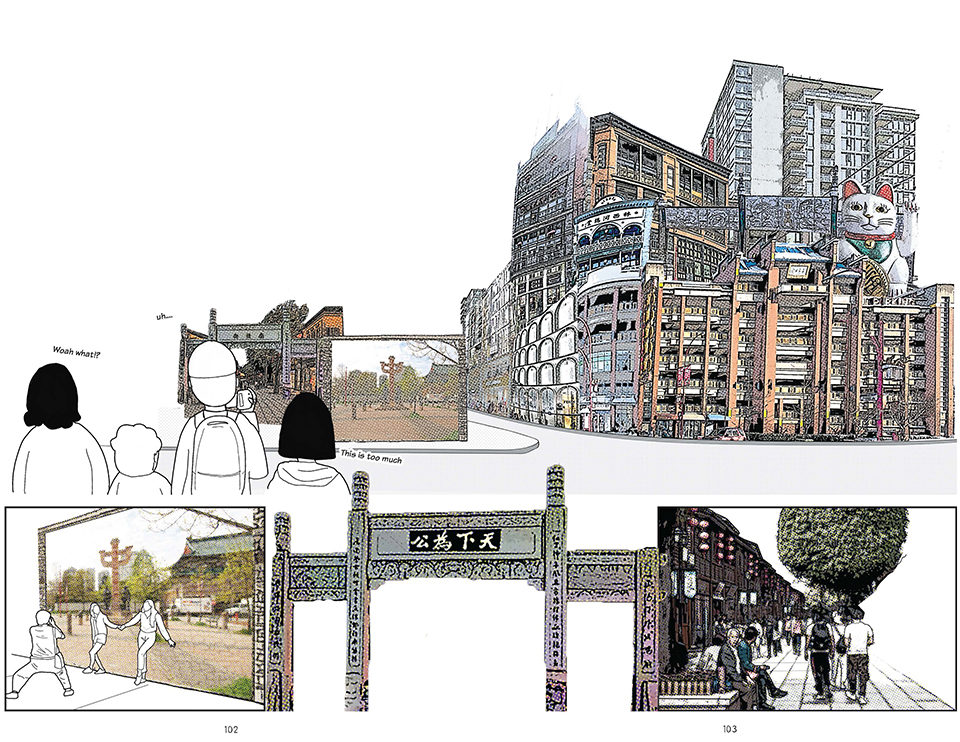
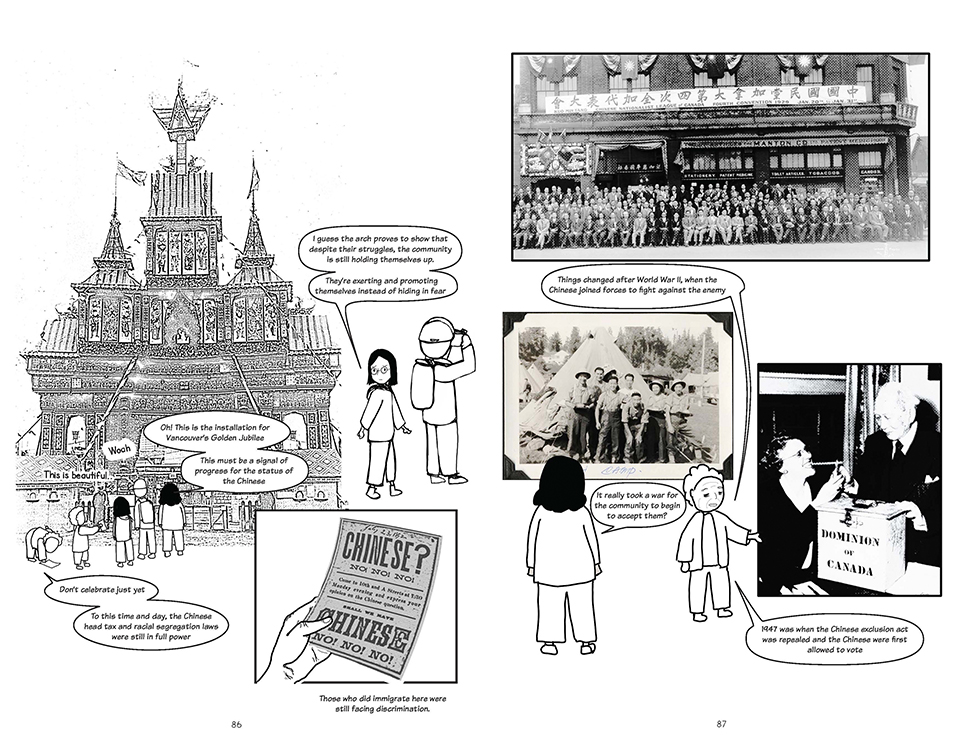
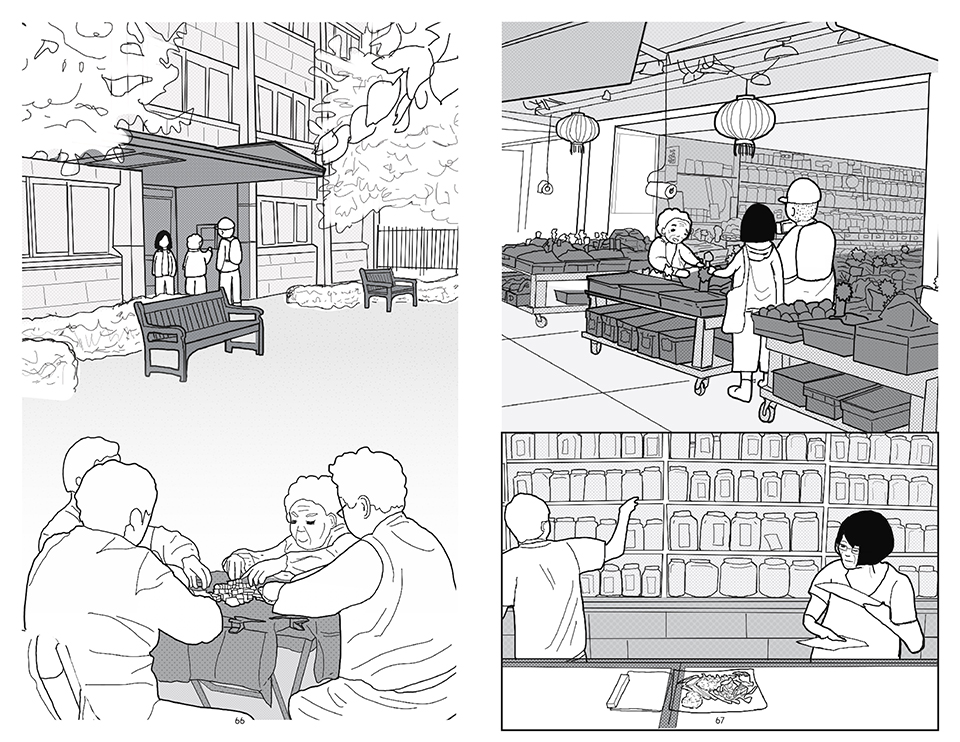
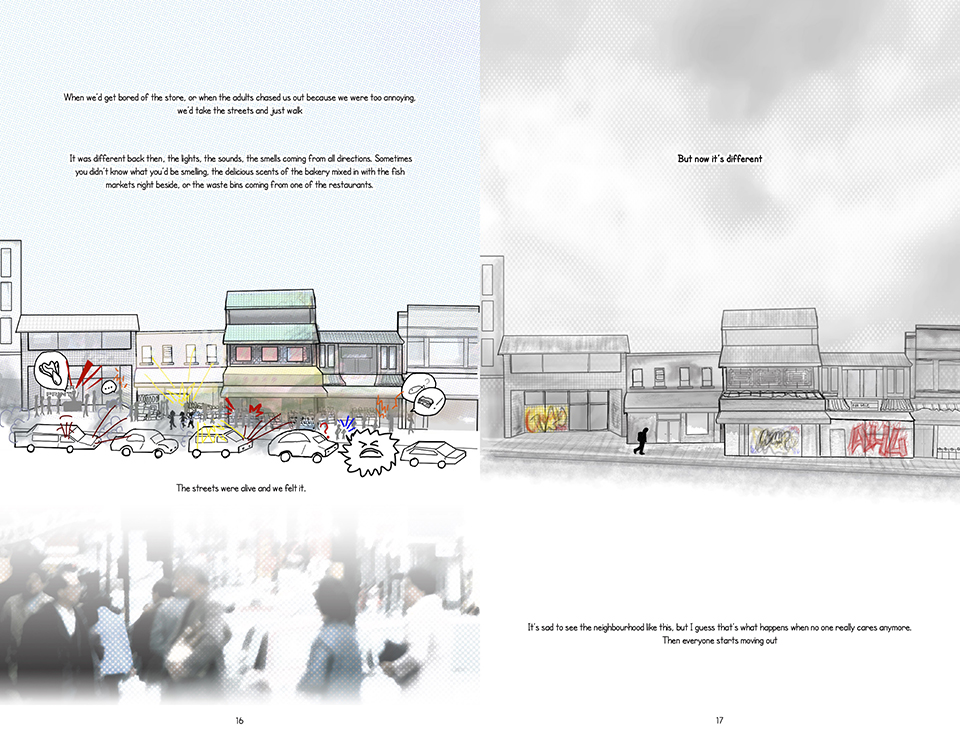
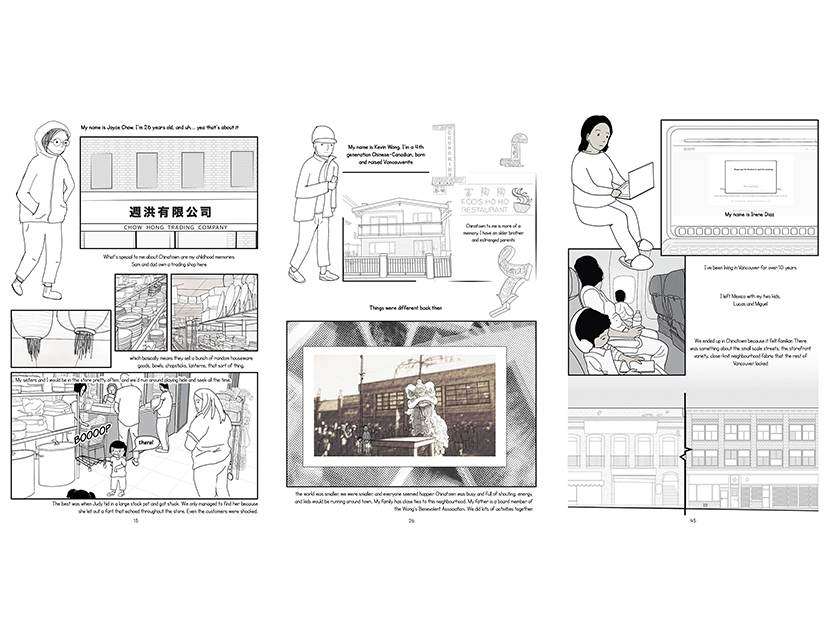
Chinatown Collective by Cecilia Lo, M. Arch, M. La ’22
University of British Columbia | Advisor: Inge Roecker

This project seeks to represent the relationships between culture, heritage and identity.

As a first generation Chinese-Canadian settler immigrant, I look to investigate the forces of the built environment that has shaped my personal identity and the forces that are shaping others perception of my identity. I situate my investigation in the context of North American Chinatowns, one of the most glaring examples of a Chinese-Canadian space. Through storytelling, I explore how heritage can be spatialized and how its representation reframes culture and identity.

Current heritage conservation methods have trapped spaces in time. By regulating the appearance of these naturally changing spaces, they’ve been forced into stagnation because of competing pressures of nationalism and consumerism. Heritage sites become representations of an ideal that is imposed on by designers, politicians, and government. Heritage has become a commodity.

However, I argue that heritage is not an asset to be protected and conserved. Heritage must be sustained and defined by the everyday lived experiences of people in order to result in the creation of resilient cultural spaces. Through storytelling, I speculate on the narratives of these people and ask the question: What do these places become when they are created, designed, and inhabited by the community living there?

Instagram: @ceeclialo, @ubcsala

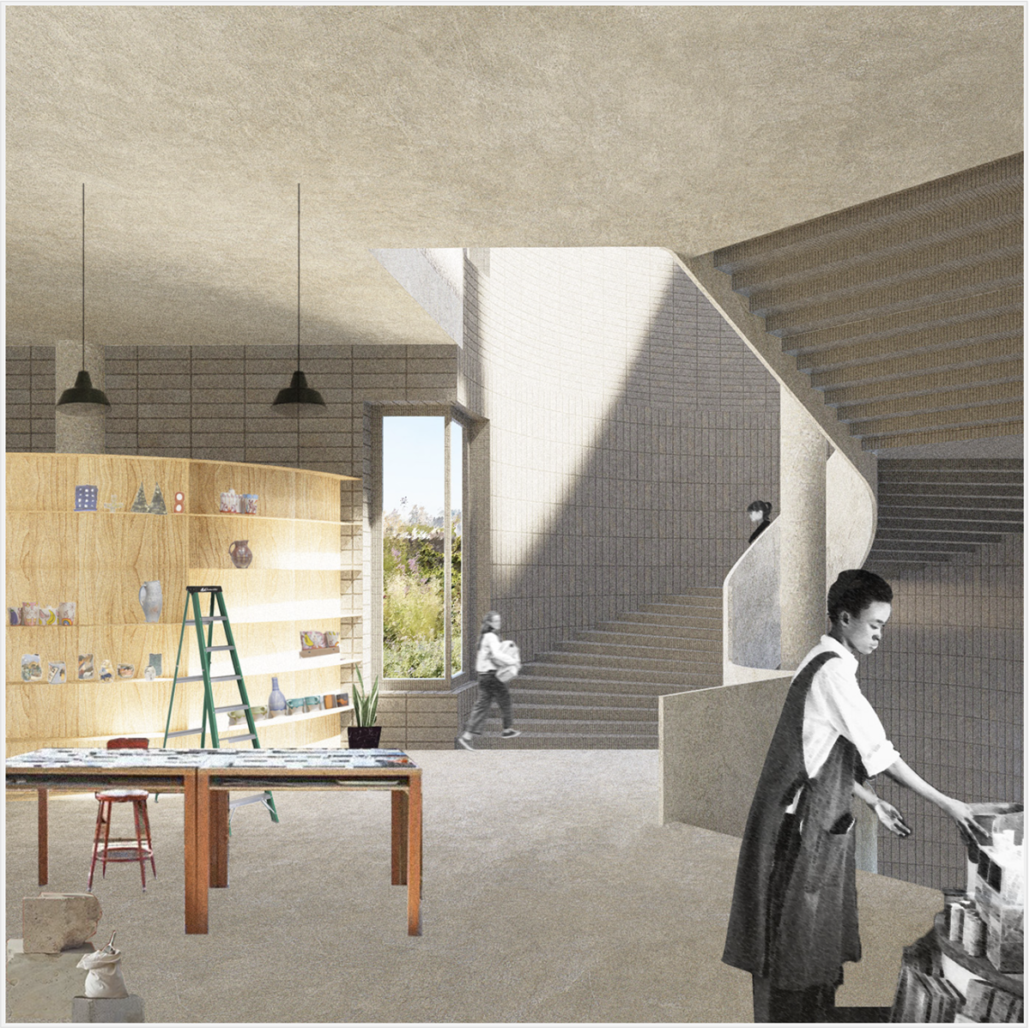
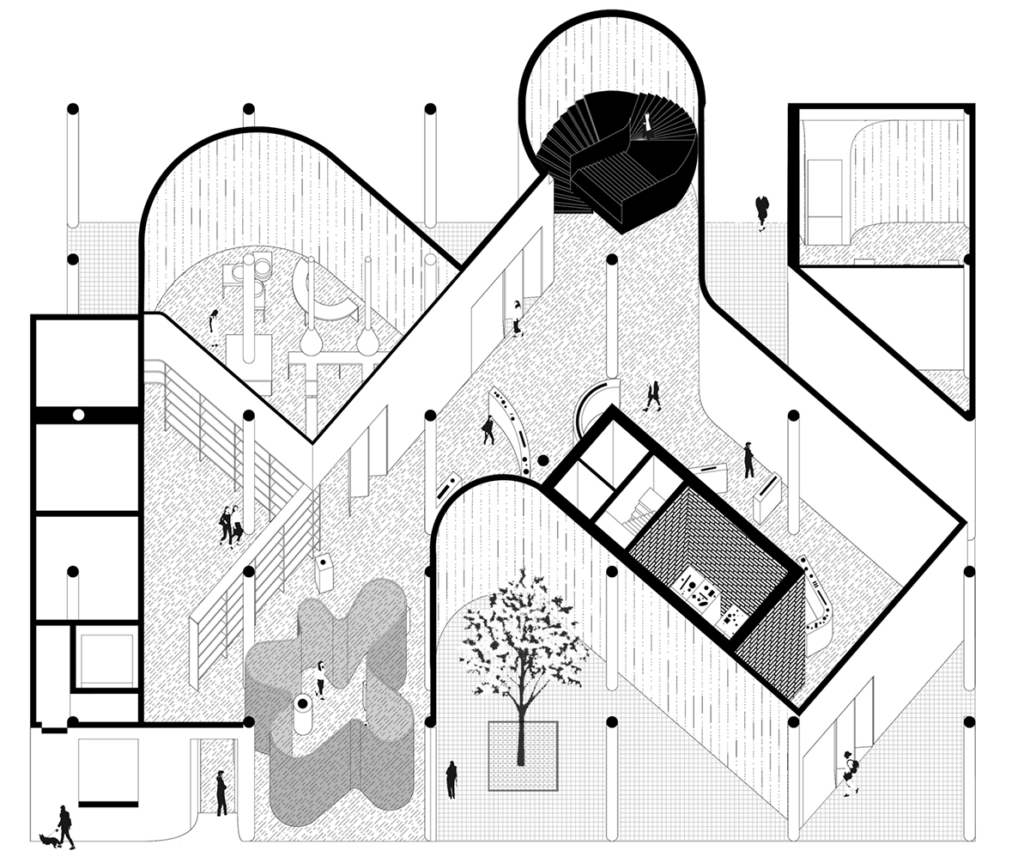
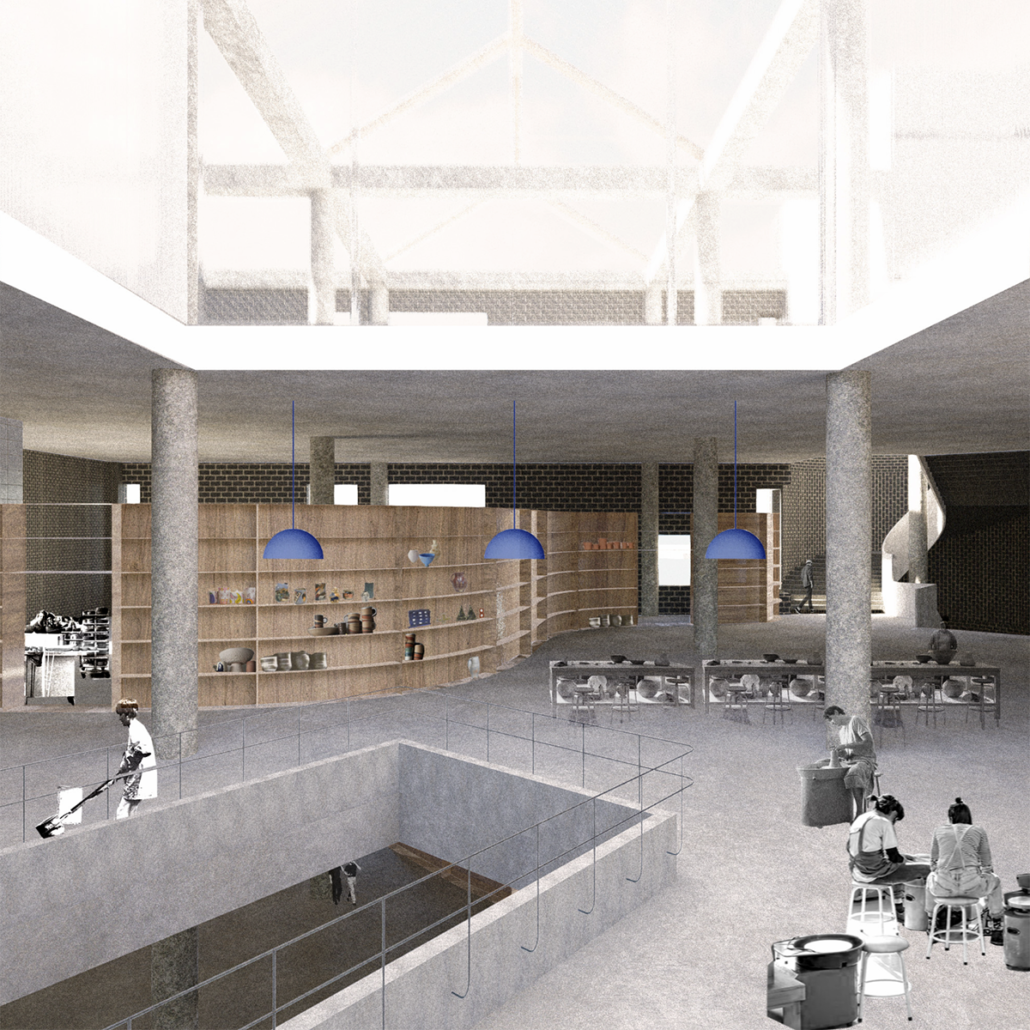
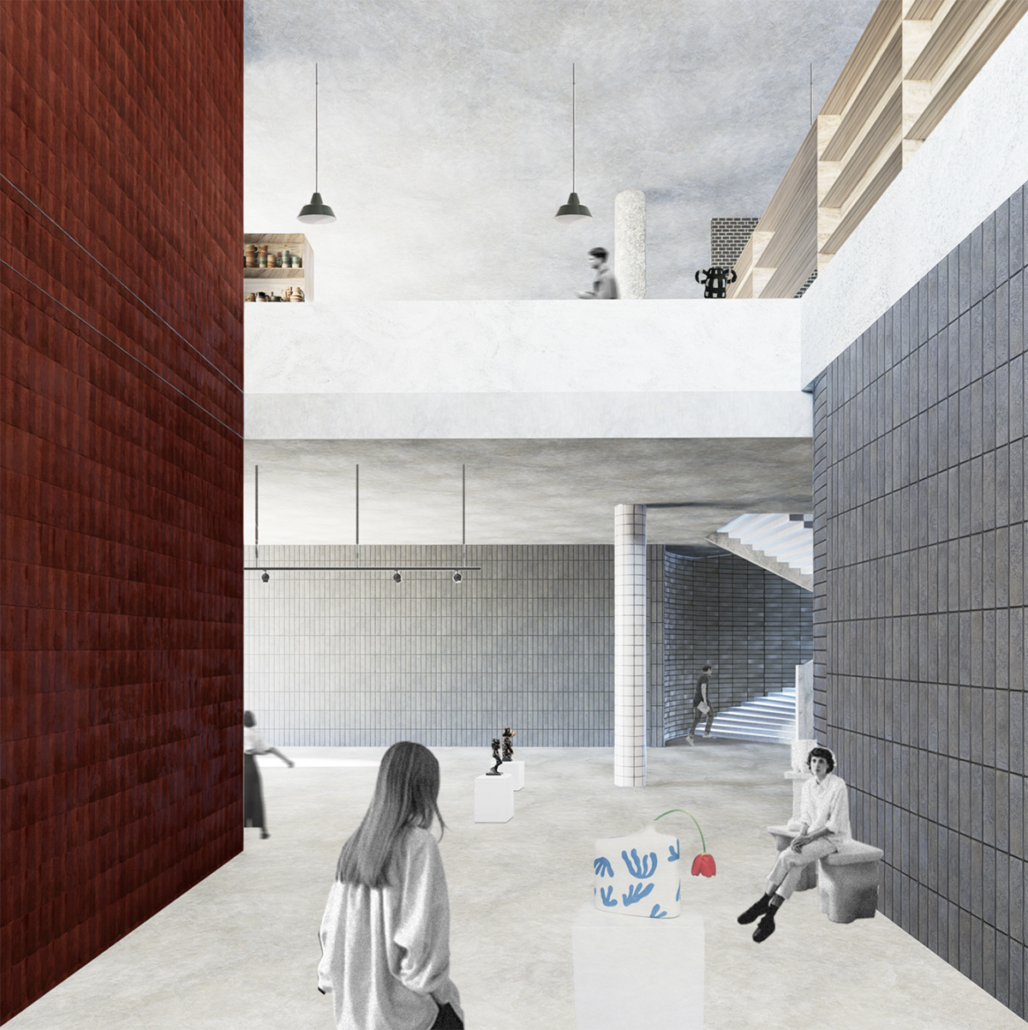
Re(clay)ming Doyle Lane Center for Ceramic Arts by Sarra Starbird, B. Arch ’22
Cal Poly Ponoma | Advisor: Robert Alexander

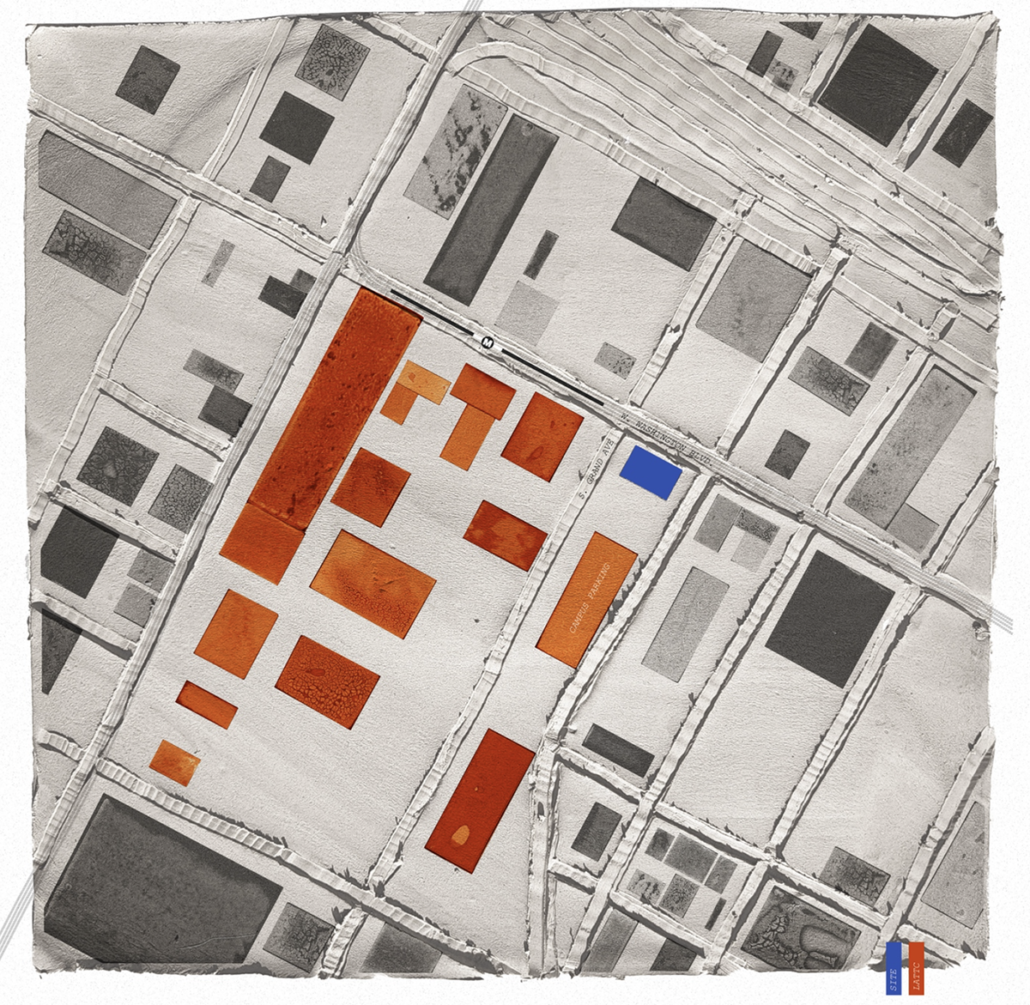
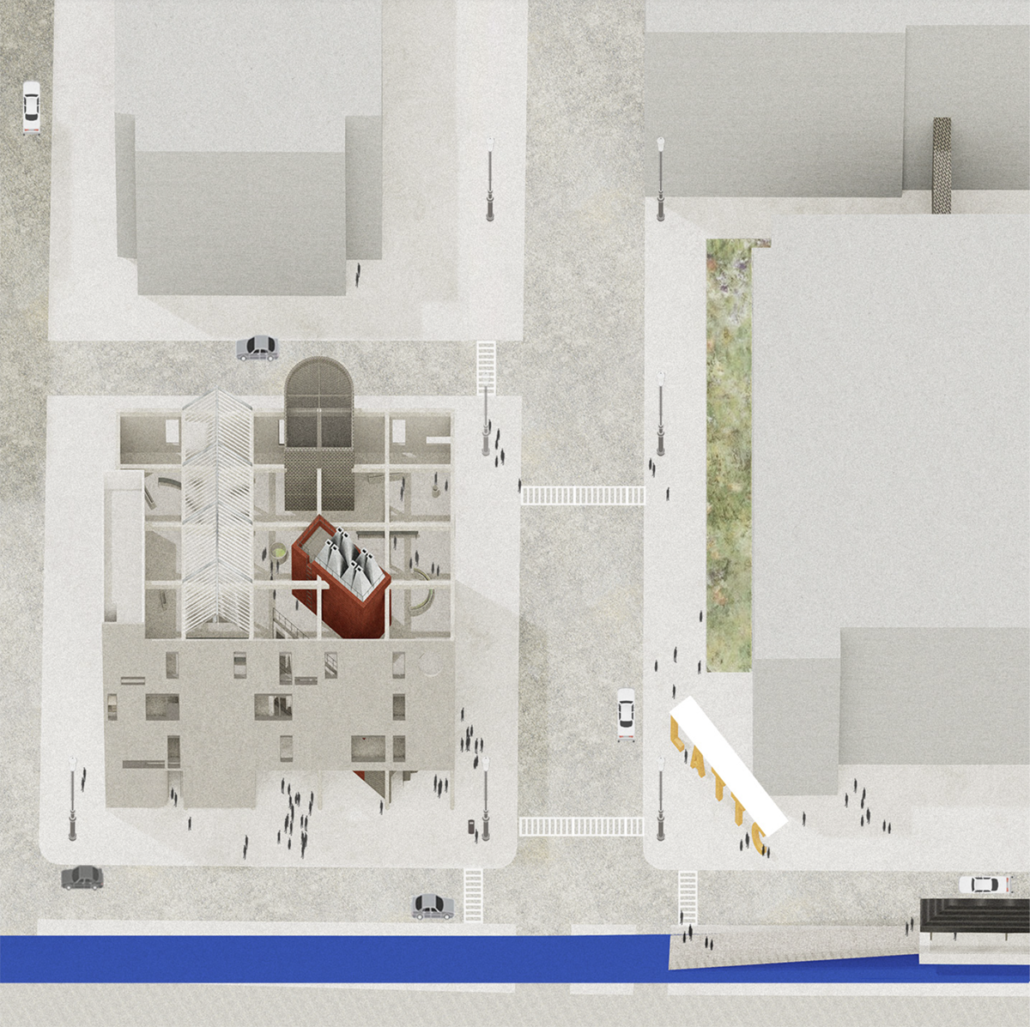
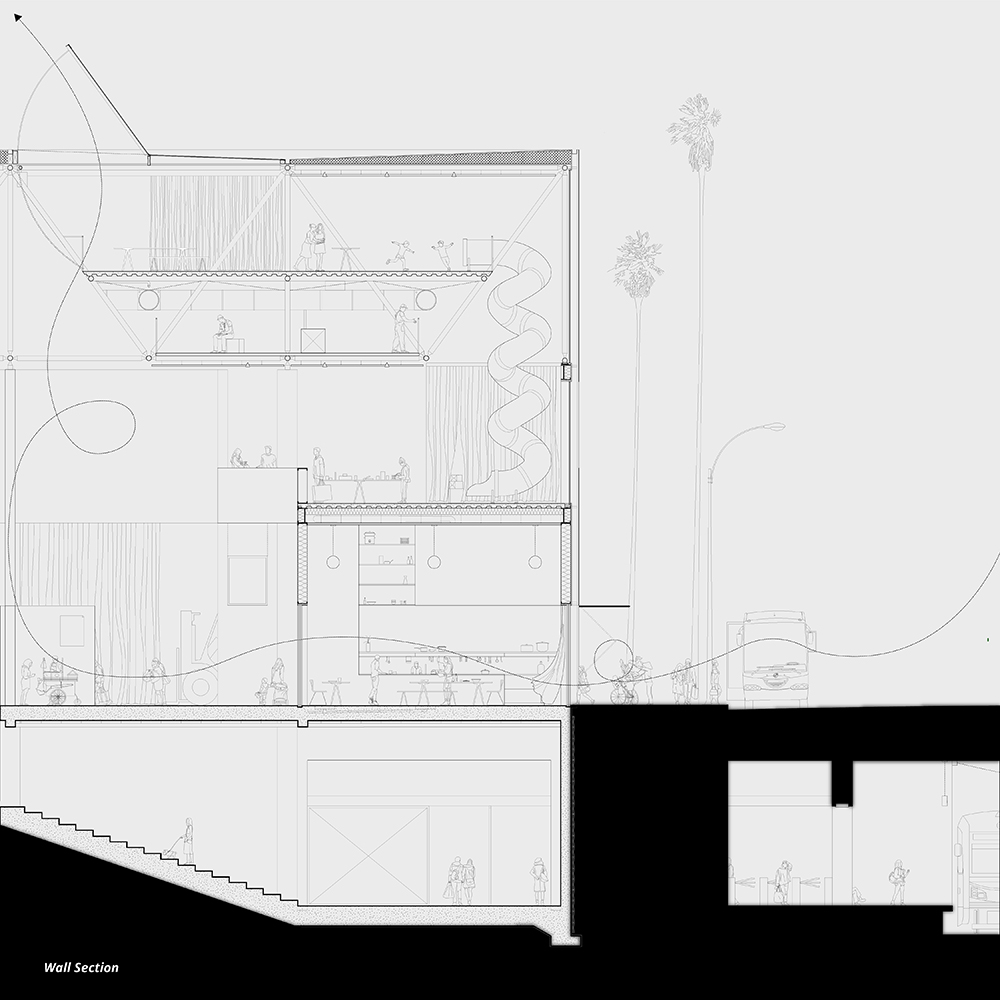
The Los Angeles Technical Trade college in South Central LA encourages the growth of Design/Media, Construction Sciences, and Culinary arts to name a few. Los Angeles is home to a largely growing ceramics community, and demand for programs is outweighing LATTC’s current department facilities.

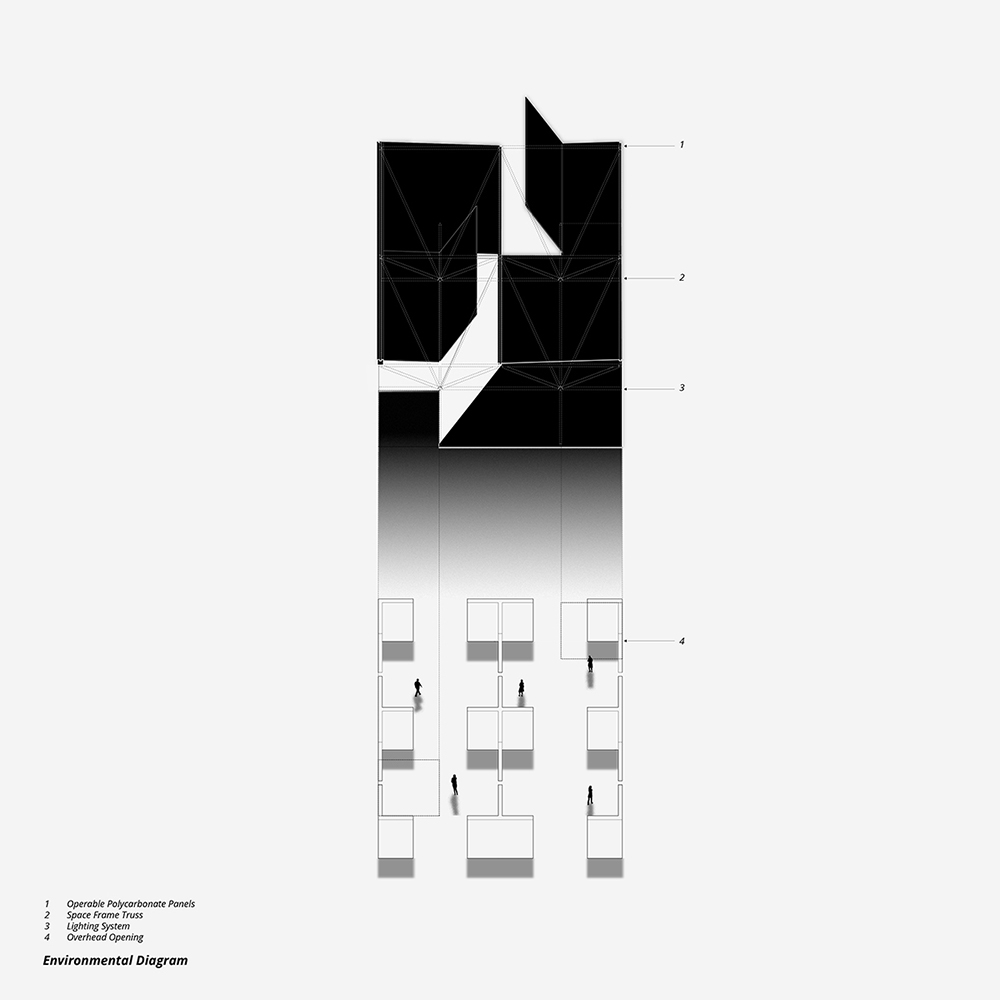
By reclaiming the adjacent AT&T data center building projected to be moved due to expansion, the reuse of this facility will house the education and exploration of emerging ceramicists. Prominent Los Angeles Ceramicist Doyle Lane was known for utilizing tactile glazes within his ceramic murals. In honor of this prominent figure, The Doyle Lane Center for Ceramic Arts is an expansion to the LATTC curriculum, one that is fueling the flame for ceramic exploration. Nestled adjacent to the Metro Blue blue line and the Intersection of the 10 and 110 freeways LATTC campus has strong ties to the Los Angeles community.

I am proposing to adapt the remaining non-campus building on the LATTC Campus block. This will help unify the college in relation to the campus’s main street: West Washington Boulevard. The heat of this project creates a tie between differing backgrounds and crafts, linking passion through a flame. This project aims to engage the Los Angeles ceramics community and create an outlet for the craft of ceramics both sculpturally and architecturally by reshaping an existing form and reimagining it in a language parallel to the department’s pedagogy, one that teaches from the exterior what is reflected within.

Instagram: @starbird.arc, @rbrtalxandr

Sarajevo Art and Activist Center by Shuyu Meng, B.Arch ’22
Syracuse University | Advisor: Lawrence Chua

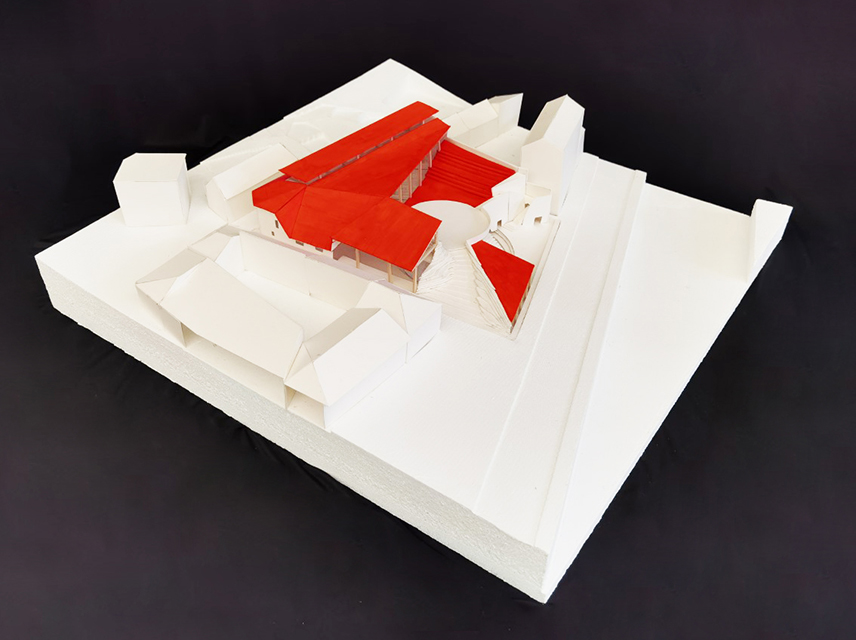
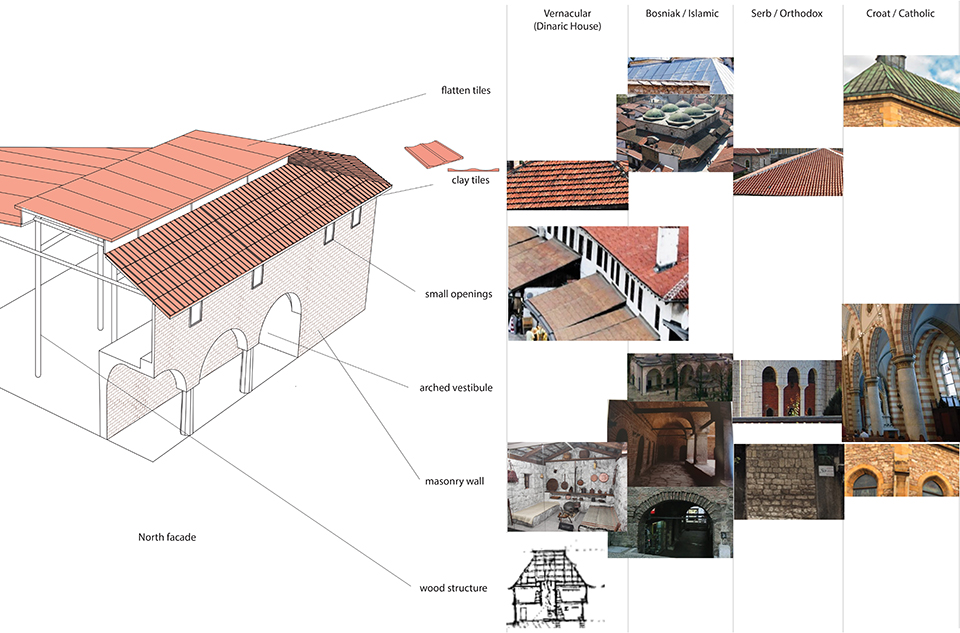
The historical background of the region governed by authorities with different cultures and religions creates the multi-ethnic country of Bosnia and Hercegovina (BiH); recent war caused by ethnic nationalism further splits the country and segregates ethnically groups geographically. As the capital of BiH, Sarajevo is a typical example of an ethnic exclusive situation happening extremely in the historical center of the city retained by current political constitutional issues.

However, under ethnic violence, various forms of activist activity are held spontaneously by citizens in Sarajevo and from all over the country — both during the war and in the postwar period in today’s Sarajevo — a powerful way to resist ethnic conflicts, increase cross-ethnic communication, and express civil voice to the government and the world.

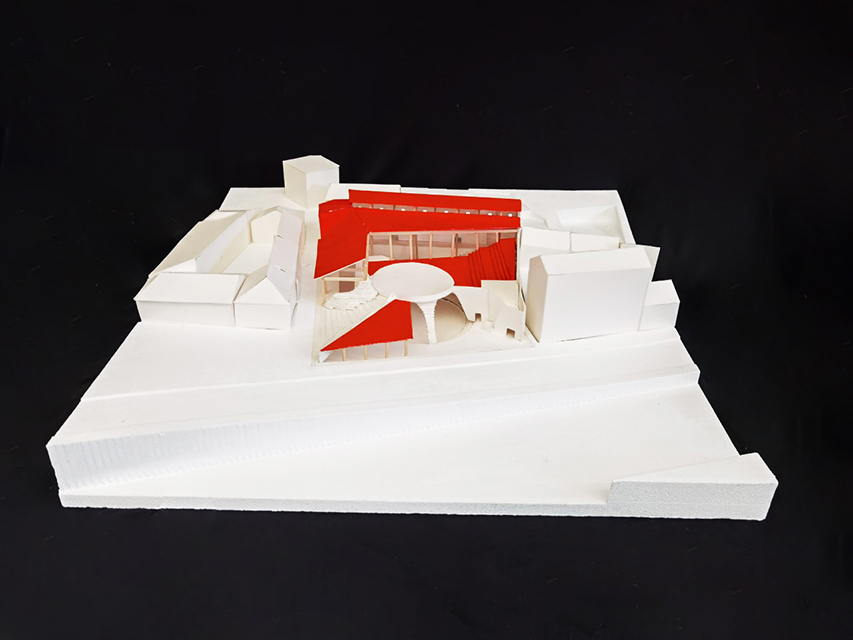
Therefore, the Sarajevo Art and Activist Center is proposed in the Baščaršija area to provide an inclusive space and open stage for people to gather, produce artwork, exhibit, perform, and any potential public activities. People with different ethnic background are welcomed to participate in everyday activities which promotes cross-ethnic interaction through civic effort.

The architectural form of the project is inspired by and abstracted from traditional local architecture in the context, creating communal space that is reshaped in a modern manner. To accommodate various programs in the Center including temporary gathering and long-term art production, both the interior and exterior space is designed openly with simple shape that can be divided by movable panels for special needs.

Instagram: @syr_arch_nyc

The Belly of South Central by Josue Navarro Lazalde, B.Arch ’22
Cal Poly Ponoma | Advisor: Robert Alexander

Markets were once the basis of town formation, and their role as places where food was sold has been one of the fundamental characteristics of early settlement. Today, South Central’s zoning codes and policies physically separate activities revolving around food.

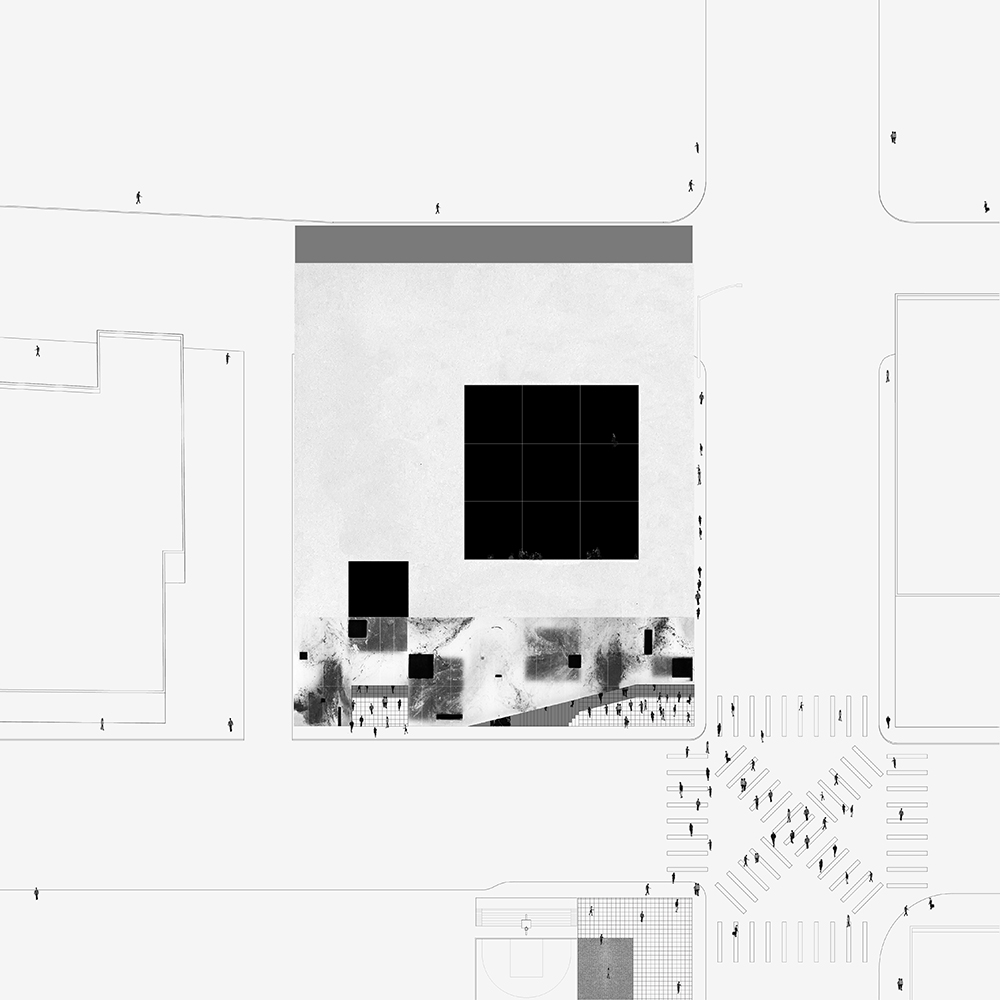
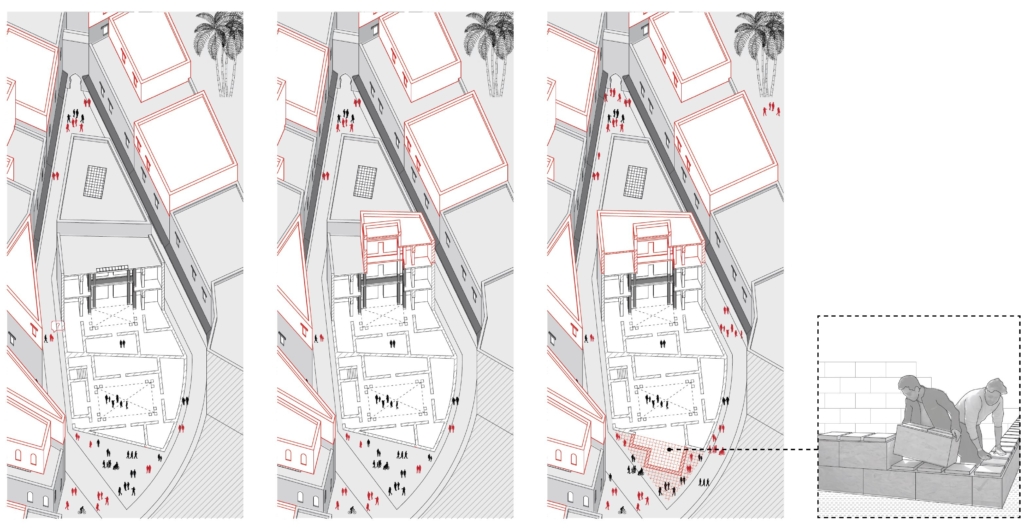
This project seeks to carve out public space and adds to the built urban fabric that sets the stage for social interaction centered on food. Located at 233 W Washington Blvd sits a paved piece of land similar to the prevailing ground-level parking lots throughout Los Angeles, however, unlike similar sites that persist as tourist attractions, 233 W Washington sits in a culturally rich and diverse neighborhood only visited by its inhabitants; community members, commuters, and students.

The South Los Angeles community, primarily made up of Latino and Black individuals bring forth numerous artisanal cuisines that dominate the area with hole-in-wall restaurants, food trucks, and pushcart vendors. Sporadically, alongside these nested cultural centers lie fast food chain restaurants. The absence of supermarkets alongside the abundance of informal vendors created the necessity for space with qualities resembling the mall/market typology.

The integration of a new below-grade station and street crossing for the LA Metro A line train will not only serve the community by creating a safe traffic-free zone to board trains but also promises a constant flow of users to the project. Through this synthesis of programs, the market and station hope to support the existing cultural context, promote user comfortability, foster continuous vendor economic security, and prolong its viability with sustained user activity.

Instagram: @josuenavarrolazalde, @rbrtalxandr

Line of Action: Unfolding Cycles of Placemaking by Beatriz Morum de Santanna Xavier and Michelle Singer, B.Arch ’22
Pratt Institute School of Architecture | Advisor: Gonzalo Jose Lopez Garrido and Daniela Fabricius

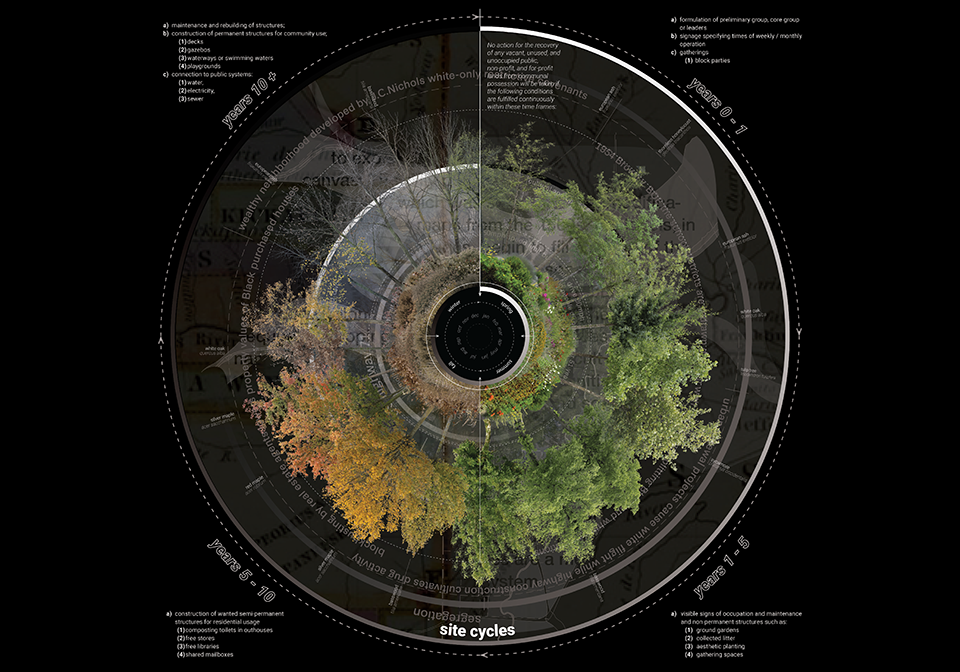
The traditional practices of border drawing and map-making negate the experiential, the three-dimensional, and subjective experience of the human. Therefore stewardship and radical design of boundaries, borders, and waters edge can be something of rebellion and have the potential to disrupt the geometric and oppressive systems implanted by white settler-colonialism.

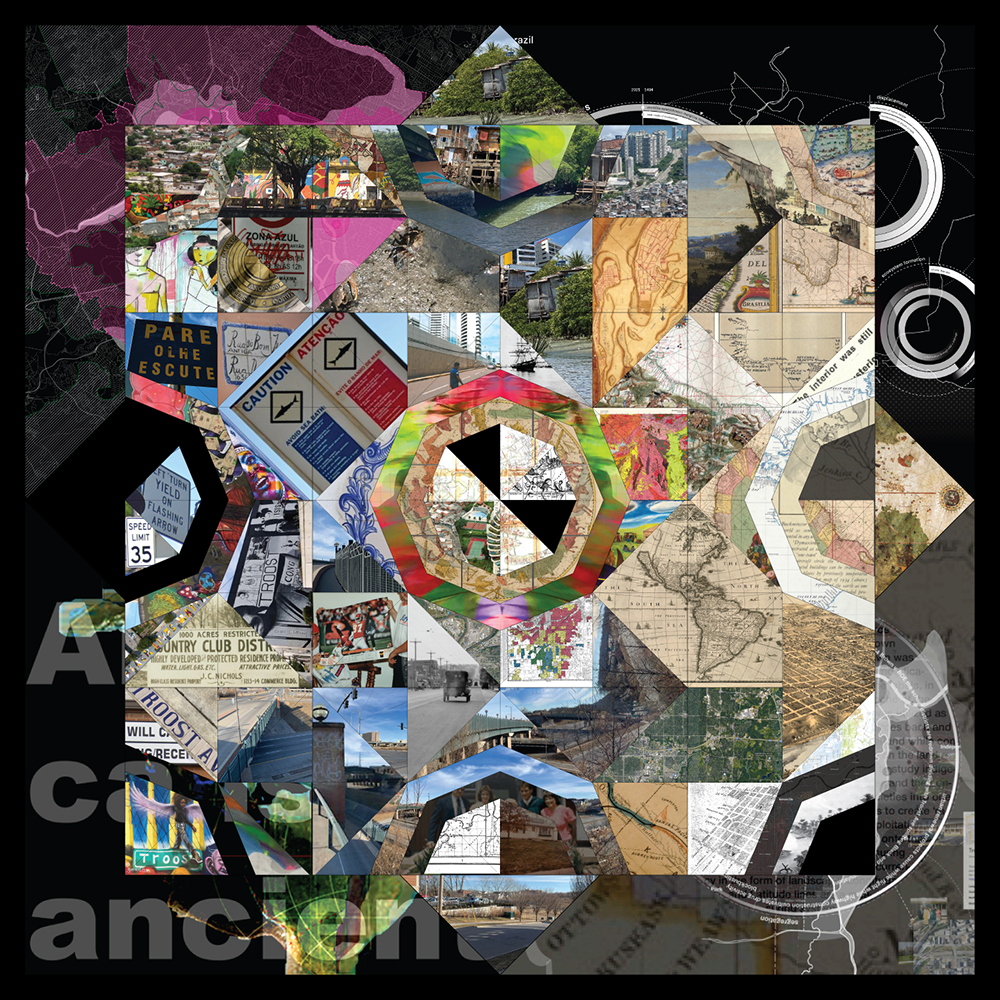
We ask how can we radically occupy the residual spaces that the grid could not reach, where it disintegrated, and what it left out? Projects have studied the historical segregation of colonial cities, but few look to the regions of in-between generated by centuries of settler-colonialism. The act of paving gridded streets into divided terrain was only possible where the land was flat enough to colonize. What happens to the terrain labeled as “impassable”in Sanborn maps? These landscapes cannot be subdivided and paved over.

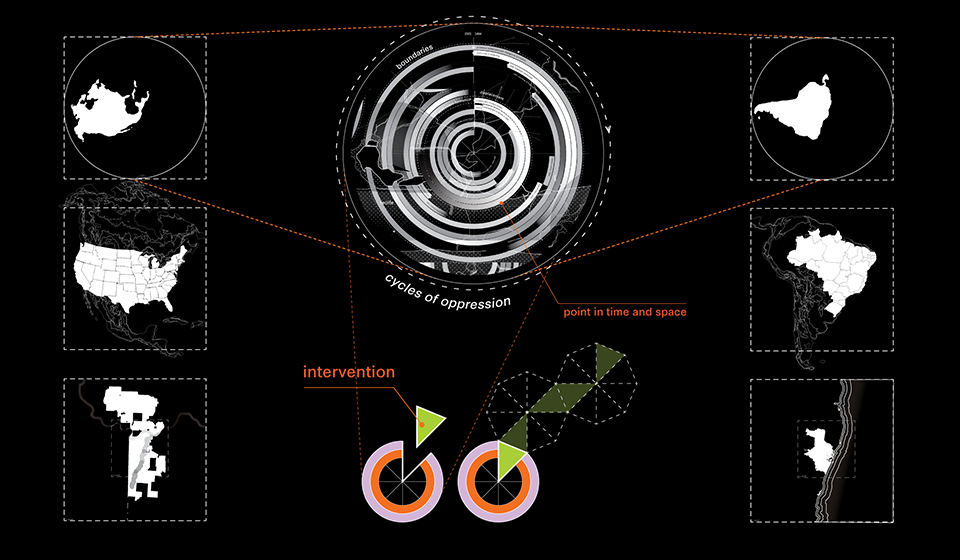
Engaging these in-between spaces as means of action and placemaking can address unseen histories of the ancient past while acknowledging the prevailing struggles of the current moment. Through methods of folding, our project establishes a framework for collective use, inhabitation, and eventual co-stewardship of spaces, through folding the urban grid for the reclamation of communal land. We propose legislation that allows for collective action to undermine biased authorities that approve land use. We take from the concept of adverse possession – squatter’s rights – and create a direct pathway to collective stewardship, providing a suggestive framework for communities to reclaim abandoned lots and parceled land without a seal of approval.

Our research unfolds in liminal cities of ancestry, Kansas City, Missouri and Recife, Brazil. These sites become case studies that reflect one another in two parallel worlds of colonization where we have familial ties. Designing connections and stitching together geometric interventions, we introduce a suggestive framework adaptive to cities across the americas.

Instagram: @bia_mxavier, @m_ch_ll_, @gjlg, @knitknot_architecture

Microcosme in the West by Jenny Leclerc, Olivia Lessard, B.Arch ’22
Université du Québec à Montréal | Advisor: Borkur Bergman

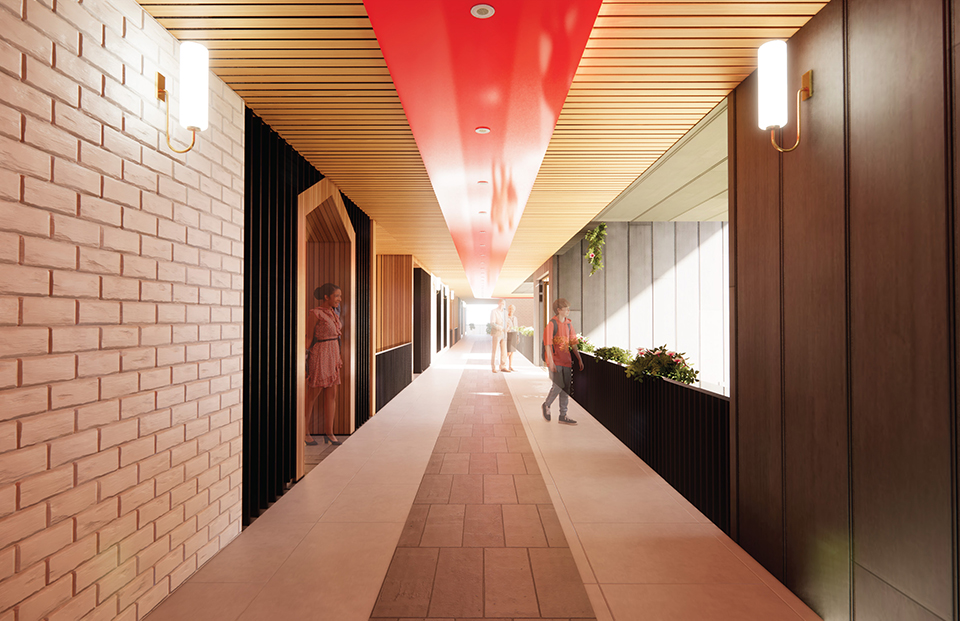
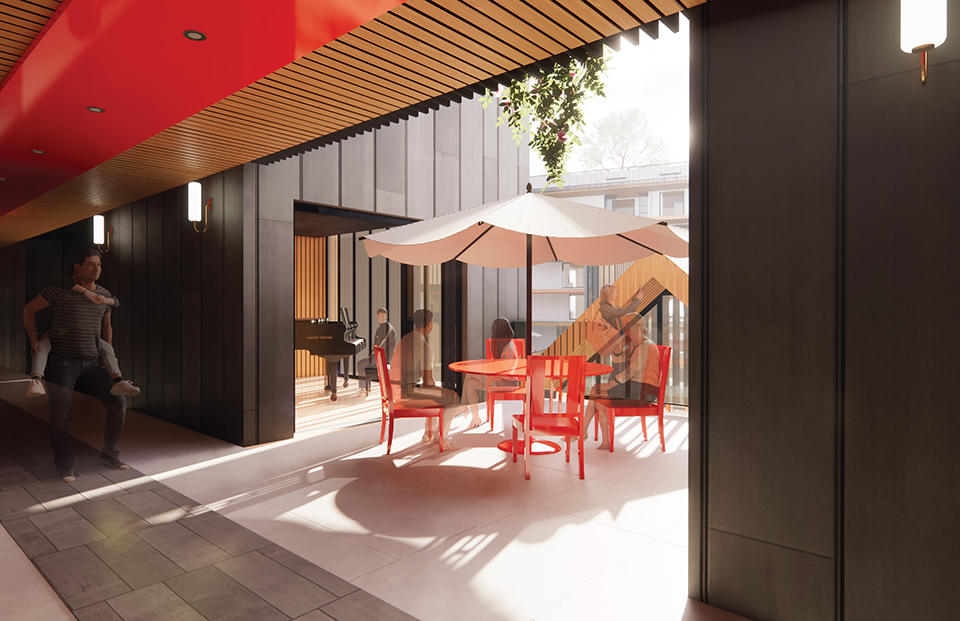
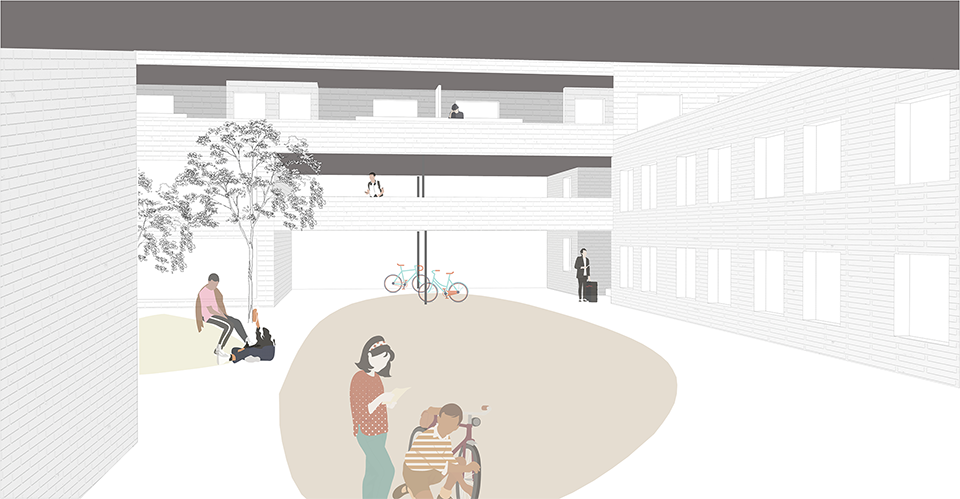
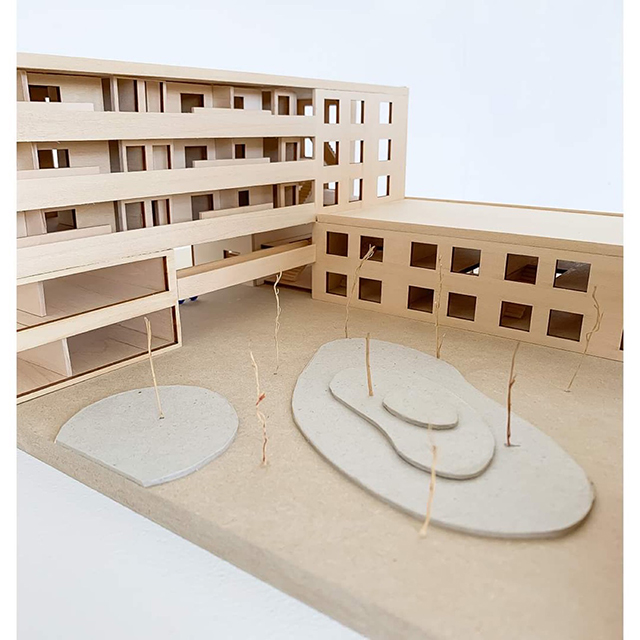
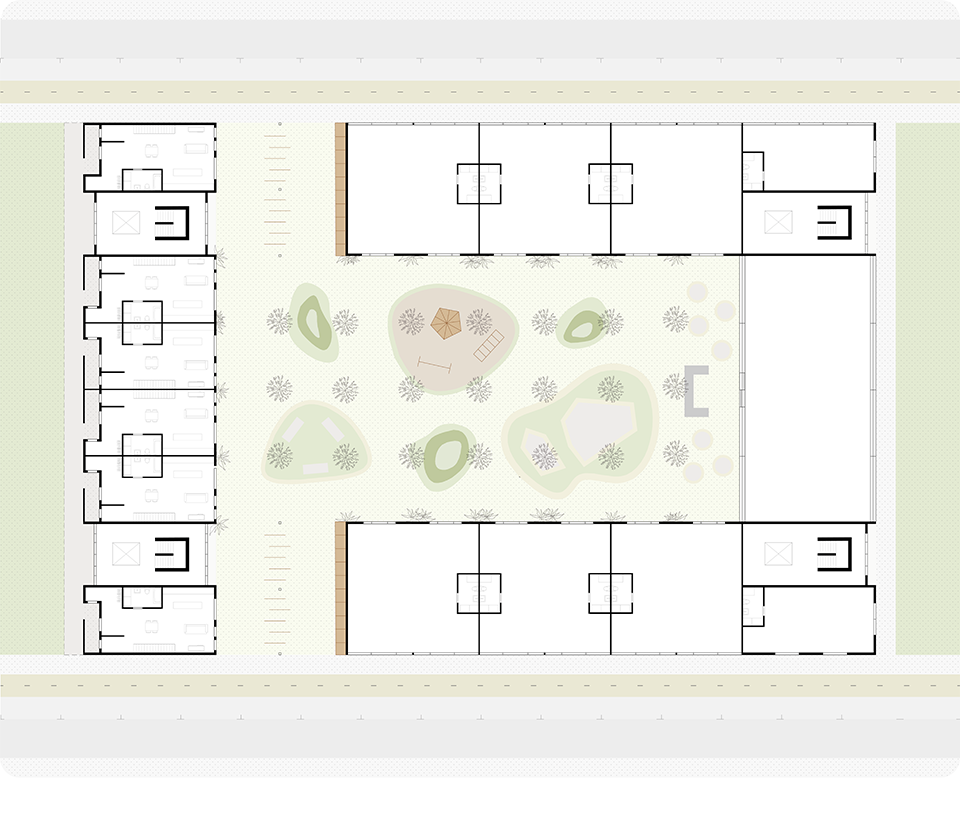
A microcosm in the West is a project where the community is key. The exchanges, the encounters, and the participation of everyone forms the spatial organization. It offers a great density through a path between a various amount of indoors and outdoors spaces. It plays with the public and the private borders to generate a sense of community and openness. There is a residential, a work and a commercial area in every building without neglecting the communal areas.

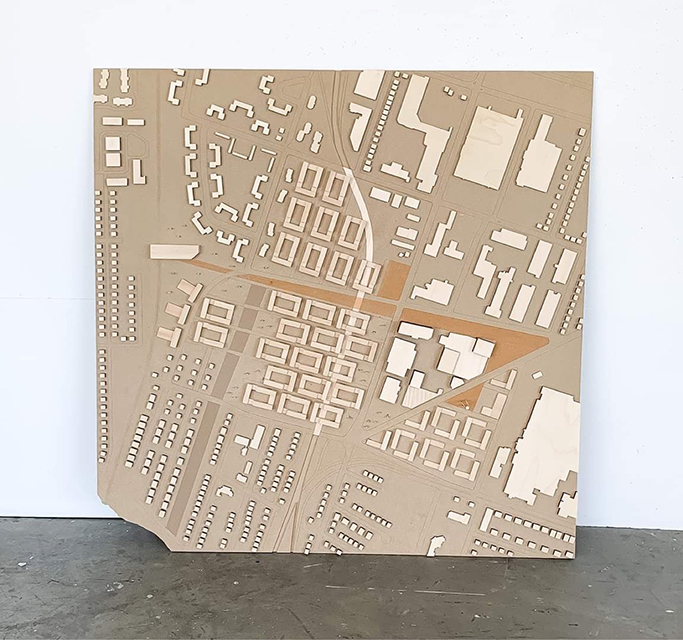
The preservation of the Seagram Distillery patrimonial complex was part of our main concerns. Since the site had an industrial vocation, the project keeps that essence. The intentions are to provide the community with mixed purposes and proximity working places. Meanwhile affordable housing for people in need is crucial. In addition to improving density, we linked the social housing development in the vicinity to the Seagram pole where jobs, schools and different services will be available.

The urban form responds to the Nordic climax. It changes the lifestyle of the occupants to make the most of every season. The form of the buildings generates a mild climate that allows comfortable circulations for the users.

The Lost Path is a trail where the biodiversity leads and allows pedestrians to cross over the whole site. It is also possible for cyclists, skiers, ice skaters to wander between the different points of interest. The access to active transportation is, therefore, made easier. The relation to the territory is an important consideration that guided our reflexions.

Instagram: @jennyleclerc, @livlessard

Community in Context by Ariani Harrison, M.Arch ’22
University of Tennessee | Advisor: Jennifer Akerman

What is community growth?

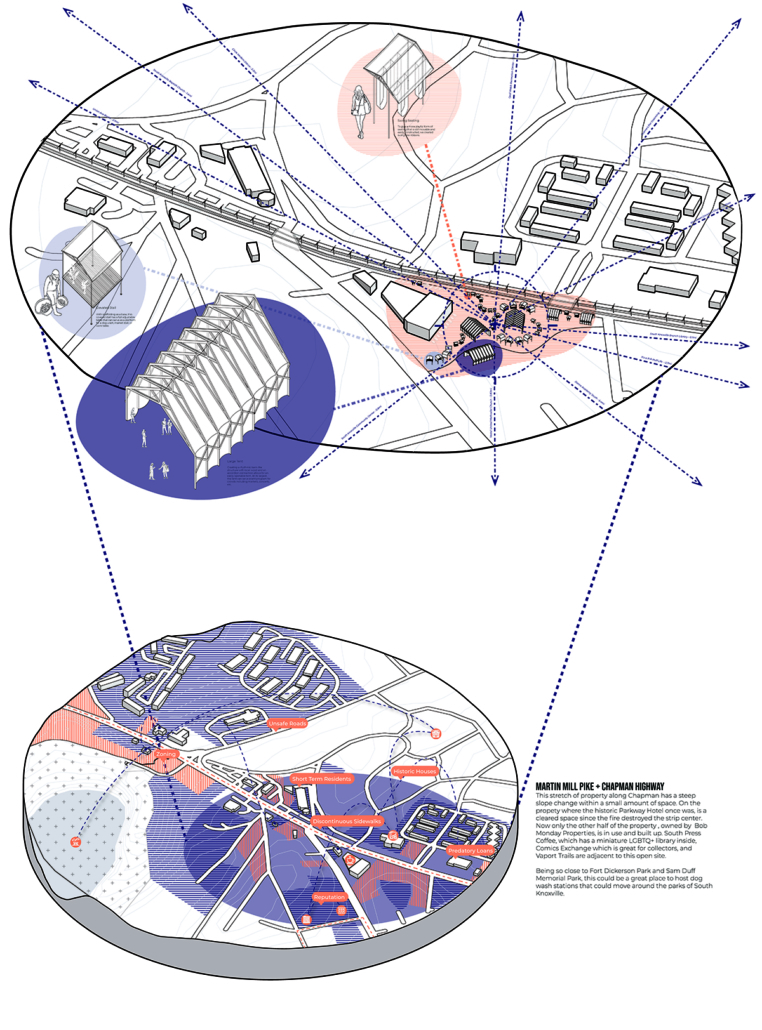
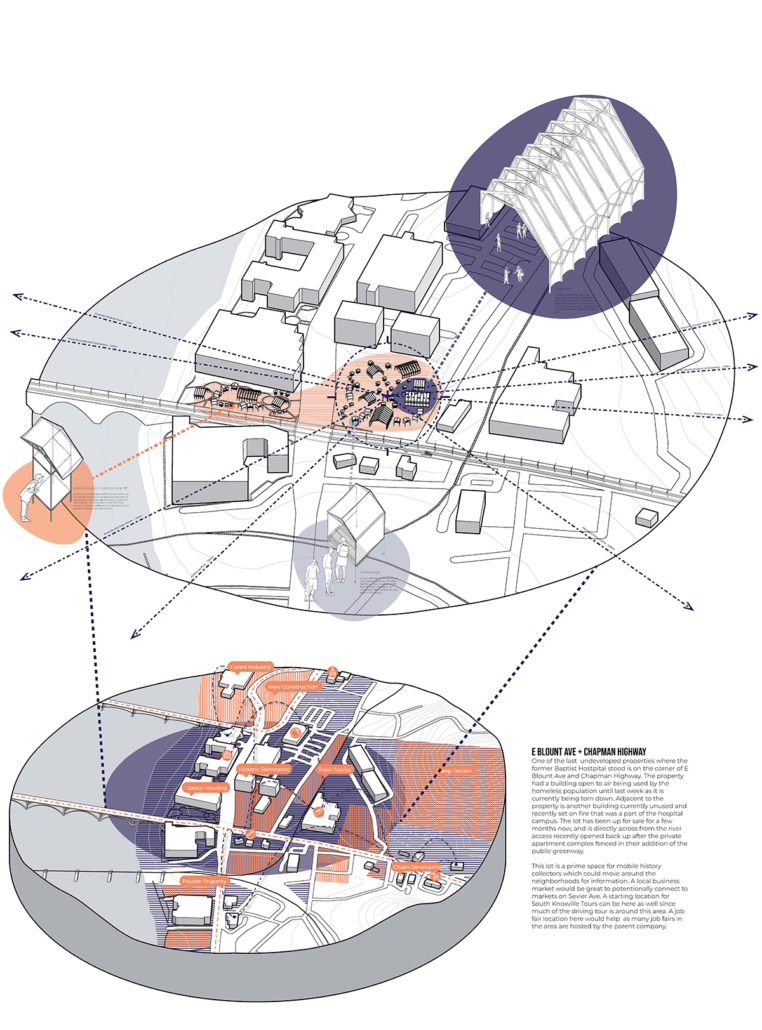
As a first-hand witness of the campaigns communities in Houston and Phoenix brought forward during city transformation, I believe that ground up community growth is important. Taking back the urban form from developers and government that have no stakes in the communities they build in gives power back to residents. Moving to Knoxville, I have seen developments which remind me of the obscene growth of Phoenix. Where sky scrapers are built along a man-made lake claiming the over-priced retail at the street level will give the city enough taxes for more public investments. Yet, senior citizens are becoming homeless in the same area because rent has inflated so much. I can only predict the same of South Knoxville as the waterfront is developed.

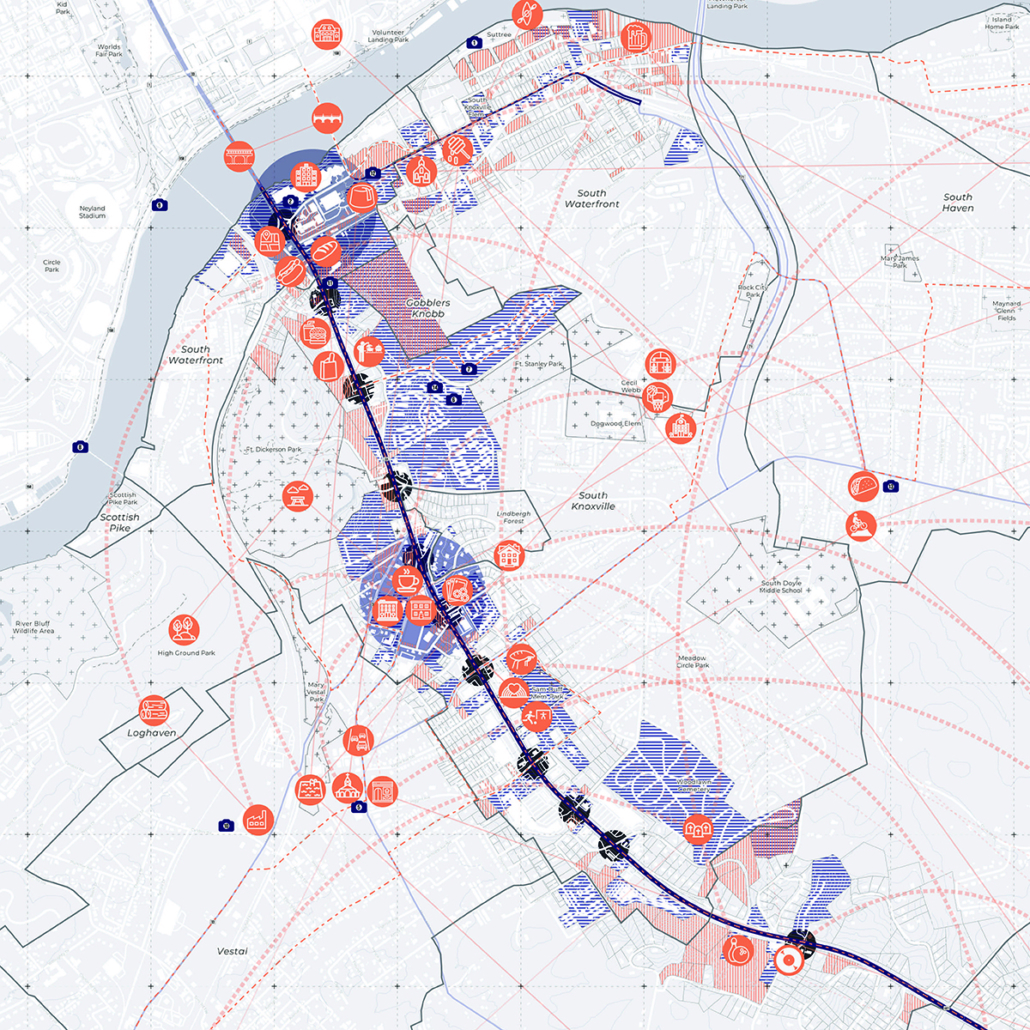
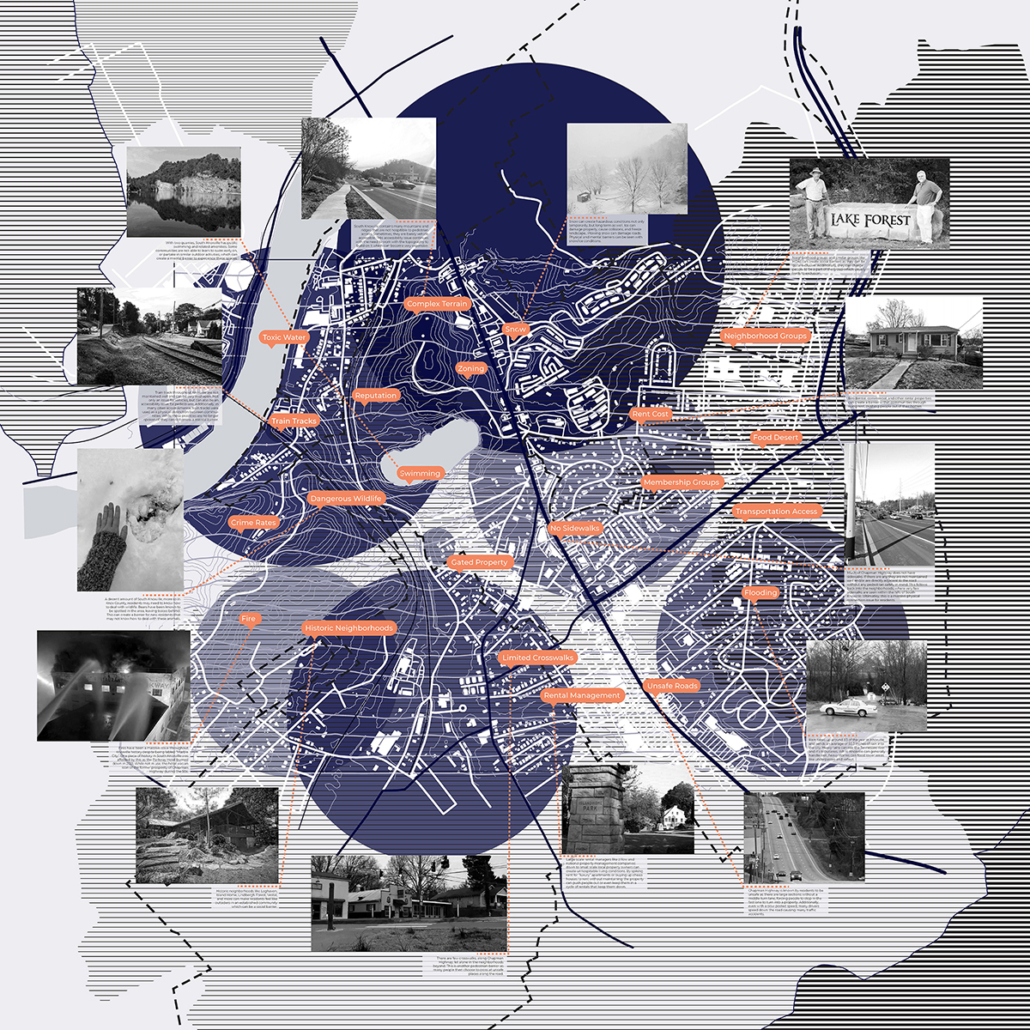
I am for making architecture more accessible, for the agency of mapping, and for using oral stories as tools to create a system towards a collective urbanism, one where the community has access to agency to change their space. South Knoxville has organically grown along the Tennessee River and perpendicular roads; however, growth in the area has not been valued until recently, resulting in ‘luxury housing’ and other general development moving in. Cities across the country have similar sentiments, where parts of the city slip through the cracks until superficial planning ideas, like mixed-use podium structures or creating high density within low density areas, are plopped into place to “revitalize” the area. Unfortunately, those implementations do not always work as there is no
relationship to the community, it can cause more chain brands to come in, and push locals out. What if the community had a say in their growth?

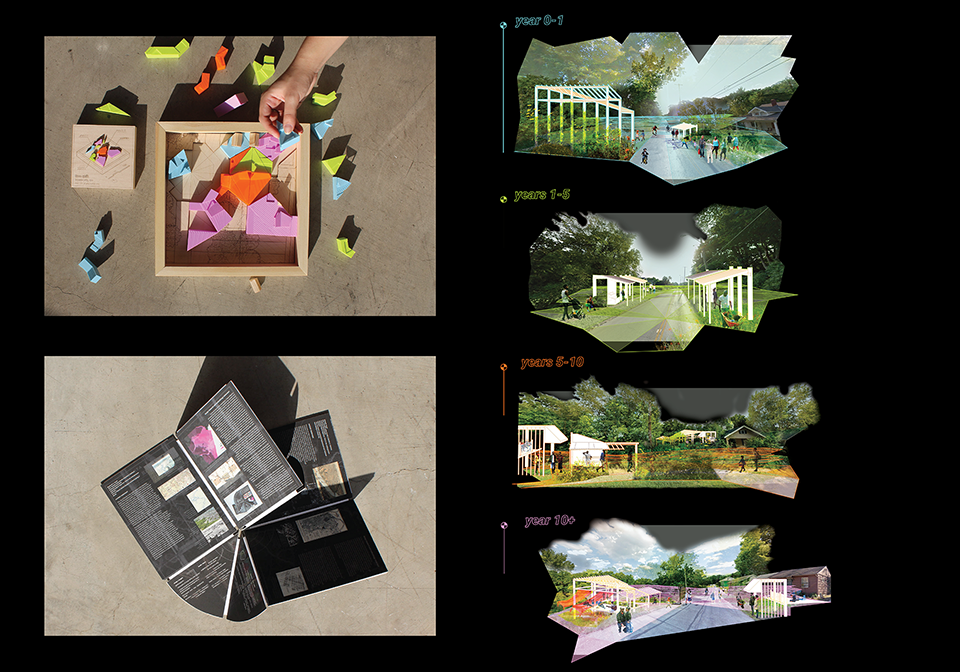
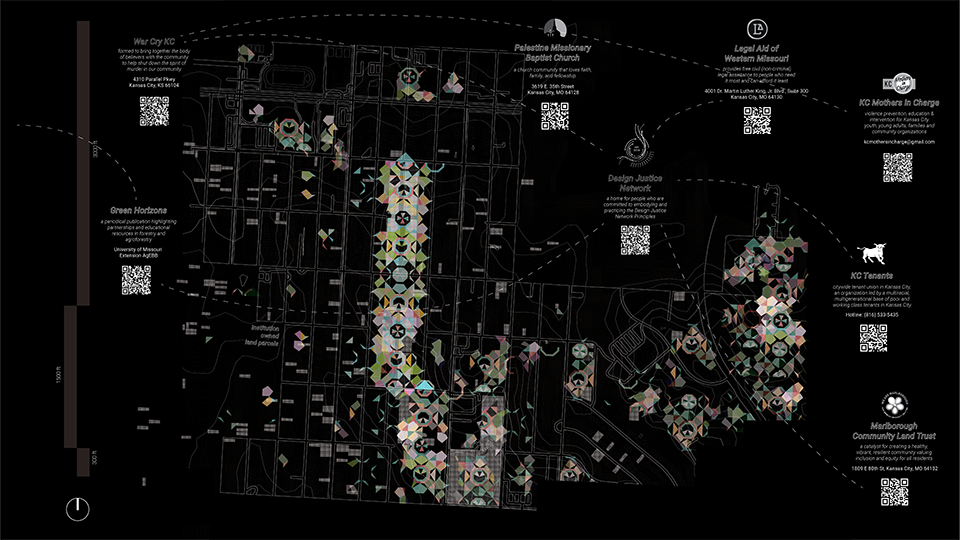
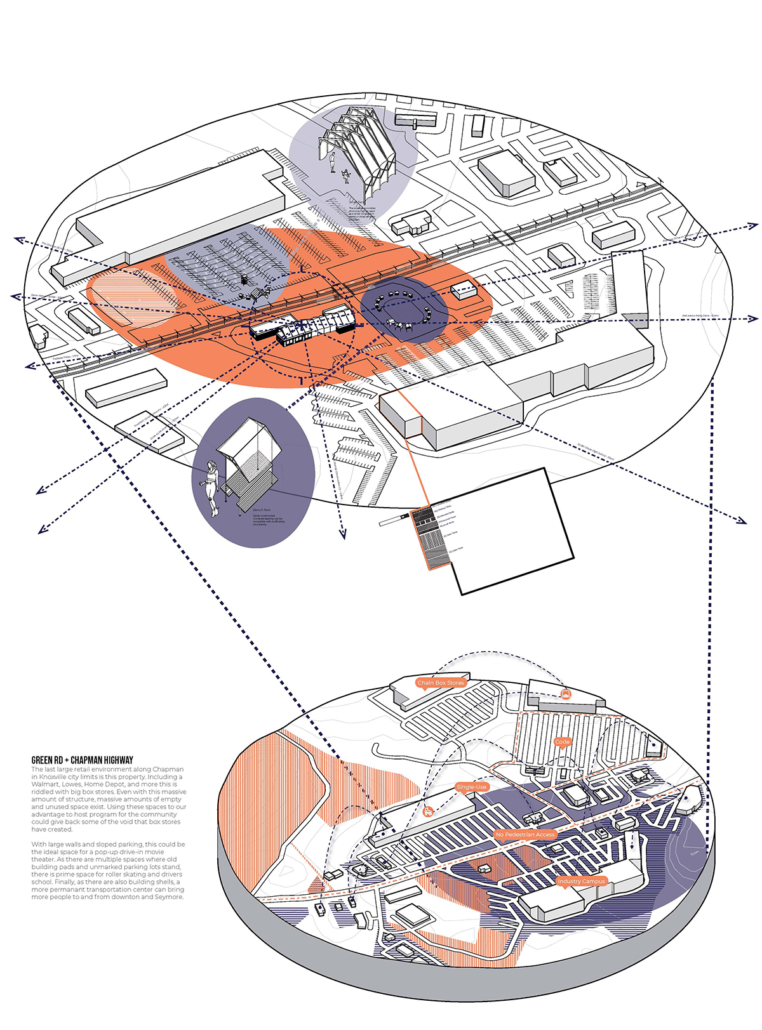
Connecting them to local organizations and leaders and giving three different scales of possible interventions based on context of the community could inspire these left behind communities. This prototype uses South Knoxville to show the insights one can find through mapping meaningful places, roadblocks to connectivity, and collecting the story of place with resulting possibilities for urban life. By mapping local and unused spaces along a central corridor, the community can take back spaces through temporary and semi-permanent projects.

Instagram: @arianiharrison, @j_akerman

Stay tuned for Part VI of the Study Architecture Student Showcase!
2022 Study Architecture Student Showcase - Part IV

We are back with week four of the 2022 Student Architecture Student Showcase featuring five more projects from schools around the world. This week’s projects focus on improving the quality of life for marginalized communities ranging from Puerto Rico to Saudi Arabia and beyond. Each project showcases the unique context within the country of the project’s location.

For more student work, please explore Part I, Part II, and Part III.

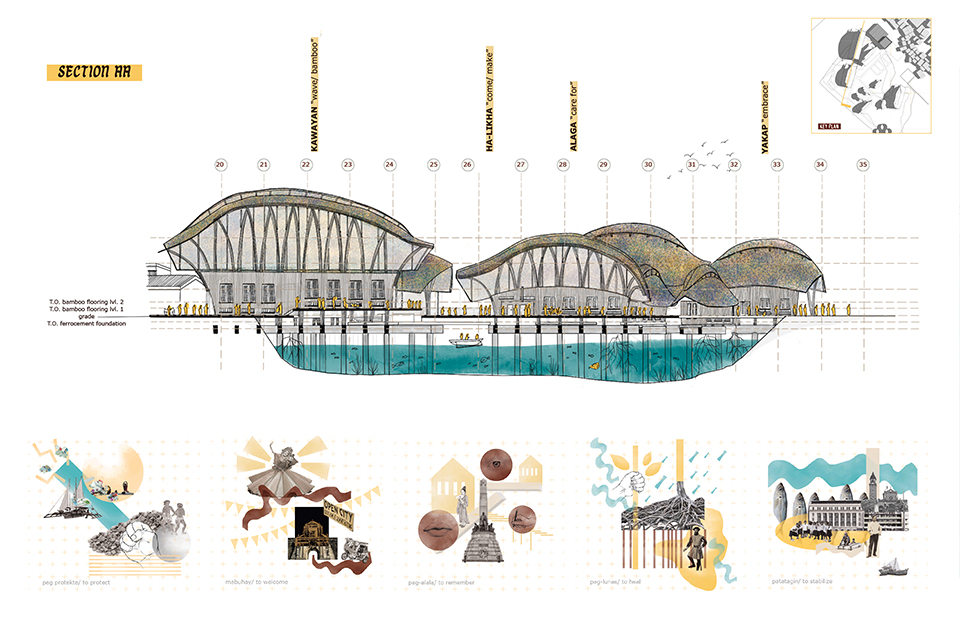
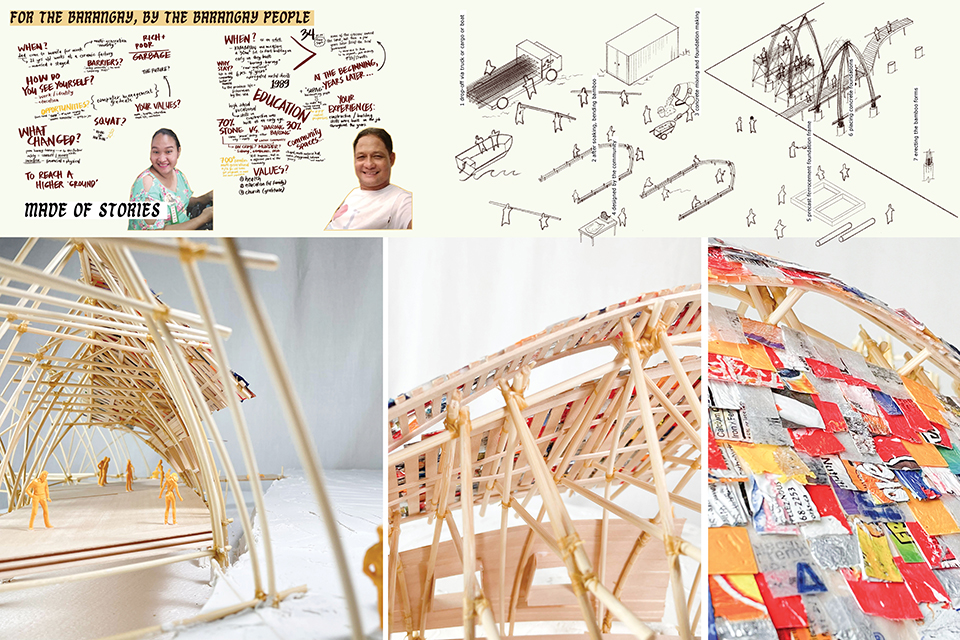
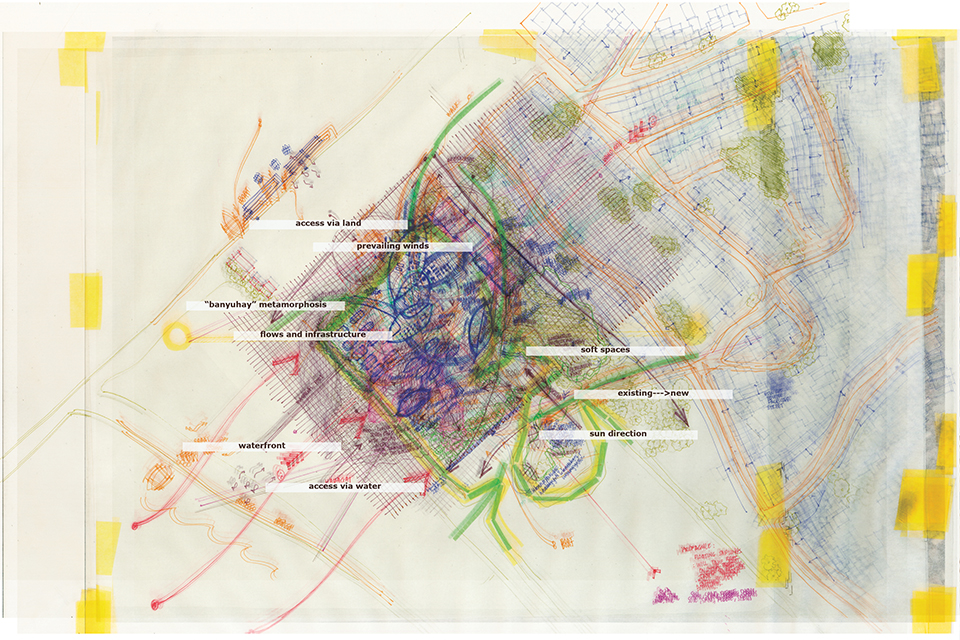
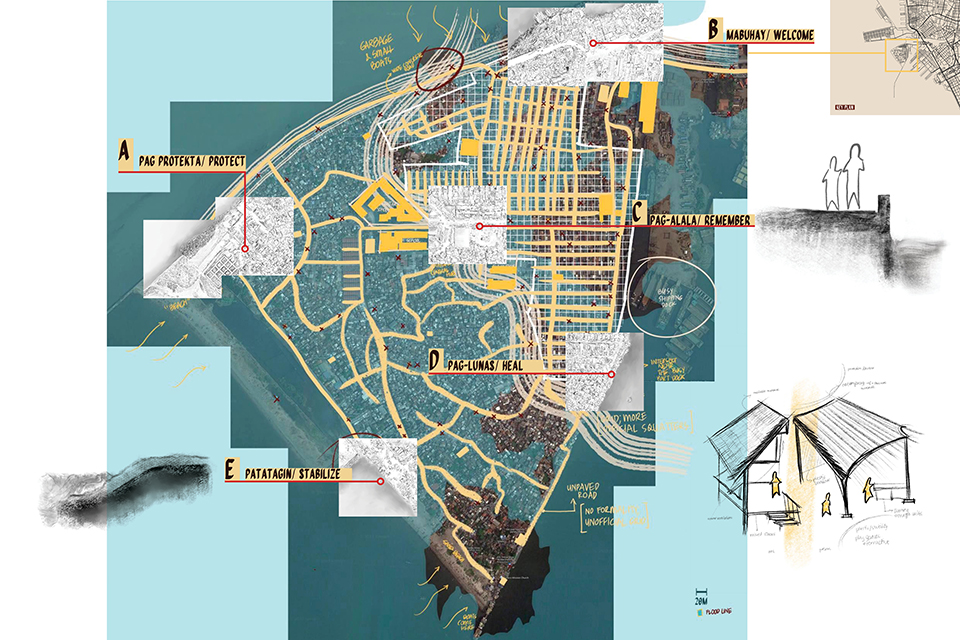
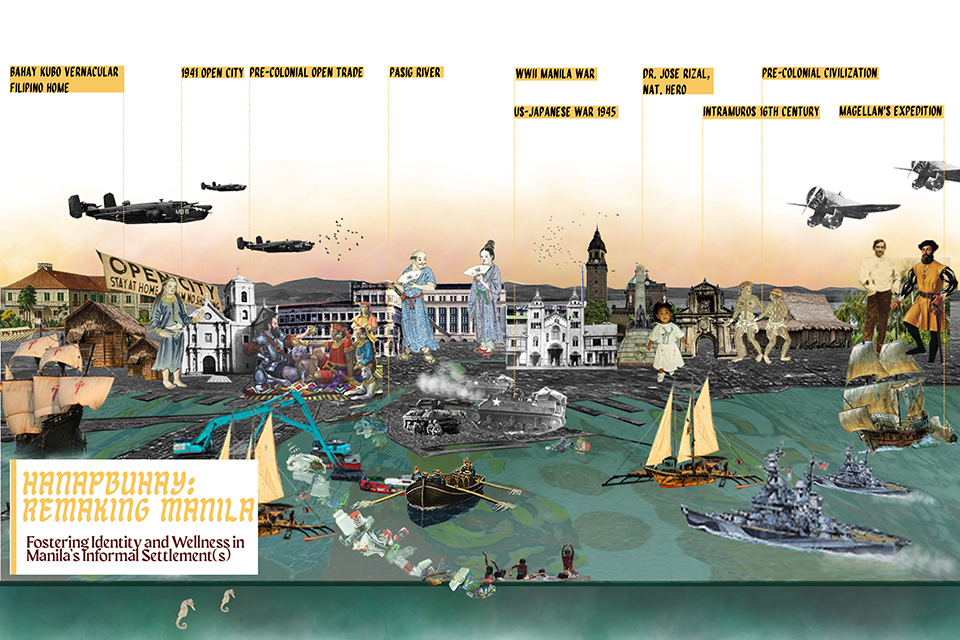
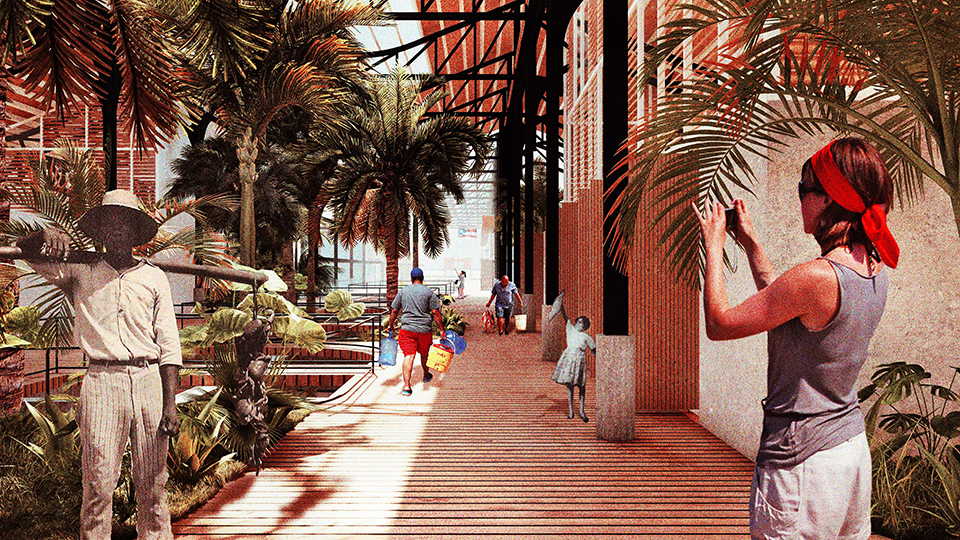
Hanapbuhay: Remaking Manila by Romilie Calotes, M. Arch, B. EnvD. ’22
University of Manitoba | Advisor: Lisa Landrum

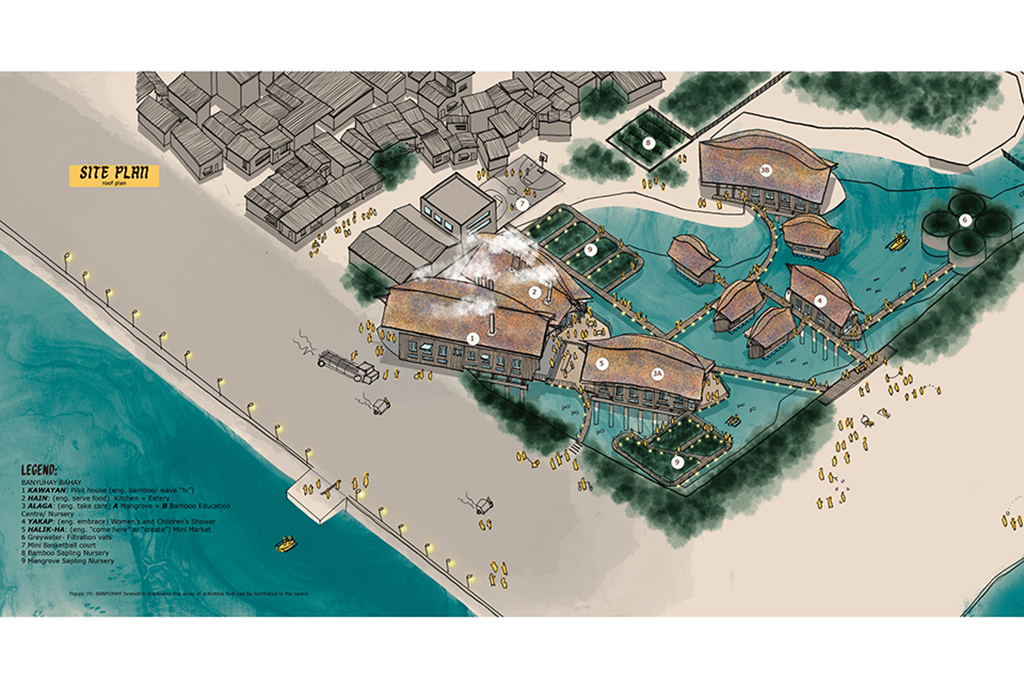
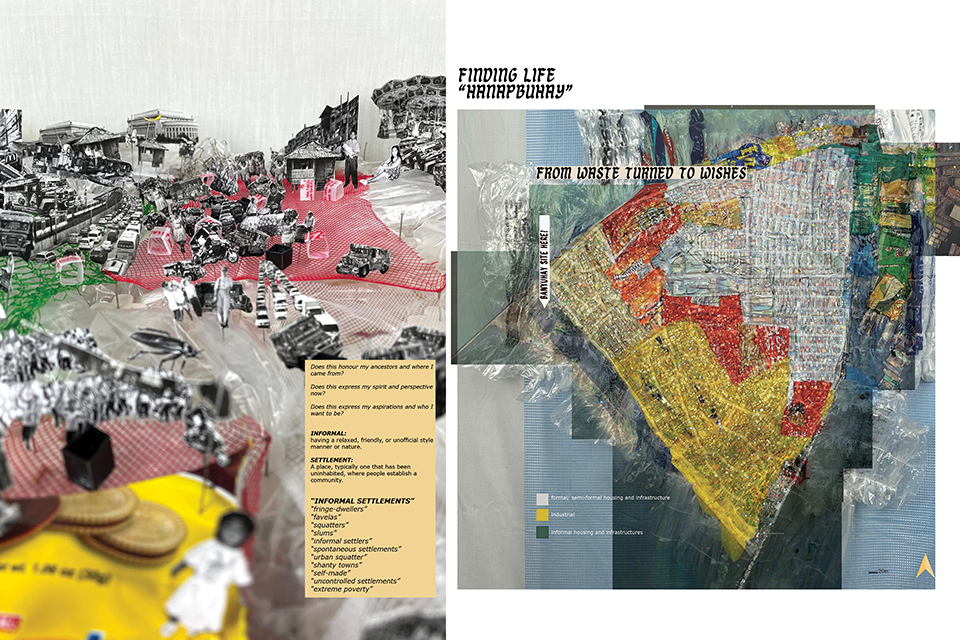
This thesis investigation probes at the matters of identity, dignity, and stability within spaces that the city and surrounding community traditionally perceive as “informal,” this often refers to “non-legal” settlers. Manila City’s collective memory vis a vis identity is being examined with a focus narrowed on a reclaimed land in the coast of its bay; currently known as “BASECO Compound”. Entangled within colonial, political, and religious presence, the site has gradually become the home to Manila’s largest urban poor “barangay” community. The design of pragmatic and incremental, community-inspired eco-hub will line the entire neighborhood, which may be successfully achieved by the barangay themselves, for themselves.

I have always wondered why and how “slums” formed near where I had lived as a child. I would go to school with people who live in homes where their roofs were made of scrap corrugated metals (yiero), thin light-penetrated wood flooring that would screech with every footstep, and walls made of patched thin wood sheets and metal panels showing multi-colored gradation caused mainly by weathering. Yet when we came to school, we all wore the same uniforms, and we as I perceived, were all equals.

Hanapbuhay is a tagalog word, rooting from “hanap” meaning to search and “buhay” meaning life. The two words together, hanapbuhay, means livelihood. Many informal settlers come to the city in search of livelihood, but in exchange they live in unimaginable (to the western society) living conditions, often near creeks, garbage dumps, and dangerous sites.

In hopes of revealing latent memories prompting revelation of the BASECO’s identity, thus creating a space of sanctuary amidst a past that is founded in impermanence. The thesis addresses the rapid densification of cities in Metro Manila, The Philippines’ capital region which was accelerated by a phenomenon exacerbated by the martial law induced by a dictator president: Ferdinand Marcos from 1968-1987 in the Philippines¹. He ruled with an authoritative regime, removing the democratic rights of the Filipinos, and implementing curfews to restrict unwanted movement of people. The “squatter” population grew since the president prioritized economic growth to “improve” the global image of the country—thus meant constant relocation and displacement for people living without land titles, and deep disregard for social and ecologic wealth.

Once Marcos’ rule came to an end, the informal settlements referred to as “slums” began to expand at an unparalleled rate². This has arguably resulted in cruel living conditions, with people remaining in the margins of society and the city, as is typical of many “informal settlements”.

The study focuses on the local scale of Metro Manila, bringing a deeper understanding of the informal-incremental housing strategy, as well as a method of working with existing ecosystems, within a focused site. As Manila is surrounded by the Manila and Laguna Bays, this suggests the inescapable reality of working with water, as a river, ocean, and source of ‘hanapbuhay’.

Augmented by retrospect and latent memories of Manila, the investigation will conclude with addressing a deep-rooted personal curiosity to learn about my home country, inscribing stability through architecture. Learning from these settlements to help regenerate a more resilient future for Manila’s struggling communities. And offering a thought-provoking and careful proposal that will evoke transformation in the unchanging environment of Philippines’ socio-political and environmental landscape.

Instagram: @romiliecalotes, @faumanitoba, @lisalandrum.arch

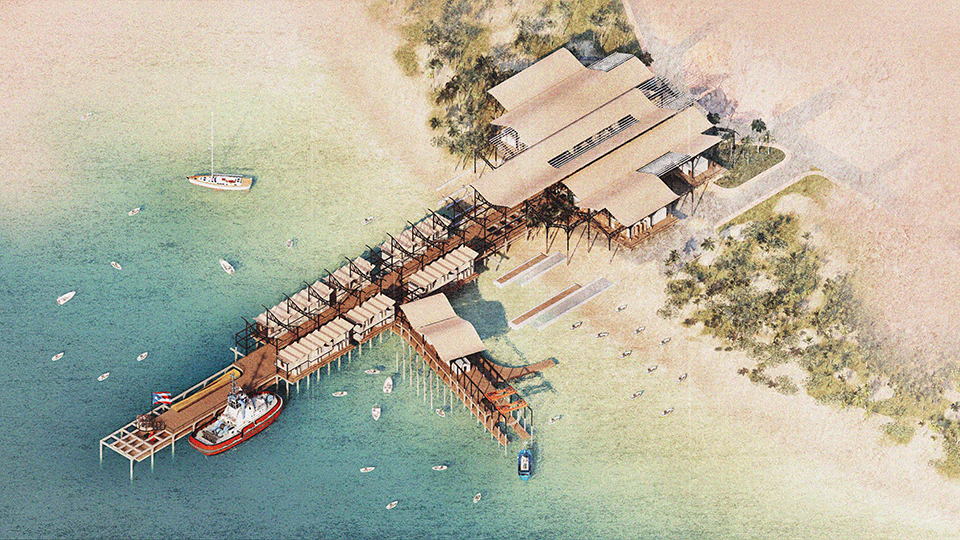
Mercado Salado by Claudia Crespo, M.Arch ’22
University of Puerto Rico | Advisor: Regner Ramos

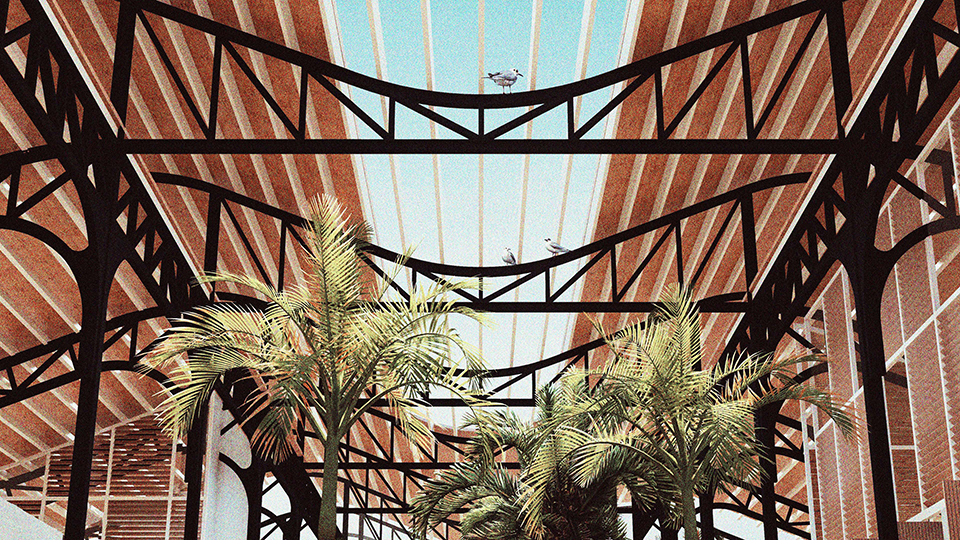
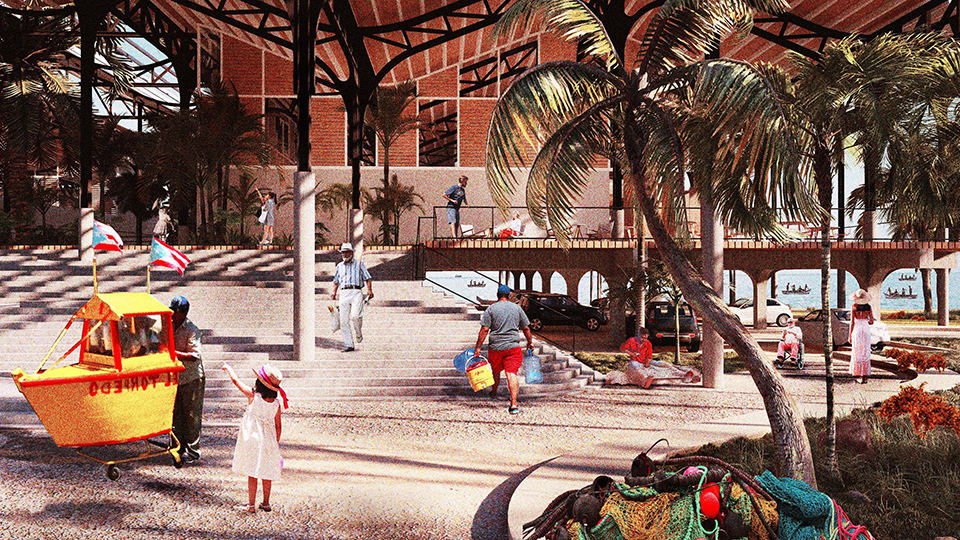
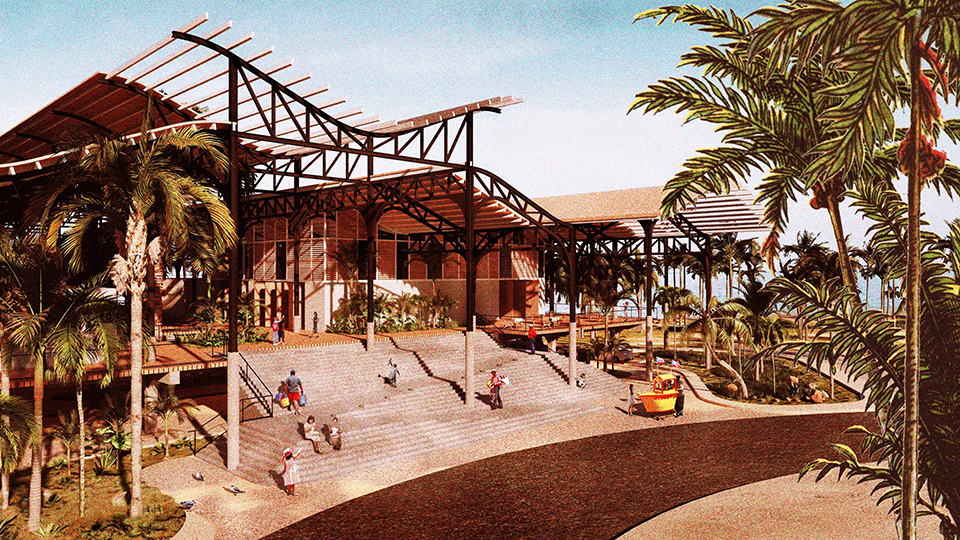
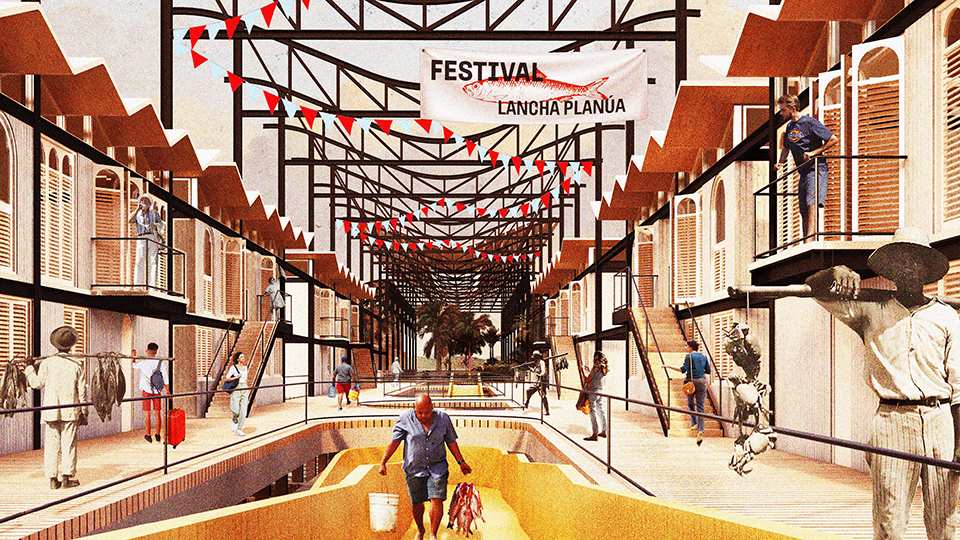
“Mercado Salado” by my student Claudia Crespo, is part of her M.Arch dissertation: “Villas Pesqueras: Documenting the Coastal Culture of Puerto Rico Through Architectural Discourse”. Claudia’s committee heralded her work as the best dissertation they’d ever seen, a story-teller that gives voice to a marginalized community, and highlighted how she was able to navigate complex issues with such elegance, maturity, and poise.

“Mercado Salado” inserts traditional Puerto Rican fishing villages in direct confrontation with public policies that exclude locals from access to our coasts, while granting access to the tourism industry. In this way it challenges issues of community displacement, legislation, and the right to our land. The imminent rise of sea levels is here used as the framework to destabilize existing zoning codes to further her agenda: of safeguarding the existence of a local fishing community, while recognizing that eventually Mercado Salado and its site will be lost to the waters.

Instagram: @uprarchitecture, @claudiacrespo6

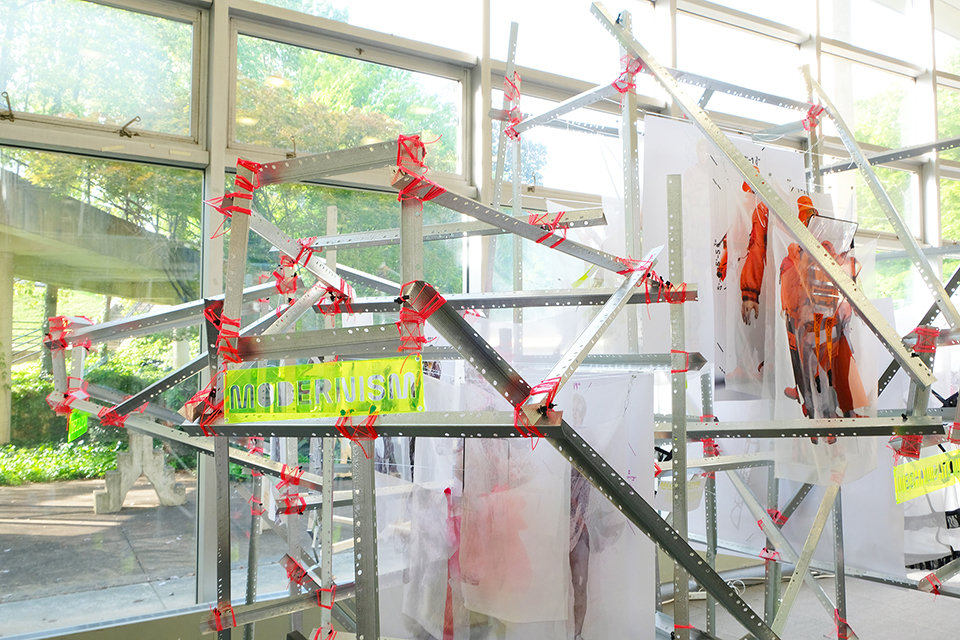
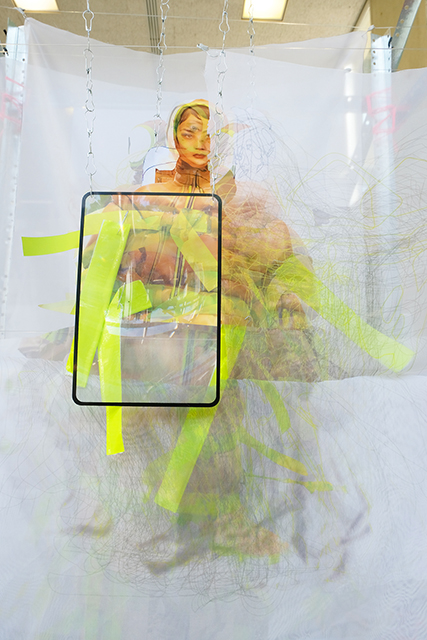
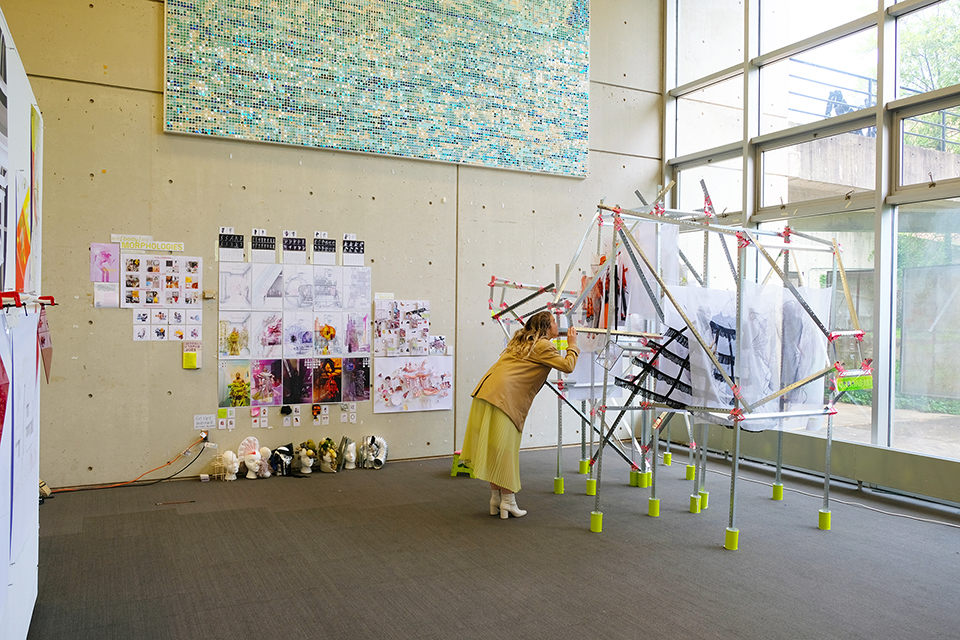
Embodied Morphologies by Grace Ann Altenbern, B.Arch ’22
University of Tennessee | Advisor: Jennifer Akerman

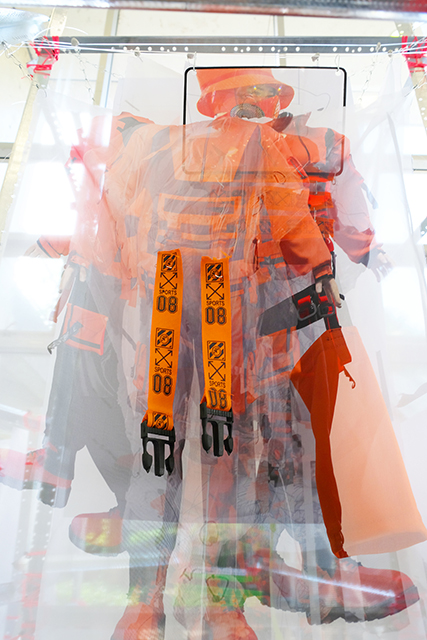
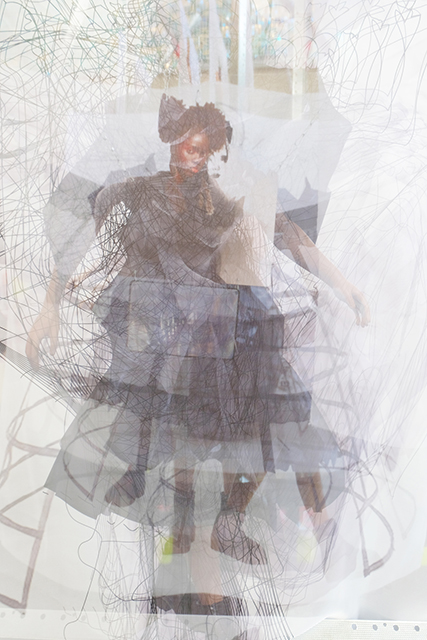
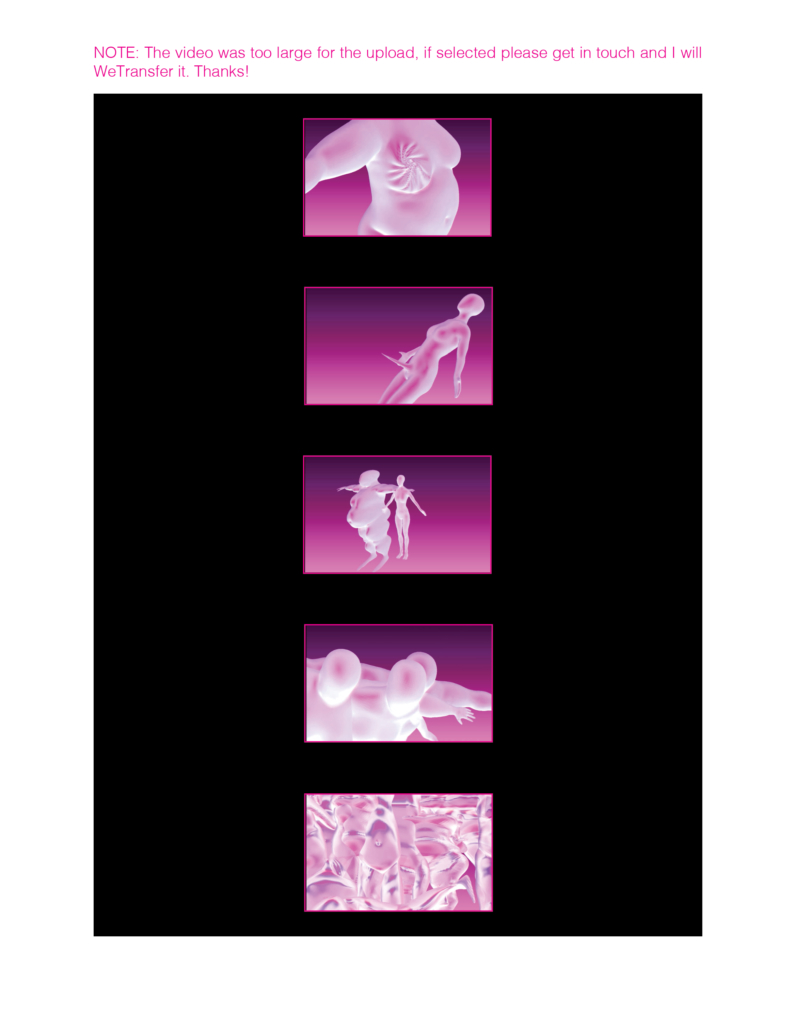
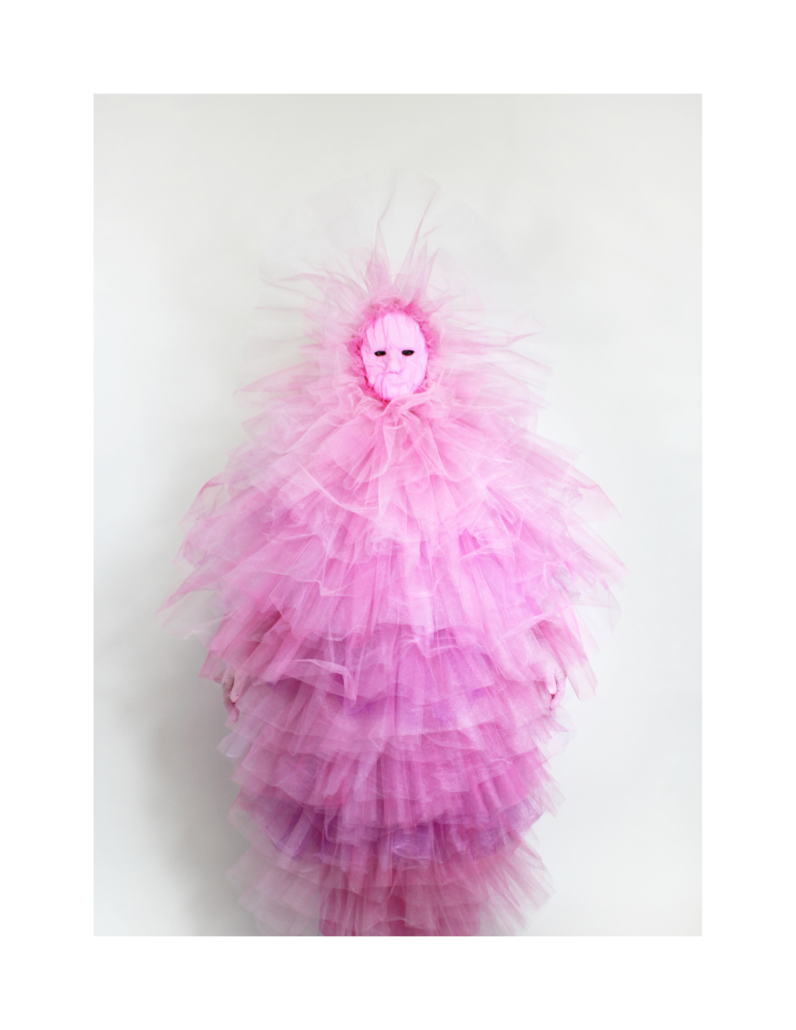
As our society is a product of the patriarchy, architecture anticipates and produces a scale figure that adheres to the “mythical norm.” This institutes a rigid and unyielding architectural framework, constructing a hostile environment for everyone who lies outside of the presumed scale figure. Therefore, we must deconstruct architectural thought and design prosthetic interventions that defy the residual hardness of the built environment as we know it and expand to create a revolutionary future.

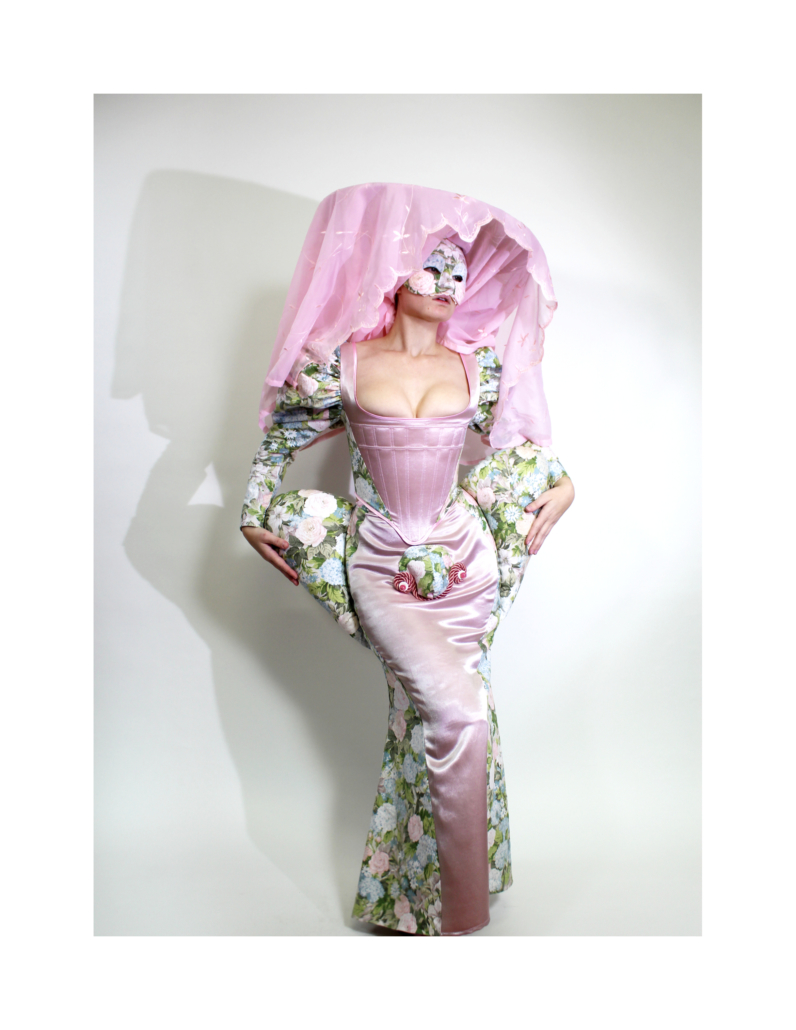
I am exploring the intersection of architecture and fashion through the lens of critical theory to challenge design practices within our patriarchal capitalist system. Through a perspective rooted in gender studies, I have identified architecture as being designed by and for Audre Lorde’s “mythical norm”: a white, thin, male, young, heterosexual, Christian, financially secure patriarchal product. Instead, I aim to study bodies in motion and find diverse scale figures for designing architecture.

Beginning with these revolutionary scale figures, I ask myself: what apparatuses could assist the modern scale figure in dwelling among marginalized spaces? In exploring this question, I have identified the prerequisites that define my prosthetics as tools to redistribute power to those that architecture has otherized. Utilizing this as a new framework to begin designing, I have created body architecture that aims to defy the rigidity of spatial practice. With these prosthetics drafted, I have represented them in environments that traditionally disregard anyone considered other.

Throughout these studies, I have found that design solutions must exist on a spectrum, utilizing bodies outside of the designer’s own privilege in order to create a more inclusive future: an embodied utopia.

Instagram: @graceannaltenbern, @j_akerman

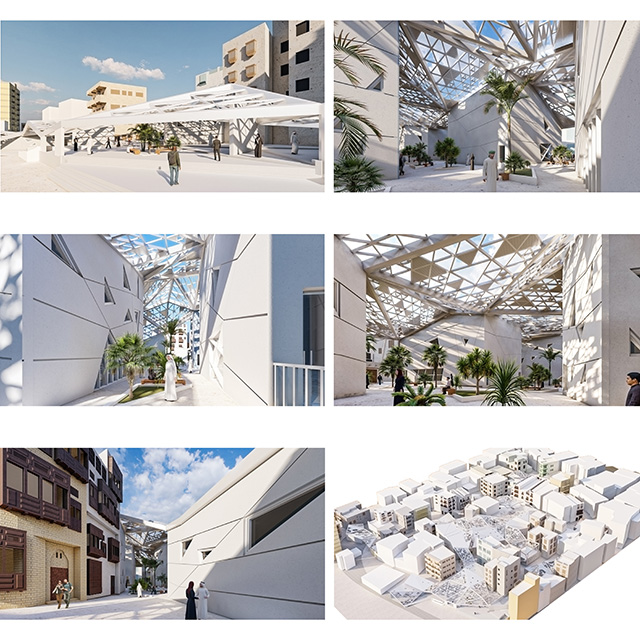
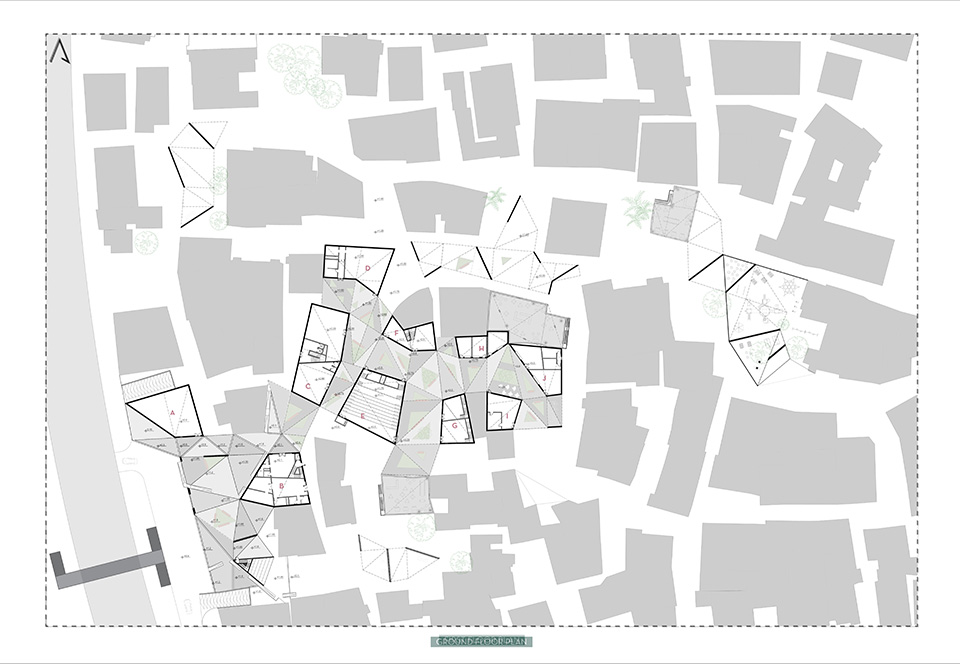
“روح جدة” – Jeddah’s Soul by Baraa Al Ali, B.Arch ’22
American University of Beirut | Advisor: Carla Aramouny

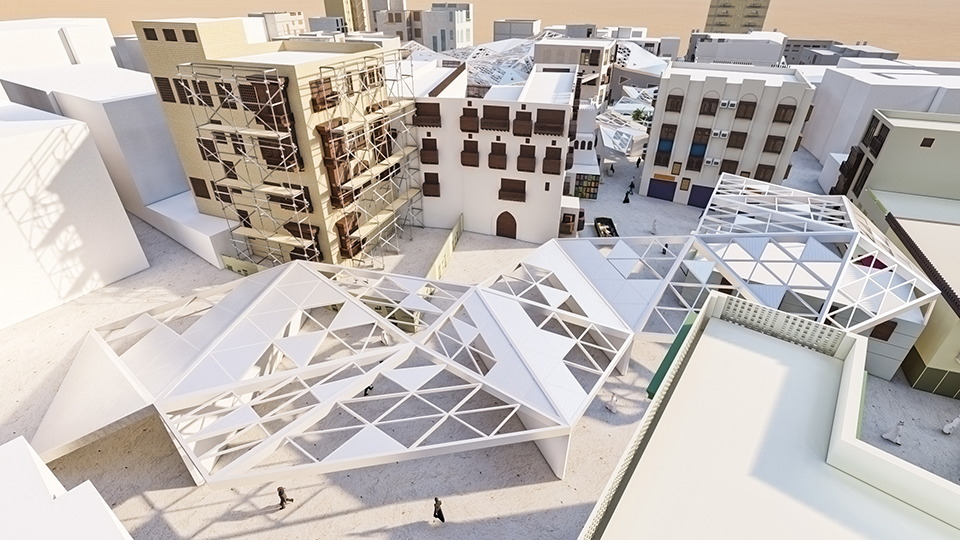
The city of Jeddah in Saudi Arabia has witnessed, since the mid-20th century, urban changes and shifts at a rapid rate with the complete neglect of the city’s historical core. The proposed development strategies, that are part of an unclear plan, claim to seek the development of the area in a manner that enables it to perform its strategic role as a major center for business and housing, with an emphasis on the need to preserve historical, cultural, and architectural value. Yet, the ongoing works in the heritage site present the area as a fragment of the past for tourists to consume, completely disregarding those who are behind the city’s survival over the past decades: the foreign workers.

The research examines the current situation in Al Balad, Jeddah, looks at case studies that have tackled restorations of heritage sites as well as attempts to create a national identity for the locals. The aim is to determine the medium and the methodology through which the soul of the city could be potentially retrieved.

The project is an attempt to follow an alternative unconventional approach that is focused on space rather than buildings, on the soul of the area and the neighborhood; so instead of mummifying the bodies, it opts for the “reincarnation” of the collective soul of the neighborhood.

This can only be done by working on the spaces and the public programs and the human factor who are the residents.

The design stresses on the concept of tissue and fabric because it is problematic to stress the sculptural, free-standing, autonomous entities, at the expense of the fabric & the tissue. Therefore, the method consists of working on the external spaces, stressing the public over the private, the exterior, the open and the leftover, consequently the soul rather than the bodies.

This approach is appropriate because it allows to work with something not traditional or bound to existing buildings, without compromising any of the existing structures or their identity and historical value. The outcome is a social hub that consists of indoor and outdoor functions which serve mainly the current community.

Instagram: @baraaalali, @ard_aub

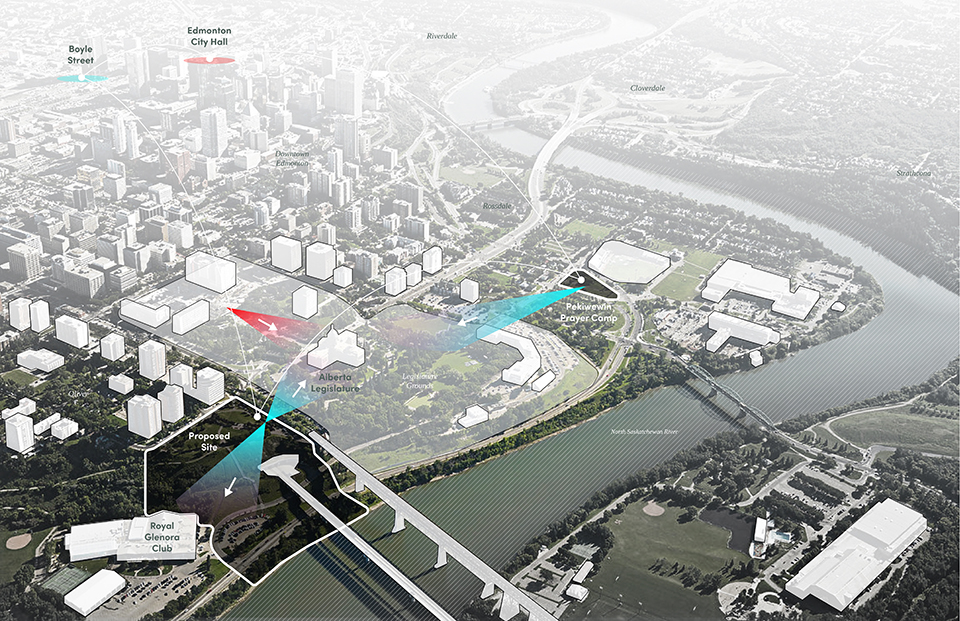
Architecture As Actant for Protest: Solidarity with Amiskwaciwâskahikan’s (Edmonton) Unhoused Community by Robert Maggay, M.Arch ’22
Laurentian University | Advisor: Aliki Economides

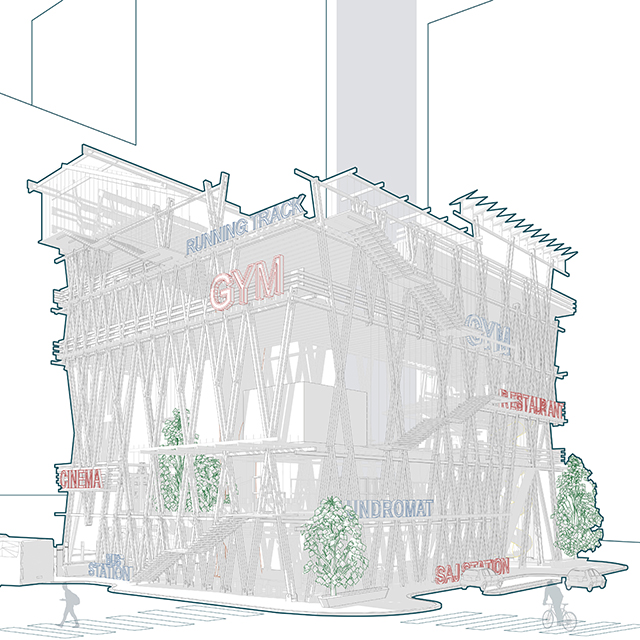
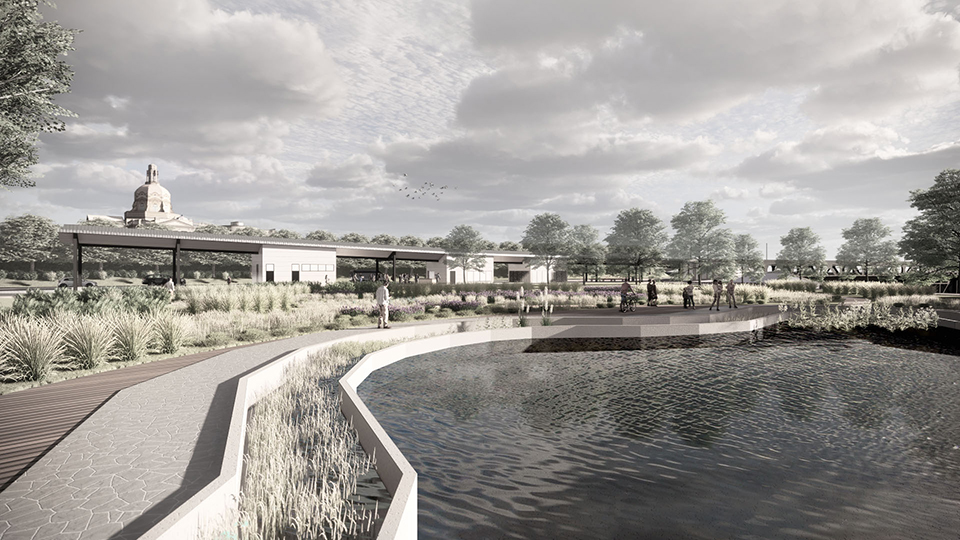
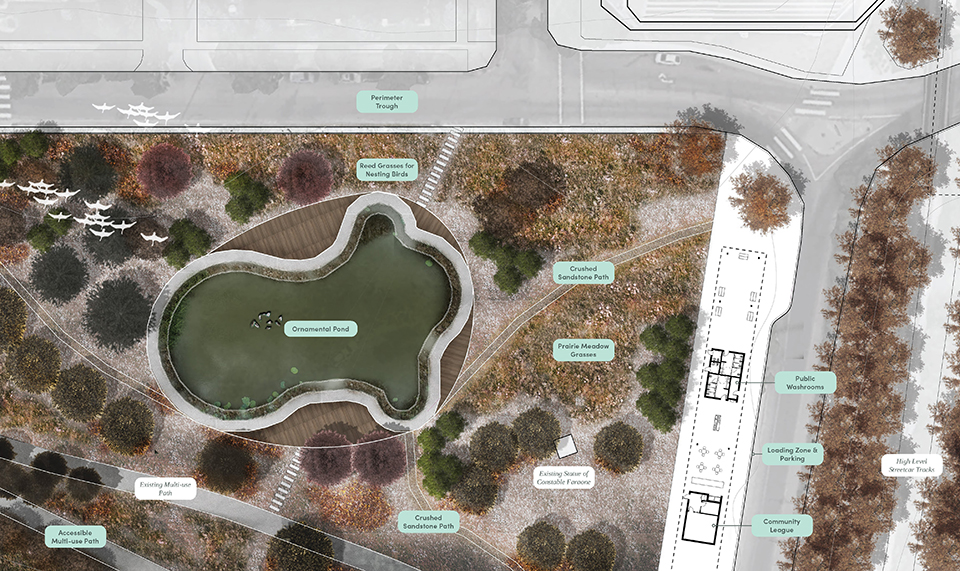
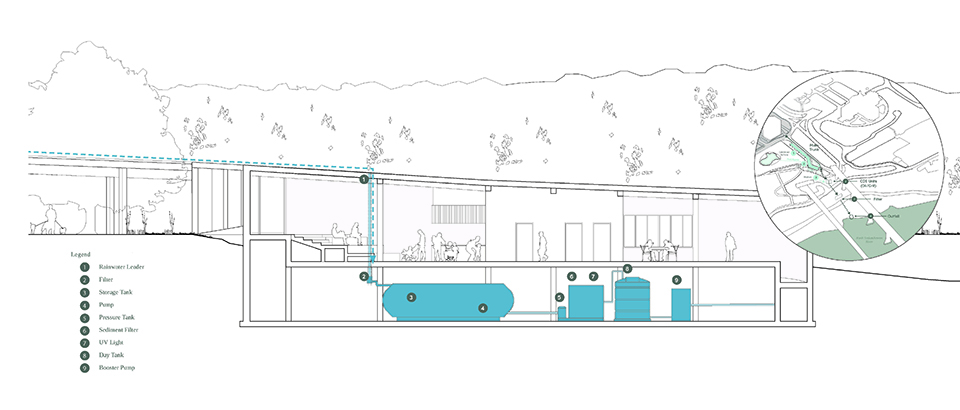
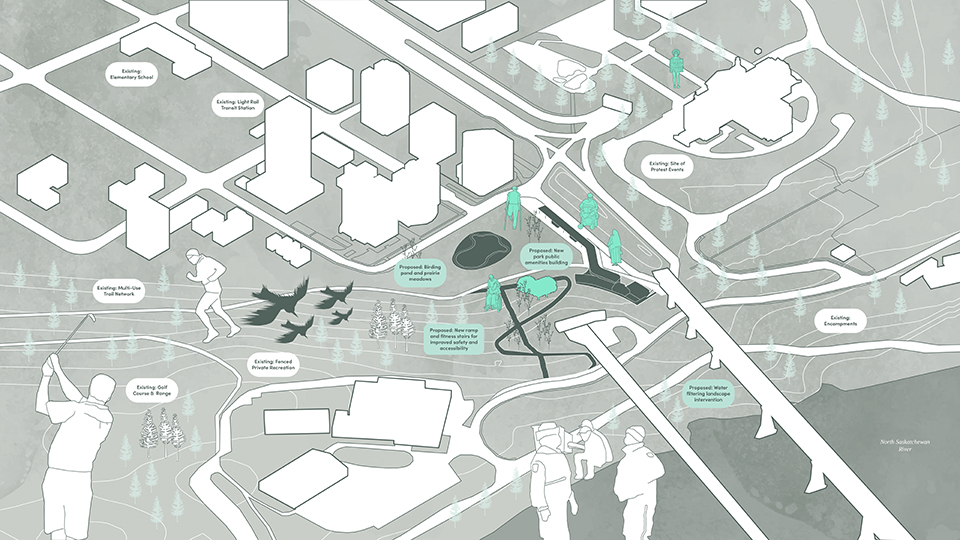
Conditioned by neoliberal imperatives and settler colonial impositions of ‘property’, architecture is complicit in upholding spatial and social inequities. The neologism ‘houselessness’ foregrounds housing as a human right, which must be addressed through the provision of accessible housing, yet this process is slow. Moreover, unhoused individuals are disproportionately affected by pandemics. Their aggravated health risks owe to crowded shelters, comorbidities, and pandemic-related restrictions of supportive services. While COVID-19 has worsened the pre-existing houselessness crisis, some immediate effects may be addressed locally through mutual aid: a form of rapid response and community care that demonstrates both the need for bottom-up solutions and interim approaches to houselessness. This thesis explores how architecture might challenge existing frameworks of power to act in solidarity with houseless neighbours. The series of design interventions proposed for Edmonton, Alberta, focus on socio-spatial relationships – related to water, sanitation, and hygiene – that act in solidarity with houseless people.

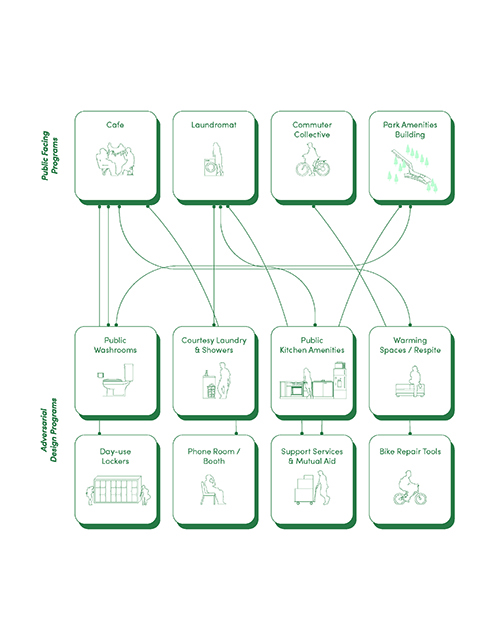
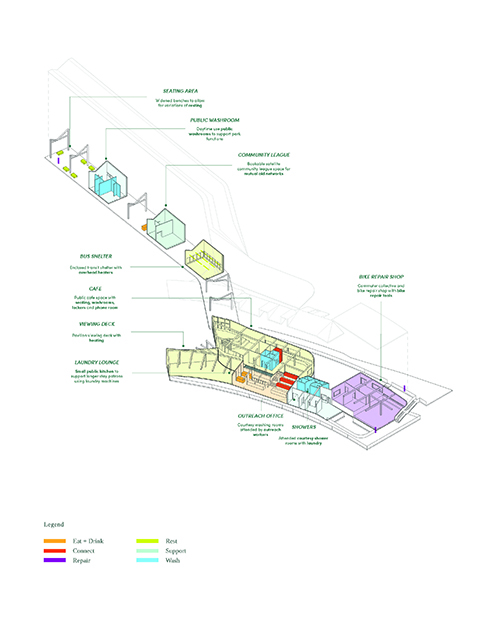
This thesis draws from various interviews with local mutual aid volunteers who work to address the immediate needs of houseless neighbours. Based on these interviews, a series of architectural program pairings were established to satisfy two functions: to improve upon existing site uses, and to embed programs and functions that address limited access to water, sanitation, and hygiene facilities for houseless people. The political forces in public space and architecture limit the ways in which houseless neighbours engage with the built environment, such as the enforcement of property, displacement, security and police, and people who are less sympathetic to the experience of houselessness. An understanding of an ontological violence facing houseless neighbours is the primary driver for this research. This thesis explores the design of a public amenity building that co-locates café, bike repair shop and laundromat programming while embedding functions that mitigate harm among houseless neighbours and their limited access to water, sanitation, and hygiene facilities. Through this proposal, access to washrooms, bathing facilities, laundry machines, day use lockers, public phone rooms and places of respite from extreme weather conditions are explored.

Instagram: @robertmyguy, @aliki.economides

Check back next week for Part V of the Study Architecture Student Showcase.

2022 Study Architecture Student Showcase - Part II

We are back with week two of the 2022 Student Thesis Showcase featuring six more projects from schools across the US and Canada! This week’s projects explore the intersection of architecture and feminism as well as gender. If you missed it, make sure to check out Part I of this series.
We will be sharing these projects on Instagram at @studyarchitecture and @imadethat_ so let us know what you think there.

WINDS OF CHANGE by Leila Ghasemi, M.Arch ’22
Southern California Institute of Architecture | Advisor: Elena Manferdini

Do we have the capacity as architects to influence politics and bring social changes?
Does architecture still have a utopian agency to shape our future societies?

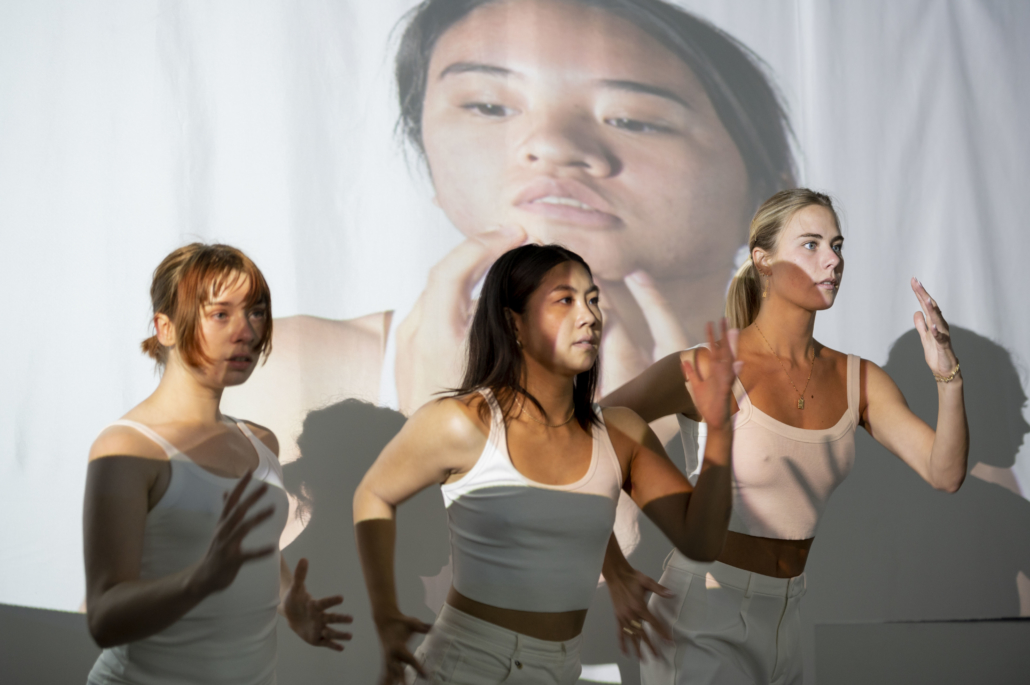
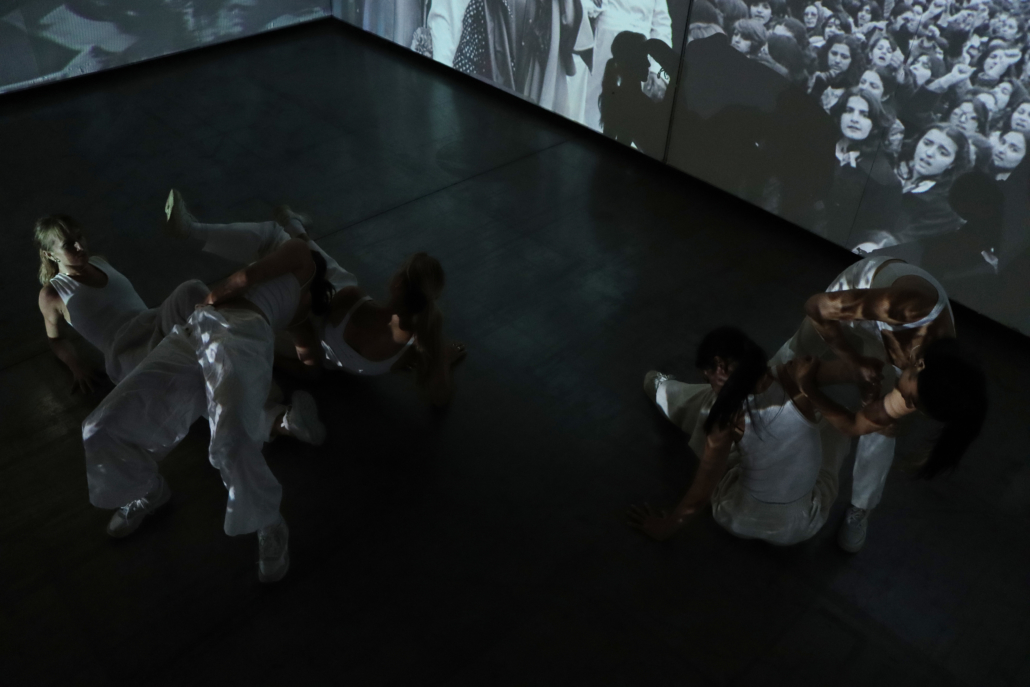
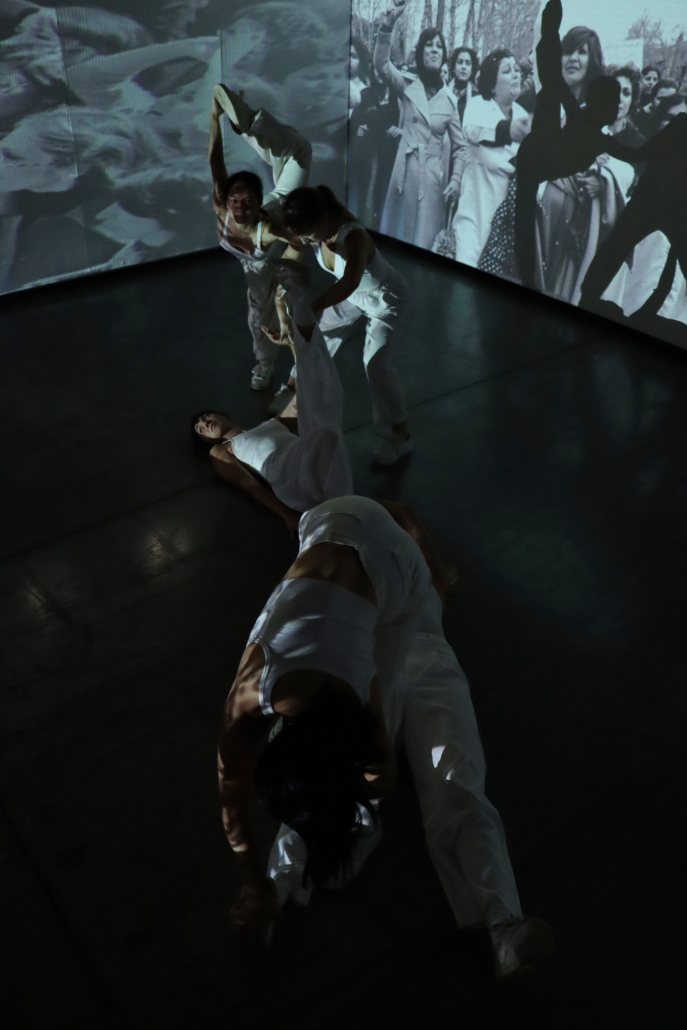
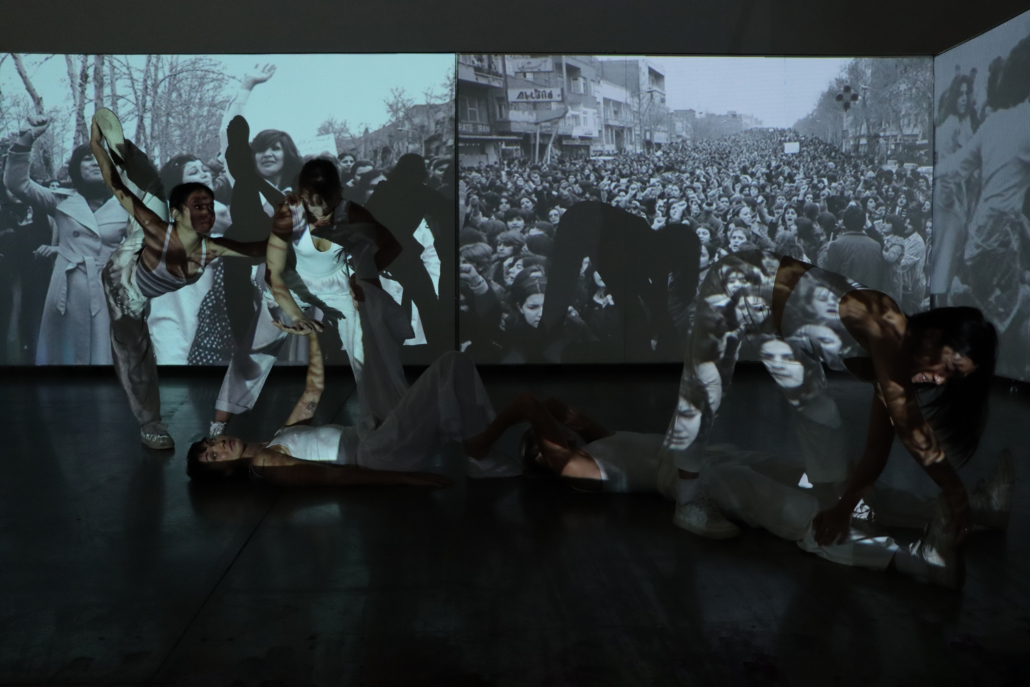
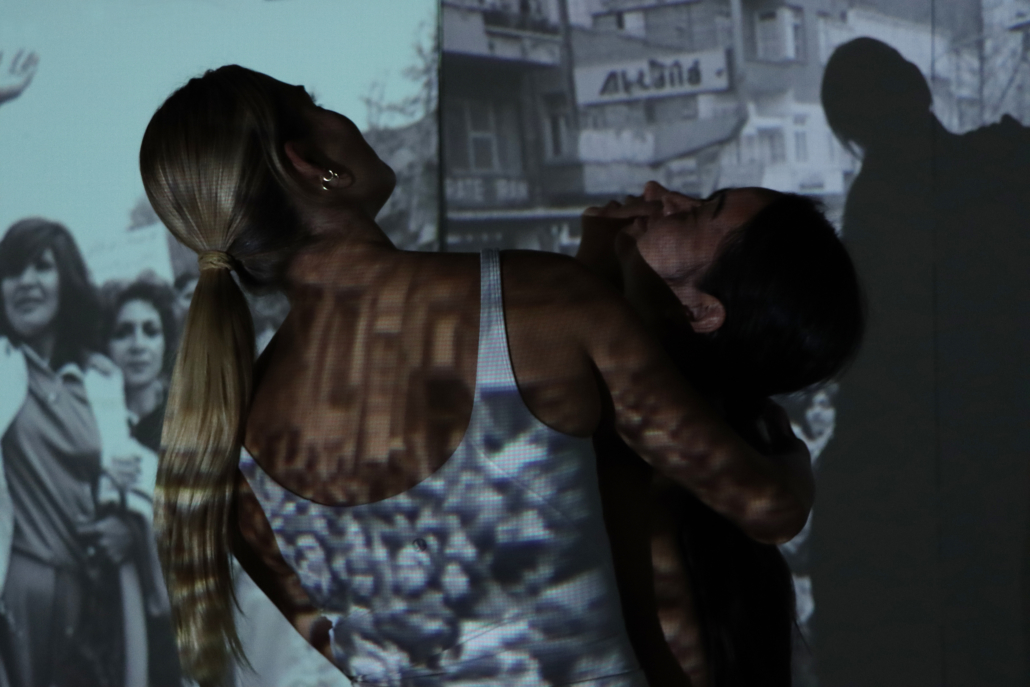
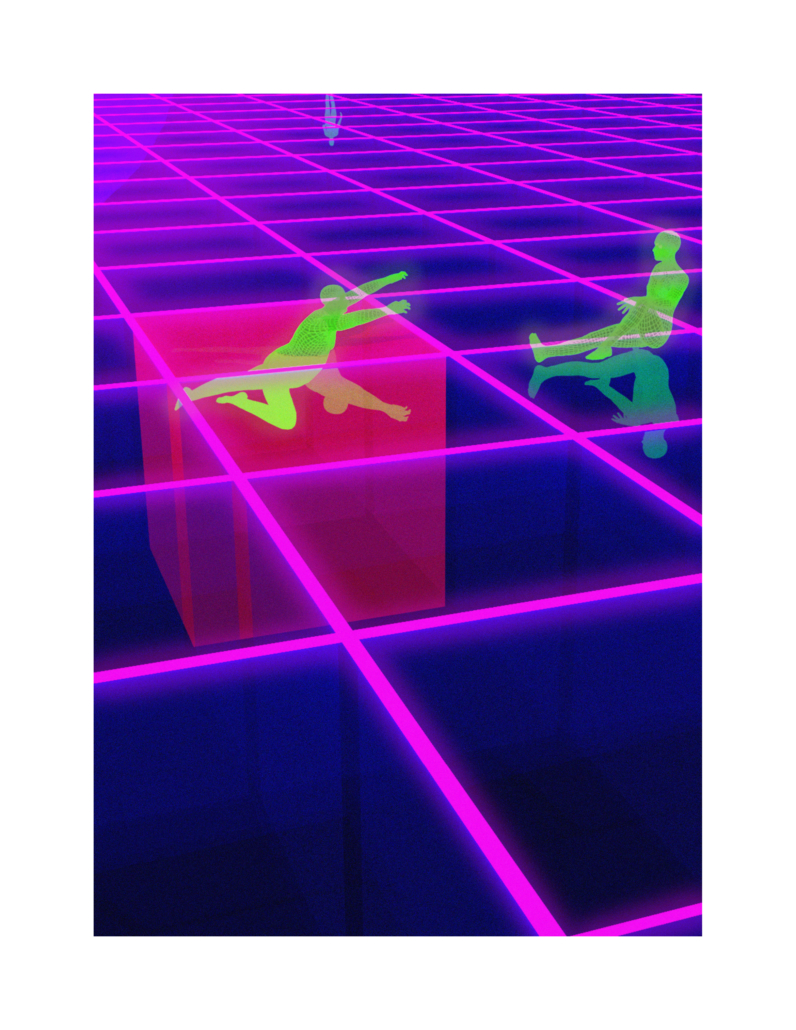
This thesis addresses Iran’s current situation, particularly the social injustice against women, by using architecture’s tools and analytical strategies through space, objects, videos, sounds, lights, materials, projection mapping, and the medium of dance to explore the role of new spaces of protests in social activism. Since Iran’s 1979 Revolution, Women have long faced legal, political, economic, and social challenges in Iran. Women are not allowed to work specific jobs, polygamy has become legal, and women have lost the right to divorce. For 43 years, Iranian women have not been allowed to express themselves through their bodies. The Islamic Republic mandated wearing a head covering, or hijab, in public. All females are required to cover their hair and dress modestly from puberty. Women cannot take off their compulsory hijab, cannot sing solo, cannot ride a bike, cannot dance.

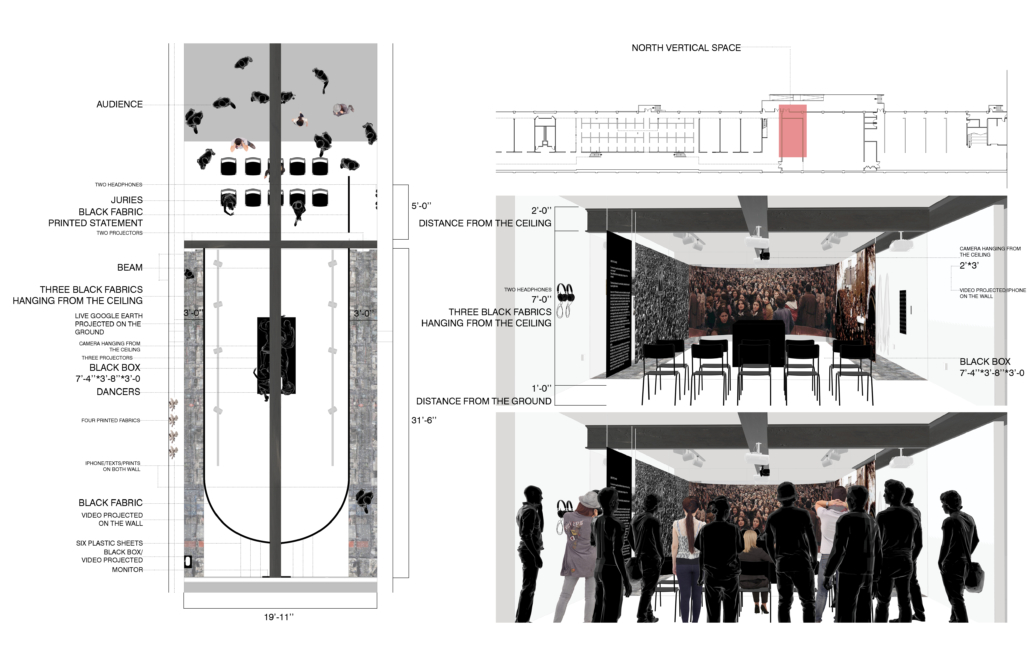
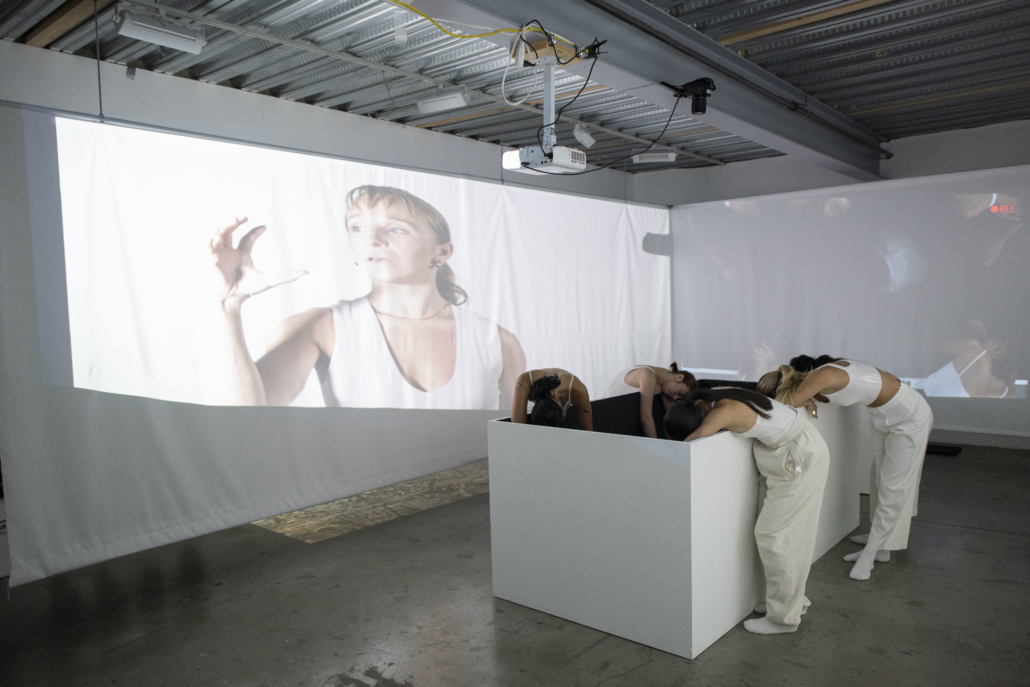
Women have no place to protest and defend their human rights and make their voices heard against this cruelty. This thesis tries to create an opportunity to express dissent away from government surveillance or the immediate threat of police action. This thesis establishes a platform for activism and self-expression through the human body and tests the capacity of utopia (Hypothetical utopias) and activism in space. The platform for activism is an installation that includes an open inner space as a raised stage surrounded by an outer corridor, which together portrays and enacts women’s activism and government. The outer corridor is dark and narrow enough that people must enter it one at a time. There is a path with live google earth mapping of Azadi street in Iran where projected on the ground and pictures and videos of the 1979 Iran revolution on the wall that show we should move beyond this history. The inner space includes black fabrics offset from walls to create a dark area with a black box in the center where dancers perform. A camera hangs above the box to film dancers performing as live broadcasts are projected on the three black screens, and simultaneously, their expression through the camera is broadcast live to the whole world.

Iran’s government forbids all forms of activism (social, political, environmental). This multidisciplinary approach uses tools from architecture and dance to do more than each can do in isolation; it connects spatial strategies of architecture and the critical capacities of dance. This project will enact and empower the Iranian women protesting the mandatory hijab. The thesis creates a utopia, a fantasy reality, a truth that is not true, an act of optimism that shows something does not exist yet but could exist if we wanted it. This project will enact a piece of good news in this impossible situation in Iran through women’s choreographers to present the reality of the current situation in Iran and create a desire for the change we need to build. This is a revolution, through architecture and women’s body expression, to create a platform to protest for Iranian women’s activists, which could be developed everywhere, and people worldwide could see and hear them.

Watch Leila’s thesis presentation

Instagram: @leilaghasemi.la, @sciarc_manferdini

Architectural Design Strategies in Reentry Facilities: Post-Incarceration by Carly Chavez, M.Arch ’22
University of Florida | Advisor: Lisa Huang

The U.S. has one of the highest recidivism rates in the world. The population of women in prisons is rapidly increasing and thus creating gender-specific problems. Addressing these problems is often difficult because attention is focused on male inmates representing the majority prison population. All individuals, post-incarceration require housing, education, and work opportunity; however, research shows that women have a higher need for reintegration with the community and regaining custody of their children. Research also shows that the application of gender-informed policies is effective in reducing the recidivism rate. This acknowledges that men and women have different needs, and policy should address and respond to those differences. This project examines the conditions for women before, during, and after incarceration. The objective is to understand the gender-specific needs of women, what problems are being addressed, and how. Then, develop design strategies for women’s reentry facilities after incarceration. Ultimately, the research intends to contribute to the effort of reducing the number of women returning to prison, and to define the prominent external forces impacting women released from prison. This project focused on understanding these forces and the problems created to identify which issues can be translated into a solution in the built environment. This research proposes a multi-faceted women’s transitional facility as a building typology to support the effort to reduce recidivism.

There is an abrupt transition for incarcerated women as they finish their prison sentence, ultimately contributing to a higher likelihood to repeat offenses. Generally, this is the result of a lack of support for helping women transition into “normal” life. This project establishes that the architecture of transitional programs should reflect the specific needs of women to create an environment conducive to successful reentry into society. How does the architecture of transitional facilities change when children, community, and skill development are incorporated as part of the solution? This research advocates for a gradual reuniting of women with their children that parallels other efforts necessary to reintegrate women into the community. The architecture to support this program must establish the facility as a connection to the community with a focus on developing relationships between women, their children, and the community.

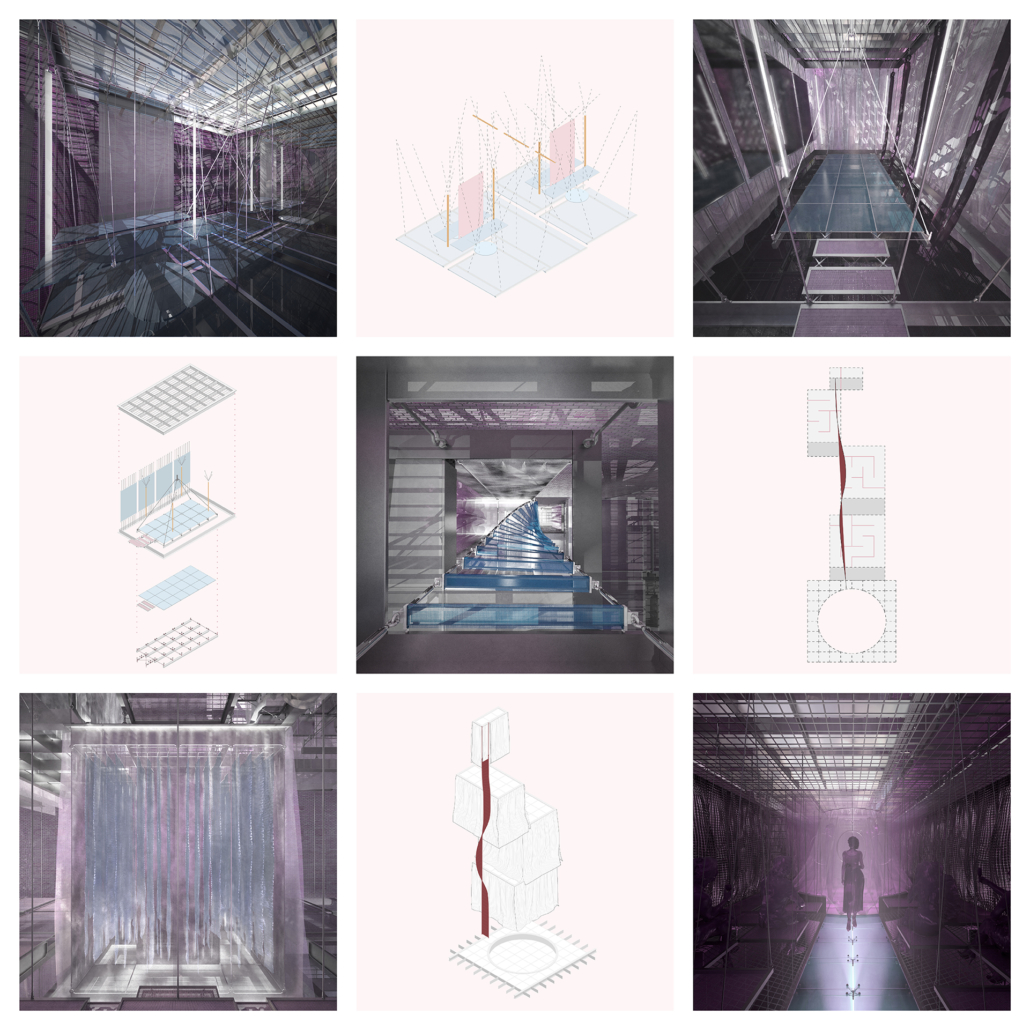
Architecture in Drag by Michael Evola, M.Arch ’22
Toronto Metropolitan University | Advisor: Marco Polo

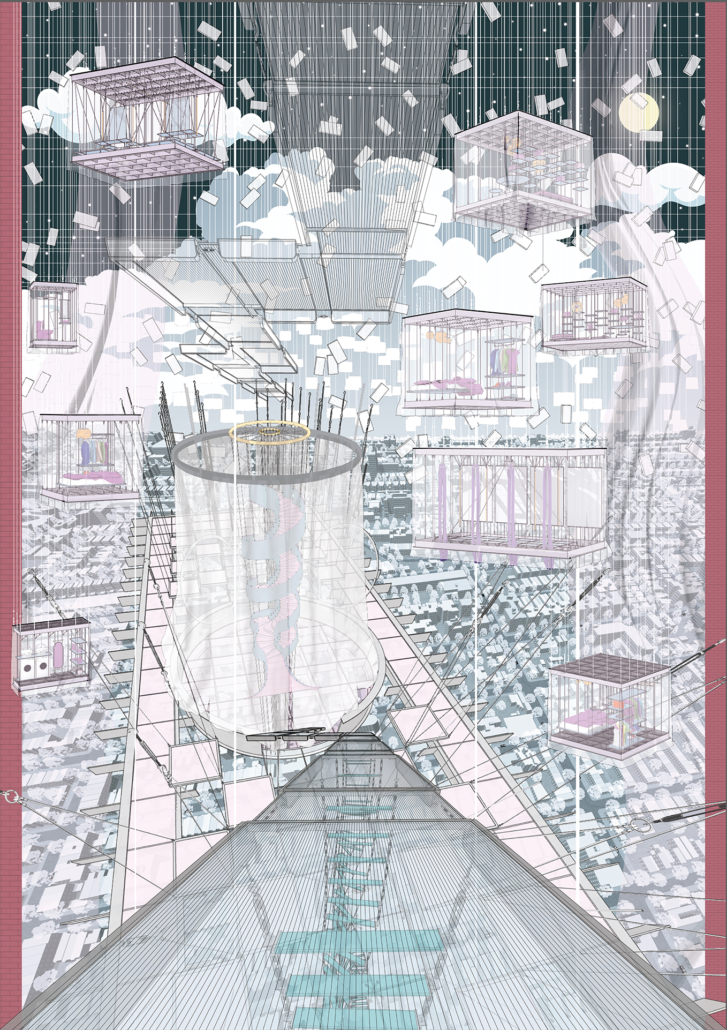
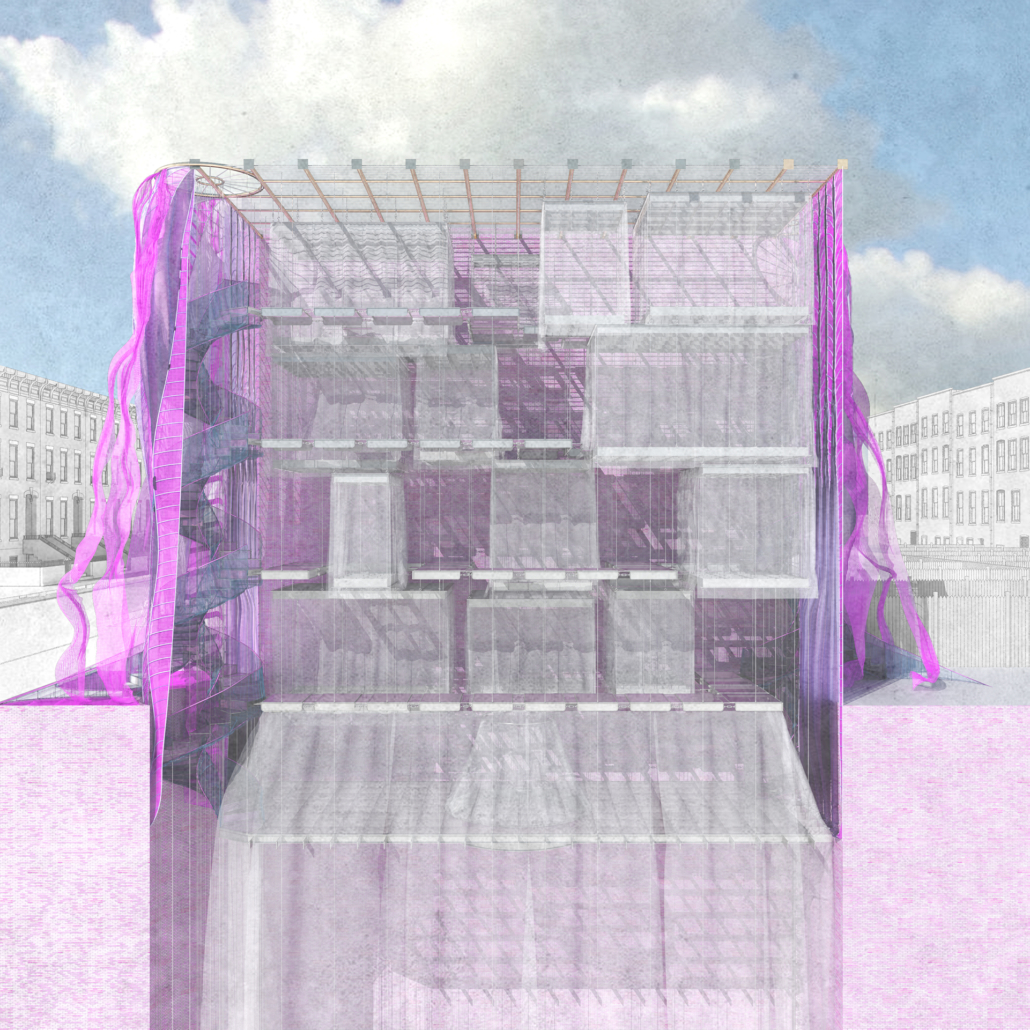
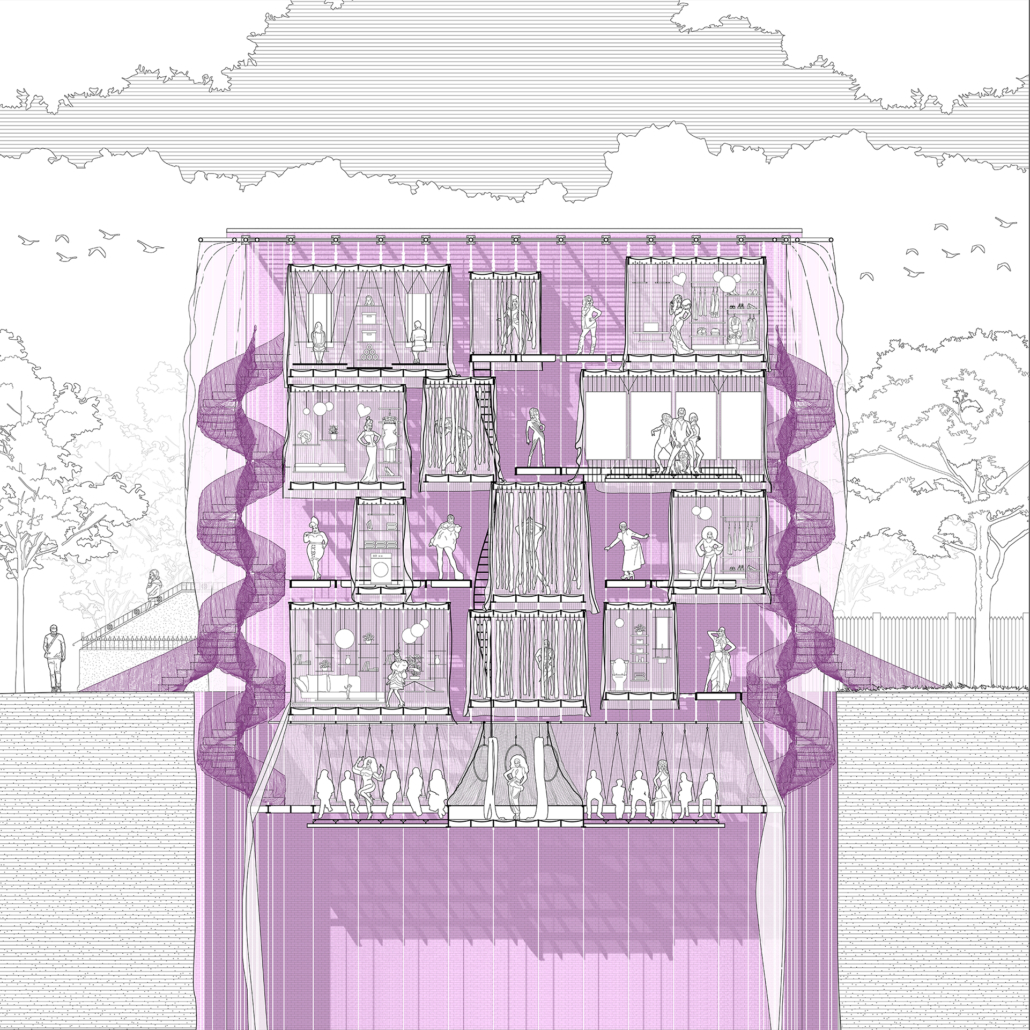
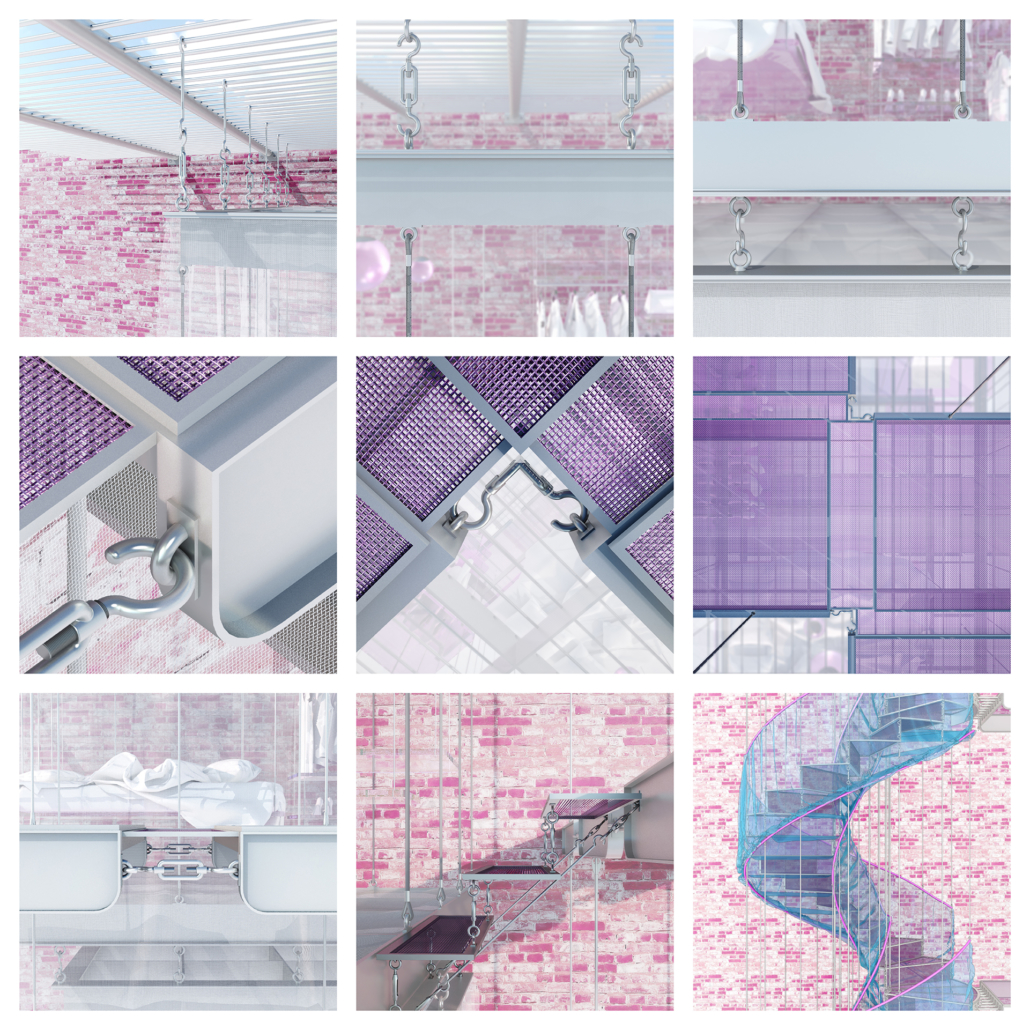
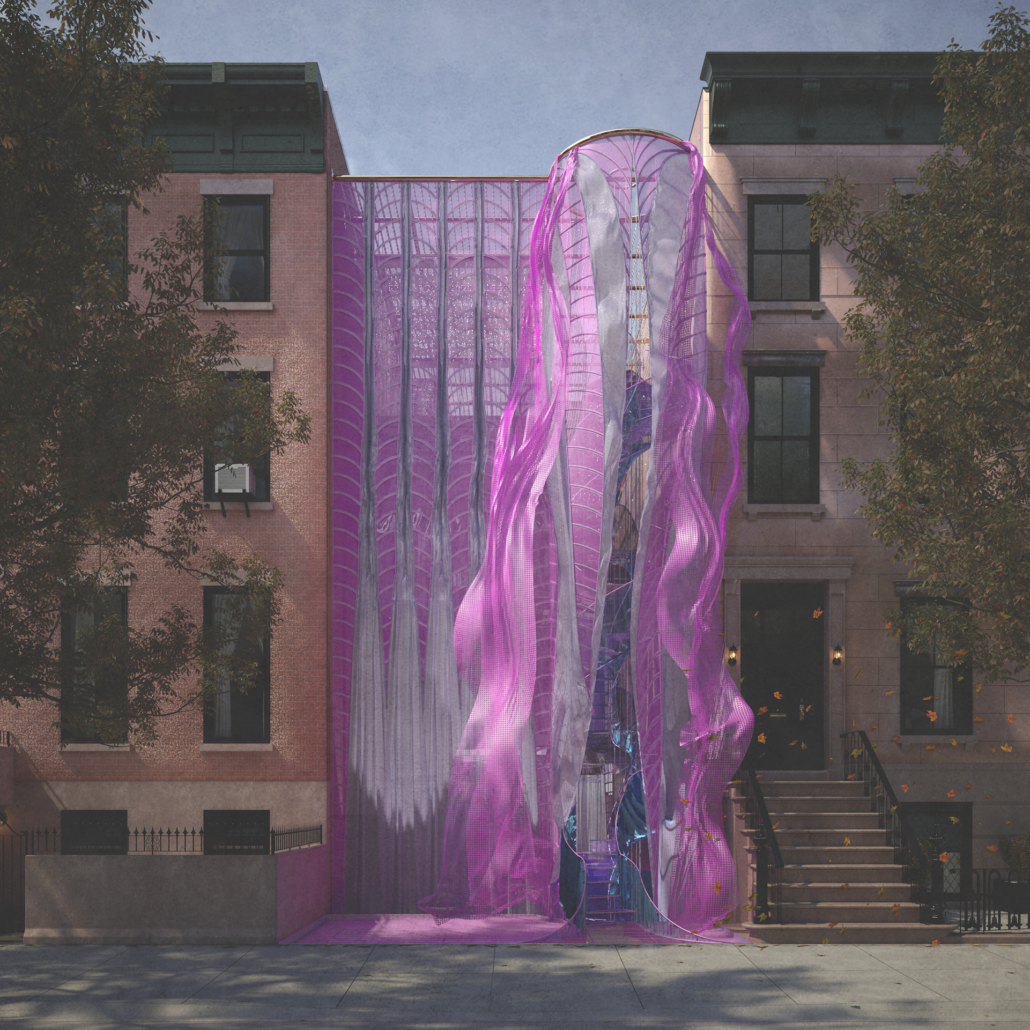
Through imitation and parody, Architecture in Drag challenges architecture’s identity. “/” is an imitation of a building, a ballroom and a home. Situated in New York City, the birthplace of modern drag culture, / begins by separating and interconnecting two rowhouses through a horizontal structural grid. From the grid, all of its characters (program and circulation), are hung and interconnected through fluid architectonics. By hanging its characters, / removes the ground on which architecture rests upon. In its place, a series of fluid spaces affect the other. In this manner, space is boundless, inviting and encompassing. Similarly, / invites its audiences to customize it. Although its characters are organized within a grid, this, like the power of the grid within architecture is a false truth. Thanks to its semi-fixed industrial characters, all of /’s characters are free to be moved and be re-arranged Thereby, / has exactly half a plan. The industrial connections enabling this feature are appropriated from their intended use, like the appropriated fixtures drag performers utilize to re-arrange their identities. No material should be off-limit in the construction of architectural ideas. Moreover, no idea should be considered non-architectural. Architecture in Drag challenges the ground defining truths within abstractions such as architecture and gender. / is the byproduct of this challenge, it is a performance of architectural ‘truths’ parodied as fluid.

Instagram: @mikeevola

A Gender-Based Violence Architecture: Protection and Empowerment of Women by Isamar Collazo, B.Arch ’22
Pontifical Catholic University of Puerto Rico | Advisor: Pedro A. Rosario

Currently, there is a lack of places to protect female victims of domestic violence, focusing on self-help programs to assist them in becoming independent and reintegrating into society. The existing shelters isolate women from their environment, which makes the transition process difficult during reintegration into their context. Therefore, this project aims to protect female victims by promoting their independence through therapies, workshops, housing, and recreational activities so that they may have the necessary tools to return to the outside world. Also, most of the women that report the most cases are mothers of two or more children.

This project will allow the mother to be with her children by providing safe spaces for education and play areas for the kids. Creating a space close to their context will enable them to reduce the sense of isolation they experience while receiving the help they may need. Some of the site selection criteria were: to locate the project in densely populated areas, locate where there are more reported cases and where there is a lack of nearby shelters. The project is located in El Salvador due to the fact that it has the highest number of femicides (female-focused homicides) per capita among Latin American countries. Research shows 6.8 per 100,000 women, which represents 435 femicides per year. Most of these incidents have been reported in the capital city, Santa Tecla, San Salvador.

Dismantling the Architecture of Othering: Queer Reclamations of Space by Minette Murphy, M.Arch ’22
Carleton University | Advisor: Piper Bernbaum

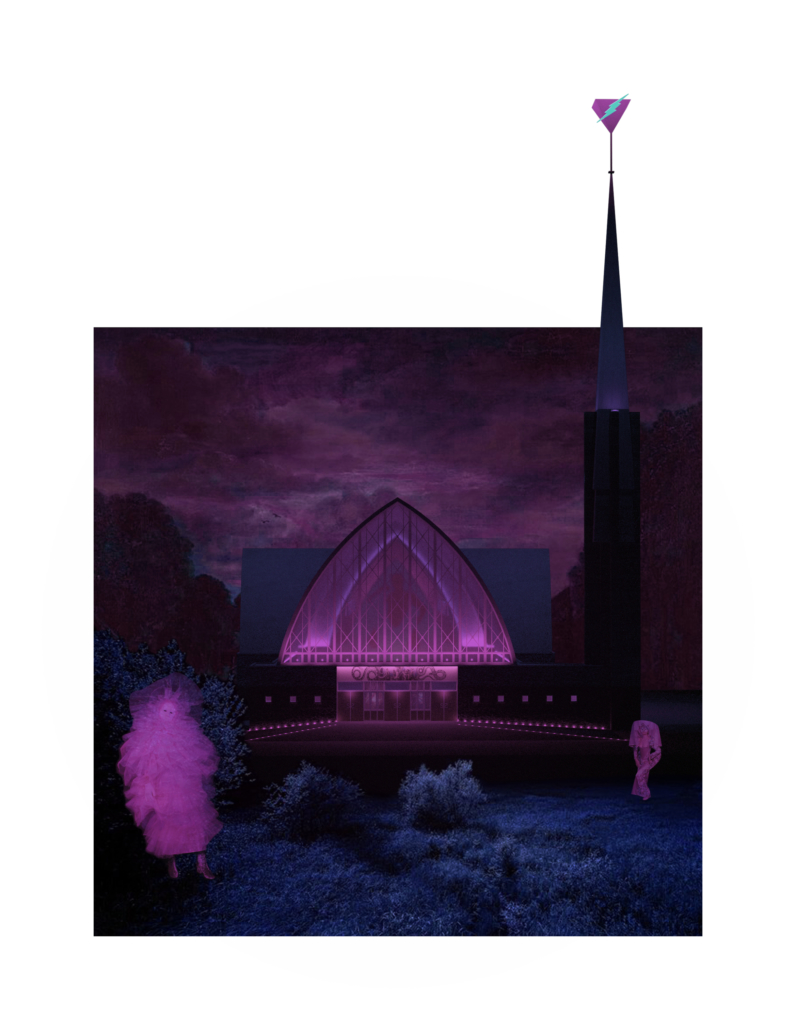
This thesis positions itself around the opposing forces of architectural normativity and queer spatial production. It investigates heteronormativity and its spatial manifestations, in order to engage in the practice of queering space as an act of resistance. By researching the heteronormative order, and typologies such as the public toilet and the private home, it seeks to demonstrate architecture’s complicity in the process of othering queer bodies. Applying a norm-critical perspective to spatial phenomena, it encourages architects to divest from contributing to this form of spatial violence.

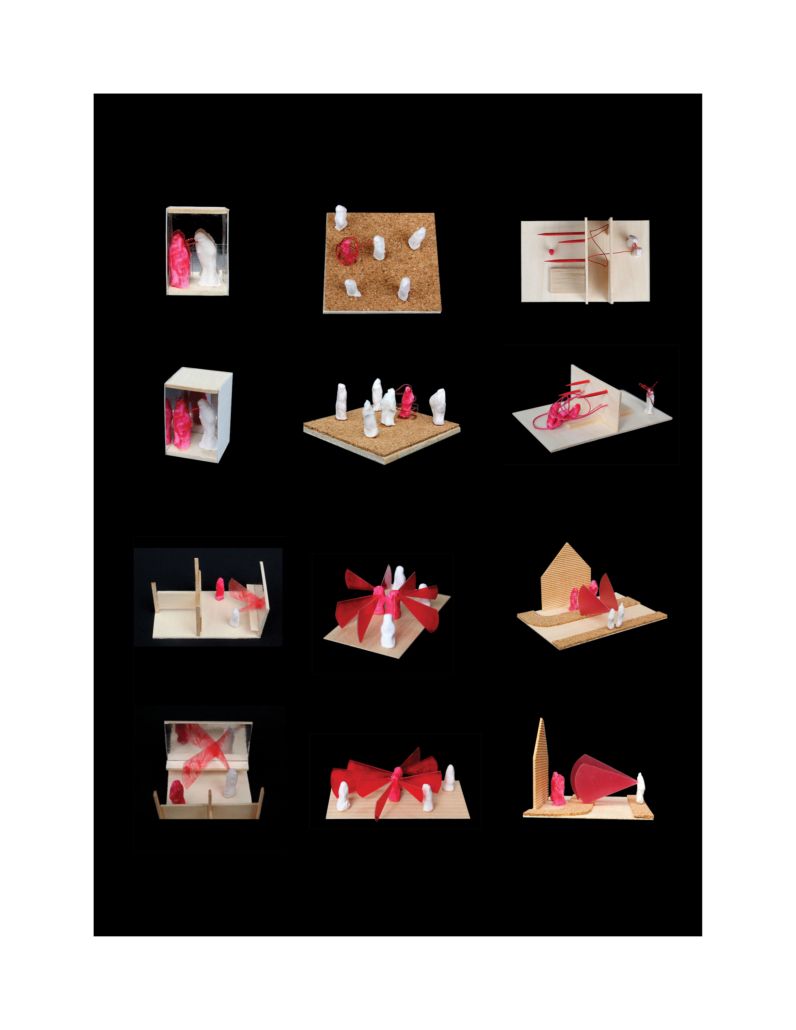
Next, it explores the act of queering as a contestation of the normative order through design. Continuing to dismantle various facets of heteronormative spatial production, six design explorations consider the body through a multi-scalar approach. As the site where queerness is initially produced, the body is where all contestations must begin. The first question ‘what is the body?’ deconstructs the normative body which forms the basis of all architectural standards in order to explore the concept of a fluid and relational body. The second ‘what is the layered body?’ analyzes the heteronormative imposition of meaning on clothing and the spatial implications of layer, while subverting both through costume. The third ‘what is the shared body?’ questions the privatization of the body and its various functions, and proposes opening private spaces up to new experiences. The fourth ‘what is the protected body?’ investigates spatial conditions that limit the safety of queer people, and mobilizes mechanisms innovated by the heteronormative order against itself. The fifth ‘what is the worshipped body?’ reflects on the abjection of queerness and implants queer rituals of joy into places that prohibited them. Finally, the sixth ‘what is the transcendent body?’ recounts moment of queer world building, and engages in open-ended experimentations of queer futurity. Throughout the whole document, this thesis seeks to question, reveal, subvert, and transform. Ultimately it will conclude that there is no one way to ‘queer.’ In all its forms, ‘queering’ is a practice of resisting normativity that should be embedded in the architectural practice of all.

Instagram: @minetteyo, @piperb

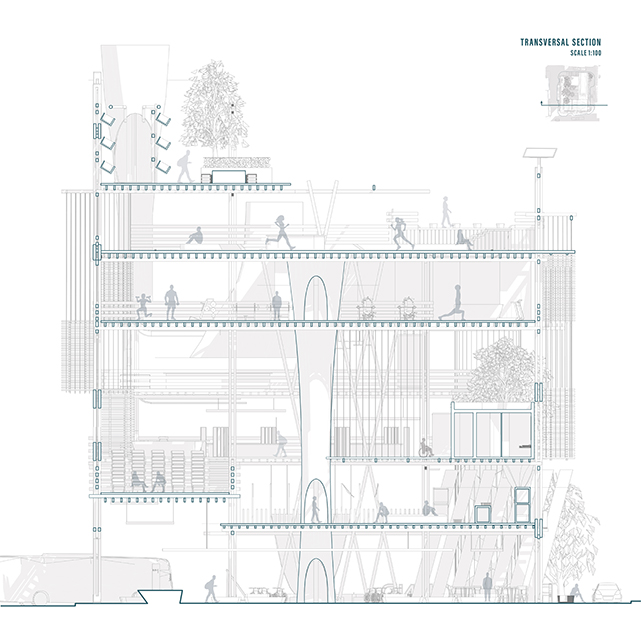
Offerings and Inheritances: Reconstructing Altars for Queer Vietnamese Kin by Thompson Cong Nguyen, M.Arch ’22
Carleton University | Advisor: Piper Bernbaum

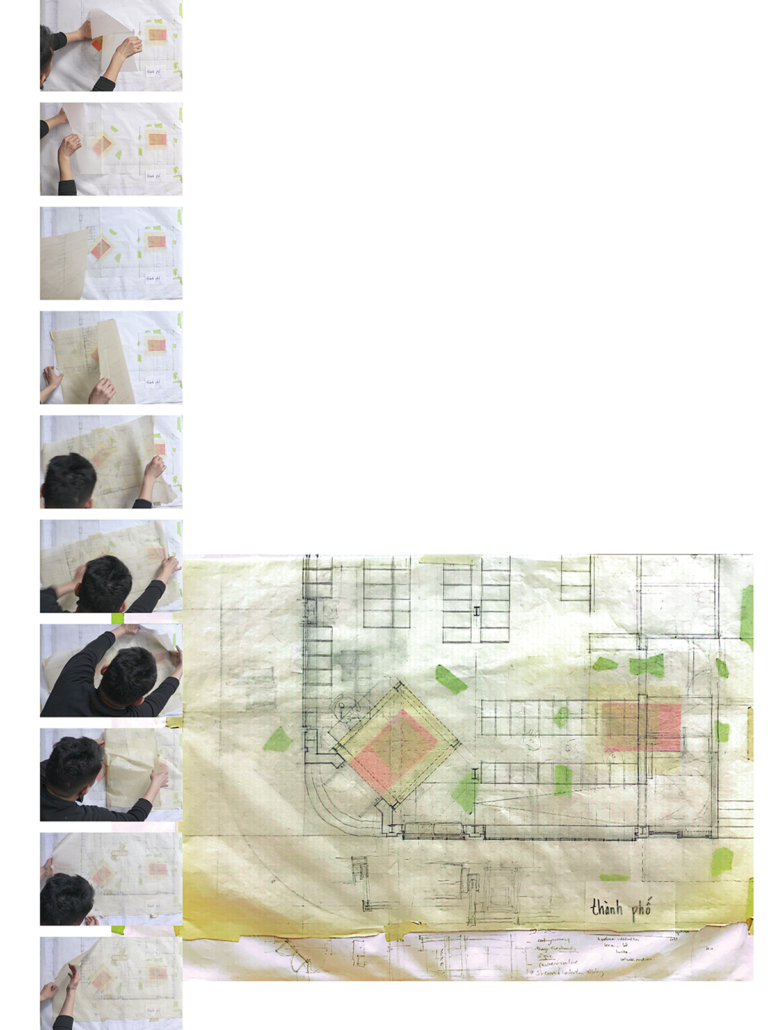
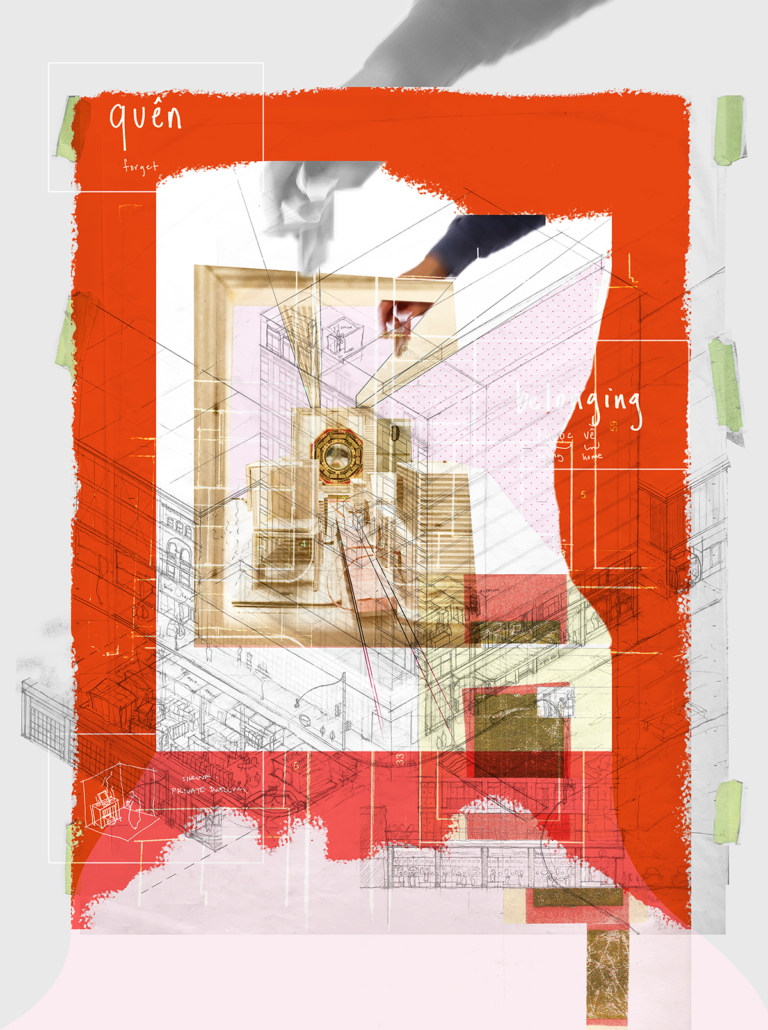
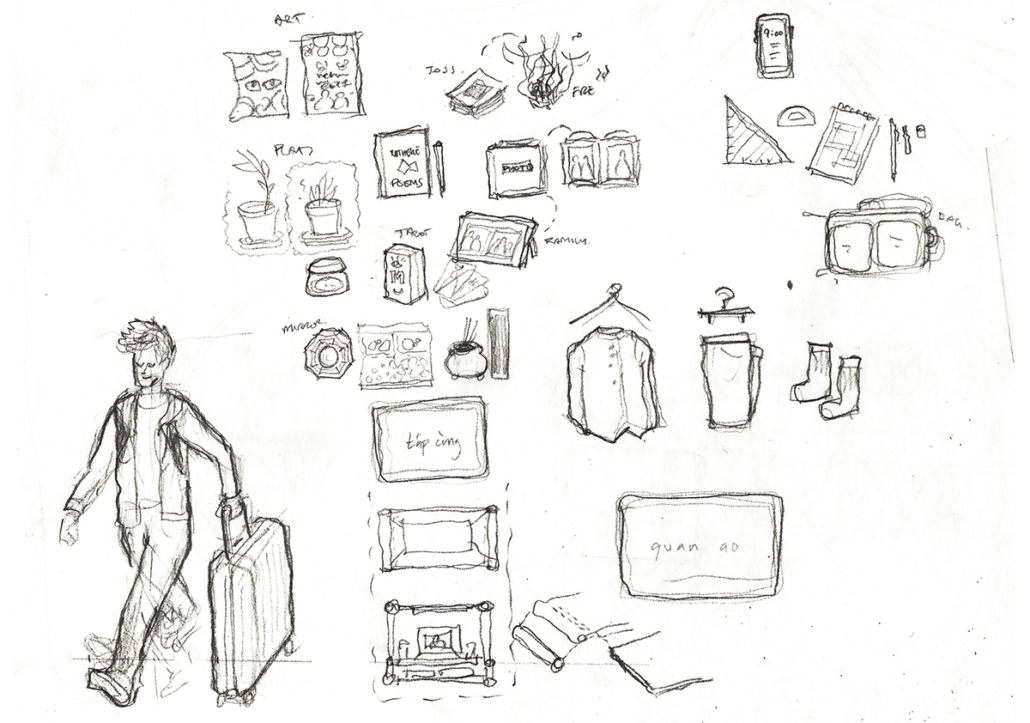
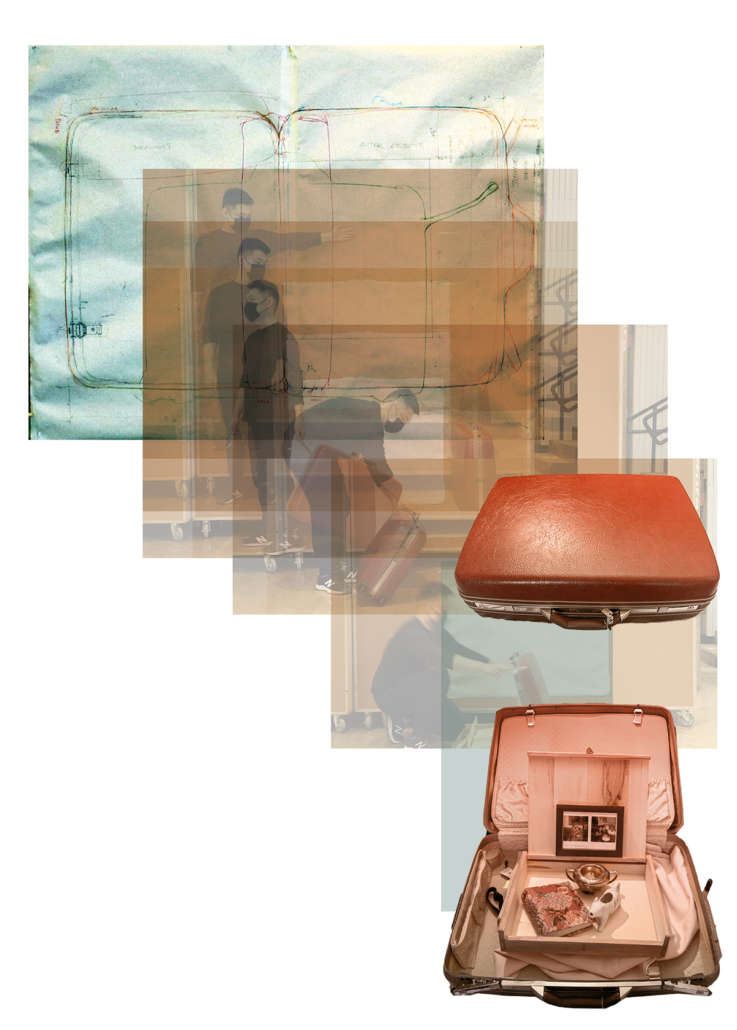
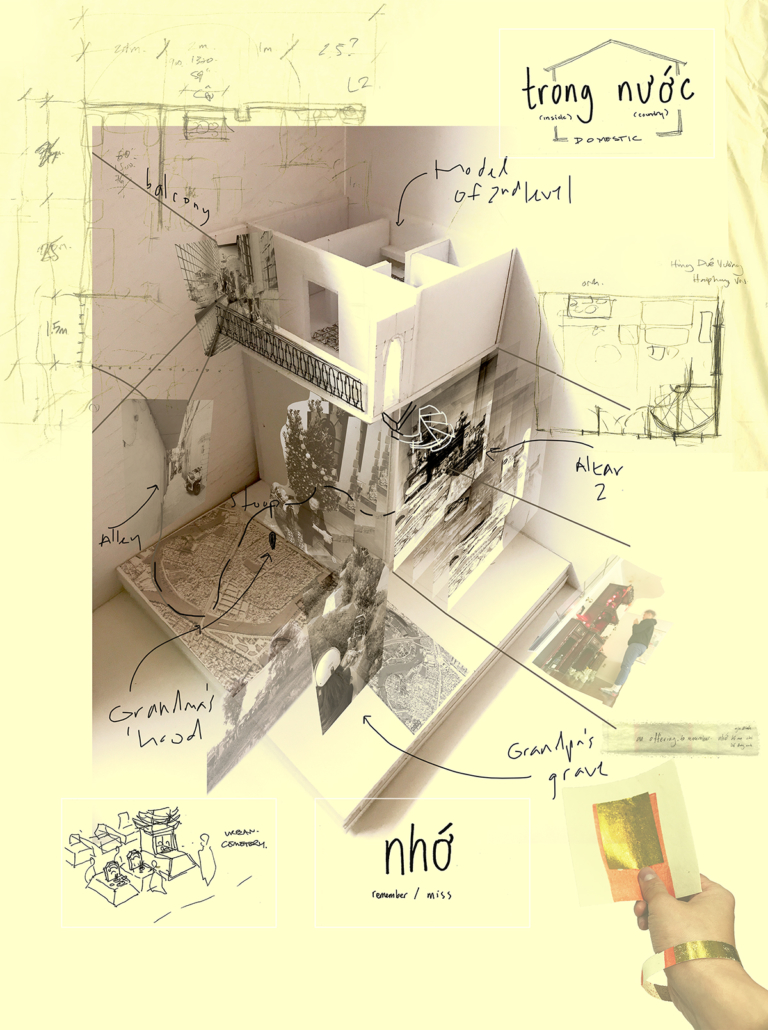
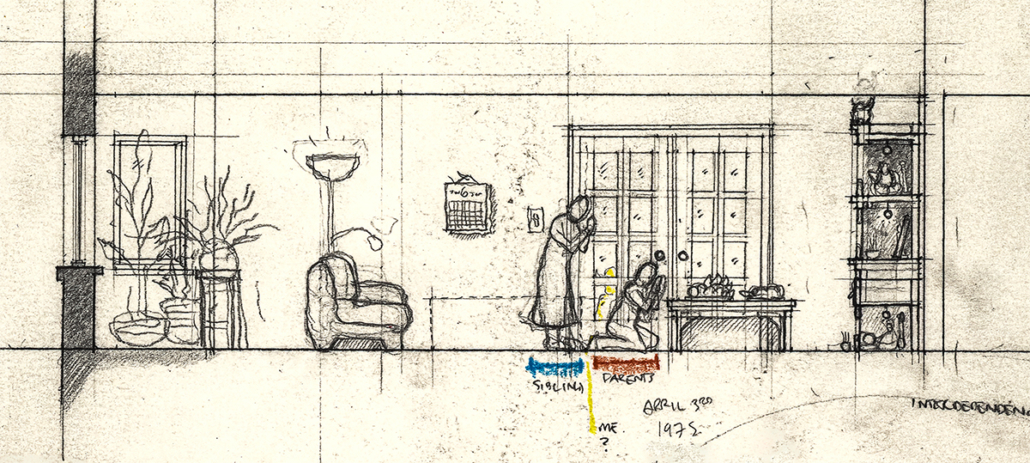
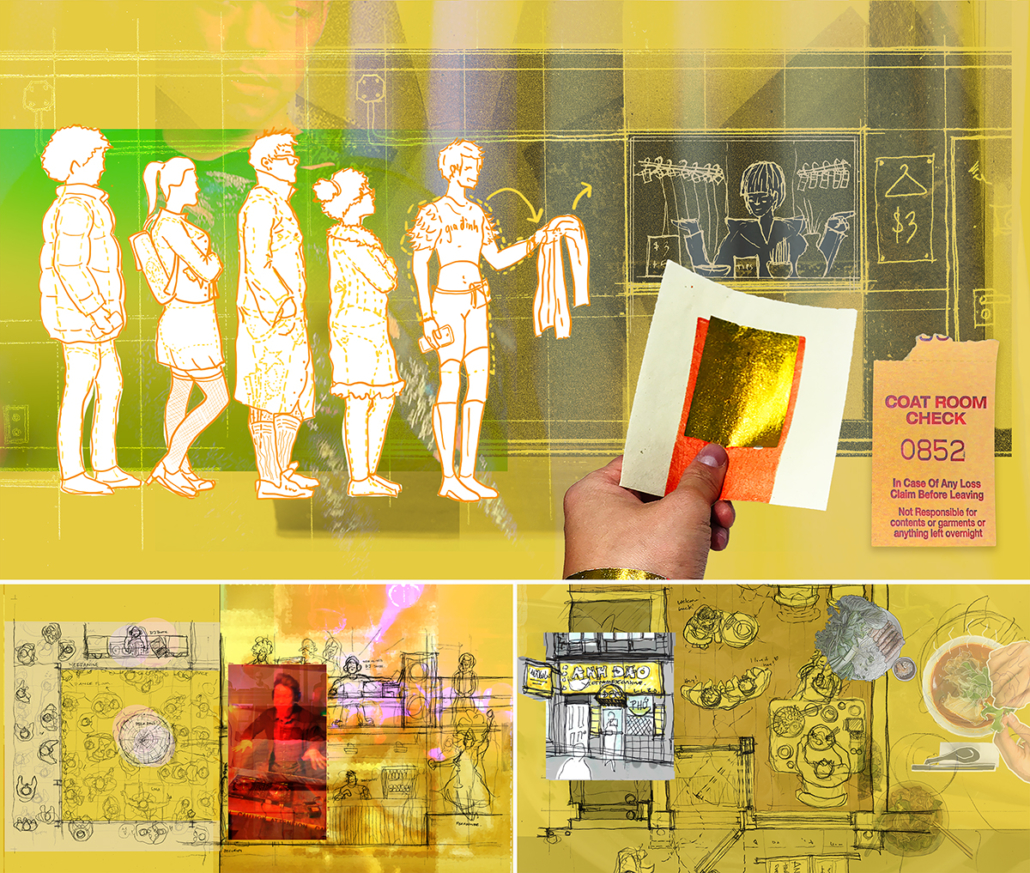
How do we offer our selves – as diasporic, queer, Vietnamese families in settler-colonial Canada – to honour our ancestral kinship ties while creating space for new, authentic rituals and traditions? ‘Offerings and Inheritances for Queer Vietnamese Kin’, my architectural thesis at the Azrieli School of Architecture and Urbanism at Carleton University, Ottawa, investigates how practices of ancestral worship are performed in everyday sites scaled to the body, the street and the nightclub. This involved multi-modal and multi-scalar artistic explorations of offerings and identities which prompted the design of three new altars fitted to a suitcase, an urban storefront and a queer clubbing event. Each altar offers new fields of inquiry that embrace the mess of queer diasporic identities and affect how space is conventionally created through architectural design. This process invites designers, scholars, and queer, diasporic kinfolk to collectively reconstruct new practices of belonging for our ancestors, kin and our multi-adjectival selves.

Instagram: @thompydraws, @piperb

Check back next week for Part III of the Study Architecture Student Showcase.


2022 Study Architecture Student Showcase - Part I

Welcome to the first installment of the 2022 Study Architecture Fall Student Showcase series! To give you an insight into what it is like to study architecture, we are taking a closer look at student thesis and capstone work from 2022. Throughout this series, we will feature work from recent graduates of ACSA member schools across the globe, highlighting a wide array of unique architectural explorations. For the next couple of months we will feature weekly installments of design student’s final projects covering a range of topics. This week we take a look at the intersection of architecture and climate change, specifically as it relates to sea level rise.
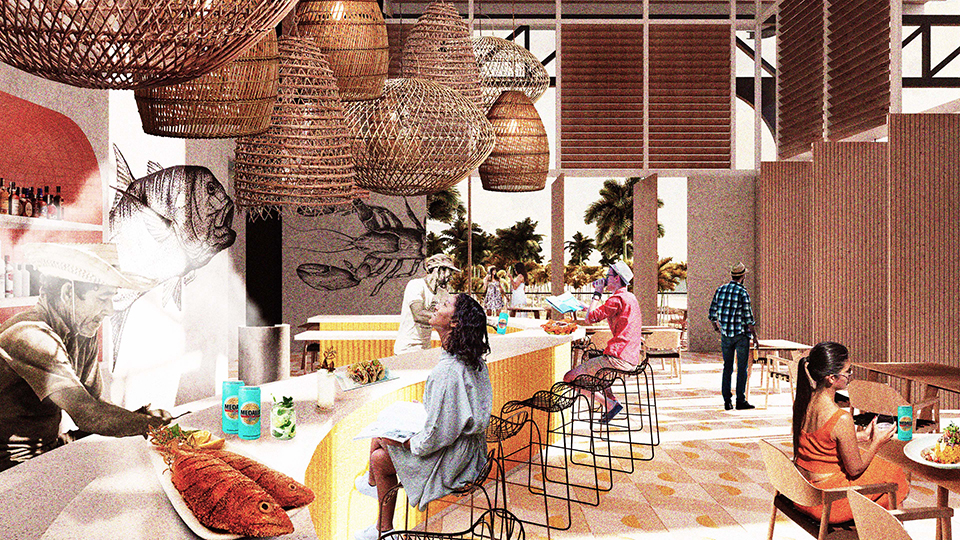
We will be sharing these projects on Instagram at @studyarchitecture and @imadethat_ so let us know your favorite there.

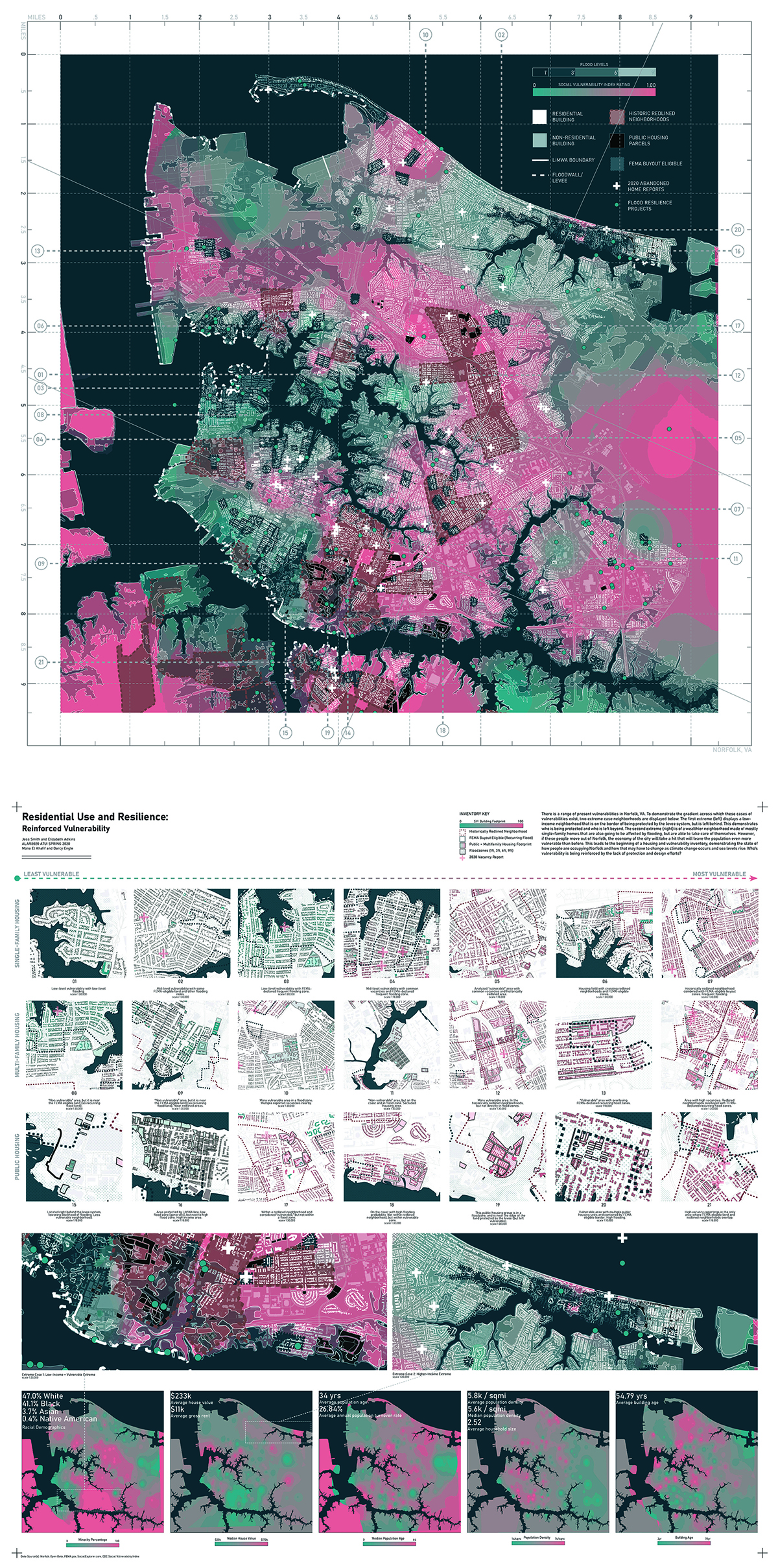
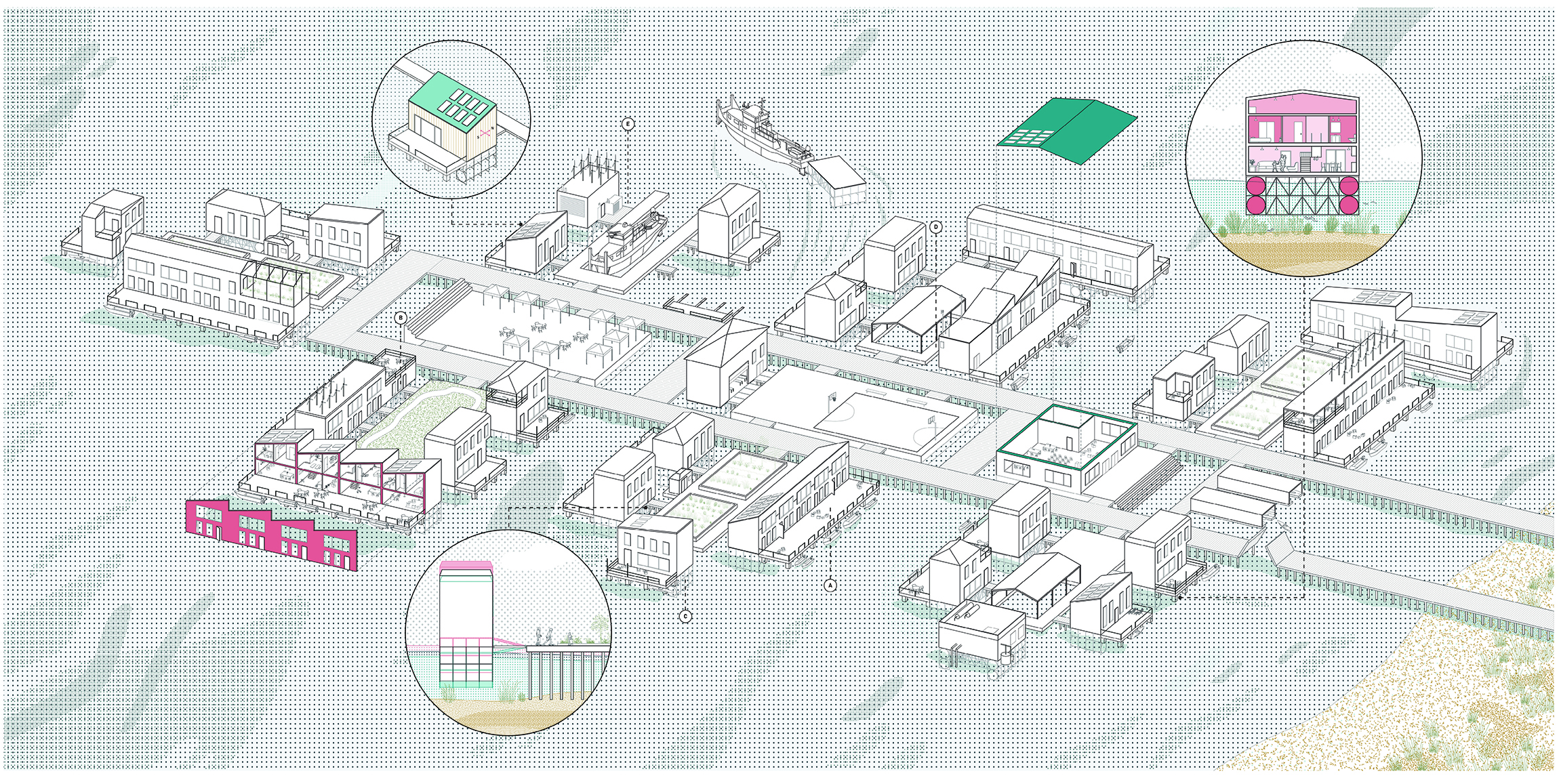
Floating Omnitopia by Jessica Smith, M.Arch ’22
University of Virginia | Advisor: Mona El Khafif 

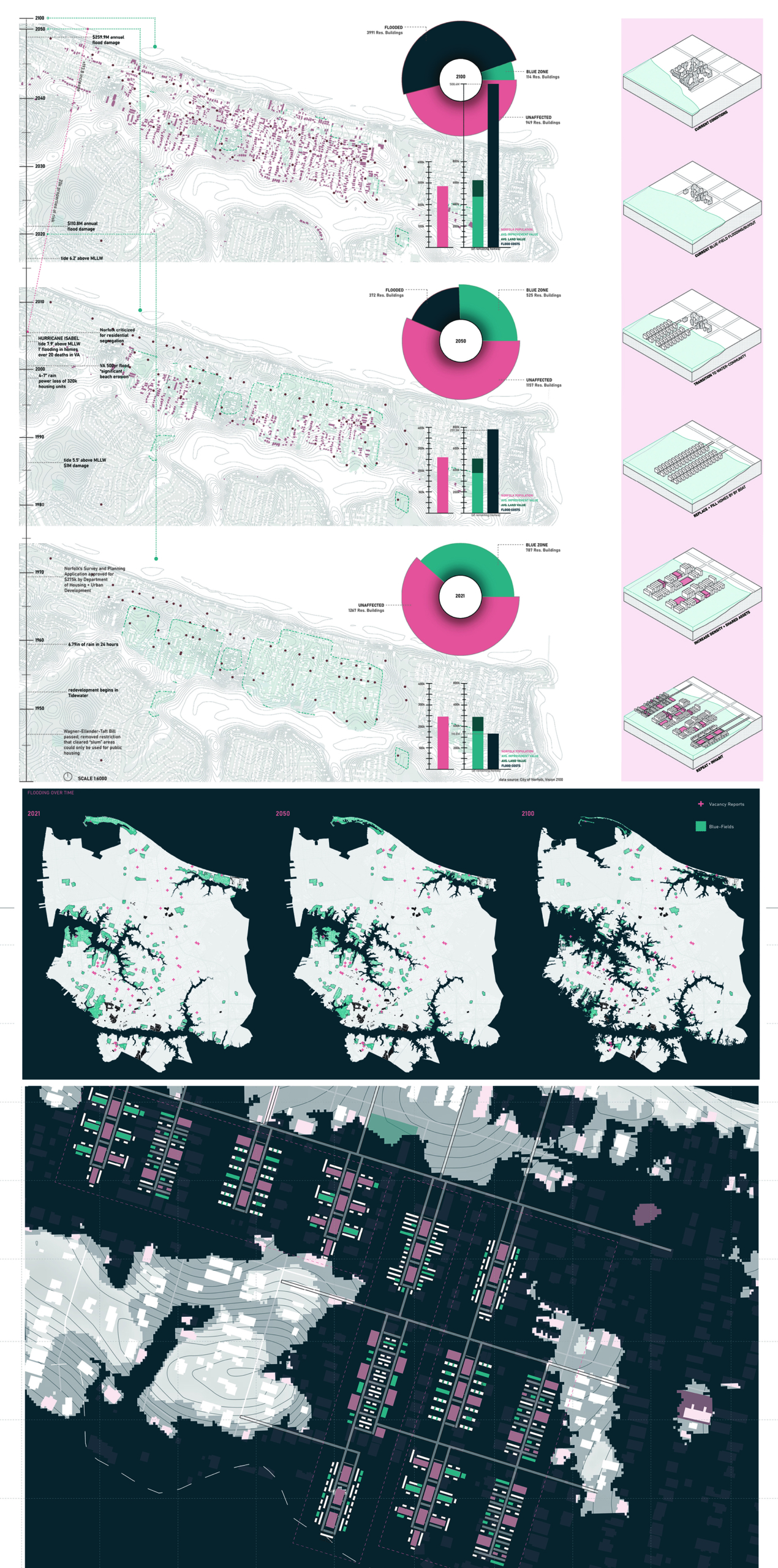
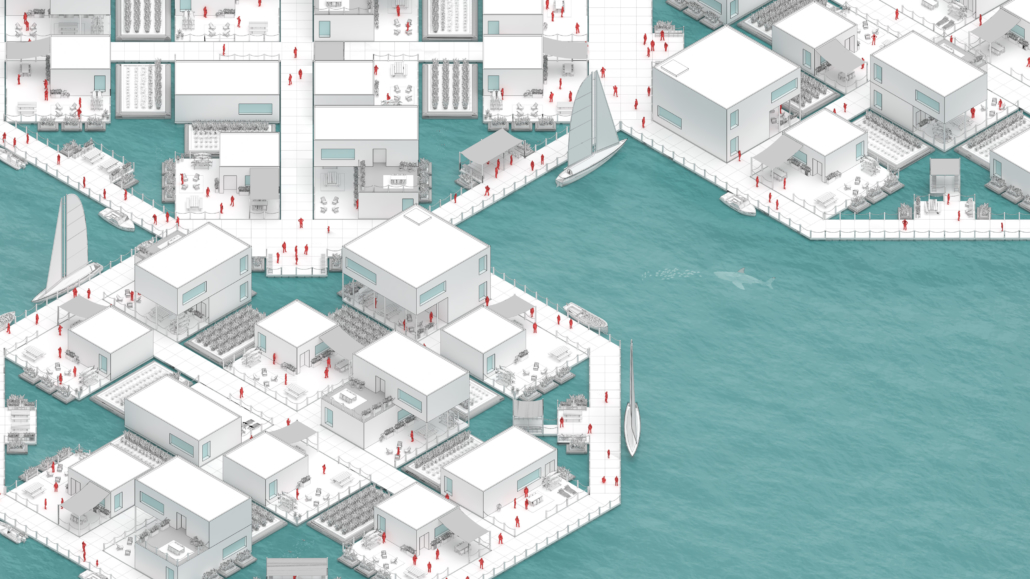
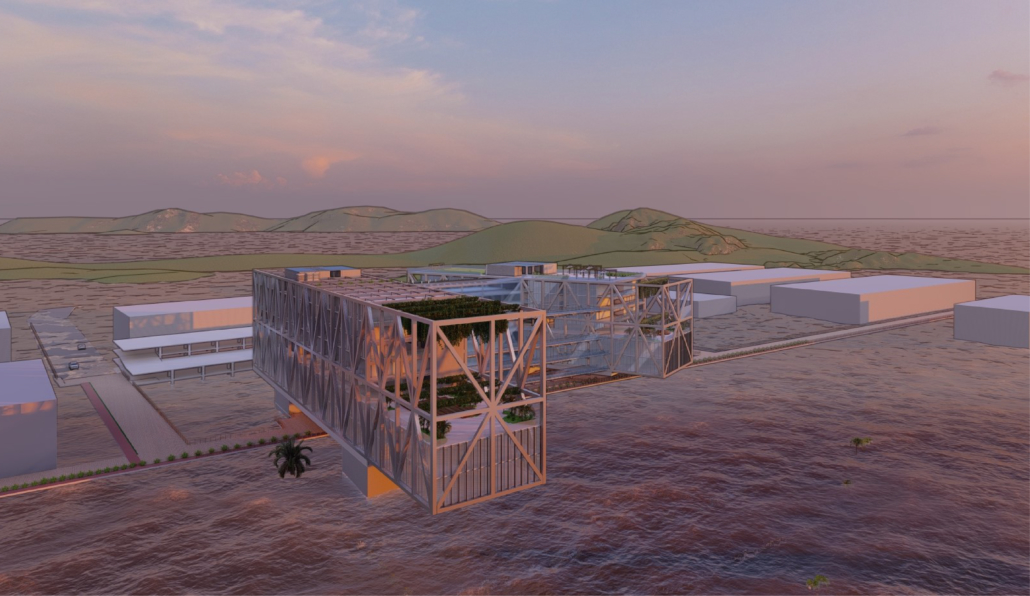
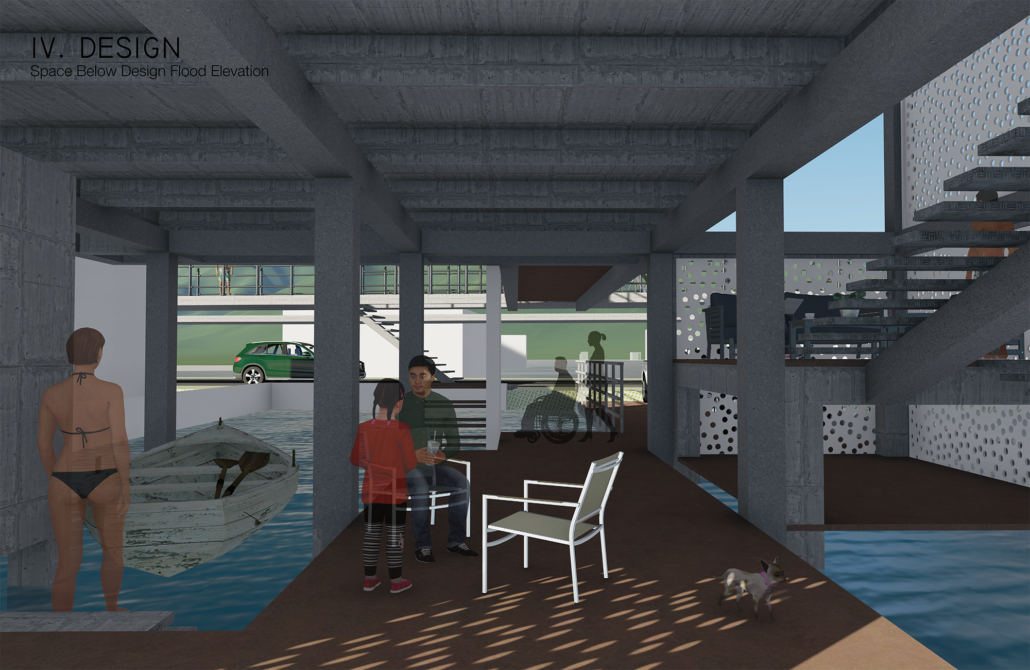
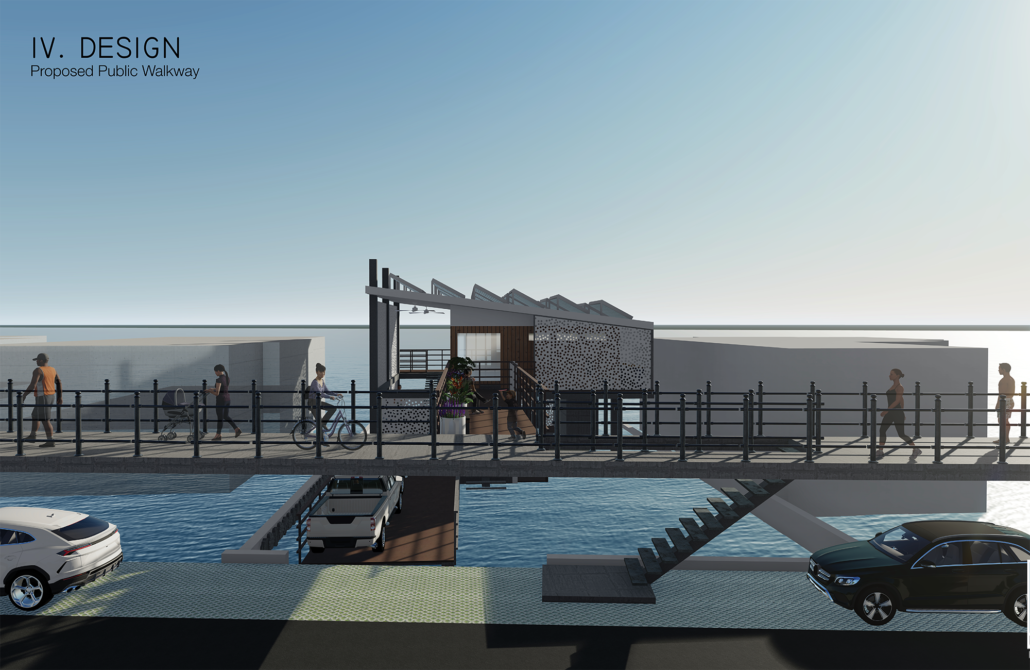
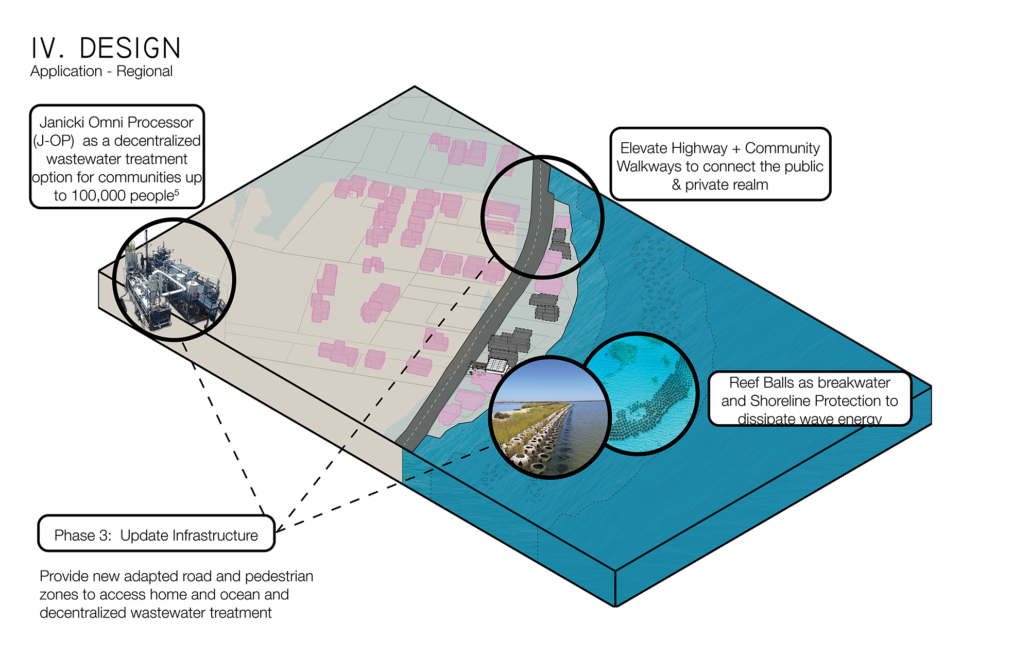
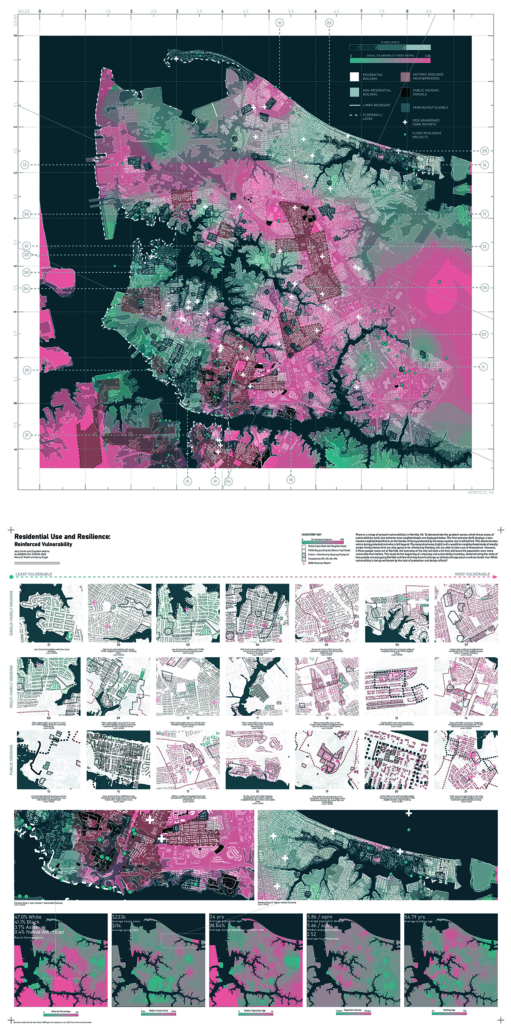
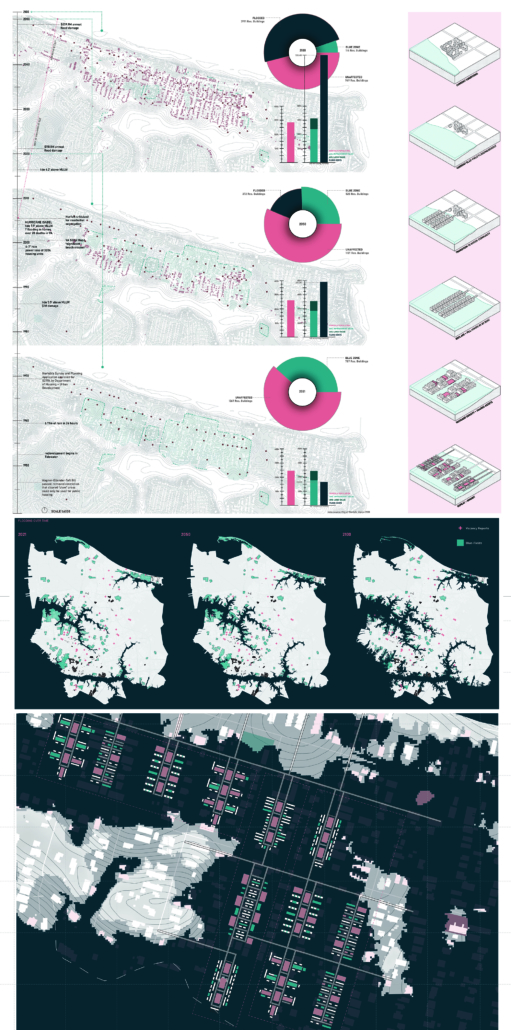
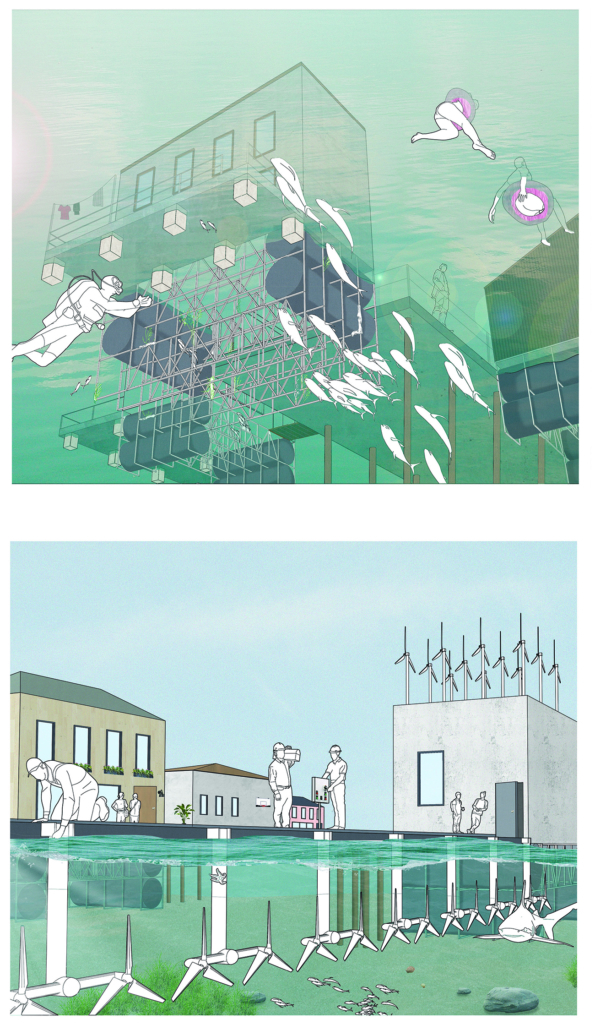
Norfolk, Virginia, is staring climate change in its full force as many residential areas are experiencing flooding throughout the year. These residential areas range in value of social vulnerability. The risk of flooding is not considered when determining “vulnerability.” It is observed that many areas of high vulnerability are also areas prone to flooding and are not protected by flood resilience projects. Other areas of low vulnerability are also affected by the flooding, but these residents have the resources to relocate out of Norfolk if needed. If they move, this will have a negative effect on the local economy. As more of Norfolk is taken by rising sea levels, where will these residents go?

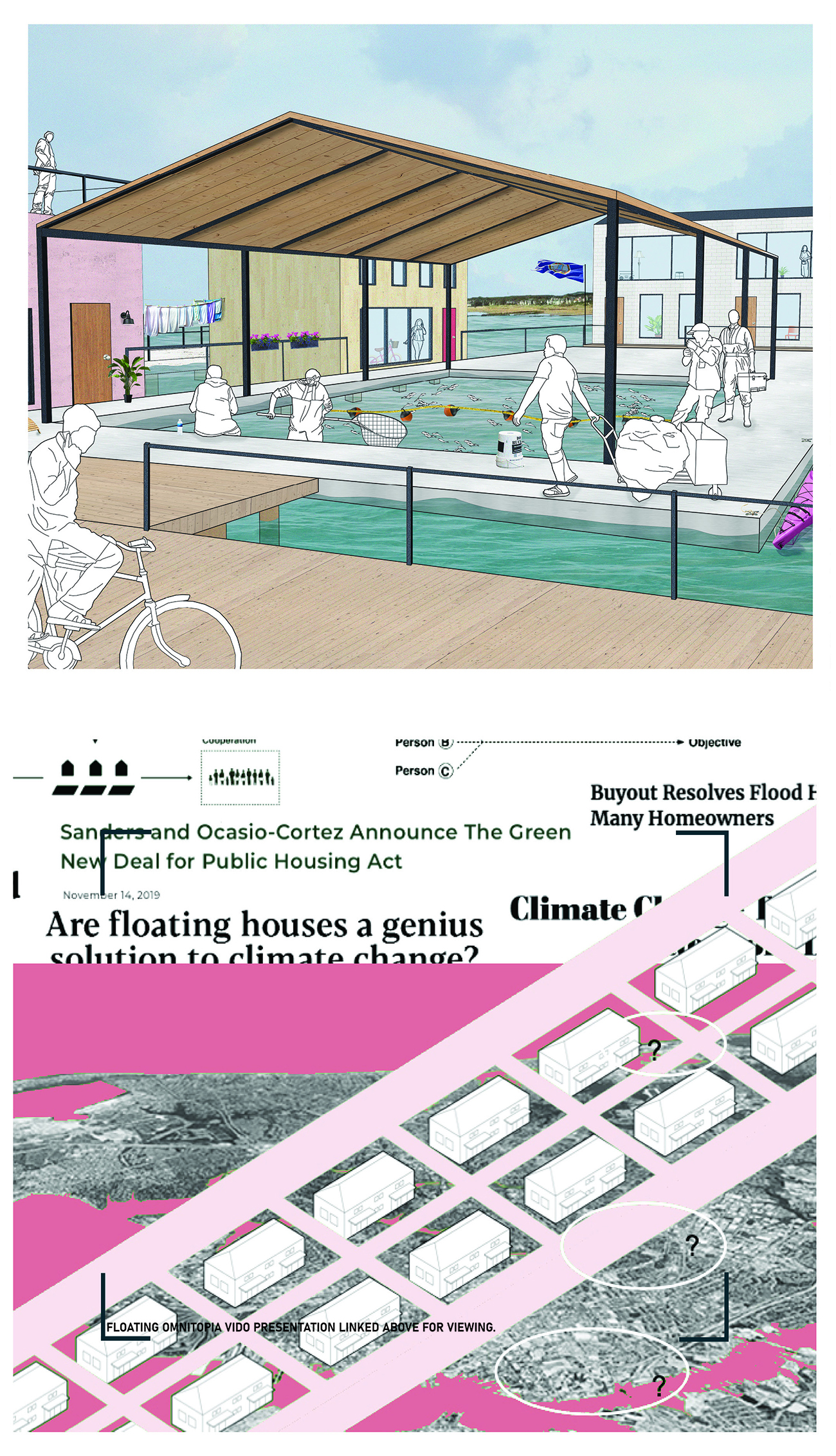
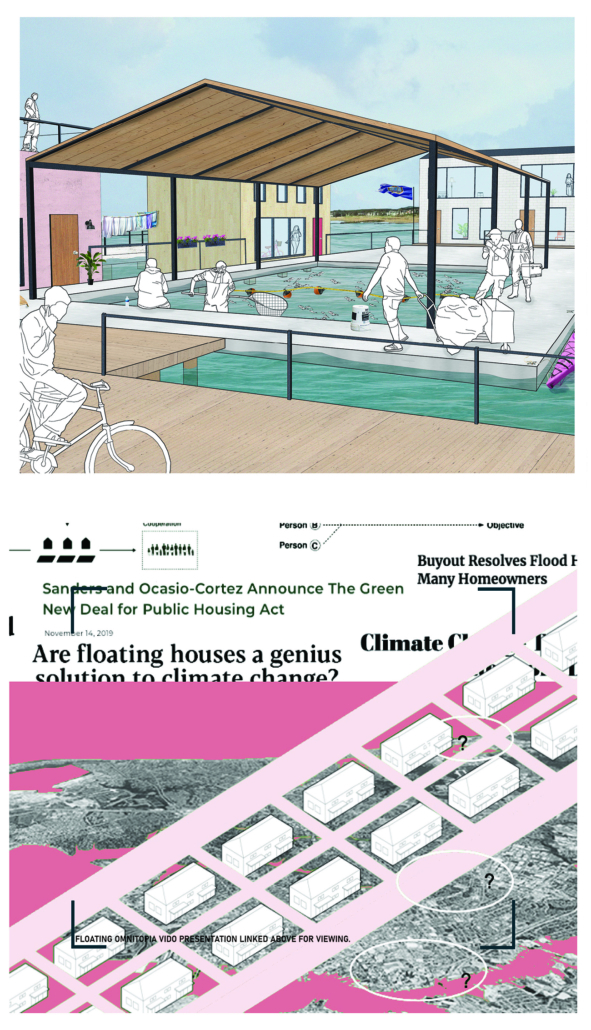
FEMA has identified areas of recurring flooding, which will be called blue-fields. The homes within these blue fields are eligible for the FEMA Home Buyout program where a home-owner may sell their home to FEMA for that lot to be cleared. This project proposes another relief effort beyond this, in which this buyout funding from FEMA is used within a partnership to form a common.

This is the current prompt, and the urgent response should be an alternative to retreating, reject-ing both the utopian and dystopian models commonly associated with efforts to combat climate change. All the people in this area have a shared goal of protecting their homes, which creates a common ground. This is the basis needed for a new common of Norfolk of both shared assets and stewardship, existing on the water. It is a place for all, or the omnitopian common.

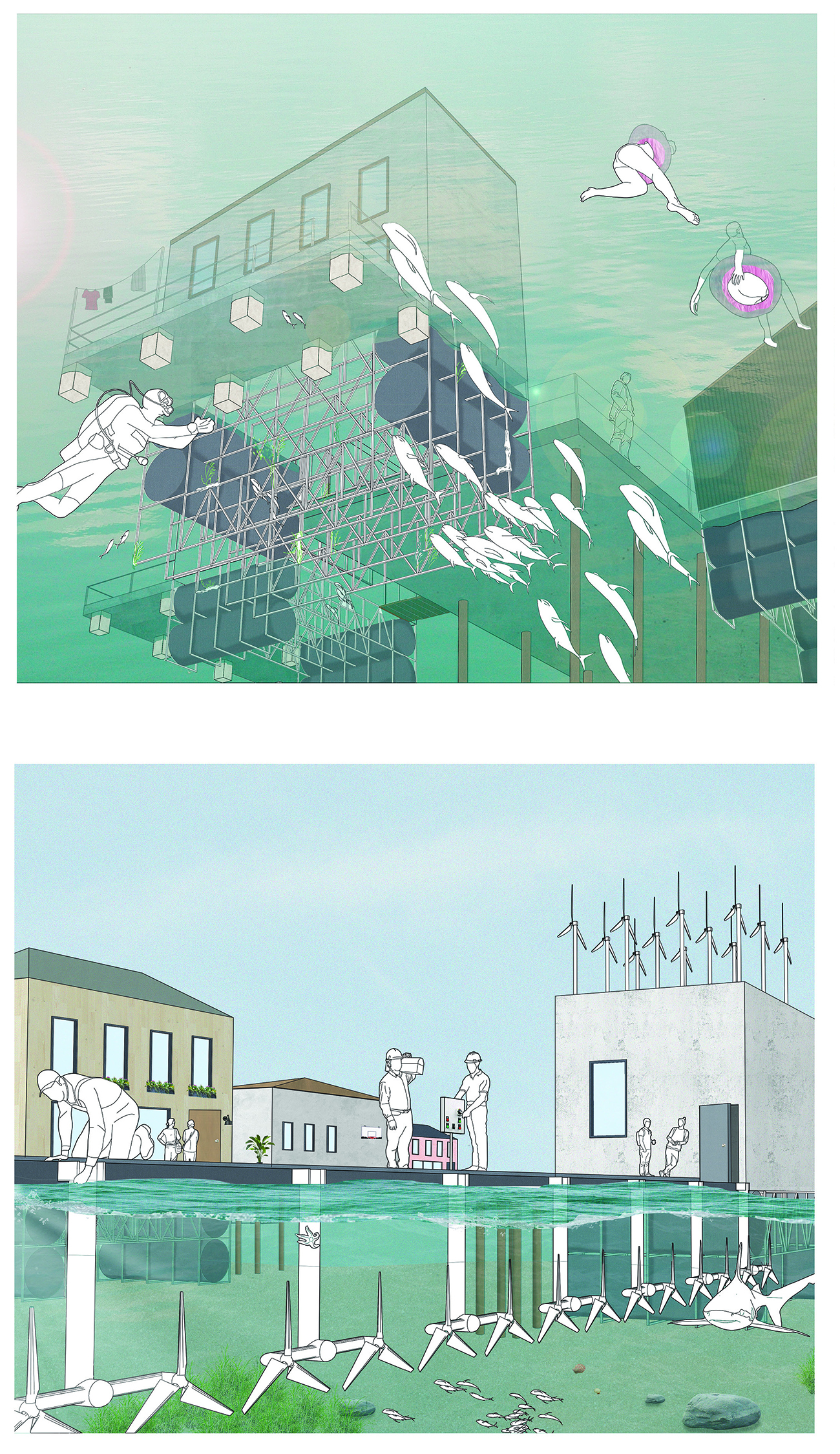
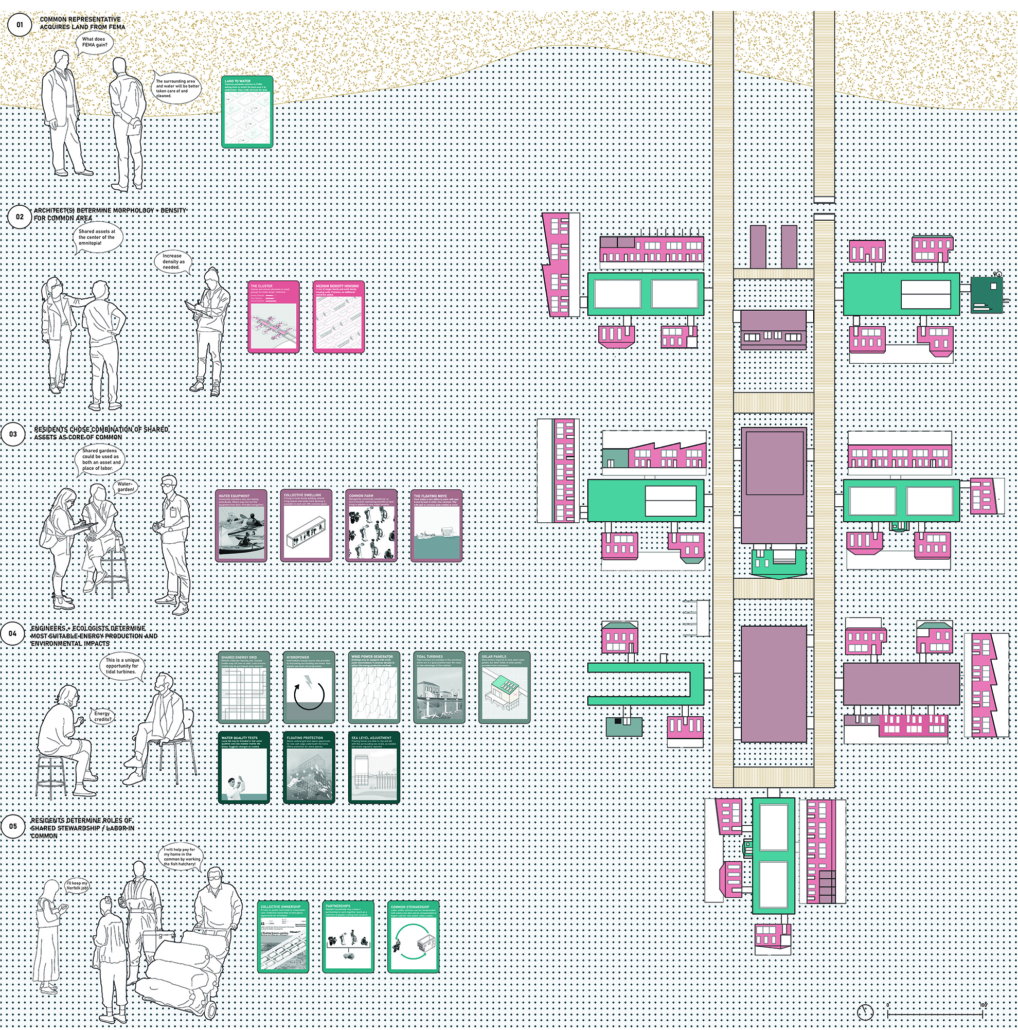
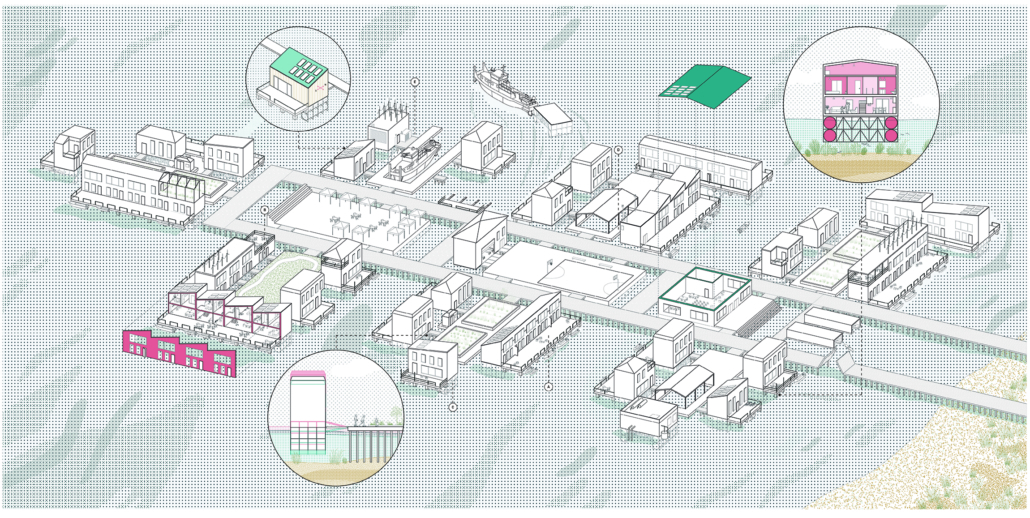
Inspired by projects carried out in the Netherlands, the omnitopia typology of housing is being implemented in Norfolk to create a collective partnership between residents and rising water conditions. It comes in the form of a common, a water-based community within which land(/water) and certain assets ownership is redefined as shared at the block-scale. Shared stewardship allows for growth / development / maintenance at a more concentrated (therefore, more effective) scale.

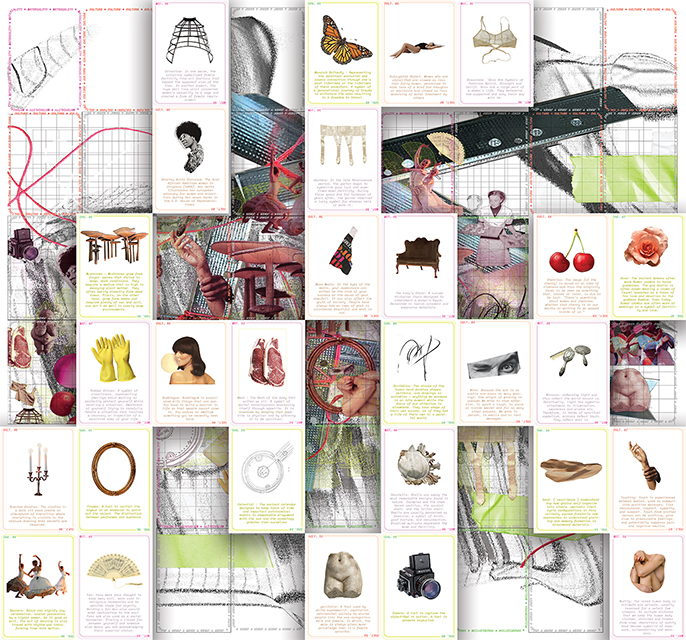
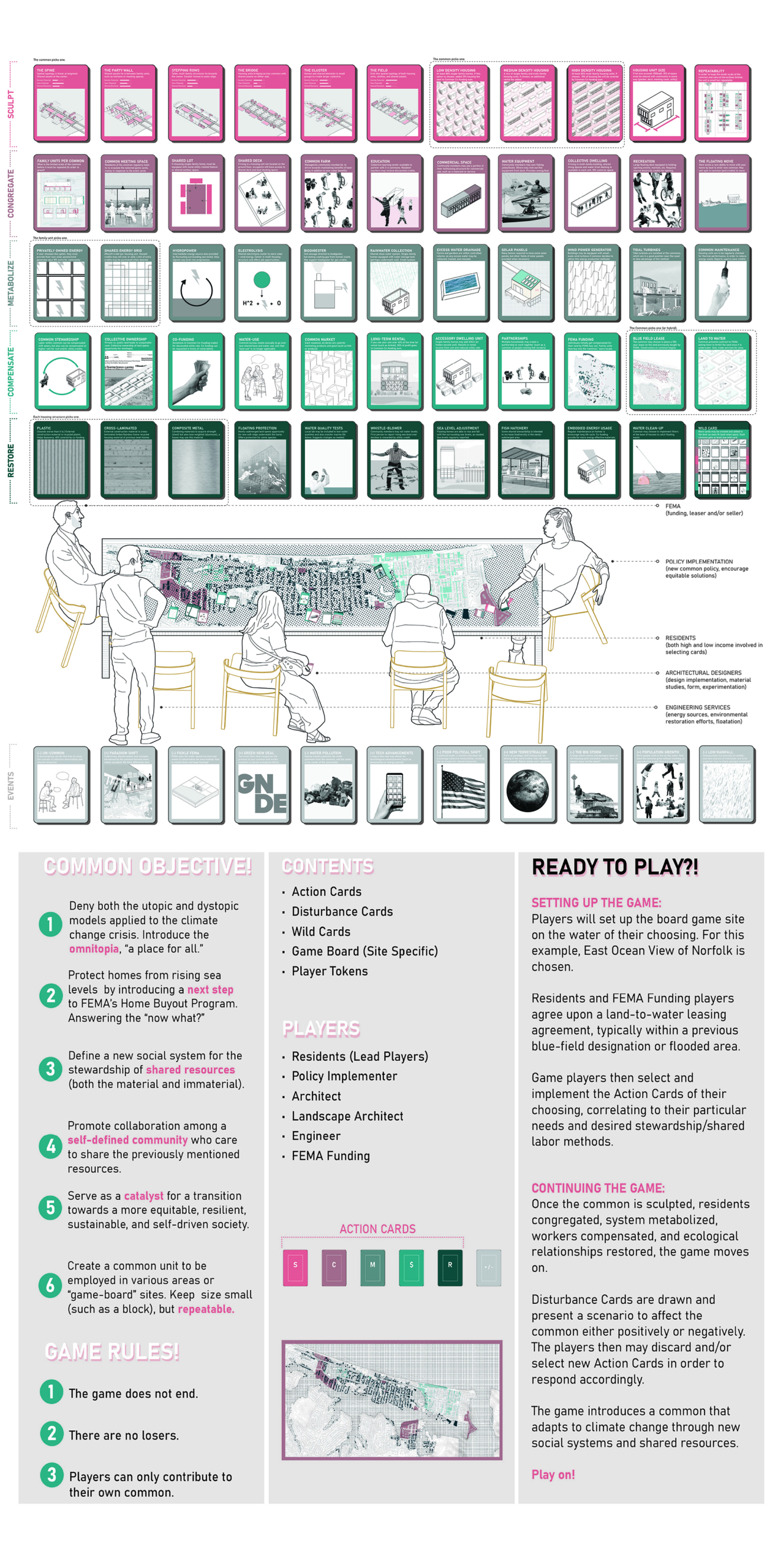
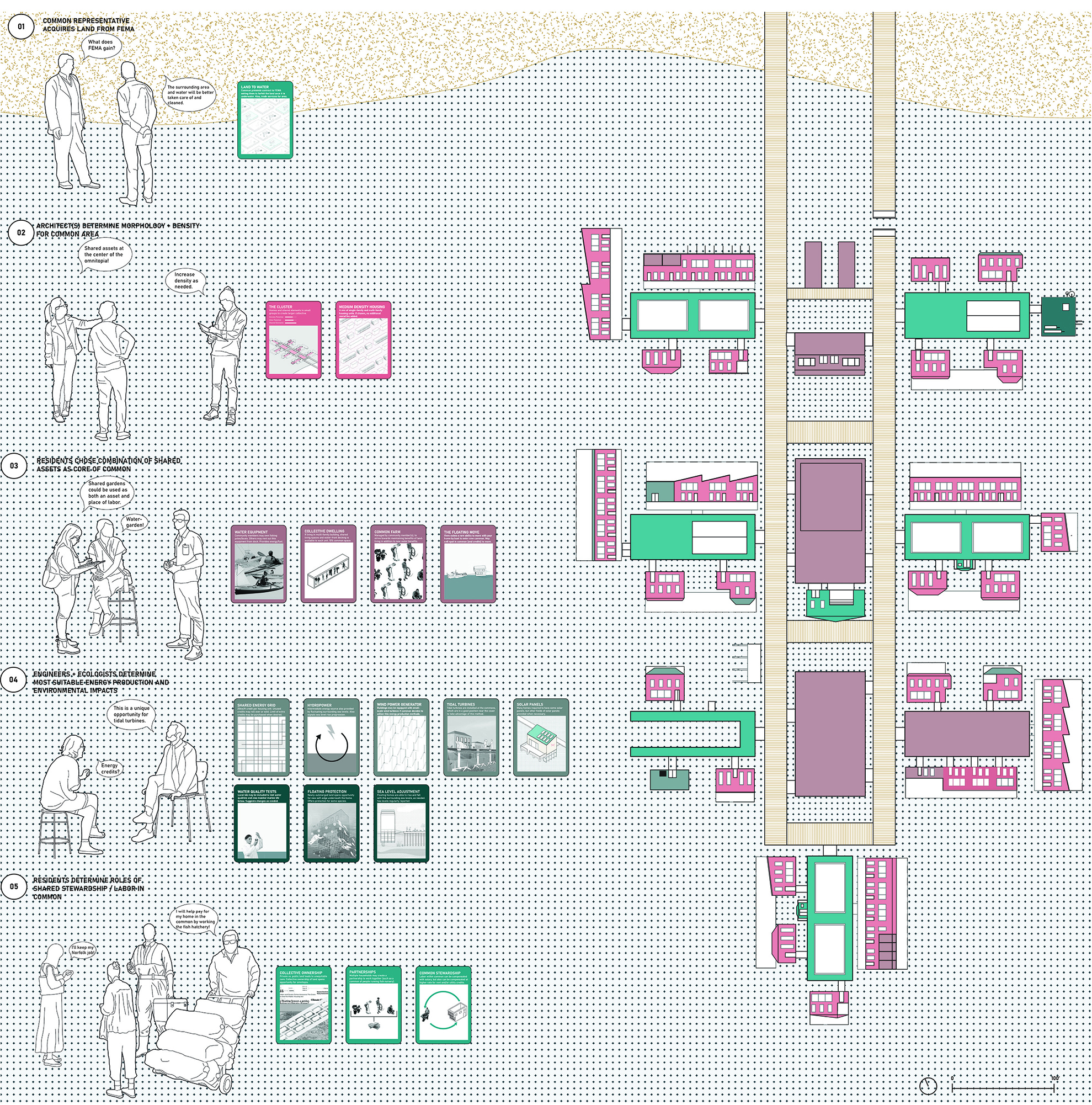
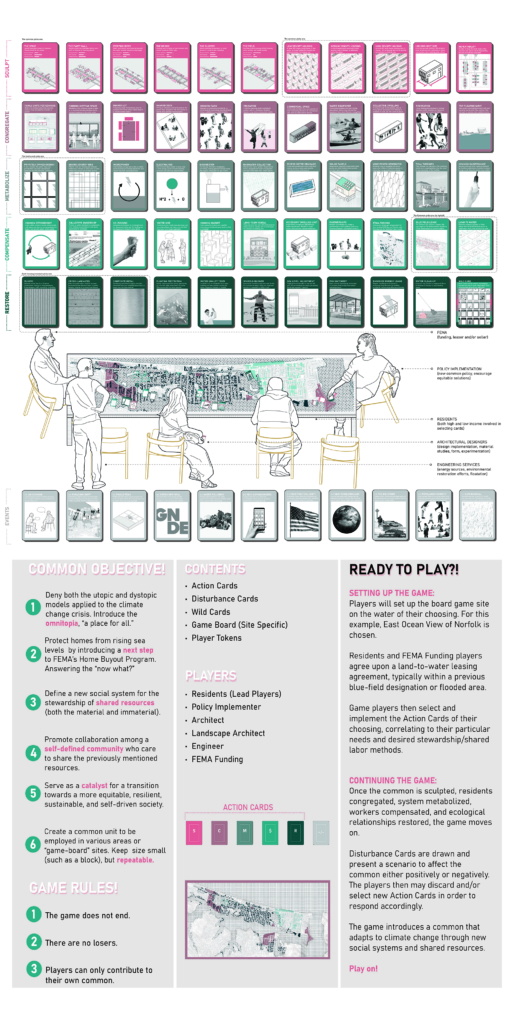
Forming the common of their choosing, the residents and various professionals are presented with a card game. The game is used to sculpt the form, congregate the residents, metabolize the system, compensate those involved, and restore ecological relationships. The players of the game hold various roles, from FEMA funding to the architect and residents. Select cards of the system are chosen to piece together the policies and creation of the common, making it adaptable to various people groups and sites. A sample common is formed to present an example of the omnitopia, using cards such as the medium density option in a cluster typology.

Instagram: @jessc.smith

Beyond the Barrier: The Resilience of Connecting People to Place by Eric Resnick, M.Arch ’22
University of Maryland | Advisor: Michael Ezban

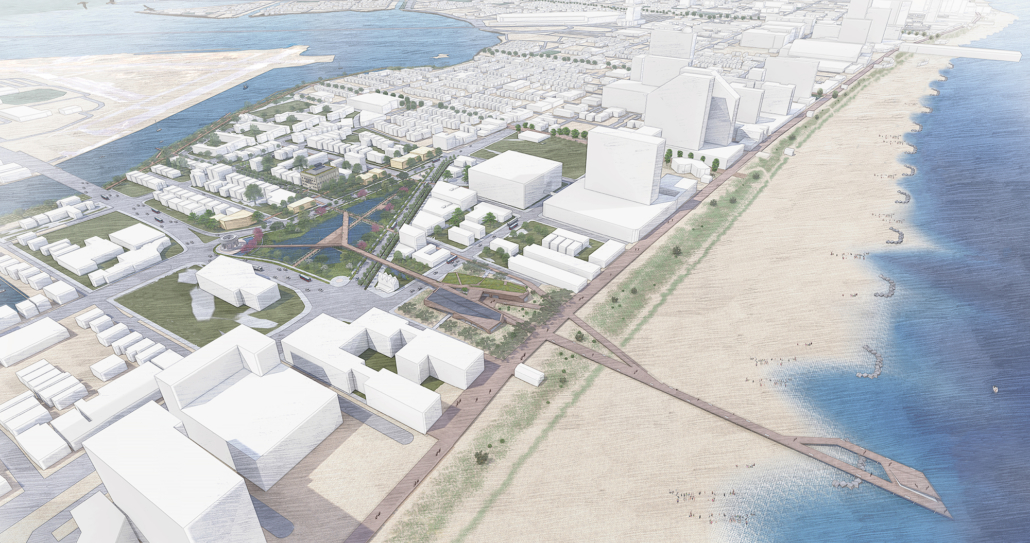
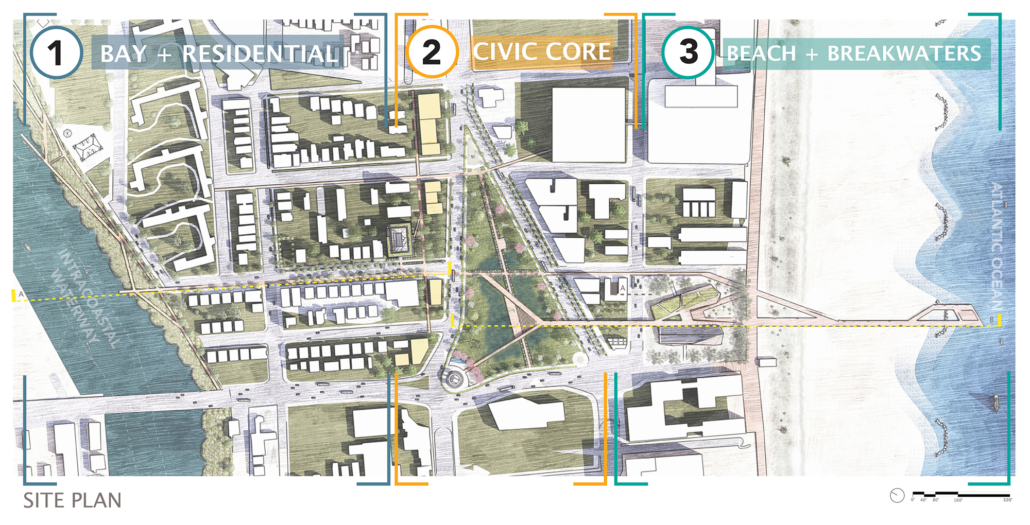
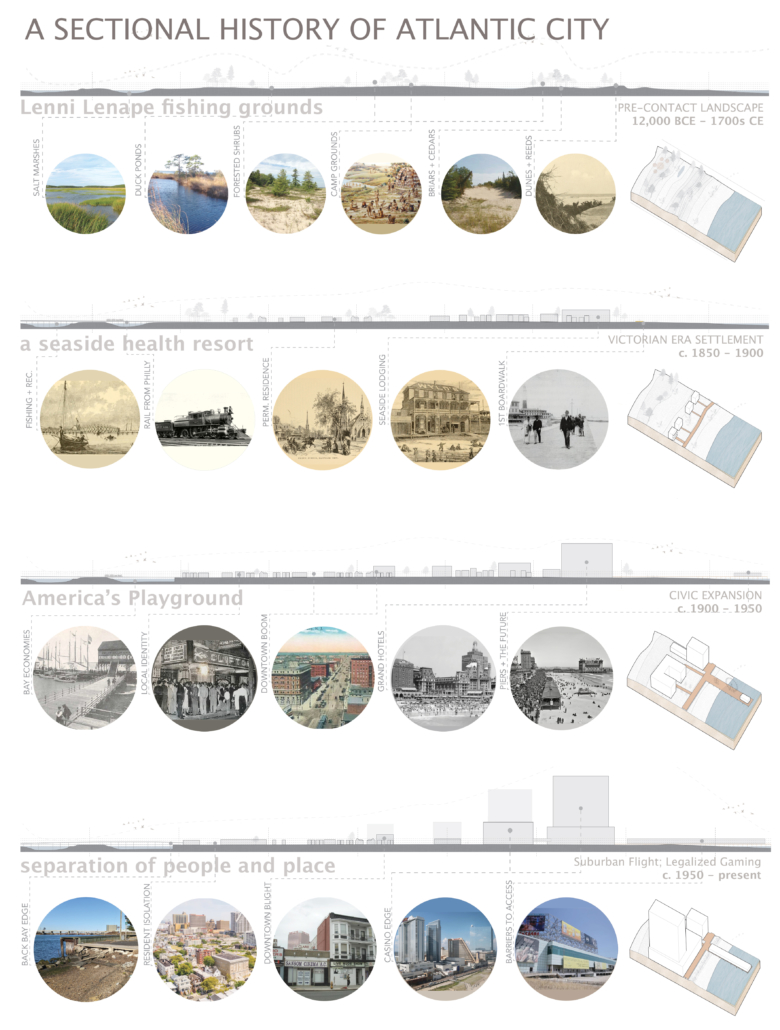
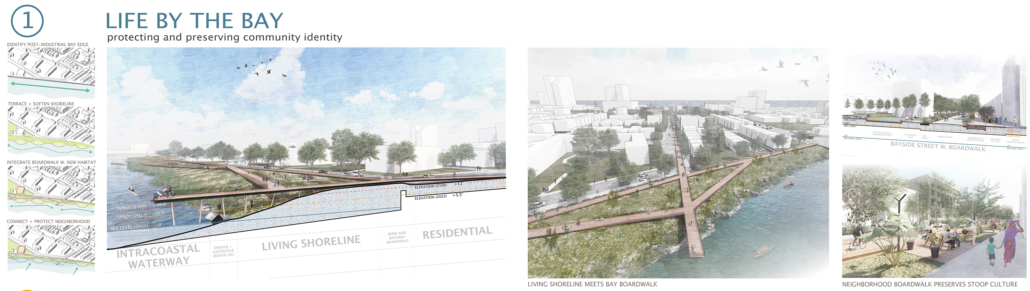
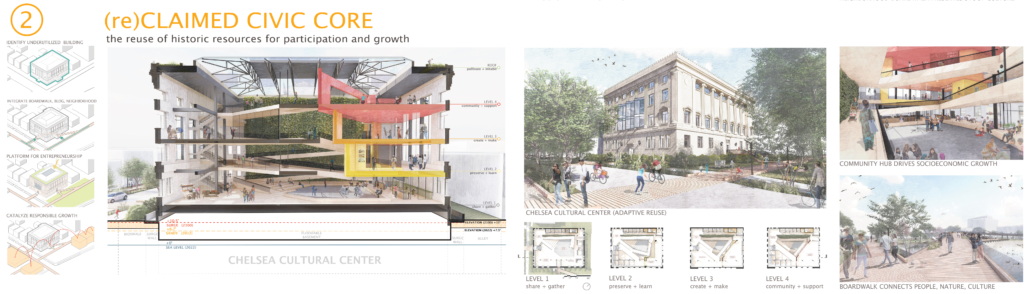
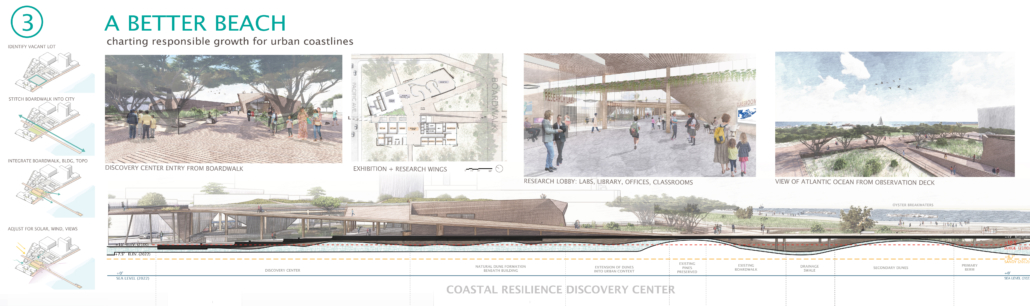
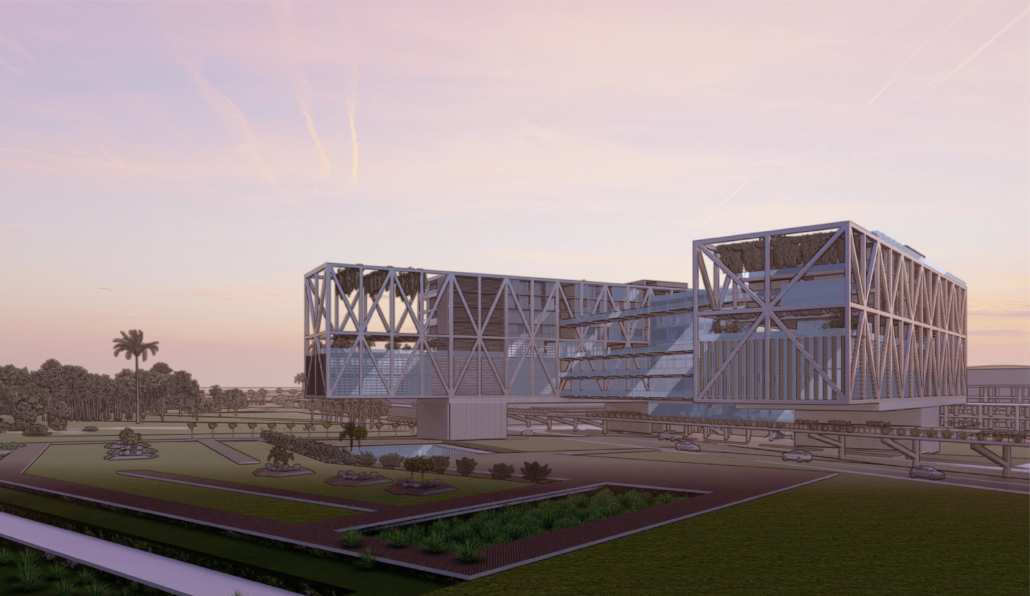
Atlantic City, New Jersey is globally cited as one of the most vulnerable cities to the effects of climate change and sea level rise, representing the socioeconomic, cultural, and ecological threats that all coastal communities will face within the next half-century. 2060 projections indicate that Atlantic City will experience up to 155+ flood events per year and 50% of the city could be uninhabitable.

In leveraging the city’s coastal location, current institutions, and historic tourism-based infrastructure, the Resilient Transect becomes a framework for adaptation and growth, engaging the public and attracting an international cohort of researchers, designers, and policymakers to test and implement globally applicable and revolutionary strategies for coastal resilience. The iconic Atlantic City Boardwalk is abstracted as a beach-to-bay datum to catalyze adaptation, support, research, and participation along the transect, adaptable to environmental change and socioeconomic needs within and beyond Atlantic City.

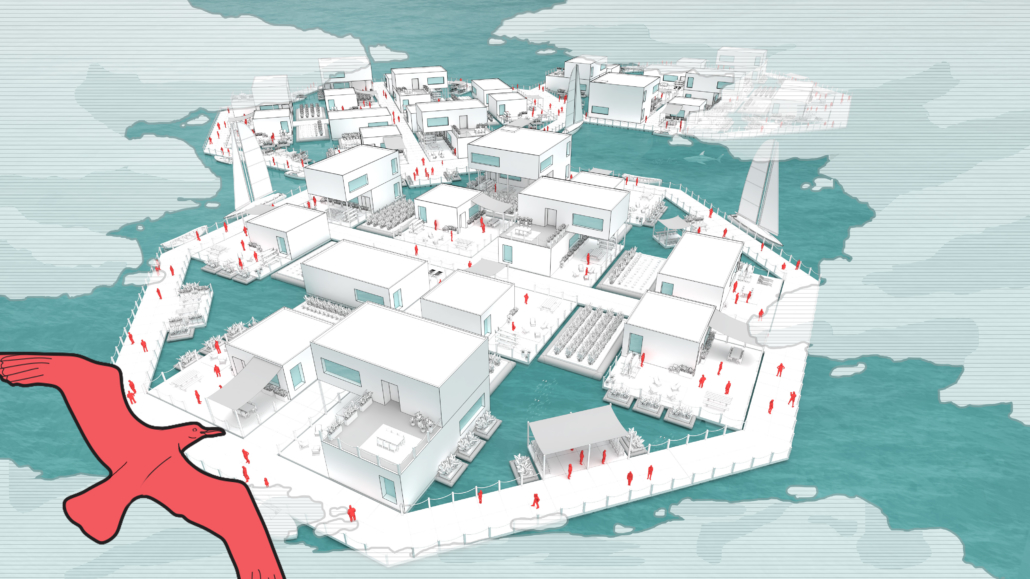
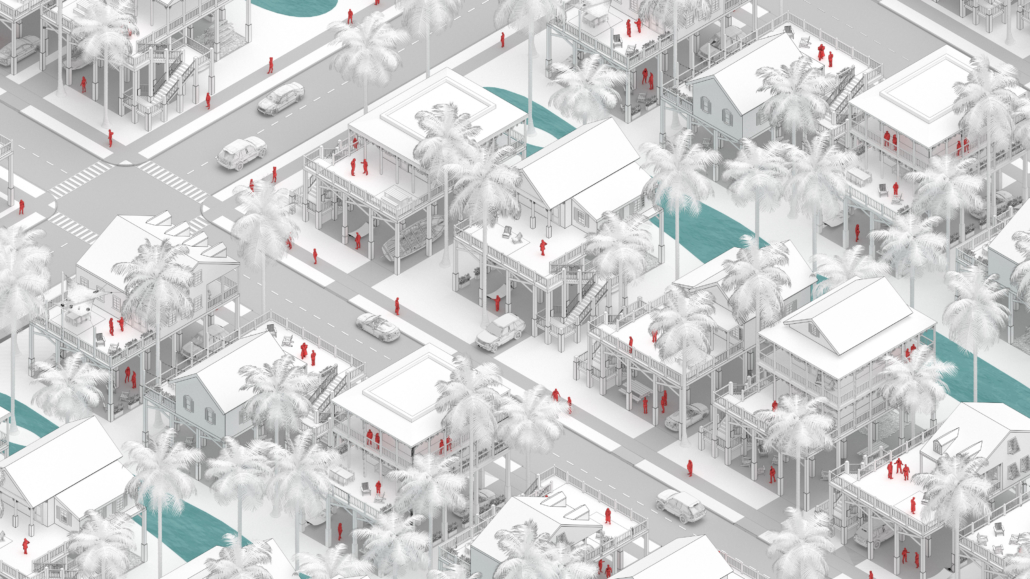
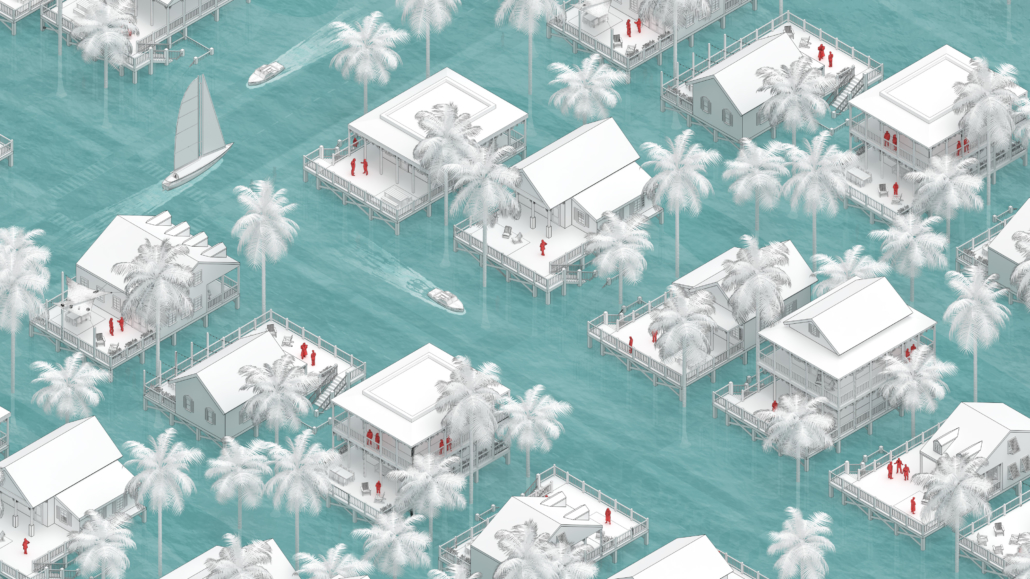
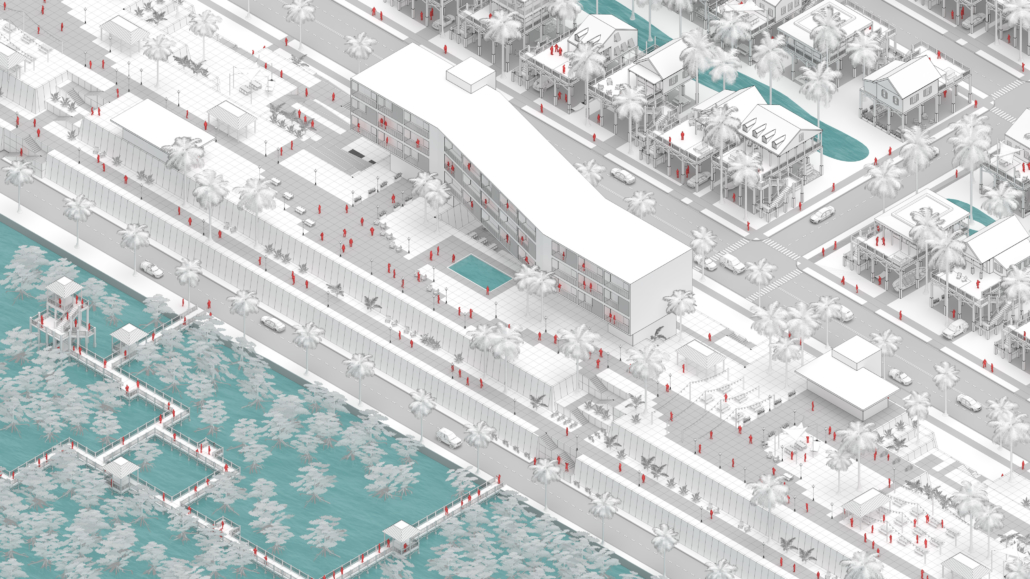
Rising Seas: Cataloging Architectural Response in the Conch Republic by Christine Sima, M.Arch ’22
University of Cincinnati | Advisor: Edward Mitchell

Thesis research focused on architectural and environmental responses to sea level rise. Following this research, a catalog of architectural responses was created as a design framework for future architects.

The selected site of Key West Florida helps show the utilization of the four major response categories from the catalog; Evacuation, Protection, Adaptation, and Adoption. All included images show theoretical implementation of the catalog across different zones of the island.

Instagram @christinesima.arch

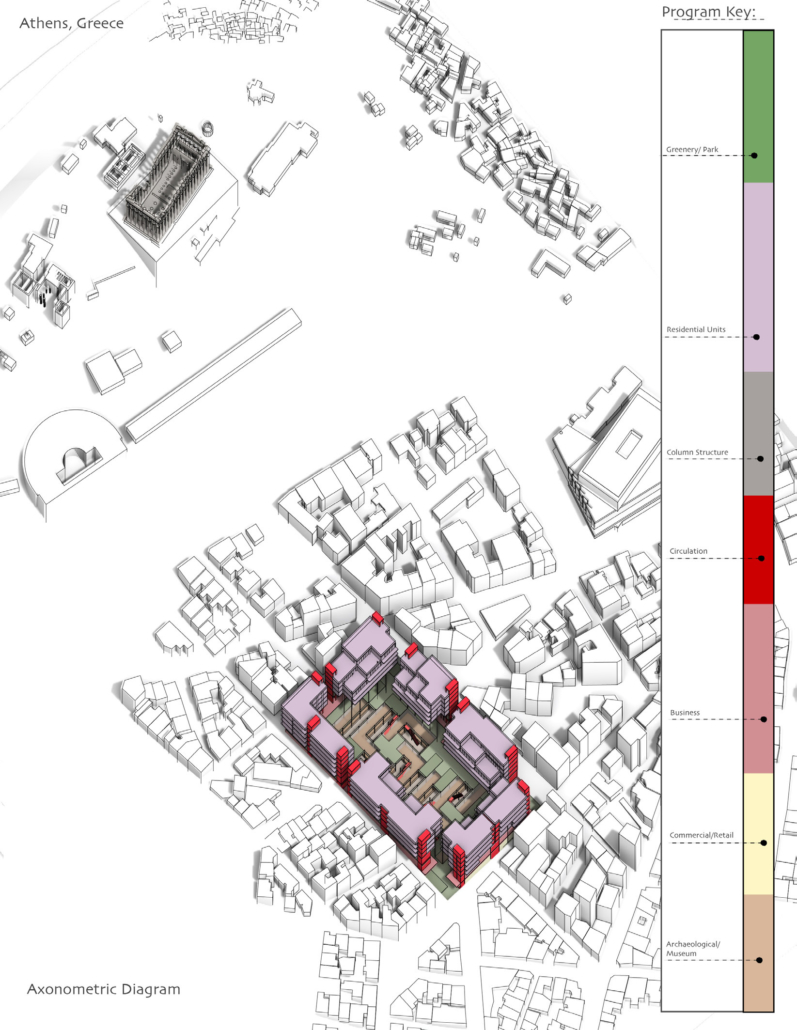
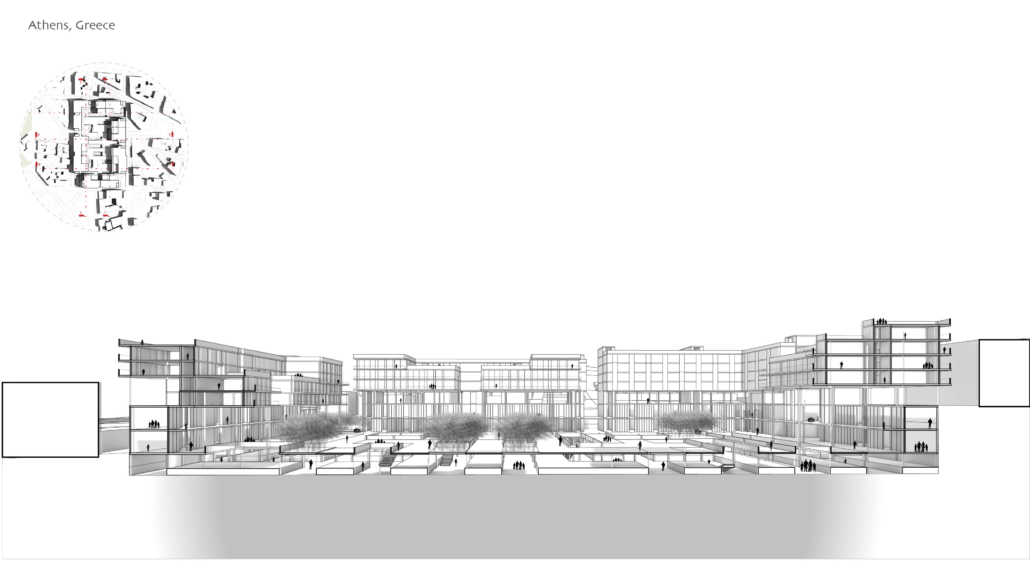
Demo-Polis for Athens, Greece by Maria Lazaridis, B.Arch ’22
NY Institute of Technology | Advisor: Jonathan Friedman

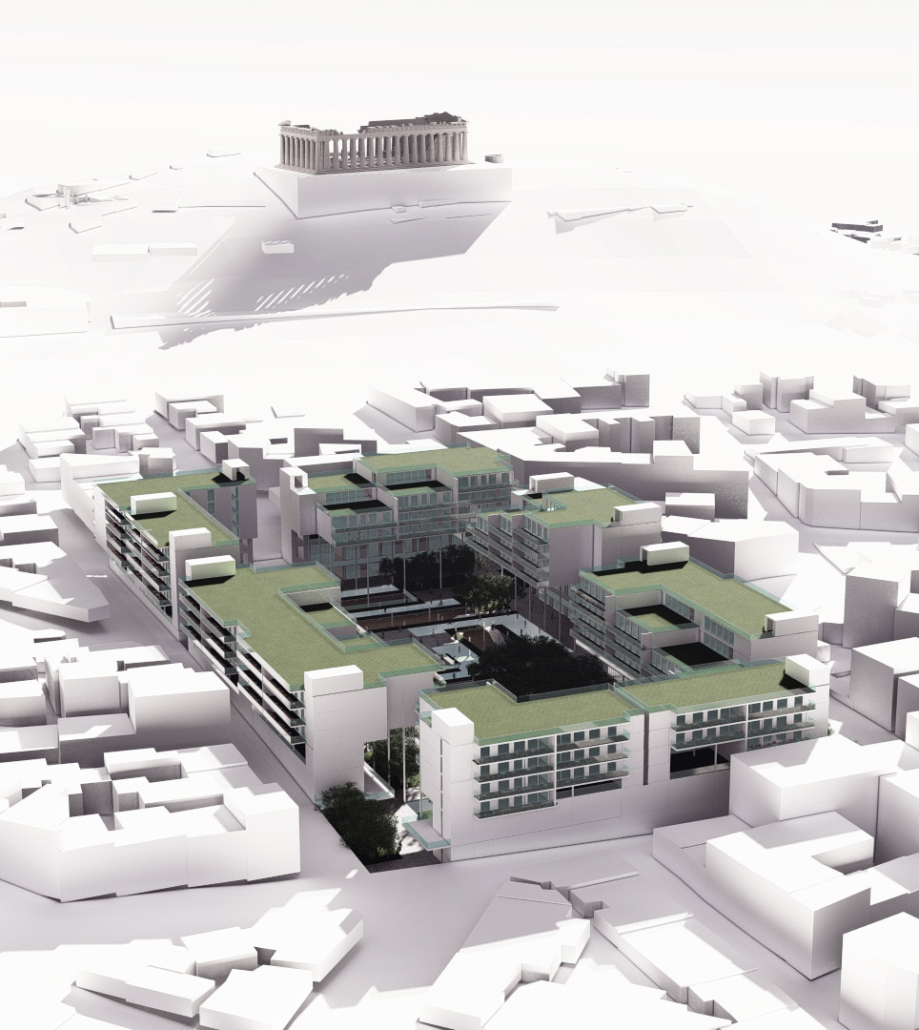
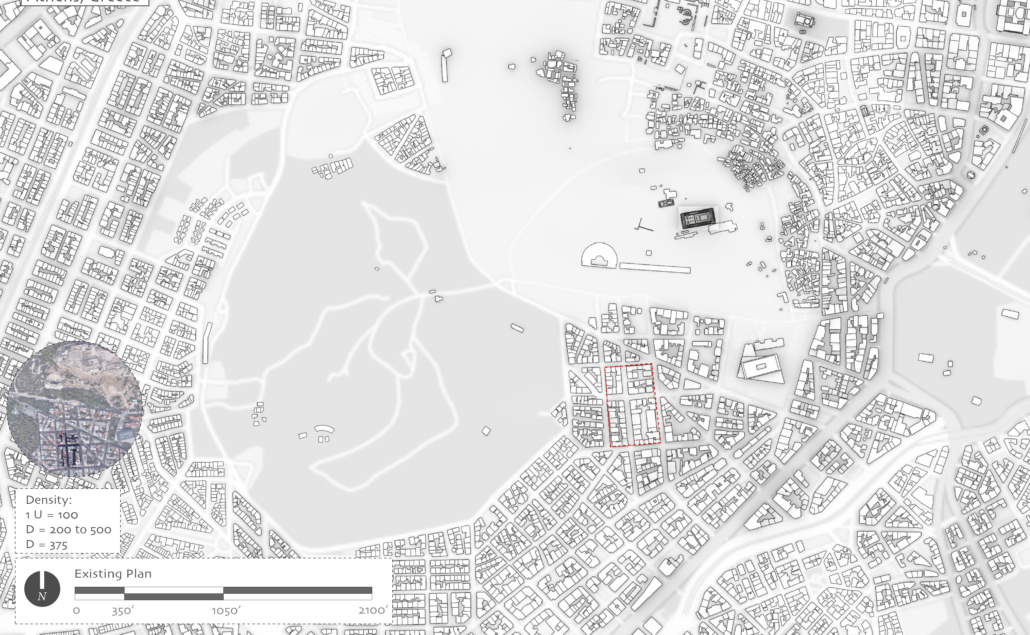
Athens, Greece occupies a significant role in the history of architecture as the birthplace of classical order. Its associated role in history however, developed a sprawling city ignorant of its ancient architecture and organizational urban plan order . This congested metropolis is filled with brutal concrete apartment blocks and lack of green space, overall contributing to larger issues of congestion and heat island effect due to climate change.

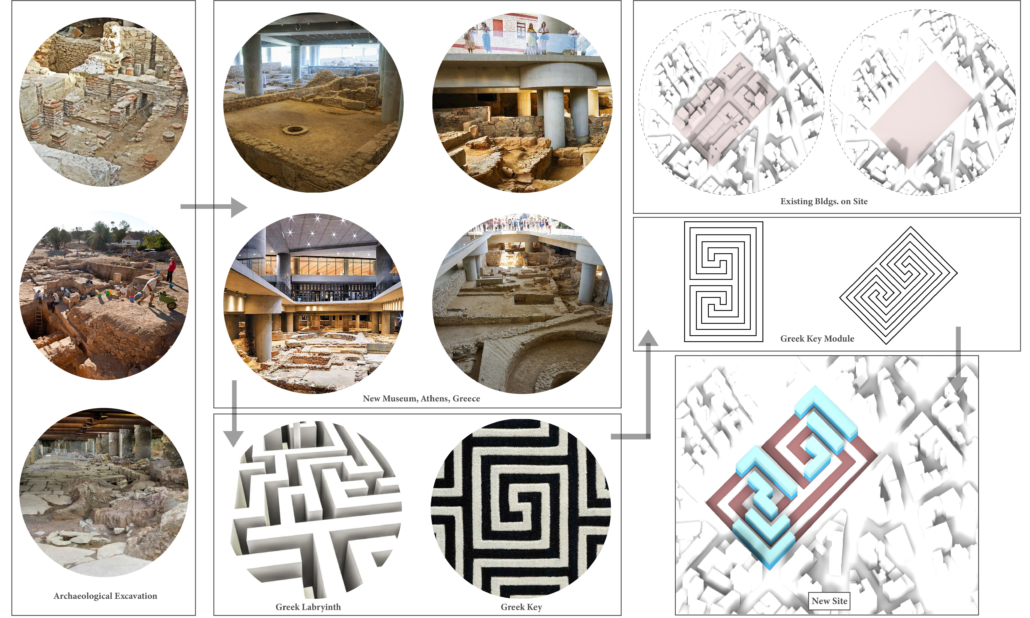
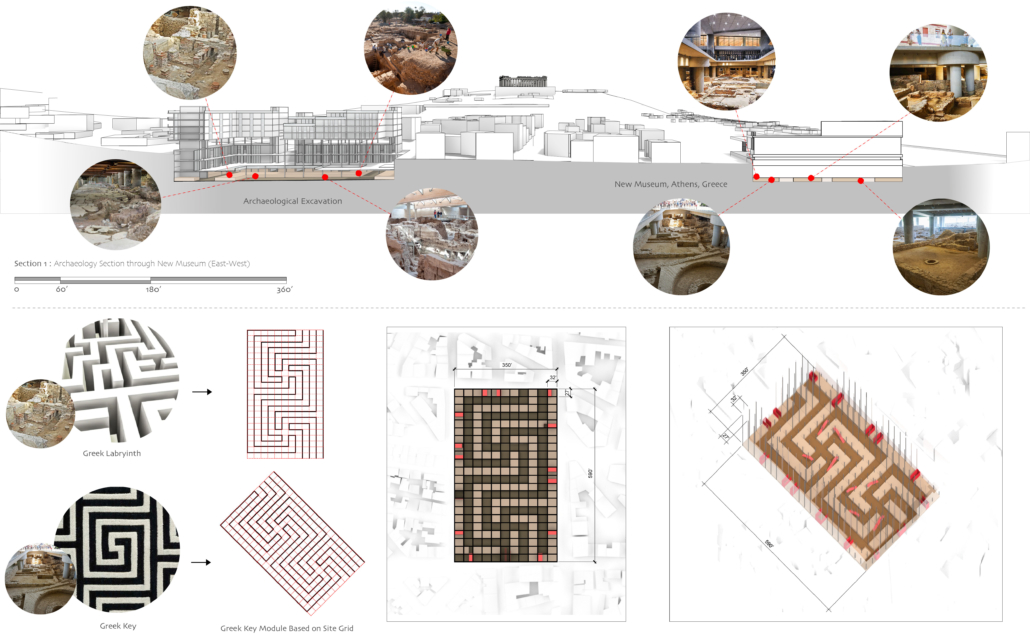
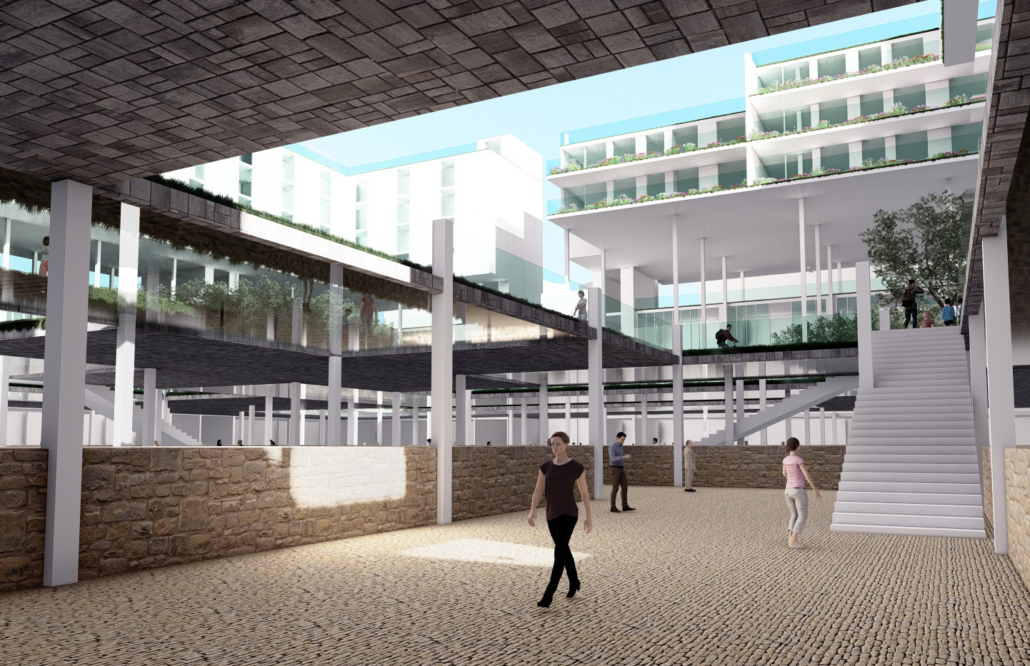
This thesis explores a development of a resilient Athens, equipped for its density whilst promoting sustainability. This thesis explores the design of an efficient city plan that no longer ignores un-excavated archaeological sites to create a poetic relationship of old city to new city, while overall improving quality of life.

Pale Blue Dot: Adaptation in the Flux of Chaos by Jasmin (Minji) Kim, Taylor Marshall, Jeannette Wehbeh, M.Arch ’22
Toronto Metropolitan University | Advisor: Marco Polo

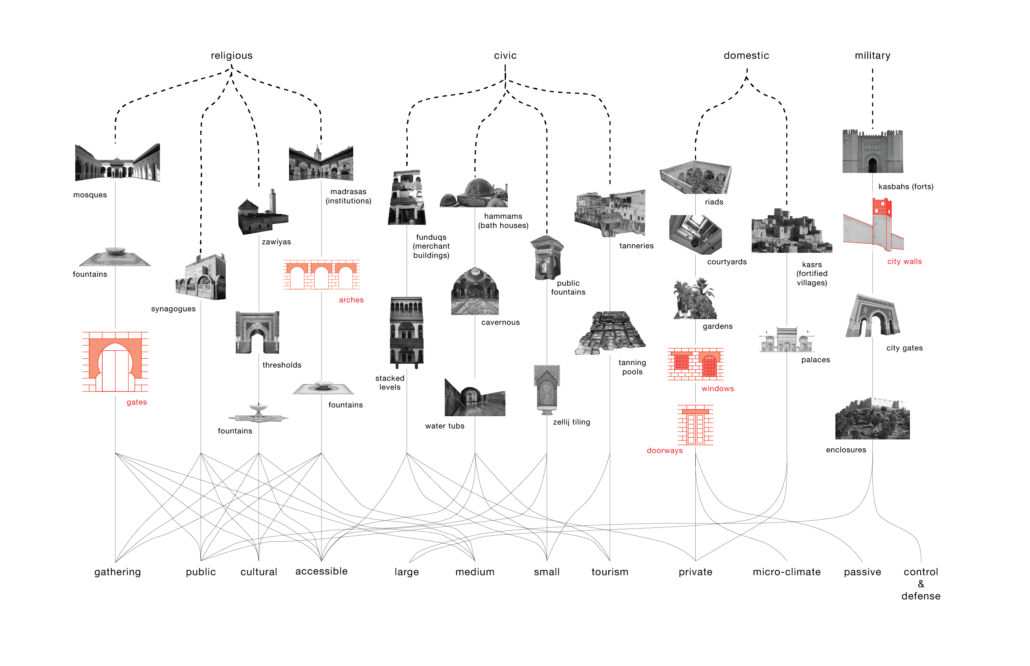
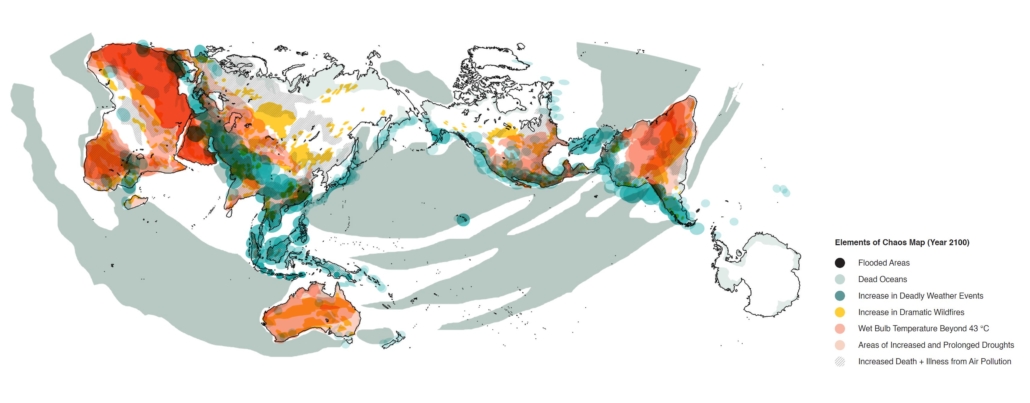
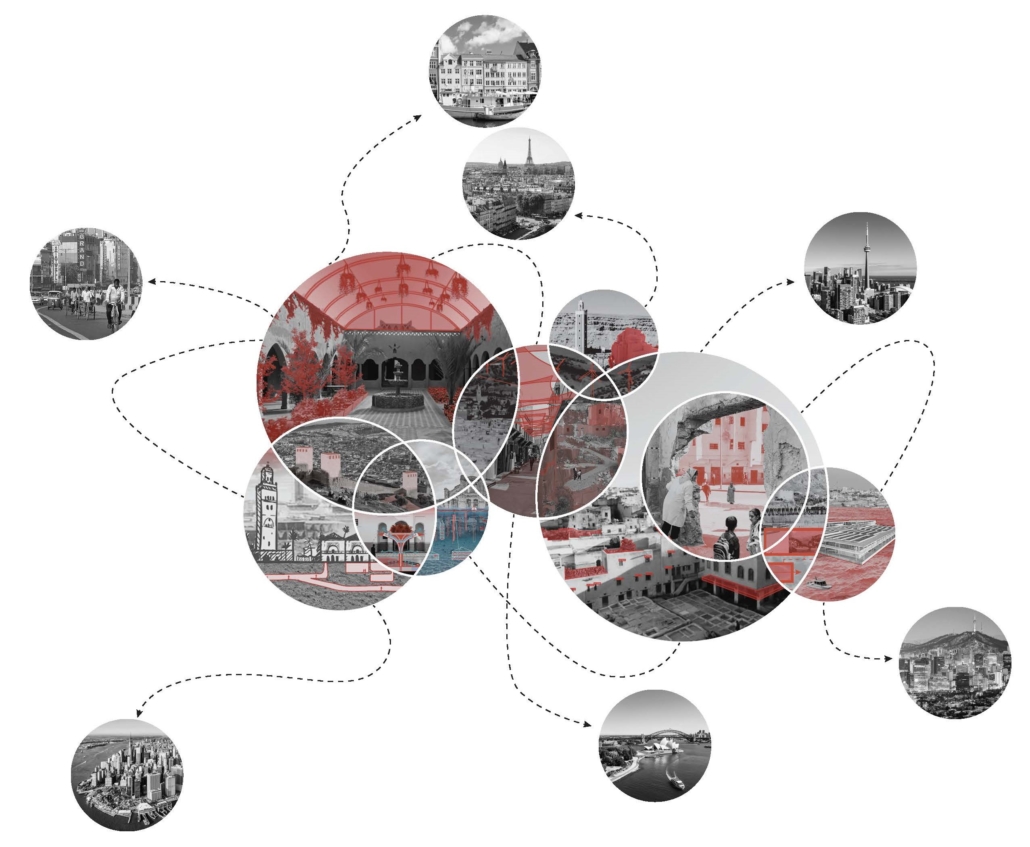
The impact of climate change will not spare a single aspect of life as we know it and adaptation is our only option at this point in the trajectory of the world’s demise. Although we will be experiencing similar climate catastrophes around the globe, each region will have its own adaptation method dependent on location and culture. Synthesizing our research resulted in a new map of adaptability conceived of Goldilocks Zones deemed habitable lands. These Goldilocks Zones will be the most vulnerable to the elements of chaos and the most significant regions affected by the year 2100. Fez, Morocco was selected as the geographical area of study due to its numerous elements of chaos, including natural disasters, high land surface temperatures, wildfires, air pollution, rising air temperatures, and an influx of migrants.

Flux is chaos-seeking balance through adaptive processes. Our research towards the year 2100 and the layers of the climate chaos we will face, combined with conceptual theories on adaptation, shows no ‘single’ solution for adaptability. To adapt to our current and future evolving environment, a series of fluctuating initiatives that tackle issues at various scales is instrumental for present and future change. Nine strategies, applied to Fez, Morocco, can be applied to any other city within the Goldilocks Zone. It is a framework to guide the evolution of architecture through climate change while maintaining tradition, meaning, and comfort.

Instagram: @jasminkimm, @taylormade.arch

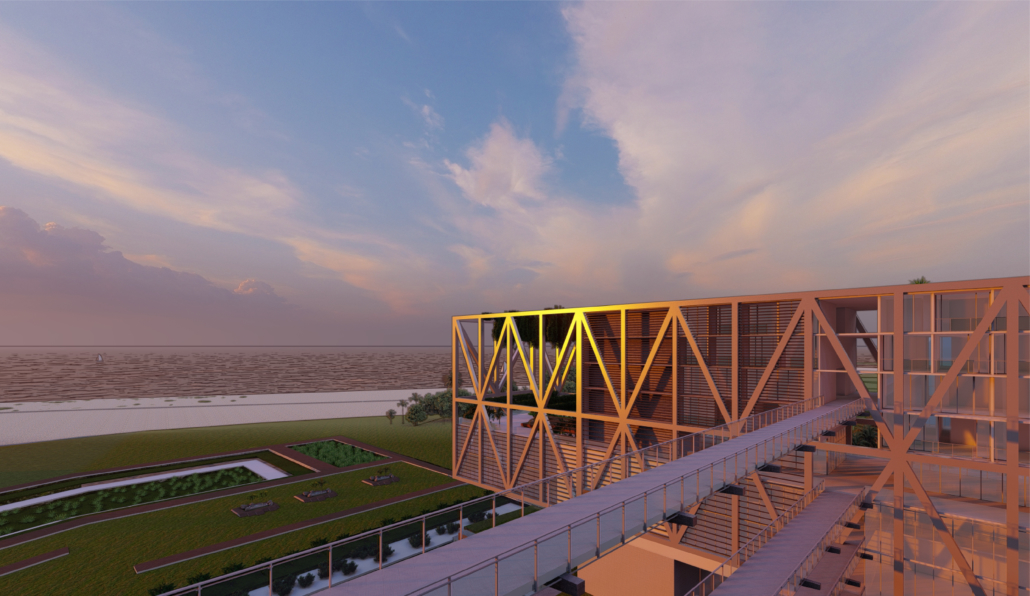
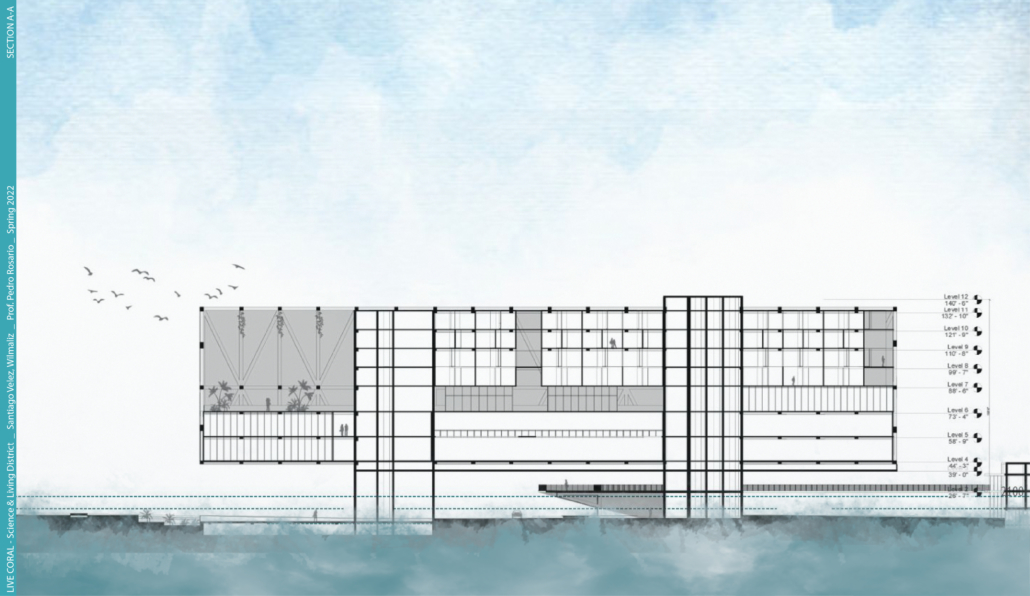
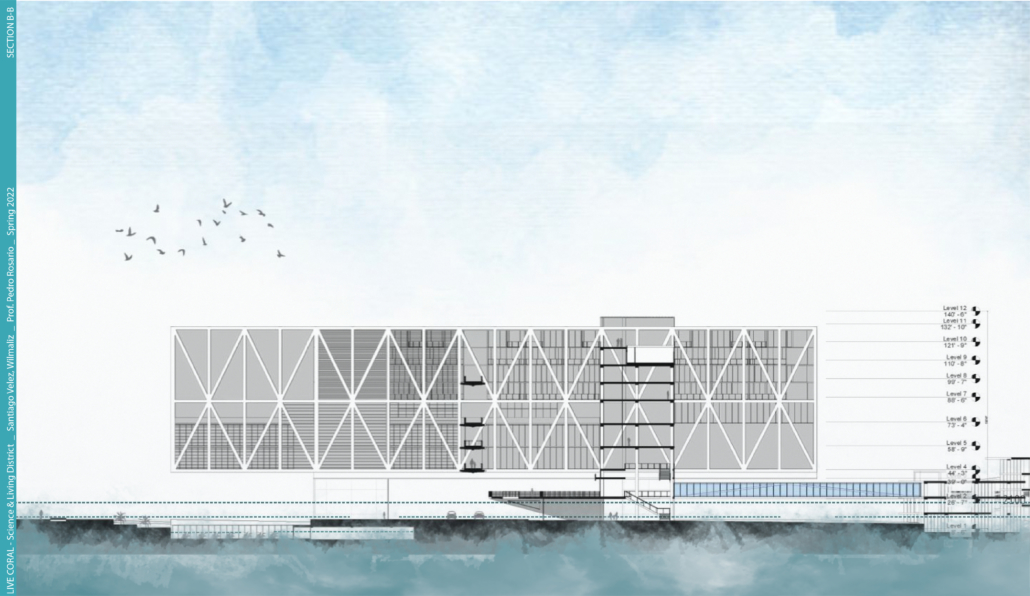
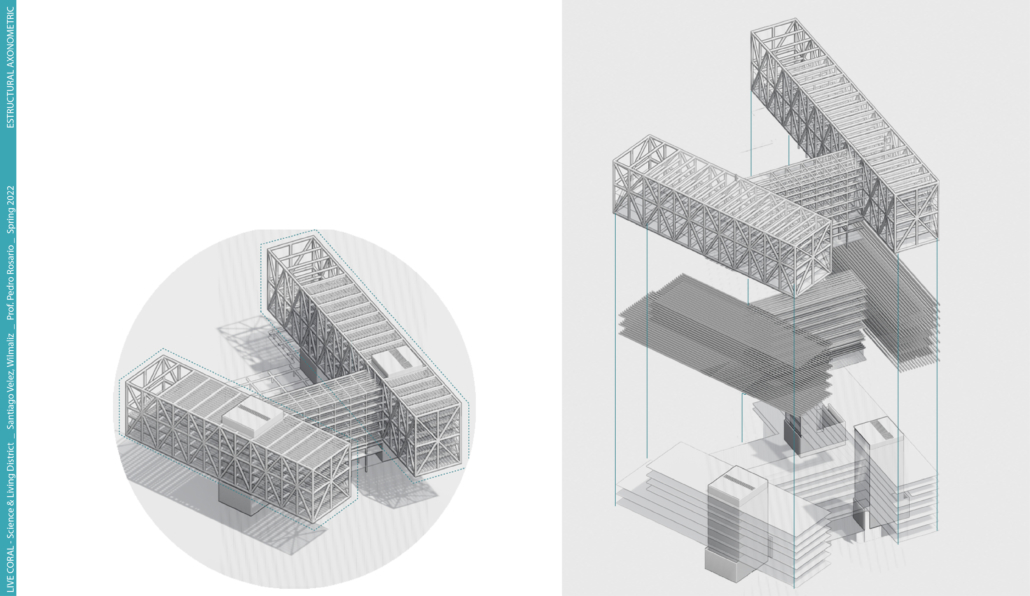
LIVE CORAL: Science & Living District by Wilmaliz Santiago, B.Arch ’22
Pontifical Catholic University of Puerto Rico | Advisor: Pedro A. Rosario

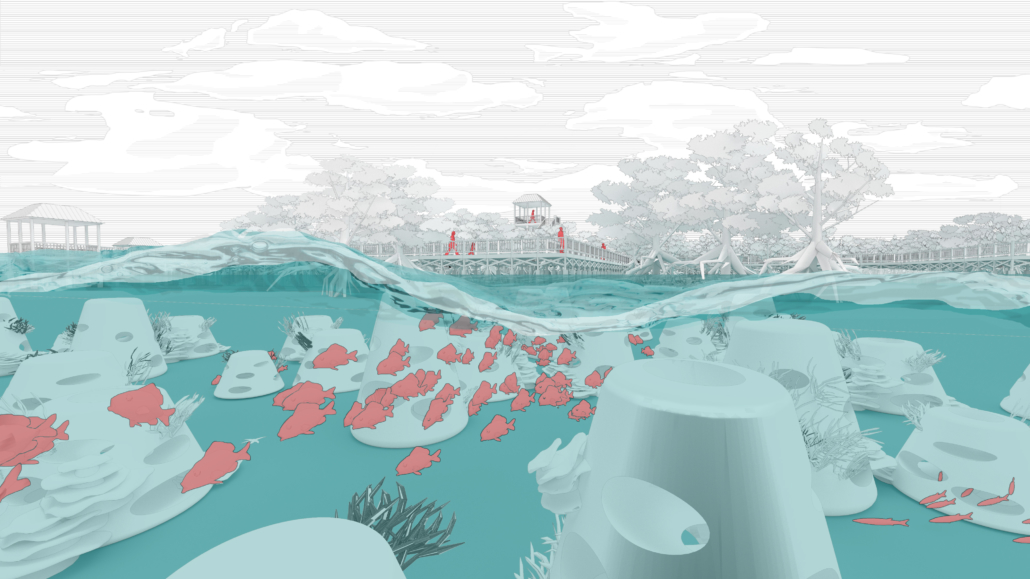
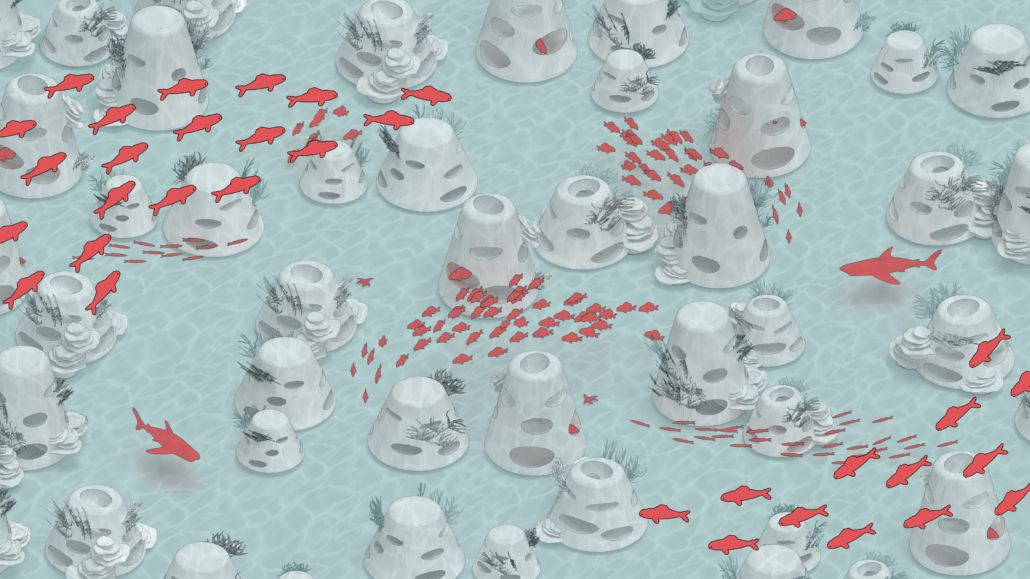
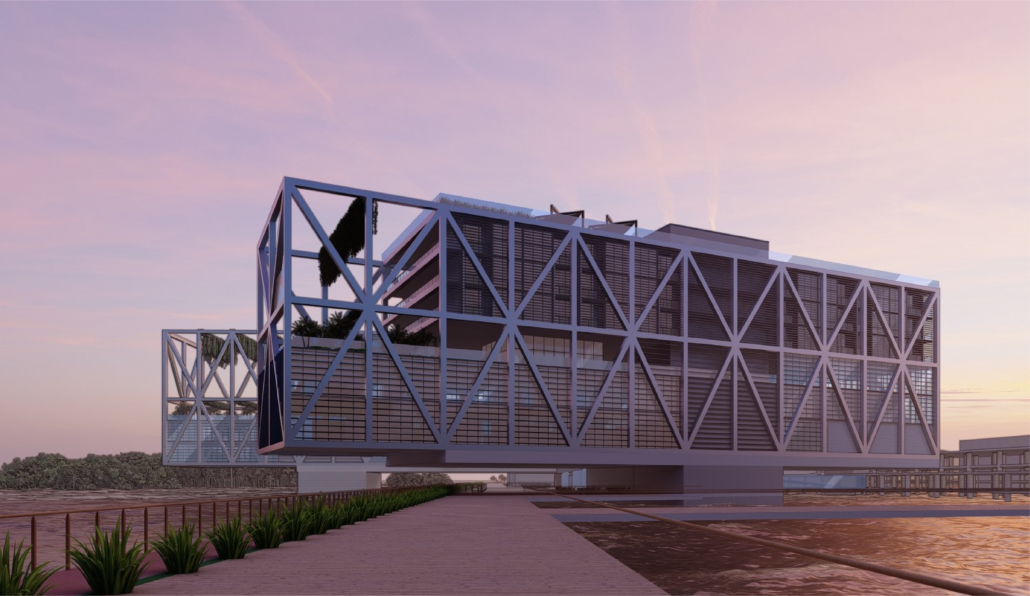
At the global level, climate change has brought with it several transformations, among them the rise in sea level. There are two main reasons why this happens, thermal expansion and glacial melting, both caused by global warming. Scientific research points out two important dates for this situation, in 2030 changes in sea level will begin to be felt and/or noticed significantly in all parts of the world, leaving a few years on the way to 2100 where we will have sea level at its peak. For that year it is estimated that hundreds of cities will be under flooded areas and many of them will disappear. All this has great consequences for all forms of life on the planet. And it is that not only humanity would be suffering the ravages, but also the flora and fauna, especially marine life. Sedimentation, the offset of nesting waves, high temperatures, the bleaching of coral reefs and endless situations that leave us with great consequences.

The project located in Rincón, Puerto Rico, is one based on scientific theories and predictions. The LIVE CORAL proposal seeks to provide a safe place for both humanity and marine life. A building is created where marine life can be researched and protected through this process of adaptation to sea level rise. In the same way, human life will have a safe place to live without limiting its quality of life, in addition to creating awareness and educating humanity about these changes and the effects it will have on other species and how this ends up affecting us.

The future in some way will always be uncertain and difficult to predict. However, thanks to the technological advances of our time there are many things that can help us foresee it. For this reason, this proposal seeks a complete adaptation over the years from the present to the imaginable 2100. Maintaining its efficiency, quality and use in its best state.

Instagram: @wilmaliz_santiago

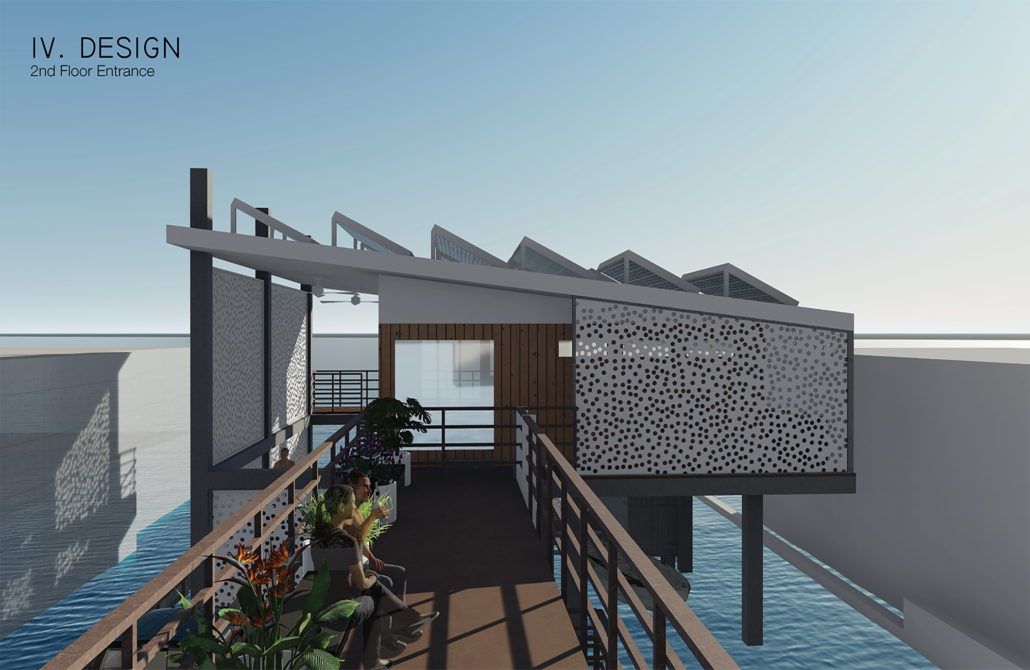
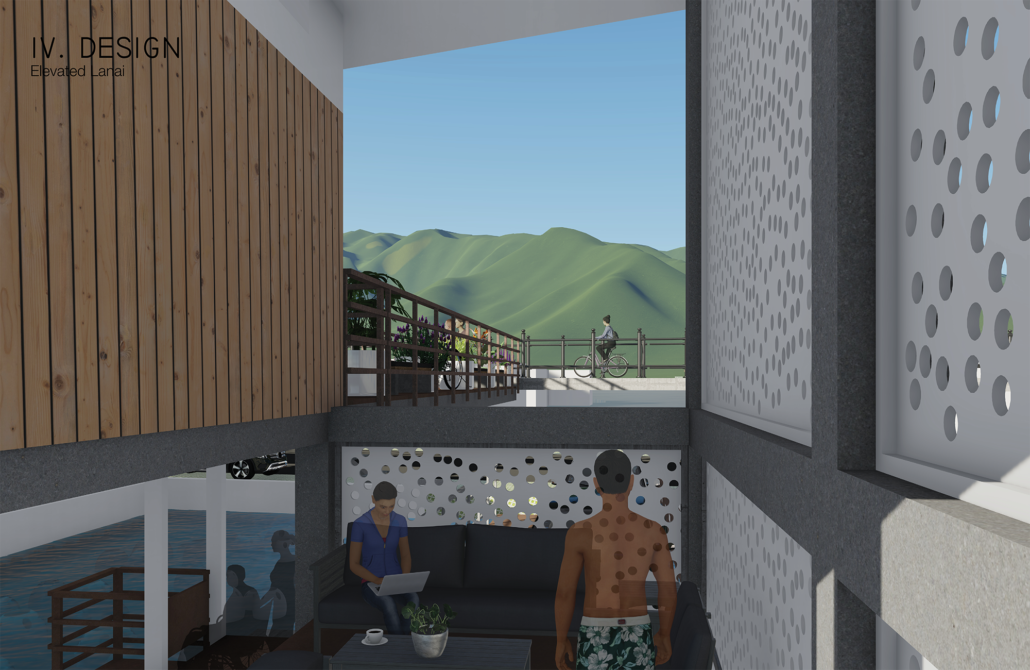
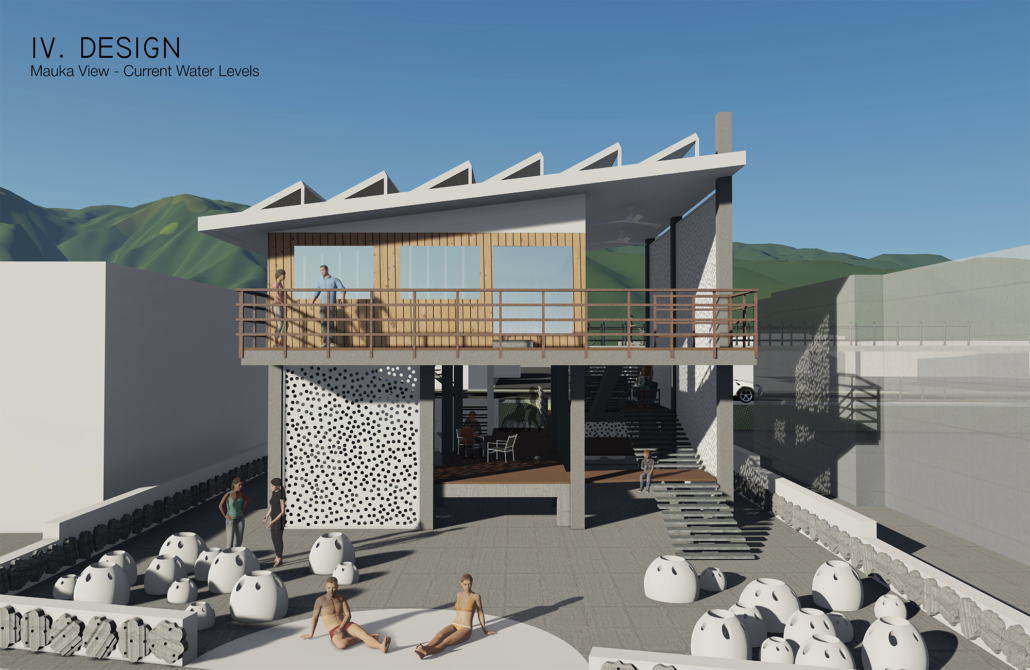
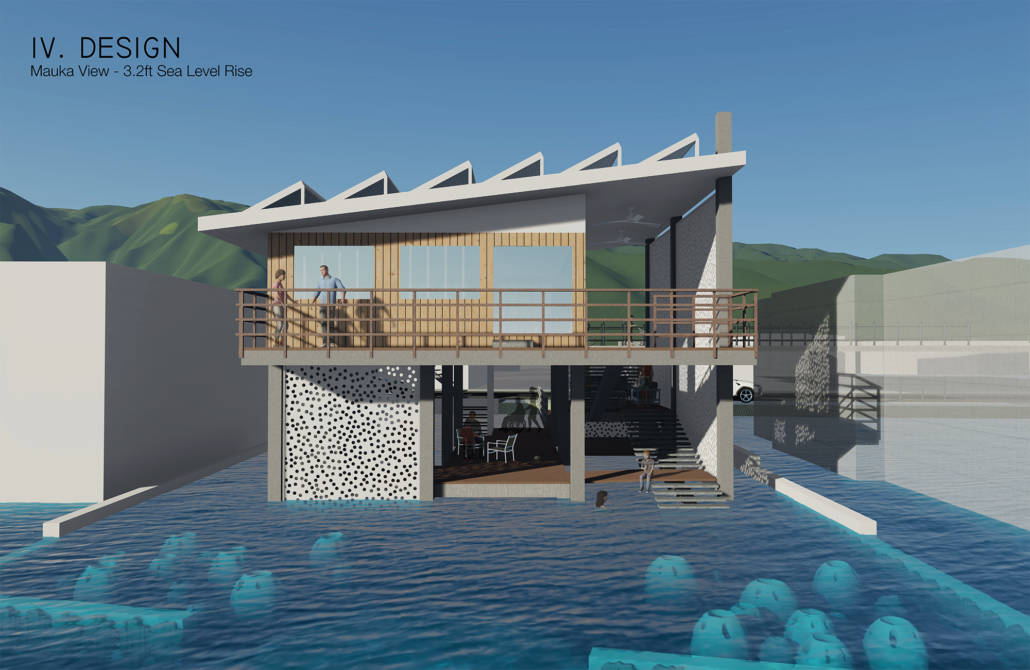
A Residential Guide for Redesigning Coastal Homes in Hawai’i for Future Sea Level Rise: Punalu’u, O’ahu by Josephine Briones, D.Arch ’22
University of of Hawaii at Manoa | Advisor: Wendy Meguro

The ongoing consequences of climate change, due to human activity, have created a need for a shift in the ways we live, think, and build (Oppenheimer, 2019). For sea level rise, its effects like beach erosion, flooding, and inundation continue to persist; impacting coastal communities, especially those that lie on the shorelines, that will remain at risk if adaptive measures are not used (Oppenheimer, 2019).

On Oahu, Hawai’i, there has been a shift to increase resilient communities, however, small-private landowners, such as single-family homes along the shorelines have been left with limited guidance, education, and resources compared to large public/private landowners (City and County of Honolulu, 2020). As O’ahu’s efforts cater to large-scale development, like high-rises and/or mixed-use commercial structures for sea level rise adaptations, there is a demand for localized adaptation for communities not described by current guidelines and local land use ordinances. 72% of potential economic loss with 3.2 feet of sea level rise will be residential structures and land (Hawaiʻi Climate Change Mitigation and Adaptation Commission, 2021). As coastal communities prepare to adapt for sea level rise, new design thinking is necessary to exceed the requirements and recommendations that are currently practiced.

In alignment with the 2017 Hawai’i Sea Level Rise Vulnerability and Adaptation Report that states, “More research is needed to improve understanding and projections of localized vulnerability of beach and coastal environments to combined impacts of poorly sited beachfront development and erosion and flooding with sea level rise” (PacIOOS, 2021). This research uses a case study home along the shoreline of Punalu’u/Hau’ula to envision a new coastal typology in Hawai’i with adaptation solutions that are phase-able for living with increased sea levels. By providing shoreline homeowners of Hawai’i, especially those who own detached single-family homes that are at risk to the effects of sea level rise, with building adaptation guidance, practical design solutions, and accessible knowledge gives individuals the insights needed to protect their property, increase communities’ resilience to sea level rise impacts and, globally, provide solutions as incremental change that can be used to inform future shoreline homes on a large-scale.

Instagram: @jojo_briones

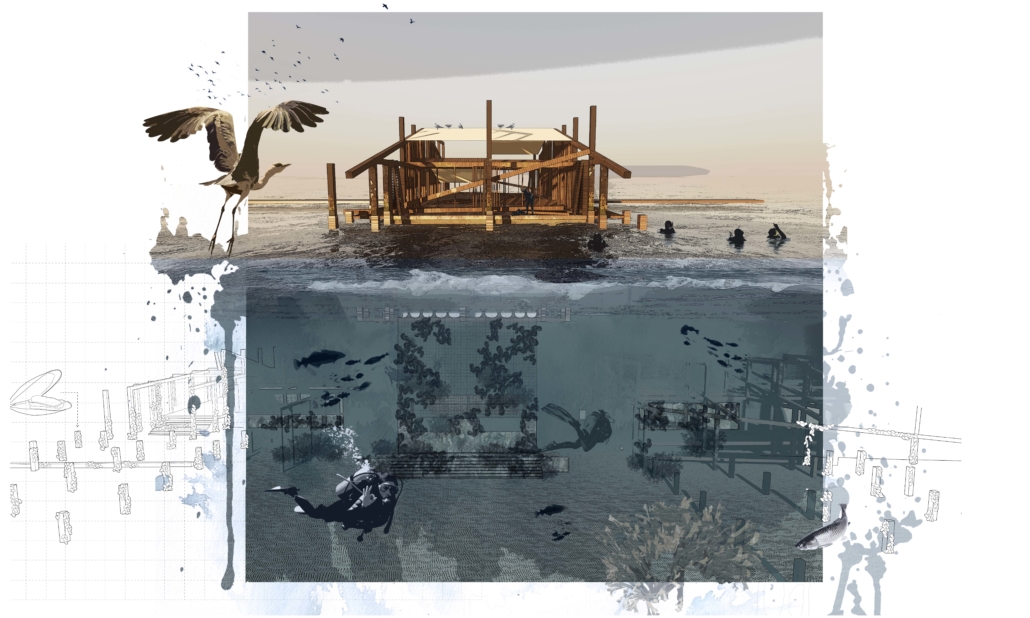
Shifting Sediments: Inhabiting the Land, the Sea, and the Space In-Between by Natasha Zubricki, M.Arch ’22
Dalhousie University | Advisor: Catherine Venart

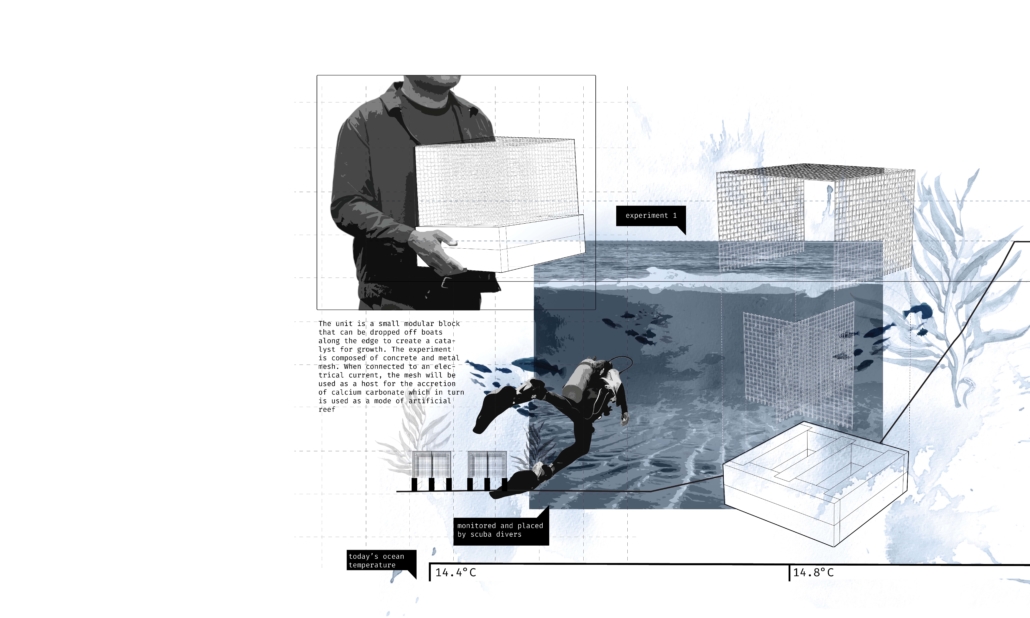
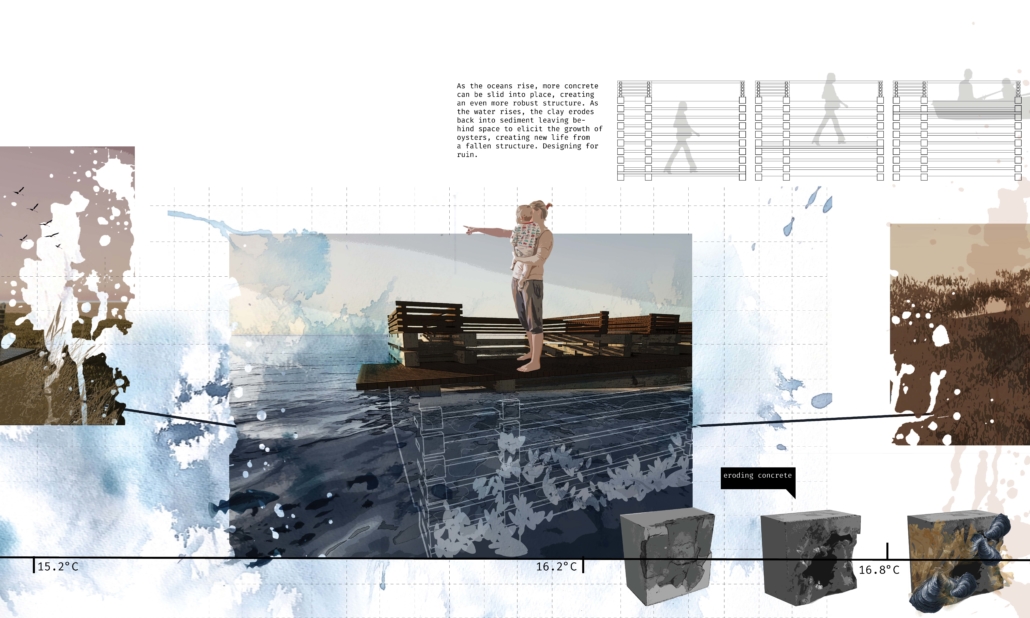
The coastline is a dynamic edge between land and sea ruled by natural forces and illustrated through material processes of erosion, accretion, and deposition. As our climate warms with an increase in storm conditions and sea levels, the natural forces at work accelerate. Cycles of growth and destruction are an inevitable aspect of our environment that can be analyzed through hydrological impact, geological structures, and ecological networks, all forming ruins off fragments of the earth.

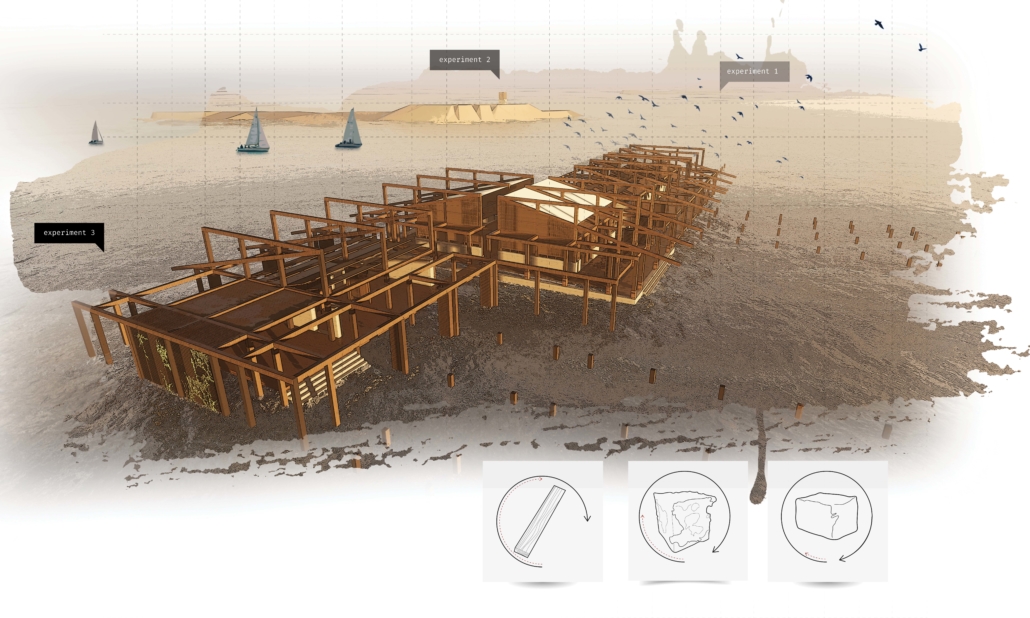
This thesis examines Prince Edward Island as a case study of how to shift our perspective and embrace the ocean as an instigator of opportunity. Three locations along an edge are investigated exploring various material and programmatic relationships that can be utilized as a layered strategy to become a catalyst for new life. A temporal architecture that works as both measure and armature is implemented as an infrastructural approach aimed to adapt to inevitable uncertainty.

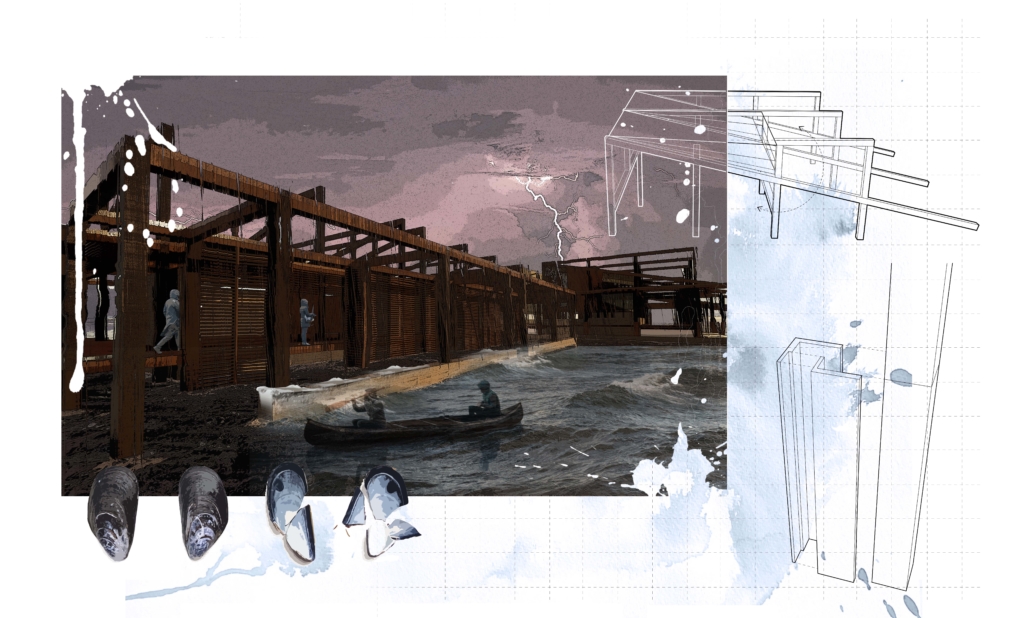
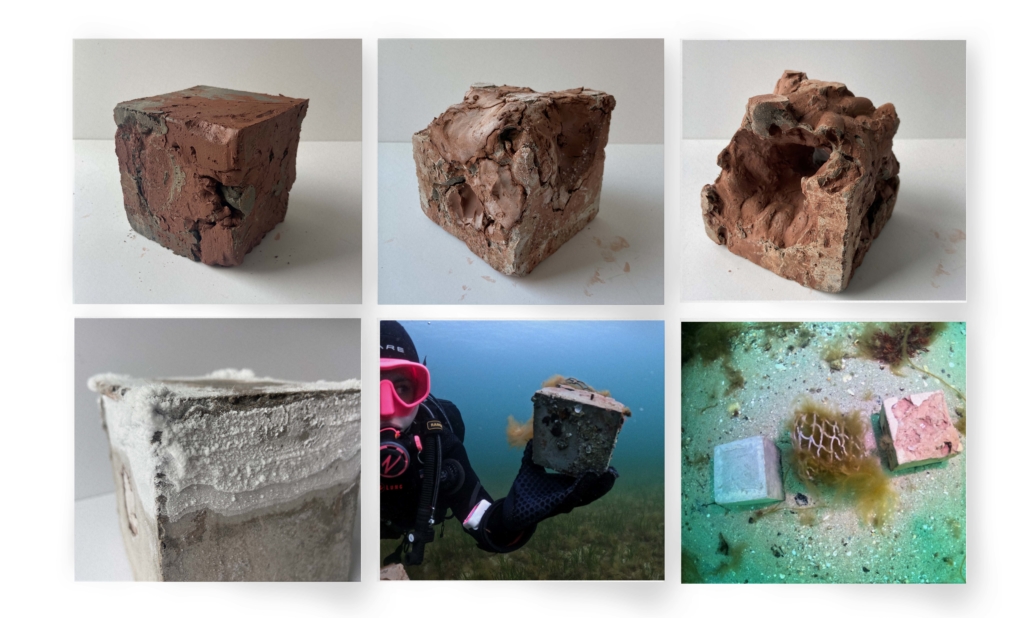
The thesis focuses on the relationships between humans and oysters as main actors for adaptation while engaging with the natural forces at play. The project moves through time adapting to rising seas and the changing environment, allowing new possibilities to be formed off a ruin of the past. Through engaging with natural forces instead of fighting against, we can create new edges, establish home for both humans and oysters, as well as use inevitable decay to provoke new life.

Instagram: @tash_zubri

Check back next week for Part II of the 2022 Study Architecture Student Showcase.


What Is the Best School of Architecture?

This is a common question that people ask about all colleges and universities. You’re bound to find rankings of architecture schools and the universities that house them. There is no objective way to say which are the best schools. Best for what? For what you can afford? For the location you desire? For the size of institution you wish to attend? For the special interest on which you wish to focus?

Best should mean best for you. Understand that architecture schools are very diverse. You can find them in large public universities, in independent art schools, in Historically Black Colleges and Universities, and in many other varied settings.

At the undergraduate level, prospective students and their family should discuss the student’s educational aims. An undergraduate degree can be the basis for more advanced study at the graduate level, or it can end with a direct path to a career in a firm or other setting. Each architecture program will present its strengths and provide a picture of what students can get from the program, its campus setting, and the various opportunities that the school and its faculty provide for students.

At the graduate level, students tend to understand clearly why they wish to enroll. Students have more ability to match their interests and strengths to various graduate degree options. Schools that are worthy of your focus can explain to you why graduate education will advance your career opportunities, whether this means advancement in your firm, a career change, or a path into teaching or research.

Whether you are looking at an undergraduate or graduate degree, do not hesitate to contact the admissions staff to get a better understanding of a potential school. Schools want students to succeed and should be willing to provide ample information about what makes them unique and a good choice.

At Study Architecture, we avoid ranking programs and do not recommend making decisions solely based on what a particular ranking says. The journey into an architecture program should involve reflection on where you’re going. This path should be exciting and empowering, because opportunities to thrive abound in architecture school.

USC Architecture Students Built This: The Carapace Pavilion

Written in partnership with Douglas E. Noble, Associate Dean for Academic Affairs, School of Architecture University of Southern California

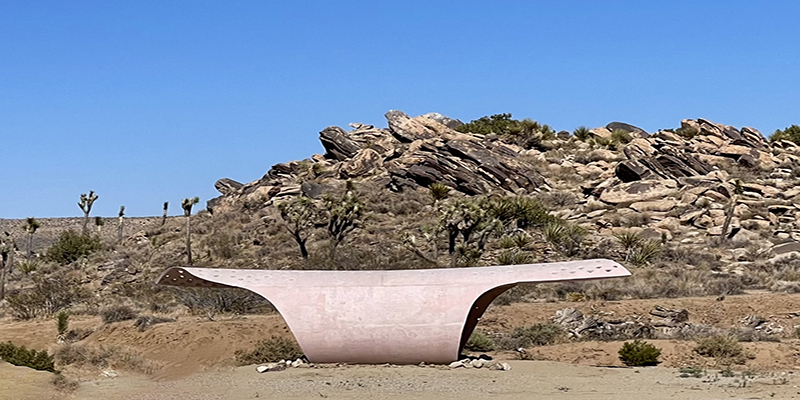
The CARAPACE PAVILION has been installed at Joshua Tree National Park.

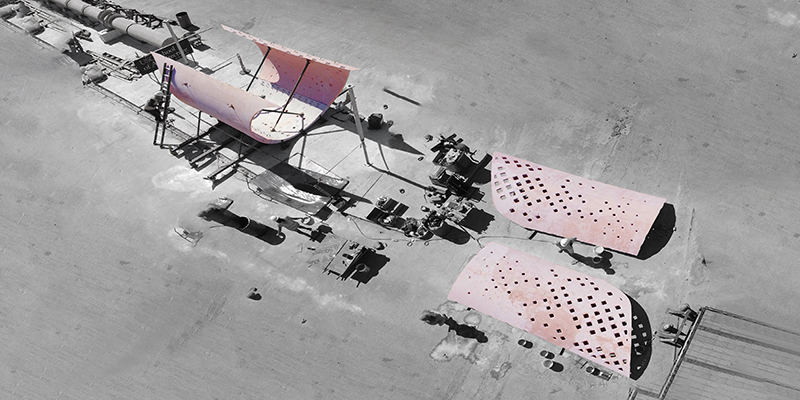
The Carapace Pavilion is a project of the students and faculty of the University of Southern California School of Architecture. The project was supported by a generous grant from the PCI Foundation and was hosted during fabrication with considerable enthusiasm and support at the Clark Pacific precast facility. The project involved nearly 500 people and took almost four years from the initial sketches to the final installation. Hundreds of architecture students participated hands-on in the design and fabrication of the Carapace Pavilion, and each received tours of the precast facility with descriptions of the types of precast and the productions processes. With considerable help from the professionals at Clark Pacific, students and faculty participated in each step of the design and fabrication of the Carapace, from building the mold to the final installation.


THE INSTALLATION

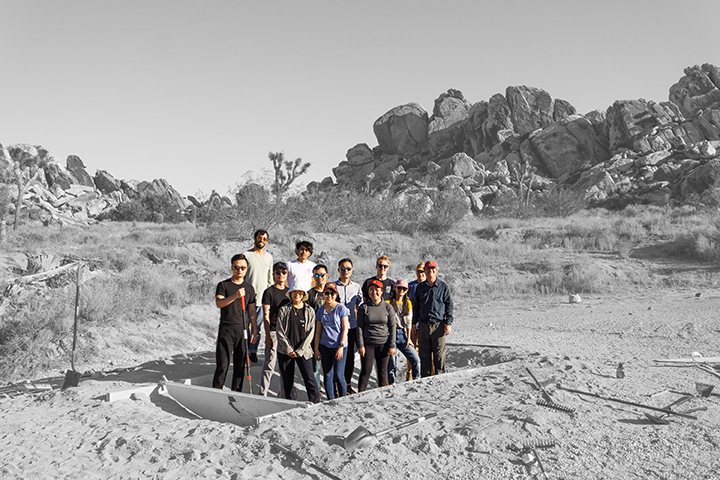
The project was installed on June 20, 2022. A small group of volunteers arrived the day before to prepare the site. There was no construction yard allowed at Joshua Tree National Park, and installation time was limited to just one day. The Carapace was transported by Reeve Trucking on the two-hour trip form the precast yard to the site in the early morning. The large self-propelled Maxim crane and support truck arrived after dawn and completed the crane set-up prior to the arrival of the Carapace. To avoid damaging any potential native cultures artifacts, the site directly beneath the Carapace was raised approximately 14 inches by adding local fill dirt. Using a clever curved screed tool and curved side-rails, the volunteers dug out a double curved trench, matching the geometry of the foundation panel. The digging occurred only in the new raised soil that had been added to the site, and thus there was no foundations or trenching in the original undisturbed site conditions. The Carapace was quickly lifted from the truck and set onto the site with the help of rangers from the National Park Service, and several team members from Clark Pacific.

A time-lapse one-minute video of the last step of installation is on YouTube: https://www.youtube.com/watch?v=y-C4ntm9Gj0


DESIGN

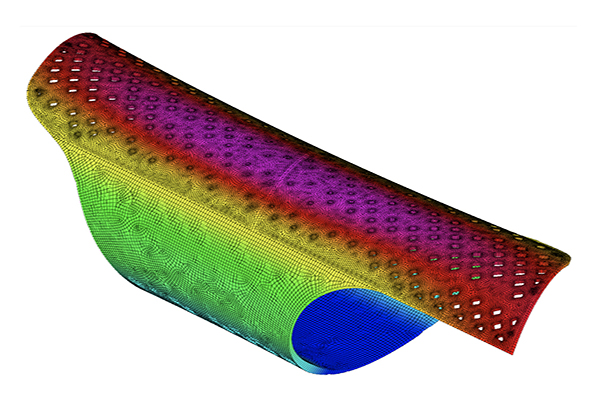
Students prepared a software tool to help them design this unique geometry, which is made of ultra-high-performance-concrete (UHPC). The students knew they only had one mold to work with, but wanted to create five panels of three different types. The software tool enabled the students to design the roof, walls, and floor to all be cast in the same mold, even though the panels were quite different from each other.


Carapace Pavilion

Photo credit: The University of Southern California School of Architecture


THE MOLD

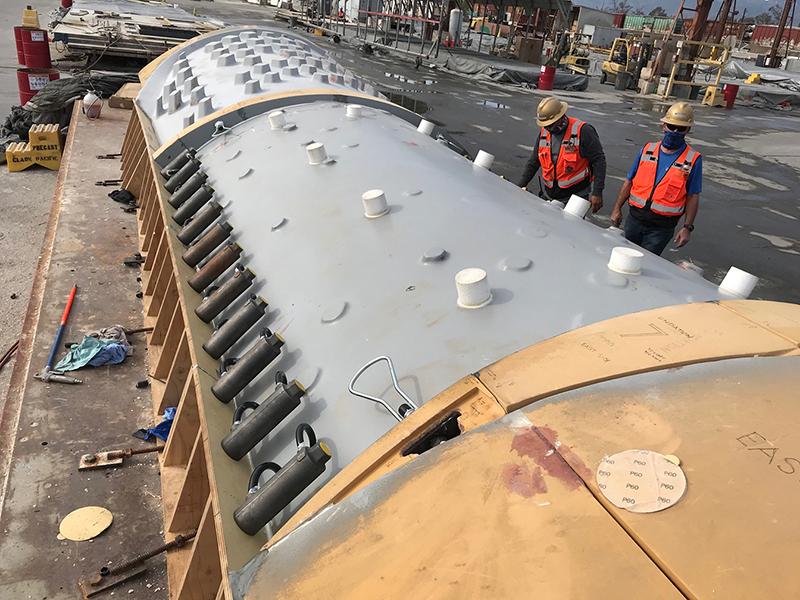
The mold was created by students from high density foam using their 3D computer design files and a CNC machine in the School of Architecture at the University of Southern California. The mold was composed of 16 foam panels. Each panel was about three feet wide and eight feet long. To create the deep arch of the mold, a plywood egg crate form was installed on the construction deck at Clark Pacific precast plant. This allowed the students to use relatively thin foam planks for the CNC step. High density foam is relatively expensive, and the egg crate strategy created substantial savings on the cost of the mold, while also reducing waste. The 16 panels were installed on the curved plywood egg crate mold, and then epoxy and fiberglass layers provided the smooth surface finish and hid the seams of the  panels. A gelcoat was added as a final coating, and students spent many hours standing the epoxy and gelcoat between coats. The final mold resembled something like a surfboard in its’ finished surface appearance.

Carapace Pavilion mold

Photo credit: The University of Southern California School of Architecture


MATERIAL

The project uses Lafarge Holcim Ductal ultra-high-performance-concrete (UHPC). UHPC is quite different from standard concrete in the way it flows as it is cast. This required the mold to have well-sealed sides and a backpan or top mold. The backpan resulted in the project being cast blind through a funnel on the top of the mold. It was not possible to see what was happening inside the mold as the concrete was being poured through the funnel. UHPC is an especially strong structural material. While typical concrete might range from 4,000 to 6,000psi in compressive strength, the UHPC in the Carapace Pavilion was engineered at 17,000psi and the 28-day test of sample cubes revealed that the actual strength of the concrete was more than 25,000psi. Each of the five cast panels weighs between 7,000 and 9,000 pounds. At the thinnest and most critical section, the wall panels and roof panels are only two inches thick. To obtain tensile strength, tiny steel fibers, each less than one inch long and much thinner than sewing needles, are included as the UHPC is mixed in the batch plant. Millions of these tiny steel fibers were integrated throughout the mix of each of the panels. These steel fibers eliminated the need for standard rebar.

Photo credit: The University of Southern California School of Architecture


CASTING

The foundation panel was cast first. This was done for two reasons. First, the foundation panel is the smallest and uses the least concrete. Secondly, the foundation panel was intended to be nearly completely buried under the dirt of the site, and thus any flaws resulting from a learning curve would be hidden. The down-facing concrete in the mold obtained an extremely smooth surface finish matching the smoothness of the completed mold. The down-facing surface composed the interior of the Pavilion. The upward facing part of each panel had a slightly more textured finish resulting from tiny air bubbles that rose through the UHPC. UHPC has critical guidelines on the use of vibration to help settle concrete into a mold. UHPC has an excellent ability to fill the mold, and extended vibration risks having the steel fiber settle towards the bottom of the panel rather than remaining dispersed in the material. After the panels were cast and extracted from the mold, students applied a skim coat to the outer surface of each of the finished panels.


PANEL CONNECTIONS

The foundation panel is connected to the two wall panels using Lenton cups and high-strength grout. The wall panels are connected to the roof panels using JVI vector connectors. The JVI vector connectors are installed in a staggered configuration along the touching seams of each panel. The vector connectors are stainless steel, and the vectors are welded to each other to assemble the five panels. The project was fully assembled in the precast yard at Clark Pacific. Off-site prefabrication was critical to the project due to the limitations on site access and the extreme distance and harsh climate conditions of the project site.

Carapace Pavilion

Photo credit: The University of Southern California School of Architecture


TRANSPORTATION

The design team knew about the dimensions and weight tolerances for trucking, and the project is designed to exactly fit standard wide-load dimensions. The completed project weighs about 40,000 pounds, and is 42 feet long at the roof. The Carapace tapers from the 42-foot roof to only 12 feet long at the foundation. The small foundation dimension reduces impact on the site and makes it easier to fit on the truck trailer. The extended roof cantilevers to provide an expansive shade area, but also contribute to a critical high center of gravity. The high center of gravity contributed to special trucking engineering to avoid the potential for rollover or lateral loading during turns or windy conditions.

Carapace Pavilion Installed

Photo credit: The University of Southern California School of Architecture


EARTH ANCHORS

With leadership from rangers of the National Park service, eight aluminum earth anchors were driven through the foundation panel to anchor the project to the site. Each earth anchor was just under four feet long, and each required a custom 5”x5” by half-inch-thick steel washer. After the earth anchors were installed, the group of volunteers back filled the interior of the Carapace Pavilion with local dirt, creating a natural dirt floor for the pavilion.


Carapace Pavilion

Photo credit: The University of Southern California School of Architecture

SITE DESIGN

Eventually, native vegetation is expected to grow on the east and west sides of the Carapace, helping to integrate the pavilion into the natural landscape The Carapace points due north and south, and each end of the campus provides a framed view of Joshua Tree National Park. The north opening frames a long distance view across the desert floor at Queen Valley. The south end frames a local view of the large rock formations and natural landscape adjacent to the site. The National Park Service selected a site for the campus pavilion that will eventually become a VIP campground area. VIP means “Volunteers In Parks,” and describes groups of people who camp at the park and help the National Park Service with maintenance and improvements. At some point it is hoped that the site will also include a residential education facility that will allow high school and elementary school students to come to the park and spend three days and two nights in an exploratory science curriculum to learn about the park. The Park Service is in the early stages of schematic design for this residential facility that might host 120 students and 10 or 15 faculty members. The site location is well inside the wilderness area of the National Park, and there are no services at the site. There is no water, no electrical power, no waste, and no cellphone service. The site project cannot be seen from the main road as it is hidden behind a hill of boulders, thus creating a quiet and private location for the VIP campground.


ACKNOWLEDGEMENTS

The students and faculty of the School of Architecture at the University of Southern California are grateful to the PCI Foundation, PCI West, and the Precast / Prestressed Concrete Institute (PCI) for their enormous support. The project fabrications was hosted at Clark Pacific in Fontana, and received years of enthusiastic support and help from the gracious precast team at Clark Pacific. The Ductal ultra-high-performance-concrete (UHPC) was provided by Lafarge-Holcim. The engineers for the Carapace Pavilion were from Walter P. Moore. Crane services were provided by Maxim Crane. The project was transported to the site by Reeve Trucking. We are grateful for the support of JVI, INC. for the vector connectors and to Cresset Chemical Company for form release, The earth anchors were provided by American Earth Anchors, and the anchor washers were provided by Greg Swanson. Installation photography and video was by Mark Johnson, Art Brandt, and Joe Pingree. Nearly 500 people have worked on the project over the four years since the initial sketches were created in 2018.

Carapace Pavilion

Photo credit: The University of Southern California School of Architecture


Featured Maker: Alicia Olushola Ajayi

Study Architecture is planning to revive the Featured Makers series this summer. Reigniting the series with featured maker, Alicia Olushola Ajayi who is an architectural designer, writer, teacher and researcher. She is currently an Adjunct Assistant Professor at Columbia GSAPP.

Ajayi attended the University of Colorado Boulder for her bachelor’s degree in environmental design, architecture. She went on to attend the Washington University in St. Louis to obtain a dual masters of architecture and social work.

Read Alicia Olushola Ajayi: letter to a young architect

During her time at the School of Visual Arts in New York, Alicia completed a master of design research, and wrote her thesis project “We Call it Freedom Village: Brooklyn, Illinois’ Radical Tactics of Black Place-Making”. Ajayi learned about Brooklyn as a graduate architecture student at Washington University in St. Louis. Recognizing the historical disenfranchisement in spatial practices, Ajayi knew that if architecture could be biased against Blacks, it could also be reversed and used to benefit the Black community. Her intention for her thesis became to seek new spatial practices that would benefit Black communities.

Her thesis project was supported by the School of Visual Arts Alumni Association, the New York State Art Council on the Arts, and the Architectural League’s Deborah J. Norden Travel Grant.

Thesis Project Summary:

“Alicia Ajayi will study the town of Brooklyn, Illinois, which sits directly across from St. Louis, Missouri, on the east bank of the Mississippi River. As Ajayi describes her project: ‘Brooklyn is a small Black town with 700 residents, and the town motto of ‘Founded by Chance, Sustained by Courage.’ Local oral histories claim that in 1829 eleven families led by Priscilla ‘Mother’ Baltimore left Missouri and crossed the mighty Mississippi [from] a slave state, into Illinois, a free state… Once on the promised land of freedom, the group settled in a secluded wooded area near the riverbanks in what is called a ‘freedom village’ by scholars and local historians. Brooklyn, thought to be involved in the Underground Railroad activity, became a place for Black agency and self-realization. In 1873, Brooklyn became the first Black incorporated village.’

“Black town-building was an important tactic deployed during the Black protonationalist movement that emerged in the nineteenth century and lasted well into the Jim Crow era (1877–1950s). Brooklyn, IL is an example of how Blacks pursued freedom and eventually power with tactics of place-making. In other words, making Black space was and continues to be a radical act. Ajayi’s research is an ongoing effort to fill in the gaps of architectural history and history at large while exploring the complicated nuance of Black participation in the same capitalist system that oppressed them. The research will include extensive mapping and spatial studies, material culture studies, and documentation of oral stories.”

To continue reading Ajayi’s thesis, please click here.


Contact us at info@acsa-arch.org to add your Scholarship, Organization, or Resource to a future post. 

Tips for Securing an Architecture Internship

Let’s talk about applying to your first internship. This can be a challenging endeavor for a variety of reasons but like any new experience, there is always an upside. Whether it is the summer before your freshman year or your junior year of college, internships are one of the best ways to gain firsthand experience in your area of interest. Often the people we meet early in our careers are a valuable resource for years to come. Here are a few tips as you put together your summer and fall plans.

Let your personality shine through your resume. 

Play with the layout and design of the document. A memorable resume is a great first impression. Don’t be afraid to play with nontraditional elements. Include an “Interests” section if you have unique hobbies.

Passion.

ACSA’s research shows firm principals hire people who are passionate about their work. Be prepared to share why you are passionate about architecture and design.

Follow your favorite companies on social media.

Companies realize that social media is often the first location for brand interaction. Many companies share their hiring goals on social media for that exact reason. You can learn about the HR department, hear from current employees about their experiences at the firm, get to know the type of projects the firm takes on, and decide if that is the right environment for you.

Google the person who will be interviewing you.

Take a little time and research a few people at the firm. You can start with the people who will be interviewing you or the partners at the firm.

Job-Person Fit

Be ready to ask hard questions. What is their stance on racial and gender inequity? How do they ensure employees get paid equitably? Interviews are just as much for you as they are for them.

Spellcheck. 

Always run spellcheck however if you can send it to a family member or friend, a second set of eyes is always best practice. Architecture is a detail-oriented profession so don’t forget to focus on the details.

Send only 2-3 of your best work examples.

Respect the hiring manager’s time by selecting only the work you are most proud of that showcases a variety of your skills and strengths. Less is more. Files that are too large may be blocked from their server.

Send a thank-you email the following day.

After interviewing with your first-choice company, leave a lasting impression by reaching out and expressing your gratitude.

Resources 

Interested in 2022 summer internships? Click here.

Please verify with the company as availability may have changed since the posting of this article.


Contact us at info@acsa-arch.org to add your Scholarship, Organization, or Resource to a future post. 

2020 Student Thesis Showcase - Part II

We are back with week two of the 2020 Student Thesis Showcase featuring five more projects from schools across the US and Canada! This week’s projects range from large scale community interventions to small-scale material based projects. Check on August 7th for the next group of projects. Make sure to check out Part I of this series!

Finding a New Commons: ReInhabiting the School in Post-Urban Japan by Julia Nakanishi, M.Arch ’20
University of Waterloo / Advisor: Lola Sheppard 

Japan’s megacities are often captured as dense, dynamic, and ever-expanding. These images, disseminated in popular media, belie a growing national phenomenon: urban migration, a declining birthrate, and an aging population have transformed Japan’s countryside over the past thirty years. These demographic changes have had a slow but dramatic effect, resulting in socio-economic decline, abandoned buildings, and a loss of local cultures across the country. This thesis explores how reinhabited architecture might facilitate the preservation of culture, knowledge, education, and community connections to local contexts. 

Among the vast number of leftover buildings in Japan’s rural areas, the public school is becoming increasingly prevalent due to waning fertility rates. These vacant structures, referred to as haikō in Japanese, are imbued with collective memory. In villages needing a revival of public and cultural spaces, schools with existing relationships to the community are potent opportunities for reuse. Using fieldwork that documents haikō in three culturally and geographically distinct sites (Sado Island, Niigata Prefecture, Tsuyama Municipality, Okayama Prefecture, and Kamiyama Village, Tokushima Prefecture), along with ethnographic interviews with community members, the three design projects of the thesis explore how the reuse of haikō could generate new rural lifestyles and micro-economies. 

The research presents emerging methodologies for designers working in the context of depopulating communities, which includes interviews with communities, analytical site mapping, and techniques of building reuse. This concept of “degrowth” poses a challenge for architecture — a profession significantly influenced by the capitalist structures and administrative frameworks of urban areas. In this way, Japan’s rural areas, or “the post-urban,” are the testing grounds for new design processes, programmatic overlaps, and plurality in public architecture.

Autopsia in Abstentia: The Continued Collapse of Chernobyl by Marco Nieto, M.Arch ‘20
University of Michigan ARCH 662 “Reassembling the Earth” Studio / Advisor: El Hadi Jazairy

This thesis explores the complicated history and identity crisis of Chernobyl and examines its post-mortem reality through ameliorative apparatus that allows it to heal from its trauma. It investigates the death, or fallout, of an event while not being present at it by using the remnants and traces of its existence. This has helped create a profound framework focused on process and factors of time, allowing for the embedding of five specific interventions that react and respond to the pain of the existing environment: Radiosynthetic Needle, Bioremedial Bubbles, Reverse Repository, Half-Life Lab, and Carbo Conclusus. Read more about the project: http://myumi.ch/Nx3my

This project won the Burton L. Kampner Memorial Award which is presented annually to one student in the thesis program whose final design project has been selected by a Super Jury as the most outstanding. View more award-winning work from Taubman College students

Follow Marco on IG: @m_nieto24

3D Printing Adobe Vaults and Domes by Wanchen Cai, Taoyu Han, Hanyang Hu, Sinae Jung, Vasudha Maiya, Pei Li, Dingtong Wang, Shengrui Xu, Xu Zhang, and Churan Zheng
University of California at Berkeley /
Advisor: Ronald Rael  / Course: ARCH 205

The primary focus of Studio One over the fall semester has been the design and development of 3D printed roofs in the form of vaults and domes. Nubian vault and squinch dome structures, popularized by the Egyptian architect Hassan Fathy in the early 20th century, have been constructed for thousands of years, employing fundamental principles of laying mudbrick in courses that require no shuttering to create roof enclosures. The primary building material for these architectural structures was mud brick, comprised of water, locally available soil, and straw. The coursing of mud bricks by traditional masons followed particular patterns to allow for these complex structures to be constructed without formwork. By emulating and altering these coursing patterns, and using a customized Selective Compliance Assembly Robot Arm (SCARA) robot, an array of complex vault and dome structures can be created through the robotic deposition of an adobe mud admixture.

3D printing earth through vertical layer deposition for walls is relatively straight forward. However, when it comes to printing a roof or enclosures, the self-weight of the adobe often leads to the collapse of the printed roof structure due to gravity. The resolution of this challenge is crucial for the realization of a completely 3D printed building. This research is further extended to the proposal of a shelter in Darfur, Sudan.

This research culminated in the design of five unique, 3D printed shelters. The proposal was for a low-cost housing prototype for Darfur. The house has three main functions: gathering, sleeping, and eating. Locally sourced soil was used for printing. Further, materials like straw, palm leaves, jute, and fabric were used as cladding for roofs and openings. The potential for generating apertures, integrated furniture, and staircases that integrate with vaults and domes were tested at a 1:50 scale. Techniques for inserting wooden sticks between layers of prints were explored to accommodate auxiliary systems like a staircase or secondary roof structure. One of the printing methods took the unconventional approach of layer depositions in a bath of sand to eliminate the need for conservative print angles or printed support material. Once the clay print was dry, the sand was excavated from within the dome. The projects also looked at the experiential quality of the printed adobe spaces, where the entry of light, air, and water into the built space is carefully crafted. This research is being further developed in the ongoing spring semester, where the mud printing is integrated with a wooden roof.

Inflection Point By Satoru Igarashi, Katherine Martin, Josymar Rodriguez, and Matthew Stoll, M.Arch ‘20
University of Oregon / Advisor: Justin Fowler

Developed in the Winter 2020 graduate studio on housing relief at the University of Oregon’s Portland Architecture Program, The “Inflection Point” is a social housing proposition for Northeast Portland that argues for a Green New Deal program of decarbonization that does more than just the “less bad.” This prototype employs an adaptable framework that integrates modular housing, energy and water infrastructure, and an accessible landscape to provide social, recreational, and productive amenities for the residents and broader community. The proposal includes a mass timber structure, water reclamation strategies, and solar energy capture for its distribution to the site and the surrounding neighborhood.

Conducted by Program Director Justin Fowler, and working in consultation with Portland’s Public Housing Authority (Home Forward) and Lever Architecture, the studio explored proposals for Home Forward’s Dekum Court site in Northeast Portland currently being redeveloped for increased housing density on its heavily-sloped 5.5-acre lot between residential and industrial areas. In the spirit of past social housing design practices and reform from the Works Progress Administration (WPA) of Red Vienna to the London County Council, students worked in teams to address issues of climate-induced migration, sustainability, and public health through care- and justice-based approaches to housing and landscape design. 

Team
After working in the field of brand design for many years, Satoru Igarashi had decided to pivot his career by finding an outlet which can provide more meaningful and improved experiences through design. 

Katherine Martin is a graduate of Georgia Tech and worked for two years in one of the largest firms in Atlanta. She enrolled at the University of Oregon to further her knowledge on passive sustainable design strategies.

Josymar Rodriguez a Fulbright Scholar and a 2017 Young Leaders of the Americas Fellow. She is the co-founder of INCURSIONES, an architecture studio and social initiative in her hometown of Caracas, Venezuela.

After four years of working professionally on radically-adaptive reuse projects in the historic urban center of his hometown of Cincinnati, Ohio, Matthew Stoll returned to Portland to focus on creating positive social impact through space.  

Center for Autonomous Witness by Will Reynolds
Georgia Institute of Technology / Advisor: Keith Kaseman – CORE III Studio, Arch 6030 

The intent of this project is to facilitate a new form of justice – one that holds those enforcing the law to a new standard of honesty and transparency. Body cameras (bodycams) have proved to be ineffective. Though they are mandated by every state, less than 10% of cases of police brutality are captured on body cams. This is because officers do not use them, will turn them off leading up to the conflict, or will tamper with the footage after the event. This is unacceptable

It is now time to use the advancements of technology and the accessibility of digital information to hold law enforcement officers accountable for their actions.

This system of drone outposts is dispersed throughout a city. The structures, or outposts, deploy drones when a civilian reports a police stop. Ideally, this report could be vocally activated with a smartphone – “Hey Siri, the police are here.” The drone arrives onsite and records the police throughout the interaction. The information is streamed back to the outpost to be monitored by civilians.

These drone outposts would act as a facility to store and maintain drones, store and broadcast information securely, and create a safe space for civilians. This new building typology could be freestanding or occupy existing structures like the space between billboards.

Check back on Friday, August 7th for the next edition of the 2020 Student Showcase. Thanks for reading!